Learning how to compost at home is really just a simple way to recycle organic waste—think kitchen scraps and yard trimmings—into an incredibly rich soil amendment. It’s a fantastic method for cutting down on landfill waste while creating what many gardeners call ‘black gold’ without needing any chemical fertilizers.
The whole idea boils down to balancing nitrogen-rich “greens” (like your food scraps) with carbon-rich “browns” (things like dry leaves or cardboard).
Why Start Composting at Home Today
Ever look at your pile of kitchen scraps and wonder if there’s a better use for them? Composting is that better use. It’s so much more than just a gardening trick; it’s a practical, eco-friendly habit that turns your daily waste into a powerhouse resource, whether you have a backyard or just a balcony.
And don’t worry, this isn’t some complicated science experiment for experts. It’s just helping along a natural cycle of decomposition that anyone can get the hang of.
The concept couldn’t be simpler: instead of throwing out fruit peels, coffee grounds, and eggshells, you’re giving them a second life. Microorganisms get to work breaking these materials down, creating a nutrient-packed material that breathes new life right back into your soil. It’s a tiny change to your daily routine that makes a surprisingly big difference.
The Big Picture Benefits
Getting into composting brings a ton of advantages that stretch way beyond just having a healthier garden. You’re actually becoming part of the solution to a huge environmental problem.
- Dramatically Reduce Your Waste: A huge chunk of what we send to landfills is food scraps and yard waste. There, they break down without oxygen and release methane, a potent greenhouse gas. Composting pulls all that right out of your trash can.
- Enrich Soil and Suppress Plant Diseases: Finished compost is loaded with essential nutrients. Mixing it into your garden beds or potting soil improves its structure, helps it hold moisture, and can seriously cut down on the need for chemical fertilizers.
- Save Money on Garden Supplies: Why spend money on bags of fertilizer and soil amendments when you can make a superior product for free? Your kitchen and yard provide everything you need.
The momentum behind composting at home is definitely growing. The global market for household composters hit USD 483.5 million and is on track to nearly double by 2034. This is all being driven by a collective shift toward more sustainable living. You can find more insights on this growing market over at gminsights.com. It’s a clear sign that more and more of us are embracing self-sufficiency and environmental responsibility, starting right in our own homes.
Learning how to compost means you’re not just getting rid of waste—you’re closing a loop. You’re turning what was once trash into a real treasure, building a healthier environment one scrap at a time. It can even be a pretty calming, mindful activity. If you’re into that, you might also like our guide on how to calm anxiety naturally.
Finding the Right Composting Method for Your Space
Composting isn’t a one-size-fits-all kind of deal. The best method for you really boils down to your living situation, how much kitchen and yard waste you generate, and frankly, how much time you want to spend on it. Picking the right system from the get-go is the difference between a rewarding habit and a frustrating chore.
If you’re still on the fence, this little flowchart can help clear things up.
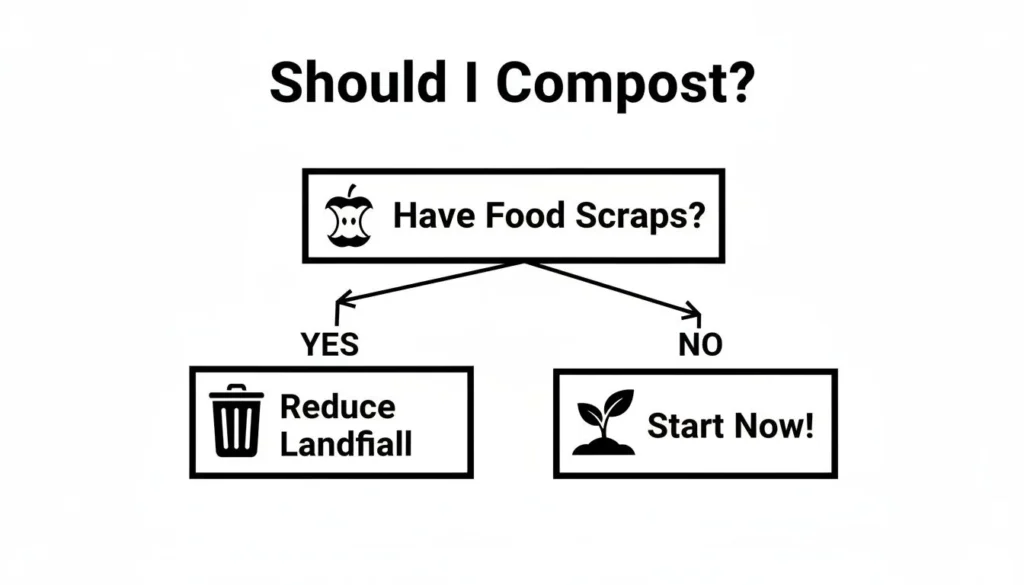
The takeaway is simple: if you create organic waste, composting is one of the best things you can do for the planet.
Let’s walk through the most common setups to see what fits your life.
Open Pile Composting for Large Yards
If you have a decent-sized yard, the open pile is the most traditional way to compost. It’s exactly what it sounds like: a freestanding heap of organic material tucked away in a corner of your property. This is the perfect solution for anyone dealing with a lot of yard trimmings, like grass clippings after mowing or mountains of fall leaves.
The biggest plus here is its simplicity and near-zero cost—you don’t need any special gear. The trade-off? It can take longer to break down and might not win any beauty contests. It’s also more exposed, so you’ll need to manage it well to keep curious critters away.
Contained Systems for Suburban Spaces
For those with smaller yards or who just prefer a tidier look, a contained system is a fantastic choice. By keeping everything enclosed, these systems trap heat more effectively, which really helps speed up the decomposition process.
You’ll typically see two main types:
- Stationary Bins: These are usually large plastic bins with a lid on top and a handy little door at the bottom for harvesting the finished compost. They’re a great middle-ground for the average household and do a solid job of keeping pests out.
- Compost Tumblers: Imagine a sealed drum on an axle that you can spin. That’s a tumbler. Turning your compost is as easy as giving the drum a few rotations every couple of days. This makes aeration a breeze and can give you finished compost much faster.
These contained systems are exploding in popularity. In fact, the market for household composters is set to grow by USD 561.2 million, largely thanks to city and suburban dwellers embracing these user-friendly options. You can read more about this global trend over at biocycle.net.
The most important thing is to choose a system that actually fits your lifestyle. A complicated setup you never have time for will just become a source of guilt. The real goal is to find a balance between effort and reward that keeps you going. For more on that, check out our guide on how to improve work-life balance.
Indoor Solutions for Apartments and Small Homes
No yard? No problem. There are some brilliant indoor methods that let you compost kitchen scraps no matter how small your space is.
Vermicomposting, also known as worm composting, is a fan favorite for apartment living. It uses a special tiered bin and a crew of red wiggler worms to break down food scraps quickly and with virtually no odor. The end product, called “worm castings,” is an incredibly potent, nutrient-rich fertilizer that your plants will absolutely love.
If you’re looking for a more high-tech route, electric composters are compact countertop machines that use heat, grinding, and aeration to turn food scraps into a dry, soil-like material in just a few hours. They are by far the fastest method available, but they do come with a higher price tag and need electricity to run.
Which Composting Method Is Right for You?
Feeling a bit overwhelmed by the options? Don’t be. This table breaks down the key differences to help you find your perfect composting match.
| Method | Best For | Effort Level | Space Required |
|---|---|---|---|
| Open Pile | Large yards, lots of leaves & grass clippings | Low-Medium | Large (at least 3’x3’x3′) |
| Compost Bin/Tumbler | Suburban homes, medium-sized families | Medium | Small-Medium (a few square feet) |
| Vermicomposting (Worms) | Apartments, small households, plant lovers | Medium | Small (fits in a closet or under a sink) |
| Electric Composter | Any size home, busy people who want speed | Low | Minimal (countertop space) |
Ultimately, the best method is the one you’ll actually use. Whether you have a sprawling backyard or a tiny studio apartment, there’s a composting system out there that will work for you.
What to Add to Your Compost Pile (And What to Avoid)
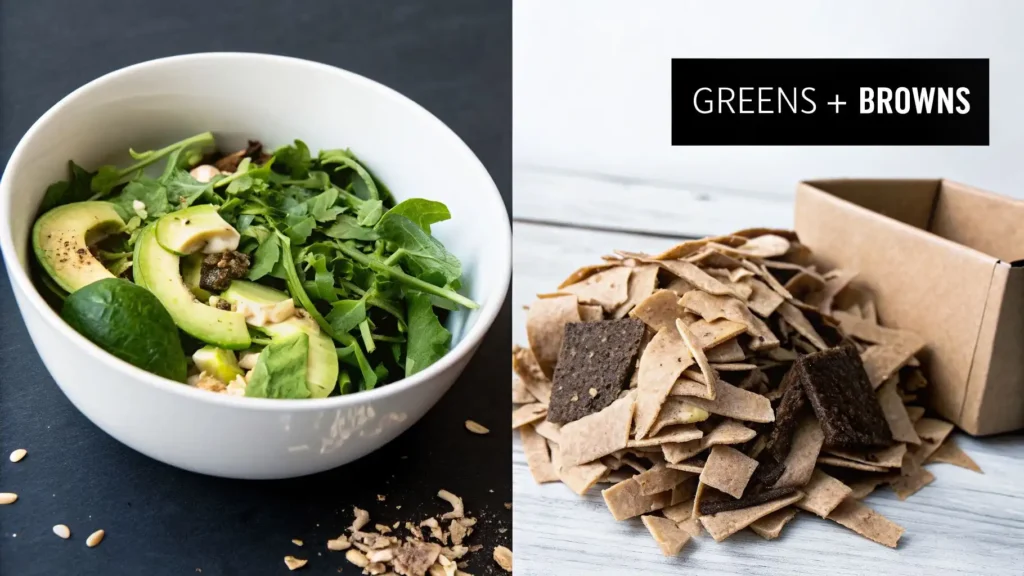
Think of your compost pile like a good recipe. If you get the ingredients right, you end up with something incredible. The two main ingredients you’ll be working with are “greens” and “browns.” Getting the balance right is the real secret to making fantastic compost at home.
Greens are the nitrogen-rich materials that fire up your pile, getting the decomposition party started. Browns, on the other hand, are loaded with carbon; they provide structure and airflow, which all the good microbes need to breathe.
As a general rule, you want to aim for a ratio of about two to three parts browns for every one part greens by volume. Don’t stress about measuring this perfectly—it’s more of a guideline to help you avoid common headaches like a stinky pile or one that just won’t heat up.
The Good Stuff: Greens to Add
Your “green” materials are usually the wet, fresh stuff from your kitchen and yard. They’re packed with the nitrogen and moisture that microorganisms love to munch on, which is what generates all that wonderful heat.
Here are some excellent greens to toss in your pile:
- Fruit and vegetable scraps: Apple cores, banana peels, carrot tops, and that sad, wilted lettuce in the back of your fridge are all perfect.
- Coffee grounds and tea bags: These are a fantastic source of nitrogen. Just remember to pull any staples or plastic bits off the tea bags.
- Fresh grass clippings: A great addition, but add them in thin layers. If you dump a thick mat of fresh clippings in, it can turn into a slimy, smelly mess.
- Eggshells: Crush them up before adding them. This helps them break down much faster and adds a nice dose of calcium to your final compost.
These materials are the fuel. They kickstart all the microbial action that turns your scraps into black gold.
The Essential Browns to Include
“Browns” are the dry, carbon-rich ingredients that balance out all the wet greens. They’re crucial for preventing your pile from becoming a dense, soggy mess by adding structure, soaking up extra moisture, and making sure oxygen can get in.
Some of the best browns you can use are:
- Dried leaves: This is the classic, go-to carbon source for any home composter. An absolute staple.
- Shredded cardboard and newspaper: Just make sure to avoid the glossy paper and colored inks. Tearing it into smaller pieces makes a world of difference in how fast it breaks down.
- Twigs and small branches: These are fantastic for creating air pockets throughout the pile.
- Sawdust and wood chips: Only use sawdust from untreated, unpainted wood to keep your compost clean.
A happy, healthy compost pile should have a pleasant, earthy smell, kind of like the forest floor after a good rain. If it starts to smell sour or like ammonia, that’s a dead giveaway that your green-to-brown ratio is off. The fix is easy: just mix in more shredded newspaper or dry leaves to get things back in balance.
What to Absolutely Keep Out of Your Compost
Knowing what not to add is just as important as knowing what to add. Tossing in the wrong things can attract pests, create nasty odors, and even introduce harmful pathogens to your finished compost—the last thing you want in your garden.
Here is the “no-fly list” for your home compost pile:
- Meat, fish, and bones: These will absolutely rot, create truly awful smells, and are a massive invitation for pests like rodents and raccoons.
- Dairy products: Things like cheese, milk, and yogurt will attract the same unwanted critters as meat and cause major odor problems.
- Oils, fats, and greasy foods: These can coat other materials in the pile, suffocating the good microbes, slowing down decomposition, and creating a stinky, anaerobic mess.
- Diseased plants or weeds that have gone to seed: You’ll just end up spreading plant diseases or a fresh batch of weeds all over your garden when you use the compost.
- Pet waste (from cats or dogs): This is a big no. Pet waste can contain harmful parasites and pathogens that you don’t want anywhere near your food-producing plants.
- Chemically treated wood or yard waste: Pesticides and other chemicals can survive the composting process and end up damaging your garden. Stick to the natural stuff.
Keeping Your Compost Pile Healthy and Active
Once you’ve got your pile started, your job shifts from builder to caretaker. You’re essentially the host for a microscopic party, and your goal is to keep the guests—billions of hardworking microbes—happy. When they’re happy, they work fast.
Keeping them thriving really just boils down to a few simple things: managing moisture, giving them air to breathe, and adding new stuff the right way.
Mastering the Art of Layering
When you bring out a bucket of kitchen scraps, don’t just dump them on top. That’s an open invitation for pests and smells. The trick is to always cover your fresh “greens” (like food scraps) with a layer of “browns” (like dried leaves or torn-up cardboard).
Think of it as tucking your scraps into bed. Burying the new stuff hides it from curious critters and immediately starts balancing the moisture and nutrients. This simple habit is probably the single best thing you can do to keep your pile from getting stinky or attracting unwanted visitors. Plus, it helps everything break down much more evenly.
Getting the Moisture Just Right
Your compost pile needs to be damp, but definitely not soaking wet. The classic analogy everyone uses is a wrung-out sponge, and honestly, it’s the perfect description. It should feel moist to the touch, but if you grab a handful and squeeze, you should only get a drop or two of water.
The Damp Sponge Test: Reach into the middle of your pile, grab a handful, and give it a good squeeze. If it feels dry and falls apart, it’s time to add some water. If a stream of water comes out, it’s too wet—time to mix in more dry, brown materials to soak up that excess.
A bone-dry pile will slow decomposition to a crawl. A sopping-wet one will go anaerobic, meaning it lacks oxygen, and will start to smell like a swamp. I check mine every week or so, especially if we’ve had a long dry spell or a ton of rain, just to make sure things are in that perfect “damp sponge” zone.
The Importance of Turning Your Compost
Turning your compost pile is like giving it a big breath of fresh air. It’s crucial. Mixing things up distributes moisture, breaks up clumps, and, most importantly, gets oxygen to the aerobic microbes that do the best work.
How often you need to turn it really depends on your setup and how quickly you want to see that finished “black gold.”
- Compost Tumblers: These are built for turning. Give it a few spins every 2-3 days. This keeps everything perfectly mixed and aerated, which is why tumblers can produce compost so quickly.
- Contained Bins and Open Piles: For these more traditional piles, a good turn with a pitchfork once a week is fantastic if you’re in a hurry. If you’re more of a “let nature take its course” type, turning it every 2-4 weeks is still plenty to get the job done.
Every time you turn the pile, you’ll notice it heats up again. That’s the sign of a happy, active microbial community getting back to work. This is the real secret to turning your scraps into amazing compost in months, not years.
Solving Common Composting Problems
Even those of us who have been composting for years run into trouble every now and then. Don’t think of these issues as failures. Instead, see them as your compost pile sending you a message about what it needs to thrive. A few simple tweaks are usually all it takes.
The big three complaints are funky smells, unwelcome critters, and a pile that seems to have stopped working entirely. Let’s dig into what’s really going on with each and how to fix it fast, so you can get back to making that beautiful black gold.
Why Does My Compost Smell Bad?
If your pile starts smelling sour, like ammonia, or just plain rotten, it’s almost always screaming one thing: too much nitrogen (your “greens”) and not nearly enough air. This creates an anaerobic environment—meaning, without oxygen—where the wrong kind of microbes take over and produce some seriously gnarly odors.
Luckily, the fix is straightforward. You just need to rebalance the recipe and get some oxygen in there.
- Load Up on Browns: The first thing you should do is mix in a hefty amount of carbon-rich materials. Think shredded newspaper, torn-up cardboard, or a big scoop of dry leaves. This will immediately start soaking up that excess moisture and restore the proper carbon-to-nitrogen ratio.
- Give It a Good Turn: Grab your pitchfork or compost aerator and give the whole pile a thorough turn. You want to break up any dense, wet clumps and get that vital oxygen flowing into the core. This is what helps the good, odor-free microbes get back to work.
A happy compost pile has a pleasant, earthy scent, like the forest floor after it rains. If it stinks, it’s just out of balance. Don’t panic—just add more browns and fluff it up.
Dealing with Unwanted Pests
Finding a few bugs, worms, and other creepy crawlies in your compost is totally normal; they’re part of the decomposition crew. But if you start attracting bigger guests like rats, raccoons, or the neighbor’s dog, it’s a clear sign you’ve put something in there that you shouldn’t have.
The secret to keeping pests away is to make your pile completely unappealing to them.
First off, never add meat, dairy, bones, or oily foods to a backyard compost pile. These are magnets for scavengers. Stick strictly to plant-based scraps from your kitchen.
Second, always bury your fresh food scraps deep inside the pile. Don’t just toss them on top where they’re easy to find. Dig a little hole, dump them in, and cover them with a thick layer of browns like leaves or even a bit of finished compost. This buries the scent and makes it too much work for pests. Of course, using a fully enclosed bin or a tumbler solves this problem from the get-go.
Why Is My Compost Not Breaking Down?
Is your pile just… sitting there? If it looks the same today as it did weeks ago, something is off. A slow or stalled compost pile is almost always missing one of three things: enough moisture, enough nitrogen, or enough mass.
- Is it too dry? Your compost materials should feel like a damp, wrung-out sponge. If you grab a handful and it feels dry and crumbly, it’s time to give it a light watering with the hose.
- Does it need more greens? A pile that’s all browns (leaves, cardboard) is starved for nitrogen. It won’t have the fuel to heat up. Kickstart the microbial party by mixing in fresh grass clippings, coffee grounds, or vegetable scraps.
- Is it too small? A tiny pile can’t build or hold the heat it needs for efficient decomposition. For a hot composting process to really work, you need a critical mass. Try to build your pile to at least 3 feet wide by 3 feet deep by 3 feet high.
Harvesting and Using Your Finished Compost
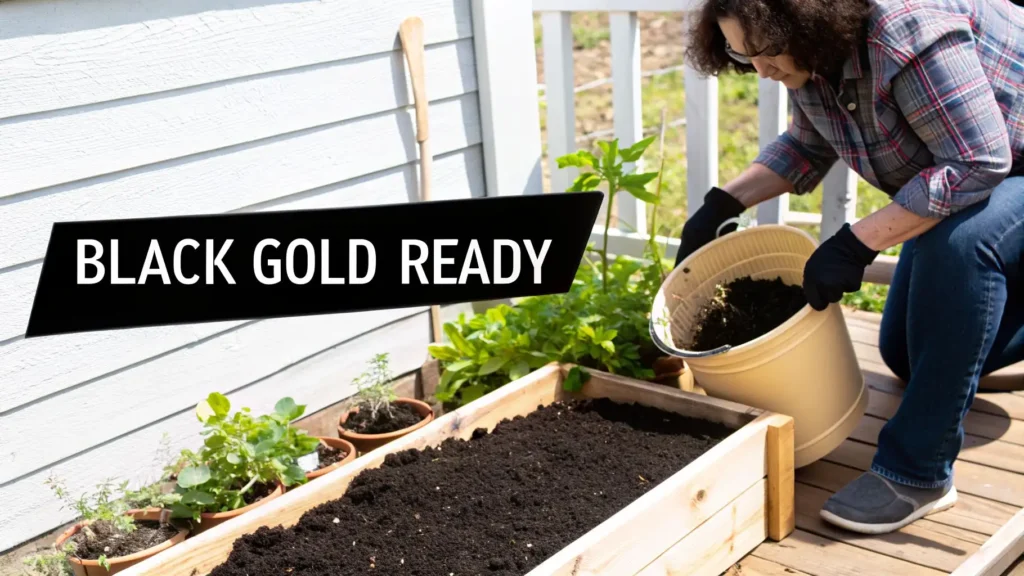
After a few months of letting nature do its thing, you’ll hit the best part of the whole process: harvesting your homemade “black gold.” This is the payoff, the moment all those kitchen scraps and yard trimmings complete their journey back to the earth, ready to fuel new growth.
So, how do you know it’s ready? The finished product will be dark, rich, and wonderfully crumbly. It should have a pleasant, earthy smell, just like a forest floor after it rains. Critically, all the original ingredients—the coffee grounds, banana peels, and old leaves—should be completely unrecognizable.
Sifting and Separating Your Compost
It’s pretty common to find that not everything in your pile has broken down at the same speed. You’ll likely spot a few stubborn bits like avocado pits, eggshells, or small twigs still hanging around. For a fine, uniform texture that’s easy to spread, many gardeners (myself included) like to sift their compost first.
You don’t need anything fancy. A simple sifter can be made by stapling a piece of half-inch hardware cloth to a basic wooden frame. Just shovel the compost onto the screen and shake it over a wheelbarrow or tarp. The good stuff falls right through, and the bigger chunks stay on top.
Don’t just toss those larger, unfinished pieces! They’re packed with active microbes and act as a fantastic “starter” for your next batch. Throw them back into the bin to keep decomposing and give your new pile a biological boost.
Putting Your Black Gold to Work
Finished compost is one of the most versatile things you can add to your garden, benefiting nearly every plant you grow. The demand for this stuff is huge; the global compost market is projected to hit US$7,780 million by 2031, with home gardening being a major driver. A single family can easily create 10-20 lbs of this incredible resource every month. You can dig into more stats about this growing trend on valuates.com.
Here are my favorite ways to use a fresh harvest:
- Enrich Garden Beds: Before you plant, work a generous 2-3 inch layer of compost into the top six inches of your garden soil. This does wonders for soil structure and provides a slow-release source of nutrients all season long.
- Boost Potted Plants: Whip up a premium potting mix by blending one part compost with two parts potting soil or coco coir. Your container plants will absolutely love the extra nutrition.
- Top-Dress Your Lawn: In the spring or fall, broadcast a thin layer (about a quarter-inch) of sifted compost across your lawn and gently rake it in. It’s a natural, slow-release fertilizer that will make your grass greener and healthier.
Your Composting Questions Answered
Even with a perfect plan, a few questions are bound to come up when you start something new. Let’s tackle some of the most common ones I hear from folks just getting started with their compost.
How Long Does Composting Take?
This is the big one, and the honest answer is: it depends! A super active, frequently turned hot pile can give you beautiful, crumbly compost in as little as 1-3 months.
If you’re taking a more hands-off approach with a cool pile, you’re looking at a more leisurely timeline, maybe 6-12 months. On the other hand, a good tumbler or one of those fancy electric composters can speed things up considerably.
Will My Compost Pile Attract Pests?
A well-tended pile really shouldn’t. Most pests—rodents, raccoons, you name it—are drawn to the very things you shouldn’t be composting anyway, like meat, bones, and dairy.
The best defense is a good offense. If you’re worried, stick with an enclosed bin. A simple but crucial tip is to always bury your fresh kitchen scraps deep inside the pile. Don’t just toss them on top where they’re an open invitation for critters.
Taking on a new, mindful hobby like composting can be a great form of self-care. For more ideas, check out our guide on mental health self-care tips.
Discover more from Maxi Journal
Subscribe to get the latest posts sent to your email.