The first time I watched someone step into winter sea water, she gasped, laughed, swore under her breath, and then came out five minutes later looking brighter than when she went in. On shore, wrapped in a robe with shaking hands around a warm drink, she said the same thing many first-timers say: “I feel unbelievably awake.”
The Allure of the Frigid Plunge
Cold water swimming has a strange pull. It looks uncomfortable from the outside, sometimes even punishing, yet the people who do it regularly tend to talk about it with unusual warmth. They don’t just describe exercise. They describe relief, clarity, camaraderie, and the satisfaction of doing something that asks for presence.
That appeal makes sense once you’ve seen a group of swimmers gathering at dawn. Someone checks the tide. Someone else lays out gloves and a wool hat for the walk back. A nervous beginner asks whether the first few seconds are always awful, and the seasoned swimmers answer candidly: yes, often they are. But they also say the discomfort changes shape once you understand it.
Why people keep coming back
For some, the draw is nature. Pools are controlled. Lakes, rivers, and the sea are not. You feel weather, wind, current, and season in a direct way. For others, the draw is challenge. Cold water gives immediate feedback. You can’t scroll your phone while entering a freezing bay. You have to breathe, pay attention, and stay calm.
Many swimmers also talk about the after-effect more than the swim itself. They describe a lifted mood, a sense of focus, and a kind of clean fatigue that feels different from daily stress.
A few common reasons people try it include:
- A mental reset: The cold grabs your attention so completely that rumination often stops, at least for a while.
- A simple ritual: A short dip can become a repeatable habit tied to mornings, weekends, or post-work decompression.
- A social challenge: Group swims turn discomfort into a shared experience, which can make the practice feel less intimidating.
- A health experiment: Some people come for the potential physical benefits and stay because of how they feel afterward.
Curiosity is good. Caution is better
The benefits of cold water swimming are real enough to deserve attention. But the most responsible way to talk about them is not as magic, and not as a dare. Cold water is a stressor. That’s partly why it may help. It’s also why safety matters so much.
Cold water swimming makes the most sense when enthusiasm and restraint show up together.
That means asking two questions at the same time. What might this practice do for me? And just as important, is it safe for me in the first place?
The Science of the Shiver
A first cold-water entry often looks the same from shore. Someone steps in, their breath catches, their shoulders rise, and for a few seconds they seem surprised by their own body. Experienced swimmers know that moment well. The surprise is not weakness. It is physiology, fast and automatic.
Cold water triggers a protective response within seconds. Breathing speeds up. Blood vessels near the skin tighten. Heart rate and blood pressure can rise. The body is trying to limit heat loss and protect the brain, heart, and other core organs.
What happens in the first moments
The cold shock response is the body’s rapid alarm system. It kicks in before you have time to reason your way through it, which is why beginners often feel as if the water has stolen their breath.
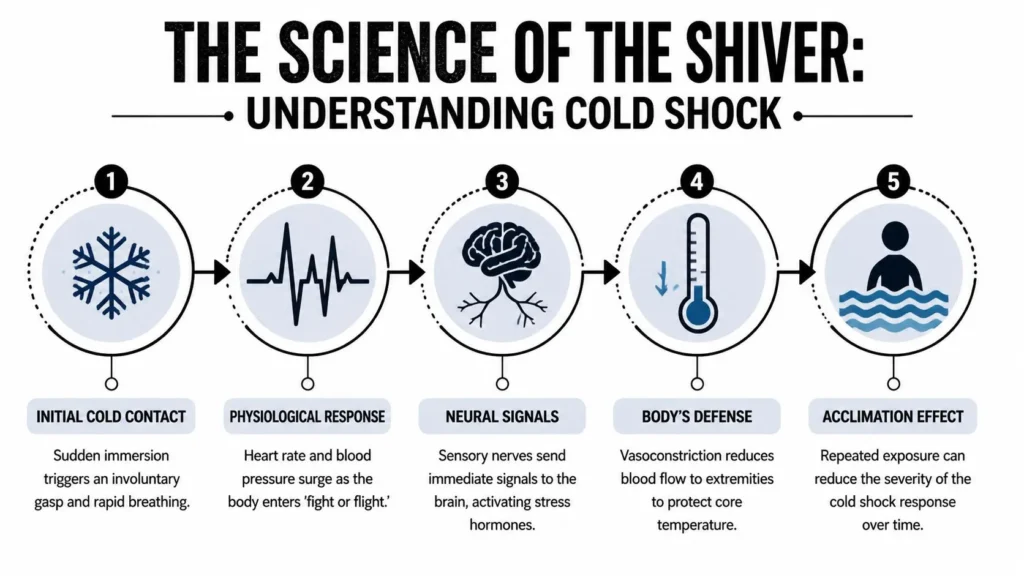
A simple sequence helps explain what is happening:
- Cold hits the skin. Temperature-sensitive nerves send urgent signals to the brain.
- Breathing changes abruptly. Many people gasp, then start breathing fast and shallow.
- Blood vessels narrow near the surface. This vasoconstriction reduces blood flow to the skin and extremities to conserve heat.
- Stress chemicals rise. Adrenaline and noradrenaline prepare the body for immediate action.
- Control matters. If you can slow the exhale and steady the breath, the experience often becomes more manageable within the first minute.
This is one reason safety advice sounds repetitive to seasoned open-water swimmers. Never jump into cold water alone. Never treat the first gasp as harmless. The risk in those opening moments is not just discomfort. It is loss of breathing control, poor judgment, and in some people, dangerous strain on the heart.
Why the body does this
The body cares most about preserving core temperature. In practical terms, that means sacrificing comfort in the hands, feet, and skin so the organs in the center stay warm enough to function.
That tradeoff explains a lot. Fingers become clumsy. Toes ache. Fine motor control drops. Even strong swimmers can feel awkward because muscles and nerves do not work as smoothly when they cool down. Cold water is not only a mental challenge. It changes mechanics.
For healthy people who acclimate gradually, the response often becomes less intense with repeated exposure. That is one of the main reasons beginners are told to start small. The body can learn, but it learns from calm, repeatable sessions, not from bravado.
Practical rule: Treat the first wave of discomfort as a cue to pause, control your breathing, and check whether you still feel steady enough to continue.
The stress that may help, and the stress that can harm
Cold exposure is a stressor. That word can be confusing because short, controlled stress is not the same as overwhelming stress. Exercise works on the same basic principle. A manageable challenge can lead to adaptation. Too much, too fast, can backfire.
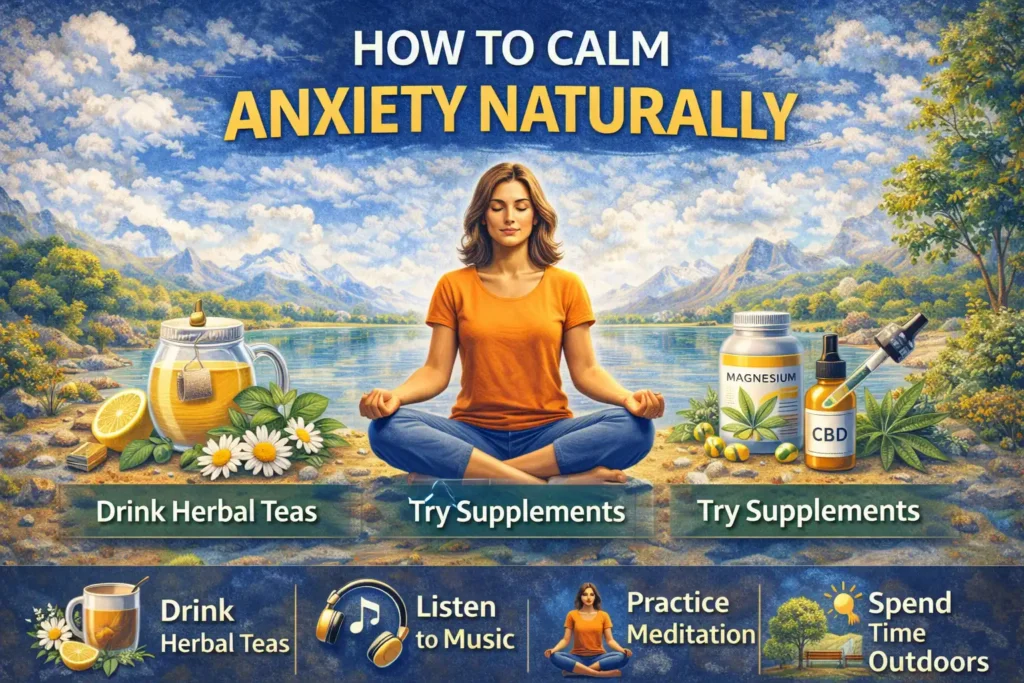
In cold water, the line between useful stress and risky stress depends on the person, the temperature, the conditions, and the plan. A brief dip after gradual acclimation is very different from an impulsive plunge in rough water. Someone with anxiety may also notice that the first seconds feel like a panic surge. In that case, practicing natural ways to calm anxiety on land before trying cold exposure can make the experience safer and more predictable.
This is also where the question of who should be careful starts to matter. People with heart conditions, uncontrolled blood pressure, a history of fainting, cold-triggered asthma, or poor circulation may face more than an unpleasant jolt. For them, the body’s alarm response can carry real medical risk. That is why responsible cold-water swimming starts with restraint, not toughness.
Beyond the Brain Freeze Mental Health Benefits
Ask regular swimmers why they return, and many won’t start with immunity or metabolism. They’ll start with mood. They talk about leaving the water calmer, sharper, lighter, or more capable of handling the day.
That doesn’t make cold water swimming a cure-all. It does suggest that the mental side of the experience is a major reason the practice sticks.
Why the mood shift can feel so dramatic
The jolt of cold exposure triggers a surge of alertness. For some people, that’s followed by a sense of relief and uplift once the initial strain passes. One reason may be the mix of intense sensation, focused breathing, and the emotional release that comes from tolerating a brief challenge without being overwhelmed by it.
There’s also a psychological effect that matters even if you never mention neurochemistry. You decided to do something difficult. You stayed present. Then you got out safely. That sequence can build confidence in a very tangible way.
The mental benefits often seem to come from several layers acting together:
- Attention narrowing: The cold leaves little room for looping thoughts.
- Breathing discipline: Controlled exhalation can lower panic and help people feel more anchored.
- Mastery: Repeatedly meeting a challenge can make other stressors feel less dominant.
- Environment: Water, daylight, movement, and companionship may all contribute.
What the evidence can and can’t say
Responsible reporting matters here. A lot of articles overstate the certainty of the science. The evidence for improved mood is promising, but it’s hard to separate the direct effects of cold water from the effects of being outside, exercising, and doing something meaningful with other people.
An Associated Press report on the topic notes that there is “a very strong base, but not hard evidence” for mental health benefits, while also warning that the risks are often underexplored in popular coverage. That caution is important. Relief isn’t the same as proof, and feeling better after a dip doesn’t mean the practice is appropriate for everyone.
Resilience, not invincibility
The most persuasive mental health case for cold water swimming may be resilience, not bliss. Cold immersion gives people a chance to practice staying calm during a controlled stress response. That lesson can carry over. A tense meeting, a racing mind, a stressful commute, these may feel a little more manageable when you’ve trained yourself not to panic at the first surge of discomfort.
If anxiety is part of why you’re interested in cold exposure, it helps to pair the practice with broader tools for regulation. Practical techniques like breathing work, sleep protection, and routine matter too. For more everyday strategies, this guide on natural ways to calm anxiety offers useful complements to any cold-water routine.
Some swimmers chase the high. The steadier benefit may be learning that your first stress response doesn’t have to make your next decision for you.
A Boost for Body and Performance
A lot of people first hear about cold water swimming through stories about mood. Stay with it a little longer, though, and a more practical question appears. What is the body doing in that water, and who benefits from that stress versus who just gets drained by it?
The answer is less glamorous than social media makes it look. Cold water acts like an extra training load. Your body has to defend its core temperature, manage the shock of immersion, and recover afterward. For some swimmers, that can support adaptation. For others, especially beginners who are already tired, underfed, or pushing hard in training, it can add strain.
Immune effects
One of the most repeated claims is that regular cold water swimmers get sick less often.
Winter swimmers exhibit a 40% lower incidence of upper respiratory tract infections compared to control groups, according to a PMC review on the benefits and risks of cold water swimming.
That sounds impressive, but it needs context. An association is not a guarantee. People who swim outdoors year-round may also differ in sleep, exercise habits, social connection, and general health. The review does describe possible immune and hormonal adaptations, along with reports of fewer or milder illnesses in some participants, but it does not mean cold water is a shield against infection.
A better way to read this evidence is modestly. Repeated, well-managed exposure may help some bodies adapt to stress. Dose matters. Recovery matters. If you are already run down, the same cold session that seems invigorating to an experienced swimmer may leave you more depleted.
Metabolism and energy use
Cold water raises energy demand because heat loss in water happens fast. Water strips warmth from the body much faster than air, which is why a short swim can feel surprisingly taxing even when the distance is small.
Part of that response includes non-shivering thermogenesis. In plain English, the body can produce extra heat without relying only on obvious shaking. Brown adipose tissue, usually shortened to brown fat, plays a role in that process.
A SwimSwam summary of benefits and beginner guidance notes that cold water swimmers can burn up to 500 calories in a 30-minute session.
Treat that as a variable outcome, not a promise. Water temperature, swim intensity, body size, body composition, and acclimation all change the picture. Some people also hear “calorie burn” and make a common mistake. They start using cold exposure as a weight-loss shortcut. That is a poor fit for beginners, and it can backfire if it encourages longer swims than your experience and recovery can support.
The practical lesson is simpler. Cold water costs energy. That is one reason a short dip can leave you hungry, sleepy, and heavy-legged later.
Recovery after training
Recovery is where cold water has the clearest practical use for athletes. After hard training, immersion can reduce soreness and make the next session feel more manageable. As noted earlier in the article, research reviews on cold water immersion suggest a real benefit for perceived muscle soreness and short-term recovery in some settings.
That does not make it the right choice after every workout.
If your goal is building strength or muscle, frequent cold immersion right after training may not always match that goal. Some coaches and sports scientists worry that blunting inflammation too aggressively can interfere with parts of the training response you want. If your goal is getting through a tournament weekend, a block of intense practice, or back-to-back endurance sessions, cold may be more useful. If your goal is long-term adaptation, timing matters more.
A simple rule helps. Use cold for recovery when recovery is the priority. Skip it when adaptation is the priority, unless a clinician or coach has a specific reason to suggest it.
| Goal | What cold water may help with | What it does not replace |
|---|---|---|
| General wellness | A short physical challenge, routine, possible stress adaptation | Sleep, nutrition, medical care |
| Weight management | Temporary increase in energy expenditure during exposure | Consistent eating habits and regular activity |
| Athletic recovery | Less soreness and easier short-term turnaround after hard sessions | Good programming, rest days, rehab, and fueling |
If you are new to exercise in general, build your base first. A plan built on fitness tips for beginners will do more for your health than stacking advanced recovery tools onto inconsistent training.
The useful middle ground
Cold water swimming can support body performance, but only when the dose fits the person. An experienced open-water swimmer doing brief, deliberate sessions is in a different situation from a beginner who is exhausted, chasing trends, or trying to “out-tough” the water.
That distinction matters.
The actual benefit is not that cold fixes everything. It is that, used carefully, it can serve a specific purpose: a controlled physical stressor that may support adaptation, increase energy use during exposure, and help some athletes recover. Used carelessly, it becomes one more demand on a body that needed rest instead.
Taking the Plunge Safely A Beginners Guide
The first time I watched a new cold-water swimmer enter the sea, she did what many beginners do. She rushed the shoreline, gasped as the water hit her ribs, then froze between pride and panic. An experienced swimmer beside her gave the better instruction: slow down, keep your feet under you, and treat the first dip like a lesson, not a test.
That approach keeps people safer.
Start with control, not courage
Cold water rewards patience. Your body needs time to learn the sensation, your breathing needs time to settle, and your judgment gets better when the session stays short enough to end well.
For a beginner, that usually means choosing cool rather than brutally cold water, keeping the first sessions brief, and picking conditions that are easy to read. If a session feels almost too modest, that is often a good sign. Early progress works like language learning or strength training. Small, repeatable exposures teach the body more than one dramatic effort.
A simple rule helps: leave the water while you still feel calm, clear-headed, and coordinated.
Build a first-session setup before you get wet
Preparation matters more than toughness. Before you enter the water, make the whole session easy to reverse.
Use this checklist:
- Pick a simple spot: Choose calm water, a gentle entry, and an exit you can reach quickly.
- Go with another person: A companion notices trouble sooner and can help if your hands go clumsy or your thinking gets foggy.
- Check more than temperature: Wind, chop, current, tide, and footing often shape the risk more than the number on a weather app.
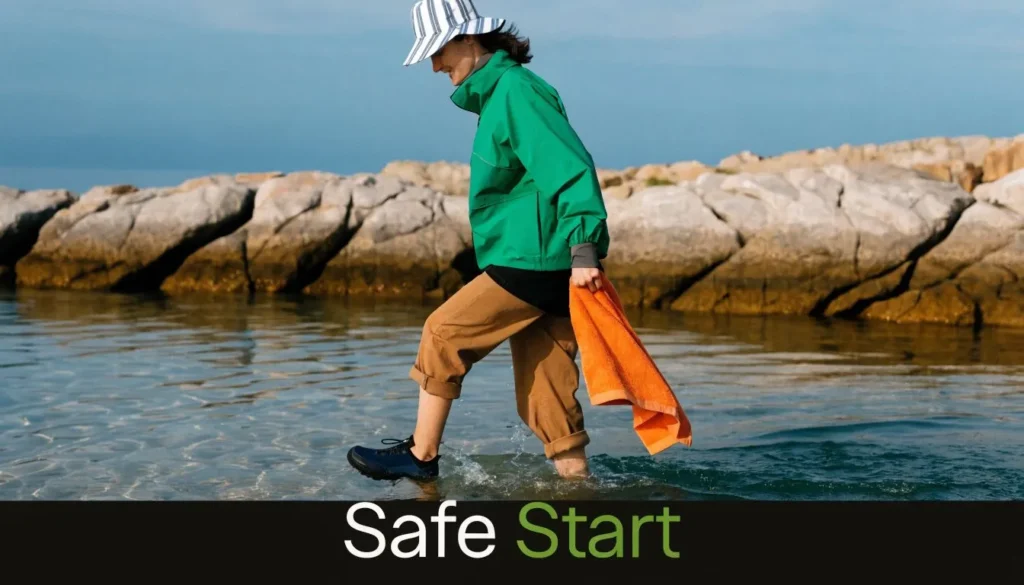
- Set up your rewarming kit first: Put dry clothes, shoes, towel, hat, and warm layers where you can reach them immediately.
- Keep aftercare simple: Cold hands make zippers, buttons, and flask lids harder than expected.
Swimming skill also changes the equation. Pool confidence does not always carry over to dark water, waves, uneven footing, or the surprise of cold on your breathing. If you are still building water confidence, beginner swimming techniques can help you practice the basics before adding cold and open-water variables.
How to enter without triggering panic
The cold shock response is often the hardest part of a first session. Water across the skin can make breathing speed up before your mind catches up. That is why gradual entry works. It gives the body a moment to adjust instead of stacking surprise on top of surprise.
Try this sequence:
- Pause at the edge and steady your breathing.
- Walk in slowly until the water reaches your legs, then waist, then chest.
- Exhale for longer than you inhale to reduce the urge to gasp.
- Stay close to shore for the first few sessions.
- Get out early if your breathing stays ragged or you feel unsettled.
Diving straight in is a poor beginner strategy. So is treating discomfort as something to defeat. Cold water is closer to a strong current than a gym challenge. Respect works better than force.
If you cannot regain calm breathing soon after entry, end the session and warm up. That is useful feedback.
This demonstration is useful if you want to see calm entry and recovery habits in action:
A beginner-friendly acclimation plan
Many people ask how to start without overdoing it. The safest answer is boring and effective. Repeat short, manageable sessions in predictable conditions.
A practical progression looks like this:
- Session 1: Brief dip, close to shore, focus on breathing and exit routine.
- Sessions 2 to 4: Repeat at the same location if conditions are similar and the first attempt felt controlled.
- Later sessions: Add a little time only if recovery was smooth, your hands stayed functional, and you wanted to continue rather than endure.
Do not increase time, distance, and difficulty all at once. Change one variable at a time. That makes it easier to tell whether your body is adapting or being overwhelmed.
Rewarming starts the moment you get out
New swimmers often expect the challenge to end at the shoreline. Often, the harder stretch comes after the swim, when the body keeps cooling and fine motor control drops. Shoes become fiddly. Speech can get choppy. Simple tasks feel strangely slow.
Dry off, get into warm layers, and find shelter from wind as soon as you can. Gentle movement helps. A hot drink can feel good, but dry clothes and insulation matter more.
Lingering outside in wet kit is not a badge of adaptation. It is a setup for a miserable recovery.
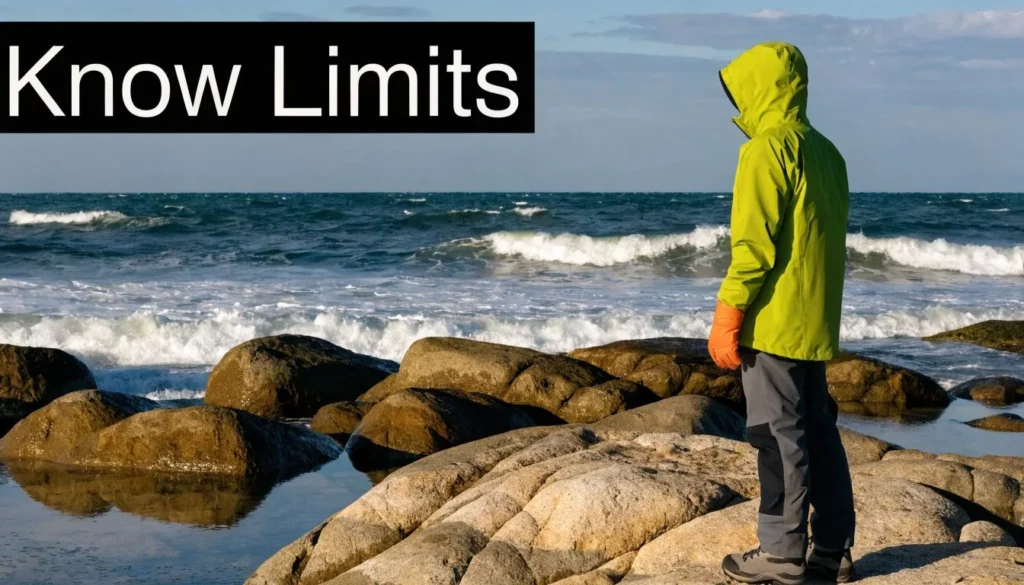
When to Stay on Shore Risks and Contraindications
A cold swim can look simple from the beach. Then the body hits cold water and reacts faster than conscious thought. Breathing can turn ragged, blood vessels tighten, and the heart has to respond to a sudden surge of stress.
That reaction is one reason experienced swimmers treat cold water with respect, not bravado. The possible upside gets plenty of attention. The screening process matters just as much.
Who needs extra caution
The key question is not only, “Can cold water be beneficial?” It is also, “Is my body a good candidate for this kind of stress?” Cold immersion works like a fire drill for the nervous and cardiovascular systems. For some people, that drill is manageable. For others, it can be risky from the first minute.
Cold water swimming is a poor choice, or a clinician-cleared one at minimum, if you have:
- Heart disease or known cardiovascular problems: Sudden immersion can strain the heart and disturb normal rhythm.
- High blood pressure: Cold exposure can drive blood pressure up quickly.
- A history of fainting, seizures, or blackouts: Any loss of awareness in water can become an emergency.
- Raynaud’s syndrome or marked cold intolerance: Hands and feet may lose circulation and function faster.
- Poorly controlled asthma or other breathing disorders: The initial gasp and rapid breathing can trigger symptoms.
- Pregnancy, recent illness, or recovery from surgery: Your stress response and temperature regulation may be less predictable.
Healthy people can run into trouble too. Alcohol, sleep deprivation, dehydration, and solo swimming all make a bad situation harder to handle.
Red flags in the water
Trouble often starts small. A swimmer fumbles a zipper, cannot answer a simple question, or feels oddly detached from what their body is doing. Those are not personality tests. They are warning signs.
Get out right away if you notice:
- Breathing that does not settle after the first moments
- Chest pain, pressure, or an unusual pounding heartbeat
- Dizziness, confusion, or trouble following simple steps
- Loss of hand function or severe numbness
- Poor coordination or a feeling that your limbs are not responding normally
A useful rule is this. If you cannot carry out your exit routine smoothly, the swim has already gone too far.
The best safety habit is medical honesty
Plenty of people hear that cold water is “natural” and assume that makes it broadly safe. Nature is not automatically gentle. Cold exposure can be therapeutic in one context and dangerous in another.
If you have a medical condition, ask a clinician before trying cold immersion. Give real details. Tell them the likely water temperature, whether you plan to dip or swim, how long you expect to stay in, and whether other people will be present. Specific questions get better answers.
The goal is not to prove toughness. The goal is to decide, with clear eyes, whether this practice fits your body at all. Sometimes the smartest cold water decision is to stay on shore.
Cold Water Myths and FAQs
The internet has turned cold exposure into a strange mix of wellness ritual, endurance test, and personality trait. Some of the loudest claims are the least useful.
Do I need to stay in for a long time
No. Long exposure is not the point, especially for beginners. Consistency and control matter more than duration. A short, well-managed dip can be more productive than a heroic, shivery overstay.
Is a cold shower the same thing
Not exactly. There’s overlap, but immersion changes the experience. More of the body is exposed at once, the heat loss is different, and open water adds movement, weather, and psychological intensity. A cold shower may be a reasonable stepping stone, but it doesn’t fully replicate an outdoor swim.
Will everyone get the same benefits
No, and this is one of the most important corrections to the hype.
The evidence is messy because studies use different temperatures, different methods, and different groups of people. As one discussion of cold water swimming benefits and limits points out, the effects are hard to separate from being outdoors, exercising, and sharing the experience with others. That means benefits are not universal.
Your response may vary based on factors such as:
- Previous cold exposure: Acclimated swimmers often react differently than first-timers.
- Fitness and body composition: Heat loss and tolerance differ from person to person.
- Age and general health: Recovery capacity isn’t the same across all bodies.
- Your reasons for doing it: Someone seeking routine and community may notice different benefits than someone chasing athletic recovery.
Is more cold always better
Usually not. More intensity, more frequency, and longer exposure don’t automatically produce better outcomes. They can just create more stress. The best cold water practice is the one you can repeat safely and recover from well.
The benefits of cold water swimming are real enough to explore, but they’re not automatic, universal, or worth chasing at any cost. The smart version of this habit is measured, observant, and honest about your own limits.
If you enjoy clear, grounded writing on health, science, sport, and everyday questions like this one, explore more thoughtful articles at maxijournal.com.
Discover more from Maxi Journal
Subscribe to get the latest posts sent to your email.