It might sound backward, but the secret to cleaning hair without shampoo is often about letting your scalp do its thing. The real goal is to get off the hamster wheel of stripping your hair’s natural oils with harsh soaps, which only makes your scalp panic and produce even more oil. Instead, this is about using gentler methods that clean your hair without nuking your scalp’s natural balance.
Why People Are Ditching Shampoo
The move away from daily shampooing isn’t just a social media trend—it’s based on a better understanding of how our scalps actually work. Most shampoos you find at the drugstore are loaded with powerful detergents, like sulfates, that are designed to obliterate grease and grime. And they do! But they’re often too good at their job.
When you strip away all of that natural oil, you’re also removing the scalp’s protective barrier. This sends a red alert to your oil glands (the sebaceous glands) to work overtime and produce more sebum to compensate. Before you know it, your hair feels greasy again, so you wash it, and the whole vicious cycle repeats. Breaking free from that is the number one reason most people start looking for alternatives.
Understanding Your Scalp’s Microbiome
Believe it or not, your scalp is an entire ecosystem, home to a complex community of tiny microorganisms. This is your scalp microbiome. When it’s healthy and balanced, it keeps things like dandruff, itchiness, and irritation in check. Harsh shampoos can throw this delicate ecosystem completely out of whack, creating an environment where the bad guys can take over.
Switching to a gentler routine gives this microbiome a chance to heal and find its footing again. The benefits are pretty clear:
- Less scalp irritation and that annoying itchiness.
- Oil production that’s way more consistent and balanced.
- A healthier foundation for your hair to grow from.
The whole idea is to work with your body, not against it. Think of it less like “degreasing” your hair and more like gently cleansing and nurturing your scalp. It’s a lot like gardening—a healthy garden starts with healthy soil. For more on how to foster a natural ecosystem, check out our guide on how to get started with composting at home.
The Inevitable Transition Period
Okay, let’s talk about the biggest hurdle: the “transition period.” This is that awkward phase when you first ditch shampoo, and your scalp, which is so used to being stripped clean every day, keeps overproducing oil. For a little while, your hair might feel oilier, heavier, or just plain weird.
This adjustment phase can last anywhere from two to six weeks. It’s not permanent—it’s just your scalp recalibrating. You have to be patient while it relearns how to regulate itself without harsh chemicals telling it what to do.
Your hair is essentially detoxing from years of product buildup and rediscovering its natural rhythm. That initial greasiness isn’t a sign that it’s not working; it’s a sign that your scalp is finally starting to heal. A lot of people rely on braids, buns, or hats to get through this stage.
Knowing about this upfront helps set realistic expectations. This isn’t about getting perfect hair in a day. It’s a commitment to a process that, in the long run, can lead to healthier and more resilient hair by letting your scalp function the way it was meant to. Once you understand the science behind sebum and your scalp’s microbiome, the idea of washing your hair without shampoo starts to make a whole lot of sense.
Exploring Shampoo-Free Cleansing Methods
Ditching your shampoo bottle doesn’t mean you’re stuck with just one option. It’s more like opening up a whole new menu for your hair, with methods suited for different hair types, lifestyles, and end goals. Finding the right way to clean your hair without traditional shampoo is a personal journey—what works wonders for your friend might not be the best fit for you.
The whole point is to step away from the harsh detergents that strip your scalp’s natural oils and, instead, embrace gentler techniques. It can feel a little weird at first, but with some patience and experimentation, you’ll land on a routine that leaves your hair feeling healthy and balanced.
This little guide can help you figure out where to start, depending on where your hair is at right now.
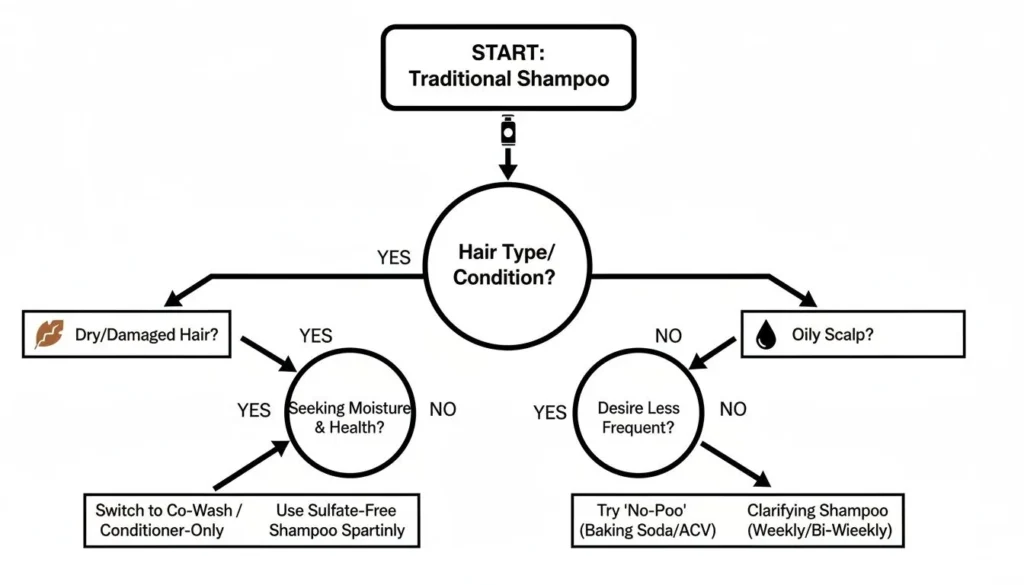
As you can see, someone with dry or curly hair might get great results from co-washing, while a person with an oilier scalp could find that clarifying rinses are the way to go. Think of it as your personal roadmap.
To make it even easier, here’s a quick rundown of the most popular methods.
Comparing Shampoo-Free Cleansing Methods
This table breaks down the main options at a glance, helping you compare their cleansing power and benefits.
| Method | Best For Hair Type | Cleansing Power | Key Benefit |
|---|---|---|---|
| Co-Washing | Dry, Coarse, Curly, Damaged | Mild | Maximum moisture retention and frizz reduction. |
| DIY Rinses (ACV/Baking Soda) | Oily, Prone to Buildup, Straight to Wavy | Moderate | Deeply clarifies and restores scalp pH balance. |
| Water-Only Washing | Normal to Oily (after transition), Short Hair | Very Mild | Relies entirely on the scalp’s natural sebum. |
| Natural/Herbal Cleansers | Sensitive Scalps, All Hair Types (with tweaking) | Mild | Gentle, nutrient-rich cleansing without chemicals. |
Each path offers something different, so let’s get into the details of a few favorites.
The Art of Co-Washing
Co-washing, or “conditioner-only washing,” is probably the most common starting point for anyone dipping their toes into the shampoo-free world. It feels the most familiar and is a lifesaver for anyone with dry, coarse, or curly hair. The idea is simple: you just use conditioner to wash your hair instead of shampoo.
The real secret here is friction. You can’t just slather it on and rinse. You need to spend a solid few minutes massaging the conditioner into your scalp with your fingertips. This physical scrubbing is what actually lifts away the dirt, oil, and grime.
A word of caution: not just any conditioner will do. You’ll want to look for one that is:
- Silicone-Free: Silicones give you that slippery, smooth feeling, but they can build up over time, weigh down your hair, and block moisture from getting into the hair shaft. Check the ingredients list for anything ending in “-cone,” “-conol,” or “-xane” and avoid it.
- Lightweight: Super heavy conditioners loaded with butters and oils might be too much for fine hair. If your hair gets weighed down easily, stick to a lighter formula.
Luckily, many brands now make products specifically called “cleansing conditioners” or “co-washes,” which takes all the guesswork out of it.
Crafting DIY Cleansing Rinses
If you’re the type who likes a more hands-on, back-to-basics approach, DIY rinses are an incredibly effective and budget-friendly option. Most of the popular recipes use ingredients you probably already have in your kitchen.
The modern “no-poo” movement really took off in the early 2000s, thanks in large part to Lorraine Massey’s 2001 book, Curly Girl: The Handbook. It introduced a generation of curly-haired folks to the power of baking soda and apple cider vinegar rinses. This idea gained even more steam as people learned about the downsides of sulfates like sodium lauryl sulfate (SLS), which can strip natural oils and cause damage—an issue that affects up to 40% of people with chemically treated hair. You can read more about the rise of sulfate-free products on straitsresearch.com.
The Baking Soda and Apple Cider Vinegar Method
This classic combo is a two-step process that clarifies your scalp and then restores its balance.
- The Cleanser (Baking Soda): Mix 1 tablespoon of baking soda into 1 cup of warm water until it dissolves. Pour it over your scalp and scrub gently. The alkalinity of the baking soda helps break down product buildup and excess oil.
- The Conditioner (Apple Cider Vinegar): Next, mix 1 tablespoon of apple cider vinegar (ACV) with another cup of water. Pour this acidic rinse over your hair to close the hair cuticle, which helps detangle, add shine, and bring your scalp’s pH back to a happy place.
Crucial Tip: Dilution is non-negotiable here. Never use these ingredients straight from the container. Baking soda can be abrasive, and pure ACV is way too acidic. Stick to the ratios and pay attention to how your hair and scalp feel.
Exploring Natural and Herbal Alternatives
Beyond the big names like co-washing and ACV, there’s a whole world of gentle, natural cleansers waiting for you. These are fantastic options if you have a sensitive scalp or just want to keep things as close to nature as possible.
Rye Flour Wash
It might sound a bit strange, but rye flour is a brilliant natural cleanser. It’s packed with saponins, which are natural soap-like compounds that gently lift away dirt without stripping your hair.
- How to Use: Whisk 2-3 tablespoons of rye flour with enough water to create a thin, smooth paste (think yogurt consistency). Apply it to wet hair, massaging it into the scalp. Let it sit for a couple of minutes before rinsing it out very thoroughly to make sure you get all the grit out.
Herbal Tea Rinses
Herbal teas make wonderful final rinses to tackle specific hair issues. They aren’t strong enough to be a primary cleanser, but they’re the perfect finishing touch after a water-only wash or a co-wash.
- Chamomile: A great choice for brightening blonde hair and soothing an irritated scalp.
- Rosemary: Often used to stimulate hair follicles and can subtly darken hair over time.
- Nettle: A go-to herb for tackling oiliness and is thought to help with hair thinning.
Just steep a few tablespoons of the dried herb in hot water for at least 30 minutes, let it cool completely, strain out the herbs, and pour the tea over your hair after you’ve cleaned it. No need to rinse it out—just let all that goodness soak in.
How to Navigate the No-Poo Transition
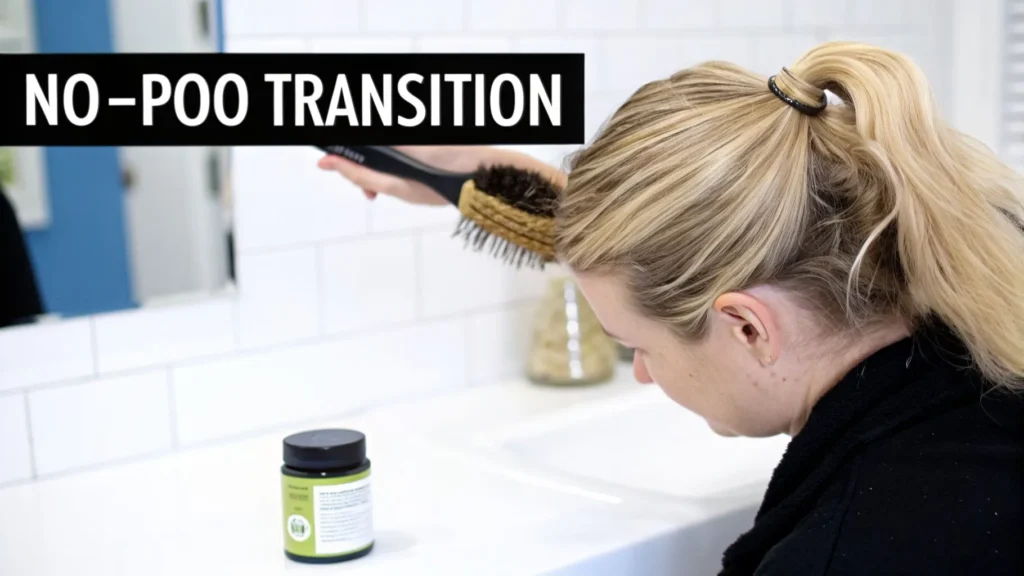
Let’s be real: the transition phase is the make-or-break moment for most people going shampoo-free. This is that awkward, sometimes greasy, and often frustrating period where your scalp is basically trying to figure out what just happened. But you can absolutely get through it without hiding under a hat for a month.
Think of it as a scalp reset. For years, your scalp has been on high alert, pumping out oil to compensate for the stripping effects of shampoo detergents. Now, it needs a minute to learn how to chill out and regulate itself again. This process isn’t a failure—it’s the first sign that your body is starting to rebalance.
With a few clever tricks and a little patience, you can manage the initial oiliness and come out the other side with healthier, happier hair.
Managing Oiliness During the First Few Weeks
The first two to four weeks are usually the toughest as your sebum production recalibrates. The name of the game is managing the extra oil without caving and grabbing a harsh cleanser. This is where strategic styling and a few kitchen staples become your secret weapons.
Don’t fight the texture; work with it. Slicked-back buns, sleek ponytails, and elegant French braids are your best friends during this time. These styles look polished and intentional, using your hair’s natural oils to your advantage.
A good natural dry shampoo is also a game-changer for soaking up oil at the roots. You don’t need a fancy aerosol can for this.
- For light hair: A little arrowroot powder or cornstarch works wonders. Just dust it on your roots to absorb grease and add a bit of lift.
- For dark hair: To avoid that chalky white look, mix your powder with a bit of unsweetened cocoa powder or even a pinch of activated charcoal.
Use an old makeup brush for a more precise application. Let it sit for a few minutes to do its job, then brush it through your hair really well.
The Power of Mechanical Cleaning
One of the most crucial concepts to master is mechanical cleaning. This is simply the physical act of moving oils from your scalp down the hair shaft and brushing out dirt and debris—no products needed. It’s a step many people skip, but it’s absolutely critical.
Your scalp’s natural oil, sebum, is the best leave-in conditioner you could ever ask for. The only problem is that it usually gets stuck at the roots, making them look greasy while your ends are left dry and thirsty. The right tool changes everything.
A boar bristle brush is perfect for this. Its unique texture gently grips the sebum and distributes it from root to tip. This process conditions your hair naturally and, at the same time, makes your roots look and feel much less oily.
Try to make it a nightly ritual. Spend a few minutes before bed brushing your hair in sections, starting right at the scalp and pulling the brush all the way through to the ends. This simple habit will not only help you get through the transition but will also boost your hair’s long-term health and shine.
Troubleshooting Waxy Buildup and Itchiness
During the transition, you might run into a couple of common roadblocks, like a weird waxy feeling or an itchy scalp. Don’t panic. These are normal and usually have a simple fix.
Waxy Buildup
This sticky, waxy residue often points to one culprit: hard water. The minerals in hard water can react with your natural oils, creating a film that makes your hair feel gross and look dull.
- The Fix: An occasional clarifying rinse is all you need. A diluted apple cider vinegar (ACV) rinse is perfect for this—try one part ACV to four parts water. The acidity cuts right through the mineral buildup, leaving your hair soft and shiny.
Itchy Scalp
An itchy scalp can mean a few different things. It might just be your scalp adjusting, or it could be a mild reaction if you’re trying a new conditioner for co-washing.
- The Fix: First, make sure you’re rinsing thoroughly. Lingering product is a top cause of itchiness. If you think hard water is the problem, the ACV rinse can help with this, too. For extra relief, add a few drops of tea tree oil to your rinse or co-wash. Its natural anti-fungal properties are incredibly soothing.
Getting through this phase is all about listening to your hair and scalp and being willing to make small adjustments. Be patient with the process—the reward is hair that’s not just clean, but truly healthy.
Water-Free Washing for Busy Lifestyles
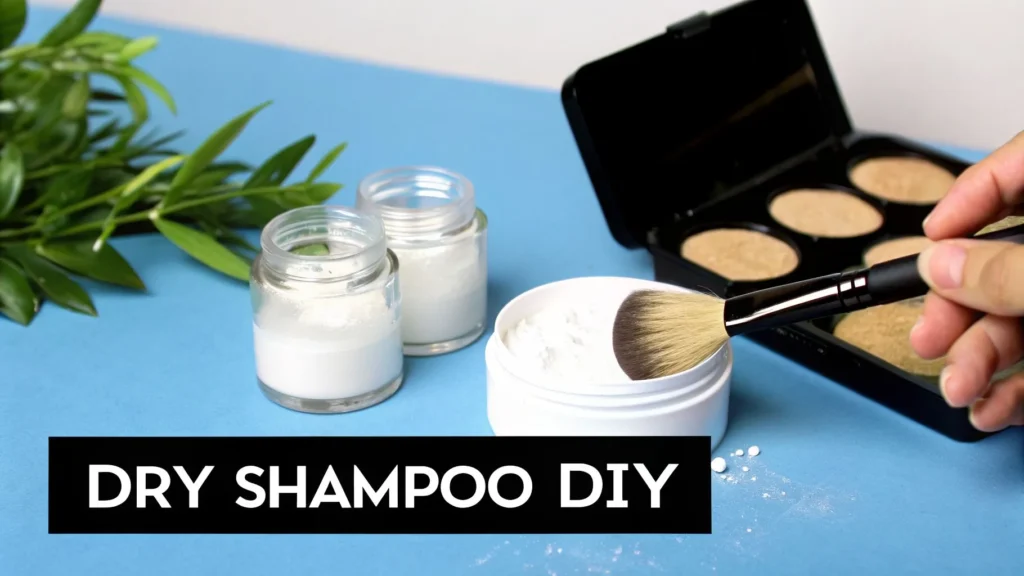
Let’s be real—sometimes, a full hair wash just isn’t going to happen. Between a packed schedule, travel days, or a quick gym session, you need a fix that doesn’t involve getting your hair soaking wet. This is where water-free washing methods come in, moving from a last-resort backup to a smart way to keep your hair and scalp happy.
These rinse-free options are about so much more than just buying time. They help you go longer between washes, which saves your hair from the constant stress of getting wet and then blasted with heat. By soaking up excess oil without stripping your scalp’s natural defenses, they make the whole shampoo-free journey feel way more doable.
And it’s not just a niche trend. The global market for rinse-free shampoo is absolutely exploding, set to grow from USD 38.23 billion in 2025 to a massive USD 63.79 billion by 2034. Even back in 2015, big brands were seeing dry shampoo sales jump 40% a year in the US alone. Today, about 68% of women use it every single week. This isn’t just a fad; it’s a fundamental shift in how we care for our hair. You can dig into more of these numbers and shampoo market trends on fortunebusinessinsights.com.
Crafting Your Own Dry Shampoo
Sure, you can grab an aerosol can from the store, but making your own dry shampoo is ridiculously easy, cheap, and puts you in complete control of the ingredients. You probably have everything you need in your kitchen right now. The whole idea is to use a fine, absorbent powder to soak up that oil at your roots, giving your hair an instant refresh.
Here are a few simple powders that work wonders:
- Arrowroot Powder: My personal favorite. It’s silky, super fine, and disappears into most hair colors without a trace.
- Cornstarch: A classic for a reason. If it’s what you’ve got, it works just as well as arrowroot for soaking up oil.
- Baking Soda: This one is effective, but go easy on it. It’s highly alkaline and can be pretty drying if you use too much, so it’s best used as a small part of a blend rather than on its own.
If you have darker hair, the key to avoiding that tell-tale white cast is to add a bit of color to your powder base. Just mix in a little unsweetened cocoa powder for brown hair or a pinch of activated charcoal for black hair until it matches your roots.
Perfecting Your Application Technique
The “how” is just as critical as the “what.” A bad application can leave you with chalky patches and uneven results. It’s all about being precise and giving the powder a minute to work.
Don’t just dump it all over your head. Part your hair into small sections, focusing on the areas that get the oiliest—typically your part, the crown, and around your hairline. A fluffy makeup brush or an old (and very clean) salt shaker is perfect for dabbing a small amount of your DIY powder right onto the roots.
Let It Sit: This is the non-negotiable step everyone skips. After you’ve applied the powder, just leave it alone for 5-10 minutes. This is when the magic happens—it needs that time to actually absorb the oil.
Once it’s had time to work, use your fingertips to gently massage the powder into your scalp. This helps distribute it and picks up any last bit of grease. To finish, grab a boar bristle brush and brush everything through. This gets rid of any excess powder and helps pull your natural scalp oils down the hair shaft, leaving you with fresh, voluminous hair. This little trick is a lifesaver for travelers—you can find more tips like this in our guide on what to pack for long trips.
How to Troubleshoot Common No-Poo Problems
Even with the best intentions, going shampoo-free can sometimes feel like a botched science experiment. You follow all the steps, but your hair ends up greasier, waxier, or more brittle than when you started. Don’t throw in the towel just yet—these are totally normal bumps in the road, and each one has a pretty straightforward fix.
The trick is to put on your detective hat. Is the issue your scrubbing technique? Your water quality? Or maybe the method you chose just isn’t right for your hair? Once you pinpoint the root cause, you can make small tweaks that get you right back on track.
Decoding That Lingering Greasy Feeling
Feeling like you’re sporting an oil slick right after washing is the #1 reason people give up on no-poo. Before you reach for the shampoo, let’s look at the usual suspects. You might not be scrubbing hard enough to physically break up the oils, or maybe your co-wash conditioner is just too rich for your hair type.
Another common culprit? Not rinsing well enough. Leftover conditioner or DIY rinse residue can feel exactly like greasy roots.
- The Fix: If you’re co-washing, really get in there. Spend at least three full minutes massaging the conditioner into your scalp with your fingertips. Think about scrubbing a stubborn spot off a dish—that’s the kind of friction you’re aiming for. It also helps to switch to a lighter, silicone-free conditioner made for finer hair.
Dealing with Waxy Buildup from Hard Water
If your hair feels sticky, looks dull, or has a weird waxy film on it, you’re almost certainly dealing with hard water. The high mineral content—mostly calcium and magnesium—reacts with the natural oils on your scalp, creating a soap-like residue that plain water can’t wash away.
This buildup makes your hair feel dirty no matter what you do and can seriously weigh it down. It’s a frustrating problem, but thankfully, it’s easily solved.
An acidic rinse is your best weapon against mineral buildup. The acidity cuts right through the film, instantly bringing back softness and shine.
A simple apple cider vinegar (ACV) rinse works wonders here. Just mix one part ACV with four parts water, pour it over your hair after cleansing, and let it sit for a minute before a final rinse. Use this clarifying treatment once every week or two to keep that waxy feeling from coming back.
People have been cleaning their hair with natural ingredients for ages—ancient Indian texts from 1500 BCE prescribed herbal and yogurt-based cleansers for a healthy scalp. Now, with 45% of consumers moving toward gentler hair care, modern studies are backing this up, showing these methods can cut oil overproduction by 50% in just 8 weeks. You can learn more about the growth of the sulfate-free market on grandviewresearch.com.
Soothing an Itchy or Flaky Scalp
An itchy scalp can be unnerving, but it usually signals simple irritation, not a major issue. The cause is often leftover product, a mild reaction to an ingredient in your conditioner, or just your scalp’s microbiome getting used to the new routine. If you’re experimenting with different approaches, you might also find our guide on a new treatment for hair growth helpful for promoting overall scalp health.
For minor flaking or itchiness, add a few drops of tea tree oil to your co-wash or your final rinse. Its natural anti-fungal and anti-inflammatory properties can bring quick relief. Most importantly, make sure you’re rinsing your hair for at least twice as long as you think you need to. That alone solves the problem for most people.
Common Questions Answered
Ditching shampoo is a big change from how most of us have cared for our hair our whole lives. It’s totally normal to have a ton of questions swirling around. Let’s tackle some of the most common ones that pop up when you’re just getting started.
How Long Does the Transition Period Really Last?
Ah, the transition period. This is when your scalp is recalibrating its oil production after you stop stripping it with harsh shampoos. For most people, this awkward phase lasts anywhere from two to six weeks.
What makes it shorter for some and longer for others? It really comes down to your hair type and your old habits. If your hair was on the oilier side to begin with, it might take a little longer to find its balance. Same goes if you were a daily shampooer—your scalp was trained to overproduce oil constantly. The key here is patience. You’re just helping your body unlearn a long-held habit.
Will My Hair Smell If I Don’t Use Shampoo?
This is a huge—and totally valid—concern. The short answer is no, your hair won’t smell bad, as long as it’s actually getting clean. When you’re properly using a method like co-washing or an apple cider vinegar rinse, your hair should smell completely neutral, or even have a light, fresh scent from your conditioner.
For instance, an apple cider vinegar rinse might smell potent in the shower, but that scent vanishes completely once your hair dries, and it takes any other odors with it. If you do notice a funky smell that won’t go away, it’s a sign your current routine isn’t cutting it. It’s time to troubleshoot your method—maybe you need to scrub more with your fingertips or try a different rinse—not give up.
Is It Safe to Go Shampoo-Free with Dandruff?
This is an important one. If you’re dealing with a diagnosed scalp condition like seborrheic dermatitis (which is often the cause of severe dandruff), psoriasis, or eczema, you absolutely need to consult a dermatologist before you make a big switch.
While some people with mild, dry flakes find that gentler washing methods help, these routines might not be strong enough to manage a true medical condition. A doctor can give you advice that’s specific to you and your scalp’s needs.
They might recommend certain sulfate-free medicated cleansers or help you figure out a modified no-poo routine that works for your scalp. Bottom line: don’t self-diagnose when it comes to your health.
What’s the Easiest Method for a Complete Beginner?
If you’re just dipping your toes in, co-washing is your best bet. It’s the most beginner-friendly method out there because washing with conditioner feels pretty similar to using shampoo, which makes the mental leap a lot smaller.
Here’s how to get started with co-washing:
- Pick the right conditioner. You’ll want something lightweight and, most importantly, free of silicones. Check the ingredient list for anything that ends in “-cone.”
- Scrub, scrub, scrub. This is the most important part. Spend a solid few minutes massaging the conditioner into your scalp with your fingertips. The friction is what’s actually doing the cleaning.
- Rinse like you mean it. Make sure every last bit of conditioner is washed out. Any residue left behind can weigh your hair down and make it feel greasy.
Co-washing usually comes with a much easier transition period than something more intense like water-only washing, making it the perfect gateway into a shampoo-free life.
At maxijournal.com, we’re dedicated to exploring topics that blend modern life with health and science. Dive into our extensive library of articles for more insightful content. Discover your next favorite read at https://maxijournal.com.
Discover more from Maxi Journal
Subscribe to get the latest posts sent to your email.