In today’s competitive business environment, building a thriving, productive, and resilient team is non-negotiable. The secret isn’t found in fleeting perks or superficial incentives, but in cultivating a culture of genuine connection and purpose. True employee engagement signifies a deep emotional and intellectual commitment to the organization’s goals, where team members are motivated to contribute their best work not because they have to, but because they want to. This profound connection translates directly into higher productivity, improved innovation, and lower turnover rates.
This guide moves beyond the buzzwords to deliver concrete employee engagement strategies that genuinely work. We will explore ten proven, actionable tactics that form the bedrock of a highly motivated workforce. You will gain practical insights into implementing frameworks that drive real results, from fostering radical transparency and offering meaningful development opportunities to building a purpose-driven culture that resonates with every team member. Each strategy is designed to be adaptable, whether you lead a small startup, a large corporation, or a remote-first team.
This is not a list of abstract theories; it is an actionable playbook. For any organization, mastering these strategies is the difference between surviving and thriving in a demanding market. Let’s dive into the frameworks that build a workplace where people are not just present, but are fully invested in collective success, transforming your company from a place to work into a community to belong to. The following sections will provide the specific steps, examples, and metrics you need to turn these powerful concepts into organizational reality.
1. Clear Communication and Transparency
The foundation of any successful employee engagement strategy is a culture of clear, consistent, and transparent communication. This means establishing open channels where leadership regularly shares company goals, performance data, and the reasoning behind key decisions with all team members. When employees understand the bigger picture and see how their individual contributions directly impact the organization’s mission, their sense of ownership and motivation skyrockets.

For a digital publishing platform like maxijournal.com, this involves keeping writers and editors informed about editorial direction, traffic metrics, and organizational changes. This transparency builds trust and transforms a team of individuals into a cohesive unit working toward a shared vision. Companies like Buffer, known for its radical transparency policy of sharing salaries and revenue publicly, and GitLab, with its comprehensive public handbook, have pioneered this approach, proving its power to foster a highly engaged workforce.
How to Implement This Strategy
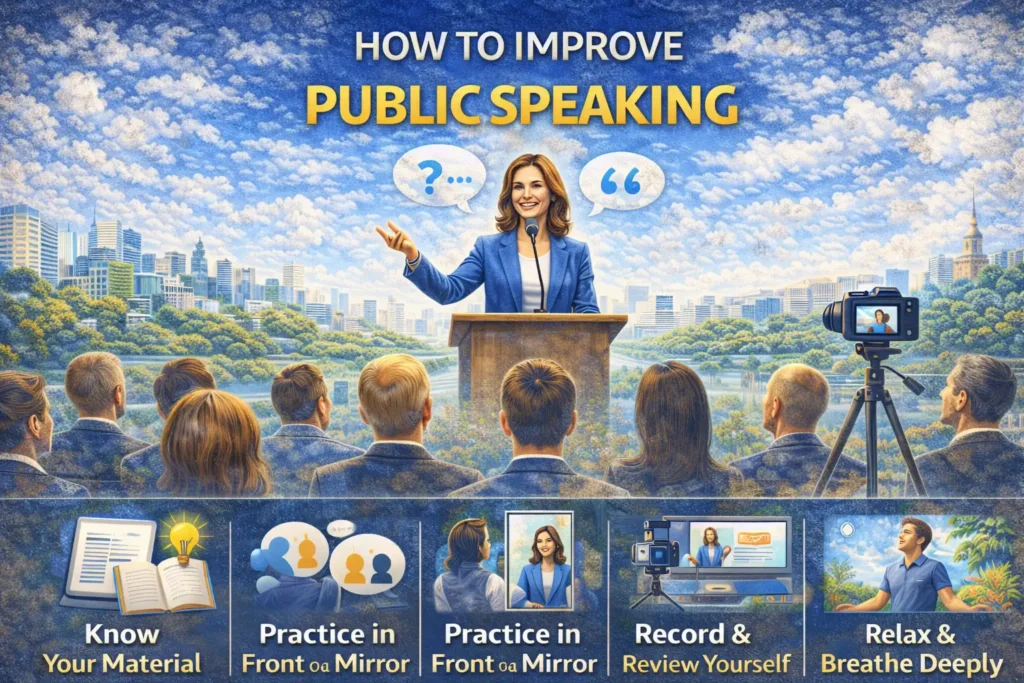
- Schedule Regular All-Hands Meetings: Host weekly or bi-weekly meetings where leaders present company updates, celebrate wins, and address challenges. To make these sessions more effective, leaders can learn how to improve public speaking to deliver information with clarity and impact.
- Establish a Central Information Hub: Create a shared digital space (like Notion, a Wiki, or Google Drive) that houses important documents, company policies, and strategic plans. This ensures everyone has access to the same information.
- Utilize Real-Time Communication Tools: Use platforms like Slack or Microsoft Teams for daily updates and quick feedback, creating channels dedicated to specific projects, team announcements, and even non-work-related fun.
- Be Honest About Setbacks: Transparency isn’t just about sharing good news. Being open about challenges and what the company is doing to address them builds immense credibility and trust. Vulnerability shows that leadership is human and dedicated to navigating difficulties together.
2. Professional Development and Learning Opportunities
Investing in an employee’s career path is one of the most powerful employee engagement strategies an organization can deploy. When companies provide access to training, courses, certifications, and skill-building opportunities, they send a clear message: we value you and are committed to your long-term success. This fosters a sense of loyalty and shows employees there is a clear path for advancement within the organization, which directly boosts motivation and retention.

For a digital platform like maxijournal.com, this could mean offering writers advanced SEO training, sponsoring editors to attend journalism conferences, or providing workshops on multimedia storytelling. Tech giants like Google have famously encouraged this with policies like their former “20% time,” allowing employees to spend a portion of their workweek on personal projects that often lead to new skills and innovations. Similarly, Bloomberg’s comprehensive training programs ensure its journalists are equipped with cutting-edge skills, reinforcing the company’s investment in their professional growth.
How to Implement This Strategy
- Create Individual Development Plans (IDPs): Work with each employee to outline their career goals and identify the skills they need to achieve them. This personalized approach ensures training is relevant and impactful.
- Offer a Learning and Development Budget: Allocate a specific budget for each employee to spend on approved courses, certifications, books, or conferences. This empowers them to take ownership of their growth.
- Establish a Mentorship Program: Pair junior team members with senior leaders. This knowledge transfer is invaluable and builds strong internal relationships, fostering a collaborative culture.
- Host Internal “Lunch-and-Learns”: Encourage team members to share their expertise with colleagues. This is a cost-effective way to upskill the entire team, and it positions employees as subject-matter experts. Learning a new skill, even one outside of a direct role, can be a major motivator, similar to how one might learn how to learn a new language to broaden their horizons.
3. Meaningful Work and Purpose-Driven Engagement
Beyond perks and benefits, modern employees crave a sense of purpose. Connecting daily tasks to a larger, meaningful mission is one of the most powerful employee engagement strategies. This approach involves consistently reinforcing the “why” behind the work, ensuring every team member understands how their individual contributions make a tangible impact on the organization’s goals and the wider world.
For a digital publishing platform like maxijournal.com, this means framing the work not just as producing articles, but as providing quality journalism that informs, inspires, and educates readers across science, arts, and technology. Organizations like The Guardian and ProPublica excel at this by embedding their mission for journalistic integrity and public service into their daily operations. When an employee sees their work as part of a noble cause, their intrinsic motivation and commitment deepen significantly.
How to Implement This Strategy
- Share Impact Stories and Testimonials: Regularly circulate reader feedback, testimonials, and case studies that showcase how your content has informed or helped someone. This makes the impact of the work real and personal.
- Connect Goals to the Mission: In every quarterly planning session or project kickoff, explicitly link the objectives back to the company’s core mission. For example, frame a goal to increase readership as “expanding our reach to inform more people.”
- Celebrate Mission-Aligned Wins: When recognizing employee achievements, highlight how their work specifically advanced the company’s values and purpose. This reinforces the behaviors you want to see.
- Create a “Mission Moments” Channel: Dedicate a space on your communication platform (like Slack) for employees to share instances where they felt they truly lived the company’s mission. This fosters a shared sense of pride and purpose.
4. Recognition and Rewards Programs
A powerful driver of engagement is a systematic approach to acknowledging and rewarding employee contributions. Effective recognition programs go beyond annual bonuses, creating a culture where employees feel consistently seen, valued, and appreciated for their hard work. When people know their efforts directly lead to tangible rewards and public praise, it reinforces positive behaviors, boosts morale, and deepens their connection to the company’s mission.

For a digital publisher like maxijournal.com, this means highlighting top-performing writers, celebrating editorial achievements, and offering bonuses for high-quality content that drives significant traffic. Tech giants like Salesforce and Microsoft have institutionalized this with dedicated recognition platforms and robust peer-to-peer awards, proving that a well-designed rewards system is a cornerstone of modern employee engagement strategies. This approach shows employees that their specific actions, not just their tenure, are what truly matter.
How to Implement This Strategy
- Create Clear and Fair Criteria: Define the specific behaviors, achievements, and results that warrant recognition. Whether it’s for innovation, collaboration, or hitting a metric, transparent criteria prevent perceptions of favoritism and ensure the program is seen as equitable.
- Embrace Peer-to-Peer Recognition: Implement a system, perhaps a dedicated Slack channel or a simple software tool, where colleagues can publicly praise each other. This fosters a collaborative environment and empowers everyone to celebrate wins, not just managers.
- Vary the Rewards: Combine monetary rewards (bonuses, gift cards) with non-monetary and experiential ones (extra paid time off, professional development opportunities, a prime parking spot). This variety caters to different personal motivations.
- Make Recognition Timely and Specific: Acknowledge achievements as soon as possible after they happen. Instead of a generic “good job,” say, “Thank you for the incredible research you did for the AI article; it added so much credibility and drove a 20% increase in shares.” This specificity reinforces the desired behavior.
5. Flexible Work Arrangements and Work-Life Balance
One of the most powerful employee engagement strategies today is embracing flexibility and promoting a healthy work-life balance. This means empowering team members with options like remote work, hybrid schedules, or flexible hours to accommodate their personal lives and optimize their productivity. When employees feel trusted to manage their time and environment, their sense of autonomy, job satisfaction, and loyalty to the company increases dramatically.

For a global digital publication like maxijournal.com, this approach allows access to top talent regardless of geographical location. Companies like GitLab and Automattic (the force behind WordPress) have built their entire operations around fully distributed teams, proving that high performance is not tied to a physical office. This model reduces stress and burnout, which directly impacts an employee’s ability to remain engaged and creative in their role.
How to Implement This Strategy
- Establish Clear Remote Work Policies: Create a handbook that outlines expectations for communication, availability, and performance metrics for remote and hybrid employees. Documenting processes is key for a distributed team.
- Invest in Collaboration Technology: Equip your team with the right tools for seamless remote work, such as Slack for communication, Asana for project management, and Zoom for virtual meetings.
- Set Boundaries to Protect Personal Time: Actively discourage after-hours communication and respect employees’ time off. This helps prevent burnout, a major cause of disengagement, and leaders can share resources on how to calm anxiety naturally to support employee well-being.
- Trust Your Team: Shift the focus from hours worked to results delivered. Granting employees autonomy to manage their schedules demonstrates trust and respect, fostering a more mature and engaged work culture.
6. Collaborative Team Culture and Community Building
Creating a strong sense of community is a cornerstone of modern employee engagement strategies, transforming isolated individuals into a connected, collaborative team. This involves intentionally fostering an environment where teamwork, social interaction, and a feeling of belonging are prioritized. When employees feel they are part of a supportive community, not just a workforce, their loyalty, motivation, and overall job satisfaction increase dramatically.
For a platform like maxijournal.com, with writers specializing in diverse fields like science, arts, and gaming, building this culture is essential. It means creating deliberate spaces for these remote creators to connect, share insights, and build relationships beyond their individual assignments. Companies like Atlassian and Slack have championed this approach, demonstrating that a strong, collaborative culture directly fuels innovation and retention by making work a more human and connected experience.
How to Implement This Strategy
- Establish Cross-Functional “Guilds” or “Lounges”: Create dedicated Slack or Teams channels where employees with shared interests or roles from different departments can connect. A ‘writers lounge’ for maxijournal.com, for example, allows writers from all categories to discuss trends and challenges.
- Organize Regular Social Events (Virtual & In-Person): Schedule monthly virtual coffee chats, online game sessions, or quarterly in-person meetups. The goal is to facilitate informal interactions that build personal bonds.
- Launch a Buddy System: Pair new hires with seasoned employees from different departments. This not only helps with onboarding but also immediately integrates the newcomer into the company’s social fabric.
- Encourage Collaborative Projects: Create opportunities for teams that don’t normally interact to work together on special projects or content series. This breaks down silos and fosters a unified company identity, strengthening your employee engagement strategies across the board.
7. Autonomy and Empowerment in Decision-Making
Empowering employees with autonomy means giving them the authority and trust to make decisions within their roles. This strategy moves away from micromanagement and toward a culture of ownership, where individuals feel directly responsible for their outcomes. When employees are empowered, they are more invested, innovative, and satisfied in their work, which is a cornerstone of effective employee engagement strategies.
For a creative hub like maxijournal.com, this translates to trusting writers and editors to pitch stories, define content angles, and have a real say in the editorial direction. This approach transforms their role from simple content execution to strategic contribution. Companies like Netflix, with its famous “freedom and responsibility” culture, and Google, with its former “20% Time” policy for personal projects, have demonstrated that granting autonomy fuels groundbreaking innovation and deepens employee commitment.
How to Implement This Strategy
- Establish Clear Boundaries for Decision-Making: Autonomy isn’t about a lack of structure. Provide clear guidelines, budgets, and strategic goals that define the “sandbox” within which employees can freely make decisions. This ensures alignment while fostering independence.
- Create Frameworks, Not Mandates: Instead of dictating every step, give teams a framework for decision-making. For editors, this could be a set of quality standards or audience personas, empowering them to make specific content choices without constant approval.
- Empower Autonomous Project Ownership: Allow small, cross-functional teams to own projects from conception to completion. For example, the gaming or travel content teams at maxijournal.com could be given full authority to manage their editorial calendars and experiment with new formats.
- Celebrate Both Successes and Failures: A culture of empowerment requires psychological safety. When an employee’s autonomous decision leads to a setback, treat it as a valuable learning opportunity. Publicly celebrating initiative, regardless of the outcome, encourages future risk-taking and innovation.
8. Performance Feedback and Career Development Pathways
Employees thrive when they see a future for themselves within an organization. One of the most powerful employee engagement strategies involves pairing regular, constructive performance feedback with clearly defined career development pathways. This combination shows employees that the company is invested in their personal and professional growth, which fosters loyalty and a deep sense of purpose. When individuals understand how their performance is evaluated and see a tangible path to advancement, they are far more motivated to excel.
For a company like maxijournal.com, this means providing writers with consistent editorial reviews and outlining a clear progression from contributor to senior writer, and eventually to an editorial leadership role. Tech giants like Adobe and Microsoft have famously abandoned the traditional annual review in favor of continuous feedback models. These companies facilitate frequent, growth-oriented conversations, proving that ongoing dialogue about performance and career aspirations is far more effective than a single yearly meeting.
How to Implement This Strategy
- Establish Regular Check-Ins: Replace annual reviews with monthly or quarterly one-on-one meetings focused on performance, goals, and career development. These frequent conversations make feedback a normal part of the workflow.
- Create Documented Career Paths: Develop and share clear, documented career ladders for every role. This documentation should outline the specific skills, competencies, and achievements required to advance to the next level.
- Implement 360-Degree Feedback: Encourage a culture where feedback is a two-way street. Use tools that allow for peer-to-peer and upward feedback, giving employees a holistic view of their impact and areas for improvement.
- Link Feedback to Development: Ensure feedback sessions don’t just critique past performance. The primary focus should be on future growth. Collaboratively identify development opportunities, such as training or mentorship, that align with the employee’s career goals.
9. Competitive Compensation and Benefits Packages
While engagement is about more than just money, fair and competitive compensation is a fundamental component of employee respect and security. This strategy involves offering salaries, bonuses, and benefits that meet or exceed industry standards, directly signaling that an organization values its team’s skills and contributions. When employees feel financially secure and fairly compensated, they can focus more on their work and are less likely to seek opportunities elsewhere.
For a platform like maxijournal.com, this means paying writers and editors market-leading rates that reflect their expertise. Tech giants like Stripe and Google have long set the standard for competitive compensation, attracting top talent by alleviating financial stress. Similarly, Buffer champions radical pay transparency, publishing its salary formula and ranges publicly. This approach not only ensures fairness but also builds immense trust, forming a crucial pillar of their employee engagement strategies.
How to Implement This Strategy
- Benchmark Regularly: Use resources like Glassdoor, industry reports, and salary calculators to conduct annual compensation reviews. Ensure your pay scales are competitive for your location and industry, and adjust for inflation and market changes.
- Be Transparent About Pay Structures: Create and share clear salary bands for different roles and levels within the organization. This demystifies compensation and provides employees with a clear path for financial growth.
- Offer Comprehensive Benefits: Go beyond basic health insurance. Consider offering robust retirement plans with company matching, generous paid time off, and mental health support programs. For remote teams, providing a home office or equipment stipend is a highly valued perk.
- Structure Clear Performance Bonuses: Tie bonuses to specific, measurable, and attainable goals. This creates a direct link between an employee’s hard work and their financial rewards, boosting motivation and a sense of accomplishment.
10. Company Values and Ethical Culture
A strong ethical culture built on clearly defined company values is a powerful driver of employee engagement. This involves establishing core principles that guide every decision, from strategic planning to daily operations. When employees see that their organization operates with integrity and stands for something meaningful, they feel a deeper sense of pride and connection to their work. This alignment transforms a job into a shared mission.
For a digital platform like maxijournal.com, this translates to upholding values like editorial integrity, accuracy, and inclusivity. These principles ensure that writers and editors are not just producing content but are contributing to a trusted and respected source of information. Companies like Patagonia, with its unwavering commitment to environmental activism, and ProPublica, known for its ethics-first approach to journalism, demonstrate how living by core values can attract and retain a highly passionate and engaged workforce.
How to Implement This Strategy
- Define and Communicate Core Values: Collaborate with your team to establish 3-5 clear, specific, and actionable core values. Go beyond generic terms like “integrity” and define what it looks like in your daily work.
- Integrate Values into the Employee Lifecycle: Weave your values into every stage, from hiring and onboarding to performance reviews and promotions. Ask interview questions that assess value alignment and recognize employees who exemplify them.
- Lead by Example: Leadership must consistently model the company’s values and ethical standards. When leaders make tough decisions that honor these principles, even at a short-term cost, it sends a powerful message that the values are real.
- Share Stories of Values in Action: Regularly highlight examples of how employees or the company made decisions guided by your core values. This can be done in all-hands meetings, newsletters, or team chats to reinforce the desired culture.
10-Point Employee Engagement Strategies Comparison
| Practice | Implementation complexity | Resource requirements | Expected outcomes | Ideal use cases | Key advantages |
|---|---|---|---|---|---|
| Clear Communication and Transparency | Medium — requires regular leadership time and coordination | Low–Medium — comms tools, documentation, meeting time | Greater alignment, trust, fewer rumors | Remote or distributed publishing teams, during change | Builds trust, clarifies goals and metrics |
| Professional Development and Learning Opportunities | Medium–High — program design and partnerships | High — training budgets, platform access, conference funding | Improved skills, productivity, higher retention | Organizations with growth goals or skills gaps | Upskills staff, creates internal talent pipeline |
| Meaningful Work and Purpose-Driven Engagement | Medium — needs consistent leadership commitment | Low–Medium — storytelling, feedback channels, community outreach | Increased motivation, better-quality work, lower turnover | Mission-led media, creative editorial teams | Strengthens emotional connection and motivation |
| Recognition and Rewards Programs | Low–Medium — program rules and cadence | Low–Medium — small budgets, staff time for selection | Boosted morale, short-term motivation, retention of top performers | High-volume content teams, distributed workforces | Cost-effective morale boost, scalable recognition |
| Flexible Work Arrangements and Work-Life Balance | Medium — policy, tools, and coordination needed | Low–Medium — collaboration tools, equipment stipends | Reduced burnout, increased attraction and retention | Web-based publications, global talent pools | Attracts talent, improves work-life fit |
| Collaborative Team Culture and Community Building | Medium — ongoing facilitation and events | Low–Medium — virtual/in-person events, platforms | Improved collaboration, creativity, reduced isolation | Cross-functional editorial projects, remote teams | Breaks silos, boosts creativity and belonging |
| Autonomy and Empowerment in Decision-Making | Medium–High — requires clear boundaries and trust | Low–Medium — training, guidelines, feedback loops | Faster decisions, higher innovation, ownership | Experienced writers/editors, innovation-focused teams | Drives innovation, increases engagement and ownership |
| Performance Feedback and Career Development Pathways | Medium–High — structured processes and manager time | Medium — coaching, review tools, training | Clear progression, improved performance, retention | Teams prioritizing growth and long-term careers | Clarifies expectations, supports continuous improvement |
| Competitive Compensation and Benefits Packages | High — budget planning and market benchmarking | High — salaries, benefits, ongoing financial commitment | Attracts and retains top talent, reduces financial stress | Competitive labor markets, senior hires, long-term retention | Strong recruiting leverage, promotes stability and loyalty |
| Company Values and Ethical Culture | Medium–High — value definition and consistent enforcement | Low–Medium — training, policy, hiring practices | Strong brand trust, values-aligned hiring, psychological safety | Editorial/media organizations where integrity matters | Enhances reputation, guides consistent decision-making |
Putting Engagement into Action: Your Next Steps
The journey to building a genuinely engaged workforce is not a sprint; it’s a marathon composed of deliberate, consistent actions. We’ve explored ten powerful employee engagement strategies, moving beyond generic advice to provide a blueprint for meaningful change. From the foundational necessity of clear communication and transparency to the empowering force of autonomy in decision-making, each strategy represents a critical pillar supporting a thriving organizational culture.
Engaged employees are not just happier; they are more innovative, more productive, and more committed to your company’s mission. They are the driving force behind superior customer service, creative problem-solving, and sustainable growth. The strategies discussed are not a checklist to be completed once, but an interconnected ecosystem that requires ongoing attention and cultivation.
From Insights to Impact: A Strategic Recap
The core takeaway is that employee engagement is not the result of a single, grand initiative. It’s the cumulative effect of daily interactions, supportive policies, and a culture that actively demonstrates its value for people.
- Foundation of Trust: Strategies like transparent communication and establishing an ethical culture create psychological safety, allowing employees to bring their best selves to work without fear.
- Pathways for Growth: Offering robust professional development, clear career pathways, and regular performance feedback shows employees you are invested in their future, not just their current output.
- Empowerment and Value: Meaningful work, fair recognition, and competitive compensation are fundamental. They answer the crucial questions: “Does my work matter?” and “Am I valued for my contributions?”
- Holistic Well-being: Acknowledging that employees are people first is key. Flexible work arrangements and a focus on collaborative community-building address the human need for balance, connection, and belonging.
These employee engagement strategies work in concert. A great recognition program will fall flat in a toxic culture, and flexible work won’t retain an employee who sees no path for advancement. The most successful organizations understand this synergy and build a holistic system where each element reinforces the others.
Your Action Plan for Fostering Engagement
Reading about these strategies is the first step; implementation is where the real transformation begins. Avoid the pitfall of trying to overhaul everything at once. Instead, adopt a focused, iterative approach to build momentum and achieve sustainable results.
1. Assess Your Starting Point: You cannot improve what you do not measure.
* Conduct an Engagement Survey: Use a confidential survey to get a baseline understanding of your team’s current engagement levels. Ask specific questions related to the ten areas covered in this article.
* Hold “Stay” Interviews: Instead of only asking why people leave, ask your top performers why they stay. Their answers will reveal what you’re already doing right and which aspects of your culture are most valuable.
2. Prioritize for Maximum Impact:
* Identify Low-Hanging Fruit: What’s one or two areas from your assessment that you can improve quickly to build trust and show commitment? Perhaps it’s clarifying career pathways or launching a simple, peer-to-peer recognition system.
* Focus on a Strategic Pillar: Select one major area, like “Professional Development,” to be your primary focus for the next quarter. Dedicate resources to creating new learning opportunities or mentorship programs.
3. Implement and Communicate:
* Co-create Solutions: Involve employees in the process. If you’re revamping your feedback process, create a small task force of team members from different departments to help design it.
* Communicate the “Why”: When you roll out a new initiative, explain the reasoning behind it and how it connects to the feedback you received. This transparency builds buy-in and reinforces that you are listening.
The path to a highly engaged workforce is an ongoing commitment, not a final destination. It requires leaders to be attentive, empathetic, and courageous enough to act on feedback. By thoughtfully applying these employee engagement strategies, you are not just improving morale; you are building a resilient, innovative, and market-leading organization. The investment in your people is, and always will be, the most powerful investment you can make in your business’s future.
For more insights on building exceptional company cultures and leadership strategies that drive success, explore the rich content at maxijournal.com. Our platform is dedicated to providing fresh, actionable commentary for business leaders and innovators. Discover articles and resources at maxijournal.com to continue your journey toward organizational excellence.
Discover more from Maxi Journal
Subscribe to get the latest posts sent to your email.