Tokyo, a city where ancient tradition and futuristic technology collide, can feel overwhelming to a first-time visitor. With endless possibilities, the question of what to do in Tokyo becomes a complex puzzle. This comprehensive guide moves beyond the surface-level recommendations, offering a curated roundup of 12 distinct experiences. It’s designed to help you build a personalized and deeply memorable itinerary, whether you have a week to explore or just a few days.
This listicle cuts straight to the actionable details. You’ll find a structured approach to exploring everything from the serene grounds of Senso-ji Temple at dawn to the immersive digital art worlds of teamLab Borderless. We’ll guide you through authentic culinary deep dives in hidden alleys, such as Tsukishima’s monjayaki street, and provide the logistics for incredible day trips to historic towns like Kawagoe and the UNESCO World Heritage sites in Nikko. Our focus is on providing practical implementation steps, insider insights, and specific examples for each activity.
Whether you’re a foodie eager to navigate the Tsukiji Outer Market, a history buff wanting to explore the Ryogoku sumo district, or a cultural explorer seeking contemporary urban adventures at Shibuya Crossing, this plan provides the necessary tools. We explore iconic landmarks with a fresh perspective, uncover local favorites often missed by tourists, and give you the advice needed to navigate the city like a seasoned traveler. Prepare to build an itinerary that perfectly blends Tokyo’s electric energy with its profound cultural depth, ensuring your trip is as seamless as it is unforgettable. This is your blueprint for what to do in Tokyo in 2026.
1. Senso-ji Temple Exploration
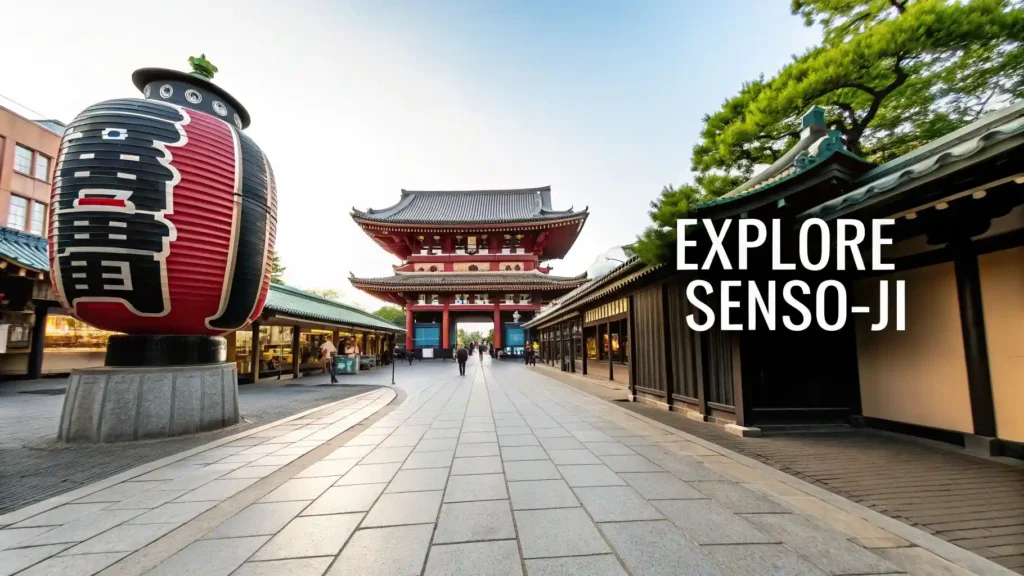
Exploring Senso-ji Temple is an essential experience when considering what to do in Tokyo, offering a profound glimpse into the city’s spiritual and historical heart. Located in the traditional Asakusa district, it is Tokyo’s oldest temple, founded in 645 AD. The journey begins at the iconic Kaminarimon (Thunder Gate), distinguished by its colossal red paper lantern, which leads into the bustling Nakamise-dori.
This vibrant, 250-meter-long shopping street has served pilgrims for centuries and is lined with vendors selling traditional snacks, souvenirs, and crafts. As you proceed, you’ll reach the Hozomon (Treasure House Gate) and the main hall, where visitors can participate in rituals like offering incense and praying. The complex also features a stunning five-story pagoda, beautifully illuminated after dark.
Why It’s a Top Attraction
Senso-ji is more than a historical site; it’s a living center of Buddhist culture. The contrast between its ancient tranquility and the modern energy of Tokyo makes it a captivating destination. It offers a unique opportunity to witness active worship and traditional practices firsthand, providing cultural depth to any Tokyo itinerary.
Practical Tips for Your Visit
- Beat the Crowds: Arrive before 7:00 AM. The temple grounds are always open, and an early visit allows for peaceful photography without the midday crowds that flock here.
- Taste Local Snacks: Don’t miss trying ningyo-yaki (small cakes with sweet red bean paste) or age-manju (deep-fried sweet buns) from the stalls along Nakamise-dori.
- Purchase an Amulet: Buy an omamori (a protective amulet) for good fortune in areas like health, travel, or studies. They make for authentic and meaningful souvenirs.
- Combine Your Trip: After exploring the temple, take a relaxing stroll through nearby Sumida Park for excellent views of the Tokyo Skytree and the Sumida River.
2. Tsukiji Outer Market Food Experience
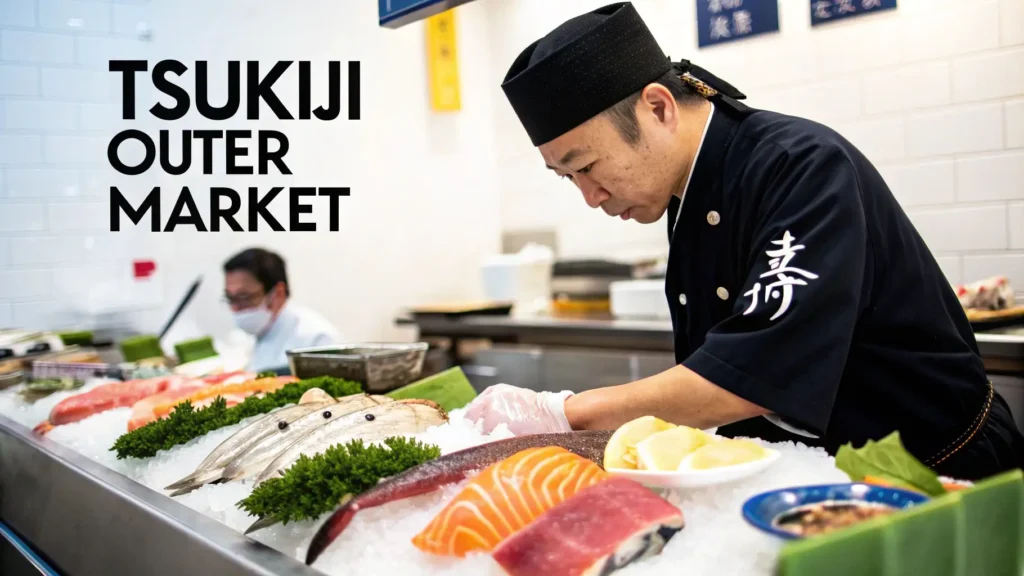
A visit to the Tsukiji Outer Market is an unmissable culinary adventure and a definitive answer to what to do in Tokyo for food lovers. While the famous inner wholesale market relocated to Toyosu, the Outer Market remains a vibrant, bustling labyrinth of over 400 shops and eateries. Here, you can immerse yourself in Japan’s rich food culture, sampling everything from unbelievably fresh sushi and grilled seafood to premium produce and kitchenware.
The market is a sensory overload in the best way possible, with vendors enthusiastically calling out to passersby and the delicious aromas of street food filling the air. You can graze your way through the narrow lanes, trying tamagoyaki (sweet rolled omelet), giant oysters, and mochi, or settle in for a world-class sushi breakfast at one of its legendary restaurants. It’s a dynamic, authentic taste of Tokyo’s gastronomic soul.
Why It’s a Top Attraction
Tsukiji Outer Market offers an unparalleled opportunity to experience Japan’s culinary traditions firsthand. It’s not just a place to eat; it’s a living market where you can interact with local vendors, discover unique ingredients, and witness the passion that defines Japanese cuisine. Its historic atmosphere and sheer variety of high-quality food make it a cornerstone of any Tokyo itinerary.
Practical Tips for Your Visit
- Arrive Early, But Not Too Early: The best time to visit is between 9:00 AM and 1:00 PM when all the stalls are open and active. Early morning is no longer necessary since the wholesale auction has moved.
- Explore and Graze: Don’t commit to the first stall you see. Walk around to see all the options, and enjoy small bites from multiple vendors to sample a wide variety of flavors.
- Bring Cash: While some larger shops accept cards, many smaller food stalls are cash-only. It’s best to have yen on hand for spontaneous purchases.
- Respect Market Etiquette: The aisles are narrow and crowded. Avoid large backpacks, eat in designated areas instead of walking, and always ask for permission before touching merchandise.
3. Meiji Shrine and Yoyogi Park Woodland Walk
A visit to Meiji Shrine and its adjacent Yoyogi Park offers a peaceful escape and is a highly recommended activity when deciding what to do in Tokyo. This revered Shinto shrine, dedicated to the deified spirits of Emperor Meiji and Empress Shoken, is enveloped by a sprawling 170-acre evergreen forest. The experience begins as you pass under a massive wooden torii gate, which marks the transition from the bustling city to sacred ground.
The long, gravel-lined path leading to the main shrine complex is a meditative walk through a man-made forest, with trees donated from all over Japan. Upon reaching the main sanctuary, visitors can observe Shinto rituals, make offerings, and write wishes on wooden plaques called ema. The shrine’s minimalist, elegant architecture stands in beautiful contrast to the dense, serene woodland surrounding it.
Why It’s a Top Attraction
Meiji Shrine provides a profound sense of tranquility and a direct connection to both nature and Japanese spiritual traditions right in the heart of the metropolis. Its location next to the vibrant Yoyogi Park allows for a perfect blend of cultural immersion and urban relaxation, making it a uniquely restorative experience.
Practical Tips for Your Visit
- Visit Early: Arrive between 7:00 AM and 8:00 AM on a weekday for the most serene experience, allowing you to enjoy the forest’s quiet atmosphere before the crowds.
- Wear Comfortable Shoes: The walk from the entrance to the main hall is over a kilometer long on a gravel path, so appropriate footwear is essential.
- Participate in Rituals: Before approaching the shrine, cleanse your hands and mouth at the temizuya (water purification pavilion). You can also purchase an ema (wishing plaque) for ¥500-1,000.
- Combine with Yoyogi Park: After your shrine visit, explore Yoyogi Park, known for its open lawns, seasonal events, and the occasional gathering of Tokyo’s fascinating subcultures on Sundays.
4. Shibuya Crossing and Contemporary Urban Exploration
Experiencing Shibuya Crossing is a quintessential activity when deciding what to do in Tokyo, as it immerses you in the vibrant, beating heart of the city’s modern culture. Known as the world’s busiest pedestrian intersection, this “scramble crossing” sees thousands of people flood the streets from all directions at once, creating an unforgettable spectacle of organized chaos. The crossing is surrounded by towering buildings adorned with giant video screens, embodying the futuristic energy of Tokyo.
The surrounding Shibuya district is a hub for contemporary urban life, offering cutting-edge fashion boutiques, sprawling electronics stores, and a dizzying array of entertainment options. Observing the scramble from a high vantage point provides a mesmerizing perspective on the sheer scale and pace of the city, perfectly capturing the pulse of modern Japan.
Why It’s a Top Attraction
Shibuya Crossing is more than just an intersection; it’s a living symbol of Tokyo’s dynamism and a global icon of urban density. It offers a powerful visual representation of the city’s energy and is a must-see for anyone wanting to feel the true rhythm of contemporary Tokyo. The area is a focal point for youth culture, fashion, and technology.
Practical Tips for Your Visit
- Find the Best Views: For a classic photo, head to the Starbucks on the second floor of the Tsutaya building. For a less crowded but equally impressive aerial view, visit the rooftop of MAGNET by SHIBUYA109.
- Time Your Visit: Experience the crossing during evening rush hour for maximum effect, but be prepared for crowds. For a less chaotic experience, visit late at night (after 10:00 PM) when the lights are still brilliant.
- Explore Center Gai: After watching the scramble, dive into Center Gai, the narrow pedestrian street branching off from the crossing, which is packed with shops, restaurants, and arcades.
- Ascend Shibuya Sky: For a breathtaking 360-degree panoramic view of the crossing and the entire city skyline, consider buying a ticket for the Shibuya Scramble Square observation deck.
5. Takayama Historic Town Day Trip (from Tokyo)
Escaping the urban expanse for a day trip to Takayama offers a refreshing change of pace and a memorable addition to any list of what to do in Tokyo. Located in the mountainous Hida region, this beautifully preserved town transports visitors back to the Edo period with its traditional wooden merchant houses, historic sake breweries, and tranquil atmosphere. The journey itself, a scenic 4.5-hour bullet train ride, is part of the experience, revealing Japan’s stunning countryside.
Upon arrival, the Sanmachi Suji district is the main draw, a collection of three streets in the heart of the old town. Here, you can wander through immaculately maintained buildings, many of which now house craft shops, museums, and restaurants. The town is also famous for its morning markets, the Jinyamae and Miyagawa markets, which offer local produce, crafts, and a lively glimpse into regional culture.
Why It’s a Top Attraction
Takayama provides an authentic glimpse into old-world Japan, a stark contrast to Tokyo’s modernity. Its compact, walkable center and rich cultural offerings, from sake tasting to exploring historic government houses, make it a uniquely immersive experience. It serves as a perfect cultural detour that showcases the nation’s regional diversity and history.
Practical Tips for Your Visit
- Plan for an Early Start: Take an early Shinkansen (bullet train) from Tokyo Station to maximize your time. The journey is long, so leaving early is crucial for a day trip.
- Explore the Morning Markets: Arrive early enough to visit the Miyagawa or Jinyamae morning markets, which typically run from around 7:00 AM to noon.
- Sample Local Sake: Dedicate time to visit at least two local sake breweries in the old town. Many offer tastings, allowing you to sample the region’s famous spirits.
- Stay Overnight: To fully appreciate the town without rushing, consider turning your day trip into an overnight stay. This also opens up the possibility of visiting nearby Shirakawa-go.
6. Ramen Yokocho Street Food Experience
For an authentic and intimate culinary adventure, the Ramen Yokocho Street Food Experience is a must when deciding what to do in Tokyo. Tucked away in Shinjuku, this narrow alley, also known as Shinjuku Ramen Alley, features a handful of tiny, family-operated ramen shops, some seating as few as five people. This isn’t a tourist trap; it’s where locals go for a soul-warming bowl crafted with decades of expertise.
The charm lies in its simplicity and dedication to the craft. Each small establishment specializes in its unique style of ramen, from rich tonkotsu to savory shoyu. Visitors squeeze into a counter seat, often shoulder-to-shoulder with regulars, and witness the masters at work in a lively, steaming atmosphere that feels like a step back in time. It provides a truly immersive taste of Tokyo’s legendary noodle culture.
Why It’s a Top Attraction
Ramen Yokocho offers an unparalleled opportunity to experience Japan’s most famous dish in its most authentic setting. The close quarters create a communal and memorable dining experience, while the quality of the ramen reflects generations of refinement. It’s a delicious, affordable, and deeply cultural activity that showcases the heart of Tokyo’s street food scene.
Practical Tips for Your Visit
- Go During Off-Peak Hours: To avoid long waits, visit on a weekday morning or between 2:00 PM and 4:00 PM. The small shops fill up quickly during standard meal times.
- Bring Cash: Many of these tiny, traditional shops do not accept credit cards. Plan to have around ¥1,000 to ¥1,500 per person in cash.
- Ordering is Easy: If there’s a language barrier, don’t worry. Most shops have picture menus or ticket machines. You can also simply point to what others are eating.
- Slurp Away: Slurping your noodles is not only acceptable but considered a sign of enjoyment and a compliment to the chef. Don’t be shy
7. teamLab Borderless Digital Art Museum
Stepping into teamLab Borderless is a phenomenal activity when deciding what to do in Tokyo, offering a futuristic journey into a world where art and technology collide. This ground-breaking digital art museum, now located in Azabudai Hills, features a collection of immersive, interactive installations. Using advanced projection mapping, sensors, and light, the artists at teamLab have created a single, continuous world without boundaries, where artworks move freely, interact with visitors, and influence one another.
Visitors wander through interconnected rooms, each presenting a different awe-inspiring, multisensory experience. From cascading digital waterfalls to rooms filled with an infinite array of crystal lights, the exhibits respond to human presence, making every visit a unique and personal encounter. The art is designed to be explored, touched, and experienced, not just observed.

Why It’s a Top Attraction
teamLab Borderless redefines the museum experience by removing the physical and conceptual barriers between the artwork and the viewer. It’s an unforgettable sensory overload that stimulates curiosity and wonder, appealing to art lovers, tech enthusiasts, and families alike. The dynamic nature of the art ensures that no two moments are the same, providing a truly modern and deeply engaging cultural experience. https://www.youtube.com/embed/Xy0lR4HR6Mw
Practical Tips for Your Visit
- Book in Advance: Tickets often sell out, especially on weekends. It is essential to book your tickets online well ahead of your planned visit to secure a spot.
- Go During Off-Peak Hours: To enjoy the installations with fewer people, aim for a weekday morning (10:00-11:00 AM) or a later afternoon slot (2:00-4:00 PM).
- Wear Comfortable Shoes: You will be doing a significant amount of walking and standing on varied terrain, so comfortable footwear is a must.
- Balance Photos and Immersion: While it’s tempting to capture everything, try to put your phone away after taking a few photos to fully immerse yourself in the multisensory environment.
8. Nikko UNESCO World Heritage Day Trip
Taking a day trip to Nikko is a spectacular choice when considering what to do in Tokyo for a blend of profound cultural heritage and stunning natural beauty. Located in the mountains north of the city, Nikko is a designated UNESCO World Heritage site, famous for its ornate shrines and temples nestled within a vast national park. The journey itself, typically around two hours from Shinjuku, transports you from urban sprawl to a serene world of ancient forests, waterfalls, and scenic lakes.
The main draw is the Toshogu Shrine, the lavish mausoleum of Tokugawa Ieyasu, founder of the Tokugawa shogunate. Its intricate wood carvings and opulent gold-leaf details are breathtaking. Beyond the shrine complex, you can explore the pristine nature of Nikko National Park, including the majestic Kegon Waterfall and the picturesque Lake Chuzenji, offering a refreshing escape from the city’s intensity.
Why It’s a Top Attraction
Nikko offers a unique combination of world-class historical sites and dramatic natural landscapes that is easily accessible from Tokyo. It provides a deeper understanding of Japan’s spiritual and political history while also serving as a perfect nature retreat. The contrast between the tranquil mountain setting and the intricate, man-made beauty of the shrines makes it an unforgettable experience.
Practical Tips for Your Visit
- Efficient Travel: Take the JR line from Shinjuku to Nikko Station. Consider purchasing a Nikko Pass for unlimited local bus and ropeway access, which simplifies travel between spread-out attractions.
- Arrive Early: Visit Toshogu Shrine right when it opens at 8:00 AM to experience its grandeur without the significant crowds that gather later in the day.
- See the Scenery: Don’t miss the short hike to Kegon Waterfall, one of Japan’s most famous falls. Afterward, take the Akechidaira Ropeway for panoramic views of Lake Chuzenji and the surrounding mountains.
- Dress Appropriately: The mountain climate means temperatures can be cooler than in Tokyo. Pack layers, especially if visiting outside of summer, to stay comfortable. November is particularly beautiful for peak autumn foliage.
9. Ryogoku Sumo District Experience
Immersing yourself in the world of sumo in the Ryogoku district is a uniquely Japanese activity when considering what to do in Tokyo. As the heart of professional sumo wrestling, this neighborhood is home to the Ryogoku Kokugikan (the national sumo arena), numerous sumo stables (heya), and restaurants serving the wrestlers’ hearty cuisine. A visit here offers a fascinating look into the discipline, tradition, and sheer power of Japan’s national sport.
Even outside of tournament season, the area buzzes with a special energy. You might spot colossal wrestlers in traditional yukata robes walking the streets as they go about their daily routines. The district houses the Sumo Museum within the Kokugikan, which displays historical artifacts, and is dotted with statues of legendary champions. It provides a cultural deep-dive that goes far beyond just watching a match.
Why It’s a Top Attraction
Ryogoku provides an authentic window into a revered aspect of Japanese culture that has remained largely unchanged for centuries. Unlike many tourist attractions, this is a living, breathing community dedicated to sumo. Experiencing the wrestlers’ training rituals or tasting their traditional hot pot offers a level of cultural immersion that is both memorable and profound.
Practical Tips for Your Visit
- Watch Morning Practice: Some sumo stables allow visitors to observe the intense morning training (asa-geiko), typically from 6:00 to 7:00 AM. Book well in advance through a tour company, as direct visits are rarely permitted.
- Be Respectful: If you attend a practice, maintain absolute silence and follow all rules. Photography is often forbidden. Remember you are a guest in a sacred training space.
- Try Chanko Nabe: Eat like a wrestler at a local restaurant specializing in chanko nabe, the high-protein stew they consume to build mass. Expect to budget ¥3,000–¥5,000 per person.
- Visit the Museum: The small but informative Sumo Museum inside the Ryogoku Kokugikan is free to enter on most non-tournament days and is worth a quick visit.
10. Tsukishima Monjayaki Street Food Tour
For an interactive and delicious culinary adventure, a food tour of Tsukishima Monjayaki Street is an unmissable thing to do in Tokyo. This charming street, officially known as Nishinaka-dori, is packed with over 70 restaurants specializing in monjayaki, a savory pancake unique to the Tokyo region. The dish features a thin, runny batter mixed with ingredients like cabbage, seafood, and meat, which is cooked directly at your table on a hot griddle.
The experience is a social one, as diners use small spatulas to cook the mixture and scrape it directly off the griddle to eat. The neighborhood itself retains a nostalgic, retro atmosphere, offering a delightful contrast to the city’s more modern districts and providing a truly local dining experience.
Why It’s a Top Attraction
Tsukishima offers a fun, hands-on meal that goes beyond just eating. It’s a cultural immersion into a Tokyo-specific food tradition. The communal act of cooking and sharing monjayaki makes it a perfect activity for groups, families, or couples looking for a memorable and engaging meal that feels authentically Japanese.
Practical Tips for Your Visit
- Go Early for Lunch: Visit between 11:30 AM and 1:00 PM on a weekday to avoid the longer queues that form during dinner hours and weekends.
- Let the Staff Help: If it’s your first time, don’t hesitate to ask restaurant staff to cook the first monjayaki for you. They’ll demonstrate the proper technique, which you can then try yourself.
- Dress Appropriately: The cooking griddles generate smoke and heat. Wear casual clothes that you don’t mind getting a little smoky.
- Budget Accordingly: Plan for ¥2,000 to ¥3,500 per person, which typically covers a monjayaki dish or two plus a drink like beer or sake.
11. Himuro Mansion Museum and Paranormal History
For those seeking a more unusual activity when deciding what to do in Tokyo, exploring the legend of the Himuro Mansion offers a fascinating dive into Japanese paranormal folklore. This infamous urban legend revolves around a supposed haunted estate where gruesome rituals took place. Although the physical mansion no longer exists and its story is largely considered folklore, its powerful cultural impact persists, influencing horror video games like Fatal Frame and capturing the imagination of dark tourists.
Engaging with this legend means exploring a piece of modern Japanese folk-horror rather than visiting a specific location. The site where the mansion was said to have stood is now just a residential area, but the story’s prevalence provides a niche opportunity to understand contemporary myth-making in Japan. It’s an offbeat journey into the darker side of Tokyo’s cultural narrative, perfect for enthusiasts of ghost stories and the paranormal.
Why It’s a Top Attraction
The Himuro Mansion legend is a compelling example of how folklore evolves in a modern metropolis. It’s not about seeing a building, but about experiencing a story that has become woven into the city’s contemporary mythology. This provides a unique, non-traditional cultural experience that contrasts sharply with typical sightseeing, appealing to travelers interested in urban legends and pop culture.
Practical Tips for Your Visit
- Research the Legend: Before you go, read up on the Himuro Mansion story on paranormal forums or folklore websites to fully appreciate the context.
- Respect the Area: Since the alleged location is now a residential zone, be mindful and respectful of residents. The focus is on the story, not disturbing the neighborhood.
- Explore Cultural Context: Visit local history museums in the Tokyo area to gain a broader understanding of Shinto rituals and regional folklore, which often inspire such legends.
- Combine with a Themed Trip: For horror fans, consider pairing this with visits to other reportedly haunted locations like the Oiwa Inari Tamiya Jinja shrine for a themed paranormal tour.
12. Kawagoe Historic Town Day Trip (Little Edo)
Taking a day trip to Kawagoe offers a fantastic way to step back in time, making it a unique addition to any list of what to do in Tokyo. Just a 30-minute train ride west of the city, this beautifully preserved Edo-period town, nicknamed “Little Edo,” provides a stark contrast to modern Tokyo. The main attraction is the Kurazukuri Zone, where traditional clay-walled warehouse-style buildings line the streets, housing shops, restaurants, and museums.
The town’s charm is palpable as you wander through streets filled with historic wooden structures, sake breweries, and old-fashioned sweet shops. Key landmarks include the Toki no Kane (Bell of Time) tower, a symbol of the town that rings four times a day, and Kashiya Yokocho (Candy Alley), a narrow lane dedicated to traditional Japanese sweets. A visit here feels like a journey into Japan’s rich feudal past.
Why It’s a Top Attraction
Kawagoe provides an accessible escape into a bygone era without the long travel time required for other historical destinations like Kyoto. It’s an immersive cultural experience that showcases the architecture, food, and atmosphere of the Edo period, offering a refreshing and educational break from the urban bustle of Tokyo.
Practical Tips for Your Visit
- Getting There: The easiest route is via the Tobu Tojo Line from Ikebukuro Station, which takes about 30 minutes.
- Plan Your Route: Start your day at the beautiful Kawagoe Hikawa Shrine, known for its marriage blessings, before making your way through the main Kurazukuri merchant district.
- Taste Local Delicacies: Sample various wagashi (traditional sweets) in Kashiya Yokocho and consider a sake tasting at one of the local Kizakaya breweries.
- Allocate Enough Time: Plan for at least four to five hours to explore the town thoroughly, including its temples, shops, and museums, without feeling rushed.
12 Tokyo Experiences Comparison
| Attraction | Implementation complexity | Resource requirements | Expected outcomes | Ideal use cases | Key advantages |
|---|---|---|---|---|---|
| Senso-ji Temple Exploration | Easy — no booking, accessible by transit | 1–2 hours; free admission; minimal cost | Historical & spiritual insight, iconic photos, light shopping | First-time visitors, culture seekers, photographers | Highly accessible historic site with active rituals and strong visuals |
| Tsukiji Outer Market Food Experience | Moderate — early arrival recommended, crowded aisles | 1–3 hours; low–moderate cost (¥2,000–5,000 typical) | Fresh seafood tasting, culinary education, market atmosphere | Foodies, solo travelers, culinary students | Unmatched freshness, wide variety, affordable sushi options |
| Meiji Shrine & Yoyogi Park Woodland Walk | Easy — no booking, short walk from stations | 1–2+ hours; free admission | Serene nature escape, Shinto cultural experience, photography | Nature lovers, spiritual travelers, families | Large urban forest with peaceful shrine experience and free access |
| Shibuya Crossing & Urban Exploration | Easy — accessible anytime, no booking | 30–60 minutes; free | Energetic urban photography, people-watching, shopping | Photographers, nightlife seekers, trend-focused visitors | Iconic modern Tokyo landmark with 24/7 access and viewing spots |
| Takayama Historic Town Day Trip | High — long travel time, advance planning advised | Full day or overnight; higher cost (¥11,320 round-trip by Shinkansen) | Edo-period immersion, sake tasting, mountain scenery | History buffs, photographers, multi-day travelers | Well-preserved traditional town and gateway to Shirakawa-go |
| Ramen Yokocho Street Food Experience | Moderate — small venues, potential queues | 30–45 minutes per bowl; low cost (¥700–1,500) | Intimate ramen tasting, culinary craft demonstration | Foodies, solo diners, small groups | Authentic, affordable, close interaction with ramen chefs |
| teamLab Borderless Digital Art Museum | Moderate — timed tickets/advance booking required | 2–3 hours; high cost (¥3,200–3,400) | Immersive digital art experiences, strong photo opportunities | Families, art/tech enthusiasts, social-media users | World-class immersive installations using advanced projection tech |
| Nikko UNESCO World Heritage Day Trip | High — 2-hour train each way, full-day itinerary | Full day; moderate cost (~¥9,720 with pass) | UNESCO cultural sites + nature immersion, hiking, scenic views | Culture and nature lovers, photographers, day-trippers | Combination of UNESCO temples and dramatic mountain scenery |
| Ryogoku Sumo District Experience | Moderate — morning timing, some bookings for stables | 1.5–3+ hours; low–medium cost (museum ¥600; chanko meals ¥3k–8k) | Insight into sumo training, museum learning, local cuisine | Sports/culture enthusiasts, curious travelers | Unique, authentic access to sumo culture and affordable observation |
| Tsukishima Monjayaki Street Food Tour | Easy–Moderate — table-cooking experience, smoky venues | 1–1.5 hours; low cost (¥600–1,500) | Interactive communal dining, local neighborhood vibe | Foodies, groups, interactive dining seekers | Hands-on cooking, variety of styles, retro neighborhood atmosphere |
| Himuro Mansion Museum & Paranormal History | Moderate — niche research required, limited infrastructure | 1–2 hours; low cost (mostly self-guided/research) | Folklore and paranormal cultural insight, niche historical context | Paranormal/horror fans, folklore researchers | Unique perspective on Japanese folk-horror and pop-culture links |
| Kawagoe Historic Town (Little Edo) | Easy — short train ride, minimal planning | 3–5 hours; low cost (~¥700 round-trip) | Well-preserved Edo-period streets, sweets and sake tasting | Short day-trippers, history lovers, photographers | Close-to-Tokyo traditional town with strong Edo-era architecture |
Making Your Tokyo Adventure a Reality
This journey through Tokyo has taken us from the sacred grounds of Senso-ji Temple and the tranquil forests of Meiji Shrine to the electric, pulsing energy of Shibuya Crossing. We’ve sampled street food delights, from savory monjayaki in Tsukishima to rich ramen in a classic yokocho, and stepped into otherworldly digital art at teamLab Borderless. The sheer scope of what to do in Tokyo can feel immense, but this diversity is precisely what makes the city an unparalleled travel destination. It’s a metropolis where ancient tradition and futuristic innovation do not just coexist; they enrich one another on every street corner.
The key takeaway is that a truly memorable Tokyo experience is not about checking items off a list. It’s about building an itinerary that reflects your personal curiosity. Your perfect adventure might blend a day trip to the historic town of Kawagoe with an evening exploring the intense, neon-lit world of Shinjuku’s nightlife. It could involve a deep dive into the culture of sumo in Ryogoku followed by a quiet afternoon appreciating the art of a traditional tea ceremony. The possibilities are truly endless.
From Inspiration to Itinerary: Your Actionable Next Steps
Transforming this guide into a tangible travel plan is your next exciting step. The secret to a seamless trip lies in thoughtful preparation, allowing you to be present and spontaneous once you arrive.
- Categorize and Prioritize: Review the destinations and experiences we’ve covered. Group them into categories that excite you most: History & Culture (Senso-ji, Meiji Shrine, Nikko), Food & Culinary (Tsukiji, Tsukishima, Ramen Yokocho), Modern & Urban (Shibuya Crossing, teamLab), and Day Trips (Kawagoe, Nikko). Rank your must-see places to form the core of your itinerary.
- Map Your Days Geographically: Tokyo is vast. To avoid spending excessive time on transport, group your activities by neighborhood. For example, a day dedicated to Harajuku could easily include Meiji Shrine, Yoyogi Park, and the trendy Takeshita Street. Similarly, a visit to Asakusa’s Senso-ji can be paired with a trip to the nearby Tokyo Skytree or a Sumida River cruise.
- Integrate Practical Logistics: Once you have a rough daily plan, start booking the essentials. Reserve tickets for high-demand attractions like teamLab Borderless or the Ghibli Museum (if it’s on your list) well in advance, as they often sell out weeks, if not months, ahead. Secure your accommodation and consider purchasing a Japan Rail Pass if you plan on multiple day trips.
- Leave Room for Spontaneity: This is perhaps the most crucial step. Your plan is a framework, not a rigid script. The true magic of exploring what to do in Tokyo often comes from unexpected discoveries. A random alleyway might lead to the best gyoza you’ve ever had, or a detour through a quiet park could become a cherished memory. Build buffer time into each day to wander, get lost, and follow your instincts.
By approaching your planning with this balanced strategy, you empower yourself to experience the city on your own terms. You move beyond being a tourist simply observing and become an active participant in the dynamic rhythm of Tokyo life. Your trip will be richer, more personal, and infinitely more rewarding. Tokyo is a city that reveals its secrets to those who are willing to look, listen, and explore. Now, you have the blueprint to begin your own unforgettable story in this incredible capital.
Ready to start documenting your travel plans and immortalizing your memories? A great journey deserves a great journal. At maxijournal.com, we design premium travel journals perfect for capturing every detail of your Tokyo adventure, from ticket stubs to handwritten reflections. Organize your itinerary and create a beautiful keepsake of your trip by visiting us at maxijournal.com today.
Discover more from Maxi Journal
Subscribe to get the latest posts sent to your email.