
Embarking on a long trip, whether it’s a month-long sabbatical, a multi-country backpacking adventure, or an entire season of remote work, requires more than just a large suitcase. It demands a strategic mindset focused on versatility, durability, and efficiency. Traditional packing advice often falls short for journeys that span weeks or months, crossing multiple climates and accommodating varied activities. The simple act of deciding what to pack for long trips can feel overwhelming, with the fear of forgetting a crucial item weighing heavily against the desire to travel light.
This guide moves beyond generic checklists to offer a strategic framework for smart, long-term packing. We’ll explore a curated selection of essential gear designed to solve the real-world challenges of extended travel. These challenges include managing laundry on the go, staying connected across different power grids, and safeguarding your most critical documents from loss or theft. Think of this less as a list of things to buy and more as a system for building a self-sufficient, adaptable travel kit.
Our approach prioritizes multi-functional items that save space, reduce weight, and prepare you for the unexpected. From creating a high-performance capsule wardrobe that works in any setting to establishing a digital failsafe for your passport and visas, each section provides actionable insights. By adopting this methodical approach, you can pack with confidence, ensuring your focus remains fixed on the incredible experiences ahead, not on what’s inside your bag. This comprehensive roundup is your blueprint for packing smarter, lighter, and being prepared for anything the road throws your way.
1. Universal Travel Adapter and Power Bank
When considering what to pack for long trips, reliable power for your electronics is non-negotiable. A universal travel adapter combined with a high-capacity power bank is the modern traveler’s lifeline, ensuring your phone, laptop, and other gadgets stay charged across different countries and continents. This dynamic duo solves two major travel problems: incompatible wall sockets and a lack of power access during long transit days.
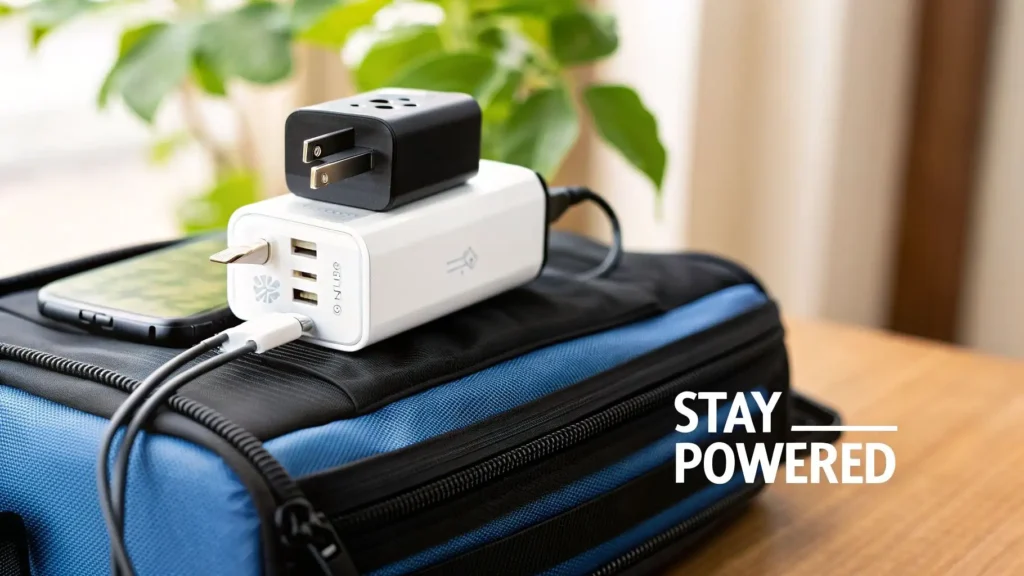
A universal adapter features interchangeable prongs that can be adjusted to fit outlets in North America, Europe, the UK, Australia, and Asia. Many modern versions also include multiple USB-A and USB-C ports, allowing you to charge several devices simultaneously from a single outlet. A high-capacity power bank (20,000-30,000 mAh) acts as your portable power source, capable of recharging a smartphone multiple times before it needs to be plugged in again.
Why This Combo is Essential
For extended travel, you will inevitably encounter varying electrical systems. A universal adapter eliminates the need to carry a bulky bag of single-country converters. The power bank provides freedom, allowing you to navigate using GPS, take photos, and stay connected without being tethered to a wall socket in a cafe or airport terminal. Digital nomads, for instance, rely on these tools to power their entire mobile office, from laptops to cameras, ensuring productivity is never interrupted.
Actionable Tips for Implementation
To get the most out of your power gear, follow these key steps:
- Test Before You Go: Purchase your adapter and power bank well before your trip to test them with your devices. This ensures compatibility and function.
- Check Voltage: While most modern electronics are dual-voltage (110-240V), always verify your devices. An adapter changes the plug shape, not the voltage. High-power items like hair dryers may require a separate voltage converter.
- Pack in Carry-On: Due to lithium-ion battery regulations, power banks must be packed in your carry-on luggage. Check your airline’s specific mAh limits; most allow up to 27,000 mAh (100 watt-hours).
- Consider Hybrids: For ultimate efficiency, look into hybrid models like the Anker PowerCore Fusion, which combines a wall charger and a power bank into a single, compact unit.
2. Noise-Canceling Headphones or Earbuds
The ability to create a pocket of personal space is invaluable on long journeys, and noise-canceling headphones are a game-changer for any serious traveler. These devices use advanced audio technology to actively eliminate ambient sounds like the drone of a plane engine, the chatter of a train car, or the bustle of a crowded terminal. This makes them a crucial item when considering what to pack for long trips, as they help manage travel fatigue, enhance entertainment, and allow for focus in chaotic environments.
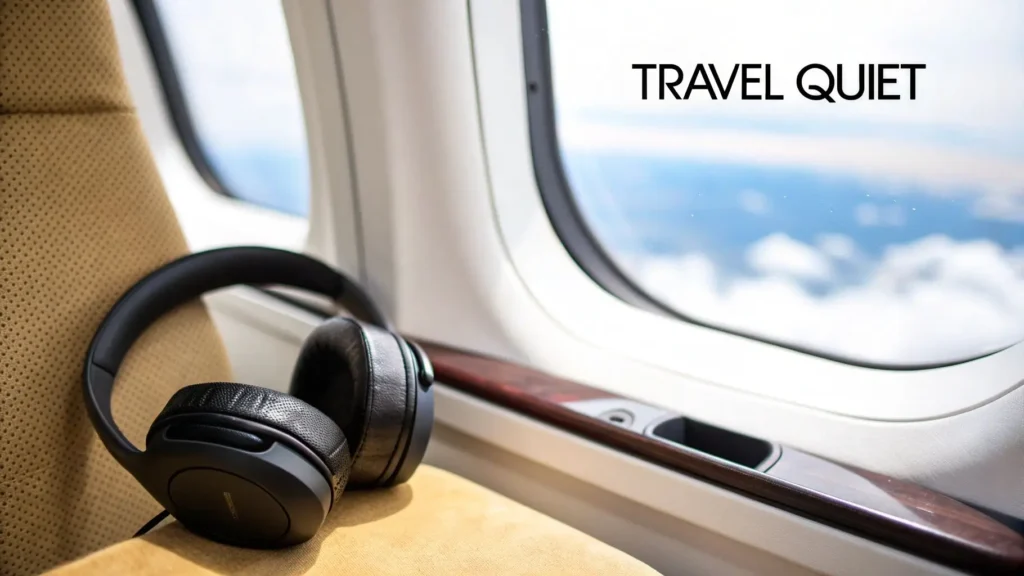
Whether you prefer over-ear models like the industry-standard Sony WH-1000XM5 or the compact convenience of earbuds like Apple’s AirPods Pro, the core benefit is the same: sonic solitude. These devices create an immersive audio experience for podcasts and movies or can be used without any audio to simply block out distractions for sleep or work. They are essential for turning a stressful transit day into a restful and productive one.
Why This Item is Essential
For extended travel, sensory overload is a real issue. The constant hum of transportation and public spaces can be mentally draining. Noise-canceling headphones provide an immediate escape, which is vital for preserving your energy and well-being over weeks or months on the road. For travel writers or remote workers, they create a focused workspace anywhere, allowing for concentration on tasks like writing or joining online meetings without background interference. They are less a luxury and more a tool for managing your travel environment.
Actionable Tips for Implementation
To maximize the benefits of your noise-canceling gear, consider these strategies:
- Prioritize Comfort: Test your chosen headphones or earbuds for several hours before your trip. An uncomfortable fit can be more distracting than the noise you’re trying to block.
- Download Content: Don’t rely on spotty in-flight or public Wi-Fi. Download your playlists, podcasts, movies, and audiobooks before you leave home for uninterrupted offline access.
- Conserve Battery: Use the noise-cancellation feature strategically. If you are in a relatively quiet space, turn it off to significantly extend the battery life of your device.
- Choose Form Factor Wisely: Over-ear models generally offer superior battery life and noise cancellation, making them ideal for long-haul flights. In-ear buds are more portable and better for city exploration and shorter commutes. For more options, you can explore some of the top 24 best wireless headphones of 2026.
3. Packing Cubes and Compression Bags
When figuring out what to pack for long trips, organization and space efficiency are paramount. Packing cubes and compression bags are transformative tools that compartmentalize your luggage, making it easy to find what you need without destroying a perfectly packed suitcase. This organizational system allows you to categorize clothing and gear, while compression bags significantly reduce the volume of bulky items like jackets and sweaters.

Packing cubes are essentially fabric drawers for your suitcase, allowing you to separate tops, bottoms, underwear, and electronics. Compression bags take this a step further by using a one-way valve or zipper system to squeeze out excess air, shrinking soft goods by up to 50%. This combination not only maximizes precious luggage space but also keeps your belongings neatly contained and accessible throughout your journey.
Why This Combo is Essential
For extended travel, maintaining order is key to sanity. Instead of digging through a chaotic mix of clothes, you can simply pull out the specific cube you need. This is especially useful if you’re moving between accommodations frequently. Travel journalists and professional photographers, for example, use specialized cubes to organize cables, batteries, and small equipment, ensuring their critical gear is protected and easy to access. Compression bags enable you to pack for multiple climates, fitting a bulky winter coat alongside warm-weather attire without needing a second suitcase.
Actionable Tips for Implementation
To maximize the benefits of these packing tools, follow these best practices:
- Categorize Logically: Assign cubes based on clothing type (shirts, pants, socks) or by outfit. For ultimate convenience, pack a single day’s outfit in one small cube.
- Roll, Don’t Fold: Tightly rolling clothes before placing them in cubes or bags minimizes wrinkles and allows you to fit more items inside.
- Label Everything: Use labels or different colored cubes to create a system you can quickly understand. This saves you from opening every cube to find a pair of socks.
- Be Mindful of Weight: While compression bags save space, they don’t reduce weight. Be sure to weigh your luggage to avoid excess baggage fees at the airport.
- Avoid Over-Compressing: Never use compression bags for delicate fabrics, down-filled items that need to loft, or electronics, as the pressure can cause damage.
4. Portable Charger with Fast-Charging Cable Set
While a universal adapter and power bank form your power foundation, the cables connecting them to your devices are just as critical. A high-quality, fast-charging cable set ensures your electronics receive power efficiently, minimizing downtime. When deciding what to pack for long trips, investing in a durable and versatile cable collection for your USB-C, Lightning, and Micro-USB devices is essential for keeping everything from your phone to your camera ready for action.
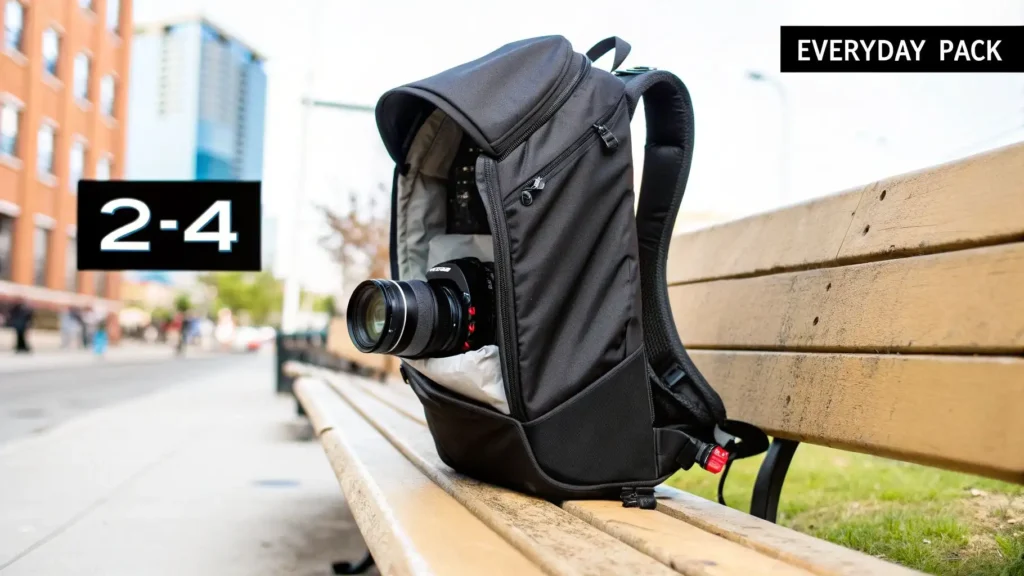
This set should include cables that support the latest fast-charging standards, like USB Power Delivery (PD) or Qualcomm Quick Charge. These technologies allow compatible devices to power up significantly faster than standard cables, a crucial advantage when you only have a short window to recharge at an airport or cafe. Opting for durable, nylon-braided options from reputable brands like Anker or Belkin prevents fraying and breakage from the constant coiling and uncoiling of travel.
Why This Set is Essential
On a long journey, device diversity is common. You might have an iPhone (Lightning), an Android tablet or laptop (USB-C), and a Kindle or older camera (Micro-USB). Carrying a dedicated, high-performance cable for each ensures optimal charging speed and data transfer without relying on flimsy, slow, or unreliable alternatives. Content creators and tech journalists, who often carry mixed-device ecosystems, depend on this setup to keep their entire gear arsenal powered simultaneously, from cameras to microphones.
Actionable Tips for Implementation
To build the perfect travel cable kit, consider the following strategies:
- Certify and Test: Only purchase certified cables (e.g., MFi Certified for Apple devices) to guarantee safety and performance. Test every cable with its intended device before you leave.
- Organize Your Cables: Use cable ties or a small tech pouch to keep your cords organized and prevent them from becoming a tangled mess in your backpack.
- Prioritize Carry-On: Always pack your essential cables and charger in your carry-on bag. This ensures you can stay powered up during transit and protects you if your checked luggage is delayed.
- Consider Length and Type: Pack at least one longer cable (6 ft / 2m) for inconveniently placed hotel outlets and a few shorter ones for charging on the go with a power bank.
5. Travel-Size Toiletries and Medications
Maintaining personal health and hygiene on the road is paramount, making a well-organized kit of travel-size toiletries and medications a crucial component of what to pack for long trips. This strategy involves curating TSA-compliant, compact versions of your essential products and creating a personal pharmacy. This approach ensures you stay comfortable, adhere to airline liquid restrictions, and are prepared for minor health issues without dedicating excessive luggage space to bulky, full-size items.
This involves transferring your favorite products into reusable 100ml (3.4 oz) bottles and assembling a first-aid kit with essentials like pain relievers, antihistamines, and any personal prescriptions. For even greater space savings, innovative products like solid shampoo and conditioner bars from brands like Lush eliminate liquids altogether. A dedicated Dopp kit or travel organizer keeps everything contained and accessible.
Why This Kit is Essential
On an extended journey, you can’t always rely on finding your specific brand of shampoo or the exact over-the-counter medication you trust. Having your own supply provides immediate comfort and convenience, preventing a frantic late-night search in an unfamiliar city. For those with prescription medications, carrying an adequate supply with proper documentation is non-negotiable for managing health conditions abroad and navigating customs inspections smoothly.
Actionable Tips for Implementation
To build the perfect travel hygiene and health kit, follow these steps:
- Prioritize Solids: Whenever possible, choose solid alternatives to liquids. Shampoo bars, conditioner bars, solid perfumes, and toothpaste tablets save significant space and remove the risk of messy spills in your luggage.
- Keep Medications Labeled: Always pack prescription medications in their original, labeled containers. Carry a copy of your prescription and a doctor’s note, especially for controlled substances, to avoid issues with security or customs officials.
- Use a TSA-Approved Bag: For any remaining liquids in your carry-on, use a transparent, quart-sized bag. This streamlines the airport security process and keeps all your liquids organized in one place.
- Assemble a “Mini-Pharmacy”: Create a small, customized first-aid kit. Include pain relievers (ibuprofen/acetaminophen), antacids, antihistamines for allergies, antiseptic wipes, and assorted bandages. This prepares you for the most common travel-related ailments.
6. Quick-Dry Clothing and Microfiber Towel
When determining what to pack for long trips, prioritizing versatile and low-maintenance apparel is a game-changer. Quick-dry clothing and a compact microfiber towel are fundamental for efficient travel, allowing you to wash items on the go and pack significantly less. This combination is designed for travelers facing unpredictable laundry access or moving through varied climates where bulky cotton items become a liability.
Quick-dry clothing is made from synthetic fabrics like polyester blends or natural fibers like merino wool, which wick moisture away from the skin and dry in a fraction of the time of cotton. A microfiber towel is similarly engineered to be ultra-absorbent yet incredibly fast-drying and packs down to the size of a small book. These items are mainstays in the kits of adventure travelers and minimalist backpackers who need their gear to perform reliably day after day.
Why This Combo is Essential
For long-term travel, the ability to do a quick sink wash and have your clothes ready to wear the next morning is invaluable. It breaks the cycle of dependency on laundromats, saving both time and money. This system enables a minimalist capsule wardrobe where a few key pieces, such as shirts from brands like Patagonia or Arc’teryx, can be worn, washed, and re-worn continuously. A microfiber towel is equally crucial for impromptu beach trips, hostel stays, or workouts, eliminating the need for bulky, slow-drying bath towels.
Actionable Tips for Implementation
To build an effective quick-dry travel wardrobe, follow these steps:
- Build a Core Set: Invest in 5-7 versatile pieces, including T-shirts, underwear, and socks made from quick-dry materials. Merino wool is an excellent choice for its temperature-regulating and odor-resistant properties.
- Wash on the Go: Pack a small bottle of travel detergent or a solid laundry bar. You can easily hand-wash items in a hotel sink and hang them to dry overnight.
- Stick to Neutrals: Choose neutral, coordinating colors for your core items. This maximizes mix-and-match potential, creating dozens of outfits from a minimal selection.
- Test Drying Times: Before your trip, wash a few items at home to understand their drying times. A shirt that dries in four hours in your bathroom will likely be ready by morning in a ventilated hotel room.
7. Digital Documents and Cloud Storage Access
While physical documents are essential, a secure digital backup strategy is a critical safety net when you’re figuring out what to pack for long trips. Storing encrypted copies of your passport, visas, flight itineraries, insurance policies, and hotel confirmations in a cloud service ensures you have access to vital information even if your physical documents are lost or stolen. This digital redundancy can be a lifesaver, simplifying everything from embassy visits to unexpected check-ins.
Services like Google Drive, Dropbox, or dedicated secure vaults like 1Password allow you to create a centralized, accessible repository for your travel paperwork. You can scan or take clear photos of each document and organize them into folders. Many of these services offer offline access, allowing you to download specific files to your phone before you lose internet connectivity, ensuring you’re prepared for any situation.
Why This is Essential
On a long-term journey, the risk of misplacing or losing important documents increases significantly. Having digital copies allows you to quickly provide proof of identity or travel plans to authorities, airlines, or hotels, dramatically speeding up the recovery process. For families or groups, a shared cloud folder (like on Google Drive) ensures everyone has access to the group’s itineraries and emergency contacts, streamlining coordination. Travel journalists and business travelers also rely on this method to maintain secure backups of credentials and work-related documents.
Actionable Tips for Implementation
To properly secure your digital documents, follow these best practices:
- Enable Two-Factor Authentication (2FA): Add an extra layer of security to your cloud storage account to prevent unauthorized access.
- Create Offline Copies: Before heading to the airport or a remote area, use your app’s “make available offline” feature for key documents. This guarantees access without an internet connection.
- Use a Password Manager: For the highest level of security, store sensitive documents in an encrypted vault within a password manager like 1Password or LastPass. These tools are designed specifically for secure data storage.
- Share with an Emergency Contact: Share access to a specific folder with a trusted friend or family member back home. If you lose all your devices, they can send you the necessary copies.
- Screenshot Key Information: As a final backup, take screenshots of your flight QR codes, hotel addresses, and reservation numbers and save them to your phone’s photo gallery for quick, offline access.
8. Versatile Day Pack or Camera Bag
Your main luggage holds your life on the road, but a versatile day pack is your daily command center. This durable, comfortable backpack or bag (typically 20-30 liters) is crucial for daily excursions, protecting electronics and valuables while keeping essentials within easy reach. For long trips involving multiple destinations or daily explorations, a well-chosen day pack is an indispensable piece of gear.
A great day pack serves as both your personal item during transit and your go-to bag for exploring a new city, hiking a trail, or heading to a co-working space. Models like the Peak Design Everyday Backpack are favored by content creators for their modular camera storage and quick side access. Meanwhile, digital nomads might prefer the sleek organization of a Bellroy Transit Backpack for its dedicated laptop sleeve and minimalist aesthetic.
Why This Item is Essential
On an extended journey, you won’t carry your large suitcase everywhere. A day pack allows you to leave the bulk of your belongings at your accommodation and carry only what you need for the day: a water bottle, snacks, a jacket, your camera, and your laptop. This separation of gear is key for both convenience and security. It ensures your most valuable items, like your passport and electronics, can stay with you at all times. For photographers or journalists, a specialized bag like the Lowepro Whistler offers rugged protection and organized compartments for lenses and other equipment.
Actionable Tips for Implementation
To select and use your day pack effectively, consider these practical steps:
- Match Size to Activity: Choose a size based on your typical daily needs. A 15-20 liter pack is perfect for urban exploration, while a 25-30 liter pack offers more room for hiking gear or extra layers.
- Prioritize Comfort: Look for padded shoulder straps and a ventilated back panel. Test the bag with some weight in it before your trip to ensure it remains comfortable after hours of wear.
- Check for Key Features: A dedicated, padded laptop or tablet compartment is a must for remote workers. Weather-resistant fabric or an included rain cover will protect your gear from unpredictable downpours.
- Enhance Security: For travel in crowded areas, look for anti-theft features like lockable zippers, slash-proof materials, and hidden pockets to safeguard your passport and wallet.
9. Compact Portable Laptop or Tablet for Remote Work
For many, a long trip no longer means a complete disconnect from professional life. A compact portable laptop or tablet has become an indispensable tool for remote work, managing travel logistics, and even creating content on the go. This essential piece of tech allows you to maintain productivity, stay connected with clients or colleagues, and handle everything from booking flights to editing photos without being weighed down by a bulky, traditional laptop.
Devices like the 13-inch MacBook Air M2 are favored by content creators for their power and portability, while the Microsoft Surface Go offers incredible versatility as both a laptop and a tablet. For those prioritizing an even lighter pack, an iPad Pro with a smart keyboard provides a powerful yet minimalist setup. These devices strike the perfect balance between functionality and travel-friendliness, making them a cornerstone of the modern long-term traveler’s kit.
Why This is Essential
In an era of digital nomads and remote work, a reliable computing device is your link to your livelihood and the digital world. It allows you to work from a cafe in Lisbon, a co-working space in Bali, or your long-stay apartment in Buenos Aires. Beyond work, it’s a central hub for planning the next leg of your journey, backing up precious travel photos, and unwinding with a movie after a long day of exploring. Travel writers and journalists, for instance, depend on these devices to draft articles and meet deadlines from anywhere on the globe.
Actionable Tips for Implementation
To integrate a device seamlessly into your travels, consider these practical steps:
- Invest in Protection: A durable, padded sleeve or a hard-shell case is non-negotiable to protect your device from the bumps and scrapes of transit.
- Prioritize Security: Always use a trusted VPN (Virtual Private Network) when connecting to public Wi-Fi to encrypt your data and protect sensitive information.
- Backup Your Work: Implement a daily backup routine using cloud storage services like Google Drive, Dropbox, or iCloud. This safeguards your work against device loss, theft, or damage.
- Research Internet Access: Before arriving at a new destination, research the availability and reliability of Wi-Fi at your accommodation or nearby cafes to ensure you can stay connected. For those looking to document their journeys, you can learn how to start a travel blog and share your experiences with the world.
10. Travel Insurance Documents and Emergency Contact List
While not a physical item you wear, a comprehensive travel insurance policy and a well-organized emergency contact list are arguably the most critical things to pack for long trips. This safety net provides financial and logistical protection against unforeseen events, from medical emergencies and trip cancellations to lost luggage and flight delays. For extended international travel, it transitions from a “nice-to-have” to an absolute necessity.
A robust travel insurance policy typically covers medical expenses, emergency medical evacuation, trip interruption, and baggage loss. An emergency contact list should contain phone numbers and addresses for your insurance provider, local embassies or consulates, banks, and close family members. Having both digital and physical copies ensures you can access this vital information even if your phone is lost, stolen, or out of battery.
Why This Combo is Essential
On a long journey, the probability of encountering an unexpected issue increases significantly. You could need medical attention in a foreign country where your domestic health plan is invalid, or a natural disaster could force an emergency evacuation. In such scenarios, travel insurance prevents a crisis from becoming a financial catastrophe. International travel journalists and long-term digital nomads, for instance, never leave home without policies from providers like World Nomads or SafetyWing to cover their extensive stays and sometimes high-risk activities. This preparation provides peace of mind, allowing you to handle emergencies efficiently.
Actionable Tips for Implementation
To ensure your safety net is secure and accessible, follow these key steps:
- Understand Your Policy: Don’t just buy the cheapest plan. Read the fine print to understand coverage limits, exclusions, and the claims process. For a detailed breakdown, you can find more information about the best travel insurance for international trips.
- Keep Documents Accessible: Save digital copies of your policy and emergency contacts to a cloud service (like Google Drive) and your phone. Also, print a physical copy to keep in your daypack and another in your main luggage.
- Create a Wallet Card: Make a small, laminated card with critical information: your policy number, the 24/7 assistance phone number for your insurance provider, and the contact details for one emergency family member.
- Register with Your Embassy: If traveling to a region with potential instability, consider registering your trip with your country’s embassy or consulate through programs like the U.S. Smart Traveler Enrollment Program (STEP).
Top 10 Long-Trip Packing Essentials Comparison
| Item | Implementation complexity | Resource requirements | Expected outcomes | Ideal use cases | Key advantages |
|---|---|---|---|---|---|
| Universal Travel Adapter and Power Bank | Low — plug-and-play; check compatibility | Moderate — carries weight; verify airline battery limits | Consistent device power across countries | Long multi-country trips, digital nomads, bloggers | Multi-country support, multiple ports, surge protection |
| Noise-Canceling Headphones or Earbuds | Low — simple setup; pairing and comfort testing | Moderate — battery charging, occasional replacements | Reduced ambient noise; improved focus and rest | Long flights, noisy transit, remote work in public spaces | Superior ANC, call quality, long listening time |
| Packing Cubes and Compression Bags | Low — simple to use; packing technique required | Low to moderate — initial set purchase adds weight | More organized luggage; increased usable space | Long trips with multiple stops, business travel | Space savings, quick organization, wrinkle reduction |
| Portable Charger with Fast-Charging Cable Set | Low — straightforward use; match cable types | Low — compact kit; replaceable cables | Faster device charging; fewer dead devices | Multi-device travelers, photographers, content creators | Fast charging, multi-connector compatibility, compactness |
| Travel-Size Toiletries and Medications | Low — straightforward packing; regulatory checks | Low — frequent small purchases; keep prescriptions | Regulatory-compliant hygiene; basic medical readiness | Air travel, long trips, destinations with limited pharmacies | TSA compliance, lightweight, health protection |
| Quick-Dry Clothing and Microfiber Towel | Moderate — select fabrics and packing strategy | Moderate — investment in technical garments | Faster drying, less laundry, lighter luggage | Active/adventure travel, humid climates, long trips | Fast-drying, lightweight, wrinkle-resistant |
| Digital Documents and Cloud Storage Access | Moderate — setup secure cloud and offline copies | Low — subscriptions or free tiers; device storage | Quick recovery of documents; simplified check-ins | International travel, long-term trips, group travel | Redundancy, easy sharing, offline access options |
| Versatile Day Pack or Camera Bag | Low to moderate — choose fit and protective features | Moderate — cost for quality, possible inserts | Secure, organized daily carry; equipment protection | Daily excursions, photography trips, urban exploration | Weather resistance, padded protection, anti-theft |
| Compact Portable Laptop or Tablet for Remote Work | High — choose specs, secure setup, backups | High — device cost, accessories, reliable internet | Full productivity and content creation on the go | Remote work, travel blogging, professional assignments | Full computing power, portability, professional tools |
| Travel Insurance Documents and Emergency Contact List | Moderate — select appropriate policy and store copies | Low to moderate — insurance premiums and documentation | Financial and medical protection; rapid emergency support | International travel, high-risk activities, long trips | Medical coverage, trip protection, emergency assistance |
Packing Mastered: Your Blueprint for Confident Long-Term Travel
You’ve navigated the extensive world of extended travel preparation, from the foundational importance of universal adapters and robust power banks to the strategic brilliance of a well-organized capsule wardrobe. This guide has dissected the critical components, moving beyond a simple checklist to offer a comprehensive philosophy for mastering what to pack for long trips. The goal is not just to fill a suitcase; it’s to build a mobile, self-sufficient ecosystem that supports your journey, empowers your experiences, and eliminates the friction of being unprepared.
Packing for an extended adventure is an act of foresight. It’s about anticipating needs you haven’t yet had and solving problems before they arise. By embracing the principles we’ve covered, you transform this often-dreaded task into a strategic advantage. You are no longer a tourist burdened by luggage, but a traveler equipped with a toolkit designed for freedom and flexibility.
Key Takeaways: From Reactive Packer to Proactive Strategist
Let’s distill the core principles that will redefine your approach to packing for any long-term adventure:
- Versatility Over Volume: The single most important takeaway is to prioritize items that serve multiple functions. A quick-dry towel doubles as a beach blanket, a versatile daypack works for urban exploration and light hikes, and a capsule wardrobe allows for dozens of outfits from just a handful of pieces. This mindset is the key to traveling light without feeling deprived.
- The Digital Safety Net: Your most critical assets are often not physical. Digitizing your passport, visa, travel insurance, and emergency contacts creates an essential, weightless backup. Storing these securely in the cloud is non-negotiable for modern long-term travel, providing peace of mind that a lost bag can never take away.
- Power and Connectivity are Non-Negotiable: In today’s world, a dead battery can be more than an inconvenience; it can be a security risk. A reliable power bank and a universal adapter are your lifelines, ensuring you can navigate, communicate, and access your digital documents whenever you need to.
- Systemize with Packing Tools: Packing cubes and compression bags are not just organizational accessories; they are system-builders. They enforce discipline, create order out of chaos, and dramatically optimize the limited space you have. Mastering their use is fundamental to efficient long-haul packing.
Actionable Next Steps: Your Pre-Flight Checklist
Before you even think about zipping your suitcase, commit to these final actions. This is where the theory becomes practice.
- Conduct a Packing Audit: Lay out everything you think you need. Now, be ruthless. Pick up each item and ask: “Does this serve at least two purposes? Will I use this more than once a week? Can I buy this there if I absolutely need it?” If the answer is no, it likely doesn’t make the cut.
- Perform a Tech Rehearsal: A week before you leave, do a full “tech dry run.” Charge your power bank, test your universal adapter with your key devices, and ensure your noise-canceling headphones are paired and charged. Confirm you can access your cloud-stored documents from your phone.
- Create Your “Go Bag” Configuration: Pack and unpack your versatile daypack with the items you’ll need on a daily basis: a portable charger, a water bottle, a light jacket, your wallet, and your phone. Get a feel for its weight and accessibility. This bag will be your constant companion, so its configuration is just as important as your main luggage.
By internalizing these strategies, you are fundamentally changing your relationship with your belongings while on the road. Your gear becomes an enabler, not an anchor. This mastery of what to pack for long trips is the first, and perhaps most crucial, step toward unlocking a journey defined by presence, discovery, and confidence. You’ve built the blueprint; now go build the adventure.
Ready to dive deeper into the world of smart travel? The principles you’ve learned here are just the beginning. At maxijournal.com, we feature in-depth guides, travel narratives, and tech reviews that expand on these topics, helping you travel not just lighter, but smarter. Explore our extensive resources to perfect every aspect of your next adventure at maxijournal.com.
Discover more from Maxi Journal
Subscribe to get the latest posts sent to your email.


Pingback: Top 10 Affordable Honeymoon Destinations for 2026
Pingback: Essential Tips for Packing Light When Traveling in Europe