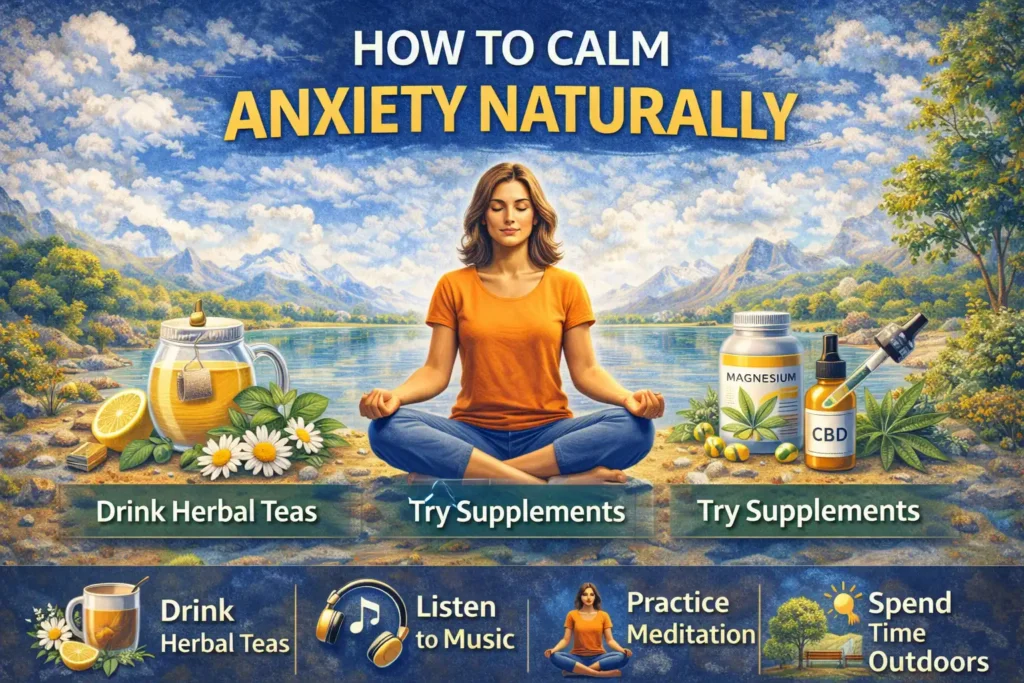
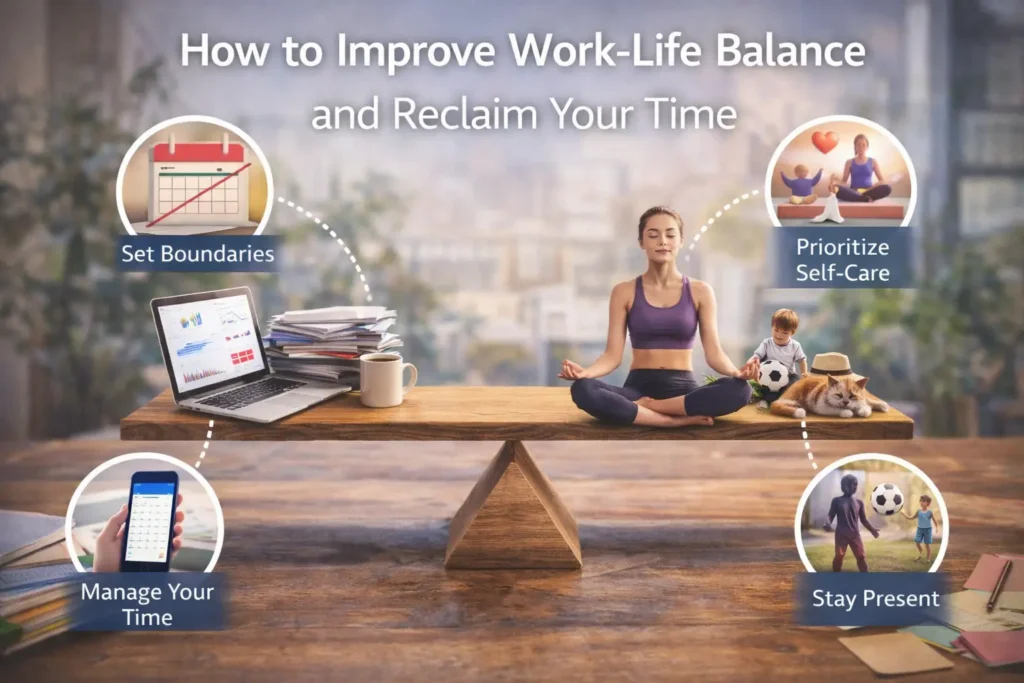
In a world that constantly demands our attention, carving out space for mental wellness isn’t a luxury; it’s an essential practice for resilience. The term ‘self-care’ is often reduced to fleeting indulgences, but true mental health self-care is about building sustainable, evidence-informed habits that fortify your emotional foundation. It’s about intentionally creating a toolkit of practices you can rely on during both calm and stormy weather. This roundup moves beyond generic advice to offer ten actionable, science-backed strategies designed to support your mind.
Each of these mental health self care tips is presented as a practical building block for a healthier life. We provide not just the “what,” but the “how,” with micro-steps for implementation and context for when to use each technique. We’ll also explore the boundaries and limitations of these practices, ensuring you have a realistic perspective. Whether you’re feeling overwhelmed, looking to build resilience, or simply want to cultivate a deeper sense of well-being, this guide provides the specific, concrete steps to get you started. Let’s explore the practices that truly make a difference in your daily life.
1. Mindfulness Meditation and Presence
Mindfulness meditation is the practice of intentionally focusing your attention on the present moment, observing your thoughts, feelings, and bodily sensations without judgment. This ancient technique, popularized in the West by figures like Jon Kabat-Zinn, is one of the most effective mental health self care tips for reducing stress and anxiety. It works by training your brain to detach from the cycle of rumination and worry, effectively rewiring neural pathways to promote calmness and emotional regulation.
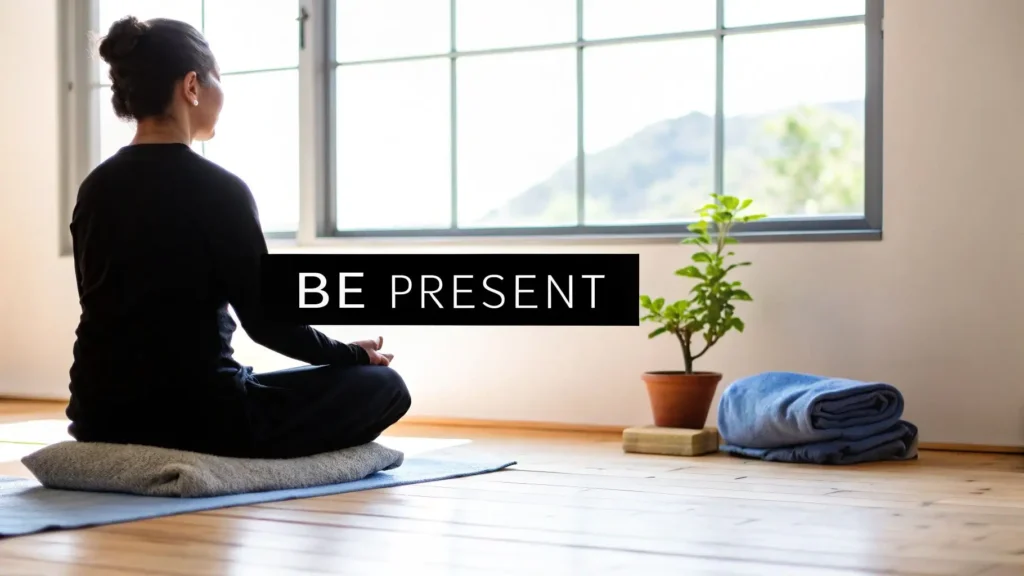
This practice isn’t just for monks; it’s used in high-stress environments from hospitals implementing Mindfulness-Based Stress Reduction (MBSR) programs to corporate offices at Google and Apple providing meditation rooms for employees. It’s about creating a mental pause button.
How to Get Started
Getting started is simpler than you might think. You don’t need a special cushion or complete silence to begin cultivating presence.
- Start Small: Begin with just five minutes a day. Consistency is more important than duration.
- Use an Anchor: Focus on your breath. Notice the sensation of air entering and leaving your body. When your mind wanders, gently guide it back to your breath.
- Leverage Technology: Guided meditation apps like Calm, Headspace, or Insight Timer are excellent tools for beginners, providing structure and variety.
- Build a Routine: Practice at the same time each day, such as right after you wake up or during a lunch break, to make it a consistent habit.
When to Use This Tip
Mindfulness is particularly useful when you feel overwhelmed by anxious thoughts, are stuck ruminating about the past, or simply feel disconnected from the present. By grounding yourself, you interrupt the brain’s automatic stress response, creating space to respond to situations more thoughtfully rather than reacting impulsively.
2. Physical Exercise and Movement
Regular physical activity is one of the most powerful and evidence-based mental health self care tips, acting as a natural mood elevator. When you move your body, your brain releases endorphins, powerful chemicals that interact with receptors in your brain to reduce your perception of pain and trigger a positive feeling. It also reduces stress hormones like cortisol and adrenaline, making it an effective tool for managing anxiety and depression.
This connection is celebrated by figures like Olympic swimmer Michael Phelps, who openly discusses how swimming helps manage his mental health. Organizations like the World Health Organization (WHO) consistently promote physical activity for mental well-being, and community initiatives like parkrun offer free, social opportunities for movement, demonstrating its widespread impact.
How to Get Started
Integrating movement into your life doesn’t require an expensive gym membership or an intense training regimen. The key is finding a sustainable and enjoyable routine.
- Find Your Joy: Choose activities you genuinely like, whether it’s dancing, hiking, cycling, or yoga. You’re more likely to stick with something you don’t consider a chore.
- Aim for Consistency: Start with the recommended 30 minutes of moderate activity, five days a week. This could be as simple as a brisk walk.
- Go Outdoors: Exercising in nature, sometimes called “green exercise,” has been shown to provide an extra boost to mood and self-esteem.
- Combine Socializing: Join a group class, a local sports team, or a community running group to add a layer of social connection, which further supports mental health.
When to Use This Tip
Physical exercise is particularly effective when you’re feeling sluggish, stressed, irritable, or stuck in a negative thought loop. It serves as a powerful pattern interrupt, shifting your focus from your mind to your body. Using movement as a proactive daily habit can build resilience against stress, but it’s also a fantastic in-the-moment tool to release pent-up emotional energy and gain mental clarity.
3. Journaling and Expressive Writing
Journaling is the practice of writing down your thoughts and feelings to understand them more clearly. This powerful tool provides emotional release and clarity, acting as one of the most accessible mental health self care tips available. Pioneering research by psychologist James Pennebaker demonstrated that expressive writing about stressful experiences can significantly improve both mental and physical health. It works by helping you process complex emotions and organize your thoughts into a coherent narrative, reducing the cognitive load of unprocessed events.

This practice is not just about keeping a diary; its applications are widespread. It is used as Therapy-Integrated Journaling (TIJ) in clinical settings and has inspired a massive social media community around the Bullet Journal method. The core idea is simple: externalizing your internal world helps you gain perspective and control.
How to Get Started
You don’t need to be a great writer to benefit from journaling; the goal is expression, not perfection. A simple notebook and pen are all that’s required to begin.
- Write Freely: Set aside 10-15 minutes and write whatever comes to mind without self-censorship.
- Use Prompts: If free-writing feels intimidating, use a writing prompt like, “What is one thing I’m grateful for today?” or “What is currently weighing on my mind?”
- Try Different Formats: Experiment with lists, letters you never send, poetry, or a simple stream of consciousness.
- Go Digital or Analog: Choose what feels best for you. Apps like Day One and Journey offer a structured digital experience, while a physical notebook provides a tactile connection.
When to Use This Tip
Expressive writing is particularly effective when you feel emotionally overwhelmed, confused, or stuck in a loop of negative thoughts. It’s an excellent tool for processing specific traumatic events, managing daily anxiety, or tracking emotional patterns over time. By putting your feelings onto paper, you create a safe distance, allowing you to examine them with greater objectivity and compassion.
4. Boundary Setting and Digital Detox
Setting healthy boundaries is the practice of clearly defining your limits in relationships, work, and personal life to protect your energy and well-being. This vital mental health self care tip is about safeguarding your mental space from overwhelm and toxic influences. A key part of this today is a digital detox, which directly confronts the anxiety, comparison culture, and information overload fueled by constant connectivity and social media. It works by reclaiming your time and attention, reducing a major source of modern stress.
This concept has gained significant traction, popularized by thinkers like Cal Newport, author of Digital Minimalism, and advocacy groups like the Center for Humane Technology. Companies are even adopting policies like the ‘right to disconnect’ to protect employees from after-hours work demands, acknowledging the critical link between boundaries and mental health.
How to Get Started
Implementing boundaries doesn’t require drastic, isolating changes. It’s about making small, intentional choices to regain control.
- Start Small: Begin by deleting just one social media app from your phone for a week. Access it only from a web browser if you must.
- Create Phone-Free Zones: Designate specific areas, like the bedroom or the dinner table, as no-device zones to foster presence and improve sleep.
- Leverage Technology: Use built-in features like Apple’s Screen Time or Android’s Digital Wellbeing to set app timers and schedule downtime.
- Communicate Clearly: Practice saying ‘no’ to requests that overextend you. You can be firm and polite without offering a long explanation.
When to Use This Tip
This strategy is especially powerful when you feel constantly drained, irritable, or a victim of “FOMO” (fear of missing out). If you find yourself mindlessly scrolling, struggling to focus on tasks, or feeling your self-worth dip after being online, it’s a clear sign you need to establish stronger digital and personal boundaries. It creates the mental space needed to engage with your life more meaningfully.
5. Sleep Optimization and Sleep Hygiene
Quality sleep is a non-negotiable pillar of well-being, directly impacting mood, cognitive function, and emotional resilience. Sleep hygiene refers to the set of habits and practices conducive to sleeping well on a regular basis. This concept, championed by sleep scientists like Matthew Walker, is one of the most foundational mental health self care tips because it addresses the bidirectional link between rest and mental state; poor sleep worsens mental health, which in turn disrupts sleep.
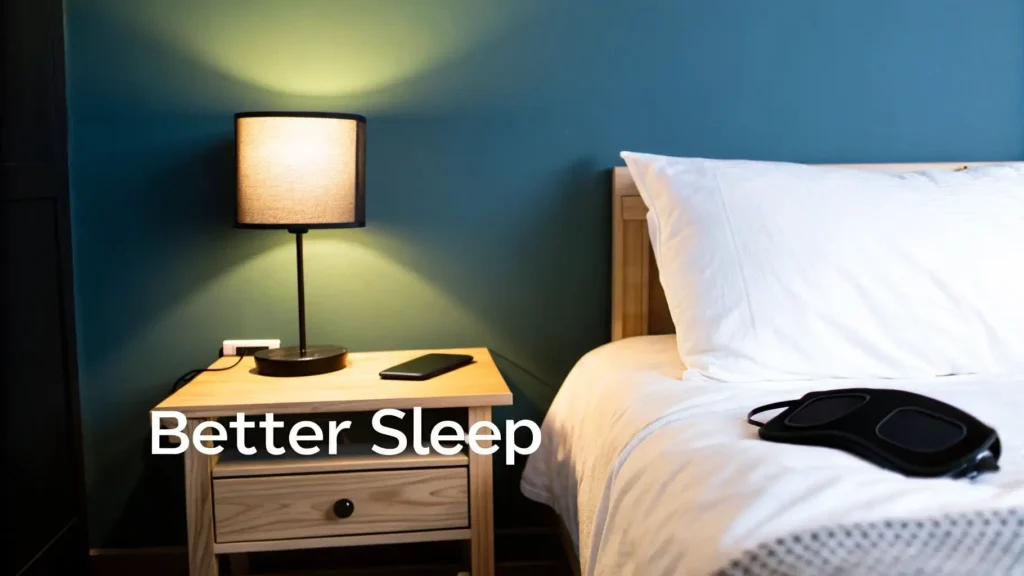
This principle is applied everywhere from clinical settings using Cognitive Behavioral Therapy for Insomnia (CBT-I) to elite athletics, where sleep is optimized for peak performance and recovery. It’s about creating the ideal conditions for your brain to repair and reset.
How to Get Started
Optimizing your sleep environment and routine is a powerful act of self-care. Small, consistent changes can yield significant improvements in your sleep quality.
- Create a Sanctuary: Make your bedroom cool (around 65°F / 18°C), dark, and quiet. Use blackout curtains, an eye mask, or earplugs if needed.
- Stick to a Schedule: Go to bed and wake up at the same time every day, even on weekends, to regulate your body’s internal clock.
- Establish a Wind-Down Routine: Avoid screens for at least 60 minutes before bed. Instead, read a book, take a warm bath, or listen to calming music.
- Be Mindful of Consumables: Avoid caffeine after 2 PM and limit alcohol, as it can disrupt your deep REM sleep cycles later in the night.
When to Use This Tip
Prioritize sleep hygiene when you feel irritable, have trouble concentrating, or notice a dip in your mood. If you consistently wake up feeling groggy or unrefreshed, it’s a clear sign that your sleep routine needs attention. Improving sleep is a proactive strategy to build a stronger foundation for mental resilience, helping you better manage daily stressors and emotional challenges.
6. Social Connection and Community Engagement
Humans are fundamentally social creatures; meaningful connection is not a luxury but a biological necessity for mental well-being. This powerful mental health self care tip focuses on combating loneliness, a factor linked to higher rates of depression and anxiety. Engaging with a community provides a sense of belonging, emotional support, and valuable perspective, creating a powerful buffer against life’s stressors.
This idea has been championed by figures like U.S. Surgeon General Vivek Murthy, who has highlighted loneliness as a public health crisis, and researcher Brené Brown, who emphasizes the power of vulnerability in building connection. It’s about finding your people, whether online or in person.
How to Get Started
Building connections doesn’t have to be a monumental effort. Small, consistent actions can cultivate a strong support network and combat feelings of isolation.
- Start Small: Begin by reaching out to one trusted person. A simple text or call can reignite a connection.
- Join Interest-Based Groups: Find a local club or online community for a hobby you enjoy, like a book club, gaming guild, or hiking group on Meetup.
- Schedule Connection: Be intentional. Put a weekly coffee date or a monthly video call on your calendar just as you would any other important appointment.
- Volunteer: Dedicate time to a cause you are passionate about. This creates a shared sense of purpose and introduces you to like-minded individuals.
When to Use This Tip
This strategy is crucial when you feel isolated, misunderstood, or disconnected from others. It’s especially effective when you’re going through a difficult life transition or feel like you’re carrying a burden alone. Reaching out provides validation and reminds you that you are not the only one facing challenges, fostering resilience and hope.
7. Creative Expression and Artistic Engagement
Creative expression is the act of channeling your thoughts, emotions, and experiences into an artistic form like painting, writing, music, or dance. This powerful mental health self care tip provides a non-verbal outlet for complex feelings, reducing stress and anxiety by fostering a state of “flow” where you are fully immersed in the activity. It works by engaging different parts of your brain than analytical, problem-solving thought, offering a mental break and a tangible sense of accomplishment.
This concept is the foundation of formal art and music therapy, used effectively to help individuals process trauma and manage conditions like depression. Organizations like the American Art Therapy Association champion these methods, proving that creativity is not just a hobby but a vital tool for emotional processing and psychological well-being. It’s about making space for creation without pressure.
How to Get Started
You don’t need to be a professional artist to reap the benefits. The goal is expression, not perfection.
- Focus on Process: Let go of the need for a perfect outcome. Scribble, hum, write nonsense, or dance freely.
- Try Something New: Experiment with a medium you’ve never used before, like clay, digital art, or poetry. This removes preconceived expectations.
- Set a Small Time Goal: Dedicate just 10-15 minutes to a creative activity. Use a writing prompt or a coloring book to ease into it.
- Join a Community: Platforms like Skillshare or local workshops offer supportive environments to explore your creativity alongside others.
When to Use This Tip
Turn to creative engagement when you feel emotionally stuck, are struggling to articulate your feelings, or need an escape from overwhelming thoughts. It is particularly effective when you feel a loss of identity or purpose, as creating something tangible can restore a sense of agency and accomplishment, providing a healthy distraction and a pathway back to yourself.
8. Nature Exposure and Outdoor Time
Nature exposure involves intentionally spending time in natural environments to improve well-being. This powerful mental health self care tip works by reducing stress, improving mood, and enhancing cognitive function. Research shows that even brief exposure to nature lowers cortisol levels and blood pressure, providing a direct physiological path to calmness and a more positive mental state. It grounds you in the present and offers a sense of perspective.

The concept has gained significant traction globally, from Japan’s popular “forest bathing” (Shinrin-yoku) programs to doctors in the UK and US issuing “nature prescriptions” for patients with anxiety and depression. It’s a simple, accessible strategy to disconnect from digital overload and reconnect with a more tranquil, restorative world.
How to Get Started
Integrating nature into your life doesn’t require a major expedition. Small, consistent efforts can yield significant benefits.
- Start with 20 Minutes: Aim for at least 20 minutes of outdoor time, as this is the duration shown to most effectively lower stress hormones.
- Practice Mindful Observation: Engage your senses. Notice the scent of the air, the sound of leaves, and the texture of a tree’s bark.
- Disconnect from Devices: Leave your phone behind or put it on silent to fully immerse yourself in the experience and give your mind a true break.
- Find Your Spot: Visit different settings like a local park, a forest trail, or a body of water to discover what environment feels most calming to you.
When to Use This Tip
This tip is especially effective when you feel mentally fatigued, overwhelmed by urban noise, or stuck in a negative thought loop. A walk in the park can break the cycle of rumination by providing a gentle sensory distraction. It’s also invaluable for boosting creativity and focus, making it a perfect reset during a stressful workday or a demanding project.
9. Nutrition and Mindful Eating
The connection between what you eat and how you feel is profound, with the emerging field of nutritional psychiatry highlighting the deep link between diet and mental well-being. This mental health self care tip focuses on how specific nutrients influence neurotransmitter production, blood sugar stability, and gut health, all of which directly impact mood and cognitive function. It’s about recognizing that food is not just fuel for the body but also for the brain.
This isn’t a restrictive diet; it’s a supportive eating style. Studies, such as those on the Mediterranean diet, have shown a significant reduction in depression risk. By nourishing your brain with the right foods, you create a foundation for better emotional resilience and mental clarity.
How to Get Started
Integrating brain-supportive nutrition is about making small, consistent changes rather than a complete dietary overhaul.
- Boost Omega-3s: Incorporate fatty fish like salmon, walnuts, and flax seeds to support brain health.
- Balance Your Meals: Include a source of protein and healthy fats with each meal to stabilize blood sugar and prevent mood swings.
- Stay Hydrated: Dehydration can directly impact your mood and concentration. Aim for consistent water intake throughout the day.
- Practice Mindful Eating: Slow down, savor each bite, and eat without distractions like screens. This improves digestion and helps you recognize hunger and fullness cues.
When to Use This Tip
This approach is especially beneficial if you experience mood fluctuations, brain fog, or low energy levels. If you notice your anxiety spikes after consuming lots of sugar or caffeine, or if you often turn to food for comfort, focusing on mindful nutrition can help you regain control. It’s a foundational practice for long-term mental stability.
10. Gratitude Practice and Positive Psychology
Gratitude practice is the conscious act of noticing and appreciating the positive aspects of life. This powerful tool, rooted in positive psychology, helps counteract the brain’s inherent negativity bias, the tendency to focus more on negative experiences than positive ones. Pioneered by researchers like Martin Seligman, this practice shifts your focus from problems to strengths, effectively rewiring neural pathways to foster optimism, resilience, and a deeper sense of well-being.
This isn’t just about feeling good; it’s a scientifically backed method for improving mental health. Gratitude has been integrated into corporate wellness programs to boost morale and into school curricula to enhance student mental health. It’s a foundational practice for anyone looking for effective mental health self care tips.
How to Get Started
Integrating gratitude doesn’t require a major life overhaul. It’s about building a small, consistent habit that refocuses your attention.
- Start a Gratitude Journal: Each day, write down three specific things you are grateful for. Instead of just “my family,” write “the funny text my brother sent me.”
- Be Specific: Detail why you are grateful for something. This deepens the emotional connection to the positive feeling.
- Express It Outwardly: Thank someone directly. A quick text, call, or handwritten note can amplify the positive effects for both you and the recipient.
- Use Technology: Apps like Grateful or Presently can send you daily reminders to log what you’re thankful for, making the habit stick.
When to Use This Tip
Gratitude is especially powerful when you feel cynical, pessimistic, or overwhelmed by life’s challenges. When you’re stuck focusing on what’s wrong, this practice forces a cognitive shift, helping you recognize the good that still exists. It’s a potent antidote to feelings of hopelessness and a grounding technique during periods of high stress or emotional turmoil.
Comparison of 10 Mental Health Self-Care Tips
| Practice | Implementation complexity | Resource requirements | Expected outcomes | Ideal use cases | Key advantages |
|---|---|---|---|---|---|
| Mindfulness Meditation and Presence | Low–moderate (habit formation) | Minimal (time, optional apps) | Reduced stress, better focus, emotion regulation | Daily stress, anxiety, concentration issues | Portable, low-cost, strong evidence base |
| Physical Exercise and Movement | Moderate (planning & time) | Variable (time, space, gear) | Mood boost, improved sleep, cognitive gains | Energy release, depression, long-term resilience | Robust physiological benefits; versatile formats |
| Journaling and Expressive Writing | Low (daily habit) | Minimal (notebook or app) | Emotional clarity, reduced rumination, insight | Processing trauma, self-reflection, therapy adjunct | Private, inexpensive, creates progress record |
| Boundary Setting and Digital Detox | Moderate–high (behavior change) | Minimal (settings, time, commitment) | Less overwhelm, improved sleep and focus | Social media overload, work-life imbalance | Immediate reduction of information overload; clearer priorities |
| Sleep Optimization and Sleep Hygiene | Moderate (routine + environment) | Low–moderate (environment changes, trackers) | Better mood, memory, immune function, resilience | Chronic fatigue, poor concentration, mood disorders | Foundational effect across mental and physical health |
| Social Connection and Community Engagement | Moderate (social effort) | Time, possible travel or membership | Reduced loneliness, emotional support, belonging | Isolation, seeking support, building purpose | Strong protective effect; enhances life satisfaction |
| Creative Expression and Artistic Engagement | Low–moderate (time, practice) | Supplies or digital tools optional | Emotional processing, flow states, self-esteem | Stress relief, identity work, creative outlets | Encourages agency, cognitive flexibility, tangible outcomes |
| Nature Exposure and Outdoor Time | Low (scheduling) | Access to green/water spaces, time | Rapid stress reduction, improved attention, mood | Acute stress, attention restoration, outdoor activity | Quick physiological benefits; low cost and accessible |
| Nutrition and Mindful Eating | Moderate (education + habit change) | Food choices, possible professional support | Stabilized mood and energy, better cognition | Mood instability, gut-brain concerns, performance | Direct biological impact; cost-effective long-term gains |
| Gratitude Practice and Positive Psychology | Low (simple routine) | Minimal (journal or app optional) | Improved mood, resilience, relationship quality | Boosting optimism, counteracting negativity bias | Quick, low-effort benefits; cultivates positive focus |
Integrating Self-Care into Your Everyday Life
Navigating the landscape of mental wellness can often feel like an overwhelming task. Yet, as we’ve explored through these ten distinct pillars of well-being, the path forward is built not from grand, singular gestures but from small, consistent, and intentional actions woven into the fabric of your daily existence. The true power of these mental health self care tips lies in their integration, creating a supportive ecosystem for your mind.
The journey begins not with a complete overhaul, but with a single, manageable step. You don’t need to master all ten practices at once. The goal is sustainable change, not temporary perfection.
From Knowledge to Action: Your Personal Self-Care Blueprint
The most effective self-care strategy is the one you actually use. Think of the practices we’ve covered, from the quiet introspection of journaling to the vibrant energy of community engagement, as a personalized menu. Your task now is to become a curious chef, experimenting with the ingredients that best suit your unique tastes and needs.
Consider these actionable starting points:
- Identify Your Anchor: Which tip resonated most deeply? Was it the idea of a digital detox to reclaim your focus, or the pull of creative expression to process emotions? Choose just one practice to focus on for the next week.
- Start Small and Schedule It: The secret to consistency is lowering the barrier to entry. If you chose mindfulness, don’t aim for a 30-minute meditation. Start with three minutes every morning. If it’s physical movement, schedule a 10-minute walk after lunch. Put it in your calendar as a non-negotiable appointment with yourself.
- Practice Self-Compassion: There will be days when you miss your walk or forget to journal. This is not a failure; it is part of the human experience. The crucial step is to simply begin again the next day without judgment. Self-care is a practice of kindness, especially toward yourself.
The Cumulative Effect of Consistent Care
Mastering these concepts is not about achieving a final, static state of “good mental health.” It’s about building resilience. Each time you set a boundary, nourish your body, or connect with nature, you are casting a vote for your own well-being. These individual actions accumulate over time, creating a strong foundation that can help you navigate life’s inevitable challenges with greater stability and grace.
This commitment to self-care ripples outward, enhancing your relationships, improving your focus, and deepening your sense of purpose. It is a profound investment in your overall quality of life. Remember, self-care isn’t selfish; it’s the essential groundwork that allows you to show up more fully and authentically in every area of your life. You are building a life that doesn’t just look good, but feels good.
Ready to take the first step with one of the most powerful tools for self-reflection? A dedicated journal can transform your practice. Explore the guided journals and premium notebooks at maxijournal.com to find the perfect companion for your mental wellness journey. Visit maxijournal.com to start writing your way to a clearer mind.
Discover more from Maxi Journal
Subscribe to get the latest posts sent to your email.