Global life expectancy rose from 66.8 years in 2000 to 73.1 years in 2019, while healthy life expectancy increased from 58.1 to 63.5 years, according to the World Health Organization’s global health estimates. Those gains show why the answer to “why is health and wellness important” reaches far beyond appearance or short-term fitness. Health and wellness influence how long people live, how well they function, how much disease they experience, and how resilient families and communities remain during crises.
But progress can reverse. By 2021, global life expectancy had fallen to 71.4 years, and healthy life expectancy had fallen to 61.9 years, according to the same WHO estimates. The lesson is practical: wellness isn’t a luxury added after the “real” health work is done. It helps protect the years people gain, supports independence, and can reduce the pressure that chronic disease places on households and health systems.
What Health and Wellness Really Mean and Why the Distinction Matters
Think of health as the condition of a house and wellness as the care that keeps the house usable. Health describes how the body and mind are functioning at a given point. Wellness describes the ongoing choices, habits, relationships, and surroundings that support that functioning over time.
The World Health Organization’s Constitution defines health as a state of complete physical, mental, and social well-being, rather than the absence of disease. In everyday language, health includes functioning bodily systems, emotional stability, and the ability to participate in life. Wellness is more active. It includes the repeated decisions that help those systems work well, such as moving regularly, sleeping adequately, eating nourishing food, managing stress, seeking medical care, and maintaining supportive relationships.

Health is a state, wellness is a practice
Many public-health frameworks describe wellness across several connected dimensions:
- Physical wellness: movement, nutrition, sleep, prevention, and care for the body.
- Emotional wellness: recognizing feelings, handling stress, and asking for support.
- Intellectual wellness: learning, curiosity, problem-solving, and mental engagement.
- Social wellness: relationships, belonging, communication, and community participation.
- Spiritual wellness: meaning, values, purpose, or faith, according to personal belief.
- Occupational wellness: finding sustainable work, purpose, balance, and a sense of contribution.
These dimensions overlap. A demanding job can disrupt sleep. Poor sleep can affect mood. Low mood can reduce social contact and physical activity. Looking at wellness as a connected system helps explain why a single habit rarely solves every problem.
A person may have no diagnosed illness and still experience low wellness because of isolation, exhaustion, financial strain, or constant stress. Someone else may live with diabetes or another chronic condition while maintaining meaningful relationships, active routines, purpose, and a strong quality of life. A diagnosis matters, but it doesn’t describe the whole person.
Practical rule: Health asks, “How are your systems functioning?” Wellness asks, “What can support them today and over time?”
Public-health education also depends on helping people recognize risks before they become emergencies. For readers who want examples of how communities communicate prevention messages, these awareness campaigns from VirusFAQ.com offer useful context. The broader point is that wellness isn’t only private behavior. It also depends on clear information, accessible services, safe environments, and trust.
How Health and Wellness Shape How Long and How Well You Live
Longevity has two measures. Lifespan is the total time a person lives. Healthspan is the time spent with enough physical and mental function to live independently and take part in ordinary activities. The distinction resembles the difference between owning a vehicle for many years and keeping it reliable enough for daily journeys.
WHO data shows how these measures can move together without matching:
| Metric | Global average | Wellness implication |
|---|---|---|
| Life expectancy in 2000 | 66.8 years | Progress had already extended average survival. |
| Life expectancy in 2019 | 73.1 years | Public-health improvements added years of life. |
| Healthy life expectancy in 2000 | 58.1 years | People spent fewer average years in good health. |
| Healthy life expectancy in 2019 | 63.5 years | More years were lived with health and function. |
| Life expectancy in 2021 | 71.4 years | Global crises can reverse population gains. |
| Healthy life expectancy in 2021 | 61.9 years | Healthspan can also contract during major disruption. |
The gap between life expectancy and healthy life expectancy is a population average, not a personal forecast. It differs across countries and is shaped by income, environment, healthcare access, disability, and other conditions. Even so, it offers a useful way to understand longevity. A longer life does not automatically mean more years with energy, independence, or freedom from disabling conditions.
Why the gap matters
Daily conditions can influence health problems that build over decades. Physical inactivity, tobacco use, poor nutrition, harmful alcohol use, and unmanaged stress may affect cardiovascular health, metabolic function, sleep, mood, and physical capacity. Individual choices matter, yet supportive environments, affordable care, and consistent prevention also shape what choices are possible.
WHO identifies physical inactivity as the fourth leading risk factor for global mortality, associated with about 6% of deaths worldwide. Its risk-factor estimates also attribute 13% of global mortality to high blood pressure, 9% to tobacco use, and 6% to high blood glucose, as reported in the WHO Global Health Estimates leading causes of DALYs.
These figures describe population-level patterns, not guaranteed outcomes for one person. They show why prevention is a system issue: healthier routines, safer surroundings, trustworthy information, and accessible services can strengthen resilience across communities.
For readers exploring everyday choices and efforts to extend healthy life expectancy with Telomyx, the aim is the same. Longevity means more than adding birthdays. It means preserving usable strength, cognitive function, social connection, and independence for as many years as circumstances allow.
The Six Big Benefits of Prioritizing Health and Wellness
Health and wellness create benefits that reinforce one another. Better sleep can make movement easier. Movement can support mood. Stronger mood can make social connection and healthy food choices more manageable. The value isn’t confined to one body system.

1. Physical protection
Regular activity supports cardiovascular and metabolic health. WHO evidence links physical activity with lower risk of all-cause mortality, cardiovascular disease mortality, hypertension, cardiovascular disease, and type 2 diabetes. The WHO physical activity evidence review also states that insufficiently active people have a 20% to 30% higher death risk than sufficiently active people.
Nutrition, sleep, tobacco avoidance, and preventive care add other layers of protection. Together, they can lower exposure to risks that contribute to heart disease, type 2 diabetes, and some cancers.
2. Mental and cognitive support
Wellness isn’t only about muscles, weight, or medical test results. WHO reports that physical activity can reduce symptoms of depression and anxiety while improving cognitive health, sleep, and body-fat measures. A routine walk, a regular sleep schedule, or time with supportive people may therefore serve both physical and emotional needs.
This doesn’t replace treatment for a mental-health condition. It does show why mental wellness belongs inside health education rather than in a separate category.
3. Stronger social connection
Healthy relationships provide practical support during illness, stress, bereavement, and major life changes. Social wellness can mean joining a walking group, eating with family, volunteering, speaking with a friend, or participating in a community activity.
Connection also makes healthy behavior easier to sustain. People are more likely to keep routines that fit their social lives instead of requiring total isolation or perfection.
4. Greater economic security
Preventive habits can reduce avoidable illness and the disruption that follows it. That may mean fewer difficult appointments, fewer interruptions to work or caregiving, and less pressure from preventable complications. The effect isn’t guaranteed, and wellness products can add costs rather than reduce them, but basic movement, sleep routines, balanced meals, and timely care needn’t depend on expensive equipment.
5. More reliable productivity
Energy, attention, mobility, and emotional regulation affect how people learn, work, care for others, and make decisions. A person who sleeps poorly and feels persistently stressed may struggle to concentrate even when highly motivated. Wellness supports the underlying capacity required for sustained effort.
6. A longer healthspan
The strongest long-term benefit is not just extending life. It’s increasing the chance that later years include function, autonomy, and meaningful participation. WHO describes physical activity as a tool for preventing and managing several major noncommunicable diseases, making wellness an upstream strategy rather than a cosmetic project.
That upstream role becomes clearer as global disease patterns shift toward chronic conditions.
From Infectious to Chronic Disease Why Wellness Habits Matter More Than Ever
Public health priorities change as disease patterns change. From 2000 to 2021, the burden linked to diabetes and Alzheimer’s disease rose sharply, while the burden linked to communicable diseases such as HIV/AIDS and diarrhoeal diseases declined substantially, according to WHO estimates cited earlier. The shift does not make infectious diseases unimportant. It means health systems increasingly manage conditions that can develop through aging, biology, environment, access to care, and accumulated risk.
Chronic disease often behaves less like a sudden storm than a slow leak. It may require years of monitoring, medication, rehabilitation, changes in daily routines, and family support. Prevention therefore matters at population level, while personal habits can influence the risks that build over time.
How risk accumulates
Consider an office worker in midlife who sits for much of the day, chooses highly processed lunches for convenience, sleeps irregularly, and drinks heavily on some weekends. None of these behaviours proves that heart disease, type 2 diabetes, or cancer will follow. Together, however, they form a risk pattern worth addressing.
The warning signs can be quiet. Blood pressure may rise without noticeable symptoms. Fitness can decline so gradually that stairs become harder before the change feels significant. Stress may alter eating, sleep, and alcohol habits, with several concerns appearing together at a routine appointment.
Physical inactivity is associated with disease and mortality risk. WHO’s broader framework also identifies high blood pressure, tobacco use, high blood glucose, and inactivity among major contributors to global mortality. Its global action plan on physical activity links inactivity with about 6% of coronary heart disease burden, 7% of type 2 diabetes burden, and roughly 10% each of breast and colon cancer burden worldwide.
Wellness is hopeful because risk is not destiny. A change in routine can influence several pathways at once.
That change does not require a dramatic identity overhaul. More walking, fewer prolonged sitting periods, nourishing meals that fit the budget, steadier sleep, reduced tobacco exposure, and appropriate medical checks can gradually shift risk in a healthier direction. Readers exploring the hidden risks of processed foods should also consider the conditions behind food choices, including price, time, culture, availability, and marketing. Personal responsibility matters, but healthier outcomes also depend on the systems that make those choices realistic.
The Uncomfortable Truth About Cost Trust and the Wellness Economy
Wellness is often framed as personal discipline, yet the available choices depend on time, money, safety, information, and access to care. A healthy routine is difficult to sustain when food costs are high, work hours are unpredictable, transport is limited, or housing leaves little room for rest and movement. These conditions make health a system issue as well as a personal one.
The commercial scale shows how strongly people want support. NielsenIQ reports that the global wellness economy reached $6.8 trillion in 2025 and is projected to approach $9.8 trillion by 2029, according to its Global State of Health and Wellness 2025 report. The market includes prevention, mental-health services, longevity offerings, and products promoted as healthier choices. It can widen access to useful tools, but it also rewards companies for selling solutions before consumers can judge whether those solutions are needed, effective, or affordable.
Affordability changes the meaning of choice
The McKinsey analysis of future wellness trends identifies clarity, transparency, affordability, and trust as qualities consumers increasingly associate with wellness. A recommendation that ignores food prices, work schedules, transport, disability, or housing conditions is not practical guidance. The same advice can be manageable for one household and unrealistic for another.
Walking, home cooking when feasible, regular sleep timing, social connection, and preventive appointments may support health without a premium subscription. Even these lower-cost options require time, safety, and access, so personal responsibility should not be confused with equal opportunity.
Trust requires scrutiny
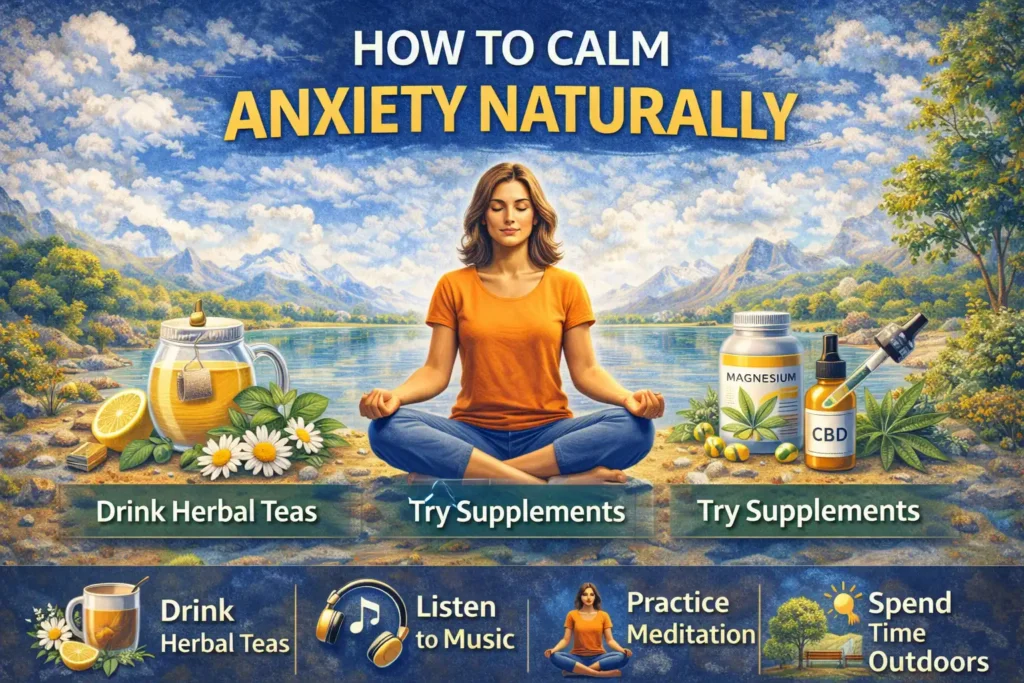
Marketing can blur evidence, aspiration, and salesmanship. Before buying supplements, powders, testing kits, or recovery devices, check the ingredient list, seek transparent evidence, consider medication interactions, and ask a qualified clinician or pharmacist.
A practical guide to dietary supplement safety can help readers ask better questions before spending money. The goal is informed selection, not automatic distrust.
A better question than “Which wellness product should I buy?” is: “Which action addresses a real need, has credible support, fits my budget, and can I sustain it?” That question connects personal health with household affordability and helps distinguish lasting support from expensive marketing.
Practical Science-Backed Habits to Build Into Your Daily Life
A workable wellness routine should be small enough to repeat and broad enough to support several dimensions of health. Start with five pillars, then adjust them for age, disability, medical conditions, culture, budget, and daily responsibilities.

Movement
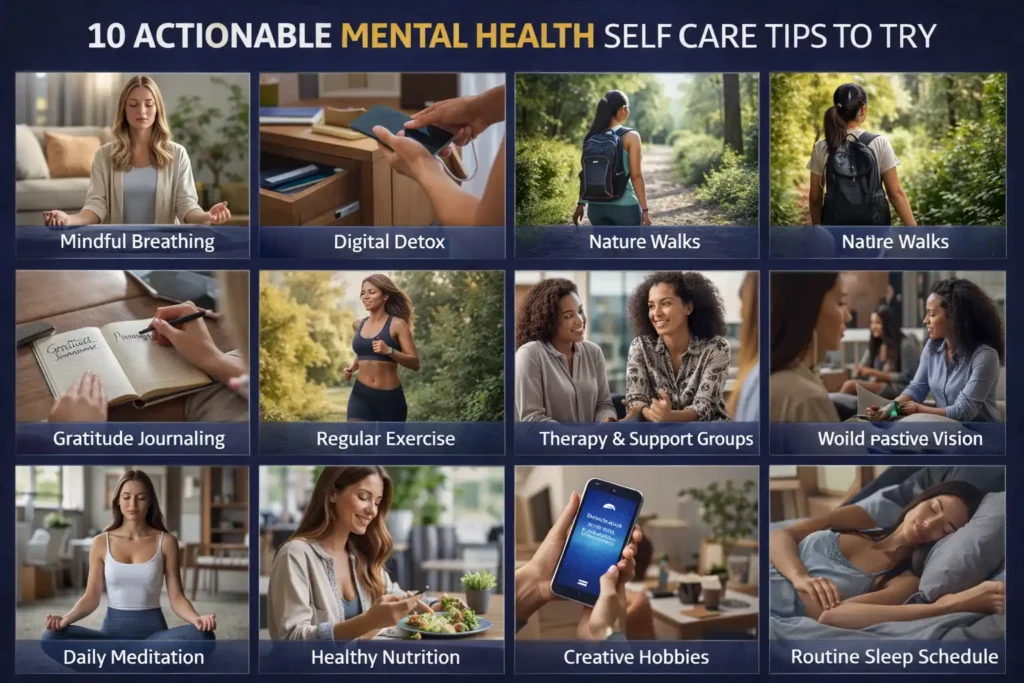
WHO recommends regular activity and reports that any level of physical activity is associated with health benefits, with more activity generally linked to greater risk reduction. Begin with a brisk walk, chair-based movement, cycling, dancing, or strength exercises that suit your ability. Break up long sitting periods with brief movement instead of treating exercise as something that only counts in a gym.
Sleep
Build a consistent sleep and wake pattern. Adults commonly need 7 to 9 hours of sleep, according to the Centers for Disease Control and Prevention, but quality, regularity, age, health, and individual needs also matter. A dimmer evening, a calmer wind-down routine, and less late caffeine can be more realistic than trying to force sleep.
Nutrition
Use a pattern rather than a forbidden-food list. Meals centered on vegetables, fruit, legumes, whole grains, nuts, and appropriate protein can support nourishment while leaving room for personal preferences. The Mediterranean and DASH patterns are commonly discussed by the American Heart Association, but affordability should guide substitutions.
Stress management
Try a short breathing practice, mindful walk, prayer, journaling, or quiet pause. Five minutes is enough to create a starting cue, not a guarantee of immediate calm. If stress remains overwhelming, interferes with daily life, or produces thoughts of self-harm, seek professional support promptly.
Preventive care
Know which checks your clinician recommends for your age, history, and risk factors. Blood pressure, glucose, lipids, vaccinations, dental care, vision care, and age-appropriate screening belong to prevention, but the right schedule is personal. Don’t replace medical advice with a wellness app.
Habit stacking can make these actions easier. Walk after lunch, place a water bottle beside your work area, attach breathing to a morning coffee, or prepare a simple meal before the busiest part of the day. The healthy habit-building guidance from Maxi Journal can support that process, especially when you use the two-minute rule: make the first version so easy that starting doesn’t require motivation.
Measuring Your Progress and Knowing Where to Read More
Tracking works best when it answers a useful question. You don’t need to measure everything, and a device can’t replace clinical judgment. Choose a few indicators, record them consistently, and look for trends rather than reacting to one unusual day.
| What to track | Simple method | What it can tell you |
|---|---|---|
| Movement | Phone log, calendar, or wearable | Whether activity is becoming more consistent |
| Sleep | Bedtime and wake-time notes | Whether your schedule is stable |
| Resting heart rate | Occasional morning reading | Whether your personal trend is changing |
| Blood pressure | Validated home monitor or clinic check | Whether follow-up may be needed |
| Mood and stress | Brief daily journal | Which routines support emotional steadiness |
| Blood glucose and lipids | Clinician-ordered blood testing | Whether prevention needs medical guidance |
Use WHO’s physical-activity evidence as a reason to value progress from your starting point, not as an excuse to chase athletic performance. The evidence says any activity is linked with reduced risk, and higher volumes can offer further benefit, so a previously inactive person can focus first on regularity.
Blood pressure, HbA1c, and LDL results need interpretation in context. A clinician can consider family history, medication, symptoms, age, pregnancy, existing conditions, and measurement quality. Avoid setting personal targets from an online chart without professional guidance.
Wearables can make patterns visible, but they can also create anxiety or false precision. A phone note, paper calendar, or simple spreadsheet may be enough. Readers comparing options can review health monitoring devices while keeping the central principle in view: the tool should improve understanding, not turn wellness into constant self-surveillance.
For further reading, start with the WHO global health estimates, the WHO physical-activity evidence review, and carefully reviewed guidance from national public-health and medical organizations. Reports from consumer research firms can help explain the wellness economy, but commercial trend data isn’t the same as proof that a product improves health.
Individual tracking connects the personal and public levels. WHO data describes population patterns, while your own notes reveal how sleep, movement, stress, access, and care interact in your life. That information can help you make a sensible next decision, ask a better question at an appointment, and build resilience without chasing perfection.
Maxi Journal publishes approachable health and wellness coverage alongside articles on science, technology, education, sports, business, and other everyday topics. Visit maxijournal.com to find practical reading that can help you evaluate wellness claims, understand health information, and choose your next small, informed step.
Discover more from Maxi Journal
Subscribe to get the latest posts sent to your email.