Starting a fitness journey can feel overwhelming, like navigating a maze of conflicting advice and complex workout plans. Where do you even begin? This guide is designed to cut through that noise, offering a clear and direct path forward. We have compiled 10 essential and practical fitness tips for beginners to help you build a strong, sustainable foundation for your long-term health and well-being. This isn’t about quick fixes or intimidating gym routines; it’s about mastering the core principles that truly matter.
Forget the pressure to do everything at once. This list provides a structured, step-by-step framework that covers everything from foundational exercises and proper form to smart nutrition and crucial recovery. Each tip is actionable and designed to be integrated into your life seamlessly. Whether your primary goal is to build muscle, increase your stamina, lose weight, or simply feel more energetic and confident, these fundamental strategies will provide the roadmap you need. Let’s get started on building a healthier, stronger you with principles that will guide you from your very first workout to a consistent and rewarding fitness lifestyle. The journey begins with this first step.
1. Start with Low-Impact Cardio Exercise
When starting a fitness journey, the temptation to jump into high-intensity workouts can be strong, but this often leads to burnout or injury. A smarter approach is to begin with low-impact cardiovascular exercise. These are activities that raise your heart rate without putting excessive stress on your joints, making them one of the most effective and sustainable fitness tips for beginners. Think of it as building your fitness foundation brick by brick, rather than all at once.
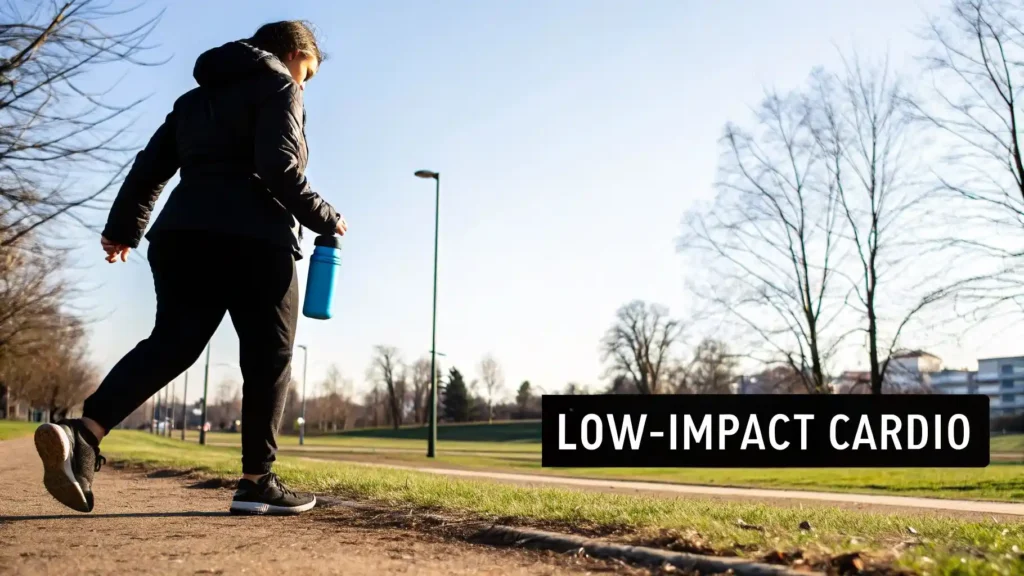
This method is ideal for those new to exercise because it allows your body to adapt gradually. It strengthens your heart, lungs, and muscles while minimizing the risk of common injuries associated with high-impact movements like running or jumping. This gentle introduction ensures your body is ready for more demanding workouts later on.
How to Implement Low-Impact Cardio
Getting started is simple. The key is consistency over intensity. Choose an activity you enjoy to make it a sustainable habit.
- Walking: Begin with a brisk 30-minute walk, 3-4 times per week. As you get fitter, you can increase the duration or pace.
- Cycling: A casual bike ride around your neighborhood or on a stationary bike for 20-30 minutes is an excellent starting point.
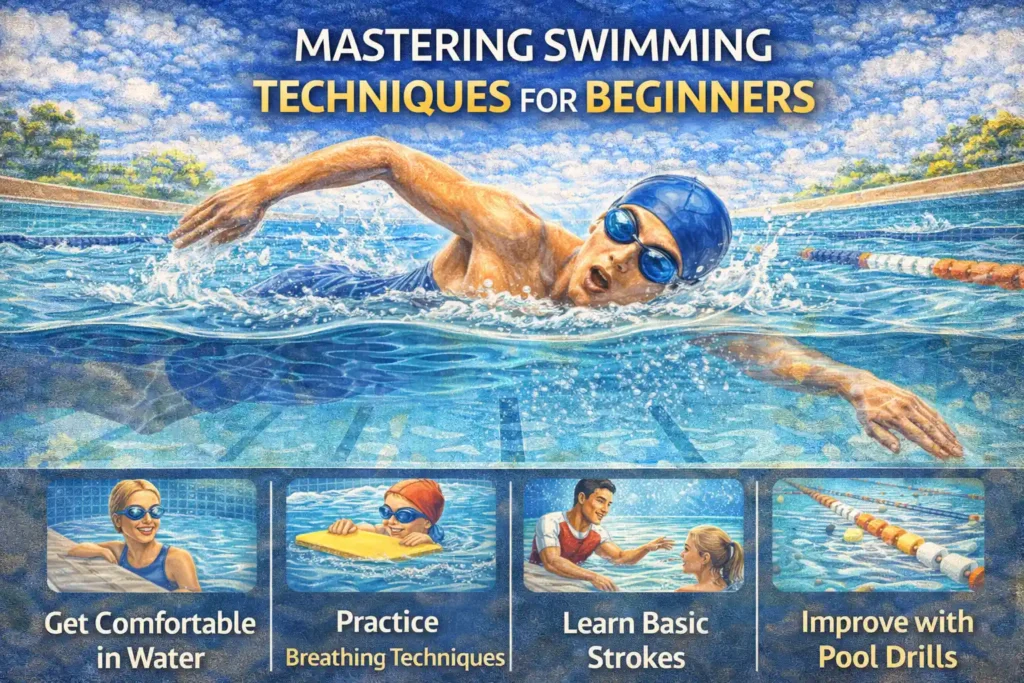
- Swimming: This is a full-body workout with virtually no impact on your joints. Aim for 2-3 sessions of 20-30 minutes each week.
- Elliptical Trainer: If you have gym access, the elliptical provides a great cardio workout that mimics running without the harsh impact.
Focus on maintaining a moderate pace where you can still hold a conversation. This ensures you’re working in the aerobic zone (around 50-70% of your maximum heart rate), which is perfect for building endurance and burning fat. Proper footwear is also crucial, especially for walking, to provide support and prevent discomfort.
2. Establish a Consistent Exercise Schedule
One of the most powerful fitness tips for beginners is treating exercise like a non-negotiable appointment. Establishing a consistent schedule transforms your intention to work out into a concrete habit. For newcomers, consistency is far more crucial than intensity. This approach allows your body to adapt safely and builds the mental discipline required for long-term success, making fitness a permanent part of your lifestyle.
This method works because it removes the daily decision-making process of if or when to exercise, which often leads to procrastination. By scheduling your workouts, you create accountability and structure. Just like learning a new skill, repeated practice at regular intervals makes the process feel automatic and natural over time.
How to Implement a Consistent Schedule
The key is to integrate fitness into your life in a way that feels manageable, not overwhelming. Find a rhythm that works for you and stick with it.
- Choose Your Time: Schedule workouts when you have the most energy. This could be a 30-minute workout on Monday, Wednesday, and Friday mornings before work.
- Start Small: Begin with a realistic goal, such as three 30-minute sessions per week. You can always add more days or increase the duration as you get stronger.
- Use Reminders: Treat your workouts like important meetings. Put them in your calendar and set phone alarms to ensure you don’t forget.
- Prepare in Advance: Lay out your workout clothes and pack your gym bag the night before. This simple step removes a common barrier and makes it easier to get started.
By making your fitness routine predictable, you set yourself up for success. This structured approach helps build momentum, which is essential for staying motivated on your fitness journey. Similar to how consistency is key when you learn a new skill, applying the same principle to exercise will yield the best results.
3. Master Proper Form Before Increasing Weight
Ego lifting, or prioritizing the amount of weight you lift over proper technique, is a common trap for beginners. A foundational fitness tip for beginners is to master proper form before adding resistance. This approach ensures you are effectively targeting the intended muscles while dramatically reducing your risk of injury. Building a solid base of correct movement patterns is crucial for long-term progress and safety in any strength training program.
Think of proper form as the blueprint for an exercise. Without it, you’re building on an unstable foundation that is likely to crumble under pressure. Focusing on form first allows you to create a strong mind-muscle connection, which helps you activate the correct muscles and get more out of every repetition. This principle of mastering technique is vital in all physical activities, from weightlifting to learning new tennis serve techniques.
How to Prioritize and Perfect Your Form
Adopting a “form first” mentality is simple. The key is patience and control over power. Choose exercises and weights that allow you to perform each movement perfectly.
- Start with Bodyweight: Before picking up a dumbbell, master exercises like squats, lunges, and push-ups using only your bodyweight.
- Use Light Resistance: When you introduce weights, start with an empty barbell or very light dumbbells to drill the movement pattern.
- Slow Down the Movement: Perform each repetition slowly and with control. This helps you feel which muscles are working and prevents momentum from taking over.
- Get Feedback: Use a mirror to watch your form or film yourself to spot errors. Better yet, consider a few sessions with a qualified personal trainer to get expert guidance.
Focus on feeling the target muscle contract and stretch through a full range of motion. Once you can consistently complete all your sets and reps with perfect form, and the last few reps feel challenging but manageable, you are ready to gradually increase the weight.
4. Implement Progressive Overload Gradually
Once you’ve established a routine, your body will adapt and workouts will feel easier. To continue making progress, you must apply the principle of progressive overload, which involves gradually increasing the demands placed on your body. This concept is fundamental to long-term strength and muscle development, making it one of the most critical fitness tips for beginners to master. It ensures your body is constantly challenged to grow stronger without being pushed into injury.
The goal is to make your workouts slightly harder over time, forcing your muscles to adapt and improve. Without this gradual increase in stress, your progress will inevitably plateau. By applying small, manageable increments of difficulty, you create a sustainable path to achieving your fitness goals while minimizing the risk of overtraining.
How to Implement Progressive Overload
The key is to focus on one variable at a time to track progress effectively and ensure your form remains solid. Keep a workout log to monitor your changes.
- Increase Weight (Intensity): Add a small amount of weight to your exercises. For example, if you squatted with 50 pounds last week, try 55 pounds this week.
- Increase Reps/Sets (Volume): If you performed 10 repetitions of an exercise, aim for 12 in your next session. Once you can comfortably complete 12-15 reps, it might be time to increase the weight.
- Reduce Rest Time: Shorten the rest period between sets. If you normally rest for 90 seconds, try cutting it to 75 or 60 seconds to increase the workout’s density.
- Improve Form or Range of Motion: Progress from a half-squat to a full-depth squat, or advance from knee push-ups to full push-ups on your toes.
Always prioritize proper form over adding more weight or reps. A small, well-executed increase is far more beneficial and safer than a large, sloppy one. Listen to your body and don’t be afraid to take a deload week (reducing volume or intensity) every 4-6 weeks to allow for full recovery.
5. Prioritize Recovery and Rest Days
Many beginners believe progress only happens during workouts, but the real magic occurs during recovery. Prioritizing rest is one of the most crucial fitness tips for beginners because it’s when your body repairs muscle tissue, replenishes energy stores, and adapts to the stress of exercise. Skipping rest days can lead to overtraining, burnout, and a higher risk of injury, effectively stalling your progress before it even begins.
This process is not about being lazy; it’s a strategic part of any successful fitness plan. When you give your body adequate time to heal, you return to your next workout stronger and more prepared. Ignoring this step is a common mistake that prevents the very muscle growth and endurance gains you are working so hard to achieve.
How to Implement Recovery and Rest
Effective recovery involves more than just sitting on the couch. The key is to listen to your body and be intentional with your downtime.
- Schedule Rest Days: Plan for at least 1-2 complete rest days per week. For example, you might work out Monday, Tuesday, and Thursday, resting on Wednesday and the weekend.
- Embrace Active Recovery: On rest days, engage in light, restorative activities. A 20-30 minute gentle walk, a casual bike ride, or a light stretching session can increase blood flow and aid muscle repair without adding stress.
- Prioritize Sleep: Aim for 7-9 hours of quality sleep per night. This is when your body releases growth hormones essential for muscle repair and recovery.
- Manage Stress: Chronic stress can hinder recovery. Incorporating relaxation techniques like meditation or deep breathing is vital for both physical and mental well-being. To dive deeper into this, explore some effective mental health and self-care tips.
Focus on hydrating and fueling your body with nutritious food even on rest days. Your muscles still need protein and carbohydrates to rebuild, so don’t neglect your nutrition just because you aren’t working out.
6. Fuel Your Body with Proper Nutrition
Many beginners mistakenly believe that exercise is the only component of a successful fitness journey, but what you eat is equally crucial. Proper nutrition provides the energy for your workouts, supports muscle recovery and growth, and helps manage your body composition. Think of your body as a high-performance vehicle; it needs premium fuel to run optimally.
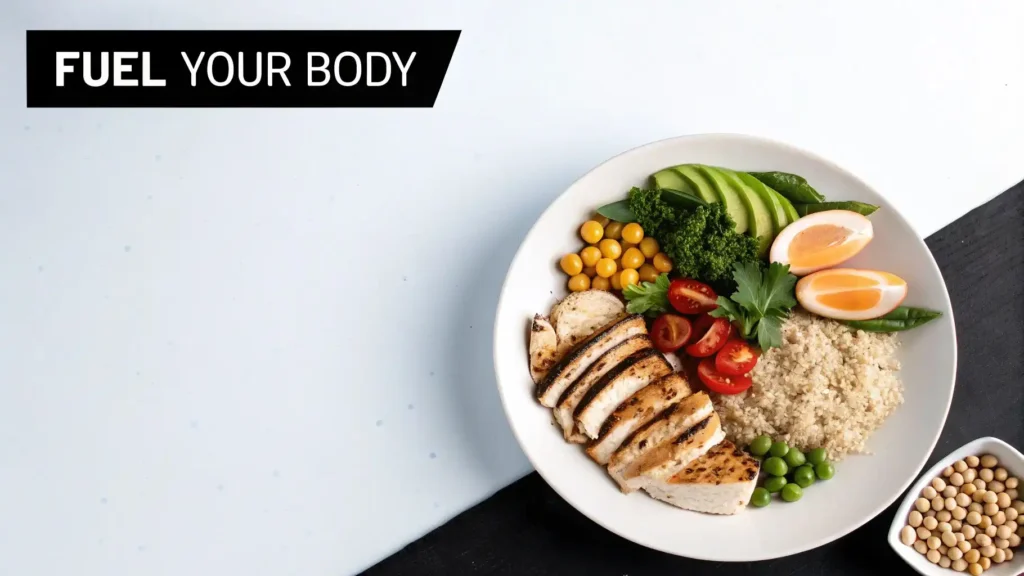
This approach is fundamental because your results are directly tied to your diet. Without the right nutrients, you may feel fatigued during workouts, recover slowly, and see minimal progress. Focusing on a balanced intake of macronutrients (protein, carbohydrates, and fats) from whole foods is one of the most effective fitness tips for beginners to accelerate results.
How to Implement Proper Nutrition
You don’t need a complex meal plan to start. The key is balance and consistency. Focus on nutrient-dense foods that support your fitness goals.
- Prioritize Protein: Aim for 20-30 grams of protein per meal to help repair and build muscle. Good sources include chicken, fish, eggs, and Greek yogurt.
- Time Your Carbs: Eat carbohydrates before your workout for energy (like a banana) and after for recovery (like rice or sweet potatoes).
- Stay Hydrated: Drink plenty of water throughout the day. A good goal is 0.5 to 1 ounce of water per pound of your body weight.
- Focus on Whole Foods: Build your meals around unprocessed foods like lean meats, vegetables, fruits, and whole grains. These provide essential vitamins and minerals.
A simple strategy is to prepare some meals in advance, which makes it easier to stick to your plan. Remember, moderation is more sustainable than completely eliminating your favorite foods. A balanced diet fuels your body and makes your fitness routine more effective.
7. Stay Hydrated Throughout Your Training
One of the most overlooked yet critical fitness tips for beginners is proper hydration. Water is essential for nearly every bodily function, including muscle contraction, temperature regulation, and nutrient transport. When you exercise, you lose water through sweat, and even mild dehydration can significantly impair your performance, reduce endurance, and increase your risk of injury. Prioritizing hydration is a simple yet powerful way to ensure your body functions optimally during and after your workouts.
This fundamental practice supports everything from cognitive function to joint lubrication. For a beginner, staying hydrated helps manage perceived effort, making workouts feel more manageable and preventing issues like dizziness or cramping. Establishing good hydration habits from day one sets you up for long-term success and makes your fitness journey safer and more effective.
How to Implement a Hydration Strategy
The key is to drink water consistently throughout the day, not just when you feel thirsty. Thirst is often a delayed indicator that you are already dehydrated.
- Pre-Workout: Drink 16-20 oz of water 2-3 hours before you start exercising to ensure you are well-hydrated.
- During Exercise: Aim to consume 7-10 oz of fluid every 10-20 minutes to replace what you lose through sweat.
- Post-Workout: Rehydrate by drinking 16-24 oz of fluid for every pound of body weight lost during your session.
- For Long Workouts: If your workout exceeds 60 minutes, consider a sports drink to replenish both fluids and electrolytes.
A practical tip is to carry a reusable water bottle with you everywhere as a constant visual reminder. Also, monitor your urine color; a pale, lemonade-like yellow typically indicates good hydration, while a darker color suggests you need to drink more water.
8. Begin with Bodyweight Exercises and Minimal Equipment
Diving into a complex gym routine can be intimidating and expensive. A more accessible and highly effective fitness tip for beginners is to start with bodyweight exercises. These movements use your own body as resistance to build foundational strength, improve stability, and master correct form without the need for a gym membership or bulky equipment. This approach makes fitness cost-effective and convenient, allowing you to work out anywhere.
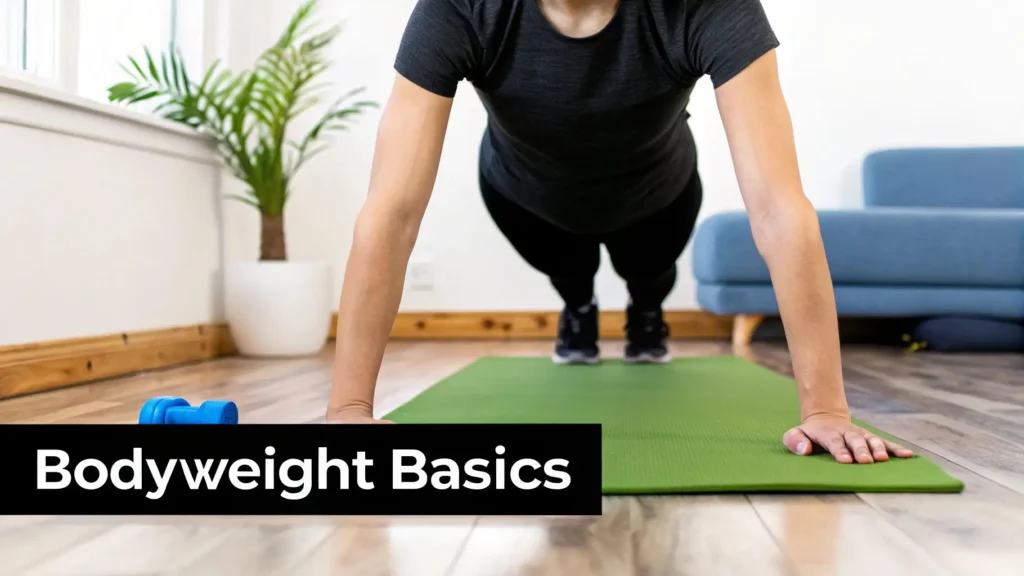
Starting with bodyweight training is ideal because it teaches you to control your own body, which is a crucial skill before adding external weights. It builds functional strength that translates directly to everyday activities and significantly reduces the risk of injury by ensuring you learn proper movement patterns first. This method lays a solid groundwork for future progress in any fitness discipline.
How to Implement Bodyweight Training
The key to bodyweight training is mastering form before increasing difficulty. Focus on controlled movements and full range of motion to get the most out of each exercise.
- Squats: Start with basic bodyweight squats, focusing on keeping your chest up and getting your thighs parallel to the floor.
- Push-ups: Begin with easier variations like wall push-ups or incline push-ups (using a bench or table) before progressing to knee or full push-ups.
- Planks: Hold a plank for 20-30 seconds, maintaining a straight line from your head to your heels. As you get stronger, increase the duration.
- Lunges: Perform stationary lunges to build balance and leg strength, ensuring your front knee doesn’t go past your toes.
Combine these exercises into a simple circuit, performing each for a set number of reps or time. Aim for 3 sessions per week, with 60-90 seconds of rest between sets. Once you can comfortably perform 12-15 reps with good form, you can move on to more challenging variations.
9. Track Your Progress Consistently
One of the most powerful motivators on a fitness journey is seeing tangible proof that your hard work is paying off. Consistently tracking your progress provides this evidence, turning abstract effort into concrete results. This practice creates accountability and reveals what’s working, making it one of the most vital fitness tips for beginners to stay committed long-term. Think of it as creating a personal success story, one workout at a time.
Without tracking, it’s easy to feel like you’re not making any headway, especially when changes are gradual. Documenting your workouts, measurements, and how you feel provides a clear record of improvement. This data helps you celebrate small wins, like adding an extra repetition or lifting slightly heavier, which fuels your motivation to keep going. It also allows you to make informed adjustments to your routine for better results.
How to Implement Progress Tracking
Getting started is simple, and the best method is the one you can stick with. The key is to focus on trends over time, not daily fluctuations.
- Use a Workout Log: A simple notebook or a spreadsheet can work wonders. Record the date, exercises performed, sets, reps, and weight used.
- Take Progress Photos: Once a month, take photos from the front, side, and back in the same lighting and clothing. Visual changes are often more motivating than numbers on a scale.
- Track Body Measurements: Use a tape measure to record key areas like your waist, hips, and arms monthly. How your clothes fit is also a great indicator of progress.
- Utilize Fitness Apps: Apps like JEFIT, Strong, or Fitbod can log your workouts, track personal records, and visualize your progress with graphs and charts.
Log your workout immediately after you finish to ensure accuracy. When weighing yourself, do so weekly and calculate an average to smooth out normal daily variations. Most importantly, review your progress every month to see how far you’ve come and set new goals.
10. Find an Accountability Partner or Community
Embarking on a fitness journey alone can be challenging, which is why finding an accountability partner or community is one of the most powerful fitness tips for beginners. This strategy leverages social support to boost motivation and ensure you stay consistent. When you know someone is counting on you to show up, you’re far less likely to skip a workout, transforming fitness from a solitary task into a shared, enjoyable experience.
This sense of shared commitment dramatically increases adherence. Research consistently shows that social accountability is a key predictor of long-term success. Having a support system provides encouragement on tough days, celebrates your victories, and offers a sounding board for new ideas or challenges.
How to Implement Accountability
The goal is to build a support network that aligns with your goals and schedule. You can start small and find what works best for your personality and lifestyle.
- Find a Gym Buddy: Partner with a friend or family member for 2-3 workouts per week. Agree on a schedule and commit to keeping each other on track.
- Join Group Fitness Classes: Activities like yoga, spinning, or dance classes create a built-in community. The instructor and fellow participants provide a structured, motivating environment.
- Explore Online Communities: Platforms like Reddit (e.g., r/xxfitness) or dedicated fitness apps offer virtual support, challenges, and a place to share progress with like-minded individuals.
- Hire a Personal Trainer: For personalized guidance and professional accountability, a trainer is an excellent investment, especially when you’re starting and need help with proper form.
Choose a partner or group with a positive and supportive mindset. Clearly communicate your goals and expectations from the beginning to ensure everyone is on the same page. Regular check-ins via text or a shared app can also help maintain momentum between sessions.
Beginner Fitness Tips: 10-Point Comparison
| Strategy | Implementation complexity | Resource requirements | Expected outcomes | Ideal use cases | Key advantages |
|---|---|---|---|---|---|
| Start with Low-Impact Cardio Exercise | Low — easy to learn and perform | Minimal — good footwear; pool/bike/elliptical optional | Improved aerobic fitness, endurance, weight management | Beginners, joint issues, gradual conditioning | Low injury risk, scalable, sustainable |
| Establish a Consistent Exercise Schedule | Moderate — requires planning and discipline | Calendar/time commitment, reminders or apps | Strong habit formation, steady adherence and progress | Busy people, habit-building, long-term programs | Increases adherence, reduces decision fatigue |
| Master Proper Form Before Increasing Weight | Moderate — needs focus and repetition | Mirrors, trainer or video feedback, light weights | Reduced injury risk, better muscle engagement, efficient gains | Strength-training beginners, complex lifts | Prevents injury, builds solid foundation |
| Implement Progressive Overload Gradually | Moderate–High — requires tracking and planning | Tracking tools, incremental weight/equipment options | Continuous strength and muscle gains, avoids plateaus | Progressive strength programs, long-term growth | Measurable progress, sustained adaptation |
| Prioritize Recovery and Rest Days | Low — scheduling and lifestyle adherence | Sleep, nutrition, basic recovery tools (foam roller) | Improved recovery, reduced injury and burnout, better performance | Intense training, beginners learning load management | Enhances adaptation, prevents overtraining |
| Fuel Your Body with Proper Nutrition | Moderate — planning and consistency needed | Meal prep, quality foods, optional supplements | Better energy, recovery, muscle growth, improved body composition | Anyone aiming for performance or body-change goals | Large impact on results; supports recovery |
| Stay Hydrated Throughout Your Training | Low — habit formation | Water bottle, electrolytes for long sessions | Improved performance, cognition, recovery, temperature regulation | All exercisers, long/intense workouts, hot climates | Simple, cost-effective, prevents performance loss |
| Begin with Bodyweight Exercises and Minimal Equipment | Low — accessible with simple progressions | None to minimal (mat, bands, pull-up bar optional) | Foundational strength, movement control, increased confidence | Home workouts, limited budget, absolute beginners | Free, accessible, builds movement patterns |
| Track Your Progress Consistently | Moderate — regular logging and review | Notebook or app, occasional measurements/photos | Clear evidence of progress, better program adjustments | Goal-oriented training, long-term progression | Improves motivation, informs decisions |
| Find an Accountability Partner or Community | Moderate — coordination and social commitment | Partner/group or online community, communication tools | Higher adherence, increased motivation and support | Those needing external motivation, social learners | Strong adherence boost; encouragement and feedback |
Putting It All Together: Your Next Steps
You’ve just navigated a comprehensive roadmap filled with essential fitness tips for beginners, moving far beyond generic advice to uncover actionable strategies. We’ve dismantled the overwhelming idea of “getting fit” into manageable, practical steps. From establishing a consistent schedule to mastering the nuance of proper form and embracing the critical role of recovery, you now hold the foundational principles for building a sustainable and rewarding fitness routine. The journey isn’t about a dramatic, overnight transformation; it’s about the small, intelligent choices you make every day.
The core message woven through each of these tips is the power of consistency over intensity. It’s easy to get caught up in the desire for rapid results, pushing too hard and too fast, only to burn out or get injured. Instead, the true path to lasting change lies in the principles we’ve discussed: starting with what you can manage, like low-impact cardio or bodyweight exercises, and then methodically building upon that foundation through progressive overload. This approach doesn’t just build muscle; it builds confidence, resilience, and habits that serve you for a lifetime.
From Knowledge to Action: Your Three-Step Launch Plan
Feeling motivated is one thing; translating that energy into action is another. Here’s a simple, three-step plan to get started today:
- Choose Your “One Thing”: Don’t try to implement all ten tips at once. Review the list and select just one or two that feel most achievable right now. Is it dedicating 20 minutes, three times a week, to a walk (Tip #2)? Or is it focusing on mastering the form of a perfect squat and push-up (Tip #3 & #8)? Start small to win big.
- Schedule It and Share It: Once you’ve chosen your focus, schedule it in your calendar just like any other important appointment. Then, tell someone about your plan (Tip #10). This simple act of scheduling and sharing creates a powerful layer of commitment and accountability.
- Define Your “Why”: Before you do your first workout, take five minutes to write down why you are starting this journey. Is it to have more energy for your family? To feel more confident? To manage stress? Your “why” is the fuel that will keep you going when motivation inevitably fades.
This journey is a personal marathon, not a universal sprint. Your progress will look different from anyone else’s, and that is perfectly okay. Celebrate the small victories, like adding an extra repetition, choosing a healthy meal, or simply showing up when you didn’t feel like it. These are the moments that forge a new identity. By embracing patience and focusing on these fundamental fitness tips for beginners, you are not just exercising; you are investing in a stronger, healthier, and more vibrant version of yourself.
Ready to put these principles into practice and track your incredible progress? A dedicated journal is one of the most powerful tools for staying consistent. Check out maxijournal.com to find beautifully designed journals perfect for logging your workouts, meals, and reflections, turning your fitness goals into a tangible reality. Visit maxijournal.com to start your journey today.
Discover more from Maxi Journal
Subscribe to get the latest posts sent to your email.