Let’s cut right to the chase: yes, hydrangeas are poisonous to cats.
If you’ve ever seen your cat take a curious nibble of a leaf or flower, you know that heart-sinking feeling. When it comes to the beautiful, puffy blooms of a hydrangea, that concern is absolutely valid. While they’re a stunning addition to any garden, they pose a real risk to our feline friends.
The danger isn’t obvious; it’s tucked away inside the plant’s chemistry. Hydrangeas contain compounds called cyanogenic glycosides. Think of them as tiny, locked boxes. As long as the plant is intact, the “box” stays locked and harmless. But when a cat chews on the leaves or flowers, their digestive process essentially unlocks that box, releasing a small amount of cyanide.
Now, before you panic, it’s important to know that a cat would have to eat a lot of the plant to face life-threatening danger. The amount of toxin released from a small bite is typically low. However, cats are small and their systems are sensitive. Even a little nibble is often enough to cause a pretty nasty case of stomach upset.
This isn’t just a theoretical risk. Veterinary poison control data shows that hydrangea poisoning makes up roughly 3% of all plant-related toxic exposures in cats each year. That number is a stark reminder of why it’s so important for cat owners to be aware. You can find more details on these plant toxicity findings on felinefancy.co.uk.
Hydrangea Toxicity in Cats At a Glance
To make things simple, I’ve put together a quick cheat sheet. This table breaks down the most critical information every cat owner should have on hand about hydrangeas.
| Key Aspect | Details for Cat Owners |
|---|---|
| Toxic Agent | Cyanogenic Glycosides (specifically Amygdalin) |
| Affected Plant Parts | All parts are toxic, with the highest concentration in flowers and leaves. |
| Typical Severity | Generally mild to moderate, causing gastrointestinal distress. |
| Most Important First Step | Immediately contact your veterinarian or a pet poison control hotline. |
Keep this table in mind. Knowing the basics can help you react quickly and calmly if you ever suspect your cat has ingested part of a hydrangea plant.
Understanding Why Hydrangeas Are a Risk to Cats
To really get why hydrangeas and cats are a bad mix, you have to look at the plant’s clever, hidden defense system. It’s a neat bit of natural chemistry, but one that puts our feline friends at risk. The danger comes from compounds called cyanogenic glycosides, which are found in the entire plant but are most concentrated in the leaves and flowers.
Think of these compounds as a two-part chemical kit. When stored separately inside the plant’s cells, they’re perfectly harmless. But the moment a curious cat starts chewing on a leaf or blossom, those cell walls break down. This is the trigger. The two components mix, setting off an immediate chemical reaction.
This flowchart breaks down the simple but dangerous process that kicks off when a cat ingests a piece of a hydrangea.
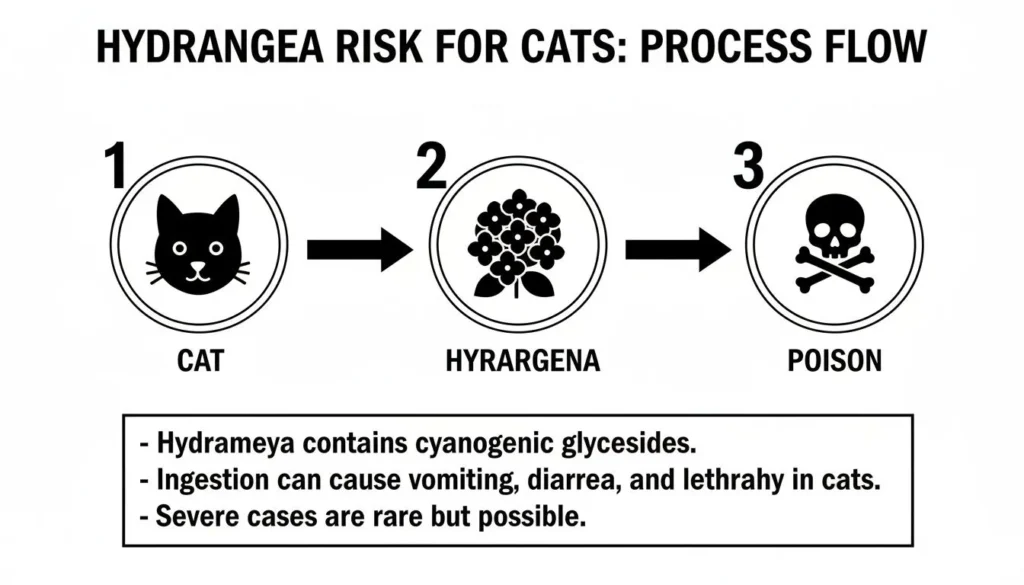
As you can see, the simple act of chewing starts a toxic chain reaction. The end result is the production of small amounts of hydrogen cyanide, a well-known poison. This is the core reason hydrangeas are poisonous to cats.
How This Toxin Affects a Cat’s Body
Once it’s released, hydrogen cyanide goes to work in a very sneaky way. It messes with one of the most basic processes in the body: the ability for cells to use oxygen. It essentially cuts off the oxygen supply at a cellular level.
This leads to a scary condition called histotoxic hypoxia, which is basically a form of internal suffocation. Your cat can be breathing just fine, with plenty of oxygen in their blood, but their cells are starved for it and can’t function. This lack of oxygen at the cellular level is what causes the stomach upset and, in worse cases, the more alarming neurological symptoms.
The real danger isn’t just that the toxin exists, but how easily a cat’s chewing can activate it. Even a few curious nibbles are enough to get this process started, turning a pretty garden plant into a source of serious illness.
Why Cats Are Especially Vulnerable
A cat’s small body and unique metabolism make them much more sensitive to plant toxins than larger animals. A dose that might barely bother a big dog could cause major problems for a cat that weighs only eight or ten pounds.
Their natural curiosity doesn’t help, either. Cats love to explore the world with their mouths, and a new plant in the house or yard can be too tempting to resist. This combination of a small body and a curious nature means even a tiny amount of ingested hydrangea is a big deal. Because of this, the answer to “are hydrangeas poisonous to cats?” is a definite yes, and it’s one that requires cat owners to be vigilant.
Recognizing the Warning Signs of Hydrangea Poisoning
If your curious cat decides to sample a hydrangea, your first and most important job is knowing what to look for. The symptoms can be as mild as a little stomach upset or something more serious, all depending on how much they ate and their own sensitivity. You’ll usually see a reaction pretty quickly, often within the first hour.
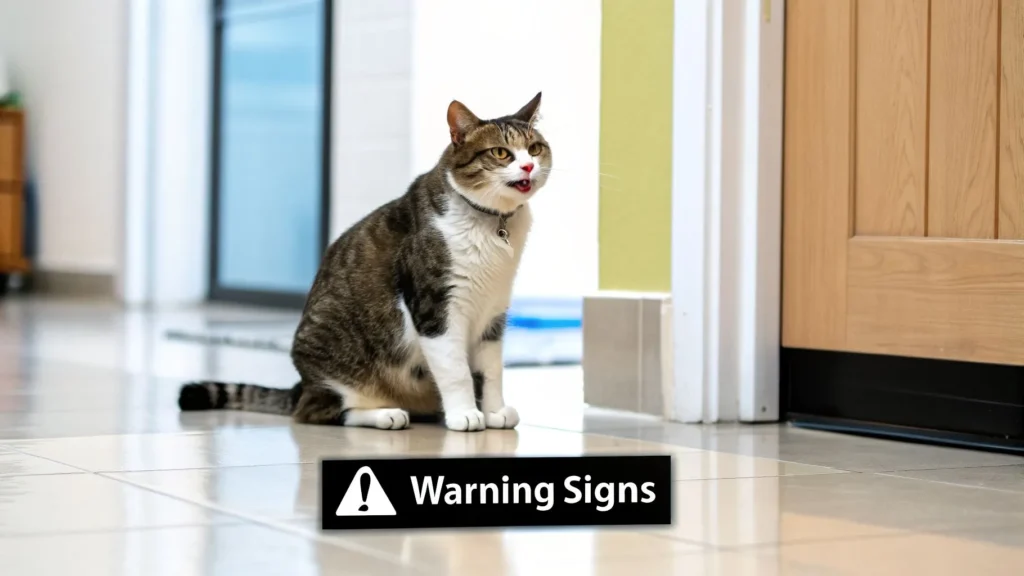
It’s worth knowing that while you absolutely have to take this seriously, a fatal outcome from a cat eating a hydrangea is pretty rare. To put it in perspective, calls about toxic plants make up just 5.7% of all inquiries to vet poison control centers. And of those plant-related calls, about 73.8% end up with only mild to moderate symptoms.
That lines up with what we see with hydrangeas. It’s serious, yes, but most cats just get an upset tummy that can be managed. You can dig into the numbers in these findings on plant toxicity in pets.
Early and Milder Symptoms
The first red flags are almost always tummy troubles. This is just your cat’s body doing its best to get the toxin out, and it’s your signal to start paying very close attention and get your vet on the phone.
Keep an eye out for these initial signs:
- Vomiting: This is the classic first symptom. Your cat might throw up once or twice as their stomach protests the plant.
- Diarrhea: Often comes along with vomiting as part of the GI upset. It’s a common symptom for a lot of issues, which is why context matters. For other potential causes, check out our guide on things like coccidia in cats.
- Lethargy or Depression: Is your normally zippy cat suddenly acting like a furry doorstop? If they seem tired, withdrawn, or uninterested in things they usually love, something’s up.
- Decreased Appetite: A cat who snubs their food is a cat who isn’t feeling well. It’s one of the most reliable signs.
Even though these milder signs might clear up on their own in a day, don’t ever just wait and see. It’s always best to get professional advice.
The most crucial takeaway is that early intervention makes all the difference. Even if symptoms seem mild, contacting your vet promptly provides the best chance for a quick and easy recovery.
Urgent and Severe Symptoms
It’s less common, but if a cat eats a larger amount of hydrangea, the symptoms can become much more frightening and require an immediate trip to the emergency vet. These signs mean the toxins have moved beyond simple stomach irritation and are affecting your cat’s entire system.
Drop everything and race to an emergency vet if you see any of these:
- Repeated, Uncontrollable Vomiting: If your cat has thrown up more than two or three times in a few hours, they’re on a fast track to dangerous dehydration.
- Difficulty Breathing: Any labored breathing, panting, or gasping is a sign of a major problem.
- Bright Red Gums: This is a potential signal of cyanide poisoning, where the body’s cells can’t use oxygen properly.
- Collapse or Seizures: Any loss of coordination, collapsing, or seizure activity is a clear-cut medical emergency.
These severe symptoms are non-negotiable. Don’t waste a second wondering if it will pass—get to the vet immediately.
What to Do Immediately if Your Cat Eats a Hydrangea

That heart-stopping moment when you see your cat chewing on a hydrangea leaf can send you into a panic. First things first: take a deep breath. The best thing you can do for your furry friend right now is to stay calm and act quickly. A clear head is your cat’s best line of defense.
Here’s exactly what you need to do.
1. Separate Your Cat and the Plant
Gently but firmly, get your cat away from the plant. Your immediate goal is to stop them from eating any more.
Take a quick look inside their mouth. If you can safely wipe out any leftover bits of leaf or flower with your finger, do it.
Once your cat is in a secure spot, deal with the plant. If it’s a houseplant, put it in a room your cat can’t get into. If it’s outside, bring your cat indoors. This one simple step keeps a small incident from turning into a big problem.
Make the Call for Professional Help
This is the most critical step, and you need to do it right away. Don’t wait for symptoms to show up. The second you even suspect your cat has eaten part of a hydrangea, pick up the phone and call a professional.
Have these numbers saved in your phone before you need them:
- Your Veterinarian: They know your cat’s medical history and can give you the most tailored advice.
- An Emergency Veterinary Clinic: If this happens after hours, you’ll need the number for the closest 24/7 animal hospital.
- Pet Poison Control Hotlines: Two fantastic resources are the ASPCA Animal Poison Control Center at 888-426-4435 and the Pet Poison Helpline at 855-764-7661. Be aware that they may charge a consultation fee, but it’s worth every penny.
Crucial Safety Warning: Whatever you do, never try to make your cat vomit at home unless a vet specifically tells you to. Getting it wrong can cause serious damage, including a life-threatening condition called aspiration pneumonia.
Get Your Information Ready
When you call, the vet or poison control expert will have a series of questions to figure out how serious the situation is. Having this information ready saves precious time and helps them give you the right advice.
Try to know the following:
- Your cat’s age, breed, and rough weight.
- What part of the plant they ate (was it a flower, a leaf, a stem?).
- How much you think they ate (a tiny nibble or a whole leaf?).
- When you think it happened.
- Any symptoms you’re seeing, no matter how minor they seem.
Giving clear, accurate details helps the experts decide whether you can keep an eye on your cat at home or if you need to head to the clinic immediately. By acting fast and getting the right help, you’re giving your curious kitty the best chance at a quick and full recovery.
How Vets Diagnose and Treat Hydrangea Poisoning
Knowing what to expect at the vet’s office can take a bit of the edge off an already stressful situation. When you bring your cat in for suspected hydrangea poisoning, the vet has two main goals: figure out how serious it is and get your cat feeling better, fast.
The first thing they’ll do is a complete physical examination. They’ll check your cat’s heart rate, listen to their breathing, take their temperature, and look at their gums for any color changes. This is when you’ll want to share everything you know—when you think they ate the plant, what parts they chewed on, and any symptoms you’ve noticed.
This initial check-up gives the vet a clear picture of what’s happening. Honestly, for many cats who just had a tiny nibble and aren’t showing any symptoms, the vet might just suggest you keep a close eye on them at home. But if your cat is already looking sick, they’ll jump into action with more direct treatments.
Treatment for Mild Hydrangea Poisoning
The vast majority of cats who tangle with hydrangeas end up with a mild, upset stomach. In these common cases, the treatment plan is all about supportive care. Think of it as giving your cat’s body the backup it needs to fight off the toxins and heal itself.
Here’s what that usually looks like:
- Intravenous (IV) Fluids: Vomiting and diarrhea can dehydrate a small animal alarmingly fast. An IV drip gets fluids back into their system, which also helps flush out the toxins more quickly.
- Anti-Nausea Medication: To break the cycle of vomiting, vets can give an injection that soothes the stomach. This makes your cat feel much more comfortable and stops them from losing more precious fluids.
- Activated Charcoal: Depending on the situation, your vet might administer activated charcoal. This stuff is pretty amazing—it acts like a toxin magnet, binding to the nasty compounds in the gut so they can’t be absorbed into the bloodstream.
The best news is that with quick supportive care, the outlook for cats with mild hydrangea poisoning is fantastic. Most are back to their mischievous, happy selves within 24 to 48 hours.
Managing Severe Cases
While it’s much rarer, a severe case of poisoning needs a more urgent and aggressive response. This usually only happens if a cat eats a very large amount of the plant, raising the slim possibility of cyanide toxicity. This is a true medical emergency where the body’s cells are being deprived of oxygen.
In these critical moments, the treatment is focused on saving their life and may include:
- Oxygen Therapy: Supplying extra oxygen through a mask or in a special chamber to support their brain, heart, and other vital organs.
- Specific Antidotes: Vets have access to drugs like sodium nitrite or sodium thiosulfate, which are direct antidotes that work to neutralize the cyanide’s effects in the body.
- Intensive Monitoring: This means your cat will be watched around the clock. Vets will continuously track their vital signs and may run blood work to check on organ function until they are out of the woods.
At the end of the day, whether it’s a mild tummy ache or a serious emergency, the single most important factor is speed. Getting your cat to the vet right away is what makes all the difference, ensuring they get the right help when they need it most.
Creating a Beautiful and Cat-Safe Garden
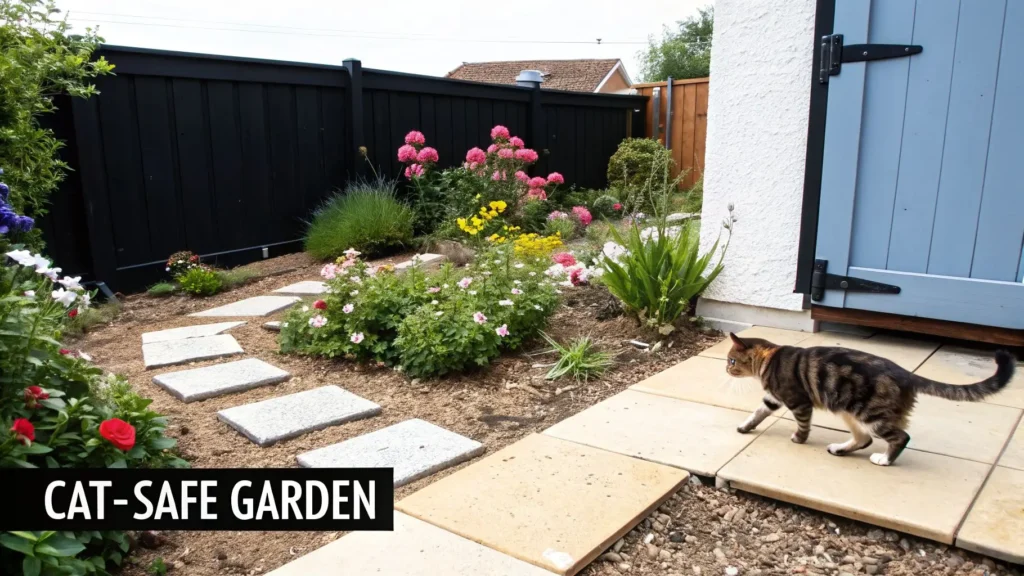
Loving your garden’s vibrant blooms and keeping your cat safe don’t have to be mutually exclusive. Just because the answer to “are hydrangeas poisonous to cats?” is yes, it doesn’t mean you have to abandon your dream of a stunning outdoor space. It’s all about making smart, proactive choices.
The best defense is a good offense, and that means making your garden a feline-friendly zone from the get-go. This is about more than just yanking out toxic plants; it’s about creating an environment that’s both engaging and secure for your curious companion.
Simple strategies can make a world of difference. Think about using physical barriers like low decorative fencing around certain plants. You could also sprinkle some pet-safe repellents that cats naturally dislike—like citrus peels or rosemary sprigs—around the base of plants to discourage any curious nibbling.
Choosing Gorgeous and Safe Alternatives
Honestly, the easiest way to create a worry-free garden is to fill it with beautiful plants that are completely non-toxic to cats. The good news is, you have a massive variety of stunning options that bring all the color and charm of hydrangeas without any of the risk.
A cat-safe garden is really an act of love. When you choose non-toxic alternatives, you’re not just planting flowers—you’re cultivating a space where your garden and your furry friend can flourish together.
To get you started, here is a quick look at some of my favorite flowering plants that are both beautiful and completely safe for a cat-friendly garden.
Beautiful and Safe Flowering Plants for a Cat-Friendly Garden
| Plant Name | Bloom Colors | Sunlight Needs | Why It’s a Great Choice |
|---|---|---|---|
| Roses | Red, pink, white, yellow, orange, and more | Full sun (6+ hours) | A timeless classic for a reason. They’re non-toxic, fragrant, and bring an elegant touch to any space. |
| Zinnias | Nearly every color of the rainbow | Full sun (6+ hours) | These cheerful, daisy-like flowers are a breeze to grow and bloom all summer long. Perfect for low-maintenance color. |
| Snapdragons | Pinks, reds, yellows, purples, whites | Full to partial sun | Their unique “dragon-shaped” flowers add a whimsical feel and vertical interest to garden beds. Totally safe for pets. |
| Sunflowers | Yellows, oranges, deep reds | Full sun (6-8 hours) | Bold, bright, and beautiful. Sunflowers are a dramatic, non-toxic choice that makes a real statement. |
There are so many wonderful options beyond this list, too. A quick search on the ASPCA’s plant list can give you even more ideas.
By focusing on these safe and beautiful alternatives, you can design a garden that’s a feast for the eyes and gives you total peace of mind. You’ll know your cat can explore every nook and cranny without any danger.
Plus, cultivating a new garden is the perfect opportunity to enrich your soil. If you’re looking into eco-friendly gardening, our guide on how to compost at home is a great place to start. It’s a fantastic way to help your new, cat-friendly plants thrive.
Common Questions About Cats and Hydrangea Safety
Even after learning the basics, you probably still have a few specific questions floating around. Let’s tackle some of the most common ones we hear from concerned cat owners to clear up any lingering confusion.
Is Even a Small Bite of a Hydrangea Dangerous?
Yes, absolutely. You should always treat any nibble, no matter how small, as a potential problem. A tiny bite of a leaf might just cause a little stomachache, but then again, it might not. Every cat is different, and there’s simply no “safe” amount to ingest.
The only responsible approach is to assume any ingestion is an emergency. Give your vet a call right away. They can properly assess the risk for your specific cat and tell you what to do next.
Are Dried Hydrangeas Still Poisonous to Cats?
They sure are. Drying the plant does absolutely nothing to get rid of the toxic cyanogenic glycosides. That means dried hydrangea bouquets, holiday wreaths, or potpourri are just as dangerous as a fresh plant growing in your garden.
It’s so important to make sure every single form of hydrangea—living, wilting, or dried—is kept well out of your cat’s reach. Your cat definitely can’t tell the difference between a fresh snack and a dried decoration.
The bottom line is simple: whether the plant is fresh, wilting, or dried, the toxic compounds are still there. Keep all parts of the hydrangea plant away from your pets, period.
Can My Cat Get Sick from Drinking Hydrangea Water?
Definitely. The water in a vase with cut hydrangeas is a hidden danger. As the cut stems sit there, the same toxic compounds can slowly seep out, turning that vase water into a poisonous cocktail for a thirsty cat.
If your cat takes a few laps from the vase, it can lead to the very same poisoning symptoms as chewing on the plant itself. This is just one of those sneaky household dangers that’s easy to overlook. For more tips on keeping your furry family safe, check out our other articles on MaxiJournal.com about all things pets.
Discover more from Maxi Journal
Subscribe to get the latest posts sent to your email.