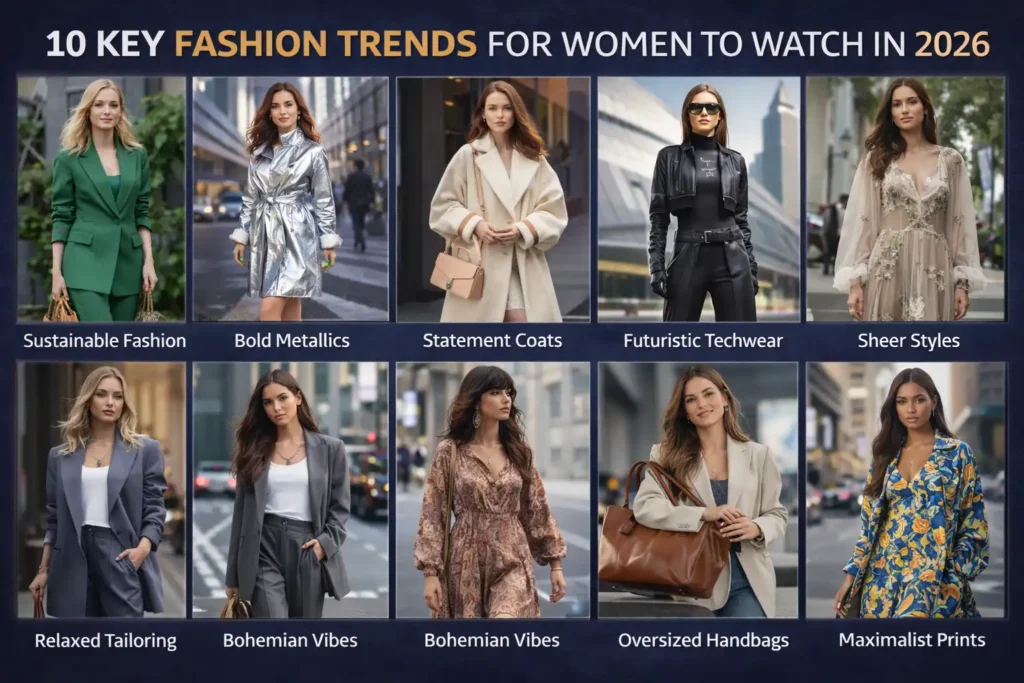
Sustainable fashion is more than just a buzzword; it’s a movement built around the full lifecycle of a garment, from the fields where its fibers are grown to its eventual end-of-life. Think of it as fashion with a conscience, an approach that aims to protect our planet and uphold social justice for the people who make our clothes.
Understanding Sustainable Fashion Beyond The Hype
So, what does sustainable fashion actually look like in practice? It’s less about a rigid set of rules and more of a complete mindset shift. It stands in direct opposition to the “fast fashion” model, which we’ve all grown used to—a system built on lightning-fast production, cheap synthetic materials, and trends that are designed to be disposable.
Sustainable fashion forces us to pause and consider the long journey our clothes take before they ever make it into our closets.
A Movement Gaining Momentum
This isn’t just a niche trend for a handful of conscious consumers; it’s a global industry that’s picking up serious speed. As more people demand ethical and eco-friendly alternatives, brands are being pushed to completely rethink how they do business.
The sustainable fashion market was valued somewhere between $9.19 billion and $12.46 billion in 2025, which is already a testament to this change. But the real story is in the projections: the market could explode to between $17.77 billion and $53.37 billion by 2032. This incredible growth signals a fundamental shift in what we value as consumers and where investors are putting their money.
The Pillars Of Sustainable Fashion Explained
To really get what sustainable fashion is all about, it helps to break it down into its core components. These aren’t just separate ideas; they work together to create a healthier, more responsible industry from top to bottom.
| Pillar | What It Means In Practice | Example |
|---|---|---|
| Environmental Protection | Using eco-friendly materials (like organic cotton or TENCEL™), reducing water and energy use, and preventing pollution from dyes and chemicals. | A brand using a closed-loop system to recycle 99% of the water and solvents used to make lyocell fabric. |
| Ethical Labor | Ensuring everyone in the supply chain—from the cotton farmer to the seamstress—has safe working conditions, fair wages, and is treated with dignity. | A company that is Fair Trade Certified, guaranteeing that its garment workers are paid a living wage and work in a safe environment. |
| Circularity & Longevity | Designing clothes to last, be repaired, and eventually be recycled or composted instead of thrown away. | A denim brand that offers free repairs for life on its jeans, keeping them in circulation for as long as possible. |
Ultimately, the goal is to break free from the old, linear “take-make-waste” system. We’re moving toward a circular model where our clothes have a much longer, more valuable life.
This new approach creates a healthier relationship between what we wear and the world we all share. It’s about building a system that can sustain itself—and us—for the long haul.
From Fast Fashion To Mindful Style
The contrast couldn’t be clearer. While fast fashion obsesses over speed and sheer volume, sustainable fashion is all about quality and intention.
It encourages a simple but powerful shift in thinking: focus on cost-per-wear instead of just the initial price tag. Sure, a well-made, ethically produced shirt might cost more upfront. But if it outlasts a dozen cheap, poorly made alternatives, it ends up being far more economical—and kinder to the planet—over time.
To see how these principles are shaping what’s in stores right now, you can explore our guide on current fashion trends for women through a sustainable lens. It’s all about curating a wardrobe that not only looks great but also does good in the world.
The Hidden Environmental Cost of Your Wardrobe
To really get what sustainable fashion is all about, we first have to face the problem it’s trying to fix. Behind the slick storefronts and tempting online ads, fast fashion is hiding a pretty dark secret: immense environmental damage. This “buy cheap, wear once” culture has created a monster that devours natural resources and spits out waste on a global scale.
Let’s just think about a single cotton t-shirt. Its journey starts in a field. Growing the conventional cotton for just that one shirt can take up to 2,700 liters of water. That’s enough drinking water for one person for nearly three years. Wild, right? After harvest, the cotton gets shipped, spun, and dyed, often with toxic chemicals that end up polluting local rivers and harming both wildlife and people.
This process really shines a light on the true cost hiding behind that low price tag. The infographic below maps out the typical, and often short, life of a garment in the fast fashion system.
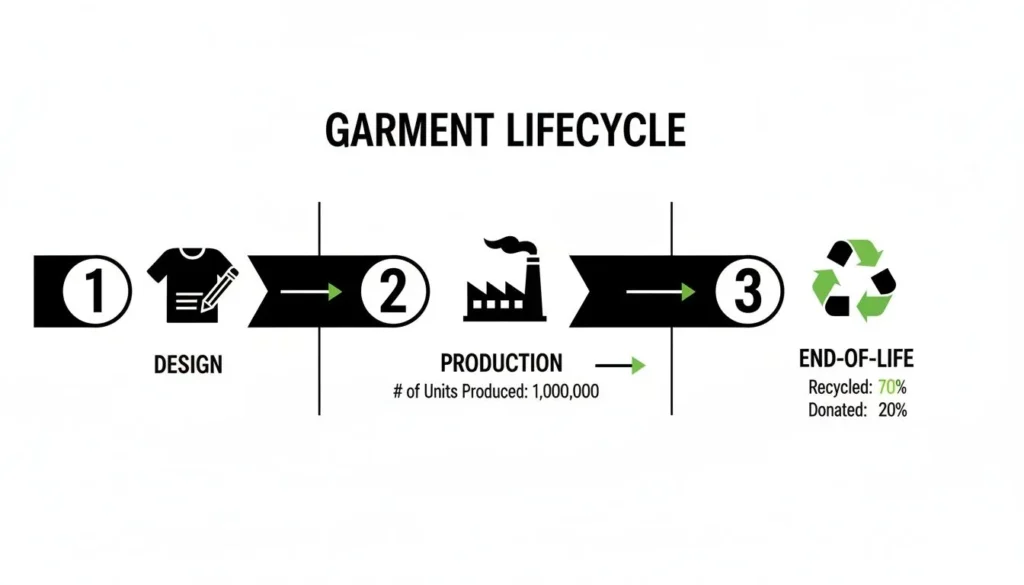
As you can see, it’s rarely a happy, circular journey. The vast majority of these clothes are destined for landfills or incinerators.
The Problem with Synthetics
And it’s not just cotton. Synthetic materials like polyester, nylon, and acrylic now dominate our closets, and they come with their own set of serious problems. At their core, these fabrics are just plastics made from fossil fuels.
Every single time you wash a synthetic garment, it sheds tiny plastic fibers called microplastics. These little pollutants are too small for wastewater treatment plants to catch, so they flow right into our rivers and oceans.
A single load of laundry with synthetic clothes can release up to 700,000 microplastic fibers into the environment. These particles get into marine life, climb up the food chain, and have even been found in our drinking water and the air we breathe.
A System Built for Waste
The entire fast fashion business model is designed around disposability. The industry’s addiction to synthetic fibers is only getting worse, with projections showing that by 2030, synthetics will make up 73% of all fibers used. Polyester is the main offender here. This trend is a massive step away from a circular economy, especially when you learn that less than 1% of old clothing is currently recycled into new garments.
This linear “take-make-waste” model has a very clear end point: a planet buried under a mountain of clothes. Since many of these discarded items are non-biodegradable, they’ll just sit in landfills for hundreds of years, leaching chemicals and microplastics into the soil. While some natural materials could be composted (you can learn more about how to compost at home in our guide), sustainable fashion offers a completely different path—one that respects the planet’s limits and values longevity over disposability.
Exploring the Core Principles of Sustainable Fashion
To really get what sustainable fashion is all about, we have to look past the buzzwords and dig into the “how.” It’s about shifting an entire industry from a take-make-waste machine into something that restores, respects, and gives back. These core principles are the practical building blocks for making that happen.
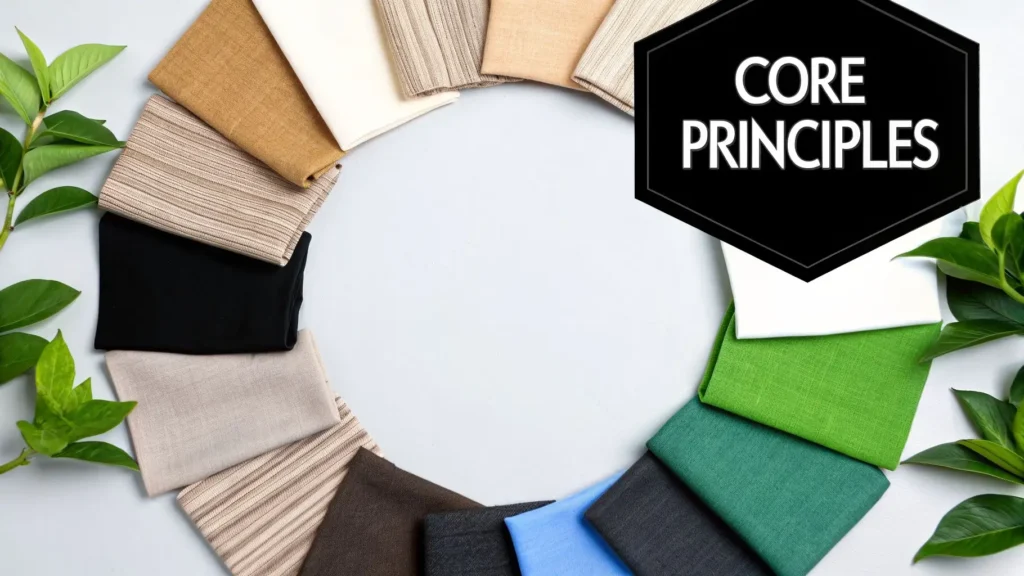
These aren’t just nice ideas; they are actionable rules of the road that guide brands and consumers alike. They touch every single part of a garment’s life, from the initial sketch to what happens when you’re done with it.
Embracing a Circular Economy
The first major idea is building a circular economy. Picture a forest floor: when a leaf falls, it doesn’t become trash. It decomposes, feeding the soil and helping new trees grow. Nothing is ever truly wasted. That’s exactly what a circular fashion system aims to do for our clothes.
Instead of the old linear “take-make-dispose” path, a circular approach designs clothing with its next life already in mind. This means a few things:
- Designing for Durability: Making high-quality clothes that are meant to last for years, not just a handful of wears.
- Enabling Repair: Building garments so they can be easily mended, helping us keep our favorite pieces in rotation longer.
- Recycling and Upcycling: Taking materials from old clothes to create new ones, which keeps valuable resources in play and out of the landfill.
Championing Ethical Production
Sustainable fashion is just as much about people as it is about the planet. This is where ethical production comes in. It’s all about the human side of the supply chain, making sure that every single person who helps make a garment is treated with basic dignity and respect.
This principle asks for a lot more than just ticking legal boxes. It’s about fighting for:
- Living Wages: Paying workers enough to actually live on—to support their families and cover basic needs, not just a minimum wage that often falls short.
- Safe Working Conditions: Guaranteeing that factories are clean, safe, and healthy places to work, free from exploitation or danger.
- Supply Chain Transparency: Brands being upfront and honest about where their clothes are made, who makes them, and the conditions they work in.
This transparency is non-negotiable. When a brand proudly opens its books on its factories and workers, it’s a huge green flag that they have nothing to hide.
Prioritizing Sustainable Materials
The stuff our clothes are made from has a massive footprint. This principle is all about choosing fabrics that do the least amount of harm to the environment. It’s about making smarter choices right from the very start.
Sustainable material selection is about shrinking a garment’s impact before the first stitch is even sewn. It asks a simple question: can we make this from something that helps the earth, or at the very least, doesn’t poison it?
Here are some of the key strategies in play:
- Organic Natural Fibers: Think organic cotton or linen, which are grown without the nasty synthetic pesticides and fertilizers that damage soil and pollute water.
- Innovative Materials: We’re seeing amazing new fabrics like Tencel™ Lyocell, which is made from sustainably sourced wood pulp in a “closed-loop” process that recycles over 99% of the water and solvents.
- Recycled Textiles: Using materials like recycled polyester (rPET) from plastic bottles or recycled cotton. This keeps waste out of landfills and cuts down on the demand for brand-new resources.
By weaving these principles together, sustainable fashion creates a thoughtful, holistic alternative to the destructive habits of the past.
How Innovation Is Weaving a Greener Future for Fashion
The future of sustainable fashion isn’t just being stitched together with thread and good intentions anymore—it’s being coded with technology. A wave of exciting advancements is finally making eco-friendly and ethical practices scalable, transparent, and accessible, pulling them out of their niche corner and into the mainstream.
These tools are far more than just minor tweaks. They represent a ground-up rethinking of how we design, produce, and track our clothes, using new digital and biological methods to build a more resilient and honest fashion system.
The Virtual Sewing Room
One of the most powerful shifts is happening before a single yard of fabric is even cut, thanks to Digital Product Development (DPD). Picture it as a hyper-realistic virtual design studio where designers can create, fit, and perfect a garment entirely on a screen.
This digital-first mindset directly attacks the industry’s massive waste problem at its source. Instead of producing endless physical samples that often end up in the trash, brands can test countless colors, textures, and fits digitally. This approach allows brands to cut material waste by up to 70% and slash carbon emissions from sampling by as much as 30%. You can explore more about how technology is driving sustainable fashion trends and get a glimpse into the future of supply chain visibility.
A Digital Passport for Your Clothes
Another game-changer is the use of blockchain to create radical transparency in the supply chain. Imagine every piece of clothing coming with its own digital passport, documenting every step of its journey—from the farm where the cotton was grown to the factory where it was sewn.
This technology creates an unchangeable, verifiable record of a product’s history. For consumers, it offers undeniable proof that a brand’s claims about ethical labor and sustainable materials are true.
This level of transparency is no longer a “nice-to-have.” In fact, a staggering 80% of fashion experts agree that technology will be absolutely critical for meeting new regulations around supply chain traceability. It’s a powerful tool that puts real information in the hands of shoppers and holds brands accountable for their promises.
Materials Grown From Nature and Labs
Innovation is also blooming in the very fibers that make up our clothing. All around the world, scientists and farmers are pioneering new materials that could dramatically shrink fashion’s environmental footprint.
Two key areas are leading this charge:
- Bio-fabricated Materials: These are textiles literally grown in labs using living organisms like bacteria, yeast, and algae. Think leather made from mushroom roots (mycelium) or silk produced without harming a single silkworm. These materials can be engineered for specific qualities and are often created with far less water and land than traditional fibers.
- Regenerative Agriculture: This approach to farming goes beyond just sustaining the land—it actively works to heal it. By using practices like cover cropping and no-till farming, farmers can improve soil health, boost biodiversity, and capture more carbon from the atmosphere. The end result isn’t just a better raw material like cotton or wool, but a healthier planet.
Your Practical Guide to Building a Sustainable Wardrobe
The idea of “sustainable fashion” can sound intimidating, like you need to toss everything and start over with a bunch of expensive “eco” clothes. But that’s not it at all. Building a more conscious wardrobe is simpler—and way more affordable—than you might think.
It all starts with a change in perspective. Instead of chasing trends, you become more intentional about what you own and what you choose to buy. It’s about looking at your clothes through a new lens, and a great way to start is with the “7 R’s of Fashion.”
Embrace the 7 R’s of Fashion
Think of these as a hierarchy, starting with the actions that have the biggest impact. Following these steps helps you slow down, consume less, and truly value the clothes you have.
- Rethink: This is your first line of defense against impulse buys. Before you click “add to cart,” just pause and ask yourself: Do I really need this? Will I wear it at least 30 times?
- Refuse: Just say no. Turn down that free promotional t-shirt you’ll never wear or that fast-fashion “deal” that feels too good to be true (because it probably is).
- Reduce: This is the big one. Simply buy less. The heart of sustainable style is a smaller, more versatile wardrobe filled with pieces you absolutely love.
- Repurpose: Get creative with what you’ve got! An old, stretched-out tee can become a bundle of cleaning rags. Those jeans with an unfixable stain? Cut them into shorts for next summer.
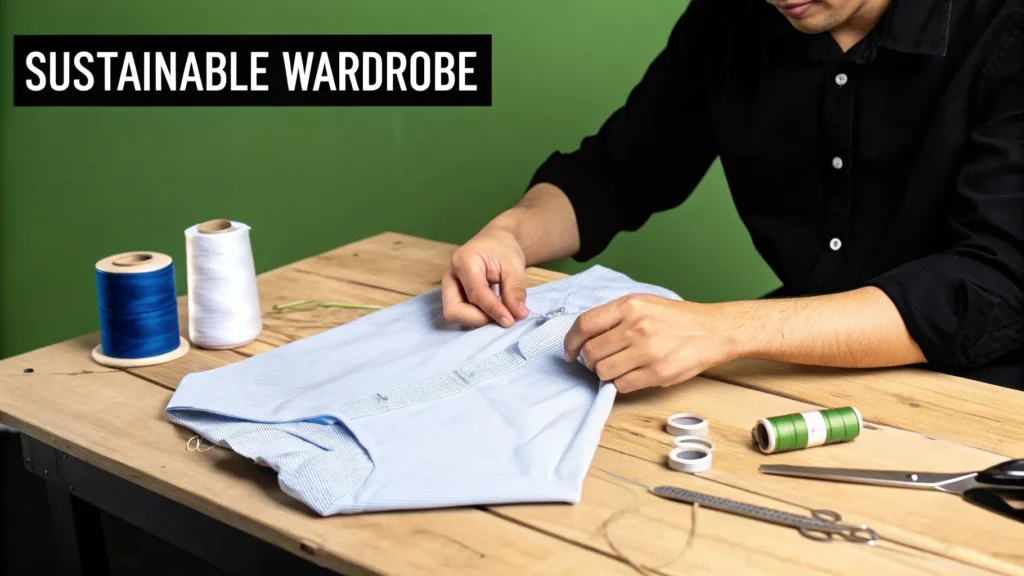
- Repair: A missing button or a tiny hole isn’t a death sentence for a garment. Learning a few basic mending skills is a small act of rebellion against our throwaway culture.
- Resell: Your clothes have stories left in them! Give them a second life on platforms like Poshmark or at a local consignment shop. This keeps perfectly good clothing in circulation and out of landfills.
- Recycle: This should always be the last resort, reserved for items that are truly at the end of their life. Look for textile recycling programs that can break down old fabrics and turn them into something new.
Become a Smarter Shopper
When you do decide it’s time to buy something new, you need to know what you’re looking for. The fashion world is full of “greenwashing,” a sneaky marketing tactic brands use to seem more environmentally friendly than they actually are.
Greenwashing relies on vague, feel-good words like “eco-friendly” or “conscious” without any real proof to back them up. True sustainability is about transparency and tangible evidence, not just clever marketing.
To see past the hype, you have to look for proof. Does the brand publish a detailed sustainability report? Are they open about their factory locations and how they treat their workers?
Most importantly, look for credible third-party certifications. Seals like GOTS (Global Organic Textile Standard), Fair Trade, and B Corp are strong signs that a brand is serious about meeting higher ethical and environmental standards.
Make Your Clothes Last
At the end of the day, one of the most sustainable things you can do is simply take good care of the clothes you already have. A few simple habits can dramatically extend a garment’s lifespan.
- Wash Less and Wash Cold: Most clothes don’t need a wash after every single wear. When it is laundry day, use cold water. It saves energy and helps prevent colors from fading.
- Hang to Dry: Air-drying is so much gentler on fabric than a hot dryer. It prevents shrinking, protects fibers from damage, and saves a surprising amount of electricity.
- Learn Basic Mending: A simple sewing kit is your best friend. Fixing a loose seam or sewing on a button is an easy skill that can keep your favorite pieces in rotation for years.
Building a sustainable wardrobe is a journey, not a sprint. It’s about buying less, choosing better, and making what you have last. By doing so, you’ll develop a style that is truly your own—and much kinder to our planet. If you want more tips on building a versatile wardrobe, check out our guide on how to pack light for Europe; it’s full of great ideas.
Your Sustainable Fashion Questions Answered
Diving into the world of sustainable fashion can feel a bit like learning a new language. You’ll run into practical questions and a few common hang-ups. That’s totally normal. Here are some clear, honest answers to the questions we hear most often, designed to help you make more mindful choices with real confidence.
Is Sustainable Fashion Always More Expensive?
Let’s be upfront: the initial price tag on a sustainably made garment is often higher than its fast-fashion counterpart. There are good reasons for that. The price reflects the true cost of making something well—paying workers a living wage, using high-quality, eco-friendly materials, and investing in cleaner manufacturing.
But the sticker price isn’t the whole story. The real game-changer is thinking in terms of cost-per-wear. A well-made, timeless piece from a sustainable brand is built to last for years, not just a fleeting season. When you divide that initial cost by the dozens, or even hundreds, of times you’ll wear it, it often comes out cheaper than buying and re-buying flimsy items that fall apart.
How Can I Spot Greenwashing from Genuine Sustainability?
Spotting greenwashing—when a brand tries to look more eco-friendly than it actually is—is a skill. The biggest red flags are vague, fluffy claims like “eco-friendly” or “conscious” with nothing to back them up. A truly sustainable brand isn’t shy about the details; they’re transparent and ready with the proof.
To tell the real deal from the impostor, look for these signs of authenticity:
- Detailed Information: Does their website have a comprehensive sustainability report? Do they talk about their factories and get specific about the materials they use?
- Third-Party Certifications: Look for respected stamps of approval like GOTS (Global Organic Textile Standard) for organic materials, Fair Trade for ethical labor, and B Corp for overall social and environmental performance.
If a brand makes you dig for this information, it’s a bad sign. True sustainability is backed by verifiable data and radical transparency, not just clever marketing.
Trust your gut. If a brand’s claims feel shallow, they probably are. Genuine commitment is about action, not just slogans.
What Is the Single Most Impactful Action I Can Take?
You have a lot of power here, but the single most effective action is surprisingly simple: buy less and wear what you already own more. The fashion industry’s environmental crisis is fueled by mind-boggling levels of overproduction and overconsumption.
By extending the life of your clothes—even by just nine more months—you can slash their carbon, water, and waste footprints by around 20-30% each. This one habit has a bigger impact than any single “eco-friendly” purchase you could make.
Before you buy something new, stop and ask yourself two questions: Do I really need this? And will I wear it at least 30 times? Putting longevity and mindful consumption ahead of passing trends is the bedrock of a sustainable wardrobe and the most powerful choice you can make.
At maxijournal.com, we believe in the power of informed choices. We curate daily writing that cuts through the noise on topics from fashion and technology to health and the arts. Explore our articles and join a community dedicated to curiosity and clarity.
Discover more from Maxi Journal
Subscribe to get the latest posts sent to your email.