You’ve probably hit the same point most players do with rdr2 dinosaur bones. You meet Deborah MacGuiness, realize the bones are scattered all over the map, open a location guide, and immediately see a wall of disconnected spots that turns the whole thing into a chore.
That’s the wrong way to do this hunt.
The clean way is to treat it like a single-playthrough route, not a collectible spreadsheet. Some bones make sense to grab early while you’re already moving through New Hanover and Lemoyne. Others are better left alone until your normal story progress naturally puts you in rougher country. The last batch belongs to John in New Austin, and trying to force that timing only creates wasted riding.
The Great RDR2 Fossil Hunt Begins
You are halfway through Chapter 2, camp chores are piling up, and Deborah’s bone hunt looks like one more collectible that will drag you across the map for no good reason. That only happens if you treat all bone locations as equal.
They are not.
Some bones fit cleanly into Arthur’s normal travel through the eastern half of the map. A smaller group sits behind the Epilogue in New Austin, which changes how an efficient run should be planned, as noted in TheGamer’s discussion of the story and epilogue split. The practical goal is to collect what the story gives you naturally, then leave the desert set for John so you are not forcing risky detours or a giant cleanup later.
The key call is timing
In my runs, the bone hunt goes smoothly when I sort it by character and region from the start.
Arthur should handle the easy eastern route first, then grab the mountain and western story-accessible bones when missions, hunting trips, or satchel work already put him nearby. John finishes New Austin. That order keeps your riding efficient and cuts down on the kind of backtracking that makes this side quest feel much longer than it is.
My route looks like this:
- Start A Test of Faith early
- Collect Heartlands, nearby New Hanover, and Lemoyne bones during Arthur’s regular story travel
- Add Ambarino and West Elizabeth bones when you are already heading into those regions
- Leave New Austin for John and clear that set in one focused pass
Use one region at a time. The hunt stays manageable that way.
Why this plan saves time
The map is huge, and bone collecting gets slow when every stop is its own special trip. A better approach is to stack tasks. Grab a bone while you are on the way to a mission. Pick up another while hunting pelts or clearing side content in the same area. Mail coordinates when you pass a post office instead of saving everything for the end.
That is the difference between a clean collectible route and hours of extra riding.
If you like this kind of route-first collectible planning, you can find more exploration coverage in Maxi Journal’s gaming section.
The route at a glance
| Stage | Character | Focus |
|---|---|---|
| Early hunt | Arthur | Heartlands, nearby New Hanover, Lemoyne |
| Mid hunt | Arthur | Ambarino, Roanoke Ridge, West Elizabeth |
| Final hunt | John | New Austin cleanup |
This structure keeps the hunt tied to your playthrough instead of pulling against it. It also solves the main mistake I see in bone runs: leaving too much easy ground for later, then turning the Epilogue into a long cleanup session.
Starting the A Test of Faith Quest
Before you go searching cliffs, riverbeds, and ridgelines, make sure the game is tracking the hunt. This is one collectible chain where the setup matters.
Deborah MacGuiness is tied to A Test of Faith, and you need to speak to her before the process feels smooth. You can stumble onto bones beforehand, but the quest works better once you’ve formally triggered it and know exactly what the game expects from you.
Find Deborah first
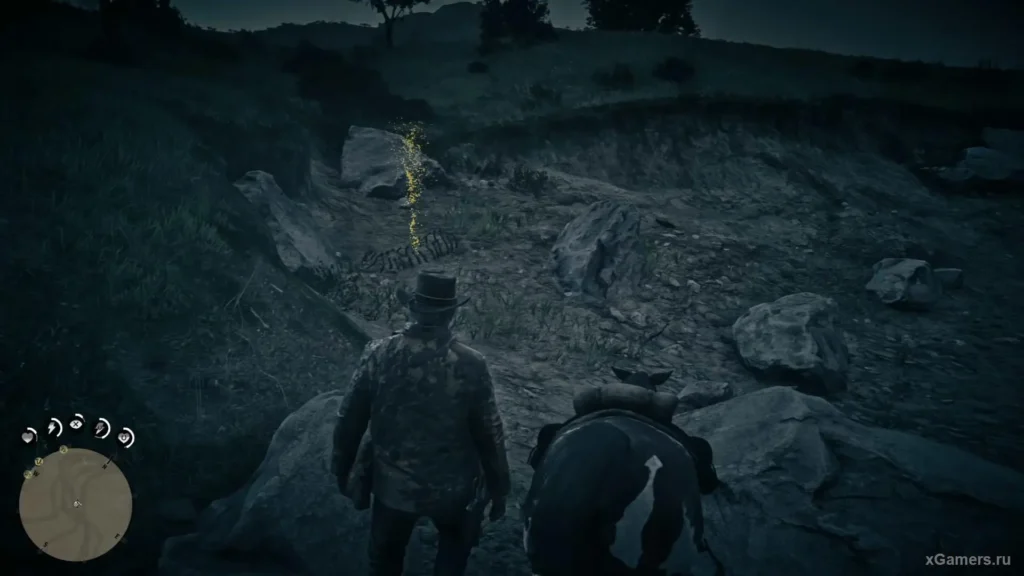
She’s at a dig site in The Heartlands, in the rocky area east of Flatneck Station. Once you talk to her, the mission starts and the bone hunt becomes a proper collectible run instead of random discoveries.
If you like checklist-heavy side content in RPGs, there’s a similar appeal in working through the right social and dialogue choices in this Persona 5 answers guide.
Know what you’re looking for
The bones are easy to miss because they don’t behave like flashy collectibles. They’re usually pale, partially buried, and blended into dirt, grass, or stone. A lot of them sit in places that seem obvious only after you’ve already found them.
Use this simple sequence every time:
- Enter the area slowly so you don’t ride past the marker terrain.
- Trigger Eagle Eye while approaching cliffs, rock shelves, creek beds, and hilltops.
- Scan the edges first, because many bones sit near drop-offs or exposed ridges.
- Interact with the bone so Arthur sketches it in the journal.
If a location seems correct but nothing stands out, stop moving fast. Most misses happen because players search from horseback and treat a cliff edge like a road shoulder instead of a search zone.
The two habits that save time
The first habit is using landmarks instead of map obsession. In this hunt, “west cliff edge,” “between boulders,” “above the lake,” and “behind the shack” work better than staring at a tiny cursor and hoping you land on the exact patch of ground.
The second habit is mailing discoveries whenever you pass a post office. Don’t wait until the end unless you enjoy cleaning up administrative steps after the fun part is over. The game is built around sketching the location, then mailing that information out.
A lot of collectible fatigue comes from delaying easy follow-up actions. This quest feels better when you treat finding a bone and mailing the sketch as one complete loop.
Story Mode Bones Part 1 The Heartlands and Lemoyne
If you want this quest to stay efficient in a single playthrough, start in the east and clear the low-friction bones while Arthur is already riding these roads for story missions. That choice saves the long backtracking loop players create when they leave easy Heartlands and Lemoyne pickups for later, then have to remember which ones belong to the story map and which ones can wait for the epilogue.
The terrain helps, too. You get cleaner sightlines, gentler climbs, and landmarks that are easier to read at a glance than anything waiting in the mountain half of the hunt.
The Heartlands route
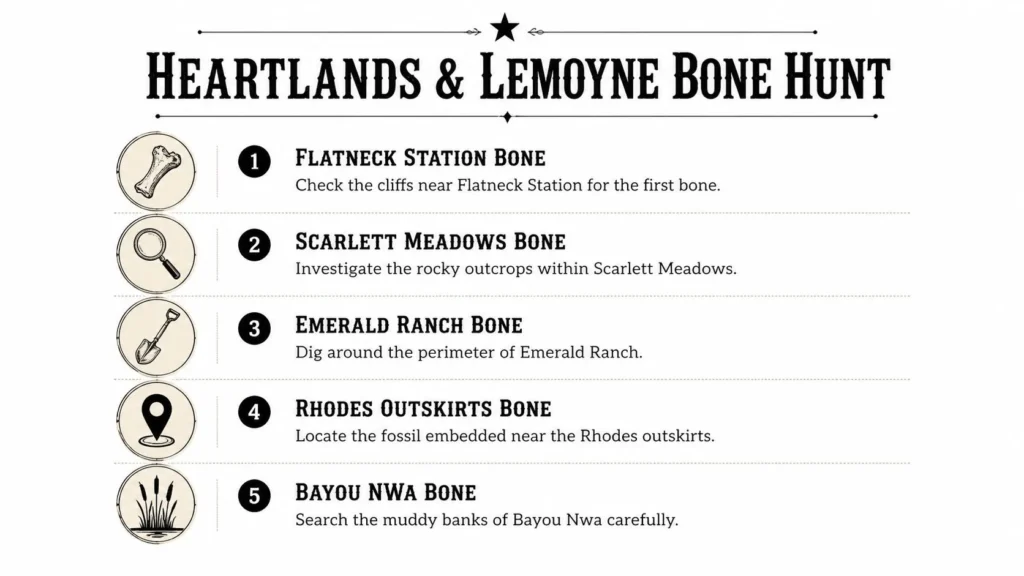
I treat Valentine, Emerald Ranch, and Flatneck Station as the spine of this pass. The goal is to string together several easy pickups in one ride, then mail the coordinates when you naturally pass a post office.
Near Flatneck Station
Ride to the rocky rise east of the station and search the exposed ground near the top. This is one of the best early bones to grab because the approach is simple and the bone stands out once you know the shape you are looking for.Caliban’s Seat area
Head south from Valentine and climb toward the ridge above the Dakota River. Stay high. Players waste time on the lower slope here, but the useful search area is along the upper edge.North of Heartland Overflow shack
Use the abandoned shack as your anchor and check behind it first. This is a quick pickup if you trust the landmark and avoid wandering out into the surrounding field.Dewberry Creek dirt patch
Search the dirt patch between the boulders on foot. The rib bones blend into the ground texture, so this one goes missing when players trot through and expect a bright visual cue.Dried-up riverbed bone
Follow the dry channel to its end and scan the stone carefully. The bone color matches the terrain well enough that Eagle Eye does more work here than your map position.Southeast of a hut in grass
This spot is easy to misread because the fragments sit low in the grass. Slow down before the hut, dismount, and work outward in a tight circle instead of sweeping a huge area.
Lemoyne and nearby eastern sweep
After the Heartlands cluster, keep the route flowing south and southeast. That lines up well with regular story travel and clears another batch of story-accessible bones before the map split starts to matter.
Scarlett Meadows outcrops
Check the rock patches and broken ground, not the open field around them. The mistake here is searching too wide because the area looks bigger than the actual bone zone.Rhodes outskirts
Search the rocky terrain just outside town rather than hugging the road. The landmarks are straightforward if you treat Rhodes as a reference point and then work the edge terrain.Bayou Nwa muddy ground
The swamp reduces visibility more than it complicates the route. Get off the horse and scan low across mud, reeds, and shallow water where pale fragments can disappear into the mess.Oil derrick hill area
Fold this into the same pass while you are already operating in the region. It is an easy one to postpone by accident, then regret later when you realize it required only a short detour.
Daylight helps a lot on this leg. Rain, dusk, and swamp haze all make pale bones harder to separate from dirt and mud.
Why this opening cluster works
This part of the hunt sets the pace for the whole collectible run. Clear it in one organized sweep and you remove a large chunk of the story-map workload before the rougher elevation checks in Ambarino and West Elizabeth start slowing you down.
Here is the simple rule set I use:
| Area type | Search style that works | What usually fails |
|---|---|---|
| Creek beds | Walk the edges and check where dirt meets stone | Riding straight through the middle |
| Rocky rises | Reach the top first, then scan back toward the edge | Spending too long at the base |
| Swamps | Dismount and search slowly with Eagle Eye | Looking from horseback |
| Shack landmarks | Check behind and beside the structure first | Circling a broad radius |
This is also where the guide’s route-first approach pays off. Heartlands and Lemoyne bones are easy to collect during the story, and clearing them now leaves a cleaner split later. You can head into the epilogue knowing New Austin is the only region still locked, instead of guessing which eastern bones you forgot.
Story Mode Bones Part 2 Ambarino and West Elizabeth
You feel the time loss here fast. One wrong climb in Ambarino can turn a two-minute pickup into a ten-minute scramble, and West Elizabeth has several spots that look accessible from horseback until you reach the wrong ledge. This part of the route works best if you treat it as Arthur’s late-story cleanup pass, not a series of random detours.
I handle these bones after the easier eastern set is already done. That split matters. Once Heartlands, Lemoyne, Ambarino, and West Elizabeth are cleared with Arthur, the epilogue becomes a clean New Austin sweep instead of a messy checklists-and-backtracking problem.
Ambarino bones worth routing carefully
Ambarino punishes lazy approach lines. The bones are not hidden so much as awkwardly placed, and the mountain geometry does most of the damage.
Calumet Ravine
Approach the west cliff edge and slow down before the rim. The ground clutter and broken rock can pull your eye away from the search strip, so scan the edge in short passes instead of trying to spot it at full speed.O’Creagh’s Run hill
Stay on the higher ground that faces the lake. Players waste time here by circling too low and searching the whole slope. The bone is easier to spot once you commit to the overlook rather than the shoreline.Bacchus Station outcrop
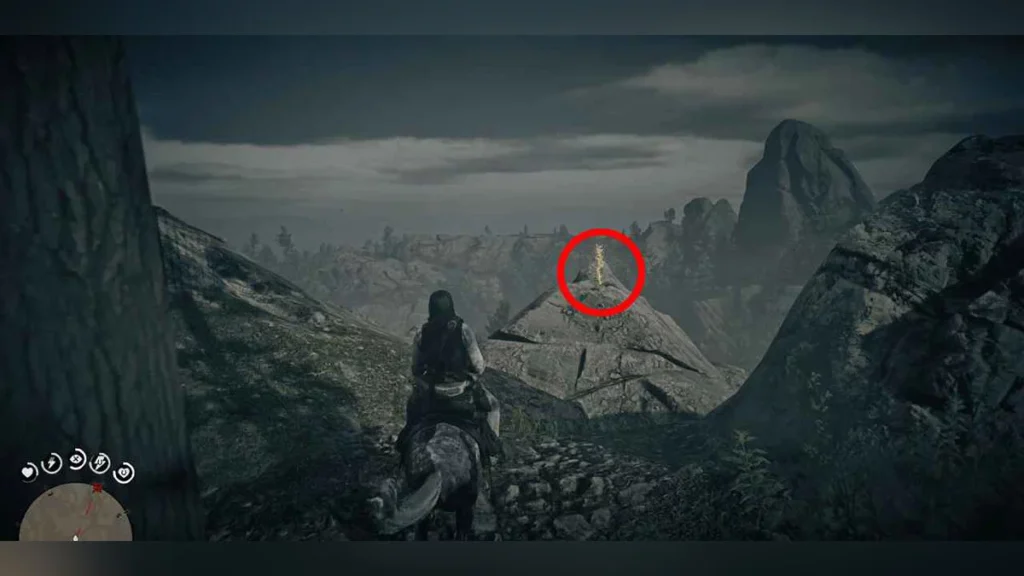
Several ledges look correct from below. Only one saves you time. Dismount early, pick a clear climbing line, and check each shelf before pushing higher. If you keep free-climbing at random, you usually end up above or below the actual spot.The pyramid-shaped mountain rock
This is one of the pickier climbs in the Arthur portion. Use the northeast approach and look for the grassy patch that gives stable footing. If Arthur keeps sliding, stop forcing that side and reset your line. The route is the problem, not your timing.
West Elizabeth and cave-side searches
West Elizabeth looks simpler on the map than it plays. The travel is open, but several bones sit near cliffs, cave approaches, and ridge ends that punish the shortest possible route.
Wallace Station cliff country
Ride close, then finish on foot. Some ledges seem connected until you are standing at the gap and have to loop around.Beryl’s Dream cave area
Treat this as an elevation check first and a search second. If the cave entrance feels awkward to reach, you are probably trying to force the wrong side.Big Valley ridges
Start at the ridge tops and outer ends. The valley floor looks useful because it is wide and easy to cover, but the collectible logic here favors overlook positions.
One habit saves a lot of wasted riding. Stop trusting the minimap’s straight line in mountain country. The fastest route is usually the one that reaches the climbable side first.
Search pattern for rough terrain
Flat regions reward broad sweeps. Ambarino and western ridge country reward height discipline.
Use this order every time:
- Check the base for the correct climb entry or cave-side access
- Check the mid-slope for a usable grassy path or ledge
- Check the top edge for the final bone position
That pattern cuts down on the classic mistake of riding directly to the marker area, searching the wrong shelf, then spending five minutes correcting your elevation.
How I fit this into one efficient playthrough
I do not run across the map for a single mountain pickup unless I am already nearby for a mission, hunt, trapper trip, or camp move. That is the trade-off here. A dedicated Ambarino ride can clear a few bones efficiently, but a one-off detour for only one awkward cliff spot usually costs more time than it saves.
Handled this way, Arthur’s side of the fossil hunt feels controlled. By the time these Ambarino and West Elizabeth bones are done, the remaining work is neatly contained to the epilogue instead of scattered across both halves of the map.
Epilogue Bones Conquering New Austin
You reach the epilogue, ride into New Austin, and the whole fossil hunt finally gets simple. This is the part many guides handle poorly. They dump the last bone locations on a list and leave you to crisscross the desert. The better plan is to arrive as John with every story-mode bone already done, then clear New Austin in one deliberate circuit.
That route solves the biggest split in this collectible quest. Arthur handles everything available during the story. John finishes the New Austin set without any backtracking into older regions or second-guessing what was missable.
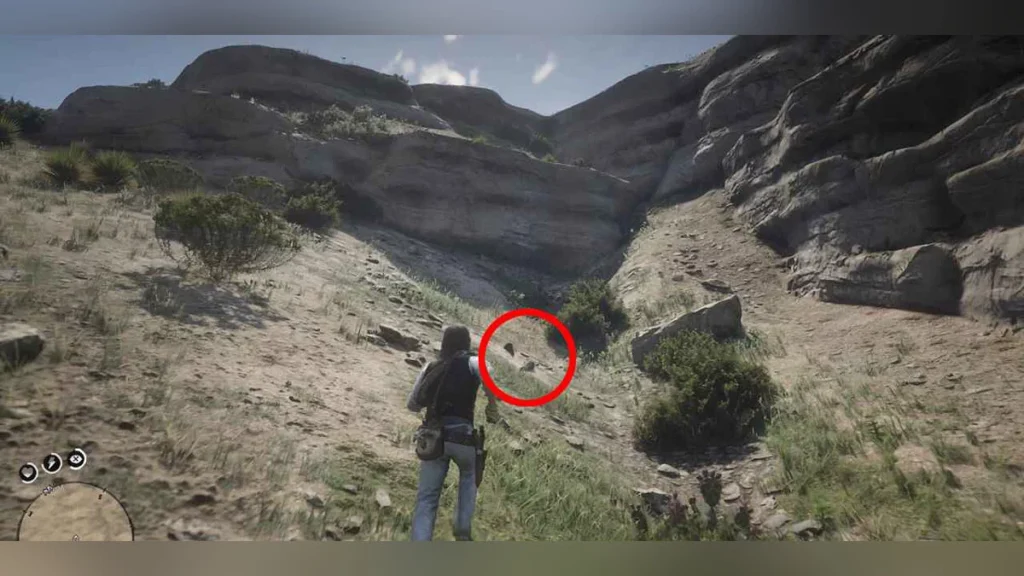
How to run New Austin without wasting time
I treat New Austin as one sweep, not a collection of separate errands. Start in the Tumbleweed side of the map, work through Gaptooth Ridge and Rio Bravo, then finish across Cholla Springs and the San Luis River side. Clockwise or counterclockwise both work. What matters is committing to one loop and staying off the habit of chasing single markers across the region.
The trade-off is simple. A straight desert ride looks fast, but the time loss comes from wrong approaches, not raw distance. New Austin is more open than Ambarino, yet several bones still sit on shelves, ridge points, and overlooks that punish lazy lines.
Use these anchor areas to keep the run organized:
- Tumbleweed
- Gaptooth Ridge
- Rio Bravo
- Cholla Springs
- San Luis River edges
If a bone seems close but the approach feels awkward, stop and check the high side first. That decision saves more time here than trying to brute-force every rock formation from below.
The New Austin pickups to prioritize
My preferred order keeps the ride clean and the terrain logic consistent:
North of Tumbleweed in Gaptooth Ridge
Check the rocky slope beside the trail and search the upper shelf before the open ground below.Jorge’s Gap ridge point
Stay on the ridge line as long as possible. Approaching from underneath usually creates an extra climb.Pike’s Basin ledge
Slow down here. The ledge position is easy to ride past if you stay focused on the basin floor.Rattlesnake Hollow shelf
Work toward the canyon-facing side and search the higher shelf, not the main track.Rio Bravo rock-side spot
Keep your search tight around the named rock formation before expanding outward.
After the first few stops, the pattern becomes obvious. New Austin bones favor exposed stone, upper edges, and lookout positions.
What makes the epilogue sweep better than piecemeal hunting
Doing these bones in one session works because New Austin uses the same visual language over and over. Plateau tops, canyon shelves, ridge ends, and river overlooks are the spots worth checking first. Once you notice that, the last stretch stops feeling like cleanup and starts feeling controlled.
That is why I save this region for a dedicated epilogue run instead of nibbling at it mentally while finishing the story. The map opens up, John has full access, and every remaining bone fits one clear search style.
Keep this reference in mind:
| New Austin terrain | Best approach |
|---|---|
| Desert plateau | Dismount and sweep the flat top |
| Canyon ledge | Find the climbable side first |
| River overlook | Search the crest, not the shoreline |
| Butte or ridge | Commit to the upper line |
Handled this way, the story and epilogue split stops being a nuisance. It becomes the cleanest way to finish all 30 bones in a single playthrough.
Mailing Coordinates and Unlocking Your Reward
Finding the bones is only half the loop. The quest pays off when you mail the coordinates from a post office after Arthur or John sketches each discovery in the journal.
If you’ve been mailing them in batches during the hunt, the finish is straightforward. If you waited until the end, now’s the cleanup stage. Either way, go to a post office and send what you’ve collected to Deborah MacGuiness.
Why mailing as you go works better
This quest feels smoother when each region ends with a post office stop. It breaks the hunt into smaller completed chunks and avoids the common problem of forgetting whether you’ve already sent a batch.
There are also partial rewards along the way. The first mailing gives you a Quartz Chunk, and the full completion reward is the Jawbone Knife, as described in the earlier verified material.
Don’t treat the post office as an afterthought. It’s part of the collectible loop, not just the hand-in screen.
The final payoff
After you’ve mailed the full set and allowed for the in-game delay, Deborah’s conclusion turns the whole side quest from a simple collectible challenge into a joke with a point. The Totalisaurus she assembles is a hoax inside the game’s lore, not a real dinosaur, and the final cutscene reveals it as a jumble of megafauna and mammal bones, as shown in the quest ending video covering Deborah MacGuiness and the Totalisaurus reveal.
That’s why the ending lands. Rockstar turns a straightforward scavenger hunt into a small satire of frontier science obsession.
You still get the practical reward, of course. The Jawbone Knife is the trophy item that marks the run as complete. It isn’t just another inventory object. It’s proof you finished one of the game’s longest and most map-spanning collectible quests the intended way.
The part most players remember
It’s not usually the mailing step itself. It’s the contrast between the effort and the reveal.
You spend the whole game treating these bones like pieces of some grand prehistoric discovery. Deborah treats them the same way. Then the payoff undercuts that seriousness with a deliberately wrong reconstruction. That makes the quest more memorable than a standard “collect all items, receive gear” side mission.
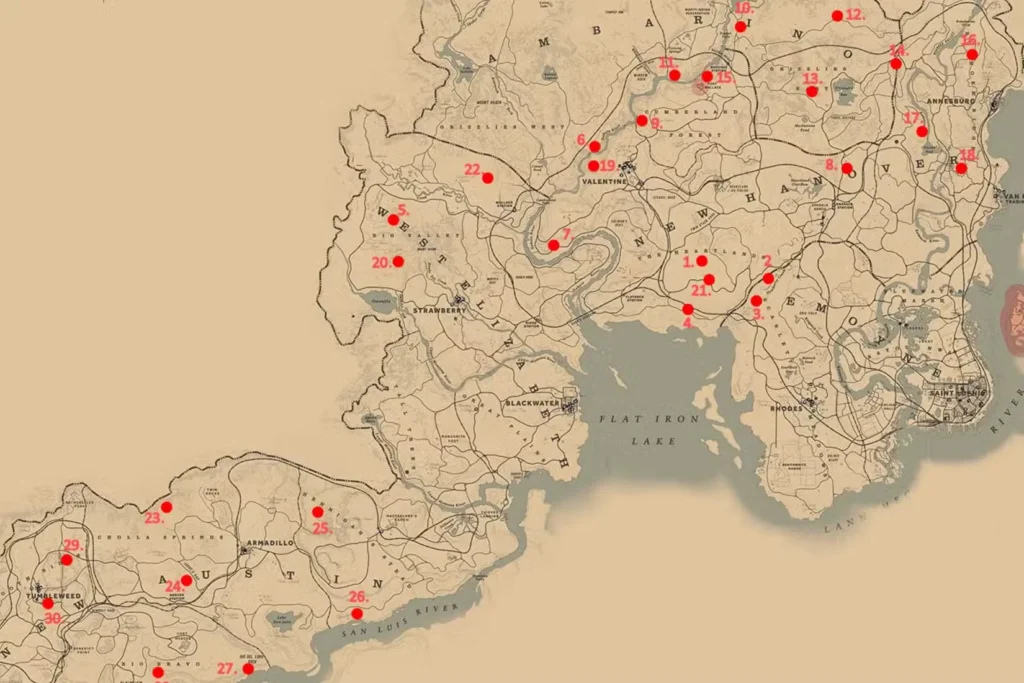
Pro Tips for an Efficient Fossil Hunt
By the time you’re doing a full rdr2 dinosaur bones run, speed doesn’t come from riding faster. It comes from making fewer bad searches.
The most useful habit is simple. Keep Eagle Eye active in the search zone. For efficiency, it boosts detection by approximately 80%, and prioritizing the Heartlands cluster first gives the hunt better early momentum, according to SteelSeries’ dinosaur bones route advice.
What works consistently
Use Eagle Eye before you think you need it
Don’t wait until you feel lost. Trigger it as you enter rocky ground, cliff rims, creek beds, or ledges.Search landmarks, not empty space
Waterfalls, abandoned structures, ridges, and unusual rock formations do more work than the map marker. Bones are often tucked near terrain features with a clear identity.Get off the horse sooner
If the area looks correct but nothing pops out, dismount. A lot of missed bones are visible only when you slow the camera down and search on foot.
What usually wastes time
A blind sweep almost always fails in the same way. Players cover too much ground instead of tightening the search. They look at the whole ridge, not the one usable ledge. They circle a cave instead of checking the actual entrance line. They search low when the bone is on the top shelf.
For players who enjoy methodical resource runs and route planning in other games, these Stardew Valley tips scratch a similar itch in a very different genre.
Keep your route regional. The hunt gets frustrating when you chase one bone across the map. It gets satisfying when each ride clears a cluster.
If one bone refuses to cooperate, stop assuming the game is wrong. Re-check the elevation, the side of the landmark, and whether you’re searching the actual edge rather than the general area. Most “missing” bones are really approach problems.
If you like clear, practical game guides without the fluff, visit maxijournal.com. It’s a good place to find more approachable writing on games, entertainment, and other topics from an independent online magazine.
Discover more from Maxi Journal
Subscribe to get the latest posts sent to your email.