Asia, a continent of breathtaking contrasts, offers a kaleidoscope of experiences, from the neon-lit futurescapes of Tokyo to the ancient spiritual serenity of Kyoto. Deciding where to begin can be an overwhelming task. This guide is designed to be your definitive resource, narrowing down the vast expanse to the 12 best cities to visit in Asia. We’ve gone beyond the typical recommendations to provide you with actionable insights, detailed itineraries, and practical budget breakdowns for each destination.
Whether you’re a first-time visitor seeking cultural immersion, a seasoned traveler looking for your next culinary adventure, or a digital nomad scouting a new home base, this curated list will help you plan a journey that’s both seamless and unforgettable. We understand that a great trip is in the details, so we’ve meticulously assembled the information you need to make informed decisions.
Inside this guide, you won’t find generic overviews. Instead, for each city you will discover:
- Key Attractions & Neighborhood Highlights: Pinpoint exactly where to go and what to see.
- Sample Itineraries (1-3 Days): Maximize your time with structured, yet flexible, plans.
- Budget & Accommodation Advice: Find options that fit your travel style, from luxury to budget.
- Local Food Picks: Discover the must-try dishes and where to find them.
- Practical Tips: Get crucial advice on transport, safety, and the best time to visit.
Prepare to explore ancient temples, savor Michelin-starred street food, and navigate bustling markets as we dive into the cities that define modern and traditional Asia. Your next great adventure starts here.
1. Bangkok, Thailand – Cultural Hub and Street Food Paradise
Bangkok, a city of incredible contrasts, effortlessly earns its spot as one of the best cities to visit in Asia. This sprawling metropolis is where ancient temples like Wat Arun and Wat Pho, with its reclining Buddha, stand in the shadow of gleaming skyscrapers and modern shopping malls. The city’s energy is palpable, from the serene long-tail boats gliding along the Chao Phraya River to the vibrant chaos of its world-famous street markets.
The culinary scene alone is a reason to visit. As showcased in Netflix’s “Street Food: Asia,” Bangkok’s streets offer an endless buffet of flavors, from spicy som tam (papaya salad) to savory pad thai cooked right before your eyes. The city’s mastery of cuisine is deeply rooted in its culture, a tradition celebrated globally.
Practical Tips for Bangkok
- Getting Around: Use the BTS Skytrain and MRT subway to avoid the notorious traffic. For shorter distances, tuk-tuks are an iconic experience, but always agree on the fare beforehand.
- Best Time to Visit: The cool, dry season from November to February offers the most pleasant weather for exploring.
- Cultural Respect: When visiting temples, dress modestly. This means covering your shoulders and knees. Also, show deep respect for the Thai monarchy, a revered institution.
Local Insight: For the most authentic street food, follow the crowds. A long line of locals is always a sign of high-quality, delicious food. Don’t be afraid to point at what you want if there’s a language barrier.
Proper planning is key to making the most of your trip. If you need help structuring your adventure, you can learn more about how to plan a trip abroad for a seamless experience.
2. Tokyo, Japan – Tech-Forward Cultural Intersection
Tokyo is a masterclass in organized chaos, a city where ancient tradition and futuristic vision collide. This sprawling megacity represents the pinnacle of modern Asian development, effortlessly blending centuries-old temples like Sensō-ji with the neon-drenched energy of Shibuya Crossing. From fashion-forward districts to serene gardens, Tokyo’s ability to balance its past and future makes it one of the best cities to visit in Asia for those fascinated by contemporary culture.
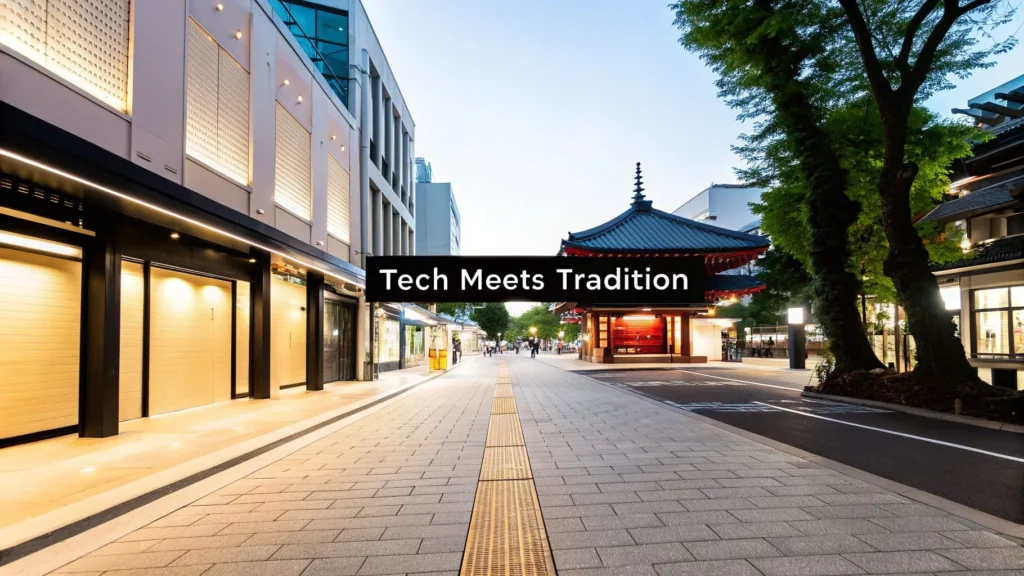
The city’s influence is global, home to gaming giants like Nintendo and Sega and hosting fashion weeks that rival Milan. This spirit of advancement is evident everywhere, from the punctuality of its world-class transit system to the high-quality, surprisingly delicious meals found in its ubiquitous convenience stores. Tokyo is a living showcase of urban efficiency and cultural depth.
Practical Tips for Tokyo
- Getting Around: Purchase an IC card like Suica or Pasmo for seamless travel on trains and subways. For extensive travel across Japan, a Japan Rail (JR) Pass can be a cost-effective option if planned correctly.
- Best Time to Visit: Late March to early April for the iconic cherry blossoms or October to November for pleasant autumn weather and vibrant foliage.
- Cultural Respect: Bowing is a customary greeting. Be mindful of quiet etiquette on public transport and always remove your shoes when entering someone’s home or a traditional inn.
Local Insight: Don’t underestimate convenience stores like 7-Eleven, Lawson, and FamilyMart. They offer a fantastic selection of affordable and high-quality meals, snacks, and drinks, making them a go-to for travelers on any budget.
Proper planning helps you navigate this immense city. To get started, you can explore the best things to do in Tokyo for a more detailed guide.
3. Singapore – Futuristic City-State and Gastronomic Destination
Singapore is a marvel of modern urban planning and a testament to what a city can become. This gleaming city-state, known for its futuristic architecture and lush green spaces, effortlessly blends diverse cultures and traditions, making it one of the best cities to visit in Asia. From the iconic Marina Bay Sands to the supertrees of Gardens by the Bay, Singapore presents a vision of the future that is clean, efficient, and deeply connected to nature. The city is a global business hub, attracting tech giants and hosting events like the Formula 1 night race.
The food scene is a primary reason to visit, offering a delicious journey through its multicultural heritage. The city’s famous hawker centers, such as Maxwell and Tiong Bahru, are bustling culinary hubs where you can find Michelin-starred street food at incredibly affordable prices. Here, Malay, Chinese, and Indian flavors mix, creating a gastronomic paradise that even celebrity chefs like Gordon Ramsay have celebrated.
Practical Tips for Singapore
- Getting Around: The Mass Rapid Transit (MRT) system is exceptionally efficient and covers the entire island. Purchase an EZ-Link card for seamless travel on trains and buses. Ride-sharing apps like Grab and Gojek are also popular and affordable.
- Best Time to Visit: Singapore is a year-round destination due to its tropical climate. However, visiting between February and April avoids the wettest monsoon seasons.
- Cultural Districts: Beyond the modern skyline, immerse yourself in the vibrant heritage of Chinatown, the colorful streets of Little India, and the unique shops of the Arab Quarter.
Local Insight: For a truly authentic dining experience, head to a hawker center during lunchtime and join the queue with the most office workers. This is the surest way to find the best-tasting and most popular local dishes. Also, remember the “chope” culture-placing a tissue packet on a table reserves your spot.
4. Kyoto, Japan – Ancient Capital and Traditional Arts Center
Kyoto offers a serene counterpoint to Tokyo’s bustling energy, securing its place as one of the best cities to visit in Asia. As Japan’s former imperial capital for over a thousand years, it is a living museum of the nation’s artistic and spiritual heritage. The city is home to over 2,000 temples and shrines, traditional wooden houses, and meticulously raked Zen gardens, offering a glimpse into an older, more contemplative Japan.
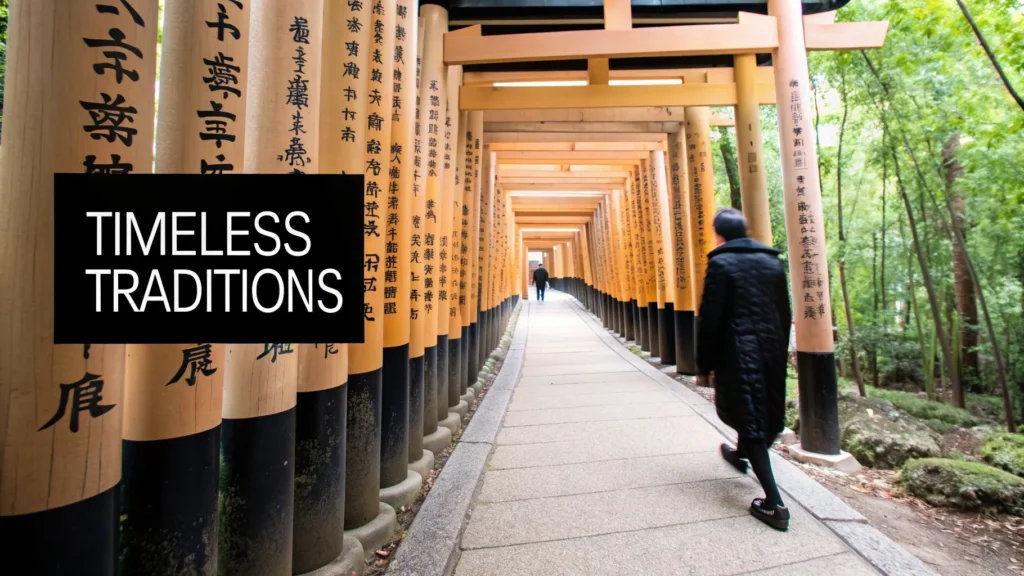
From the iconic Fushimi Inari Shrine with its thousands of vermilion torii gates to the geisha district of Gion, Kyoto embodies timeless elegance. The city’s dedication to traditional arts is evident everywhere, from intricate kaiseki multi-course meals to the delicate movements of a tea ceremony. This deep cultural immersion, frequently highlighted by tastemakers like Martha Stewart and in films exploring Japanese aesthetics, provides a profoundly authentic travel experience.
Practical Tips for Kyoto
- Getting Around: Kyoto is a very walkable city, but renting a bicycle is an efficient and pleasant way to explore its flatter districts. The bus and subway systems are also reliable for reaching farther sites.
- Best Time to Visit: Spring (March-May) for cherry blossoms and autumn (October-November) for stunning foliage are peak seasons. These times offer breathtaking scenery but expect larger crowds.
- Cultural Respect: Be mindful of photography restrictions, especially in sacred temple areas and the Gion district where geishas work. Always ask for permission before taking photos of individuals.
Local Insight: To avoid the biggest crowds at popular temples like Kiyomizu-dera or Kinkaku-ji, visit on a weekday morning right when they open. For a truly local experience, explore the Nishiki Market early in the day to see vendors setting up and to sample fresh ingredients.
5. Hanoi, Vietnam – Historic Capital and Emerging Cultural Scene
Hanoi, Vietnam’s captivating capital, offers a journey through time, easily securing its place as one of the best cities to visit in Asia. Its soul resides in the UNESCO-recognized Old Quarter, where centuries-old temples and French colonial architecture create a stunning backdrop for the whirlwind of daily life. The city masterfully balances its poignant history with a forward-thinking energy, seen in its emerging contemporary art scene and growing reputation as a tech hub.
The city’s street food culture, famously celebrated by the late Anthony Bourdain, is an essential part of the Hanoi experience. From a steaming bowl of phở to the sizzling bun cha served in bustling alleyways, the cuisine offers an authentic taste of Northern Vietnamese tradition at an incredible value. This affordability, combined with deep cultural and historical roots, makes Hanoi a top choice for travelers.
Practical Tips for Hanoi
- Getting Around: The Old Quarter is best explored on foot. For longer distances, use ride-hailing apps like Grab for transparent and fair pricing on car or motorbike taxis.
- Best Time to Visit: The autumn months from September to November offer pleasant, dry weather with mild temperatures, ideal for sightseeing.
- Cultural Experience: Don’t miss a traditional water puppet show for a unique glimpse into Vietnamese folklore. When visiting Ho Chi Minh’s Mausoleum or temples, ensure you are dressed respectfully.
Local Insight: For the best street food, find a stall with a high turnover of local customers; it’s a sure sign of freshness and quality. Learning a few basic Vietnamese phrases like “Xin chào” (hello) and “Cảm ơn” (thank you) is highly appreciated by locals.
6. Istanbul, Turkey – Transcontinental Bridge Between Continents
Istanbul, the city that uniquely straddles two continents, presents a mesmerizing blend of history and modernity. Its position as a bridge between Europe and Asia is more than just geographical; it’s a cultural fusion where Byzantine and Ottoman empires left behind a staggering architectural and historical legacy. This makes it one of the most compelling and best cities to visit in Asia for explorers, art lovers, and history buffs. The skyline is famously punctuated by the domes and minarets of the Blue Mosque and Hagia Sophia, both UNESCO World Heritage sites that anchor the city’s profound spiritual and imperial past.
Beyond ancient monuments, Istanbul pulses with contemporary life. The city’s creative energy is evident in the Beyoğlu district’s modern art galleries and its role as a backdrop for numerous film productions and Netflix series. This dynamism extends to its food culture, a celebrated aspect of Turkish identity. From elaborate breakfast spreads at local cafés to the vibrant chaos of the Grand Bazaar, Istanbul offers a feast for the senses that connects visitors directly to its rich heritage.
Practical Tips for Istanbul
- Getting Around: The city’s public transport is efficient. Use the Istanbulkart for ferries, trams, and the metro. The Bosphorus ferry is not just for transport; it offers stunning views of the city.
- Best Time to Visit: Spring (April to May) and autumn (September to November) provide the most pleasant weather for walking and sightseeing, avoiding the summer heat and winter chill.
- Cultural Respect: When entering mosques, dress modestly with shoulders and knees covered, and women should carry a scarf for their hair. Also, plan visits outside of prayer times.
Local Insight: For a truly authentic experience, visit a traditional hammam (Turkish bath), but consider going with a local guide or to a well-regarded establishment to navigate the customs. When shopping in the Grand Bazaar, remember that bargaining is expected; the initial price is just a starting point.
7. Bali, Indonesia – Tropical Paradise and Spiritual Retreat
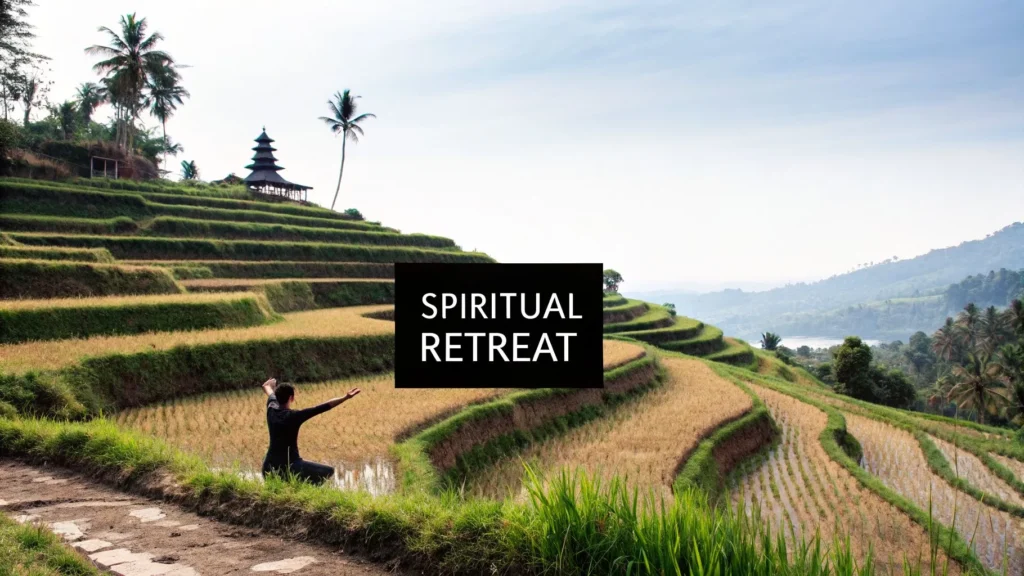
Bali offers an intoxicating blend of stunning natural beauty and profound spiritual depth, easily making it one of the best cities to visit in Asia. Though an island, its major hubs like Ubud and Canggu function as dynamic city centers for culture and lifestyle. It attracts a wide spectrum of travelers, from those seeking serene yoga retreats to surfers chasing the perfect wave, and digital nomads building startups in paradise.
This Indonesian gem is where verdant rice paddies meet volcanic mountains and sandy beaches, creating a backdrop for a rich artistic and cultural heritage. The island’s reputation as a wellness destination is world-renowned, with countless yoga studios and celebrity-endorsed retreats, while its surf culture in places like Uluwatu draws international athletes.
Practical Tips for Bali
- Getting Around: Renting a scooter is the most common way to explore, but be cautious as accidents are frequent. Ride-hailing apps like Gojek and Grab are also widely available and affordable for both car and scooter taxis.
- Best Time to Visit: The dry season from April to October provides the best weather for outdoor activities and beach days. The rainy season runs from November to March.
- Cultural Respect: Always dress modestly when visiting temples by covering shoulders and knees; a sarong is often required and can be rented on-site. Respect local customs, especially during ceremonies.
Local Insight: For an authentic and affordable meal, eat at a local warung. These small, family-owned eateries serve delicious traditional Indonesian and Balinese dishes. Don’t be afraid to try the nasi campur, where you can point and choose from a variety of pre-cooked dishes.
Finding an affordable flight is the first step to your island adventure. You can discover how to find cheap flights to make your trip planning even smoother.
8. Hong Kong – Modern Metropolis with Chinese Heritage
Hong Kong is a dazzling city of contrasts, where towering skyscrapers pierce the clouds and traditional temples offer moments of quiet reflection. This financial powerhouse is one of the best cities to visit in Asia for its blend of East-meets-West culture, evident in its world-class dining, shopping, and entertainment. The city’s iconic skyline, often featured in major action films, is a testament to its fast-paced, modern identity, while its deep-rooted Chinese heritage adds layers of history and tradition.
From the Michelin-starred restaurants dotting Central to the bustling street markets of Mong Kok, Hong Kong presents an incredible culinary journey. The city is a hub for contemporary art, with international fairs and galleries in SoHo, but it also remains connected to its past. You can easily escape the urban energy by visiting serene outer islands like Lantau or Lamma, showcasing a completely different side of this dynamic region.
Practical Tips for Hong Kong
- Getting Around: The MTR subway system is exceptionally efficient. Purchase an Octopus card for seamless payment on all public transport, including the famous Star Ferry, which offers stunning harbor views for a low price.
- Best Time to Visit: Autumn (October to December) offers sunny, pleasant, and dry weather, making it ideal for exploring both the city and its many hiking trails.
- Accommodation: Stay in Central or Causeway Bay for luxury and convenience, or choose Mong Kok for a more local, energetic atmosphere with access to vibrant markets.
Local Insight: For an authentic dim sum experience, skip the tourist-centric spots. Instead, head to a neighborhood restaurant in areas like Sham Shui Po, where you’ll join locals for a traditional, boisterous meal. Arrive early, especially on weekends, as these places fill up quickly.
9. Chiang Mai, Thailand – Northern Charm and Cultural Authenticity
For those seeking a more relaxed pace than Bangkok, Chiang Mai offers a refreshing alternative and easily stands as one of the best cities to visit in Asia. Nestled in the mountainous north, this city is a hub of cultural immersion, spiritual exploration, and deep connections with nature. The city’s historic Old City, encircled by ancient walls and a moat, is home to hundreds of intricate Buddhist temples, creating a serene and timeless atmosphere.
Chiang Mai’s appeal lies in its blend of tradition and modernity. It attracts a global community, from digital nomads working in its many cafes and coworking spaces to culinary students attending its famous cooking schools. The city is also a leader in ethical tourism, with internationally recognized elephant sanctuaries that prioritize animal welfare over entertainment, offering visitors a meaningful way to interact with these majestic creatures.
Practical Tips for Chiang Mai
- Getting Around: Renting a scooter offers great freedom for independent exploration, but do so with caution and ensure you have the proper license and insurance. For other options, red songthaews (shared taxis) are a cheap and common way to get around the city.
- Best Time to Visit: The cool, dry season from November to February is ideal. It is important to avoid the “burning season,” typically from February to April, when agricultural burning leads to poor air quality.
- Cultural Activities: For a truly immersive experience, book a multi-day cooking class or a traditional Thai massage course. Visit temples like Wat Phra That Doi Suthep early in the morning to avoid crowds and enjoy the peaceful ambiance.
Local Insight: The Sunday Walking Street market is an absolute must-do. It stretches for over a kilometer and is the best place to find unique handicrafts from local artisans and sample a vast array of northern Thai street food. Engage with the vendors and support fair-trade workshops.
10. Seoul, South Korea – K-Culture Hub and Tech Innovation Center
Seoul pulses with a vibrant energy, standing as a global epicenter for the K-culture phenomenon and a powerhouse of modern technology. This dynamic city seamlessly merges ancient palaces like Gyeongbokgung with futuristic architecture, attracting pop culture fans, fashion-forward visitors, and foodies alike. The global influence of its creative industries, from K-pop groups like BTS to award-winning cinema and world-renowned beauty brands, makes it a must-see destination.
The city’s allure is multifaceted. You can wander through traditional hanok villages in one moment and dive into the high-tech world of a PC bang (gaming cafe) the next. Seoul’s food scene is a thrilling adventure, offering everything from sizzling Korean BBQ and hearty jjigae stews in local restaurants to innovative street food in bustling markets. This blend of history, pop culture, and culinary excellence solidifies Seoul’s place as one of the best cities to visit in Asia.
Practical Tips for Seoul
- Getting Around: The Seoul subway is efficient, clean, and extensive. Purchase a T-money card upon arrival for easy access to subways, buses, and even taxis.
- Best Time to Visit: Autumn (September to November) is ideal, with comfortable temperatures, clear skies, and beautiful fall foliage.
- District Vibes: Choose your neighborhood wisely. Hongdae is known for its indie music scene and youthful energy, Myeongdong is a paradise for shoppers and beauty lovers, and Gangnam offers an upscale, modern experience.
Local Insight: For an authentic social experience, don’t miss out on noraebang (karaoke rooms). It’s a favorite local pastime and a great way to unwind after a day of sightseeing. You’ll find them on practically every street corner.
11. Yangon (Rangoon), Myanmar – Hidden Gem and Spiritual Center
Yangon offers a captivating look into a Southeast Asia that is rapidly disappearing, making it one of the most compelling cities to visit in Asia for adventurous travelers. As Myanmar’s former capital, the city is a treasure trove of British colonial architecture, much of which stands beautifully preserved yet wonderfully weathered. The spiritual heart of the city, and indeed the nation, is the magnificent Shwedagon Pagoda, its golden stupa dominating the skyline and radiating a profound sense of peace.
The city’s allure lies in its authenticity. Unlike its more developed neighbors, Yangon moves at a slower pace, inviting exploration of its vibrant street life, bustling markets, and deeply ingrained Buddhist traditions. For those seeking an off-the-beaten-path experience before inevitable modernization changes its character, Yangon provides a genuine cultural immersion. It’s a place where spiritual seekers, backpackers, and history buffs can find a truly unique and memorable journey.
Practical Tips for Yangon
- Getting Around: Taxis are plentiful and affordable; Grab (Southeast Asia’s ride-hailing app) is the most reliable way to book them. The 3-hour Circular Train ride is a fantastic, slow-moving window into authentic local life.
- Best Time to Visit: The dry season from November to February is ideal, with cooler temperatures and minimal rainfall making it comfortable to explore the city’s sights on foot.
- Cultural Respect: Dress modestly, especially when visiting the Shwedagon Pagoda and other religious sites. This means covering shoulders and knees. Always remove your shoes before entering temples and pagodas.
Local Insight: For a deeper understanding of the local culture and history, consider hiring a local guide. They can provide invaluable context, help with translation, and show you hidden spots you wouldn’t find on your own. Always check current travel advisories before planning your trip.
12. Kuala Lumpur, Malaysia – Multicultural Modern Asian City
Kuala Lumpur offers a fascinating blend of towering modernity and deep cultural roots, making it a standout among the best cities to visit in Asia. The Malaysian capital is defined by the iconic Petronas Twin Towers, but its true character is found in the harmonious mix of Malay, Chinese, and Indian influences. This diversity is visible everywhere, from the grand mosques and vibrant Hindu temples to the bustling markets of Chinatown.
The city is a nexus of commerce and culture, attracting major international tech companies and earning global recognition for its Islamic art and architecture. Its culinary landscape is equally impressive, with the Michelin Guide recently acknowledging its vibrant street food scene. Here, you can transition from exploring the futuristic architecture of Putrajaya to savoring authentic flavors in a traditional night market, all within the same day.
Practical Tips for Kuala Lumpur
- Getting Around: Purchase a Touch ‘n Go card for seamless travel on KL’s efficient train network. For ride-sharing, the Grab app is a safe and affordable option.
- Best Time to Visit: The best weather is generally between December and February. Try to avoid the haze season, which can occur from August to October.
- Must-Do Activities: Visit the Batu Caves early in the morning to beat the crowds and the heat. For incredible views, head to the Petronas Twin Towers either early in the day or during the evening.
- Cultural Respect: When visiting religious sites like mosques or temples, ensure you dress modestly by covering your shoulders and knees.
Local Insight: For the most authentic and diverse street food experience, head to Jalan Alor in Bukit Bintang or explore the stalls in Chinatown (Petaling Street). Don’t be shy; follow the locals to find the best dishes.
Top 12 Asian Cities to Visit — Comparison
| Destination | Planning Complexity | Budget (est.) | Expected Experience | Ideal Use Cases | Key Advantages |
|---|---|---|---|---|---|
| Bangkok, Thailand | Moderate — many options, busy crowds | $30–60 USD/day | Energetic street food, temples, markets | Food tourism, budget travel, regional gateway | Very affordable, rich culture, strong transit |
| Tokyo, Japan | High — complex etiquette, reservations, language | $100–150 USD/day | Ultra-modern tech + traditional sites | Tech/fashion enthusiasts, culinary tourism | Extremely safe, impeccable transit, world-class food |
| Singapore | Low — English common, easy navigation | $60–100 USD/day | Futuristic planning, multicultural gastronomy | Business travel, food tourism, family trips | Very safe, clean, efficient; excellent hawker food |
| Kyoto, Japan | Moderate — advance bookings, walking-intensive | $80–120 USD/day | Serene traditional culture and temples | Cultural heritage, arts, photography | Authentic traditions, preserved architecture |
| Hanoi, Vietnam | Moderate — chaotic traffic, language barrier | $20–40 USD/day | Historic charm, vibrant street food scene | Budget culture travel, history, cuisine | Extremely affordable, authentic local life |
| Istanbul, Turkey | Moderate — customs, bargaining, security variability | $40–70 USD/day | Deep historical immersion across continents | History buffs, architecture, cultural exploration | Rich heritage, bazaars, unique Europe-Asia position |
| Bali, Indonesia | Low–Moderate — varied quality, transport planning | $25–50 USD/day | Beaches, wellness, spiritual and nature activities | Wellness retreats, surfing, relaxation | Affordable, diverse activities, strong wellness scene |
| Hong Kong | Moderate — crowded, weather and political factors | $80–130 USD/day | Cosmopolitan skyline, Cantonese cuisine, busy markets | Business travel, luxury shopping, food tourism | Efficient transit, bilingual services, culinary variety |
| Chiang Mai, Thailand | Low — relaxed logistics; vet activities for ethics | $15–35 USD/day | Laid-back cultural immersion, wellness, crafts | Long stays, wellness, cultural learning | Very affordable, relaxed atmosphere, arts community |
| Seoul, South Korea | Moderate — fast-paced culture, good transit | $50–90 USD/day | K‑culture, tech innovation, vibrant nightlife | Pop culture fans, shopping, tech tourism | Tech-forward, dynamic pop culture, excellent food |
| Yangon (Rangoon), Myanmar | High — limited infrastructure, travel advisories | $15–30 USD/day | Authentic spiritual sites, colonial heritage | Adventure travel, off‑the‑beaten‑path exploration | Exceptionally authentic, low cost, spiritual depth |
| Kuala Lumpur, Malaysia | Low — English common, straightforward transit | $30–60 USD/day | Multicultural modern city with diverse cuisine | Intro to Asia, shopping, multicultural food tours | Affordable, English-friendly, diverse cultural neighborhoods |
From Inspiration to Itinerary: Your Asian Adventure Awaits
We’ve journeyed through a dozen of the best cities to visit in Asia, from the neon-drenched streets of Tokyo to the tranquil, spiritual heart of Bali. This curated list is designed to be your starting point, a source of inspiration that moves you from dreaming about a destination to actively planning your trip. Each city offers a distinct slice of this massive and varied continent, promising unique experiences for every kind of traveler.
You’ve seen how Bangkok’s chaotic energy coexists with serene temples, and how Singapore’s futuristic skyline is grounded in a deep-rooted hawker culture. You’ve explored the timeless elegance of Kyoto and the resilient, vibrant history of Hanoi. The goal was to provide more than just a list of places; it was to give you a framework for adventure. By using the sample itineraries, budget breakdowns, and local food recommendations, you can begin to piece together a trip that feels uniquely yours.
Turning Your Travel Dreams into Reality
The most important takeaway is that Asia is not a monolith. The continent’s urban centers are incredibly diverse, catering to luxury seekers, budget backpackers, foodies, history buffs, and spiritual pilgrims alike.
- For the Food-Focused Traveler: Your journey might start with street food tours in Bangkok, progress to Michelin-starred hawker stalls in Singapore, and conclude with a traditional kaiseki dinner in Kyoto.
- For the History and Culture Enthusiast: Imagine tracing the past from the ancient temples of Angkor Wat near Siem Reap (a worthy side-trip from Bangkok) to the imperial grandeur of Kyoto and the colonial architecture of Hanoi and Yangon.
- For the Urban Explorer: You could find yourself marveling at the technological wonders of Tokyo and Seoul, then navigating the vertical cityscape of Hong Kong before discovering the multicultural blend of modern and traditional in Kuala Lumpur.
The true value of this guide lies in its practical application. Don’t just read about the best time to visit Chiang Mai; cross-reference it with your own calendar. Don’t just admire the photo of a Balinese temple; use the provided tips to plan your visit respectfully and avoid the crowds.
Practical Next Steps for Your Asian Itinerary
This article provides the “what” and “where,” but the “how” is your next exciting step. Start by shortlisting two or three cities that genuinely sparked your interest.
- Do a Deeper Dive: Use the recommended reading and links for your chosen cities to explore specific neighborhoods, bookable tours, and current travel advisories.
- Sketch a Rough Itinerary: Begin plotting a path. Can you combine Chiang Mai and Bangkok in one trip? Does a multi-city journey through Japan (Tokyo and Kyoto) make sense for you?
- Create a Budget Outline: Use the budget categories (luxury, mid-range, budget) as a guide to estimate your daily expenses for accommodation, food, and activities.
- Check Logistics: Look into visa requirements, flight routes, and local transportation options between your points of interest. This practical step makes the trip feel real.
Ultimately, the best cities to visit in Asia are the ones that call to you personally. Whether you’re drawn to the electric pulse of a metropolis like Seoul or the laid-back, spiritual vibe of a place like Bali, your perfect adventure is out there. Use this guide not as a rigid set of rules, but as a flexible foundation. Leave room for spontaneity, for getting lost in a labyrinthine market, for striking up a conversation with a local artisan, and for discovering a hidden cafe that serves the best coffee of your life. Those are the moments that will define your journey.
For more detailed city guides, traveler-submitted stories, and practical planning resources to help you build your perfect Asian itinerary, explore the extensive collection of articles at maxijournal.com. Our platform is dedicated to providing authentic travel narratives and actionable advice to help you travel deeper. Find your next story at maxijournal.com.
Discover more from Maxi Journal
Subscribe to get the latest posts sent to your email.