When you’re trying to find the best dog food brands recommended by vets, you’re probably hoping for a simple, definitive list. The truth is, the “best” food isn’t a single product. It’s a specific recommendation from your veterinarian, but you’ll notice brands like Hill’s Science Diet, Royal Canin, and Purina Pro Plan consistently get the nod for their serious commitment to science.
Why Your Vet Knows Best About Dog Food

When you ask your vet for a food recommendation, their answer isn’t based on clever marketing or what’s trendy. It comes from a deep well of scientific knowledge. Think of your vet as a personal nutritionist for your dog, whose advice is built on years of medical training and a solid belief in evidence-based health.
A vet’s choice isn’t random; it’s a critical part of your dog’s overall wellness plan. They aren’t just picking a “good” food—they’re prescribing the right food for your dog’s specific age, breed, activity level, and any health issues they might have. It’s a level of personalization you just won’t get from a store employee or a popular blog.
The Brands That Earn Veterinarian Trust
It’s no accident that you’ll hear vets recommend Hill’s, Royal Canin, and Purina time and again. It’s not about kickbacks or partnerships. These companies have earned that trust by pouring resources into the things that matter most to medical professionals.
- Rigorous Scientific Research: They don’t just make claims; they conduct and publish peer-reviewed studies to prove their diets work.
- Controlled Feeding Trials: They run extensive trials to make sure their formulas are safe, easy to digest, and actually deliver the nutrition they promise on the bag.
- Expert Formulation: Their teams include board-certified veterinary nutritionists and food scientists who craft every single diet.
- Unwavering Quality Control: Their manufacturing plants are held to incredibly high standards to ensure every batch is safe and consistent.
A vet’s recommendation is a medical decision rooted in science. They choose brands that operate like pharmaceutical companies—with a focus on research, trials, and proven outcomes—rather than just food manufacturers.
These brands are the go-to choices for so many veterinary professionals because they’ve proven their commitment to health over decades. For a deeper look into the world of canine diets, you can learn more about pet nutrition in our detailed guides.
The table below gives a quick snapshot of why these “big three” are so often at the top of a vet’s list.
Top Vet-Recommended Dog Food Brands at a Glance
| Brand | Key Strength | Commonly Recommended For |
|---|---|---|
| Hill’s Pet Nutrition | Science-backed therapeutic diets | Managing specific health conditions like kidney disease or digestive issues. |
| Royal Canin | Precision nutrition for breeds and sizes | Breed-specific health support and proactive wellness. |
| Purina Pro Plan | Innovative formulas and accessibility | High-performance nutrition, allergies, and general wellness. |
Ultimately, these brands have built a reputation on substance, not just style, which is exactly what a veterinarian looks for when making a recommendation for your dog.
How Vets Evaluate What Goes in Your Dog’s Bowl
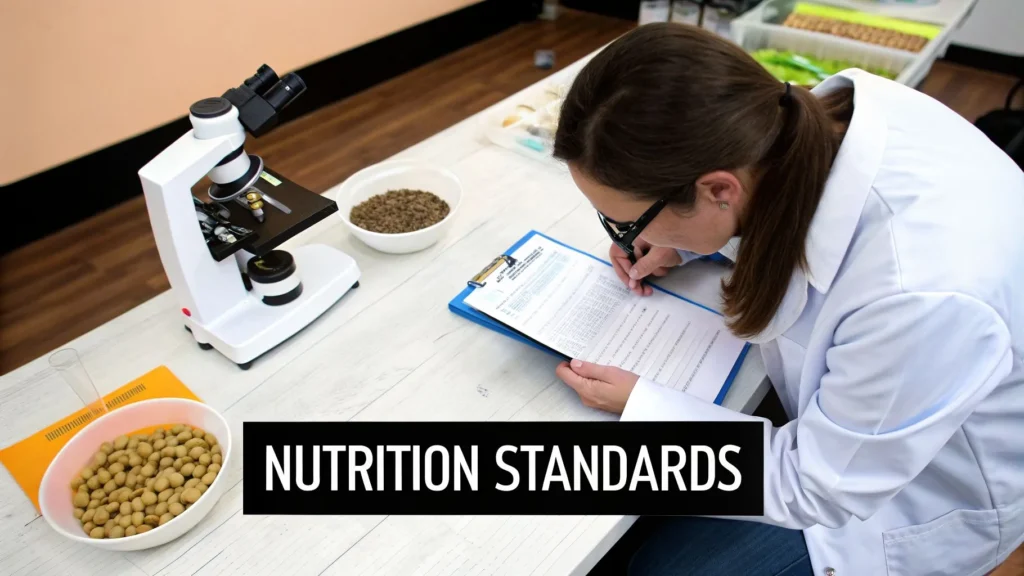
When your vet suggests a certain dog food, that recommendation isn’t based on a slick marketing campaign or a pretty picture on the bag. It’s a decision rooted in science, much like how a doctor evaluates a new medicine. They’re looking for hard proof that a diet is safe, balanced, and does what it promises.
This whole process starts with one fundamental checkpoint: Does the food meet established nutritional standards? This is where the Association of American Feed Control Officials (AAFCO) enters the picture.
Seeing an AAFCO statement on a dog food label is the absolute bare minimum. It tells you the food has been formulated to be “complete and balanced” for a dog’s specific life stage, whether they’re a growing puppy or a senior. Think of it as passing the first test—without it, the food shouldn’t be on your radar for long-term feeding.
Beyond the Basic Label
But here’s the thing: just meeting AAFCO guidelines isn’t enough to earn a vet’s enthusiastic recommendation. The real vetting process digs much deeper into what a company does behind the scenes. The brands that consistently get the nod from vets are the ones pouring resources into science and research.
Vets look for brands that go the extra mile with controlled feeding trials. In these studies, real dogs eat the food for months while their health is meticulously tracked. This gives solid, real-world proof that the food isn’t just good on paper—it’s digestible, dogs will actually eat it, and it genuinely supports their long-term health.
A vet’s trust isn’t won with marketing—it’s earned with science. They want to see companies with full-time, board-certified veterinary nutritionists on staff and a track record of peer-reviewed research proving their diets work.
This is why brands like Hill’s, Royal Canin, and Purina have built such a strong reputation in the veterinary world. They function more like research facilities than kitchen operations, and that commitment to scientific validation is what earns them a vet’s trust.
The Experts Behind the Formula
Another huge piece of the puzzle is who is actually creating the food. A marketing team can spin a great story about “ancestral diets” or “superfoods,” but only a qualified expert can formulate a diet that’s truly complete and balanced.
Vets want to see credentialed professionals behind the formula. These experts make sure every single ingredient has a purpose, from the specific amino acids in the protein sources to the precise blend of vitamins and minerals. While a single ingredient like cranberries might have benefits, as we discuss in our article about whether dogs can eat cranberries, a nutritionist’s job is to make sure the entire diet works together perfectly.
A reputable brand will be upfront about their team, often showcasing the credentials of their:
- Board-Certified Veterinary Nutritionists (ACVN): These are veterinarians who have dedicated years to specialized, post-graduate training in animal nutrition.
- Ph.D. Animal Nutritionists: These are scientists with doctorates focused purely on the nutritional science of animals.
Quality Control and Safety Protocols
Finally, it all comes down to safety and consistency. A vet’s recommendation is a matter of trust. A brilliant formula means nothing if the bag you buy is contaminated or doesn’t actually contain the nutrients listed on the label.
This is why top-tier brands typically own and operate their own manufacturing plants. It gives them total control over the entire supply chain, from sourcing raw ingredients to the final packaged product. They perform relentless testing on both ingredients and finished batches to ensure every bag is safe from toxins and meets the nutritional profile exactly. This level of quality control is non-negotiable for a food that a vet will confidently recommend for your dog.
A Deep Dive Into Hill’s Science and Prescription Diets
When you ask a group of vets what food they recommend, one name almost always comes up first: Hill’s Pet Nutrition. It’s not just another brand on the shelf; for many of us in the field, Hill’s is a foundational part of how we practice medicine.
That’s because they operate more like a medical research company than a typical pet food manufacturer. Their primary focus has never been on trendy ingredients or flashy marketing. Instead, Hill’s pours its resources into clinical studies to create and prove that their formulas achieve specific health outcomes. When a vet recommends a Hill’s diet, it’s a calculated medical decision, not a brand preference.
The Power of Prescription Diets
The clearest example of this science-first approach is the Hill’s Prescription Diet line. These aren’t foods you can just pick up at the grocery store. They are powerful therapeutic diets formulated to manage specific health conditions, and you need a vet’s authorization to buy them.
Think of these diets as highly specialized nutritional tools. A veterinarian can “prescribe” a specific formula to manage a complex health problem with the same precision they would use for medication. This is a huge reason why Hill’s is consistently a top vet-recommended choice.
A Hill’s Prescription Diet is essentially a targeted nutritional intervention. It’s formulated to address the unique metabolic and dietary needs associated with a specific medical diagnosis, making it an essential part of a comprehensive treatment plan.
This level of detail is absolutely crucial for managing chronic illnesses. A team of veterinarians and Ph.D. nutritionists crafts these foods to support organ function, minimize symptoms, and ultimately improve a dog’s quality of life. The clinical evidence behind each formula gives vets the confidence we need when dealing with serious health issues.
Case Study: The Success of Hill’s i/d
One of the most common formulas you’ll see in a vet clinic is Hill’s Prescription Diet i/d, which is made for digestive care. Dogs with sensitive stomachs, pancreatitis, or other GI problems often can’t absorb nutrients the way they should. The i/d formula is incredibly digestible and packed with specific ingredients that soothe the digestive tract and promote a healthy gut.
Vets turn to i/d time and time again because it just works. It delivers consistent, predictable results. In the massive veterinary diet market—projected to hit USD 43.25 billion by 2031—diets for digestive issues make up a huge 17.7% slice. Hill’s i/d is a dominant player in that category for a reason. Its success story shows just how much demand there is for science-backed solutions that vets can trust. You can read the full research on the veterinary diet market to see the data behind this trend.
Beyond Prescriptions: Science Diet for Wellness
While Prescription Diets are for sick pets, Hill’s brings that same scientific discipline to its over-the-counter line, Hill’s Science Diet. These are wellness foods, with different recipes designed for specific life stages, breed sizes, and activity levels.
Every Science Diet formula is built on the same core principles:
- Antioxidant Benefits: They all contain clinically proven antioxidant blends to help support a healthy immune system.
- High-Quality Ingredients: The focus is on easily digestible proteins and other ingredients that serve a clear purpose.
- Precise Nutrition: They deliberately avoid excessive amounts of nutrients like salt or fat that can cause problems over the long haul.
It’s this commitment to balanced, evidence-backed nutrition across their entire product range that cements the Hill’s reputation. Whether it’s a therapeutic diet for a dog with a health problem or a wellness food for a perfectly healthy one, the recommendation is rooted in decades of research and a profound understanding of how a dog’s body works.
Understanding Royal Canin’s Precision Nutrition
Where many brands take a broad, one-size-fits-all approach to wellness, Royal Canin has carved out its niche with a philosophy of precision nutrition. The idea is simple but powerful: the best diet for a dog isn’t just about general health, but about catering to its most specific, individual needs.
From Royal Canin’s perspective, a Pug and a Golden Retriever are practically different species when it comes to their dietary requirements. Every formula is meticulously engineered to address a dog’s breed, size, life stage, and even its specific health vulnerabilities. This is a big reason why vets have so much confidence in their products.
More Than Just a Meal—It’s Proactive Healthcare
Royal Canin gets remarkably granular with its formulas. They obsess over details most pet owners would never think of, effectively turning every meal into a form of proactive healthcare.
You can see this precision clearly in their breed-specific lines. For example:
- Jaw Structure and Kibble Design: A Pug has a flat face (a brachycephalic jaw), which makes picking up standard round kibble a frustrating experience. Royal Canin developed a custom, clover-shaped kibble that’s much easier for them to grab.
- Genetic Predispositions: Golden Retrievers are known to be prone to certain heart conditions. Their breed-specific food is fortified with nutrients like taurine to support long-term cardiac health.
- Coat Health: A Yorkshire Terrier’s unique, hair-like coat has very different needs from a Shepherd’s double coat. The Yorkie formula contains an exclusive nutrient complex designed to keep that specific coat type healthy.
By building a diet around a dog’s unique genetic blueprint, Royal Canin gives veterinarians a tool to shift from reactive treatment to proactive wellness. The food itself helps support a dog’s long-term health and can even help mitigate issues down the road.
This level of detail isn’t just a marketing gimmick. It’s the direct application of nutritional science to solve real, breed-specific challenges, and it’s a core reason they are among the best dog food brands recommended by vets.
The Power of an Integrated Health Ecosystem
Royal Canin’s influence also runs deep in the clinical world through its extensive line of veterinary therapeutic diets. Much like Hill’s Prescription Diets, these are formulas created to medically manage diagnosed health conditions. One of their most popular products is the Royal Canin Gastrointestinal formula, a staple for vets managing dogs with digestive issues.
What makes Royal Canin especially powerful here is its ownership. The brand is part of Mars Petcare, which also happens to own a massive global network of veterinary hospitals. This creates an incredibly effective and seamless ecosystem for pet health. A vet can diagnose a dog with a specific GI issue and immediately prescribe a targeted Royal Canin diet that’s available right there in the clinic.
This integration has cemented Royal Canin’s status as a dominant player in vet-recommended nutrition. They are a global leader in veterinary channels, partly because their parent company, Mars, can ensure its products are perfectly aligned with the services offered in its thousands of hospitals. Within the veterinary diet market, dogs account for a 53.2% share, with gastrointestinal products like Royal Canin’s driving a huge portion of those sales. You can explore detailed insights on the top pet food companies to see more on this dynamic.
This unique structure—combining breed-specific retail foods with a powerful, integrated veterinary diet system—gives veterinarians a complete toolkit. Whether a vet is looking to support the baseline health of a purebred puppy or manage a complex medical case, Royal Canin has a precise, research-backed solution ready to go.
Why Purina Is a Leader in Innovation and Accessibility
While some brands go all-in on prescription diets and others stick to over-the-counter wellness foods, Purina does both—and does them well. They manage to combine serious nutritional science with the kind of accessibility that makes them a household name, bridging the gap between everyday health and specialized medical nutrition.
This isn’t by accident. Nestlé Purina backs its brands with one of the biggest research and development budgets in the entire pet food industry. That kind of financial power lets them fund major breakthroughs that genuinely improve dogs’ lives, from pioneering probiotic supplements to developing diets that support cognitive health.
A Two-Pronged Approach to Canine Health
Purina’s real strength is its dual focus. By serving two very different markets, they have an answer for almost any dog that walks into a vet clinic, regardless of health or budget.
- Purina Pro Plan: This is their premium line you’ll find at pet stores and online. It’s a massive range with formulas dialed in for different life stages, activity levels, and even common sensitivities.
- Purina Pro Plan Veterinary Diets: This is their therapeutic line, and you can only get it with a vet’s approval. Think of these formulas as nutritional tools, specifically designed to help manage medical conditions.
This strategy gives veterinarians a reliable, science-backed option whether they’re recommending a food for a top-tier canine athlete or a prescription diet for a dog with kidney disease. Vets count on that consistency.
Breakthroughs Fueled by Research
Purina’s investment in science isn’t just for marketing fluff—it produces real-world solutions that vets use every single day. Their team includes over 500 scientists, veterinarians, and nutritionists who are constantly pushing the boundaries of what’s possible in canine health.
Purina excels at turning complex scientific findings into practical, effective, and widely available foods. Their work on probiotics, cognitive function, and allergy management has fundamentally changed how veterinarians approach these common problems.
A perfect example is Purina Pro Plan Veterinary Diets FortiFlora. This probiotic supplement has become a go-to in clinics everywhere. Vets recommend it constantly to help manage diarrhea, support a dog’s immune system, and just generally improve stool quality. It’s a clear case of research leading directly to a tool that helps pets feel better, fast.
Another major innovation is in cognitive health. The Purina Pro Plan Bright Mind formula came out of research showing that certain nutrients could help support brain function in older dogs. For owners seeing their senior pets slow down mentally, this food offers a way to nutritionally support their sharpness.
Market Leadership and Veterinary Trust
All this scientific credibility has turned Purina into a powerhouse. Their market success isn’t just from clever advertising; it’s built on formulas that have been proven to work. Nestlé Purina PetCare holds the largest share of the U.S. dry dog food market, with sales topping $2.7 billion.
That leadership carries over into the fiercely competitive veterinary diet space, where Purina Pro Plan Veterinary Diets is a global leader. They’ve built solid relationships with clinics through education and support, giving vets confidence in the products they recommend. The brand’s major role in the $28.87 billion global veterinary diet market shows just how much scientific authority they have. You can discover more insights about the pet food market on Statista.com to see the broader trends.
In the end, Purina’s power comes from making top-tier, research-backed nutrition available to millions. By offering a full spectrum of options, from everyday wellness to prescription-level care, Purina has earned its spot as one of the best dog food brands recommended by vets.
How to Safely Switch Your Dog to a New Food
So, you and your vet have picked out a great new food for your dog. Now comes the important part: making the switch. Just plopping a bowl of the new stuff down can be a real shock to your dog’s system, often leading to vomiting, diarrhea, and an unhappy pup.
The secret is to go slow.
Think about it this way: you wouldn’t jump off the couch and try to run a marathon tomorrow. You’d ease into it, letting your body get used to the new demand. Your dog’s digestive system is no different. A gradual transition gives all the good bacteria in their gut time to adapt, which is the key to avoiding tummy trouble.
Your Step-by-Step Transition Plan
The best approach is a slow introduction over at least one week. For dogs with more sensitive stomachs, you might even need 10-14 days. Don’t rush it—patience is your best friend here.
This simple guide shows the three core steps: talking to your vet, mixing the foods slowly, and keeping a close eye on your dog.
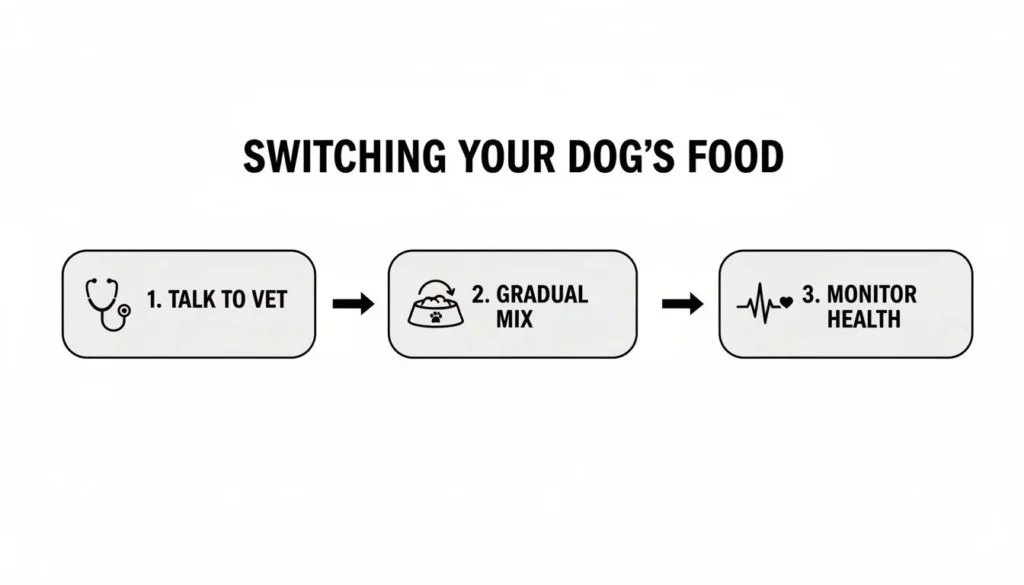
It’s more than just changing what’s in the bowl; it’s a process. Here’s a standard seven-day schedule you can follow. Feel free to adjust it based on your vet’s advice and how your dog is handling the change.
- Days 1-2: Mix 75% of the old food with 25% of the new food. Stir it all together so your dog can’t just pick out the familiar kibble.
- Days 3-4: Move to a 50/50 split of old and new food. Keep an eye on their stools and energy levels.
- Days 5-6: Now you’ll shift the ratio to 25% old food and 75% new food. By this point, their system should be getting pretty comfortable with the change.
- Day 7 and Beyond: You’re ready to serve 100% of the new food.
Monitoring Your Dog During the Switch
Pay close attention to your dog throughout the entire transition. You’re looking for signs that everything is going smoothly.
A successful food transition is defined by what doesn’t happen. The goal is to see no change in your dog’s digestive health, energy, or appetite. Consistency is the marker of success.
Watch their stool quality—it should stay firm and well-formed. Make sure their appetite is strong and they’re eating with their usual enthusiasm. Their energy levels should also remain consistent.
If you spot any persistent soft stool, vomiting, or a sudden loss of appetite, slow the transition down. Go back to the previous food ratio for another day or two before trying to move forward again. If the issues don’t clear up, it’s time for a quick call to your vet.
Your Questions About Vet Recommended Dog Food Answered
When your vet suggests a specific dog food, it’s completely normal for a few questions to pop into your head. It’s a big decision! Let’s clear up some of the most common points of confusion we hear from pet owners, from sticker shock to confusing ingredients.
Are These Vet Recommended Brands Really Worth the Higher Cost
That’s the million-dollar question, isn’t it? When you see the price tag on brands like Hill’s, Royal Canin, or Purina Pro Plan Veterinary Diets, it’s easy to hesitate. The best way to look at it is as an investment in your dog’s future.
Think of it less as just “food” and more like proactive healthcare in a bowl. These diets are precisely formulated tools designed to achieve specific health outcomes. Spending a bit more now on nutrition that’s backed by science can often mean spending less on vet bills down the road by helping manage chronic issues like allergies, joint discomfort, or digestive upset.
My Vet’s Choice Has Corn and By-Products Is That Bad
We hear this one a lot. Honestly, the fear around ingredients like corn and by-products is mostly driven by clever marketing, not actual nutritional science. When these ingredients are sourced and processed by reputable, high-quality manufacturers, they are fantastic sources of essential, highly digestible nutrients.
Veterinary nutritionists aren’t trying to avoid “boogeyman” ingredients. They focus on the complete nutritional profile of the finished product. The real goal is creating a diet that is balanced, safe, and does the job it’s meant to do for your dog’s health.
The science is clear: the nutrients in a food are what matter, not just the ingredient list. Reputable brands use ingredients like corn for its valuable carbohydrates and by-products for their rich organ meat content, all contributing to a complete and balanced formula.
Can I Only Buy These Foods at My Vet’s Clinic
This really depends on what kind of food your veterinarian is recommending. It helps to know the two main categories you’ll encounter:
- Over-the-Counter (OTC) Diets: Formulas like Hill’s Science Diet and the standard Purina Pro Plan lines are available just about everywhere. You can grab these at most pet stores and from online retailers without needing any special permission.
- Prescription (or Therapeutic) Diets: These are the heavy hitters, like Hill’s Prescription Diet or Royal Canin Veterinary Diets, formulated to manage specific medical problems. You need a veterinarian’s authorization to buy them, which ensures they are being used correctly for a properly diagnosed health issue.
The good news is, once you have that authorization, you can typically buy these therapeutic foods right from your vet’s office or through authorized online pet pharmacies for convenience. Speaking of what’s safe for your dog, you might find our guide on giving Benadryl to dogs for allergies helpful. Of course, always check with your vet first.
Discover more from Maxi Journal
Subscribe to get the latest posts sent to your email.