Winter arrives, your group chat starts splitting in predictable ways. One friend wants sun and sandals, another wants snow and silence, and someone else says they just want a city that feels alive after dark. That’s why choosing among the best places to visit in winter can get oddly difficult. You’re not only picking weather. You’re picking a mood, a pace, and the kind of stories you want to bring home.
The smartest winter trips solve a specific problem. Some travelers need a warm reset. Some want a high-energy ski week. Others want museums, markets, hot food, and a reason to walk a city until midnight. The strongest destinations do more than look good in photos. They make winter feel purposeful.
That’s also why broad “top winter destination” lists often fall short. They tell you where to go, but not how to use the place well once you arrive. A snowy mountain base works differently from an urban holiday capital. A northern lights destination demands patience and backup plans. A warm-weather city needs a different rhythm than a ski village.
This guide is built for actual trip planning. You’ll find a mix of snowy adventure, cultural immersion, and warm-leaning winter escapes, along with short 1 to 3 day itineraries and budget notes that help you match ambition to reality. A few places are famous for good reason. Others earn their place because they let you shape winter on your own terms.
1. Banff and Lake Louise, Canada
Banff and Lake Louise work best for travelers who want winter to feel cinematic. Frozen lakes, dramatic mountain walls, polished ski infrastructure, and grand historic hotels all sit close enough together that the trip feels efficient rather than sprawling. If your ideal winter holiday includes one hard-charging day outdoors and one slower day with a spa, fireplace, or long dinner, this is one of the best places to visit in winter.
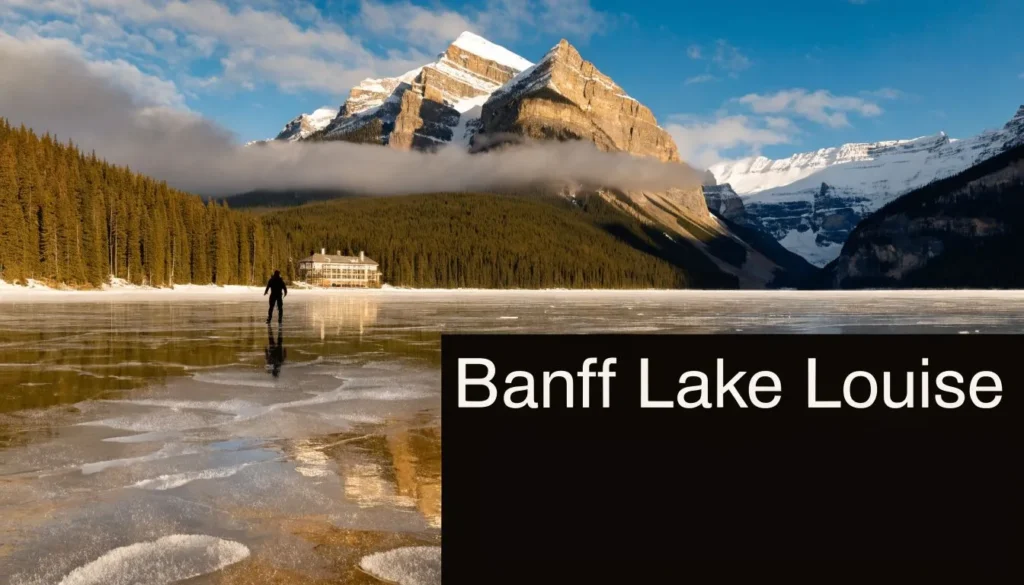
The region suits travelers who like structure. Skiers can focus on lift-served terrain, photographers can chase sunrise and blue-hour light, and non-skiers can build a trip around scenic walks, wellness, and mountain dining. Banff also has enough year-round town life that evenings don’t collapse into “nothing to do after 6 p.m.”
Travel style and 1 to 3 day plan
Travel style: Snowy adventure with a luxury edge
Day 1: Base yourself in Banff town, settle in, then walk Banff Avenue and visit a spa or thermal-style pool. Keep the first day light if you’ve flown in and the altitude is noticeable.
Day 2: Head to Lake Louise early. Use the morning for skating or walking on and around the frozen lake, then devote the afternoon to skiing or sightseeing around the lakefront.
Day 3: Pick one lane. Ski another full day, book a winter wildlife tour, or drive the Bow Valley with frequent stops for viewpoints and short walks.
Practical rule: Banff rewards early starts. Popular viewpoints and ski access feel calmer in the first part of the day, especially in peak holiday periods.
Budget notes
Banff can be expensive fast, especially if you treat every meal and activity as a splurge. The easiest cost controls are timing and trip design.
- Book shoulder winter dates: Early season or late season often gives you a better balance of atmosphere and price.
- Stay longer in one base: Moving between hotels in Banff and Lake Louise adds cost without adding much value for most travelers.
- Use a rental car strategically: It adds flexibility, especially for photographers and mixed-interest groups, but only pays off if you’ll explore beyond town.
Real-world fit matters here. Banff is ideal for couples, active families, and friend groups where at least some people want serious winter scenery without sacrificing comfort.
2. Iceland and the Reykjavik base
You wake in Reykjavik to a clear forecast, spend the morning in a harbor-side café, then make a same-day call on whether the afternoon is better used for a geothermal soak, a museum circuit, or a weather window on the South Coast. That flexibility is why Iceland works so well in winter. It delivers an Arctic-feeling trip without forcing travelers into a fully remote, logistics-heavy plan.
The Reykjavik base model is a significant advantage. Many winter destinations ask you to choose between city comfort and nature access. Iceland lets you keep both within reach. You can sleep in one hotel for several nights, use the capital for dining and recovery time, and build day trips around conditions rather than a rigid route. For travelers still defining what practical adventure travel looks like, Iceland is one of the clearest examples. The trip can feel dramatic without being operationally complicated.
Why it stands out in winter
Iceland is strongest for travelers who want contrast, not just snow. Reykjavik gives you culture, nightlife, and thermal bathing. Outside the city, winter brings ice caves, black-sand coastlines, geothermal areas, and a realistic chance of seeing the northern lights. Few destinations combine that many winter elements within day-trip range of a capital.
The planning logic is simple. Use Reykjavik as your anchor, then treat excursions as modular. If roads are favorable, take a full-day tour. If weather turns, stay local and shift the heavier excursion to the next day. That approach usually produces a better trip than changing hotels across the country in short winter daylight.
Aurora viewing matters here, but it should sit low on your decision tree. Pick Iceland because the trip still works if the sky never cooperates. Travelers who build the whole itinerary around one light-sensitive event often end up disappointed. Travelers who book Iceland for geothermal bathing, strong food, coastal drives, and winter atmosphere usually come home satisfied even without a perfect aurora night.
Travel style and 1 to 3 day plan
Travel style: Snowy adventure with cultural downtime
Day 1: Stay in Reykjavik and recover from the flight properly. Walk the center, choose one strong museum rather than three average stops, and finish with a public pool or spa. If the forecast is favorable, book an evening aurora tour only after you arrive.
Day 2: Take a Golden Circle day with a geothermal stop. This is the most efficient first excursion because it introduces Iceland’s core winter geography quickly and usually fits travelers with mixed energy levels.
Day 3: Choose based on conditions and interest. The South Coast is the best pick for travelers who want waterfalls, dark beaches, and a longer road day. A second Reykjavik day works better for couples, short-break travelers, or anyone who wants design shops, seafood, and another thermal experience without rushing.
Practical rule: In Iceland, a shorter itinerary with weather flexibility often outperforms an ambitious ring-road plan in winter.
Budget notes
Iceland is expensive, but the cost structure is predictable. Once you accept that accommodation, transport, and food will sit above many European city breaks, the main savings come from trip design rather than bargain hunting.
- Keep one Reykjavik base: This reduces hotel-switching costs and lowers the risk of paying for transport changes during bad weather.
- Prioritize paid experiences carefully: One high-quality geothermal stop and one major excursion usually deliver more value than stacking multiple mid-tier tours.
- Use tours selectively: A rental car can make sense for confident winter drivers, but guided day trips are often the better value for short stays because they remove parking, road-condition, and fatigue costs.
- Book restaurants with intent: Reykjavik has enough strong casual dining that you do not need every dinner to be a splurge.
Iceland fits couples, solo travelers, and small groups who want winter to feel raw but still manageable. That is its edge in this guide. It offers drama without requiring expedition-style planning.
3. Swiss Alps and the classic rail winter
Switzerland is the choice for travelers who want winter to run on schedule. Trains are part of the pleasure, villages feel composed rather than improvised, and even non-skiers can have a full trip. Zermatt and Interlaken serve different versions of the same promise. One is more iconic and alpine. The other is more connected and activity-oriented.
That range is why Switzerland remains one of the best places to visit in winter for travelers who want options without chaos. It can be a ski trip, a scenic rail trip, or a mountain wellness trip. It doesn’t have to be all three.
Who should pick Switzerland
If you care about ease, pick Switzerland. If you’re traveling with mixed abilities or mixed energy levels, pick Switzerland. If one person wants to ski while another wants panoramic trains, hot chocolate, and short walks through old villages, it’s hard to beat.
There’s also a strong overlap here with the broader idea of adventure travel explained in practical terms. Switzerland shows that adventure doesn’t have to mean rough logistics. It can mean high-alpine scenery paired with dependable infrastructure.
Travel style and 1 to 3 day plan
Travel style: Snowy adventure with maximum convenience
Day 1: Arrive in Zermatt or Interlaken and make the first day scenic, not ambitious. Ride a mountain railway, walk the village, and get used to the altitude and cold.
Day 2: Commit to one mountain experience. Ski, snowshoe, or take a major viewpoint excursion.
Day 3: Use the rail network for a linked day trip, or stay local and slow the pace with cafés, lakefront walking, and wellness.
Budget notes
Switzerland rewards disciplined spending.
- Use rail passes carefully: They often make sense if you’ll take multiple scenic journeys, not if you plan to stay put.
- Sleep outside the marquee names: Smaller villages often deliver the same views with lower room rates.
- Prioritize one big paid experience per day: In Switzerland, stacking mountain lifts, trains, and premium meals in one day drives costs up quickly.
4. Japan and the winter contrast trip
Japan offers one of the smartest winter combinations in travel. Tokyo gives you pace, shopping, and illuminated city nights. Kyoto gives you stillness, temple visits, and a colder, more reflective atmosphere. Add a ski region such as Niseko or another mountain base, and you have a trip with genuine contrast rather than repetition.
That’s why Japan works so well for travelers who get bored by single-mode holidays. You can eat brilliantly, move efficiently, and switch from city energy to snow-country quiet without losing travel days to messy transfers.
How to structure the trip
The strongest winter Japan plan isn’t “see as much as possible.” It’s “pair two cities with one mountain experience.” Tokyo and Kyoto already cover a lot. The ski extension should sharpen the trip, not overwhelm it.
If Tokyo is your entry point, spend enough time learning the city’s rhythm before racing onward. A good starting point is this guide to things to do in Tokyo, especially if you want to anchor the city portion around neighborhoods and experiences rather than pure sightseeing.
Travel style and 1 to 3 day plan
Travel style: Cultural immersion with optional ski add-on
Day 1: Tokyo. Spend the day on winter illuminations, department stores, and ramen counters. At night, lean into neighborhoods that stay lively after dark.
Day 2: Kyoto. Start at a major temple early, then slow down in traditional streets, tea houses, and gardens.
Day 3: Transfer to a ski region or stay urban. If you choose snow, make it a full commit. If not, use the day for museums, food, and an onsen stay in a ryokan.
The most successful Japan winter trips aren’t rushed. Japan rewards repeat visits to the same neighborhood more than frantic cross-country collecting.
Budget notes
Japan can flex in both directions.
- Use rail planning before buying passes: Passes can be useful, but only if your route justifies them.
- Mix hotel styles: Pair business hotels in cities with one ryokan splurge.
- Book ski stays early: Famous powder destinations get crowded long before peak dates arrive.
5. Tromso and the Norwegian Arctic
Tromso is one of the clearest cases where winter itself is the attraction. You’re not working around cold. You’re traveling because of it. The city gives you enough restaurants, museums, and easy logistics to stay grounded, while the surrounding scenery create the deep-Arctic feel most travelers mean when they say they want a northern trip.
This destination works best for patient travelers. Aurora trips involve weather, darkness, and uncertainty. The people who enjoy Tromso most are usually the ones who accept that unpredictability and book enough time for second chances.
Take a look at the atmosphere before you go:
Travel style and 1 to 3 day plan
Travel style: Snowy adventure and aurora hunting
Day 1: Explore Tromso itself. Visit a museum, walk the waterfront, and keep the evening free for a guided northern lights trip.
Day 2: Add a cultural or outdoor activity such as dog sledding or a reindeer-focused excursion, then reserve the night for another aurora attempt.
Day 3: Use a fjord or coastal scenery day to break up the darkness, or keep the day light so you’re rested for another late night out.
A practical packing strategy matters more here than in almost any other destination on this list. A useful pre-trip refresher is this guide on what to pack for long trips, especially if you’re trying to avoid overpacking while still handling Arctic conditions properly.
Budget notes
Tromso is not a bargain destination, so spend with intent.
- Prioritize nights over activity overload: More nights increase your odds of seeing the aurora and usually add more value than cramming in every excursion.
- Book guided outdoor activities selectively: Pick one or two meaningful ones rather than four similar cold-weather tours.
- Choose accommodation by function: A central hotel can reduce transfer stress and make late-night returns much easier.
6. Patagonia and the Southern Hemisphere winter logic
Patagonia isn’t a conventional northern winter answer, and that’s why it earns a place here. For travelers in the Southern Hemisphere, or for those planning around different seasonal calendars, Patagonia offers a colder, rugged, mountain-driven trip with a different feel from Europe or North America. It’s less polished than the Alps and less urban than Banff. That’s a strength.
Bariloche in Argentina gives you a more structured mountain base with skiing and lakeside scenery. Chilean fjord and national park regions pull the trip toward expedition-style travel, where weather and distance shape everything.
Why Patagonia attracts a certain traveler
Patagonia suits people who don’t need every day to be easy. Transfers can be longer. Conditions can shift. But the reward is scenery that feels dramatically oversized, even by mountain standards.
This is also one of the better winter choices for repeat travelers who’ve already done classic Europe or North American ski trips and want a colder destination that feels less standardized.
Travel style and 1 to 3 day plan
Travel style: Snowy adventure for independent travelers
Day 1: Settle into Bariloche or your chosen gateway town. Use the day to orient yourself, rent gear if needed, and keep the evening simple.
Day 2: Ski, snow trek, or take a mountain viewpoint route. Patagonia is often best experienced through one long outdoor block rather than several fragmented outings.
Day 3: Shift to lakes, scenic drives, or a boat-based excursion if available in your area.
Budget notes
Patagonia can be better value than elite ski destinations, but costs rise with distance and logistics.
- Use one regional hub well: Every extra transfer adds friction and expense.
- Rent a car only if you’ll use it fully: In remote areas, flexibility is worth a lot, but idle rental days are wasteful.
- Leave weather space: Tight itineraries increase the chance that one disruption derails the whole trip.
7. Vienna and the Tyrol pairing
Austria is one of the best winter choices for travelers who don’t want to choose between city culture and alpine activity. Vienna gives you museums, concert halls, imperial architecture, and seasonal market atmosphere. Tyrol gives you ski villages and a classic mountain rhythm. Together, they create a two-part trip that feels richer than either component alone.
Vienna works especially well in early winter because the city leans into the season rather than resisting it. Cold weather improves the experience. You want the warm cafés, pastry stops, and evening concert culture.
A better way to do Austria
The mistake many travelers make is packing too much geography into a short trip. Austria works best as a clean split. Give Vienna enough time to be Vienna. Then move west for a ski or mountain stay without trying to turn the journey into a countrywide sprint.
Travel style and 1 to 3 day plan
Travel style: Cultural immersion with alpine add-on
Day 1: Vienna. Spend the morning in a major museum, the afternoon in a palace district, and the evening at a concert or opera.
Day 2: Keep Vienna focused on food and atmosphere. Markets, cafés, and neighborhoods matter as much as monuments in winter.
Day 3: Transfer to Tyrol for a mountain village stay, or begin a ski extension if your trip is longer.
A split trip only works when each half has a clear identity. In Austria, that means letting Vienna be urban and Tyrol be alpine.
Budget notes
Austria can be more forgiving than Switzerland if you plan carefully.
- Book city culture in advance: Concerts and seasonal events often matter more than last-minute spontaneity.
- Use Vienna for walkable days: It’s a city where you can reduce transit costs by clustering your sightseeing.
- Stay in smaller Tyrolean villages: They often feel more personal and can be easier on the budget than headline resort names.
8. New Zealand South Island and the counter-season escape
For travelers based in the north, New Zealand’s South Island flips the usual winter script. You leave gray skies behind and enter a season that still supports mountain scenery, adventure sports, and cold-weather energy, but on a Southern Hemisphere timetable. The result doesn’t feel like a beach escape alone. It feels like a whole alternative season.
Queenstown and the surrounding ski fields are the natural anchor. But the strongest South Island trip doesn’t stay trapped in ski mode. You add lake towns, scenic drives, wineries, or fjord country depending on your pace.
Why South Island works
This destination is for people who don’t mind long-haul travel if the payoff is a broad environmental experience. Snow, adventure activity, dramatic roads, and compact towns all come together well here. It also suits travelers who like active days but want evenings that still feel social.
Travel style and 1 to 3 day plan
Travel style: Adventure-led winter escape
Day 1: Base in Queenstown. Use the first day for lakefront walking, food, and a low-pressure scenic activity.
Day 2: Ski or snowboard at one of the nearby resorts, or choose a non-ski mountain activity if your group is mixed.
Day 3: Take a scenic road day toward fjord country or pivot toward wine and slower sightseeing in Central Otago.
Budget notes
South Island trips often get expensive because travelers underestimate transport and activity costs.
- Plan around a region, not the entire island: Trying to cover too much reduces enjoyment and raises costs.
- Use a rental car for flexibility: It’s often worth it if you want to combine ski days with scenic exploration.
- Balance premium adventure activities with free scenery: Some of the best parts of South Island are the drives, viewpoints, and walks.
9. Finland and Lapland for a softer Arctic trip
Finnish Lapland offers an Arctic experience with a gentler emotional tone than some other far-north destinations. Yes, there’s snow, darkness, and the chance of aurora. But there’s also sauna culture, family-friendly planning, and a kind of winter design logic that makes the trip feel welcoming rather than severe.
That’s why Lapland appeals to more than thrill-seekers. It works for families, couples, and travelers who want a “winter wonderland” atmosphere without centering the trip on skiing alone.
The practical advantage
Lapland has another strength that many winter guides miss. It can be shaped into a lower-impact trip. Travelers with mobility concerns or those who prefer climate-controlled experiences often do better in destinations that combine accessible indoor comforts with selective outdoor exposure. The broader gap in winter travel coverage around accessibility and wellness has been noted in commentary on winter destination planning, especially for travelers who need more than strenuous outdoor options.
Travel style and 1 to 3 day plan
Travel style: Snowy wonderland with family and wellness appeal
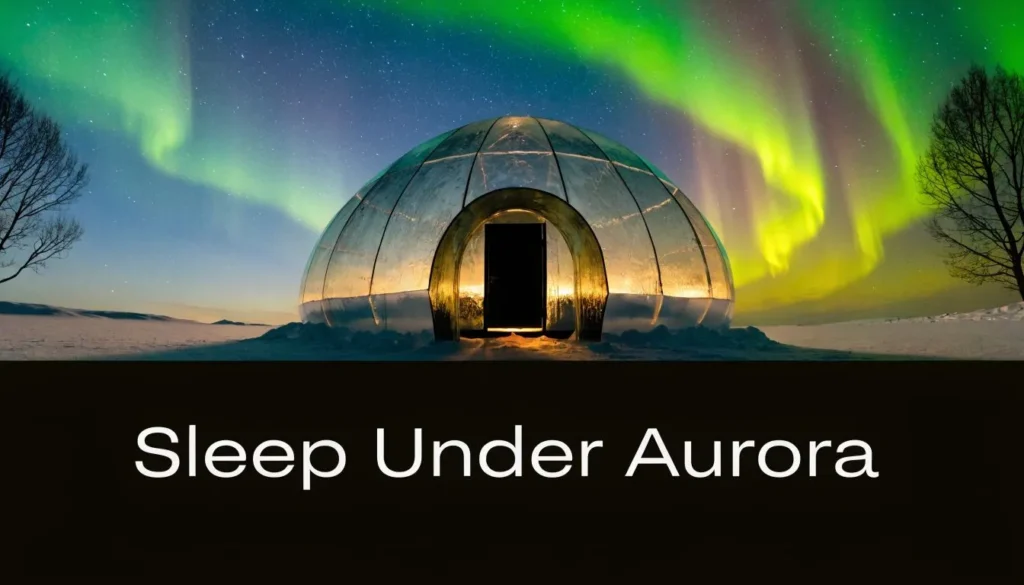
Day 1: Arrive, settle into your lodge or glass-roof stay, and keep the evening open for aurora watching from your accommodation if possible.
Day 2: Add one signature activity such as reindeer-focused cultural experiences or a sled ride, then recover with sauna time.
Day 3: Keep the final day flexible. Visit a village attraction, spend time outdoors at a slow pace, or build the day around rest and the next evening’s sky conditions.
Budget notes
Lapland often looks simpler than it is on paper. Specialty accommodation and packaged experiences can drive costs up.
- Be selective with premium lodging: One night in a glass igloo-style room often delivers the experience without inflating the whole trip.
- Choose one signature excursion: You don’t need every arctic activity to feel immersed.
- Travel with the right gear from home: Cold-weather rentals and emergency purchases add up quickly.
10. Trentino-Alto Adige and the Italian Dolomites
The Dolomites are for travelers who like their winter holidays with style, structure, and very good food. Skiing matters here, but so do village aesthetics, regional cuisine, and the fact that lunch can be as memorable as the slopes. Trentino-Alto Adige gives you a winter culture that feels both alpine and distinctly Italian.
This region stands apart from many ski destinations because non-ski pleasure is built into the trip. Even if the weather turns, you still have mountain towns, local dishes, wellness stops, and cable-car-linked viewpoints.
Why the Dolomites feel different
The atmosphere is less rugged than Patagonia and less hyper-branded than some luxury resort circuits. It’s elegant without becoming sterile. Travelers who care about the total shape of a day, not just the ski hours, often prefer it for that reason.
Travel style and 1 to 3 day plan
Travel style: Snowy adventure with culinary depth
Day 1: Arrive in a village such as Ortisei or Val Gardena and use the first day for a village walk, mountain views, and a relaxed dinner.
Day 2: Ski or take cable cars for panoramic movement through the region. Build in a proper lunch stop rather than treating meals as fuel.
Day 3: Visit another village, book a spa session, or try a less intensive snow activity if your legs need a break.
Budget notes
The Dolomites can be more flexible than people expect.
- Stay outside the most famous names: Secondary villages can still give you excellent access and atmosphere.
- Use regional passes wisely: They’re valuable if you’ll move broadly through linked ski areas.
- Lean into local inns and mountain restaurants: The region’s food culture is part of the value, not just an add-on cost.
Top 10 Winter Destinations Comparison
| Destination | Planning complexity | Resource requirements | Expected outcomes | Ideal use cases | Key advantages |
|---|---|---|---|---|---|
| Banff & Lake Louise (Canada) | Moderate, advance booking & travel docs | High, flights, car, ski passes, winter gear | Reliable snow, luxury resorts, diverse winter activities | Skiers, photographers, wellness seekers | Excellent snowfall, strong infrastructure, varied activities |
| Iceland: Reykjavik & Golden Circle | Moderate, weather-dependent itineraries | Very high, costly tours, 4WD recommended | Geothermal spas, dramatic landscapes, possible Aurora | Natural phenomena seekers, photographers, culture tourists | Unique natural features, compact routes, creative scene |
| Swiss Alps: Zermatt & Interlaken | Moderate–high, logistics and altitude planning | Very high, premium lodging, lifts, transport | World-class skiing, iconic peaks, efficient transport | Luxury travelers, serious skiers, photography | Superior ski infrastructure, reliable snow, excellent trains |
| Japan: Tokyo, Kyoto & Ski Regions | Moderate, learn rail routes & passes | Moderate, good value but possible long flights | Cultural immersion, onsen, powder skiing | Culture + skiing travelers, foodies, photographers | Diverse experiences, strong transport, cultural uniqueness |
| Norwegian Arctic: Tromsø | High, remote, weather and daylight constraints | High, specialized gear, guided tours, flights | High Aurora probability, Arctic activities, Sámi culture | Aurora hunters, adventure seekers, cultural travelers | Best Northern Lights odds, authentic Arctic experiences |
| Patagonia (Argentina & Chile) | High, long travel, remote logistics | Moderate–high, flights, guides, multi-week trips | Untouched wilderness, glacier trekking, solitude | Intrepid adventurers, mountaineers, landscape photographers | Dramatic landscapes, uncrowded experiences, good value |
| Austria: Vienna & Tyrol | Low–moderate, easy city + ski combos | Moderate, more affordable than Switzerland | Cultural festivals, accessible skiing, concert experiences | Families, culture and music enthusiasts, casual skiers | Strong culture + skiing mix, good transport, affordability |
| New Zealand: South Island | High, long-haul planning, multi-day itineraries | High, long flights, car hire, seasonal constraints | Southern Hemisphere winter adventures, diverse landscapes | Adventure seekers, film-location fans, English speakers | Varied terrain, strong adventure culture, English-friendly |
| Finland: Lapland | High, Arctic planning, polar logistics | High, cold-weather gear, premium accommodations | Northern Lights, reindeer/husky experiences, sauna culture | Families, Aurora chasers, wellness-seekers | High Aurora probability, family-oriented Arctic activities |
| Trentino-Alto Adige (Dolomites) | Moderate, coordinating multi-resort passes | Moderate, good value vs Alps, regional travel | Extensive interconnected skiing, Italian alpine culture | Skiers valuing cuisine and scenery, cultural travelers | Dolomiti Superski scale, Italian gastronomy, scenic villages |
Your Winter Adventure Awaits Final Planning Notes
You are choosing between two very different winter trips. One runs on cold air, short days, and snow conditions. The other uses winter as a convenient departure month, with warmth or long-distance contrast as its main attraction. That distinction matters more than any ranking.
The strongest way to use this guide is to match destination to travel style, then pressure-test the trip against time, budget, and weather tolerance. Banff, Tromso, Lapland, and the Dolomites reward travelers who want winter itself to shape the experience. Japan and Austria suit travelers who want a split trip, with culture, food, and urban time balancing snow. Iceland sits in the middle. It gives you high-impact nature with a comfortable Reykjavik base. Switzerland is the efficiency option for travelers who value rail reliability and polished logistics. Patagonia and New Zealand make sense for travelers who are less interested in traditional Northern Hemisphere winter and more interested in seasonal contrast.
That framework also explains a pattern in current travel demand. Tripadvisor’s Winter Travel Index coverage reported by Time Out New York shows that winter demand still includes travelers actively choosing atmosphere, seasonal events, and city energy, not just warm weather. TravelPulse’s write-up of the Allianz Travel Insurance study points in the same direction while also showing how strong the warm-weather segment remains. In practice, winter demand splits into two camps. Seasonal immersion and seasonal escape.
Accessibility matters, too. Travelers often talk about winter travel as if remoteness automatically improves the trip. It often does not. The National Parks Conservation Association’s winter visitation article highlights a simpler truth. Easy access, manageable conditions, and flexible activities often beat raw isolation. That is why this guide has focused on mini itineraries, travel-style categories, and budget notes rather than treating every destination as a one-size-fits-all dream trip.
Leave margin in the plan.
A good winter itinerary usually has one anchor activity per day, a backup option for weather, and enough flexibility to use a sudden clear night, a powder morning, or a train delay without losing the whole trip. That matters whether you are building a 2-day Vienna and Tyrol pairing, a 3-day Reykjavik base trip, or a longer Patagonia route where logistics carry more risk and cost.
The right winter destination is not the one with the most dramatic photos. It is the one that fits how you travel, what kind of days you enjoy, and how much friction you are willing to handle. Use the comparison table, use the mini itineraries, and choose with more discipline than impulse. Winter rewards that approach.
If you like practical travel analysis that goes beyond generic lists, maxijournal.com publishes approachable writing across tourism, health, science, culture, and more. It’s also a good place to explore fresh commentary and discover new voices if you enjoy smart, readable travel planning.
Discover more from Maxi Journal
Subscribe to get the latest posts sent to your email.