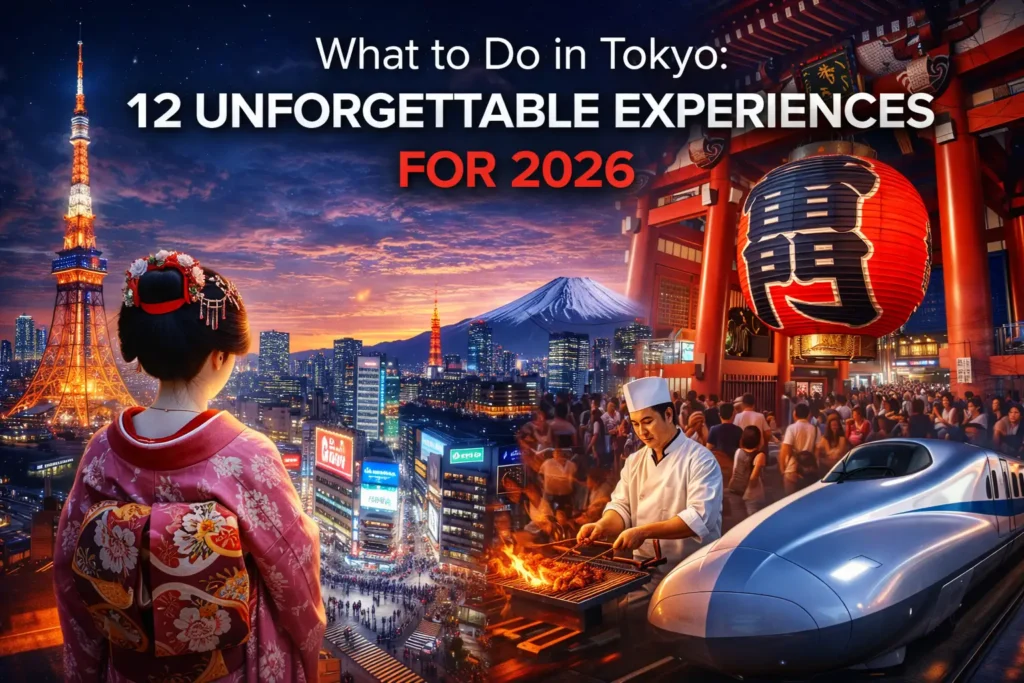
Welcome to Tokyo, a city where ancient tradition and futuristic innovation collide on every corner. From the serene grounds of a 1,400-year-old temple to the dazzling neon glow of the world’s busiest intersection, planning a trip here can feel both exhilarating and overwhelming. This guide is designed to cut through the noise and provide a clear, actionable roadmap to experiencing the city’s incredible diversity.
We’ve curated a definitive list of the absolute best things to do in Tokyo, packed with insider knowledge and practical advice to help you craft the perfect itinerary. This is not just another generic checklist; it’s a comprehensive resource built for modern travelers. Forget vague suggestions. Instead, you’ll find specific details on navigating bustling districts, savoring authentic culinary experiences, and immersing yourself in unique cultural activities.
Inside, we break down everything you need to know. Discover the tranquil beauty of Meiji Shrine, feel the electric energy of Shibuya Crossing, and taste the freshest seafood at Tsukiji Outer Market. We’ll guide you through the otaku paradise of Akihabara and the high-fashion streets of Ginza. Beyond the landmarks, this article offers sample itineraries, transit tips, and recommendations tailored for different travel styles, from solo adventurers to families.
Whether you’re a first-time visitor trying to see the highlights or a seasoned traveler looking for a fresh perspective, our goal is to help you explore the must-see attractions and hidden gems that make this metropolis one of the most exciting destinations on Earth. Let’s dive into your unforgettable Tokyo adventure.
1. Senso-ji Temple (Asakusa)
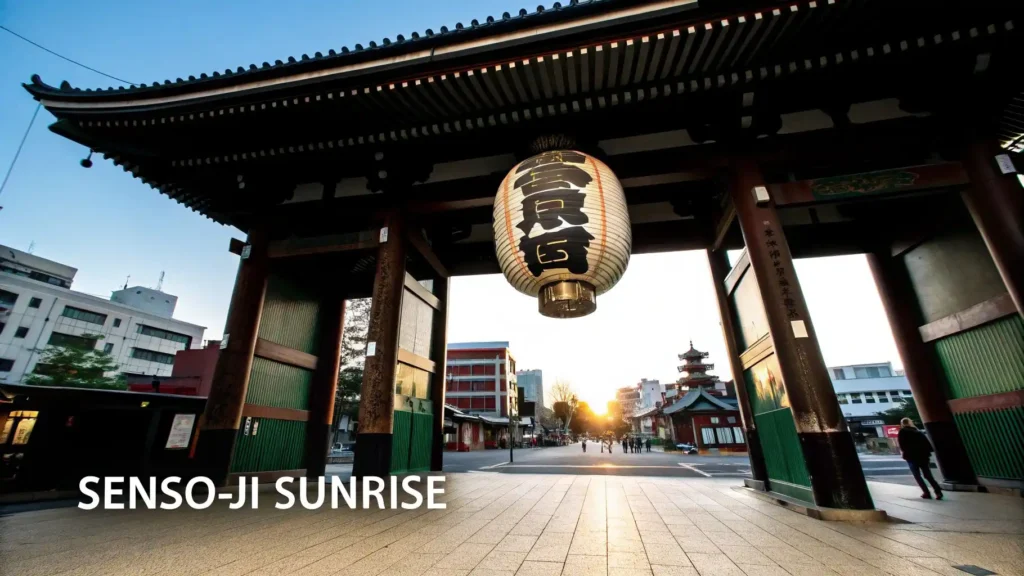
As Tokyo’s oldest temple, Senso-ji offers a vibrant portal into the city’s spiritual and historical heart. Founded in 628 AD, this Buddhist temple is not just a relic; it’s a living center of worship and culture in the traditional Asakusa district. Its iconic Kaminarimon (Thunder Gate) with a massive red lantern and the bustling Nakamise-dori shopping street leading to the main hall make it one of the best things to do in Tokyo for a truly immersive experience.
Why It’s a Must-See
Senso-ji provides a stark, beautiful contrast to Tokyo’s modern skyline. It’s a place where you can witness ancient rituals firsthand, from visitors wafting incense smoke over themselves for good health at the large jokoro (incense burner) to praying at the main hall. The grounds also feature a five-story pagoda and smaller shrines, offering a comprehensive glimpse into Japanese temple architecture and religious practices. For peace of mind on your cultural excursions, you might want to look into the best travel insurance for international trips before you depart.
Actionable Tips for Your Visit
- Visit Early or Late: To experience the temple’s serene atmosphere, arrive between 6:00 and 8:00 AM. The main hall opens at 6:00 AM, and the grounds are always open, offering beautiful, crowd-free photo opportunities. The evening, when the structures are illuminated, is also magical.
- Explore Beyond Nakamise-dori: While the main shopping street is famous for its snacks and souvenirs, explore the smaller side streets like Denboin-dori for more traditional crafts and a quieter atmosphere.
- Engage in a Ritual: Participate by purchasing an omikuji (paper fortune). If you receive a bad fortune, it’s customary to tie it to a designated rack on the temple grounds to leave the bad luck behind.
2. Shibuya Crossing & Hachiko Square
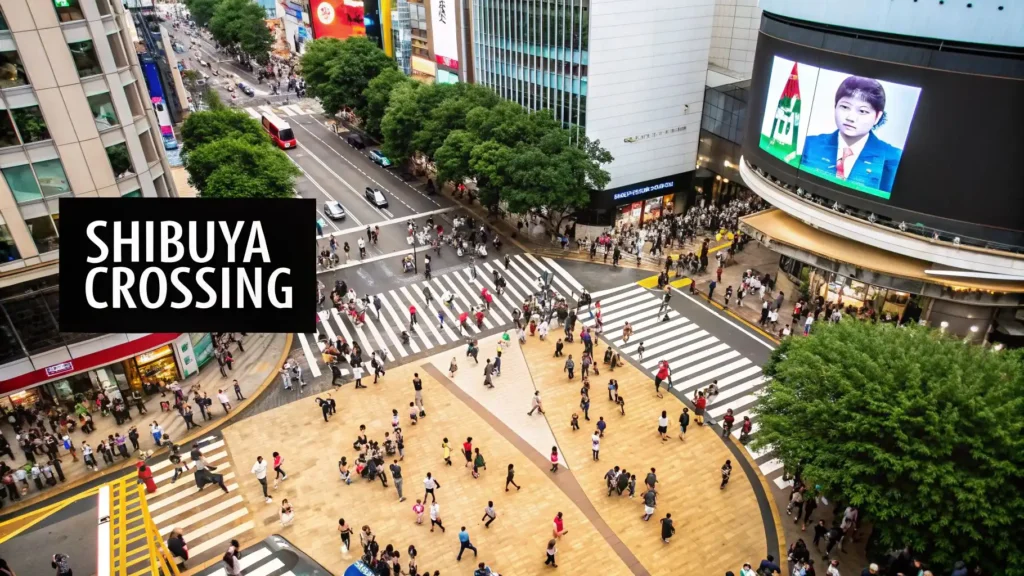
Often called the world’s busiest intersection, Shibuya Crossing is the pulsating heart of modern Tokyo. This iconic “scramble” allows up to 3,000 pedestrians to cross from all directions at once, creating an organized yet chaotic spectacle that perfectly encapsulates the city’s energy. Adjacent to it, the Hachiko statue pays tribute to Japan’s most loyal dog, serving as a famous meeting spot and a must-see for anyone exploring the vibrant Shibuya district.
Why It’s a Must-See
Shibuya Crossing is more than just an intersection; it’s a cultural phenomenon and a key part of the Tokyo experience. Immortalized in films like Lost in Translation and The Fast and the Furious: Tokyo Drift, its massive digital billboards and the sheer volume of people create an electrifying atmosphere. It represents the pinnacle of Tokyo’s youth culture, fashion, and entertainment scenes, making it one of the best things to do in Tokyo to feel the city’s modern pulse.
Actionable Tips for Your Visit
- Find the Best Vantage Point: For the classic overhead view, head to the Starbucks on the second floor of the Tsutaya building. The walkway between the Shibuya Mark City complex and Shibuya Station also offers an excellent, less crowded perspective.
- Time Your Visit Strategically: Experience the crossing at night when the neon signs are brightest for a cyberpunk feel. For a less chaotic experience focused on photos, visit on a weekday morning around 10:00 AM.
- Participate and Explore: Don’t just watch from above; join the scramble yourself. Afterwards, find the Hachiko statue outside Shibuya Station’s Hachiko Exit and explore the surrounding area’s endless maze of shops, restaurants, and entertainment venues.
3. Tsukiji Outer Market (Toyosu Market)
While the famous inner wholesale market moved to Toyosu in 2018, the Tsukiji Outer Market remains a vibrant, must-visit culinary destination. This bustling labyrinth of narrow streets is packed with food stalls, small restaurants, and vendors selling everything from fresh seafood and produce to professional-grade kitchen knives. It offers an unparalleled taste of Tokyo’s street food culture and is one of the best things to do in Tokyo for any food lover.
Why It’s a Must-See
Tsukiji Outer Market is the pulsing heart of Tokyo’s food scene, offering a sensory overload of sights, sounds, and smells. Here, you can sample an incredible array of Japanese delicacies, from grilled scallops and tamagoyaki (sweet rolled omelet) on a stick to the freshest sushi and sashimi imaginable. It’s a chance to interact with local vendors, learn about Japanese ingredients, and experience the energy of a traditional market that has been feeding the city for generations.
Actionable Tips for Your Visit
- Arrive Early, But Not Too Early: The outer market is busiest between 9:00 AM and 1:00 PM. Arriving around 9:00 AM allows you to see the market in full swing without the pre-dawn pressure of the old wholesale auction.
- Bring Cash: While some larger shops accept cards, many smaller food stalls and vendors operate on a cash-only basis. Having yen on hand is essential for enjoying all the snacks.
- Eat While Standing: Many stalls don’t have seating. It’s common practice to eat your purchased food in designated standing areas near the stall. Be mindful not to walk and eat, as this is generally considered impolite.
- Book a Tour or Class: For a deeper dive, consider a guided food tour or a sushi-making class. These experiences often provide valuable context and access to vendor relationships you wouldn’t get on your own.
4. Meiji Shrine (Yoyogi Park)
Meiji Shrine, built in 1920, honors Emperor Meiji and Empress Shoken within a 170-acre cedar forest in Yoyogi Park. Though nestled in busy Shibuya, the towering torii gates and lush pathways offer an immediate sense of calm. Over 3 million visitors arrive yearly for purification rituals, cultural ceremonies, and the site’s appearance in Japanese films and mindfulness travel guides.
Why It’s a Must-See
This shrine embodies the balance of urban life and ancestral tradition through its nail-free cypress architecture and meticulous landscaping. The main hall’s cedar-beam construction reflects a deep Shinto reverence for natural materials. During Hatsumode (New Year’s festival), you can witness colorful processions, kagami biraki ceremonies, and traditional music performances that showcase Japan’s living cultural heritage.
Actionable Tips for Your Visit
- Visit Early on Weekday Mornings (8–10 AM): Enjoy the tranquil approach without crowds.
- Walk the 15-Minute Forest Path: Observe seasonal flora and towering cedar trees up close.
- Participate in the Purification Ritual: Rinse your hands and mouth at the temizuya fountain before praying.
- Write an Ema (Prayer Plaque): Purchase an ema to leave a personal wish.
- Practice Japanese Phrases: Use basic Shinto greetings or learn how to learn a new language before your trip to deepen engagement.
- Explore Yoyogi Park Afterwards: Wander open lawns, weekend food stalls, or cherry blossoms in spring.
- Combine with Harajuku: Step from the shrine into vibrant Takeshita Street for edgy fashion and street snacks.
5. Akihabara Electric & Gaming District
Known as Tokyo’s electric town, Akihabara is the vibrant epicenter of Japan’s otaku (geek) culture, packed with stores dedicated to anime, manga, video games, and cutting-edge electronics. This neon-drenched district is a sensory overload in the best way possible, with towering billboards, bustling arcades, and themed cafes on every corner. For anyone interested in Japanese pop culture or the latest tech gadgets, exploring Akihabara is one of the most uniquely captivating things to do in Tokyo.
Why It’s a Must-See
Akihabara offers a fascinating look into the subcultures that have shaped modern Japan. It’s a place where you can find rare retro video games, the latest manga releases, and floors upon floors of collectible figures all in one place. The district is more than just a shopping hub; it’s a cultural phenomenon, home to iconic arcades like Taito Station and unique experiences such as maid cafes, making it a playground for enthusiasts and the curious alike.
Actionable Tips for Your Visit
- Go Beyond the Main Street: While Chuo Dori is the main artery, the real treasures are often found in the smaller side streets and multi-story buildings. Look for specialty shops dedicated to specific interests, from vintage camera gear to idol merchandise.
- Experience the Arcades: Don’t just look; participate. Head to a multi-level arcade and try your hand at a rhythm game or a classic fighting game. These are not just for tourists but are a lively part of local social life.
- Plan for Time and Power: The sheer volume of things to see can be overwhelming. Budget at least three to four hours for exploration and bring a portable battery for your phone, as you’ll be using it for photos and navigation.
6. Harajuku (Takeshita Street & Omotesando)
The epicenter of Tokyo’s youth culture and street fashion, Harajuku is a vibrant neighborhood that encapsulates the city’s creative and trend-setting energy. It offers a fascinating dual experience: the narrow, hyper-trendy Takeshita Street, packed with kawaii (cute) culture and fast-fashion boutiques, contrasts sharply with the elegant, tree-lined avenue of Omotesando, known as Tokyo’s “Champs-Élysées” for its high-end designer stores and sophisticated architecture. Exploring this area is one of the best things to do in Tokyo for a direct look into contemporary Japanese style.
Why It’s a Must-See
Harajuku is a living runway where you can witness diverse subcultures and avant-garde fashion in real-time. From decora and lolita styles to the latest minimalist trends, the area is a visual feast and a hotspot for street style photographers. Beyond the fashion, it’s home to unique themed cafes, independent art galleries, and stores like Kiddy Land, offering a comprehensive dive into modern Japanese pop culture that is both fun and endlessly fascinating.
Actionable Tips for Your Visit
- Time Your Visit: Head to Takeshita Street on a weekday morning (around 10:00 AM) to browse before the major crowds arrive. For prime people-watching, a weekend afternoon is chaotic but offers the best glimpse of Harajuku’s eclectic fashion scene.
- Explore the Side Streets: Venture into the “Ura-Harajuku” (back streets) between Takeshita Street and Omotesando. Here you’ll find vintage shops, smaller independent designer boutiques, and cool, less-crowded cafes.
- Indulge in Harajuku Snacks: You can’t leave without trying a famous Harajuku crepe, overloaded with whipped cream and fruit. Also, look for rainbow-colored cotton candy and unique soft-serve ice cream flavors for the full experience.
7. Tokyo Skytree & Tokyo Tower
Representing both modern ambition and enduring history, Tokyo’s two iconic observation towers offer breathtaking panoramic views of the world’s largest metropolis. The Tokyo Skytree, a sleek 634-meter marvel completed in 2012, is Japan’s tallest structure. In contrast, the Eiffel Tower-inspired Tokyo Tower, with its classic red and white lattice frame, has been a beloved symbol of the city’s post-war rebirth since 1958. Visiting at least one is among the best things to do in Tokyo for a true sense of the city’s immense scale.
Why It’s a Must-See
These towers provide unparalleled perspectives on Tokyo’s urban geography. From their observation decks, you can trace the Sumida River, locate landmarks like the Imperial Palace, and, on a clear day, even glimpse the distant silhouette of Mount Fuji. The Skytree offers a modern, high-tech experience with its glass floors and 360-degree digital displays, while the Tokyo Tower provides a nostalgic, central view steeped in history. Choosing between them often comes down to a preference for contemporary design or historic charm.
Actionable Tips for Your Visit
- Book Online and Time Your Visit: Purchase tickets in advance on the official websites for both Tokyo Skytree and Tokyo Tower to secure a spot and sometimes a discount. To see the city transform from day to night, aim to arrive 30-45 minutes before sunset.
- Check the Weather Forecast: Visibility is key. Check the forecast before you book, as a clear day dramatically enhances the experience and your chances of seeing Mount Fuji.
- Avoid the Crowds: Weekday mornings are generally the least crowded times. If your schedule allows, a morning visit offers a more relaxed viewing experience.
8. TeamLab Borderless & Planets Digital Art Museum
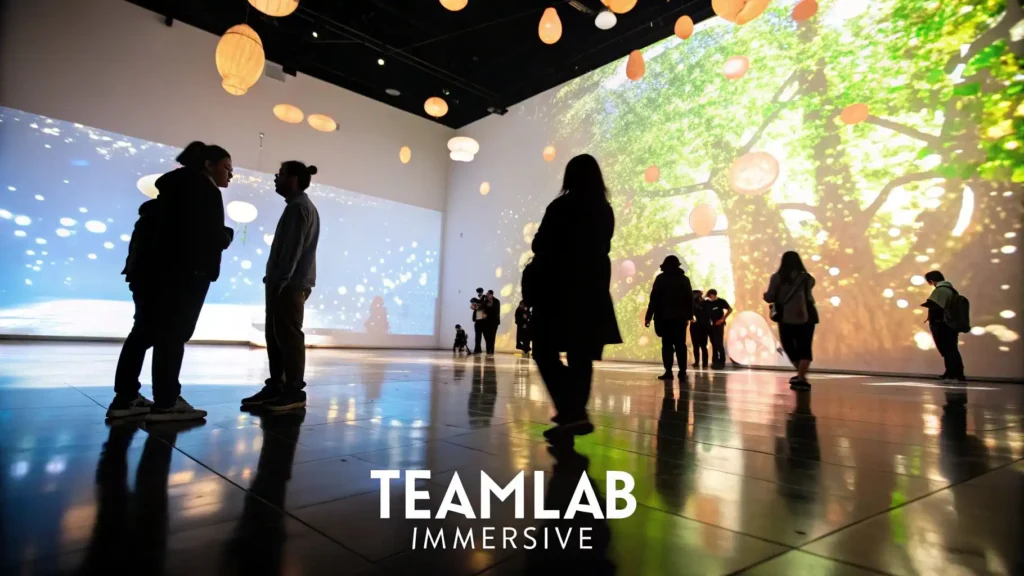
Step into a world where art, technology, and nature collide at teamLab’s groundbreaking digital art museums. Created by a world-renowned Japanese art collective, these exhibitions offer a fully immersive experience that transcends traditional museum visits. You don’t just view the art; you become part of it, interacting with dynamic light installations and sensory environments, making it one of the most futuristic things to do in Tokyo.
Why It’s a Must-See
TeamLab Borderless and Planets redefine the art experience by removing physical boundaries between artworks and visitors. The installations flow, evolve, and respond to your presence, creating a unique and personal journey for everyone. Whether you’re wading through knee-deep digital water teeming with koi fish at Planets or getting lost in the endless crystal world, these museums are a feast for the senses and provide unforgettable, highly photogenic memories.
Actionable Tips for Your Visit
- Book Well in Advance: Tickets are sold online and often sell out weeks ahead, especially for weekends. Booking is essential and cannot be done at the venue.
- Dress Appropriately: Some installations at teamLab Planets involve walking through water up to your knees, so wear shorts or pants you can easily roll up. Mirrored floors are common, so skirts are not recommended.
- Go Early on a Weekday: To avoid the biggest crowds and get the best photos, aim for a morning slot on a Tuesday, Wednesday, or Thursday. This allows for a more personal interaction with the art.
- Check Locations: Be sure to verify which museum you are booking and its current location, as teamLab Borderless has relocated and reopened in Azabudai Hills.
9. Ginza Shopping & Luxury District
Ginza is Tokyo’s most glamorous and prestigious shopping district, a symbol of urban sophistication where high fashion meets high culture. As a historic center of commerce, it has evolved into a global hub for luxury retail, fine dining, and upscale entertainment. A stroll down Chuo Dori, its main thoroughfare, reveals flagship stores from world-renowned brands, making it one of the best things to do in Tokyo for a taste of modern opulence and impeccable design.
Why It’s a Must-See
Ginza offers more than just shopping; it’s an architectural showcase where every building vies for attention. The district is also home to respected art galleries, traditional craft shops, and the iconic Kabuki-za Theatre. On weekend afternoons, the main street becomes a “pedestrian paradise” (hokōsha tengoku), closed to traffic, allowing visitors to wander freely and soak in the vibrant, cosmopolitan atmosphere.
Actionable Tips for Your Visit
- Experience Luxury for Less: You don’t need a big budget to enjoy Ginza. Window shopping is an art form here, and department store food halls (depachika) offer a dizzying array of gourmet foods perfect for affordable sampling.
- Explore Side Streets: Venture off Chuo Dori to discover hidden art galleries, smaller boutiques, and generations-old specialty shops selling everything from incense to handcrafted stationery.
- Catch a Kabuki Performance: For a cultural immersion, book a single-act ticket (hitomaku-mi) for a show at the Kabuki-za Theatre. These are more affordable and shorter than a full performance, making them perfect for first-timers.
10. Shinjuku District (Entertainment & Neon Hub)
As Tokyo’s most dynamic entertainment and business hub, Shinjuku is the quintessential image of the modern metropolis. This sprawling district pulses with 24/7 energy, from the towering skyscrapers of its western side to the neon-drenched streets of Kabukicho in the east. Shinjuku offers a dizzying array of shopping, dining, and nightlife, making it one of the best things to do in Tokyo for anyone wanting to dive headfirst into the city’s high-energy atmosphere.
Why It’s a Must-See
Shinjuku encapsulates the sheer scale and diversity of Tokyo. You can gaze at the cityscape from a free observation deck, get lost in a multi-story department store, enjoy world-class cuisine, and then wander through the atmospheric, lantern-lit alleyways of Omoide Yokocho (Memory Lane). This convergence of corporate power, chaotic entertainment, and nostalgic pockets of the past provides a comprehensive look at the city’s modern identity, famously inspiring cyberpunk aesthetics in films like Blade Runner.
Actionable Tips for Your Visit
- Go Up for Free Views: Head to the Tokyo Metropolitan Government Building’s observation decks for stunning panoramic views of the city. Visiting in the late afternoon allows you to see the city by day, watch the sunset, and witness the skyline begin to sparkle at night.
- Explore Contrasting Alleys: Visit Omoide Yokocho for a pre-dinner drink and yakitori in a vintage, post-war setting. Later, experience the much larger and more modern Golden Gai, a network of tiny, unique bars, but be aware many have cover charges.
- Navigate Kabukicho Wisely: While the main streets of Tokyo’s red-light district are generally safe to walk through and experience the neon spectacle, be cautious of touts and stick to reputable establishments, especially late at night.
11. Asakusa & Sumida River (Traditional Neighborhood)
While Senso-ji Temple is the jewel of Asakusa, the entire neighborhood offers a captivating journey into Tokyo’s past. Centered along the scenic Sumida River, this district preserves the atmosphere of “shitamachi” (old downtown Tokyo) with its traditional inns, family-run craft shops, and narrow streets. Wandering through Asakusa provides a genuine cultural experience, allowing you to step away from the modern metropolis and into a world of historic charm and local life.
Why It’s a Must-See
Asakusa is one of the few places in Tokyo where you can feel the city’s pre-war history. It’s not just about sightseeing; it’s about experiencing a living, breathing community that values tradition. The contrast between the historic Sumida Park and the modern Tokyo Skytree across the river perfectly encapsulates the city’s blend of old and new, making it a truly unique area to explore and one of the best things to do in Tokyo for cultural immersion.
Actionable Tips for Your Visit
- Take a Rickshaw Tour: For a unique perspective, hire a rickshaw (jinrikisha). The knowledgeable guides will take you through hidden alleys and share stories about the neighborhood’s history that you would otherwise miss.
- Explore Residential Side Streets: Wander away from the main thoroughfares to discover quiet residential lanes, small shrines, and traditional wooden houses that reveal the authentic, everyday life of Asakusa.
- Dine Like a Local: In the evening (6:00-9:00 PM), skip the tourist-focused restaurants and find a small, family-owned spot for traditional soba or tempura. Many of these establishments have been operating for generations.
- Walk Along the Sumida River: Take a stroll through Sumida Park for excellent views of the Tokyo Skytree and the iconic Asahi Beer Hall. It’s especially beautiful during cherry blossom season.
12. National Museum of Japan & Museum District (Ueno)
Nestled within the sprawling Ueno Park, Tokyo’s museum district is an unparalleled cultural hub, with the Tokyo National Museum at its heart. As the oldest and largest museum in Japan, it houses an extraordinary collection of art and archaeological artifacts from across Asia, with a special focus on Japan. This area, which also includes the Tokyo Metropolitan Art Museum and the National Museum of Nature and Science, is one of the best things to do in Tokyo for a deep dive into the nation’s rich history, artistic achievements, and natural wonders.
Why It’s a Must-See
This cultural enclave offers a comprehensive and immersive look into Japan’s soul. You can spend hours wandering through the Tokyo National Museum’s various galleries, from samurai armor and exquisite ceramics to ukiyo-e woodblock prints. The surrounding museums complement this experience perfectly, offering everything from Western art exhibitions to dinosaur fossils. The district represents Tokyo’s commitment to preserving its heritage while engaging with global art and science, all set within the beautiful, relaxing greenery of Ueno Park.
Actionable Tips for Your Visit
- Plan Your Museum Hopping: Check exhibition schedules online before you go, as special exhibitions often require separate tickets. If you plan to visit multiple institutions, look for combined ticket options to save money.
- Go on a Weekday Morning: To avoid the largest crowds, especially on weekends and national holidays, plan your visit for a weekday, preferably right when the museums open around 9:30 AM.
- Take Cultural Breaks: Ueno Park itself is an attraction. When you need a break from the exhibits, walk over to Shinobazu Pond, visit the Ueno Toshogu Shrine, or simply find a bench to relax. This makes for a more balanced and less overwhelming day.
Top 12 Tokyo Attractions Comparison
| Attraction | Visit complexity | Resource requirements | Expected outcomes | Ideal use cases | Key advantages |
|---|---|---|---|---|---|
| Senso-ji Temple (Asakusa) | Low planning required; very crowded at peak times | Low cost; walking; early-morning visit recommended | Authentic cultural immersion, historic architecture, strong photo ops | History & culture seekers, photographers, shrine visitors | Deep historical significance, free entry, traditional atmosphere |
| Shibuya Crossing & Hachiko Square | Minimal planning; intense crowds and sensory activity | Free to experience; short visit; optional cafe vantage point (paid) | High-energy modern Tokyo vibe and iconic urban photos | Urban photography, nightlife, pop-culture sightseeing | Quintessential modern-Tokyo landmark and vibrant street energy |
| Tsukiji Outer Market (Toyosu Market) | High planning: very early mornings and specific access | Low–medium cost; slip-resistant shoes; cash for vendors; workshop fees | Culinary insight, freshest seafood, market interactions | Foodies, culinary students, sushi workshop participants | Hands-on food experiences and top-quality seafood |
| Meiji Shrine (Yoyogi Park) | Low planning; peaceful walk but busy on holidays | Low cost; walking through forested paths | Serene nature, Shinto rituals, mindfulness and calm | Wellness seekers, spiritual reflection, nature walks | Urban forest sanctuary with cultural purification rituals |
| Akihabara Electric & Gaming District | Moderate planning; large area and many niche shops | Variable cost (shopping/games); time-intensive exploration | Tech and otaku-culture immersion, gaming experiences | Tech shoppers, gamers, anime/manga fans | Specialized electronics, immersive pop-culture environment |
| Harajuku (Takeshita Street & Omotesando) | Low–moderate planning; very crowded weekends | Variable budget (cheap to luxury); walking on narrow streets | Street-fashion inspiration, youth culture, creative food trends | Fashion enthusiasts, trendspotters, street photographers | Cutting-edge fashion scene and eclectic creative energy |
| Tokyo Skytree & Tokyo Tower | Moderate planning: tickets and possible queues | Medium cost (entrance fees); accessible to most fitness levels | Panoramic city views, skyline photography day or night | Sightseeing, skyline photography, weather-proof activity | Exceptional 360° views; multiple observation options |
| TeamLab Borderless & Planets | High planning: timed tickets and long dwell time | Higher cost; 2–3+ hours standing/walking; charge devices | Immersive, interactive digital art and shareable visuals | Art/tech enthusiasts, social-media creators, families | Unique interactive art experiences; highly photogenic |
| Ginza Shopping & Luxury District | Low planning for browsing; moderate if dining/theatre | High cost for shopping/dining; walking between stores | Luxury shopping, fine dining, cultural performances | Luxury shoppers, food connoisseurs, theater-goers | World-class retail and dining; refined urban design |
| Shinjuku District (Entertainment & Neon Hub) | Moderate planning; many sub-districts and evening focus | Variable budget; late-night transport options; extensive walking | Neon nightlife, diverse entertainment, late-hour activity | Nightlife seekers, urban explorers, budget-to-premium visitors | 24/7 entertainment mix and major transport hub |
| Asakusa & Sumida River (Traditional Neighborhood) | Low planning; explore side streets to avoid main crowds | Low cost; walking; optional river or rickshaw tours | Authentic old-Tokyo neighborhood feel, local dining, crafts | Cultural explorers, photographers, local-food seekers | Genuine traditional atmosphere and affordable experiences |
| National Museum of Japan & Museum District (Ueno) | Moderate planning: allocate several hours and check schedules | Low–medium entry fees; indoor walking; multi-venue visits | Deep educational insight into art, history, and natural science | Art/history learners, students, rainy-day cultural plans | Extensive collections, affordable access, peaceful park setting |
Putting It All Together: Your Next Steps for a Perfect Tokyo Trip
Tokyo is not a city you simply see; it’s a metropolis you experience with all your senses. From the hushed reverence of Meiji Shrine to the chaotic symphony of Shibuya Crossing, and the savory aromas of Tsukiji Outer Market, this guide has laid out a roadmap to the very best things to do in Tokyo. We’ve journeyed through the neon-drenched streets of Shinjuku and Akihabara, explored the trendsetting fashion of Harajuku, and admired the serene, traditional beauty of Asakusa. The key takeaway is that Tokyo is a city of incredible contrasts, where ancient tradition and futuristic innovation coexist in perfect harmony.
The sheer scale of Tokyo can feel overwhelming, but the secret to unlocking its magic lies in strategic planning and embracing its neighborhood-centric layout. Instead of trying to see everything at once, focus on what truly excites you. Is it the cutting-edge digital art at teamLab, the high-fashion allure of Ginza, or the quiet reflection offered by Ueno’s museum district? Use the sample itineraries and practical tips in this guide as a blueprint, not a rigid script.
Insider Tip: The most memorable Tokyo moments often happen between the big attractions. It might be discovering a tiny, family-run ramen shop in a quiet alley, stumbling upon a local festival, or simply observing the impeccable politeness of daily life. Leave room in your schedule for spontaneity.
Turning Your Plan into Action
Now that you’re armed with inspiration, it’s time to transition from dreaming to doing. Here are your concrete next steps to craft that perfect Tokyo adventure:
- Prioritize Your “Must-Dos”: Look back at the list of attractions. Pick your top 5-7 non-negotiable experiences. These will be the anchors of your itinerary. Are you a foodie who must visit Tsukiji? A pop culture fan who needs to conquer Akihabara? Start there.
- Map Your Days by Neighborhood: Group your chosen activities geographically. Dedicate a day (or half-day) to Shinjuku, another to Asakusa/Ueno, and another to Shibuya/Harajuku. This approach minimizes travel time and maximizes your experience, letting you truly soak in the unique atmosphere of each district.
- Book Key Tickets in Advance: Popular attractions like the Tokyo Skytree, Shibuya Sky, and teamLab exhibitions often have long queues or sell out. Booking your tickets online weeks or even months ahead saves you precious time and guarantees entry. The same goes for highly sought-after restaurant reservations.
- Master the Metro System: Before you go, download a Tokyo subway map app (like Japan Transit Planner or Google Maps) to your phone. Familiarize yourself with the main lines, like the JR Yamanote Line which circles central Tokyo, connecting many of the major hubs we’ve discussed. Purchase a Suica or Pasmo card upon arrival for seamless tap-and-go travel.
Your Unforgettable Tokyo Awaits
Ultimately, a trip to Tokyo is more than just checking items off a list. It’s about allowing yourself to get lost, to be surprised, and to engage with a culture that is both profoundly different and warmly welcoming. The preparation you do now is what empowers you to be present and enjoy every moment once you’re on the ground. By using this guide, you’ve taken the most important step toward transforming a good trip into an extraordinary one. The city’s endless energy, its meticulous attention to detail, and its deep respect for tradition are waiting for you. Get ready to create memories that will last a lifetime in one of the world’s most captivating cities.
Ready to start organizing your detailed itinerary and jotting down all your travel notes? Keep your plans, reservations, and memories in one beautifully organized place with a travel journal from maxijournal.com. A dedicated journal is the perfect companion for a trip as dynamic as Tokyo, helping you capture every detail of the best things to do in Tokyo for years to come. Find your perfect travel log at maxijournal.com and make your adventure unforgettable.
Discover more from Maxi Journal
Subscribe to get the latest posts sent to your email.