It’s always a little worrying when you see your dog shaking their head over and over. But this isn’t just a random tic—it’s one of their most effective ways of telling you something is off. Most of the time, it’s a powerful, almost primal reaction to an itch, pain, or just a weird feeling deep inside their ear.
Think about how you instinctively try to shake water out of your ear after a swim. It’s that same urgent, reflexive need for relief. When your dog does it, they’re sending a clear signal that they need you to investigate.
Answering Why Your Dog Keeps Shaking Its Head
When the head shaking doesn’t stop, it’s natural to feel a bit of concern. This is more than just a quirky habit; it’s one of the main ways your dog communicates discomfort. In the clearest way they know how, they’re telling you something is bothering them—and the problem is almost always located in or around their ears.
The culprits can range from something simple and easily fixed to more complex issues, but every cause deserves a closer look. We’ve put together this guide to walk you through the possibilities, from the most common to the more serious. We’ll break down what to watch for, how you can safely check things at home, and when it’s definitely time to call the vet.
Decoding the Shake
A dog’s ear canal is surprisingly different from ours. It’s shaped like an “L,” which unfortunately makes it a perfect trap for moisture, debris, and pesky parasites. This unique anatomy makes them much more prone to ear problems.
When something goes wrong in this super-sensitive area, a vigorous head shake is their best attempt at fixing it themselves. Figuring out the root cause is your first step to getting them some real relief.
The most common reasons a dog keeps shaking their head usually fall into one of these buckets:
- Something Inside the Ear: This is the big one. It could be an infection, ear mites, or even a piece of grass or a foxtail that’s gotten lodged in there.
- Allergies: Just like us, dogs get allergies. Whether from something in the environment or their food, allergies can cause intense itchiness that often zeroes in on the ears.
- Trapped Water: A head shake after a bath or a swim is perfectly normal. It’s their way of clearing out any water that’s gotten stuck.
To help you sort through the possibilities, here’s a quick guide to what might be going on.
Quick Guide to Common Causes of Head Shaking
This table is a great starting point for connecting your dog’s symptoms to a potential cause and figuring out how quickly you need to act.
| Potential Cause | Key Symptoms to Look For | Urgency Level |
|---|---|---|
| Ear Infection | Foul odor, discharge, redness, scratching, whining when ears are touched. | Medium: Vet visit needed within 24-48 hours. |
| Allergies | Shaking head, scratching ears, chewing paws, skin redness or rashes. | Low-Medium: Schedule a non-urgent vet appointment. |
| Ear Mites | Intense itching, dark, crumbly discharge (like coffee grounds), head shaking. | Medium: Vet visit recommended for diagnosis and treatment. |
| Foreign Object | Sudden, frantic head shaking, pawing at the ear, tilting the head. | High: Immediate vet visit is crucial to prevent damage. |
| Water in Ear | Shaking head immediately after swimming or a bath; usually stops quickly. | Low: Monitor; see vet if it continues for more than a day. |
| Aural Hematoma | A swollen, fluid-filled ear flap, often feels like a water balloon. | High: See a vet right away to prevent permanent damage. |
Remember, this is just a guide. If you’re ever in doubt, the safest bet is always to consult your veterinarian.
A persistent head shake is your dog’s version of a flashing warning light. A single shake is normal, but repeated or frantic shaking indicates an issue that won’t resolve on its own and requires a closer look.
This guide will dive deeper into each of these potential causes. By the end, you’ll have a much clearer picture of what your dog’s behavior means and know exactly what to do to help them feel better. For more insights into common canine health concerns, you can explore our other articles covering dog health issues.
Uncovering the 3 Most Common Culprits
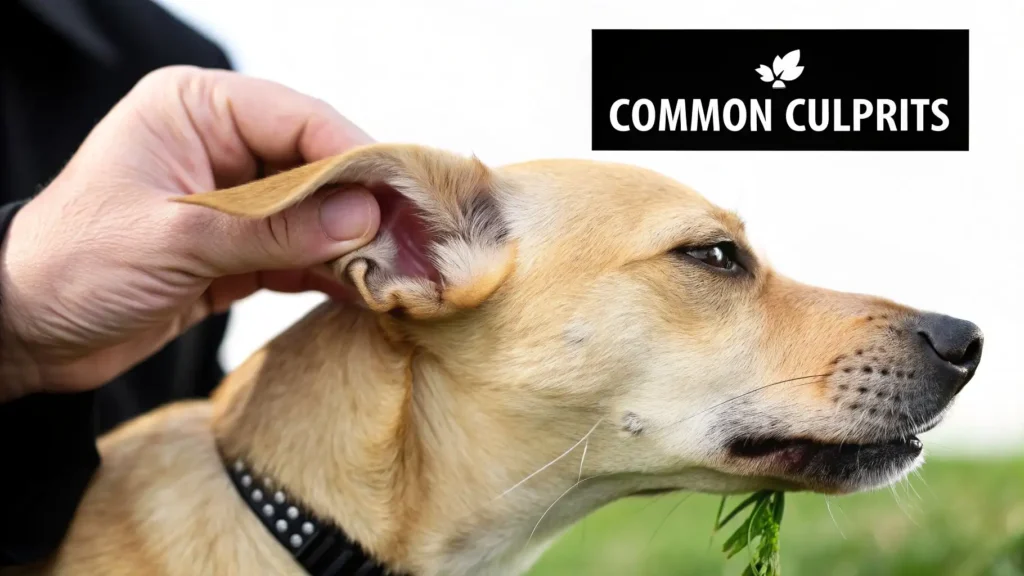
When a dog won’t stop shaking their head, the root of the problem is almost always found deep inside the ear. Think of their ear canal as a long, L-shaped tunnel—a sensitive spot where irritation can easily get trapped and cause a world of discomfort. Let’s dig into the most common offenders behind this frustrating behavior.
1. Ear Infections: The Top Offender
Hands down, the number one reason for relentless head shaking is an ear infection, or what your vet would call otitis. A dog’s ear canal is warm, dark, and often moist, which unfortunately makes it the perfect breeding ground for bacteria and yeast. When these microscopic critters get out of control, they trigger inflammation, pain, and a powerful itch that your dog instinctively tries to shake away.
These infections rarely just pop up on their own. They’re usually a side effect of an underlying issue, like allergies, water trapped after a swim, or even just dense hair inside the ear that blocks airflow.
You might be looking at an ear infection if you notice:
- A funky, unpleasant smell from the ear (some people say it smells musty or sickly sweet).
- Gooey discharge that could be yellow, brown, or black.
- The ear flap or canal opening looks red and swollen.
- Your dog flinches or yelps when you touch their head or ears.
Don’t wait on this. An untreated infection can become excruciatingly painful and lead to serious problems like hearing loss or even affect their balance if it moves deeper into the ear.
2. Ear Mites: An Itchy Invasion
Another major reason for that constant head-flapping is a nasty little parasite called the ear mite (Otodectes cynotis). These tiny, spider-like pests are super contagious between pets and make a home inside the ear canal, feeding on wax and skin oils. While any dog can get them, they’re especially common in puppies and dogs from rescue situations.
Imagine thousands of tiny bugs crawling around in your ear—it’s enough to drive anyone crazy! The constant movement and waste they leave behind cause an intense, maddening itch, forcing a dog to shake its head violently and scratch at its ears until they’re raw.
A dead giveaway for ear mites is a dark, crumbly gunk that looks a lot like coffee grounds. This debris is actually a nasty mix of dried blood, earwax, and the mites themselves.
While a standard ear infection is purely microscopic, you might actually be able to spot mites as tiny white moving dots if you look at the debris on a dark background. Still, your vet will need a microscope to be 100% sure.
3. Foreign Objects: Unwanted Intruders
Sometimes, the head shaking starts out of nowhere, with a sudden, frantic intensity. This often points to a foreign object that has managed to get lodged in the ear canal. Dogs who love romping through tall grass and wooded trails are prime candidates for this.
Common trespassers include:
- Grass seeds and foxtails: These are the worst, as their tiny barbs act like a one-way ticket, letting them burrow deeper and deeper.
- Twigs, leaves, or burrs: A piece of the outdoors can easily get stuck.
- Dirt or sand: Even a fun day at the beach can lead to an ear packed with irritating grit.
- Bugs: It’s rare, but yes, a small insect can crawl inside.
If your dog suddenly starts shaking its head, pawing at one ear, and holding its head at a tilt right after being outside, a foreign object is a very strong possibility. This is a true emergency. The object can easily scratch the ear canal or even puncture the eardrum. Under no circumstances should you try to remove it yourself—you could easily push it in further and cause permanent damage. Get to a vet right away.
When Head Shaking Signals a Deeper Issue
While an ear canal issue is usually the prime suspect, sometimes a dog’s head shaking points to a deeper, less obvious problem. In these situations, the ear is more of a symptom than the root cause. It’s a bit like a person’s chronic cough—it might just be a lingering cold, but it could also be a sign of something systemic, like allergies.
This is often what’s happening when head shaking becomes a frustrating, recurring battle. If you feel like you’re constantly treating ear infections only to have them pop right back up, it’s time to look beyond the ear itself. We need to explore other triggers that could be fueling that inflammation.
The Allergy Connection
Allergies are a huge culprit behind chronic ear problems in dogs. Whether it’s a reaction to something in their food (like a specific protein) or in the environment (pollen, dust mites, you name it), an allergic response kicks off an inflammatory chain reaction throughout their body. The skin is a major target in this reaction, and the delicate lining of the ear canal is really just a specialized type of skin.
This means that even though your dog is shaking their head because their ear is itchy and inflamed, the real problem is an overactive immune system. You’ll often spot other tell-tale signs of allergies right alongside the head shaking:
- Constant licking or chewing at their paws
- Red, angry-looking skin on their belly or in their armpits
- Recurring skin infections or “hot spots”
- Watery eyes or a runny nose
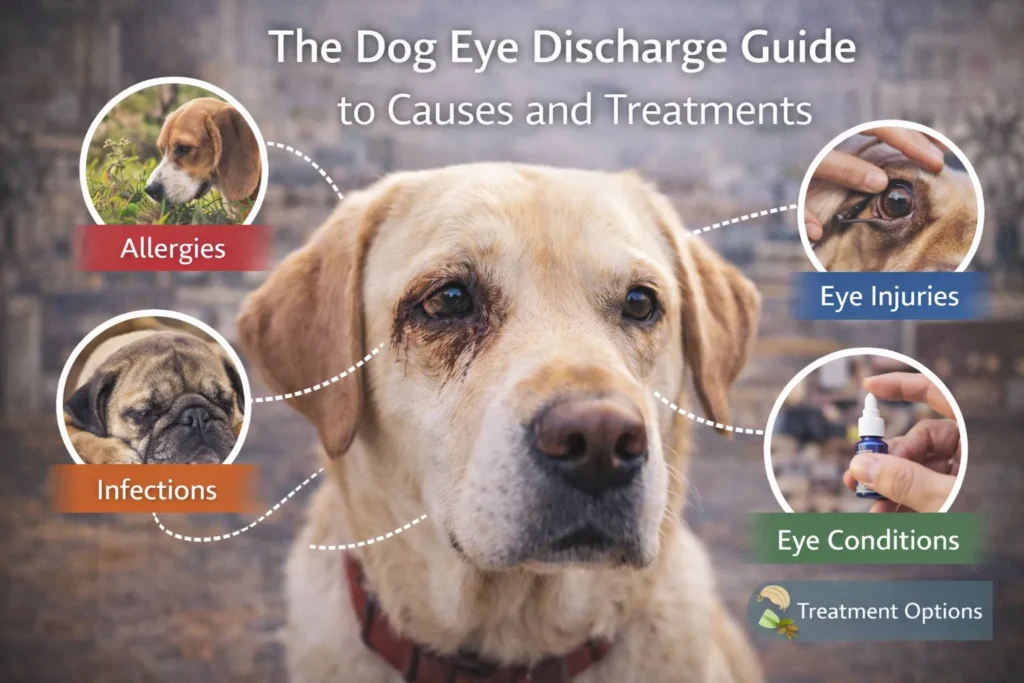
Getting a handle on allergies requires teaming up with your vet to play detective and find the trigger. This could mean trying a special elimination diet to pinpoint food sensitivities or doing allergy testing for environmental culprits. Simply treating the ear infection without addressing the underlying allergy is like bailing water out of a leaky boat without plugging the hole—you’re just going to be doing it forever. You can learn more about related symptoms in our guide on what dog eye discharge means.
Idiopathic Head Tremors
Sometimes, the head shaking looks completely different. It might be a rhythmic, involuntary bobbing or trembling, almost like your dog is silently nodding “yes” or “no.” This can look incredibly scary, but it’s often a condition known as Idiopathic Head Tremor Syndrome (IHTS). “Idiopathic” is just a fancy way of saying we don’t know the exact cause.
The key thing that sets IHTS apart is that the dog remains completely alert and aware during an episode. The tremors themselves are harmless and, weirdly enough, they often stop the second you distract your dog by calling their name or offering a treat.
These tremors are much more common in certain breeds. One major study found that Bulldogs are the most affected, accounting for 37% of cases, followed by Boxers at 13% and Labrador Retrievers at 11%. While it’s definitely startling to see, IHTS doesn’t cause any pain and isn’t considered a dangerous condition.
More Serious Possibilities
In much rarer cases, persistent head shaking or a sudden head tilt can be a red flag for a more serious problem that needs immediate veterinary attention. These are far less common, but they’re critical to rule out.
- Polyps or Tumors: Abnormal growths inside the ear canal or even the middle ear can create pressure, pain, and balance problems, all of which can lead to head shaking and tilting.
- Neurological Disorders: Conditions that affect the brain or the nerves that control balance (the vestibular system) can show up as a head tilt, circling, and a general loss of coordination.
If you see head shaking paired with other signs like a constant head tilt, stumbling, walking in circles, or strange, darting eye movements, don’t wait. These symptoms warrant an urgent trip to the vet to investigate a potential neurological issue or a deep-seated growth.
How to Safely Check Your Dog’s Ears at Home
When you see your dog shaking their head over and over, you’ll naturally want to take a look yourself. A quick, gentle peek inside their ears can give you a pretty good idea of what’s happening before you even need to call the vet. The most important thing is to keep it calm and safe, making sure you don’t cause your dog any more discomfort.
Find a quiet spot with good lighting. Grab some of your dog’s favorite treats to reward them for their patience. Gently lift the ear flap (the pinna) to look at the parts of the ear you can easily see. You’re not trying to be a veterinarian here; just a careful observer.
A Step-by-Step Visual and Scent Check
Think of this as a fact-finding mission. You’re simply gathering clues, not trying to diagnose or fix anything on your own. You’re looking for the obvious stuff.
Here’s a simple checklist to run through:
The Visual Inspection: Lift the ear flap. Healthy ear skin should look pale pink and clean. Is it fiery red, swollen, or covered in crusty gunk? Do you see any discharge? Make a mental note of its color and texture. Is it waxy and brown, yellow and pus-like, or dark and black?
The Scent Test: This is a big one. Healthy dog ears really don’t smell like much of anything. Lean in and take a gentle sniff. A funky, foul, or yeasty odor—some people say it smells like old, damp bread—is a dead giveaway that an infection is brewing.
Check for Debris: Look for anything that doesn’t belong. The classic sign of ear mites is a dark, crumbly substance that looks a lot like coffee grounds. You might also spot a bit of dirt, sand, or, more urgently, the tip of a grass seed or foxtail.
Crucial Safety Warning: Never, ever stick anything into your dog’s ear canal. Cotton swabs are a particularly bad idea. They can shove debris further down, pack wax against the eardrum, and even rupture it. Your job is to look and smell—that’s it.
This flowchart can help you visualize how the signs you see might point to different underlying problems, whether it’s simple inflammation, something growing in the ear, or a neurological issue.
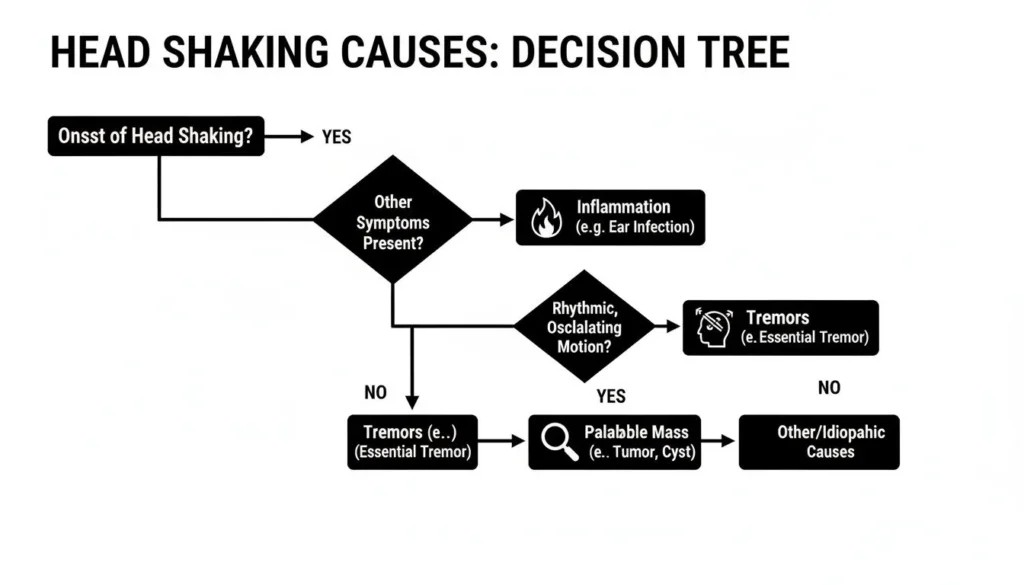
This guide helps simplify the process by mapping out how different symptoms can lead a vet down different diagnostic paths.
What Your Findings Might Mean
Once you’ve done your quick check, you’ll have a much clearer picture. While these observations aren’t a diagnosis, they are incredibly helpful for your vet.
- Red, smelly ears? This almost always points to a bacterial or yeast infection.
- Dark, gritty gunk? That’s the classic calling card of ear mites.
- Sudden, frantic shaking after a walk in tall grass? It’s very possible a foreign object like a foxtail is stuck in there.
- Nothing looks wrong, but the shaking won’t stop? This could signal a deeper problem you can’t see, like allergies or an issue in the middle ear.
This little bit of homework gives you solid information to share. By telling your vet exactly what you saw and smelled, you’re giving them a head start on getting your dog the right diagnosis and some much-needed relief.
What to Expect at the Veterinary Clinic
Knowing what’s going to happen at the vet can take a lot of the stress out of the visit, for both you and your dog. When you bring your dog in for head shaking, think of the appointment as a fact-finding mission. Your vet is the detective, and the information you bring is the first, most important clue.
The visit will kick off with a good conversation. Your vet will want to know everything—when the shaking started, what you saw during your home check, and anything else that seems off. Details about your dog’s diet, recent adventures like swimming or hiking, and any history of allergies all help paint a clearer picture.
The Physical Examination
Next, your vet will do a hands-on physical exam, focusing heavily on your dog’s head and ears. They’ll be looking for tell-tale signs of trouble on the outside, like redness, swelling, or scratches around the ear flaps.
Then comes the otoscope. This specialized tool, with its built-in light and magnifier, lets your veterinarian peer deep inside the ear canal right down to the eardrum. It’s like a tiny, powerful flashlight for exploring a dark tunnel, revealing inflammation, discharge, foreign objects, or even pesky ear mites that are invisible to the naked eye.
Diagnostic Testing for a Clear Answer
Sometimes, a visual check isn’t enough to get to the bottom of the problem. To make sure they have the right diagnosis, your vet will likely run a couple of simple, painless tests. This is the key to getting a treatment plan that actually works.
The most common next step is an ear cytology.
An ear cytology is a straightforward test where your vet takes a small sample of ear gunk with a cotton swab and looks at it under a microscope. This quick peek reveals the microscopic culprits, telling them if they’re dealing with an overgrowth of yeast, a specific type of bacteria, or ear mites.
This is a critical step because what works for a yeast infection won’t touch a bacterial one. Guessing is not an option and could actually make things worse.
Creating a Treatment Plan
With a clear diagnosis in hand, your vet will map out a treatment plan. The goal isn’t just to fix the immediate problem but also to give your dog some much-needed relief from the discomfort.
Depending on what they find, the plan could include a few different things:
- Professional Ear Cleaning: If there’s a lot of debris and discharge, your vet might perform a deep, gentle cleaning right there at the clinic. This clears the way for medication to get to the inflamed tissue where it’s needed most.
- Medicated Ear Drops: This is the go-to treatment for most ear issues. You’ll likely head home with prescription drops containing antibiotics, antifungals, or anti-inflammatory medicine to apply for a certain number of days.
- Oral Medications: For really severe infections or if the head shaking is tied to systemic allergies, your vet may also prescribe pills like antibiotics, steroids, or antihistamines.
- Allergy Management: If allergies are the root cause, the conversation will shift to long-term strategies, which could involve anything from a new diet to daily allergy medication.
Knowing these steps helps you feel less like a worried bystander and more like a proactive partner in your dog’s care. For more tips on working with your vet, check out our other articles on veterinary advice.
Proactive Ear Care to Prevent Future Problems
Let’s be honest, the best way to deal with head shaking is to stop it before it even starts. A little bit of proactive ear care built into your dog’s regular grooming routine can save them a world of discomfort—and save you from some hefty vet bills down the road.
Think of it like brushing your dog’s coat to prevent mats and tangles. A few minutes of regular ear maintenance prevents the buildup of gunk and moisture that often leads to nasty infections. It’s a simple step that makes a massive difference for their long-term health.
Establishing a Safe Cleaning Routine
Good preventive care really hinges on a gentle, consistent cleaning routine. The goal isn’t to scrub your dog’s ears sterile, but just to maintain a healthy, balanced environment inside. How often you need to do this really depends on your dog; a Basset Hound with those long, heavy ears will need more attention than a German Shepherd whose ears stand up straight.
To get started, you just need two things:
- A Vet-Approved Cleaner: Steer clear of things like hydrogen peroxide, vinegar, or alcohol-based concoctions. These can be really harsh, drying out the sensitive skin in the ear canal and causing irritation that can actually cause an infection. Always stick with a gentle, pH-balanced solution made specifically for dogs.
- Cotton Balls or Gauze: Whatever you do, never use cotton swabs (like Q-tips). It’s far too easy to push debris deeper into the ear canal or, even worse, rupture their eardrum. It’s just not worth the risk.
The right way to clean is simple and safe. Just fill your dog’s ear canal with the cleaning solution, gently massage the base of the ear for about 30 seconds—you should hear a fun “squish-squish” sound—and then stand back and let your dog shake their head. After the shake, use a cotton ball to wipe away any gunk you can easily see.
Tips for At-Risk Dogs
Some dogs are just built in a way that makes them more prone to ear trouble. For these pups, a little extra vigilance goes a long way.
For Dogs with Floppy Ears: Breeds like Cocker Spaniels and Beagles have those adorable, heavy ear flaps that unfortunately trap moisture and block airflow. This creates a warm, damp paradise for yeast and bacteria to grow. For these guys, regular cleaning is an absolute must.
For Frequent Swimmers: If your dog lives for the water, moisture becomes your biggest foe. After every swim, bath, or romp in the rain, it’s critical to dry their ears out. You can use a special ear-drying solution or just gently wipe the outer canal with a dry cotton ball to soak up any lingering water.
And don’t forget about what’s going on inside. Underlying food allergies are a huge, often overlooked, trigger for chronic ear inflammation. Keeping your dog on a high-quality diet and staying on top of flea, tick, and mite prevention are foundational steps to keeping their ears healthy for years to come.
Frequently Asked Questions About Dog Head Shaking
When you’re dealing with your dog’s health, it’s natural to have questions pop up, even after you understand the basics. Here are some straightforward answers to the questions we hear most often from owners about head shaking.
Can I Use Home Remedies to Clean My Dog’s Ears?
It’s so tempting to look for a quick fix with something you already have in the cupboard, like vinegar or hydrogen peroxide. Please don’t. These substances are far too harsh for the delicate skin inside a dog’s ear canal.
Think of it this way: if your dog’s ear is already red and sore from an infection, applying something acidic or irritating will only cause more pain and could make the inflammation much worse. Always stick to a gentle, pH-balanced ear cleaner that’s made specifically for dogs—your vet can recommend the best one.
Is It Normal for a Dog to Shake Their Head Sometimes?
Absolutely. A single head shake every now and then is perfectly normal dog behavior. You’ll often see it after a nap, a good ear scratch, or a joyful roll on the floor. It’s just their way of clearing a minor tickle or “resetting” their ears.
The time to worry is when that single shake turns into a pattern. If the head shaking becomes frequent, frantic, or you notice other signs like scratching at the ears, whining, or a persistent head tilt, that’s your cue to dig deeper.
How Fast Do Ear Infections Get Better with Treatment?
With the right medication, most common ear infections (caused by bacteria or yeast) start to improve pretty quickly. You’ll likely see your dog feeling much better, with less shaking and scratching, within just a few days. Typically, you can expect significant improvement in about 7 to 14 days.
But here’s the critical part: you absolutely must finish the entire course of medication your vet prescribes. It’s common for owners to stop treatment once the symptoms disappear, but that’s a surefire way to have the infection come roaring back, often stronger and more resistant to treatment. Sticking to the plan ensures you knock it out for good.
At maxijournal.com, we’re dedicated to providing clear, reliable information to help you care for your pets and understand their world. For more expert insights into animal health and science, explore our full library of articles at https://maxijournal.com.
Discover more from Maxi Journal
Subscribe to get the latest posts sent to your email.