Planning a trip can feel like a full-time job, juggling flight confirmations, hotel bookings, activity schedules, and budget tracking across countless emails and documents. The key to a seamless and stress-free vacation often lies in your smartphone, where the right digital tools can consolidate your plans into a single, accessible itinerary, find you the best deals, and help you navigate unfamiliar territory like a local. Gone are the days of paper printouts and cumbersome binders; modern travel technology transforms a chaotic process into a streamlined, manageable experience.
This comprehensive guide cuts through the noise of crowded app stores to bring you a curated list of the best travel apps for planning your next adventure. We move beyond simple descriptions to provide a detailed analysis of each tool, focusing on real-world use cases and practical benefits. You will discover powerful apps for every stage of your journey, from initial inspiration and complex itinerary building to on-the-ground logistics like expense tracking and offline navigation.
Inside this resource, you will find:
- Categorized breakdowns of top apps for itinerary management, flight and accommodation booking, navigation, and more.
- In-depth analysis with pros, cons, pricing, and platform availability for each recommendation.
- Strategic insights on how to combine different apps to create a powerful, personalized travel planning ecosystem.
Each featured app includes screenshots and direct links, making it easy for you to explore and choose the perfect tools for your travel style. Whether you are organizing a multi-city international tour or a spontaneous weekend road trip, this list provides the essential resources to ensure your next journey is your best one yet.
1. Apple App Store
For anyone using an iPhone, iPad, or other Apple device, the App Store is the essential first stop and primary gateway for discovering the best travel apps for planning. It’s more than just a marketplace; it’s a highly curated ecosystem where apps are vetted for security and quality, giving you peace of mind before downloading. The platform excels at surfacing relevant tools through its editorial collections, like “Essential Travel Apps,” which often feature editor-tested recommendations perfect for trip preparation.
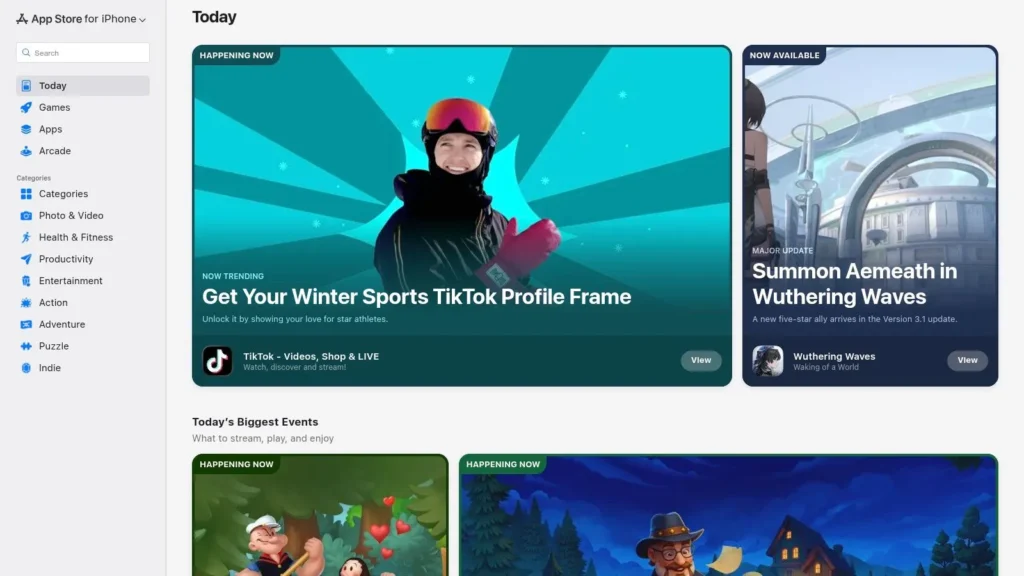
This centralized approach simplifies the entire app management lifecycle. Each app page provides a wealth of information, from transparent pricing and in-app purchase details to user reviews and, most importantly, clear “Privacy Labels” that detail how your data is used. Managing subscriptions or requesting refunds is also handled directly through your Apple ID, preventing the hassle of dealing with multiple vendors.
Key Details & User Experience
Navigating the App Store is intuitive and seamless. The search function is robust, and the user interface is clean, allowing for easy comparison between apps. Family Sharing is a standout feature, letting you share eligible paid app purchases with family members, which can be a cost-saver for travel-related tools.
- Platform: iOS, iPadOS, visionOS
- Pricing: Free to access; apps can be free, freemium, or paid.
- Unique Offering: A secure, single point for app discovery, purchase, and subscription management with strong privacy transparency.
Pros & Cons
- Pro: Vetted ecosystem with strong security protocols and user reviews.
- Pro: Centralized and straightforward subscription and refund management.
- Con: Exclusively for Apple devices, locking out Android users.
- Con: App availability and features can sometimes vary by country or region.
Website: https://apps.apple.com/us/
2. Google Play Store (Travel & Local)
For the billions of Android users worldwide, the Google Play Store is the definitive source for discovering the best travel apps for planning. It serves as a massive, open marketplace where developers offer a vast array of tools for every stage of a trip. The “Travel & Local” category is particularly useful, curating everything from flight finders and hotel booking engines to sophisticated itinerary planners, all in one dedicated space.
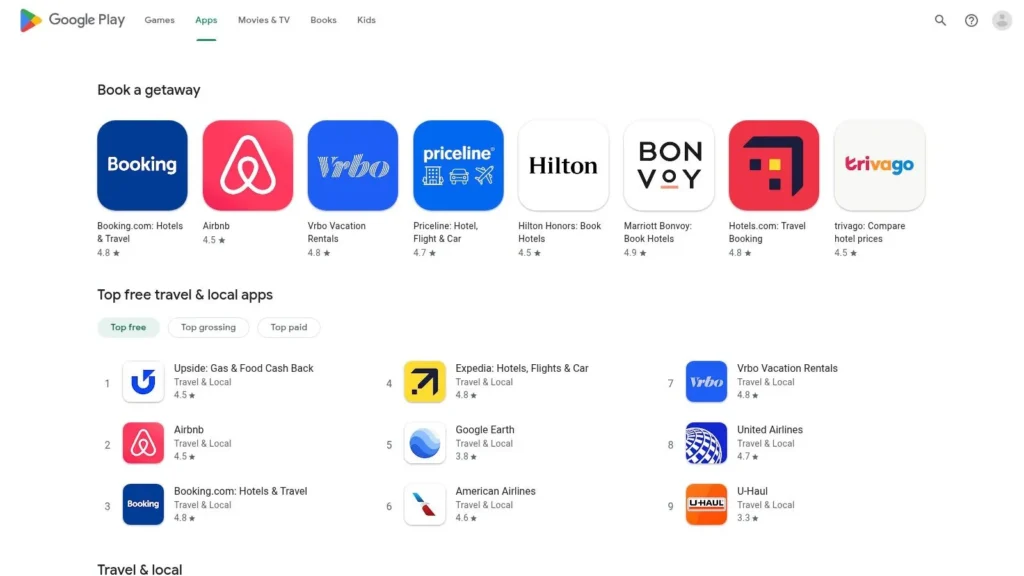
The platform empowers users to make informed decisions through a wealth of data on each app page. You can easily compare options by looking at user ratings, total install counts, and detailed reviews from fellow travelers. Furthermore, transparent information on app permissions and recent changelogs helps you understand what an app does and how actively it’s maintained. Like its Apple counterpart, all purchases and subscriptions are managed centrally through your Google account, simplifying financial tracking and control.
Key Details & User Experience
Navigating the Play Store is straightforward, with powerful search functionality and curated lists like “Editors’ Choice” and top charts to highlight high-quality apps. The ability to install apps on any of your connected Android devices directly from the web interface is a convenient feature for planning on a larger screen. The sheer volume of apps ensures you can find niche tools tailored to very specific travel needs.
- Platform: Android
- Pricing: Free to access; apps can be free, freemium, or paid.
- Unique Offering: An immense and diverse selection of apps with transparent user-driven metrics (ratings, install counts) for easy comparison.
Pros & Cons
- Pro: Huge selection and easy comparisons via extensive ratings and reviews.
- Pro: Simple update and subscription controls managed via a single Google account.
- Con: App availability and pricing can depend on the user’s device and country.
- Con: Some app purchases or features may be restricted when traveling abroad.
Website: https://play.google.com/store/apps/category/TRAVEL_AND_LOCAL
3. TripIt
TripIt acts as a master itinerary builder by transforming your disparate travel confirmation emails into a single, cohesive timeline. By simply forwarding your flight, hotel, and car rental emails to a specific address, the platform automatically parses the details and organizes them into a chronological plan. This makes it one of the best travel apps for planning complex trips with multiple stops, eliminating the need to hunt through your inbox for booking numbers or addresses.
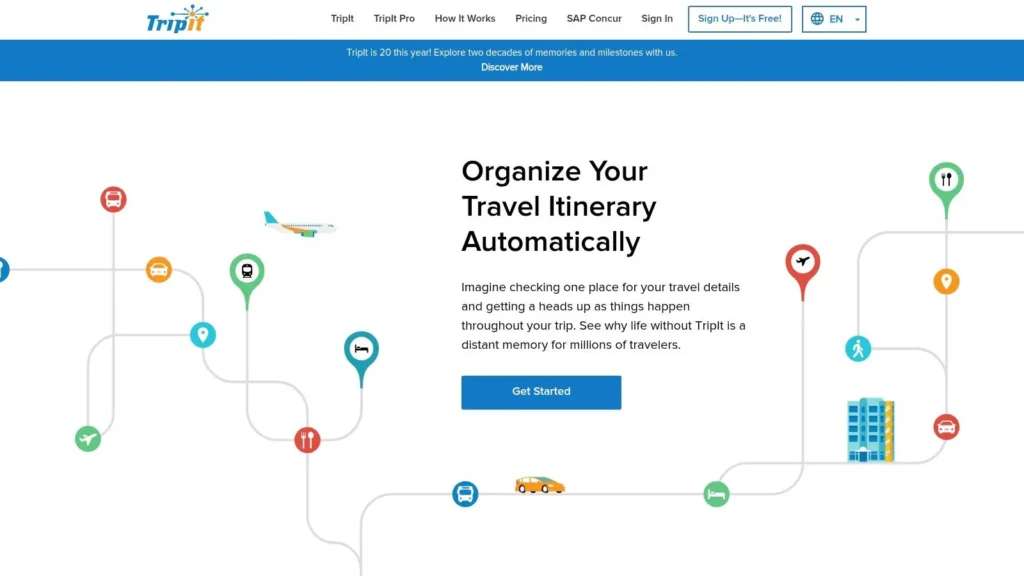
The resulting itinerary is easily shareable with travel companions and accessible offline, ensuring you always have crucial information at your fingertips. For frequent flyers, the premium TripIt Pro version enhances the experience with real-time flight status alerts, gate change notifications, and a tool for finding alternate flights during disruptions. It consolidates every piece of your journey into one manageable view, from flights to dinner reservations.
Key Details & User Experience
The user experience is built around automation and simplicity; once set up, it requires minimal manual input. The app’s interface cleanly presents your travel plans day-by-day, including maps and confirmation details. Its true power lies in being a “set it and forget it” tool that works in the background to keep you organized.
- Platform: iOS, Android, Web
- Pricing: Free; TripIt Pro subscription for advanced features ($49/year).
- Unique Offering: Automatic itinerary creation from email confirmations, creating a single source of truth for all travel plans.
Pros & Cons
- Pro: Excellent single source of truth for complex, multi-leg trips.
- Pro: Broad device support and easy-to-share itineraries for group coordination.
- Con: Advanced features like flight alerts and disruption tools require a paid TripIt Pro subscription.
- Con: Fare tracking is somewhat limited and may not cover all carriers or routes, particularly outside the US.
Website: https://www.tripit.com
4. Wanderlog
Wanderlog is a powerful, map-centric trip planner that excels at both solo and group travel coordination, making it one of the best travel apps for planning visually oriented itineraries. It allows users to build a detailed trip plan by adding places to a map, which automatically creates a corresponding itinerary. Its real-time collaborative features are a standout, letting multiple users edit schedules, add notes, and track expenses simultaneously across its web and mobile apps.
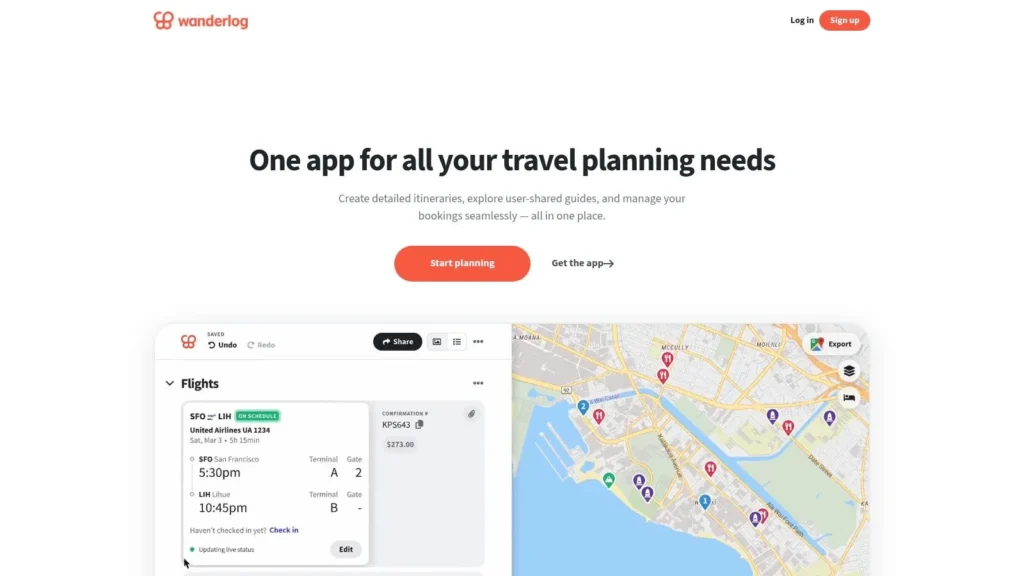
The platform shines when you’re figuring out logistics for various places to visit in the world, as you can import reservations from Gmail or add details manually. The drag-and-drop interface makes reordering activities intuitive, while integrated budget tools help keep spending in check. While the free version is robust, the Pro tier unlocks premium features like offline access and an automatic route optimizer that calculates the most efficient path between your planned stops.
Key Details & User Experience
Wanderlog offers a clean and highly functional user experience that seamlessly syncs between devices. The map-first approach is perfect for visualizing your day and understanding the geographic relationships between attractions. Its collaborative nature removes the friction of group planning, centralizing communication and decisions in one place.
- Platform: Web, iOS, Android
- Pricing: Free; Pro subscription unlocks advanced features.
- Unique Offering: Real-time collaboration combined with a map-based itinerary builder and integrated budget tracking.
Pros & Cons
- Pro: Strong free tier is sufficient for most travel planning needs.
- Pro: Excellent for group coordination and visual, map-first itinerary building.
- Con: Pro pricing can vary between platforms and is subject to promotional changes.
- Con: Key features like offline access and route optimization are behind the Pro paywall.
Website: https://wanderlog.com
5. Roadtrippers
For those whose travel dreams are paved with asphalt and scenic byways, Roadtrippers is an indispensable tool. It transforms the classic road trip into a meticulously planned adventure by focusing on the journey itself, not just the destination. The platform excels at surfacing unique and off-the-beaten-path points of interest along your route, drawing from a massive database of over five million places, from quirky roadside attractions to national parks.
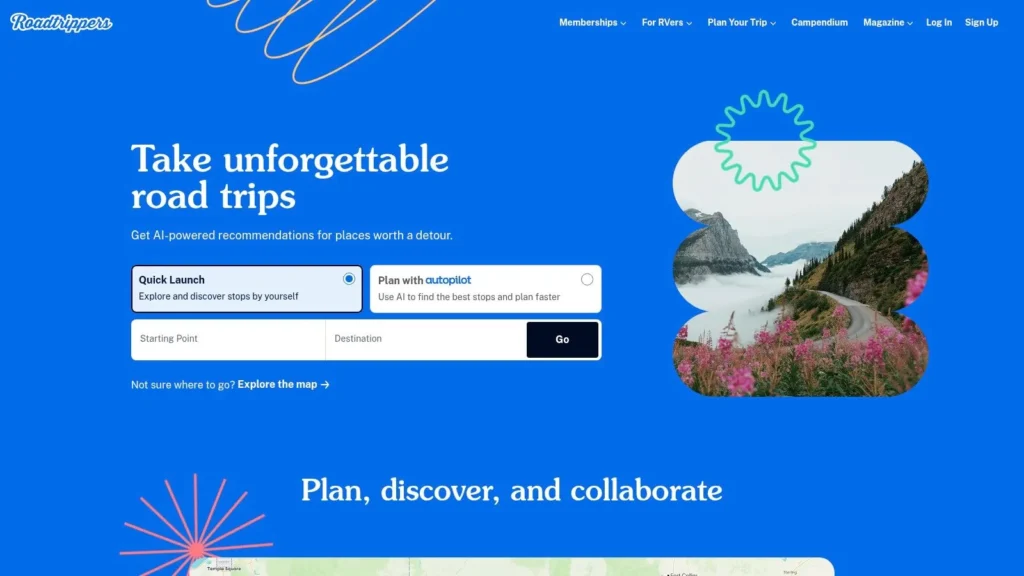
This route-based planner is more than just a map; it integrates practical details essential for life on the road. Users can get fuel cost estimates, find campgrounds, and even utilize RV-friendly routing that considers vehicle height and weight to avoid hazards. This level of detail makes it one of the best travel apps for planning extended drives, especially for RVers and campers who need specialized information.
Key Details & User Experience
Roadtrippers offers a user-friendly interface that makes it easy to add stops and discover attractions along your customized path. While the free version is great for initial planning, the premium tiers unlock the most powerful features like offline maps, live traffic updates, and an increased number of waypoints per trip. The collaborative trip planning feature also allows you to share and build your itinerary with friends.
- Platform: Web, iOS, Android
- Pricing: Free basic version; Roadtrippers Plus starts at $35.99/year.
- Unique Offering: A specialized road trip planner with a deep database of roadside POIs, fuel estimates, and advanced RV-friendly navigation.
Pros & Cons
- Pro: Deep US point-of-interest coverage and helpful road-trip specific features.
- Pro: Useful RV features like hazard routing and overnight parking info.
- Con: Full functionality, including offline maps and RV routing, requires a paid plan.
- Con: Some of its most comprehensive features are primarily focused on the US.
Website: https://roadtrippers.com
6. Google Flights (Google Travel)
For finding and tracking airfare, Google Flights is an unparalleled starting point and one of the best travel apps for planning the most expensive part of your trip. As a powerful metasearch engine, it aggregates fares from countless airlines and online travel agencies (OTAs), presenting them in a clean, ad-light interface. Its speed and comprehensive scope make it an essential tool for the initial research phase, helping you understand your flight options before committing to a purchase.
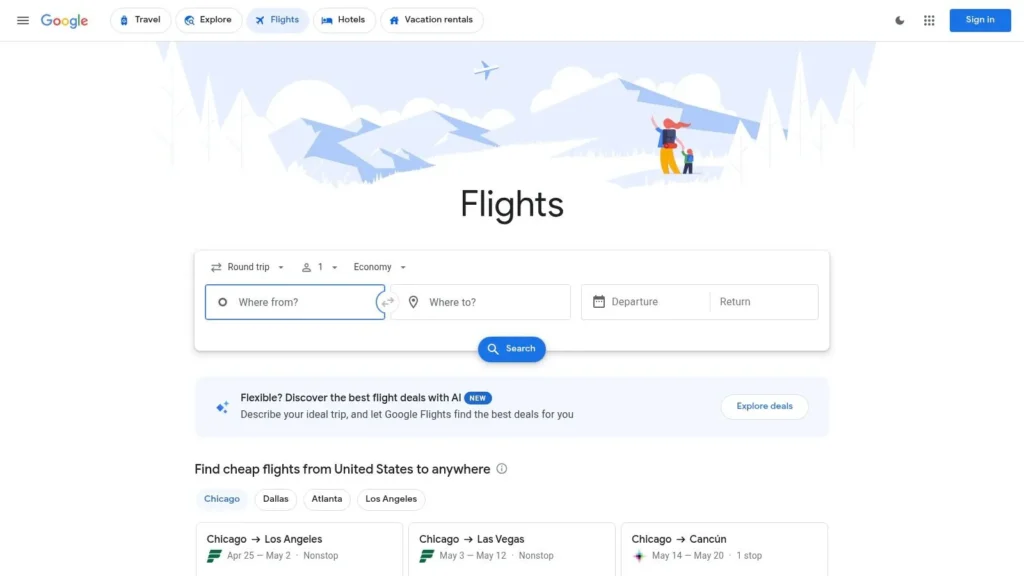
The platform shines with its visual tools for flexible travelers. The Date Grid and Price Graph instantly show you the cheapest days to fly, while the Explore map lets you discover destinations within your budget. You can set up email alerts to track prices for a specific route and receive notifications when fares are likely to rise or fall, an invaluable feature for booking at the right time. For a deeper dive into securing the best prices, you can learn more about how to find cheap flights with advanced strategies.
Key Details & User Experience
The user experience is fast, intuitive, and focused purely on finding the best flight. Price insights offer historical context, telling you if the current fare is low, typical, or high for your chosen route. While it is part of the broader Google Travel ecosystem, its primary function is search and discovery; you are redirected to the airline or OTA website to complete the booking.
- Platform: Web
- Pricing: Free to use.
- Unique Offering: Powerful visual search tools (Price Graph, Explore map) and proactive price tracking alerts integrated with your Google account.
Pros & Cons
- Pro: Extremely fast, comprehensive search results across most carriers and OTAs.
- Pro: Excellent visual tools for flexible date and destination planning.
- Con: Bookings are finalized on third-party sites, meaning customer service varies by vendor.
- Con: Primarily focused on flights; other trip components are handled in separate Google Travel sections.
Website: https://www.google.com/travel/flights
7. Rome2Rio
Rome2Rio is an indispensable multimodal travel search engine that excels at answering a fundamental travel question: “How do I get from point A to point B?” It aggregates and compares routes across planes, trains, buses, ferries, and driving options globally, presenting a comprehensive overview of your transport choices. This makes it one of the best travel apps for planning complex, multi-stage journeys or figuring out the best way to travel between less-connected destinations.
The platform shines by stitching together disparate travel legs into a cohesive door-to-door itinerary. It displays estimated durations, prices, and timetables for each option, complete with links to booking providers. While its mobile apps are excellent for on-the-go searches, the web-based Trip Planner allows users to save and organize multi-stop trips, which is particularly useful during the early brainstorming phase of trip planning.
Key Details & User Experience
The user interface is straightforward: you enter a starting point and a destination, and Rome2Rio visualizes all the possible routes on a map. This visual approach makes it easy to understand the logistics of your journey, especially when comparing a direct flight against a more scenic train-and-ferry combination. The experience is geared toward discovery and logistical comparison rather than direct booking.
- Platform: Web, iOS, Android
- Pricing: Free to use.
- Unique Offering: Door-to-door multimodal search that combines different forms of transport into a single, easy-to-compare itinerary.
Pros & Cons
- Pro: Excellent for discovering how to connect different cities using ground transport.
- Pro: Free to use and provides clear pre-booking information with links to operators.
- Con: The more robust Trip Planner feature for saving itineraries is primarily on the web browser.
- Con: Displayed prices are estimates and can differ from the final fares on operator sites.
Website: https://www.rome2rio.com/
8. Skyscanner
When your travel plans are flexible and finding the best deal is a top priority, Skyscanner is an indispensable tool. As a powerful meta-search engine, it scans hundreds of airlines and travel sites to find the best prices on flights, hotels, and car rentals. Its standout feature is the “Everywhere” search, allowing you to discover the cheapest destinations to fly to from your home airport, making it one of the best travel apps for planning when you need inspiration.
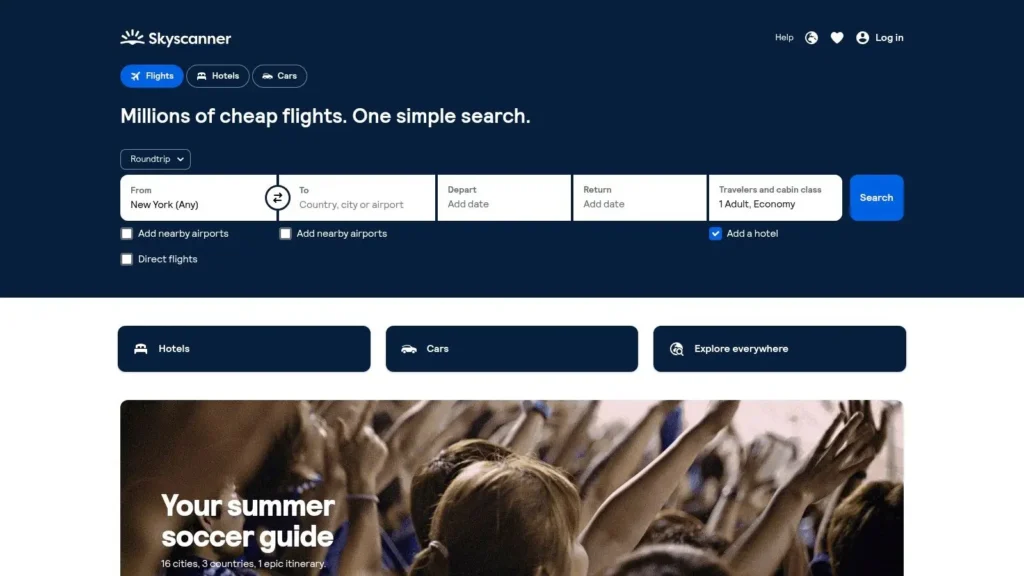
This platform excels at helping you visualize costs over time with its “Whole month” and “Cheapest month” views, perfect for identifying the most affordable travel windows. Setting up price alerts for specific routes is straightforward, ensuring you get notified when fares drop. The app also offers exclusive features like “Drops,” which showcases daily price reductions, and “Perks,” providing access to special discounts and partner offers.
Key Details & User Experience
The user interface is clean and highly intuitive, making complex searches simple to execute. Results load quickly, and filters are robust enough to narrow down options by stops, airlines, and times. The experience is geared toward discovery and savings, transforming the often tedious task of finding cheap flights into an engaging exploration of possibilities.
- Platform: Web, iOS, Android
- Pricing: Free to use.
- Unique Offering: Flexible search tools like “Everywhere” and whole-month views that are ideal for spontaneous travelers and budget-conscious planners.
Pros & Cons
- Pro: Excellent inspiration tools for travelers without a fixed destination.
- Pro: Simple and effective price alert system for tracking specific flights.
- Con: Prices can sometimes change or become unavailable when you click through to the partner site.
- Con: Some advanced filtering and alert customization options are limited.
Website: https://www.skyscanner.com
9. KAYAK
KAYAK has been a cornerstone of travel planning for years, evolving from a simple meta-search engine into a comprehensive tool for discovery, booking, and trip management. It excels at aggregating prices for flights, hotels, and rental cars from hundreds of sites, presenting them in a clean, comparable format. Its power lies in its robust filtering options and tools that go beyond just booking, making it one of the best travel apps for planning from the initial spark of an idea to the final journey home.
The platform’s standout features are designed for both the decisive and the dreaming traveler. Price Alerts notify you when a fare on your tracked route drops, while the “Explore” feature lets you see where you can fly within a specific budget. Once booked, the “Trips” feature acts as a lightweight itinerary builder, allowing you to forward confirmation emails to an inbox that automatically organizes your plans and provides live flight status updates.
Key Details & User Experience
The KAYAK app experience is clean and fast, whether you are in the inspiration phase or ready to book. It often uncovers mobile-only rates and “Private Deals” that offer additional savings, rewarding users for searching on the app. The interface makes it simple to set up alerts and manage your trips without feeling cluttered.
- Platform: iOS, Android, Web
- Pricing: Free to use.
- Unique Offering: A powerful combination of price aggregation, flexible budget-based destination discovery, and automated itinerary organization.
Pros & Cons
- Pro: Excellent Price Alert system with configurable notifications.
- Pro: The “Explore” map is a fantastic tool for budget-based travel inspiration.
- Con: Final prices can sometimes differ on partner sites after clicking through.
- Con: Price alert notifications can become frequent if not fine-tuned in the settings.
Website: https://www.kayak.com/mobile
10. Hopper
Hopper is a mobile-first app designed to save you money by predicting the future price of flights and hotels, telling you precisely when to book. Its core strength lies in its data-driven guidance, analyzing billions of prices to recommend whether you should buy now or wait for a better deal. This makes it an indispensable tool for flexible travelers looking to optimize their budget without constant manual checking.
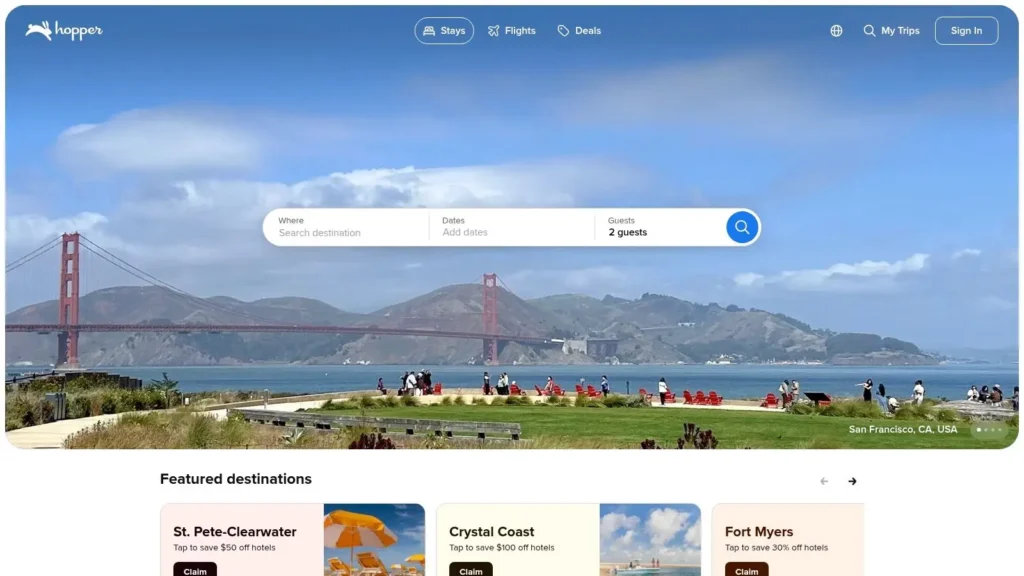
Beyond predictions, Hopper offers unique fintech products that provide a financial safety net for your plans. You can use its “Price Freeze” feature to lock in a fare or hotel rate for a small fee, protecting you from price hikes while you finalize your decision. For ultimate flexibility, it also sells add-on protections like “Cancel for Any Reason,” making it one of the best travel apps for planning when your schedule is uncertain.
Key Details & User Experience
The app’s interface is clean, playful, and built around a simple color-coded calendar that shows the cheapest days to travel. The user experience is gamified, encouraging you to “watch” trips and wait for price-drop notifications. While the core features are free, the value-add protections come at a cost, so it’s important to read the terms carefully during checkout.
- Platform: iOS, Android
- Pricing: Free to use; optional fees for Price Freeze and other travel protections.
- Unique Offering: Predictive algorithms that advise on the best time to buy, plus optional financial products to lock in prices and add cancellation flexibility.
Pros & Cons
- Pro: Excellent for wait-vs-buy decisions and securing deals with price predictions.
- Pro: Helpful safety-net products like Price Freeze offer valuable flexibility.
- Con: Protections and Price Freeze carry extra fees that add to the total cost.
- Con: App checkout can include optional tips or fees that users should watch for.
Website: https://www.hopper.com
11. Expedia
Expedia serves as an all-in-one booking powerhouse, making it one of the best travel apps for planning if you prefer to consolidate your reservations. It moves beyond individual bookings by allowing you to bundle flights, hotels, car rentals, and activities into a single, manageable itinerary. This consolidation not only simplifies organization but can also unlock significant savings, making complex trip logistics feel much more streamlined.
The platform’s standout feature is its unified One Key rewards program, which integrates earnings across Expedia, Hotels.com, and Vrbo. This means you can earn and redeem rewards, called OneKeyCash, across a vast network of travel products. The app often provides exclusive Member Prices and tiered perks, such as complimentary room upgrades at VIP Access hotels for Gold and Platinum members. For added security on your journey, it’s wise to consider additional coverage; you can find more information about the best travel insurance for international trips to ensure you’re fully protected.
Key Details & User Experience
Expedia’s interface is user-friendly, presenting complex travel options in a clear and comparable format. The ability to filter results based on traveler ratings, price, and amenities is robust, and managing your entire trip from a single dashboard is a major convenience. Tiered membership levels offer progressively better perks, rewarding loyal users.
- Platform: Web, iOS, Android
- Pricing: Free to use; pricing varies by booking.
- Unique Offering: A unified rewards program (One Key) across major travel brands and powerful bundling options for flights, hotels, and activities.
Pros & Cons
- Pro: Easy to manage and book multiple trip components in one place.
- Pro: Unified rewards across major brands can increase value and earning potential.
- Con: The best perks and protections often require achieving a higher membership status.
- Con: Some benefits and price drop protections are limited to eligible bookings made within the app.
Website: https://www.expedia.com
12. Apple App Store — Travel app story collections
For iPhone and iPad users, the App Store’s curated “story” collections are a fantastic shortcut to finding the best travel apps for planning. Instead of wading through individual search results, these editorial roundups, like “Essential Travel Apps,” group top-tier tools such as Skyscanner, TripIt, and Expedia into themed articles. This approach simplifies discovery, offering a trusted, human-curated snapshot of the most effective apps for your trip.
Each collection provides short, insightful blurbs that highlight what each app does best, allowing you to quickly understand its core strengths. With one-tap deep links directly to the app’s install page, you can build your travel planning toolkit in minutes. This method is far more efficient than manual searching, as Apple’s editors have already done the vetting for you, ensuring quality and relevance.
Key Details & User Experience
Navigating these stories within the App Store’s “Today” or “Apps” tab is a seamless part of the iOS experience. The format is visually engaging and easy to read, presenting a clear, concise overview of each recommended application. The collections act as a trusted guide, saving you significant research time by presenting pre-approved options.
- Platform: iOS, iPadOS
- Pricing: Free to access; apps featured within collections vary.
- Unique Offering: Trusted editorial curation that bundles top travel apps into themed, easy-to-digest collections with direct installation links.
Pros & Cons
- Pro: Reduces research time by providing trusted, editor-vetted app recommendations.
- Pro: Convenient one-stop shop to discover and install a suite of planning apps.
- Con: Exclusively available on Apple devices.
- Con: Collections are often seasonal and rotate, so a favorite list may disappear.
Website: https://apps.apple.com/us/
Top 12 Travel Planning Apps — Comparison
| Item | Core features | UX / Quality | Best for | Price & unique selling point |
|---|---|---|---|---|
| Apple App Store | Official iOS marketplace; app pages, privacy labels, editorial collections | Polished, secure, curated reviews | iPhone/iPad users seeking vetted travel apps | Free to browse; app prices vary — USP: Apple editorial curation & privacy labels |
| Google Play Store (Travel & Local) | Android category browsing, ratings, permissions, changelogs | Large selection, variable quality | Android users comparing many travel apps | Free to browse; app prices vary — USP: massive catalog + user reviews |
| TripIt | Auto‑parse confirmations, single shareable itinerary, calendar sync, offline | Reliable single‑source for trips | Frequent flyers and complex itineraries | Free basic; TripIt Pro subscription for alerts & fare monitoring — USP: automatic email parsing |
| Wanderlog | Collaborative editing, drag‑drop itineraries, map pins, budget tools | Map‑first, collaborative, intuitive | Group trips and planners who share itineraries | Strong free tier; Pro subscription for offline & optimizer — USP: real‑time collaboration |
| Roadtrippers | 5M+ POIs, fuel estimates, RV routing, campground info | Road‑trip optimized, US‑centric | US drivers, RV travelers and sightseeing routes | Freemium; paid tiers for offline maps & more stops — USP: deep POI + RV features |
| Google Flights (Google Travel) | Flight metasearch, price graph, date grid, Explore map, alerts | Fast, ad‑light, visual planning tools | Early‑stage searchers and deal hunters | Free to use — USP: visual price insights and broad coverage |
| Rome2Rio | Multimodal door‑to‑door routes, timetables, cost/time estimates | Great for complex multimodal trips; web focus | International travelers stitching trains, buses, ferries, flights | Free to use — USP: anywhere‑to‑anywhere multimodal comparisons |
| Skyscanner | Flight/hotel/car meta‑search, Everywhere search, price alerts, app deals | Inspiring, simple alerts | Flexible travelers looking for inspiration and deals | Free to use — USP: Everywhere search + app‑only Drops/Perks |
| KAYAK | Meta‑search (flights/hotels/cars), price alerts, Explore map, Trips inbox | Clean interface, booking‑ready | Travelers wanting consolidated search + trip organizer | Free to use — USP: mobile deals + integrated Trips organizer |
| Hopper | Price‑prediction, Price Freeze, optional protections (cancel/rewrite) | Mobile‑first; predictive UX with optional fees | Buyers deciding when to purchase and hedging risk | Free app; Price Freeze & protections cost extra — USP: predictive pricing + fintech protections |
| Expedia | Flights/hotels/cars/activities, bundling, One Key rewards, member perks | Full‑service booking; unified rewards | Travelers booking complete itineraries and using loyalty | Free to use; best perks require status — USP: unified rewards across brands |
| Apple App Store — Travel app story collections | Themed editorial roundups with one‑tap install links and blurbs | Highly curated, concise recommendations | Users wanting quick curated app recommendations | Free to view; apps/install costs vary — USP: editorially curated app collections |
Building Your Ultimate Travel Toolkit
The digital age has fundamentally transformed how we approach travel, shifting the burden of planning from bulky guidebooks and scattered paper confirmations to the sleek, powerful devices in our pockets. As we’ve explored, the landscape of the best travel apps for planning is vast and varied, offering specialized tools for every stage of your journey, from the first spark of an idea to the final expense report. Yet, the single most important takeaway is that there is no single “best” app. Instead, true planning mastery comes from building a personalized, integrated digital toolkit.
The power lies not in finding one application to do everything, but in understanding how to strategically combine several to create a seamless workflow. Think of it as assembling a team of specialists rather than hiring a generalist. Your goal is to create a system where each app handles what it does best, handing off the baton to the next specialist in the planning chain. This modular approach is the key to minimizing stress and maximizing efficiency.
Assembling Your Core Planning Stack
To move from theory to practice, consider how you can build a “stack” of apps that mirrors your personal travel style. Your choices will depend heavily on who you are as a traveler.
For the Hyper-Organized Solo Traveler: A powerful combination might start with Google Flights for its unparalleled search flexibility and price tracking. Once flights and hotels are booked, forwarding confirmations to TripIt creates an instant, comprehensive master itinerary. Layer on an app like PackPoint to ensure nothing is forgotten, and you have a streamlined, automated system that keeps every detail in order.
For the Collaborative Group Planner: Planning with friends or family introduces a new layer of complexity. This is where an app like Wanderlog truly shines, acting as a central hub for shared ideas, collaborative itinerary building, and expense splitting. You can still use Skyscanner or KAYAK to find the best group deals on flights and accommodations, but Wanderlog becomes the command center where everyone can contribute and stay on the same page, preventing the chaos of endless group chats.
For the Spontaneous Road Tripper: The needs of a road warrior are unique. Roadtrippers is the non-negotiable cornerstone of this toolkit, designed specifically for discovering quirky roadside attractions and optimizing multi-stop routes. Complement it with Rome2Rio to quickly compare driving times against other transit options for longer legs of the journey and use an offline map app to ensure you’re never lost, even when cell service disappears.
Beyond the Apps: The Human Element
Ultimately, these tools are facilitators, not replacements for thoughtful planning. The most effective use of these apps involves a bit of upfront strategy. Before you even open the App Store or Google Play, take a moment to define your trip’s core needs. Are you on a tight budget? Is collaboration the biggest hurdle? Is your itinerary fixed, or do you need flexibility?
Answering these questions will guide your selections and prevent you from downloading a dozen apps you’ll never use. Remember to also consider practicalities like offline access and data privacy. A beautiful itinerary app is useless if you can’t access it without a Wi-Fi connection in a remote location. By starting with your needs and understanding the unique strengths of each tool, you can build a robust, reliable, and truly personalized digital travel companion. Your perfect toolkit will empower you to spend less time wrestling with logistics and more time immersing yourself in the incredible experiences the world has to offer.
While these digital tools are essential for modern planning, there’s still immense value in the tactile experience of journaling your adventures. For those who want to capture memories, sketch new discoveries, or simply reflect on their journey in a more personal way, maxijournal.com offers beautifully crafted travel journals. Visit maxijournal.com to find the perfect analog companion for your digitally-planned trip, blending the best of both worlds.
Discover more from Maxi Journal
Subscribe to get the latest posts sent to your email.