Your email is one of over 300 billion sent daily, competing for attention in a crowded inbox. The single factor determining whether it gets opened or ignored is the subject line. It’s the gatekeeper to your content, the digital handshake with your audience, and arguably the most influential collection of words you will write all week. For a diverse publisher, mastering this skill is not just a good idea, it is essential for survival and growth.
This guide moves beyond generic advice to provide a concrete checklist of actionable, data-backed email subject line best practices. We will explore the psychology of what makes readers click, from sparking curiosity and using personalization to optimizing for mobile and employing data-driven A/B testing for continuous improvement. These strategies are designed to be immediately applicable, offering clear steps and real-world examples to guide your efforts.
Whether you’re announcing a new band, sharing a travel guide, or delivering critical business insights, your message deserves to be read. The eight practices detailed below will equip you to write subject lines that don’t just get seen, they get opened, read, and acted upon. Prepare to transform your open rates by treating every subject line as the critical marketing tool it truly is.
1. Use Personalization and Dynamic Content
Personalization transforms a generic email broadcast into a one-to-one conversation. Instead of sending the same subject line to thousands of people, this practice uses subscriber data to create a unique, relevant message for each individual. At its core, it’s about making your audience feel seen and understood, which is fundamental to building a loyal readership that anticipates your emails.
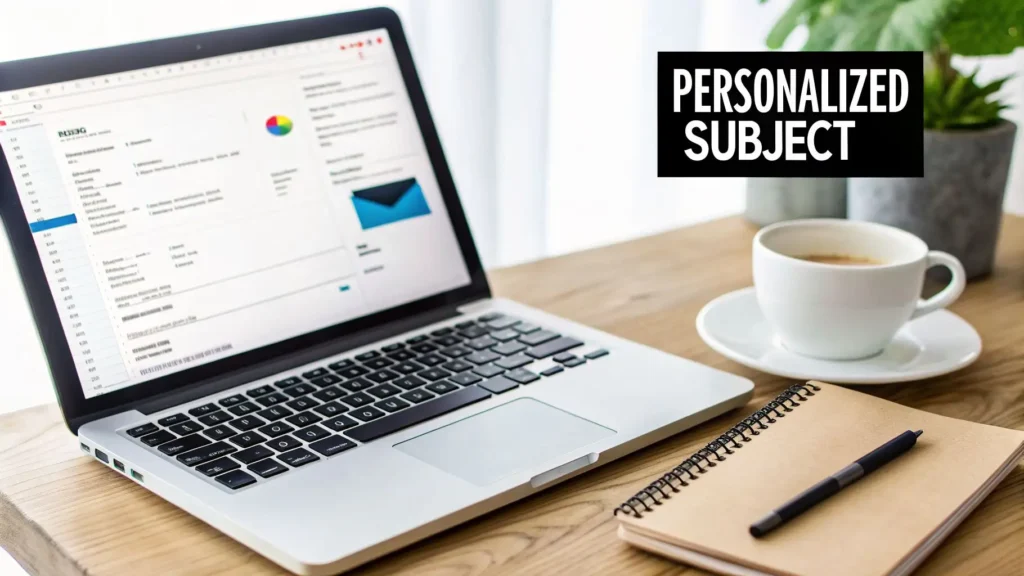
This method goes beyond simply using a recipient’s first name. Modern email platforms allow for dynamic content that can reference a subscriber’s interests, past purchase history, or browsing behavior. For a content publisher like maxijournal.com, this means you can send a subject line that mentions the specific content categories a reader enjoys, such as gaming, science, or travel.
How to Implement Personalization Effectively
Successfully using personalization requires accurate data and a clear strategy. To get started, you must first gather meaningful information about your subscribers. An effective list-building process is the foundation; if you want to find out more, discover a complete guide on how to build an email list that attracts the right audience.
Once you have the data, here are some actionable ways to apply it:
- By Name: The simplest form of personalization. Including the recipient’s first name can grab attention in a crowded inbox.
- Example: “Sarah, New Gaming & Tech Stories Just for You”
- Example: “James, 3 Must-Read Arts & Entertainment Pieces”
- By Interest Category: Segment your audience based on the content they engage with most. This shows you’re paying attention to their preferences.
- Example: “Your Weekly Science & Health Digest Awaits”
- Example: “Travel Tales You’ll Love – Fresh from maxijournal”
- By Past Behavior: Reference a recent action, like a download or article view, to create timely and contextually relevant subject lines.
- Example: “Did you enjoy our piece on independent music?”
- Example: “More on the latest movie reviews you read”
Key Takeaway: Personalization is most powerful when it feels natural and helpful, not intrusive. Balance the use of dynamic fields with a consistent brand voice to ensure your subject lines are both personal and professional. Always double-check your data for accuracy to avoid awkward mistakes like “Hello, [FNAME]”.
2. Create Curiosity Gaps and Intrigue
Curiosity is a powerful motivator for human action, and a well-crafted subject line can tap into this instinct to drive opens. This technique involves hinting at compelling information within your email but intentionally withholding a key detail. The resulting “curiosity gap” makes the reader feel a need to click and discover the rest of the story, transforming your email from a simple notification into an irresistible mystery.
Popularized by content platforms like BuzzFeed and Upworthy, this psychological approach is perfect for publishers like maxijournal.com that cover a wide range of surprising or novel topics. A subject line that creates intrigue promises a payoff: a new discovery, an unexpected trend, or a surprising fact. When the content inside delivers on that promise, it builds trust and encourages subscribers to open future emails with similar hooks.
How to Implement Curiosity Gaps Effectively
The key to this method is to generate interest without resorting to misleading clickbait. The goal is to tease, not deceive. This requires a fine balance and a commitment to delivering high-quality content that satisfies the curiosity you’ve created.
Here are some actionable ways to apply it:
- Hint at a Surprising Outcome: Frame your subject line around an unexpected result or a piece of information that challenges conventional wisdom.
- Example: “This New AI Discovery Could Change Everything (Here’s Why)”
- Example: “One Pet Species Is Smarter Than We Thought”
- Ask an Intriguing Question: Pose a question that the reader instinctively wants answered. This works especially well for topics in science, health, and business.
- Example: “Is This the End of Traditional Movie Theaters?”
- Example: “Why are gamers suddenly obsessed with this indie title?”
- Tease a ‘Secret’ or ‘Reason Why’: Use phrasing that implies exclusive or little-known information is waiting inside the email.
- Example: “The Fashion Trend Nobody Saw Coming in 2024”
- Example: “This Startup Just Raised $50M – The Reason Will Surprise You”
Key Takeaway: The curiosity gap is a potent tool among email subject line best practices, but it comes with responsibility. Always ensure your email’s content directly and satisfactorily answers the question or fulfills the promise made in the subject line. If you over-promise and under-deliver, you risk damaging reader trust and increasing unsubscribe rates.
3. Leverage Numbers and Specificity
Using numbers in your subject lines instantly communicates value and sets clear expectations. The human brain is naturally drawn to digits in a sea of text because they represent facts, order, and specificity. This practice makes your subject line scannable and promises a structured, easy-to-digest piece of content, which is highly appealing in a cluttered inbox.

This approach provides a mental shortcut for the reader, helping them quickly gauge the email’s content and its potential benefit. A subject line like “Tips for Better Writing” is vague, but “7 Tips for Better Writing” is concrete and actionable. For maxijournal.com, incorporating numbers and specificity is a powerful way to frame articles on topics ranging from technology to travel, making them more enticing and clickable.
How to Implement Numbers Effectively
Successfully using numbers requires more than just picking a random digit; it’s about creating a subject line that is both intriguing and honest. The number should accurately reflect the content inside the email to build trust with your audience. As studies from marketing platforms like HubSpot and Buffer show, this is one of the most reliable email subject line best practices for boosting open rates.
Here are some actionable ways to apply numbers and specificity:
- Listicle Format: This is the most common and effective use. It clearly outlines the structure of your content.
- Example: “5 Breakthrough Technologies Reshaping 2024”
- Example: “10 Pet Behaviors Explained by Science”
- Use Specific Data: Incorporate statistics or percentages to add credibility and a sense of authority.
- Example: “Save 40% on Your Next Trip With These Tips”
- Example: “Why 93% of Gamers Prefer This New Console”
- Highlight a Countdown or Ranking: Create a sense of importance or exclusivity with a numbered ranking.
- Example: “7 Travel Destinations That Just Made Forbes’ List”
- Example: “The Top 3 Indie Bands to Watch This Year”
Key Takeaway: Numbers create a framework of predictability that readers appreciate. They promise a finite, organized, and valuable piece of information. For best results, place the number at the beginning of the subject line for immediate impact and consider using odd numbers (like 3, 5, or 7), which some studies suggest are more memorable.
4. Incorporate Power Words and Action Verbs
Power words and action verbs are the catalysts that turn a passive subject line into an active invitation. These are words specifically chosen to trigger a psychological or emotional response, creating a sense of urgency, curiosity, or excitement. By pairing them with strong action verbs, you don’t just describe your content; you command attention and encourage subscribers to click.
This technique is about more than just choosing strong vocabulary. It’s a core component of effective copywriting that communicates value and purpose immediately. For a publisher like maxijournal.com, using these words helps frame content in a way that highlights its benefits, making an article on business feel like a career-changing guide or a science piece feel like a groundbreaking discovery.
How to Implement Power Words and Action Verbs
Using power words requires a balance between creating intrigue and accurately representing your content. The goal is to elevate your message without resorting to clickbait. Authentic and compelling subject lines are a key part of building trust, much like an author’s credibility is established in their profile. To see how tone and word choice build authority, review this guide on how to write an effective author bio for more insights.
Here are specific ways to apply this practice:
- Spark Curiosity: Use words that hint at something unknown or surprising, making readers eager to learn more.
- Example: “Discover the Hidden Benefits of Daily Meditation”
- Example: “Uncover the Science Behind Why Cats Sleep So Much”
- Promise Mastery and Improvement: Frame your content as a tool for growth and expertise. Action verbs like “Master” and “Learn” are perfect for this.
- Example: “Master These 5 Business Strategies Before Your Competition”
- Example: “Learn Which Travel Destinations Are Most Underrated”
- Create a Sense of Exclusivity: Words like “secret,” “insider,” or “revealed” make the content feel special and not widely known.
- Example: “The Secret to Finding the Best Indie Music”
- Example: “Explore the Future of AI in Entertainment”
Key Takeaway: The most effective power words align with the tone of your content and the intent of your audience. An authoritative word like “Master” is great for a business article, while a playful one like “Explore” fits perfectly for entertainment. Always ensure the promise made in the subject line is fulfilled by the content inside.
5. Optimize for Mobile Readability and Length
With the majority of emails now being opened on smartphones, optimizing subject lines for mobile devices isn’t just a good idea; it’s a necessity. Mobile email clients often truncate subject lines, meaning your carefully crafted message can get cut off. This practice focuses on creating concise, front-loaded subject lines that deliver the most critical information immediately, ensuring clarity and impact on smaller screens.
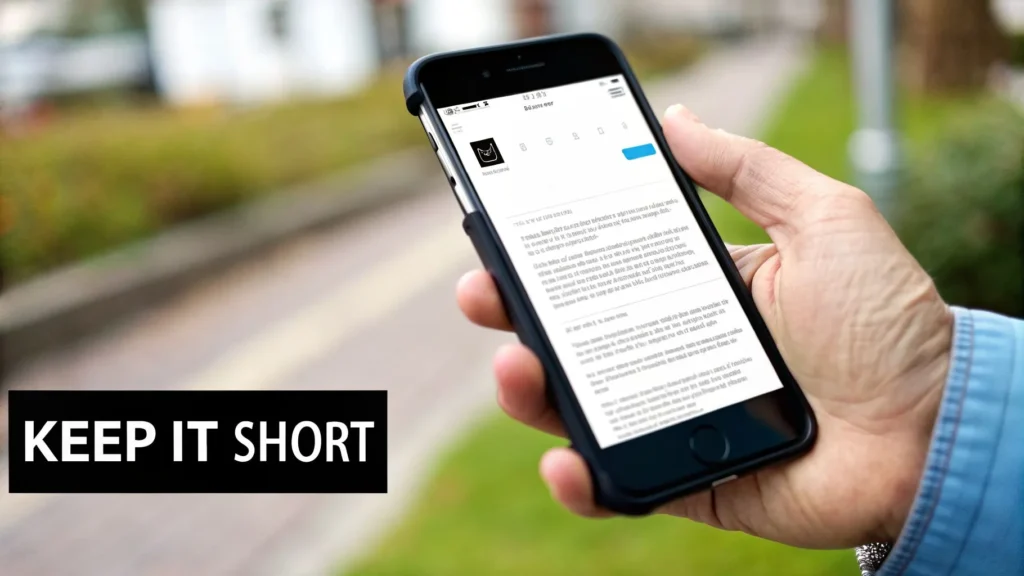
The core principle is brevity and immediacy. Since a typical mobile screen displays only about 30-50 characters of a subject line, placing your main point at the very beginning is vital. This mobile-first approach respects the reader’s time and context, capturing their interest before they scroll past. It’s a key part of modern email subject line best practices that directly influences open rates.
How to Implement Mobile Optimization Effectively
Successful mobile optimization requires a shift in how you think about subject line construction. Instead of writing a full sentence, think in terms of headlines that are quick and easy to scan. This involves prioritizing keywords and using the preview text as a strategic extension of your message.
Here are some actionable ways to apply it:
- Lead with Keywords: Place the most important words, like the content category, at the beginning to instantly communicate the email’s value.
- Example: “Gaming Trend Alert: You Need to Know This”
- Example: “Science Update: The Latest Sleep Breakthrough”
- Keep it Concise: Aim for the 30-50 character sweet spot to avoid your message being cut off on most mobile devices.
- Example: “Travel Alert: Hidden Gems in Europe”
- Example: “Fashion Week: 3 Must-See Trends”
- Use Preview Text Smartly: Treat the preview text as a second subject line. Use it to add context, a call-to-action, or details that didn’t fit in the subject itself.
- Subject: “Pet Health: Vet-Approved Tips”
- Preview Text: “Keep your furry friend happy and healthy with these simple tricks.”
Key Takeaway: Always test how your subject lines appear on different mobile devices and email clients (like iOS Mail and Gmail on Android). What looks good on one might break on another. A short, powerful subject line combined with compelling preview text is the winning formula for mobile engagement.
6. Use Category-Specific Keywords and Segmentation
Segmentation is the practice of dividing your email list into smaller groups based on specific criteria. When combined with category-specific keywords, it allows you to send highly targeted content that speaks directly to a subscriber’s individual interests. This approach moves beyond a one-size-fits-all newsletter and positions your emails as a curated source of valuable information.
For a publisher like maxijournal.com, which covers diverse topics from science to travel, this tactic is crucial. A reader who signed up for gaming news might not be interested in business strategies. Sending them a subject line clearly marked with a “GAMING” keyword immediately confirms its relevance and drastically increases the likelihood of an open. This is one of the most effective email subject line best practices for building engagement.
How to Implement Segmentation Effectively
The key to successful segmentation is understanding your audience’s preferences and organizing your content accordingly. This starts with giving subscribers a way to tell you what they like and then using that data to deliver tailored subject lines. Modern email platforms from Mailchimp to HubSpot make this process straightforward.
Here are some actionable ways to apply this method:
- By Explicit Preference: Allow users to choose their preferred content categories during the signup process or through a preference center in their account settings.
- Example: SCIENCE: Quantum Computing Breakthrough Explained
- Example: TRAVEL: 5 Caribbean Destinations Better Than Jamaica
- By Content Category Tag: Use clear, concise identifiers at the beginning of the subject line to signal the topic. This helps subscribers quickly scan their inbox for content they care about.
- Example: GAMING: New Indie Games Releasing This Week
- Example: HEALTH: Doctor-Approved Fitness Trends for 2024
- By Engagement History: Automatically segment subscribers based on the links they click and the articles they read. If someone frequently engages with arts content, add them to that segment.
- Example: ARTS: Underground Musicians You Need to Hear
- Example: BUSINESS: 3 Startup Strategies That Actually Work
Key Takeaway: Effective segmentation makes your audience feel like you are curating content specifically for them. Start by identifying your main content pillars and create clear segments for each. Consistently using category keywords in your subject lines will train your readers to look for and open the emails that matter most to them.
7. Create Urgency and Scarcity Messaging
Urgency and scarcity are powerful psychological triggers that motivate people to act quickly. In the context of email marketing, these principles tap into the fear of missing out (FOMO), encouraging subscribers to open your message immediately rather than leaving it for later. When used ethically and strategically, this approach can dramatically increase your open rates for time-sensitive content and exclusive features.
This method isn’t just for e-commerce promotions. For a content publisher like maxijournal.com, it’s perfect for highlighting exclusive interviews, limited-run article series, or early access opportunities. By framing your content as a time-sensitive event, you elevate its perceived value and create a compelling reason for subscribers to engage now, cutting through the noise of a crowded inbox.
How to Implement Urgency and Scarcity Effectively
The key to using these tactics successfully is to ensure they are genuine. False urgency can erode trust with your audience. Start by identifying truly time-sensitive or limited-availability content, and then craft subject lines that clearly communicate the constraint without resorting to clickbait. This is a core component of effective email subject line best practices.
Here are some actionable ways to apply urgency and scarcity:
- By Timeframe: Use specific deadlines to create a clear sense of urgency. Vague timelines are less effective than concrete ones.
- Example: “EXCLUSIVE: Behind-the-Scenes with Breakthrough Scientists (48 Hours Only)”
- Example: “Dropping Tomorrow: The Ultimate Gaming Guide”
- By Limited Availability: Highlight when access to content or an event is restricted. This works well for live Q&As or special reports.
- Example: “Only 100 Spots Available: Live Q&A with Industry Leaders”
- Example: “Members Only: Early Access to This Week’s Travel Features”
- By Implied Finality: Use phrases that signal a final opportunity to access valuable information, creating a last-chance appeal.
- Example: “Last Chance: Complete Guide to 2024 Tech Trends”
- Example: “Your Weekly Science Digest is About to Expire”
Key Takeaway: Urgency works best when reserved for your most valuable, time-sensitive content. Overusing it can lead to subscriber fatigue and higher unsubscribe rates. Always make sure the content inside delivers on the promise made in the subject line to maintain reader trust and credibility.
8. A/B Test and Continuously Optimize
Assuming you know what works for your audience is a common misstep; the best way to improve is to test your assumptions directly. A/B testing, also known as split testing, is a methodical approach to comparing two versions of a subject line to see which one performs better. This practice removes guesswork from your email marketing, providing concrete data on what truly captures your audience’s attention and drives engagement.
By systematically testing different elements, you can discover the specific words, tones, and formats that resonate most effectively with your subscribers. For a content publisher like maxijournal.com, this means understanding whether your audience responds better to curiosity-driven questions or straightforward benefit statements for your gaming, science, or travel articles. Continuous optimization is key to maintaining high open rates over time.
How to Implement A/B Testing Effectively
A successful testing strategy relies on discipline and a clear process. The core principle is to isolate a single variable so you can confidently attribute the change in performance to that specific element. Start by establishing your baseline metrics, then create a hypothesis for what you believe will improve them. This methodical approach is a cornerstone of many successful digital marketing tips for small business and large publishers alike.
Here are some actionable ways to apply A/B testing:
- Statement vs. Question: Test whether a direct statement or an intriguing question generates more opens.
- Test A: “New Gaming Trends Alert”
- Test B: “Ready for the Next Big Gaming Trend?”
- Urgency vs. Benefit: See if creating a sense of urgency or highlighting a clear benefit is more powerful.
- Test A: “BREAKING: Game-Changing AI Discovery”
- Test B: “Science Update: How AI Breakthroughs Can Help You”
- Length and Detail: Compare a short, punchy subject line against a more descriptive one.
- Test A: “5 Travel Destinations Worth the Flight”
- Test B: “Discover 5 Secret Travel Spots You Haven’t Heard Of”
Key Takeaway: Document every test and its outcome. Over time, you’ll build a custom playbook of what works for your specific audience segments. Test one variable at a time on a statistically significant portion of your list (10-20% is a good start) to ensure your results are reliable and not just random chance.
8-Point Comparison: Email Subject Line Best Practices
| Technique | Implementation difficulty | Resource requirements | Expected outcomes | Ideal use cases | Key advantages |
|---|---|---|---|---|---|
| Use Personalization and Dynamic Content | Medium | Subscriber data, advanced email platform, segmentation rules | Higher open & click rates; reduced unsubscribes; stronger reader loyalty | Multi-category newsletters; repeat readers; recommendation emails | Increased relevance; better conversions; stronger reader relationships |
| Create Curiosity Gaps and Intrigue | Low to Medium | Skilled copywriters, editorial alignment, headline testing | Boosted open rates and time-on-content; risk of unqualified opens if overused | Teasers, feature stories, attention-grabbing campaigns | Strong psychological pull; works across categories |
| Leverage Numbers and Specificity | Low | Reliable data sources, editorial verification, simple formatting | Clear value signal; higher open rates and perceived credibility | Listicles, data-driven pieces, quick-value roundups | Scannable, trustworthy, high open potential |
| Incorporate Power Words and Action Verbs | Low | Copywriting expertise, tone guidelines, testing cadence | Increased CTR and engagement; possible spam filter triggers if excessive | Calls-to-action, how-tos, promotional and evergreen content | Emotionally resonant; drives action quickly |
| Optimize for Mobile Readability and Length | Low to Medium | Mobile testing tools, character guidelines, preview-text strategy | Higher mobile open rates; fewer truncation issues; consistent appearance | Short alerts, headlines for mobile-first audiences, time-sensitive nudges | Ensures visibility on phones; improves engagement across devices |
| Use Category-Specific Keywords and Segmentation | Medium | Robust subscriber profiling, list management tools, multiple campaigns | Higher relevance and segment-specific open rates; lower churn | Category newsletters, interest-based targeting, preference-based sends | Precision targeting; improved click-throughs and retention |
| Create Urgency and Scarcity Messaging | Low | Timely content coordination, clear timeframes, authenticity checks | Immediate spikes in opens and conversions; fatigue risk with overuse | Exclusive interviews, limited releases, subscriber-only offers | Drives fast action; increases immediacy and perceived value |
| A/B Test and Continuously Optimize | Medium to High | Testing platform, sufficient sample sizes, analytics capability | Data-driven lift in open/CTR over time; requires time to iterate | Ongoing campaigns, new templates, segment-specific optimization | Removes guesswork; identifies winning subject-line formulas |
Putting It All Together: Your Blueprint for Unbeatable Subject Lines
We’ve explored eight foundational pillars of high-performing emails, moving from the psychological pull of a good curiosity gap to the hard data of A/B testing. It can feel like a lot to absorb, but the key isn’t to implement every single one of these email subject line best practices overnight. Instead, view these strategies as a powerful toolkit. Your job is to select the right tool for the right audience at the right time.
The real mastery comes from the synthesis of these ideas. A truly great subject line often combines several principles at once. For instance, a single subject line can be personalized, create urgency, and be optimized for mobile devices, all while using a specific number to ground its claim. The goal is to move beyond simply following a checklist and start thinking strategically about the why behind each choice you make.
Your Actionable Next Steps
To prevent this from being just another article you read and forget, it’s time to put these concepts into action. Don’t try to overhaul your entire email strategy in one go. Start small, stay consistent, and focus on gathering meaningful data.
Here is a simple, three-step plan to get started:
- Choose Two Tactics: From the eight practices we covered, pick just two to focus on for your next campaign. For example, you could decide to A/B test a curiosity-driven subject line against one that leverages numbers and specificity.
- Formulate a Hypothesis: Before you hit send, write down what you expect to happen. An example might be: “I believe the curiosity-driven subject line will get a higher open rate, but the number-specific one will lead to a higher click-through rate because it sets a clearer expectation.”
- Analyze and Document: After the campaign, review the results. Did they match your hypothesis? Why or why not? Document your findings in a simple spreadsheet. Over time, this document will become your personal, data-backed guide to what truly works for your audience.
This iterative process of testing, learning, and refining is the secret to sustained success. Each campaign provides a new data point, helping you build an increasingly accurate profile of your subscribers’ motivations and preferences.
Beyond the Open: Building Trust and Delivering Value
Ultimately, adhering to email subject line best practices isn’t just about boosting a single metric. It’s about building a stronger, more meaningful relationship with your audience. A great subject line is a promise; the content of your email is the fulfillment of that promise. When you consistently deliver on that promise, you earn your subscribers’ trust and attention.
They stop seeing your emails as just another piece of marketing and start seeing them as a valuable source of information, entertainment, or solutions. This is how you transform a passive subscriber into an engaged brand advocate. By treating the subject line as the critical first step in a conversation, you set the stage for long-term loyalty and community building. Your inbox efforts will no longer be just about getting a click, but about creating a genuine connection.
Ready to see these principles in action or looking for a platform to share your own expertise? maxijournal.com is a community built on quality content and engaging stories across every imaginable category. Explore fresh perspectives from our contributors or become one yourself at maxijournal.com.
Discover more from Maxi Journal
Subscribe to get the latest posts sent to your email.