Imagine a week where delicious, healthy meals are always ready, saving you time, money, and the stress of last-minute decisions. This reality is achievable through strategic meal prep. In our busy lives, the convenience of takeout or processed foods often wins, but dedicating just a few hours each week can put you back in control of your nutrition. This shift allows you to align your diet with specific health goals and finally solve the daily “what’s for dinner?” puzzle.
This guide provides more than just generic advice. We deliver ten distinct, actionable healthy meal prep ideas crafted for various lifestyles, from performance-focused athletes to budget-conscious professionals navigating a busy workweek. You will find detailed strategies that cover everything from macro-balanced planning to diverse flavor-rotation techniques that keep your meals exciting.
Inside, you will discover:
- Sample recipes and precise grocery lists.
- Efficient batch-cooking schedules.
- Proper storage and reheating instructions.
- Variations for vegetarian, vegan, gluten-free, and low-carb diets.
Whether your primary goal is fat loss, muscle gain, better digestive health, or simply eating well consistently, these proven methods will provide the blueprint you need. Get ready to master your week and make your health a priority, one prepped meal at a time.
1. Plant-Based Protein Bowl Prep
One of the most versatile and nutrient-dense healthy meal prep ideas is the plant-based protein bowl. This method centers on batch-cooking core components, like legumes and whole grains, then assembling them with fresh vegetables and flavorful sauces throughout the week. It’s an efficient way to create balanced, plant-forward meals that are rich in fiber, vitamins, and complete proteins without relying on meat. By combining different plant sources, you can easily meet your nutritional needs while enjoying a wide variety of tastes and textures.
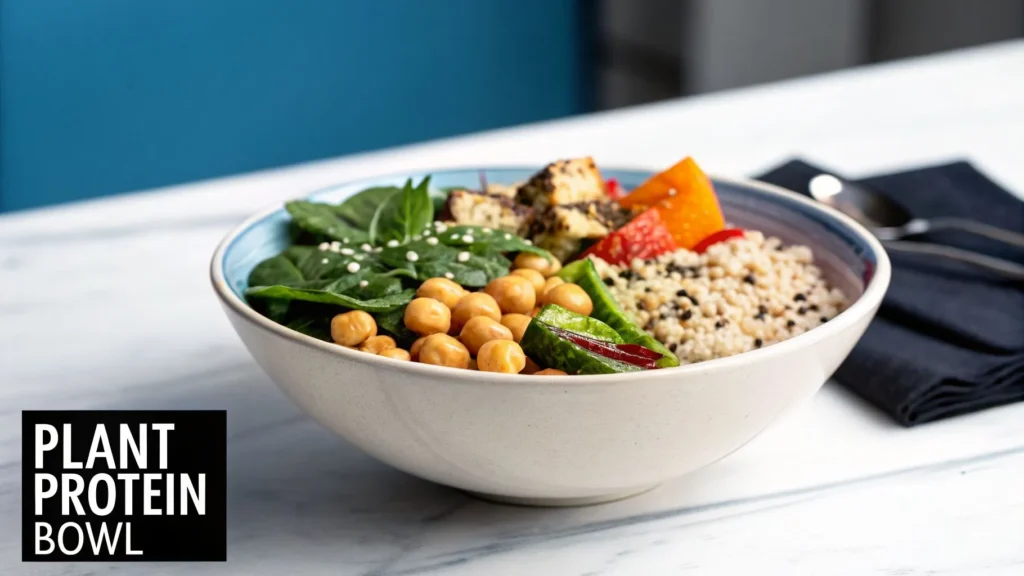
The core principle is building a meal from a few key categories: a protein base, a whole grain, a variety of vegetables, a healthy fat, and a delicious dressing. This “mix-and-match” approach prevents flavor fatigue and allows for endless customization based on what’s in season or on sale at the grocery store.
How to Implement Plant-Based Bowl Prep
Successful bowl prep hinges on separating your components until you are ready to eat. This keeps everything fresh, preventing soggy greens and mushy grains.
- Batch Cook Grains & Proteins: On your prep day, cook a large batch of a whole grain like quinoa, brown rice, or farro. Simultaneously, prepare one or two plant-based proteins. Good options include roasting chickpeas until crispy, baking tofu or tempeh, or simply cooking a large pot of lentils or black beans.
- Wash & Chop Veggies: Prepare your vegetables by washing and chopping them. Store hardier vegetables like bell peppers, carrots, and broccoli in airtight containers. Keep delicate greens like spinach or arugula separate.
- Prepare Dressings: Mix a couple of simple dressings, such as a lemon-tahini sauce or a ginger-soy vinaigrette. Store them in small, sealed jars or containers.
- Assemble Before Serving: When it’s time for a meal, simply scoop a portion of your grain, top it with protein and vegetables, and drizzle with your chosen dressing. For added crunch and healthy fats, sprinkle on some nuts, seeds, or avocado right before eating.
2. Freezer-Friendly Batch Cooking
One of the most efficient and cost-effective healthy meal prep ideas is freezer-friendly batch cooking. This strategy involves dedicating a few hours to prepare large quantities of freezer-safe meals like soups, stews, chilis, and sauces. Once cooked and cooled, these meals are portioned into individual or family-sized containers and frozen, creating a stockpile of ready-to-heat dinners for busy weeks. This method is perfect for ensuring you have a nutritious, home-cooked meal on hand without the daily effort of cooking from scratch.
The principle behind this approach is “cook once, eat many times.” By focusing on recipes that freeze and reheat well, such as a hearty lentil bolognese or a Thai red curry, you lock in flavor and nutrients. It’s a fantastic way to minimize food waste by using up vegetables and to control ingredients, avoiding the high sodium and preservatives often found in store-bought frozen meals.
How to Implement Freezer-Friendly Batch Cooking
The key to successful freezer meal prep is proper cooling, packaging, and labeling. These steps ensure food safety and preserve the quality and taste of your meals for weeks or even months.
- Choose Freezer-Friendly Recipes: Focus on liquid-based or saucy dishes. Great examples include vegetable minestrone, Moroccan-spiced chickpea tagine, or a classic turkey and vegetable chili. These dishes hold their texture well after thawing and reheating.
- Cool Completely Before Freezing: This is a critical food safety step. Allowing hot food to cool to room temperature before placing it in the freezer prevents the container from trapping steam, which can lead to ice crystals and freezer burn. It also stops the freezer’s internal temperature from rising, which could affect other frozen items.
- Use Proper Storage: Invest in high-quality, airtight, freezer-safe containers or resealable freezer bags. When filling containers, leave about a half-inch of headspace at the top to allow for liquid expansion as it freezes.
- Label Everything: Clearly label each container with the name of the meal and the date it was frozen. This prevents mystery meals and helps you use the oldest items first. For those just starting out, mastering these foundational steps is a great way to build confidence; you can find more cooking tips for beginners to help your kitchen skills grow.
3. Macro-Balanced Nutrition Planning
A more scientific approach to healthy meal prep ideas involves macro-balanced nutrition planning. This method focuses on calculating and portioning meals based on specific macronutrient ratios-proteins, carbohydrates, and fats-to align with individual health goals, metabolism, and activity levels. It moves beyond simple calorie counting to optimize body composition, athletic performance, and overall metabolic health. By precisely controlling your intake, you can provide your body with the exact fuel it needs to build muscle, lose fat, or maintain a healthy weight.
The core principle is to define a target macro split and then build meals that fit those numbers. This data-driven strategy, popularized by fitness professionals and registered dietitians, ensures every prepped meal serves a specific physiological purpose. It transforms meal prep from just a convenience into a powerful tool for achieving targeted results.
How to Implement Macro-Balanced Nutrition Planning
Success with this method requires precision and consistency, especially at the beginning. The goal is to create a system where hitting your targets becomes second nature.
- Determine Your Macros: First, calculate your daily caloric needs and macronutrient split. This can be done using online calculators or apps like MyFitnessPal, often based on goals like fat loss (e.g., 40% protein, 35% carbs, 25% fat) or muscle gain (e.g., 30% protein, 40% carbs, 30% fat). It’s wise to consult a professional for personalized numbers.
- Batch Cook Versatile Components: Prepare large batches of lean proteins (chicken breast, ground turkey), complex carbohydrates (sweet potatoes, brown rice), and fibrous vegetables (broccoli, asparagus). Keep them stored separately.
- Weigh and Portion: Use a food scale to weigh each component as you assemble your meals. This is crucial for accuracy. For example, a meal might consist of 150g of cooked chicken breast, 200g of roasted sweet potato, and 100g of steamed green beans to meet a specific macro target.
- Plan Around Your Activity: Schedule higher-carb meals around your workouts to fuel performance and aid recovery. Save lower-carb, higher-fat meals for rest days or less active periods. Reassess your macro split every few months or whenever your goals, weight, or activity level changes significantly.
4. Mediterranean Diet Meal Prep
Adopting a Mediterranean style of eating is one of the most celebrated healthy meal prep ideas, rooted in the traditional dietary patterns of countries bordering the Mediterranean Sea. This approach emphasizes whole foods like vegetables, legumes, fruits, nuts, whole grains, fish, and high-quality olive oil. Praised for its significant cardiovascular and cognitive benefits, it focuses on creating flavorful, satisfying meals that are naturally rich in healthy fats, fiber, and antioxidants rather than following strict calorie counts.
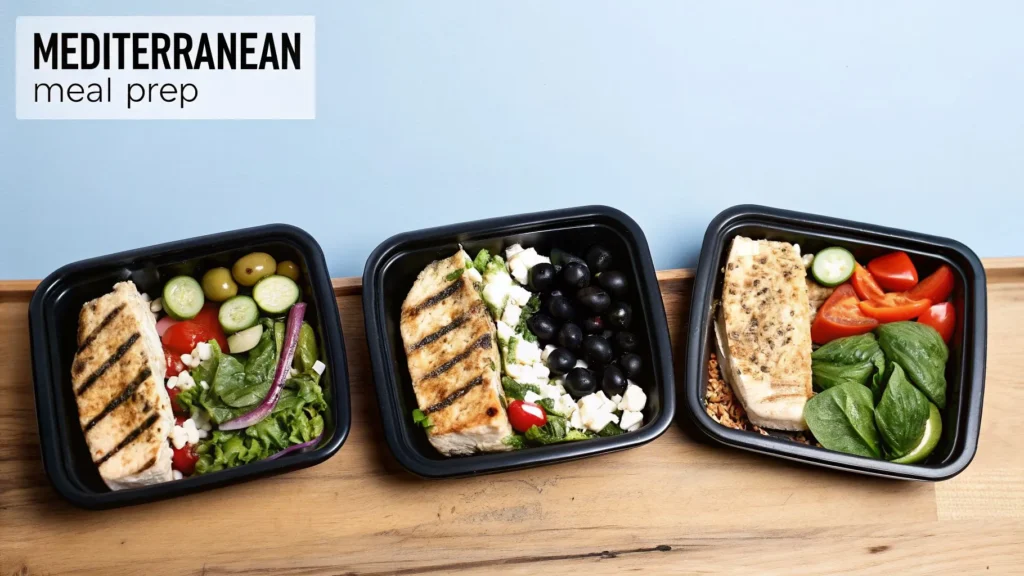
The foundation of Mediterranean meal prep is batch-cooking versatile ingredients that can be combined in numerous ways. Meals often feature a base of whole grains or legumes, topped with abundant fresh or roasted vegetables, a source of lean protein like fish or chicken, and a drizzle of extra-virgin olive oil. This makes it an excellent choice for those seeking a sustainable, delicious, and well-researched approach to long-term health.
How to Implement Mediterranean Meal Prep
Success with this method involves prepping components that celebrate fresh, seasonal flavors. Keeping dressings, cooked proteins, and fresh produce separate until mealtime preserves the vibrant taste and texture central to this diet.
- Roast Large Batches of Vegetables: On your prep day, toss seasonal vegetables like bell peppers, zucchini, eggplant, and cherry tomatoes with olive oil, garlic, and herbs (like oregano and rosemary) and roast until tender. Store them in an airtight container to add to salads, wraps, and grain bowls.
- Cook Grains & Legumes: Prepare a large quantity of a whole grain such as farro, bulgur, or quinoa. You can also cook a pot of chickpeas or lentils to use as a protein source or a hearty addition to meals like Italian pasta e fagioli.
- Prepare Lean Proteins: Grill or bake several portions of fish like salmon or cod, seasoned with lemon and dill. Alternatively, prepare chicken breasts marinated in lemon, garlic, and herbs.
- Assemble Just Before Eating: Build your meal by combining the prepped ingredients. Create a Greek salad with chopped cucumbers, tomatoes, olives, and feta. Assemble a hummus wrap with roasted vegetables. For a quick snack, pair whole-grain pita with hummus or a handful of almonds. Always finish with a splash of high-quality extra-virgin olive oil.
5. High-Energy Athlete Fuel Prep
For athletes and highly active individuals, meal prep goes beyond general health; it becomes a strategic tool for performance and recovery. High-energy fuel prep is a specialized approach that focuses on nutrient timing, macronutrient balance, and hydration to support intense physical demands. Unlike standard healthy meal prep ideas, this method is precisely calibrated to replenish glycogen stores, repair muscle tissue, and maintain peak energy levels before, during, and after workouts.
This method involves planning meals and snacks around your training schedule. It ensures you have the right fuel at the right time, preventing energy crashes and accelerating recovery. The goal is to create a consistent supply of performance-oriented food, such as pre-workout carbohydrates for energy and post-workout protein for muscle synthesis.
How to Implement High-Energy Athlete Fuel Prep
Success with this prep style depends on having ready-to-eat meals and snacks that align with your athletic goals. Proper timing and component preparation are essential for maximizing results and supporting your body’s needs.
- Strategize Your Macronutrients: On prep day, cook lean proteins like chicken breast or fish, and easily digestible carbohydrates such as white rice and sweet potatoes. These are crucial for muscle repair and rapid glycogen replenishment.
- Create Timed Meal Components: Prepare pre-workout options like overnight oats with banana and almond butter for sustained energy. For post-workout recovery, make smoothie packs with whey or plant-based protein powder, spinach, and berries that you can blend quickly.
- Prepare Grab-and-Go Snacks: Make a batch of energy balls using dates, nuts, and seeds. These are perfect for a quick energy boost. For those just starting their fitness journey, understanding foundational principles can be very helpful. You can explore some great fitness tips for beginners to complement your nutrition plan.
- Plan for Hydration: Don’t forget about electrolytes. You can prepare homemade electrolyte drinks with water, a pinch of salt, lemon juice, and a small amount of maple syrup, or have electrolyte powders pre-portioned and ready to mix. Assemble meals in containers, keeping post-workout meals ready for consumption within the crucial 30-60 minute recovery window.
6. Low-FODMAP Digestive Health Prep
For individuals managing digestive sensitivities like Irritable Bowel Syndrome (IBS) or Small Intestinal Bacterial Overgrowth (SIBO), meal prep can feel daunting. A Low-FODMAP Digestive Health Prep is a therapeutic approach that focuses on preparing meals with ingredients low in fermentable carbohydrates, which can trigger symptoms like bloating, gas, and pain. This method ensures you have safe, gut-friendly meals on hand, removing the stress of finding compliant foods on busy days. It’s one of the most targeted healthy meal prep ideas for supporting digestive well-being.
The goal is to maintain nutrient density while strictly avoiding high-FODMAP foods during an elimination phase, as developed by researchers at Monash University. This isn’t a forever diet but a short-term diagnostic tool to identify personal trigger foods. Prepping compliant components ahead of time is key to successfully navigating this dietary plan without feeling deprived.
How to Implement Low-FODMAP Prep
Success with low-FODMAP meal prep requires careful ingredient selection and organized component-based cooking. Always consult with a registered dietitian specializing in GI health before starting.
- Select Compliant Bases: On your prep day, cook large batches of low-FODMAP grains like white rice or quinoa. For proteins, grill plain chicken breast, bake salmon, or prepare turkey meatballs using gluten-free breadcrumbs and approved seasonings.
- Prepare Safe Vegetables & Fruits: Wash, chop, and store vegetables like carrots, bell peppers (all colors are fine in moderation), zucchini, and cucumbers. For fruits, portion out unripe bananas or a handful of blueberries. Keep vegetables separate to maintain freshness.
- Create Simple Dressings: Whisk together garlic-infused olive oil (the fructans in garlic are not oil-soluble), lemon juice, and a pinch of salt and pepper for a simple, safe vinaigrette. Store in a sealed jar.
- Assemble and Monitor: Combine your prepped ingredients for meals like a rice bowl with chicken and steamed carrots or a quinoa salad with cucumber and turkey meatballs. Keep a detailed food and symptom diary to track your reactions. After the initial elimination phase (typically 4-6 weeks), you will systematically reintroduce FODMAP groups to identify your specific triggers. Managing gut health often involves a multi-faceted approach, and understanding the role of your microbiome is also beneficial; some find it helpful to explore the best time to take probiotics alongside dietary changes.
7. Keto and Low-Carb Meal Prep
For those following a ketogenic or low-carbohydrate diet, meal prep is an essential strategy for success. This macronutrient-focused approach involves planning meals high in healthy fats and protein while keeping carbohydrates extremely low, typically under 50 grams per day for a ketogenic diet. This method helps maintain ketosis, a metabolic state where the body burns fat for fuel, which can support weight management and stable energy levels. Prepping ahead is one of the most effective healthy meal prep ideas for this lifestyle, as it removes the guesswork and temptation of high-carb convenience foods.
The central principle of keto meal prep is controlling macronutrient ratios. Each meal is built around a quality protein source, a substantial portion of healthy fats, and low-carb vegetables. This ensures you stay within your carb limit while feeling full and satisfied, making it much easier to stick to your dietary goals throughout a busy week.
How to Implement Keto and Low-Carb Meal Prep
Effective keto prep relies on batch-cooking compliant ingredients and having them ready for quick assembly. This approach prevents last-minute decisions that could derail your progress.
- Cook Proteins in Bulk: On your prep day, cook several servings of your chosen proteins. You can grill steak, bake salmon fillets, boil eggs for quick snacks, or slow-cook a large batch of shredded chicken. Store these in airtight containers in the refrigerator.
- Prepare Low-Carb Vegetable Bases: Roast or steam large batches of non-starchy vegetables like broccoli, asparagus, Brussels sprouts, or cauliflower. You can also make “zoodles” (zucchini noodles) or cauliflower rice to use as a substitute for pasta and rice.
- Portion Healthy Fats: While some fats are used in cooking, have others ready to add at mealtime. You can pre-portion servings of cheese, make a large jar of garlic aioli, or simply have avocados and high-quality olive oil on hand to add right before eating.
- Assemble and Store: Combine your cooked protein and vegetables into individual meal containers. For example, create containers with steak and roasted Brussels sprouts, or salmon with a side of steamed asparagus. Keep sauces and dressings separate until you’re ready to eat to maintain texture and freshness.
8. Ethnic Cuisine Flavor-Rotation Prep
A brilliant solution for preventing meal prep monotony is the ethnic cuisine flavor-rotation method. This approach involves preparing universal base components, such as simple proteins and grains, and then transforming them daily with different ethnic sauces, spices, and seasonings. It’s one of the most effective healthy meal prep ideas for enjoying a world of flavors from a single, efficient prep session. This strategy keeps your taste buds engaged and ensures your meals are anything but boring.
The core principle is to separate the flavor from the foundation. By batch-cooking neutral items like grilled chicken, brown rice, and roasted broccoli, you create a blank canvas. Each day, you can “paint” that canvas with a new culinary profile, taking your meal from Thailand to Mexico to Italy with just a few spoonfuls of a pre-made sauce or a sprinkle of a spice blend.
How to Implement Ethnic Cuisine Flavor-Rotation Prep
Success with this method depends on keeping your flavor profiles separate from your core ingredients until mealtime. This maintains the integrity of each dish and allows for maximum versatility.
- Prep Neutral Bases: Dedicate your prep day to cooking 2-3 proteins (e.g., shredded chicken, baked tofu, ground turkey) and 1-2 grains (e.g., jasmine rice, quinoa). Also, chop and roast a large batch of versatile vegetables like bell peppers, onions, and zucchini that pair well with multiple cuisines.
- Create Flavor Packs: Prepare or portion out 4-5 different sauces, marinades, or spice blends. Store these in small, individual airtight containers. Examples include a Thai green curry sauce, a Mexican cilantro-lime dressing, an Italian marinara, and an Indian tikka masala sauce.
- Assemble Daily: For each meal, combine a portion of your pre-cooked protein, grain, and vegetables in a bowl or container. Just before heating or eating, add one of your “flavor packs” and mix thoroughly.
- Add Fresh Toppings: Finish your meal with fresh garnishes appropriate to the cuisine. This could be fresh basil for an Italian dish, cilantro and a lime wedge for a Mexican bowl, or chopped peanuts and mint for a Thai-inspired meal. This final touch makes the meal feel freshly prepared.
9. Minimal Equipment Office Meal Prep
For professionals with limited kitchen access at their workplace, healthy meal prep ideas that require no cooking or reheating are essential. This approach focuses on assembling pre-prepped, no-cook components at your desk, ensuring a fresh and satisfying meal without needing a microwave or stove. It’s a practical strategy for busy office workers who want to avoid unhealthy takeout options while maintaining their nutritional goals. The beauty of this method lies in its simplicity and efficiency, proving that a lack of kitchen facilities doesn’t have to be a barrier to eating well.
The core principle is to create balanced, bento-box-style meals using shelf-stable proteins, pre-cooked elements, and fresh, ready-to-eat produce. These meals are designed to travel well and be assembled in minutes, making them perfect for a quick and quiet lunch at your desk. This “assembly-only” technique eliminates the common office dilemma of waiting for the microwave or dealing with messy reheating.
How to Implement Minimal Equipment Office Prep
Success with this method depends on smart component prep at home and investing in the right containers to keep everything separate and fresh until lunchtime.
- Prep Components Individually: On your prep day, cook items like shrimp or hard-boiled eggs and portion them into small containers. Wash and chop sturdy vegetables like carrots, bell peppers, and cucumbers. Portion out dips like hummus or Greek yogurt into small, sealed cups.
- Keep Wet and Dry Separate: This is the most important rule. Pack crackers, nuts, and granola in separate bags or compartments from moist ingredients like fruit, vegetables, or yogurt. This prevents everything from becoming soggy and unappetizing.
- Invest in Good Containers: Use a bento-style lunch box with multiple compartments or a collection of small, leak-proof containers. An insulated lunch bag with an ice pack is crucial for keeping perishable items like yogurt, cheese, or pre-cooked shrimp at a safe temperature.
- Assemble Just Before Eating: At lunchtime, simply open your containers and assemble your meal. Combine Greek yogurt with berries and granola for a parfait, pair canned tuna with crackers and veggie sticks, or wrap rotisserie chicken and hummus in a whole-wheat tortilla. Keeping shelf-stable snacks like protein bars or nuts at your desk provides a reliable backup.
10. Budget-Friendly Seasonal Produce Meal Prep
One of the most economical and sustainable healthy meal prep ideas is to build your menu around seasonal produce. This approach focuses on using fruits and vegetables that are at their peak harvest time, making them more flavorful, nutrient-dense, and significantly less expensive. Planning meals based on what’s currently abundant and on sale is an effective strategy to lower grocery bills while enjoying fresh, high-quality ingredients and supporting local food systems.
The central idea is to let seasonal availability dictate your weekly menu rather than sticking to a rigid list of ingredients. For example, summer’s bounty of zucchini and tomatoes can be turned into ratatouille or pasta sauces, while fall’s abundance of squash and root vegetables is perfect for roasted side dishes, soups, and stews. This method makes healthy eating more affordable and encourages culinary creativity.
How to Implement Seasonal Produce Prep
Success with this method comes from flexibility and a bit of forward planning. By knowing what’s in season, you can watch for sales and stock up.
- Plan Around Sales Flyers: Before grocery shopping, check your local store’s weekly ads and flyers. Identify which fruits and vegetables are on sale and build your meal prep plan around them. A great price on bell peppers might inspire a week of fajita bowls and stuffed peppers.
- Embrace Bulk and Preservation: When you find a great deal on produce, buy in bulk. Use what you need for the week and preserve the rest. Berries can be frozen for smoothies, tomatoes can be canned or made into sauce, and vegetables like green beans can be blanched and frozen.
- Visit Farmers Markets: Local farmers markets are excellent sources of seasonal food. For the best deals, try visiting near closing time when vendors may be looking to sell remaining inventory at a discount. Apps like Seasonal Food Guide can help you identify what’s fresh in your specific region.
- Batch Cook Versatile Bases: Prepare your seasonal finds in simple ways. Roast a large pan of root vegetables (carrots, sweet potatoes), steam greens (kale, chard), or make a large batch of fruit compote. These components can then be added to various meals, from grain bowls and salads to side dishes and breakfast bowls, throughout the week.
Comparison of 10 Healthy Meal-Prep Ideas
| Meal Prep Style | Implementation complexity | Resource requirements | Expected outcomes | Ideal use cases | Key advantages |
|---|---|---|---|---|---|
| Plant-Based Protein Bowl Prep | Medium — requires protein combining and flavoring skills | Moderate — legumes, grains, seasonal produce, basic kitchen tools | Balanced plant-forward meals, higher fiber, sustainable choices | Vegetarians/vegans, budget-conscious cooks, sustainability-focused | Cost-effective, versatile, nutrient-dense |
| Freezer-Friendly Batch Cooking | Medium — large-batch cooking and portioning workflow | High — ample freezer space, airtight containers, upfront time | Significant weekday time savings, flexible reheatable meals | Busy families, shift workers, students | Reduces weekday cooking, minimizes waste, economical |
| Macro-Balanced Nutrition Planning | High — personalized macro calculations and tracking | Moderate — scale, apps, possible professional guidance | Optimized body composition and performance tracking | Athletes, weight-management clients, disciplined planners | Evidence-based, precise control of progress |
| Mediterranean Diet Meal Prep | Low–Medium — straightforward cooking with fresh ingredients | Moderate — quality olive oil, fresh produce, lean proteins | Improved cardiovascular and cognitive health markers long-term | Health-focused individuals and families | Strong research support, sustainable and palatable |
| High-Energy Athlete Fuel Prep | High — timing and nutrient timing are critical | High — increased calories, electrolyte products, frequent prep | Enhanced performance, faster recovery, sustained energy | Endurance and competitive athletes, heavy trainers | Optimizes performance and recovery |
| Low-FODMAP Digestive Health Prep | High — strict elimination and careful reintroduction | Moderate — specific ingredient selection, dietitian support recommended | Reduced IBS/SIBO symptoms and improved digestion when followed | People with IBS/SIBO or functional GI disorders under guidance | Clinically effective symptom relief for sensitive GI conditions |
| Keto and Low-Carb Meal Prep | Medium–High — strict carb limits and macro control | Moderate–High — high-fat foods, electrolytes, tracking tools | Rapid initial weight loss for some, improved satiety, stable glucose | Short-term weight-loss goals, therapeutic keto users | Appetite control, metabolic benefits for appropriate users |
| Ethnic Cuisine Flavor-Rotation Prep | Medium — planning multiple sauces and flavor profiles | Moderate — spice collection, sauce prep, base components | Greater meal variety and reduced monotony | Meal-preppers who want variety and cultural flavors | Prevents boredom, economical reuse of bases |
| Minimal Equipment Office Meal Prep | Low — assembly-focused with little to no cooking | Low — portable containers, pre-cooked/shelf-stable items, ice packs | Convenient, portable meals that reduce takeout reliance | Office workers, commuters, professionals with limited kitchen access | Time-efficient, portable, lowers eating-out costs |
| Budget-Friendly Seasonal Produce Meal Prep | Medium — requires seasonal planning and preservation skills | Low–Moderate — seasonal produce, preservation tools, market access | Lower grocery costs, peak-flavor nutrition, less food miles | Frugal shoppers, CSA participants, sustainability-minded cooks | Cost savings, high nutrition-per-dollar, supports local agriculture |
From Plan to Plate: Building Your Sustainable Meal Prep Habit
You’ve just explored a full menu of healthy meal prep ideas, from budget-friendly seasonal cooking and high-energy athlete fuel to specialized approaches like Low-FODMAP and Keto. The journey through these ten distinct strategies reveals a powerful truth: meal prep is not a one-size-fits-all solution. It’s a personal system you build to fit your unique life, tastes, and wellness goals. The true value lies not in mastering every single method, but in understanding the principles behind them so you can create a sustainable habit that serves you week after week.
The path to success begins with a single step, not a giant leap. Feeling overwhelmed by the sheer number of options is a common hurdle. The key is to resist the urge to overhaul your entire kitchen routine overnight. Instead, focus on small, consistent actions that build momentum.
Key Takeaway: The goal of meal prep isn’t to add another chore to your list. It is to create a foundation of prepared, healthy components that frees up your time and mental energy during a busy week.
Your Action Plan for Lasting Success
To turn these healthy meal prep ideas into a lasting routine, start by identifying your biggest pain point. Do you struggle most with hectic weekday lunches, finding time for a nutritious breakfast, or avoiding takeout for dinner? Your answer will guide your first move.
- If you need better lunches: Start with the Minimal Equipment Office Meal Prep or the Plant-Based Protein Bowl Prep. These are designed for portability and simplicity.
- If dinners are your downfall: Try Freezer-Friendly Batch Cooking. Spending a few hours one weekend can solve your dinner dilemma for weeks.
- If you crave variety: The Ethnic Cuisine Flavor-Rotation Prep is your perfect starting point, preventing flavor fatigue before it even begins.
Once you’ve chosen a strategy, commit to it for just one or two weeks. Don’t worry about perfection. If you only manage to prep lunches for three days instead of five, that’s still three days you made a healthy choice effortlessly. This initial phase is about learning your own rhythm and preferences.
Evolving Your Meal Prep System
Your life isn’t static, and your meal prep strategy shouldn’t be either. The real mastery of these concepts comes from learning how to adapt. Think of the ideas in this article as building blocks. As you gain confidence, you can begin to mix and match them to create a hybrid system that’s uniquely yours.
For example, you might combine the cost-saving principles of Budget-Friendly Seasonal Produce Prep with the dietary framework of the Mediterranean Diet Meal Prep. Or, you could use a Macro-Balanced Nutrition Planning approach to structure your High-Energy Athlete Fuel Prep. This flexibility is what transforms meal prep from a rigid set of rules into a powerful lifestyle tool.
Ultimately, investing a few hours on a Sunday afternoon to chop vegetables, cook grains, and portion proteins is an act of self-care. It’s a commitment to your future self. You are creating a buffer against stress, decision fatigue, and the temptation of less-healthy convenience foods. You are taking control of your nutrition, your budget, and your time. These healthy meal prep ideas are more than just recipes; they are a roadmap to a more intentional, nourished, and empowered life, one delicious, pre-planned plate at a time.
Ready to get organized and turn these ideas into a solid plan? A dedicated journal is the perfect tool for creating grocery lists, tracking your favorite recipes, and scheduling your prep days. Check out maxijournal.com for high-quality journals designed to help you build and maintain your new healthy habits. You can find the perfect companion for your meal prep journey at maxijournal.com.
Discover more from Maxi Journal
Subscribe to get the latest posts sent to your email.