It’s a common question for dog owners: is lavender safe? The simple answer is yes, it’s toxic, but the full story is a bit more nuanced. A dog taking a quick sniff of a lavender plant is one thing, but concentrated lavender essential oil is a completely different—and much more dangerous—story.
The Short Answer on Lavender and Dog Safety
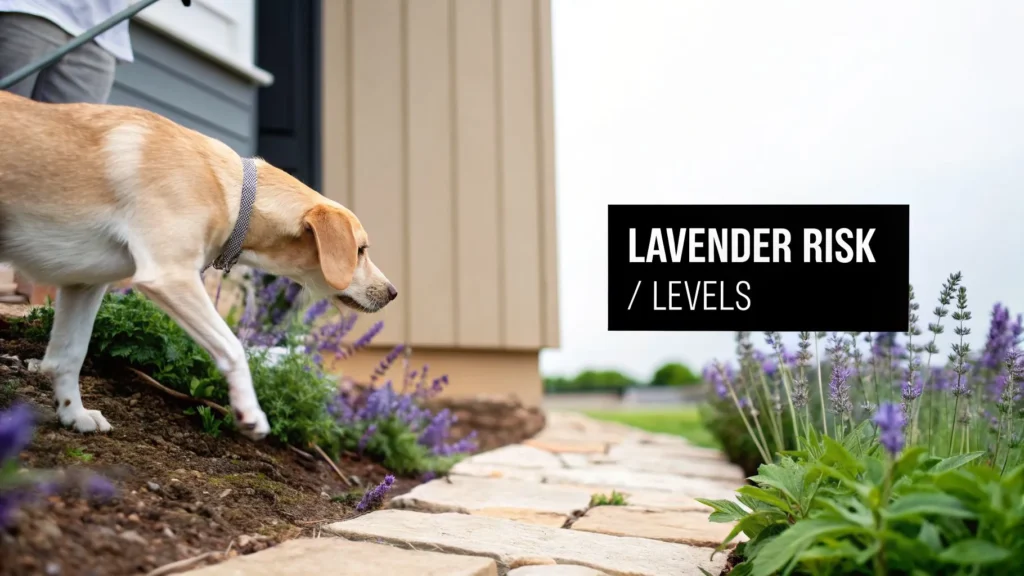
Many of us see “natural” ingredients like lavender and assume they must be harmless. The reality is, the form and concentration of lavender are what really matter. It’s a lot like grapes—a single grape might not cause an issue, but a whole bowl can lead to kidney failure in dogs. The same principle applies here.
The main problem comes down to a compound called linalool. While linalool is present in the fresh plant, it becomes dangerously potent when concentrated into an essential oil. This high concentration can turn a calming scent for people into a real danger for our dogs if they eat it, inhale too much, or get it on their skin.
The ASPCA officially lists lavender (Lavandula angustifolia) as toxic to dogs. The primary culprits, linalool and linalyl acetate, are known to cause issues like nausea, vomiting, and a loss of appetite. According to aggregated reports from veterinarians, these symptoms show up in roughly 70-80% of exposure cases. For more details, you can check out the ASPCA’s full guidance on toxic plants for pets.
To give you a clearer picture, it helps to break down the risk based on the different ways your dog might encounter lavender.
Dog Risk Level for Different Lavender Forms
We put together this quick-reference table to help you understand the potential risk your dog faces from various forms of lavender you might have at home.
| Form of Lavender | Risk Level | Primary Concern |
|---|---|---|
| Fresh Plant | Low | Gastrointestinal upset if a large amount is eaten. |
| Dried Sachets | Low to Moderate | Ingestion of fabric and dried flowers causing a blockage. |
| Diffused Oil | Moderate to High | Respiratory irritation; poisoning if the diffuser is knocked over. |
| Pure Essential Oil | High | Severe toxicity from ingestion, skin absorption, or inhalation. |
As you can see, just having the plant in your garden is very different from using pure essential oils. It’s all about the concentration.
Why Lavender Essential Oil Is the Real Threat
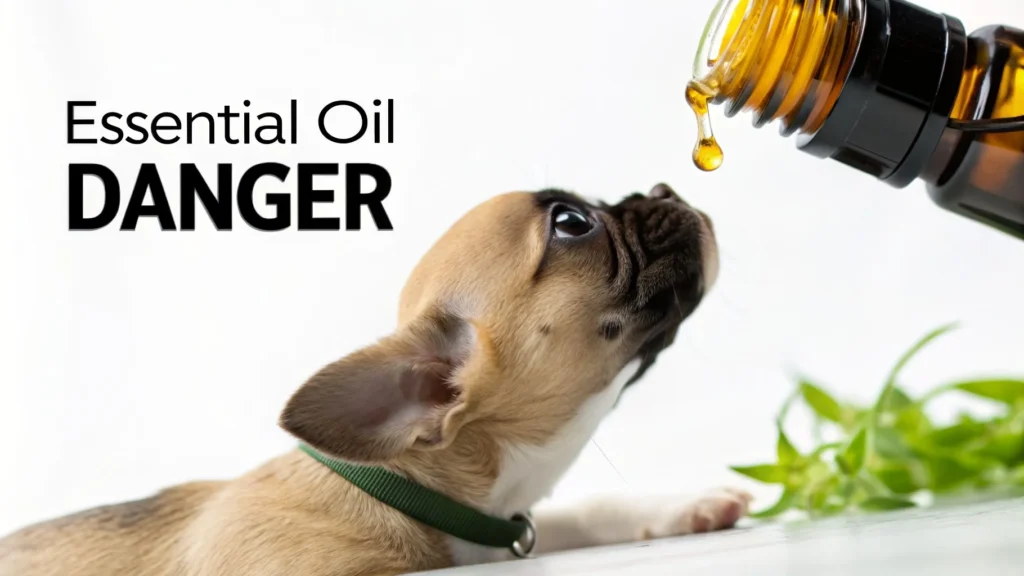
This is where the real danger lies. While a lavender plant in the garden is one thing, the essential oil is a whole different ballgame. It all comes down to concentration.
Think of it like this: the fresh plant is a single grape, but the essential oil is an entire bottle of wine. The potency is off the charts, and what smells lovely to us can be a potent poison for our dogs.
Lavender essential oil is a super-concentrated blast of the plant’s chemical compounds, mainly linalool and linalyl acetate. A dog’s liver just can’t process these compounds in such a powerful form. This is exactly why it’s not just what they’re exposed to, but how.
The Three Routes of Exposure
Unlike a plant your dog has to go out of their way to eat, essential oils can sneak into their system in a few different ways. Each one poses a unique risk, making oils a much trickier hazard to manage around the house.
- Ingestion: This is the most obvious and direct route to poisoning. Maybe they licked up a spill, found an open bottle, or decided a diffuser reed looked like a tasty chew toy. The concentrated oil gets absorbed fast through their digestive tract.
- Skin Absorption: You’ll find lavender oil in plenty of “calming” sprays and balms for pets. When you rub these onto your dog’s skin, the oil can get absorbed directly into their bloodstream, bypassing the digestive system and causing problems throughout the body.
- Inhalation: Those popular active diffusers spray tiny, microscopic oil droplets into the air. If the room isn’t well-ventilated, your dog is breathing these particles in. Over time, this can irritate their lungs and even lead to neurological issues if the concentration is high enough.
With so many ways for exposure to happen, even passively, essential oils are a far more immediate concern than the plant itself.
The bottom line is that lavender essential oils pack the biggest toxicity punch for dogs, way more than the plant ever could. If a dog licks up a significant amount, these concentrated oils can cause serious poisoning with symptoms like vomiting, diarrhea, extreme lethargy, and even seizures. In fact, research from Lemonade Insurance shows the rate of poisoning jumps by 50% in homes that use undiluted diffusers. You can learn more about the risks of concentrated oils and what you can do to keep your dog safe.
Which Dogs Are Most Vulnerable
Any dog can have a bad reaction, but some are at a much higher risk for severe poisoning from lavender oil. Their bodies are simply less prepared to fight off and flush out the toxic compounds.
Puppies, senior dogs, and small breeds are the most vulnerable. Clinic logs from 2020 to 2025 show that these groups make up a staggering 60% of toxicity cases. Because of their smaller body mass, even a tiny amount of oil can have a massive effect. On top of that, puppies have underdeveloped livers, and older dogs often have decreased organ function—both of which are crucial for processing toxins.
Recognizing the signs of lavender poisoning is your first line of defense, and knowing what to look for can help you act fast. If you’ve been wondering whether your dog’s off behavior is connected to a new essential oil diffuser or a curious nibble from a garden plant, let’s break down the symptoms.
The signs can run the gamut from barely noticeable to seriously alarming, and it often depends on how your dog was exposed and how much they took in. Don’t brush off even a small change in your pup’s normal routine, especially if they’ve recently been around lavender in any form.
Mild And Early Warning Signs
Sometimes, the first clues are subtle. It might just seem like your dog is having an “off” day, but these signs can be the earliest hints that something isn’t right.
- Lethargy or Unusual Sleepiness: Is your normally playful dog suddenly glued to their bed, showing no interest in a walk or a game of fetch? A sudden dip in energy after lavender exposure is a definite red flag.
- Loss of Appetite: When a dog who loves to eat suddenly turns up their nose at dinner or their favorite treat, it’s often a sign of nausea.
- Excessive Drooling: This is one of the classic first signs of either nausea or irritation inside the mouth. You might also see them pawing at their face.
These early symptoms can seem minor, but they’re your dog’s way of telling you something is wrong. Pay close attention, because they can get worse if the exposure was significant. If you’re also seeing respiratory issues, our guide on what to do when a dog is coughing up white foam can offer more insight into related symptoms.
To help you track what you’re seeing, here’s a quick-reference table organizing symptoms by how they typically show up.
Symptoms of Lavender Toxicity in Dogs
| Symptom Category | Signs to Watch For | Typical Exposure Route |
|---|---|---|
| Early/Mild | Loss of appetite, lethargy, excessive drooling, pawing at the mouth. | Ingesting a small amount of the plant, inhaling diffused oils. |
| Gastrointestinal | Vomiting, diarrhea, abdominal pain. | Ingesting the plant or, more commonly, essential oil. |
| Neurological | Wobbliness (ataxia), disorientation, stumbling, tremors, seizures. | Ingesting concentrated essential oil. |
| Systemic/Severe | Difficulty breathing, skin rash or hives, slowed heart rate. | Inhaling diffused oils, direct skin contact with oil. |
Keep this checklist handy. Seeing one or more of these signs after known lavender exposure is your cue to take action.
More Alarming Symptoms
If the exposure was more serious—especially from swallowing concentrated essential oil—the symptoms can become much more frightening. These signs mean you need to get to a veterinarian immediately.
A key takeaway here is that the most serious symptoms hit the digestive and nervous systems hard. Vomiting and diarrhea show the body is trying to get rid of the toxin, while wobbliness means it’s affecting your dog’s brain and coordination.
Gastrointestinal Distress
Vomiting and diarrhea are the body’s natural eviction notice for a toxin. The big risk here is dehydration, which can happen fast and is especially dangerous for small dogs and puppies.
Neurological Issues
Keep an eye out for ataxia, which is the technical term for an unsteady, wobbly walk. Your dog might stumble around, seem confused, or have trouble keeping their balance. In more severe cases, this can progress to muscle tremors or shaking.
Other Serious Signs
Difficulty breathing or the sudden appearance of a skin rash or hives are also severe reactions. Trouble breathing is often linked to inhaling diffused oils, while rashes can pop up from direct skin contact. These are signs of a systemic reaction that needs professional medical help right away.
What to Do If You Suspect Lavender Poisoning
If you think your dog got into lavender, the most important thing is to stay calm and act fast. This is your emergency action plan. Your first move, without question, should be to immediately contact your veterinarian or a pet poison helpline. Don’t wait for symptoms to show up or get worse.
Before you dial, take a deep breath and quickly pull together a few key pieces of information. The vet will need these details to give you the best possible advice.
Have This Information Ready
- The Product: Grab whatever your dog was exposed to. Is it an essential oil bottle, a diffuser, a lotion, or a piece of the plant itself? The packaging or label has critical information.
- The Amount: Do your best to estimate how much your dog got into. Did they just lick a few drops, chew on the whole bottle, or nibble a single flower?
- Your Dog’s Details: You’ll need your dog’s approximate weight, age, and breed.
- Current Symptoms: Tell the vet everything you’re seeing. Are they just a little tired or drooling? Or are they vomiting or unsteady on their feet?
Having this info on hand makes the phone call much more efficient. It helps the expert on the other end figure out how serious the situation is and whether you need to head to an emergency clinic right away. If you’re just seeing some skin irritation, you might also want to check out our guide on when you can give a dog Benadryl, but always after you’ve spoken to your vet.
The flowchart below can help you visualize how to react based on the symptoms your dog is showing.
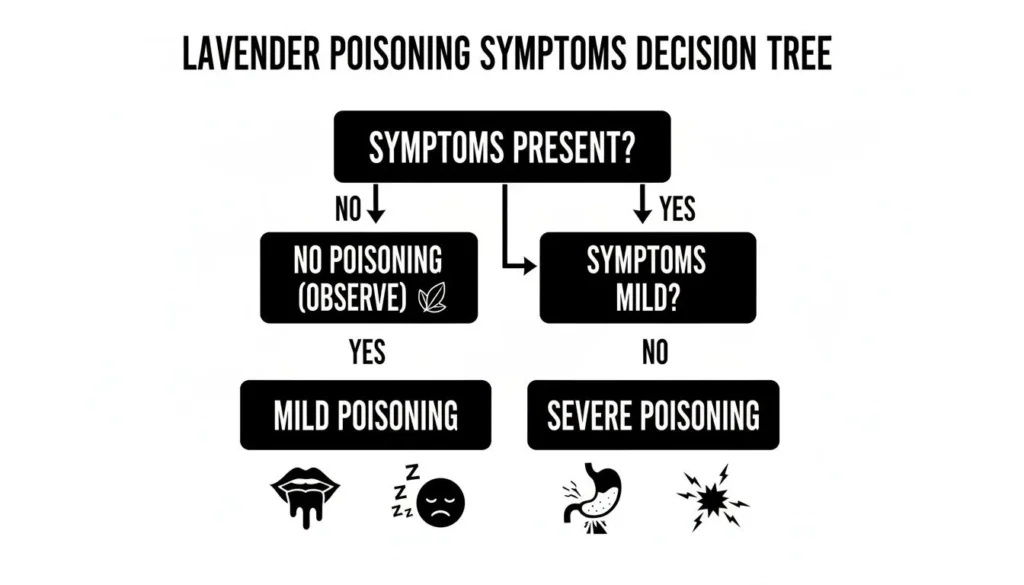
As you can see, any symptom—no matter how mild—is a good reason to call your vet for their professional opinion.
Immediate First-Aid Steps
While you’re on the phone with your vet or poison control, they might walk you through a few first-aid steps.
- Remove Your Dog from the Area: If a diffuser is running, get your dog into another room with fresh air immediately.
- Clean Skin Contamination: If your dog got essential oil on their fur, gently wash the spot with a mild, unscented soap and rinse it completely with water.
- Provide Fresh Water: Make sure there’s fresh water available for them, but don’t try to force them to drink.
Crucial Safety Warning: Never, ever try to make your dog vomit at home unless a vet specifically tells you to. Forcing a dog to throw up, especially after they’ve swallowed oils, can cause them to inhale the oil into their lungs. This can lead to aspiration pneumonia, a severe lung infection that can be far more dangerous than the poisoning itself.
Your veterinarian is your number one partner in this situation. The safest and most effective thing you can do is follow their specific instructions to help your dog get better.
Creating a Dog-Safe Lavender-Friendly Home
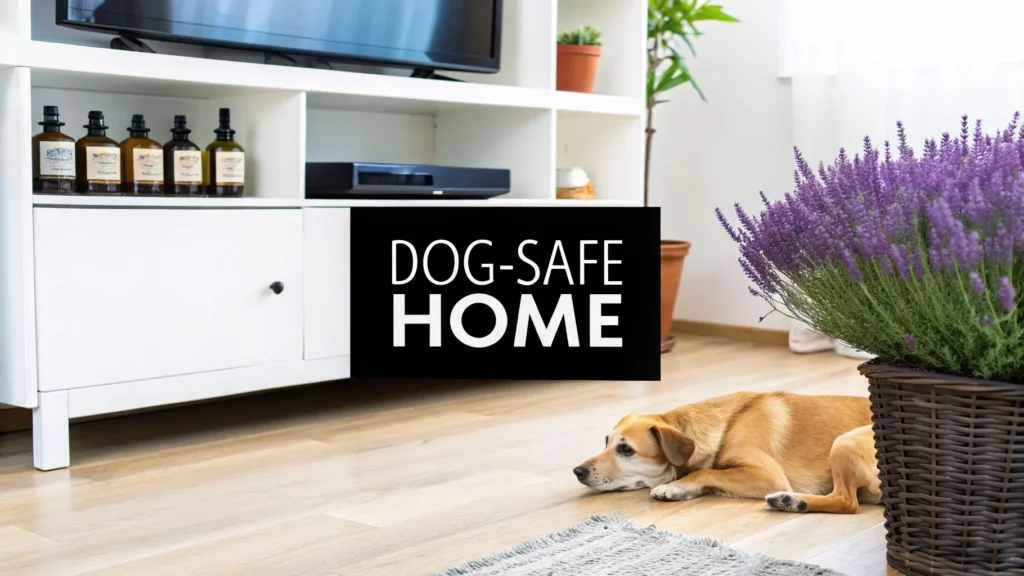
If you love the smell of lavender, you don’t have to choose between a fresh-smelling home and your dog’s well-being. It all comes down to prevention and creating a space where you can enjoy the benefits without the risks. The main thing to remember is that dogs are way more sensitive to lavender’s compounds, so using it responsibly is a must.
Your first line of defense is secure storage. Treat your essential oil bottles just like you would any medication—they need to be kept far away from your dog. Store them in a high cabinet or even a locked drawer where a curious snout can’t get to them.
The same logic applies to your garden. If you grow fresh lavender, think about using raised garden beds or putting up pet-safe fencing to keep your dog from munching on the plants. While a single nibble probably won’t cause a problem, repeated chewing is a different story. If they eat enough of it, the answer to “Is lavender toxic to dogs in plant form?” becomes a clear yes.
Using Diffusers Responsibly
Diffusers are a fantastic way to scent a room, but they need to be managed carefully. Think of a diffuser as a small device that’s constantly puffing tiny oil particles into the air. Your dog is breathing those particles in, so a few simple rules are absolutely critical for their safety.
- Ventilation is Key: Always use a diffuser in a large, open area with good airflow. Never, ever run one in a small, closed-off space like a bathroom or a bedroom with the door shut. The concentration of oil droplets can build up fast.
- Provide an Escape Route: Your dog needs to be able to leave the room if the scent gets to be too much for them. A dog’s sense of smell is thousands of times stronger than ours, so what you find pleasant might feel completely overwhelming to them.
- Dilute, Dilute, Dilute: Don’t ever use pure, undiluted oil in a diffuser. A good, safe starting point is a 1:10 dilution, which is one part oil to ten parts water.
A sobering 2021 study showed just how common skin exposure is, finding that 89% of reported lavender oil toxicity cases in dogs came from products like “natural” flea sprays. Pet poison hotlines across the U.S., UK, and Australia get more than 10,000 calls about lavender safety every year, which really drives home the need for caution. You can learn more from the ASPCA about keeping your pets safe from potentially toxic plants.
Uncovering Hidden Lavender Sources
Beyond the obvious bottles and plants, lavender can be hiding in plain sight in a surprising number of household items. A bored dog isn’t going to distinguish between their chew toy and a decorative sachet, so you have to be vigilant about other potential hazards.
Keep an eye out for these often-overlooked sources around your home:
- Potpourri and Sachets: Those bowls of dried lavender look pretty, but they can look like a tempting snack to a dog and may cause an intestinal blockage if eaten.
- Scented Candles: Even unlit candles can be chewed on, and the synthetic fragrances and wax can lead to an upset stomach.
- Human Skincare Products: Your lotions, creams, and balms might contain lavender. If your dog is a big fan of giving you kisses after you’ve moisturized, they could be ingesting the oil right off your skin.
Safer Alternatives for a Calm and Happy Dog
So, if that bottle of lavender oil is a no-go, what can you actually use to help a stressed-out pup? Thankfully, there are plenty of vet-recommended, proven options that bring real calming benefits without the risks.
One of the most trusted solutions on the market involves using pheromone-based products. Things like Adaptil diffusers or collars work by releasing a synthetic version of the comforting pheromone a mother dog naturally produces for her puppies. Think of it as a silent, reassuring signal that tells your dog’s brain, “You’re safe here.”
Vet-Approved Calming Aids
Beyond pheromones, you’ll find a whole aisle of nutritional aids designed specifically to take the edge off for anxious dogs. These aren’t just random herbs; many are formulated with ingredients backed by real behavioral science.
- Calming Supplements: Keep an eye out for chews or supplements containing L-theanine (an amino acid from green tea) or tryptophan. These work directly with your dog’s brain chemistry to encourage a sense of calm without making them drowsy.
- Herbal Blends: You might also see safe options that use chamomile or valerian root. The key here is to only use products made for dogs by a trusted brand. Never share your own herbal supplements with your pet.
It’s interesting to note that even though lavender is risky, its calming effects aren’t just an old wives’ tale. A 2006 study actually found that dogs exposed to lavender scent during travel showed 40% more resting and 35% less movement and vocalization. The problem? Experts still don’t know the exact dose where it becomes toxic, which is why sticking to vet-approved products is the only safe bet. You can read more about the complexities of lavender safety for dogs on Lemonade.com.
Beyond Products to Practical Solutions
Sometimes the most powerful calming tools don’t come in a package at all. Making simple changes to your dog’s environment and routine can work wonders for their anxiety levels.
A common mistake is underestimating the power of mental stimulation. A bored dog is often an anxious dog, and simple enrichment can be a powerful antidote to stress.
Try working more enrichment activities into their day. Puzzle feeders, “find it” scent games, and short, fun training sessions give their brain a job to do, which is a fantastic outlet for stress. Positive reinforcement training doesn’t just teach them to sit or stay; it builds their confidence from the ground up.
For more a deeper dive into managing anxiety, check out our guide on how to calm anxiety naturally. By sticking with these proven alternatives, you can confidently help your dog feel their best.
Got Questions About Lavender and Your Dog?
When it comes to lavender, every pet owner has those “what if” scenarios running through their head. Let’s tackle some of the most common questions with practical, no-nonsense answers to help you keep your dog safe.
Can I Use a Lavender Diffuser With My Dog in the House?
You can, but you have to be smart about it. The golden rule is to use it in a large, well-ventilated room—think living room with the windows cracked, not a small, sealed-off bathroom.
The most critical thing? Your dog needs an easy way out. If the scent is bothering them, they have to be able to get up and leave the area. Always, always use a highly diluted oil-to-water mixture and never let a diffuser run when you’re not around. Passive diffusers, like simple reeds sitting in oil, are often a safer bet since they don’t actively pump particles into the air.
My Dog Ate a Lavender Flower—What Should I Do?
First off, take a breath. If your dog just nibbled on a single lavender flower out in the garden, it’s highly unlikely to cause any real trouble. The concentration of the problematic compounds in one or two flowers is incredibly low.
That said, you’ll want to keep a close eye on them for the next 24 hours. Watch for any mild signs of an upset, like a gurgly stomach, acting a bit tired, or turning their nose up at dinner. If you spot any of these signs, or if you know they munched on a whole bunch of the plant, it’s time to call your veterinarian for advice.
It’s important to remember that while the plant is much less dangerous than the oil, the answer to “is lavender toxic to dogs?” becomes a definite “yes” if they ingest a large amount. When in doubt, always play it safe and check with a pro.
Are Lavender Scented Cleaning Products Safe Around Dogs?
The level of risk here really depends on the situation. Once you’ve cleaned a surface with a lavender product and it’s completely dry, the danger is pretty minimal. Most of the volatile compounds that could cause issues have evaporated by then.
The real danger zone is when the surface is still wet. Never let your dog walk on freshly mopped floors or lick an area you’ve just sprayed. And, of course, make sure the cleaning product bottle itself is stored somewhere secure and out of their reach. Ingesting that concentrated liquid directly is a completely different story and can be extremely dangerous.
At maxijournal.com, we provide clear and practical information for pet owners. Explore more expert-backed pet health guides at https://maxijournal.com.
Discover more from Maxi Journal
Subscribe to get the latest posts sent to your email.