Neuroscience has entered a more consequential phase. The field is no longer defined only by better descriptions of how the brain works. It is increasingly producing tools that can model disease in human tissue, decode intention from neural activity, detect pathology before symptoms are obvious, and test whether circuit-level interventions can change outcomes.
That shift carries practical consequences for medicine, technology, and public health. A brain organoid is useful not because it is novel, but because it lets researchers isolate cell types and disease mechanisms that animal models often blur. A brain-computer interface matters not as a futuristic demo, but as a system whose performance can be measured in decoding accuracy, training time, and real-world function. Early biomarker studies matter only if their sensitivity and specificity hold up outside tightly controlled datasets.
The common thread is method. Recent progress has come from better measurement, better models, and better computation, often at the intersection of neuroscience, engineering, and biotechnology methods used to study living systems. That has changed the kinds of questions scientists can answer. Instead of asking only where a process happens in the brain, researchers can now ask which cells drive it, how strongly it predicts disease, and whether it can be modified.
The discoveries in this article are worth comparing on those terms. How were the experiments designed. What measurements did researchers take. Which findings are ready to influence clinical care or neurotechnology, and which still depend on replication, scaling, or safer delivery methods.
That distinction matters because neuroscience advances unevenly. Some findings are already changing how researchers build disease models or interpret inflammation. Others are promising but preliminary, especially when a result depends on small samples, narrow tasks, or specialized hardware. A useful reading of the field separates proof of concept from durable progress.
What follows focuses on that difference: not just what was discovered, but how the evidence was built and why each result could matter beyond the lab.
1. Brain Organoids and Mini-Brain Models
Three-dimensional brain organoids have changed one basic fact of neuroscience research: scientists no longer have to choose only between simplified cell cultures and imperfect animal models. They can now build human-derived tissue models that preserve more of the brain’s complexity, especially for development and degeneration.
That matters most where old models kept missing the biology. Salk Institute researchers reported in 2024 that organoids enriched with mature astrocytes linked astrocyte dysfunction to inflammation in aging brains and identified a druggable target that could interrupt that cycle, as described in Salk’s 2024 report. The deeper implication is easy to miss. Many disease models over-centered neurons. These newer systems bring support cells back into view.
Why the method matters
Organoids aren’t miniature conscious brains. They’re experimental systems grown from stem cells that recreate selected features of human tissue organization. Their value is methodological. Scientists can compare diseased and healthy tissue under controlled conditions, test compounds earlier, and ask which cell types drive damage instead of only observing the endpoint.
Because astrocytes are abundant in the brain, models that underrepresent them can distort the whole disease picture. That’s one reason astrocyte-rich organoids are more than a technical upgrade. They change the questions researchers can ask about Alzheimer’s, aging, and neuroinflammation.
For readers who want context on the wider biotech toolkit behind organoids, this primer on what is biotechnology is useful background.
Practical rule: When you read about a “brain breakthrough,” check which cells were modeled. A neuron-only system can miss disease mechanisms that depend on glia and inflammation.
A practical takeaway for health and tech readers is that organoids are pushing medicine toward more individualized testing. They still won’t replace clinical trials, but they can make the path to trial smarter by exposing failures earlier.
2. Brain-Computer Interfaces and Neural Decoding
Brain-computer interfaces are starting to matter less as laboratory spectacles and more as test cases for a harder question: can neural technology work reliably enough to become part of ordinary care? The recent shift is not just better hardware. It is the combination of smaller implants, cleaner signal capture, and machine-learning systems that can decode intent from noisy neural activity with enough accuracy to be useful outside a demo.
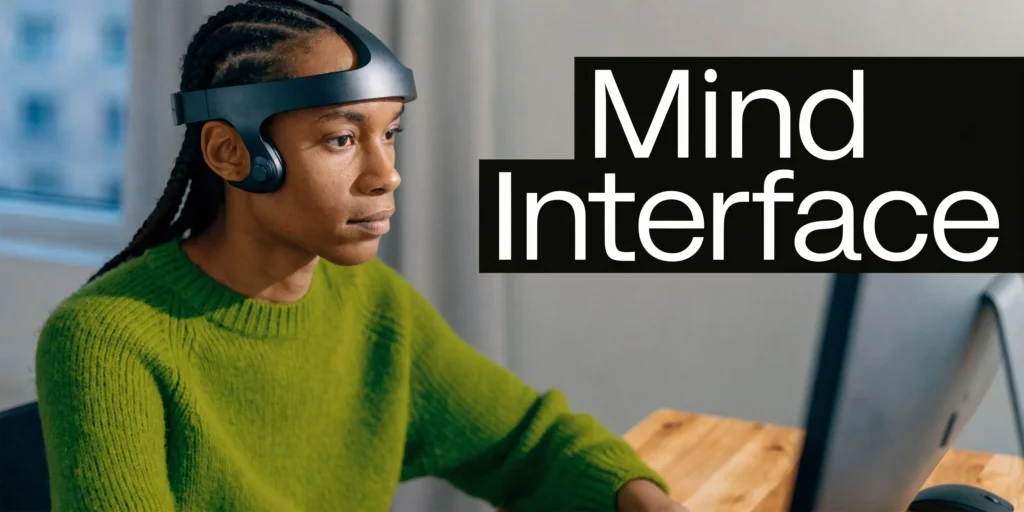
Miniaturization matters because it changes the clinical tradeoff. A device that is smaller, wireless, and easier to implant asks less of patients and surgical teams. That shifts BCIs from heroic interventions toward something closer to a practical medical platform. The engineering question is straightforward. How much signal quality can developers keep while reducing surgical burden, maintenance, and infection risk?
The decoding side is just as important. Neural signals are variable across people, across days, and even across tasks. Modern systems increasingly depend on AI-based models that classify patterns in speech-related, motor, or sensory activity, then translate those patterns into text, cursor movement, or control commands. The advance is methodological. Researchers are getting better at training models on limited data, adapting them to individual brains, and filtering noise without erasing the signal that carries intent.
Communication has become one of the clearest examples of why that matters. For people with ALS or severe paralysis, a BCI is not merely an input device. It can be a route back to conversation, work, and social participation. That changes how success should be measured. Speed matters, but daily usability matters more: calibration time, accuracy across sessions, error rates, comfort, caregiver support, and whether the system still works in a home instead of a controlled lab.
A short demonstration helps make the trajectory concrete:
The broader implication reaches beyond disability care. Better neural decoding is also feeding consumer neurotechnology, adaptive prosthetics, and research on memory and attention. Readers interested in the cognitive side of that pipeline may want this guide on how to improve memory retention with evidence-based habits, because many of the same questions apply: which signals are meaningful, how stable are they over time, and what interventions improve performance in real settings rather than short trials?
For patients, the metric that counts is reliability in daily life, not a peak result under ideal conditions.
For health systems and technology companies, the near-term winners may not be the flashiest BCI platforms. They will be the ones that pair decent decoding performance with safe implantation, tolerable upkeep, and clear evidence that they improve communication or independence in everyday life.
3. Neuroplasticity and Learning-Induced Brain Changes
One of the most durable ideas in neuroscience is also one of the most misunderstood. Neuroplasticity doesn’t mean the brain can become anything at any time. It means the brain changes with experience, but under constraints set by circuit architecture, cell types, timing, and physiology.
The recent turn in this area is less about a single dramatic finding and more about better evidence for where flexibility comes from. UCLA researchers recently identified orbitofrontal “uncertainty cells” that support flexible learning under changing conditions, according to the Salk-linked roundup of current work. That’s important because many practical decisions aren’t about fixed rules. They’re about updating behavior when the world becomes less predictable.
What changed in the science
Older stories about neuroplasticity often treated it as a vague virtue. Newer work ties it to specific regions and mechanisms. Flexible learning depends on circuits that track ambiguity, revise expectations, and shift behavior without starting from scratch.
That has immediate relevance for anxiety and substance-use disorders, where that flexibility can break down. It also reframes how people should think about “brain training.” The useful target isn’t generic stimulation. It’s repeated engagement of the right circuits under meaningful feedback.
For everyday application, memory and learning still depend more on sustained practice, sleep, attention, and retrieval than on novelty for novelty’s sake. Readers looking for practical habits can pair this topic with guidance on how to improve memory retention.
A more careful takeaway is this:
- Skill-specific practice works best: The brain adapts most clearly when training resembles the task you want to improve.
- Uncertainty matters: Learning that includes variable conditions may build more flexible neural responses than rigid repetition.
- Recovery isn’t purely passive: Rehabilitation succeeds when it drives repeated circuit use, not just rest.
Recent discoveries in neuroscience keep narrowing the gap between “the brain changes” and “here is which network changed, and why.”
4. Optogenetics and Light-Activated Neural Control
Optogenetics changed neuroscience because it turned correlation into intervention. Researchers could activate or silence defined cell types and then measure what happened to perception, movement, fear, reward, or memory. That shift matters more than the headline image of neurons flashing under blue light. It gave the field a way to test cause with circuit-level precision.
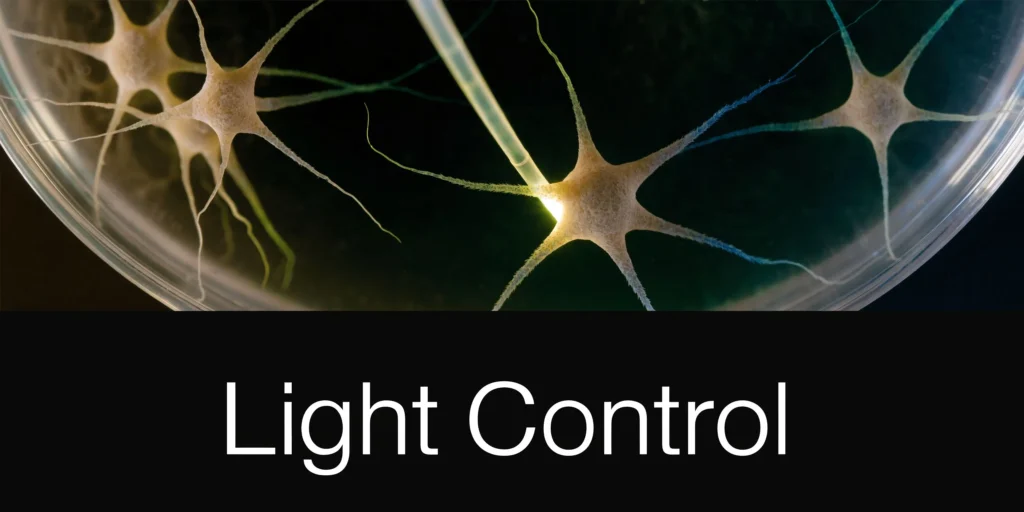
The current advance is methodological. Traditional optogenetics usually depends on two hard steps: getting light-sensitive proteins into specific neurons, then delivering light to those cells with implanted hardware. That combination made the technique extraordinarily useful in animals and difficult to translate into routine human care. Recent work has focused on reducing that gap by improving light delivery, targeting accuracy, and the invasiveness of the setup.
The “how” is the key story. Modern optogenetic studies are no longer judged only by whether they can trigger a behavior. Researchers look at which cell types were targeted, how selectively the viral vectors expressed opsins, how far light penetrated tissue, whether firing patterns matched natural neural timing, and whether off-target effects distorted the result. Those details determine whether a result is biologically meaningful or just technically impressive.
That distinction has practical consequences.
In the lab, optogenetics remains one of the strongest tools for mapping causal circuits. If stimulating a defined pathway changes freezing behavior in a threat task, or restores a movement pattern in an animal model, scientists learn more than they would from brain scans alone. They learn which pathway is sufficient to alter the outcome. For drug development and neuromodulation, that is a better starting point than treating a disorder as a single, uniform entity.
The clinical barrier is still substantial. Human brains are larger, deeper, and harder to access safely. Gene delivery raises regulatory and ethical questions. Light scatters in tissue. Even so, the field is pushing toward approaches that borrow the logic of optogenetics, precise control of identified circuits, while reducing the need for invasive hardware.
The broader implication extends beyond optogenetics itself. It strengthens a network-based view of disease. Parkinson’s disease, chronic pain, epilepsy, and depression do not arise from one malfunctioning spot. They involve distributed circuits with different nodes, timings, and feedback loops. Tools that can test and eventually modulate those circuits with high specificity could improve how therapies are designed, not just how symptoms are managed.
For readers outside the lab, three takeaways matter:
- Method matters as much as outcome: A claimed behavioral effect means more if researchers can show cell-type specificity, timing fidelity, and limited off-target activation.
- Translation depends on engineering: The path to treatment runs through better gene delivery, safer light access, and proof that the intervention works in larger brains.
- Circuit medicine is gaining ground: The long-term lesson is that future therapies may target dysfunctional networks rather than relying only on broad diagnostic categories.
Optogenetics is still more mature as a research method than as a therapy. But it has already changed how neuroscience asks questions. The field now expects stronger evidence about which circuits do what, and that expectation is influencing everything from device design to psychiatric theory.
5. Glymphatic System and Brain Waste Clearance
The glymphatic system gets attention because it offers an intuitively appealing idea: the sleeping brain cleans itself. That framing is useful, but it can oversimplify what’s changing in neuroscience.
The larger shift is that brain health is no longer being explained only in terms of neurons firing or dying. Researchers increasingly treat fluid flow, immune signaling, metabolism, and support-cell behavior as part of the same story. That’s one reason sleep has become a serious biological variable rather than a lifestyle footnote.
A significant implication for readers
The verified research set here doesn’t provide new quantitative glymphatic findings, so the strongest claim we can make is qualitative. Neuroscience now places far more weight on brain maintenance systems than it once did, especially in relation to aging and neurodegeneration.
That broader pattern shows up elsewhere in this article. Astrocyte dysfunction is emerging as a meaningful target in aging brains. Alzheimer’s sessions increasingly emphasize immune-brain interactions and mitochondrial health. Those lines of work converge on a simple point: brain disease often develops through failing support systems long before catastrophic decline becomes visible.
For health coverage, the practical message is restrained but clear:
- Protect sleep as biology, not self-help: If the brain’s maintenance functions depend on physiological state, chronic sleep disruption is unlikely to be neutral.
- Think systems, not single causes: Neurodegeneration probably won’t yield to one miracle molecule if inflammation, metabolism, and clearance all interact.
- Beware overselling hacks: Consumer products that claim to “boost brain cleansing” often run ahead of what the evidence can support.
The glymphatic idea still matters. But its biggest value may be conceptual. It helped push neuroscience toward a maintenance model of brain health, where support processes become as important as neurons themselves.
6. Neural Correlates of Consciousness and the Connectome Project
Consciousness research often gets trapped between philosophy and spectacle. What has improved recently is the infrastructure for asking better questions. Brain mapping projects and connectomics efforts don’t explain consciousness by themselves, but they give researchers denser maps of how information might move through the system.
The most useful way to understand the connectome is as wiring plus traffic constraints. A map of roads doesn’t tell you where every driver will go, but it does tell you which routes are possible, costly, or central.
What the new mapping era changes
Recent neuroscience has become far better at joining structure to function. That doesn’t mean scientists can point to a single “seat of consciousness.” It means they can test how distributed networks support awareness, attention, perception, and behavioral flexibility.
The overlooked conceptual payoff is this: connectomics is pushing the field away from localized myths. Complex behavior rarely belongs to one spot. It arises from coordinated networks whose components may look ordinary in isolation.
That lesson also helps non-specialists think more clearly about brain injury and mental illness. If a symptom reflects network disruption rather than damage to one isolated center, treatment and prediction become harder, but also more realistic.
Mapping the brain won’t settle the philosophy of mind. It will narrow the space of bad biological explanations.
Privacy and ethics deserve more attention here than they usually get. The closer neural mapping gets to linking connectivity patterns with cognition and behavior, the more sensitive neural data becomes. This isn’t just a science problem. It’s a governance problem.
7. Microglia and Neuroinflammation in Neurological Disease
Some of the most consequential progress in neuroscience now starts with a cell type that spent decades in the background. Microglia, the brain’s resident immune cells, have become central to how researchers explain neurodegeneration, injury, and in some cases psychiatric symptoms.
The shift matters because it changes the causal story. Older models often treated inflammation as collateral damage that appeared after neurons began to fail. Newer work places immune activity much closer to the mechanism itself. In many disorders, researchers now examine how microglia respond before large-scale cell loss, how long they stay activated, and whether their signals protect tissue, prune synapses, or accelerate damage.
That “how” question has changed the methods as much as the conclusions. Scientists are combining single-cell sequencing, spatial transcriptomics, PET imaging of neuroinflammatory markers, and postmortem tissue analysis to track microglial states across disease stages. Those tools do not describe one uniform inflammatory response. They reveal a shifting set of cellular programs linked to debris clearance, synapse remodeling, metabolic stress, and cytokine signaling.
This distinction is easy to miss and hard to overstate.
Microglia are not solely overactive or underactive. Their effects depend on timing, brain region, disease context, and interaction with astrocytes, neurons, and blood-brain barrier changes. That helps explain why anti-inflammatory strategies have produced mixed results. Suppressing immune activity broadly can miss the actual problem, which may be a maladaptive state rather than inflammation in general.
For clinicians and drug developers, the implication is practical. The target is increasingly the inflammatory pathway, the cell state, or the signaling window, not “inflammation” as a single process. Researchers are testing whether therapies can shift microglia away from chronic injury signaling while preserving functions the brain still needs, such as debris removal and circuit maintenance.
A few conclusions follow:
- Drug pipelines are widening: Glial signaling, lysosomal biology, and immune-neural interactions now sit inside mainstream neurology drug development.
- Disease categories look less separate: Shared inflammatory mechanisms can connect neurodegenerative disease, traumatic injury, and some psychiatric conditions.
- Measurement becomes part of treatment: Biomarkers that identify when neuroinflammation is adaptive versus destructive may matter as much as the therapy itself.
The broader takeaway is that microglia have forced neuroscience to become more stage-specific and less neuron-centric. That is a scientific correction, but it also affects real-world expectations. Patients are likely to see the benefits first through better stratification, more targeted trials, and combination treatments designed around disease phase rather than a single headline mechanism.
8. Liquid Biopsy Biomarkers for Early Brain Disease Detection
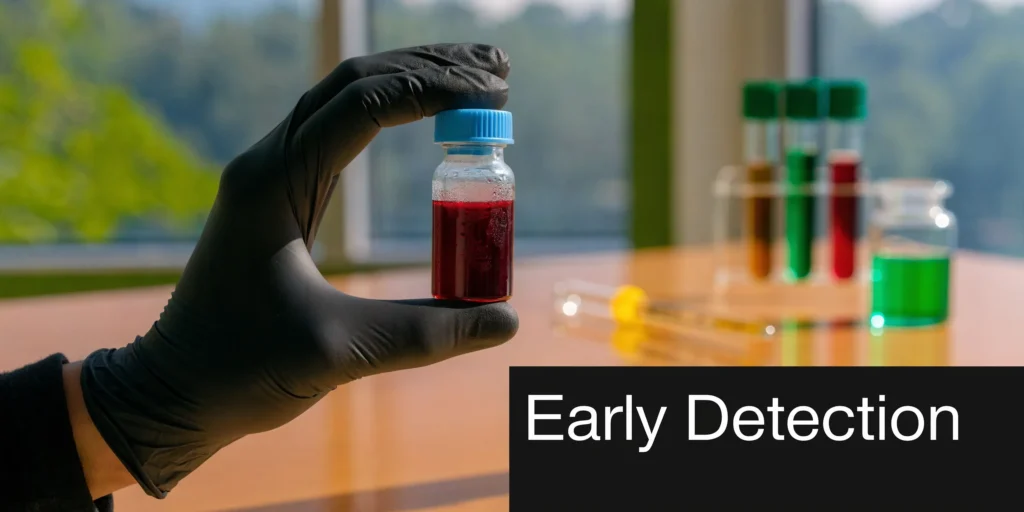
The most consequential shift in early brain disease detection is methodological. Researchers are no longer hunting for a single blood marker that maps neatly onto a single disorder. They are combining proteomics, blood-based assays, imaging, and electrophysiology to ask a harder question: which signal appears early enough, reliably enough, and specifically enough to change care?
That standard matters because the brain is difficult to sample directly. Liquid biopsy offers a workaround by measuring disease-related molecules in blood or other accessible fluids, then interpreting them in context rather than in isolation. The challenge is less about finding any detectable signal than proving that a signal tracks meaningful biology before symptoms become obvious.
Why early detection is harder than it sounds
A biomarker has to clear several hurdles at once. It must distinguish normal aging from disease, remain stable across populations, and lead to a decision clinicians can make. A test that flags risk without clarifying what to do next may improve prediction while doing little for patients.
Recent work in neurodegeneration points toward panel-based approaches instead of one-marker screening. Large proteomic datasets have expanded the number of candidate molecules linked to disease processes such as synaptic injury, inflammation, and protein misfolding. The practical implication is that early detection may depend less on a single diagnostic threshold and more on pattern recognition across many weak but informative signals. That is partly a measurement problem and partly a bioinformatics approach to interpreting complex biological data.
A second lesson is that blood tests may be most useful when paired with other readouts. EEG and imaging can add timing and functional context that a molecular marker alone cannot provide. In practice, the likely future is tiered screening: a low-friction blood test to identify heightened risk, followed by more specific tools to confirm what kind of brain change is underway.
That has consequences beyond the clinic.
For health systems, earlier detection shifts demand upstream toward monitoring, counseling, and longitudinal follow-up. For drug development, it changes trial design by identifying patients before extensive neuronal loss, when treatment has a better chance of altering the course of disease. For the public, it raises a harder social question: how much predictive information is useful when therapies remain limited?
The answer will depend on whether biomarker programs are built around action, not awareness alone. A positive result should connect patients to surveillance plans, prevention strategies where available, and realistic clinical guidance. Otherwise, liquid biopsy risks becoming a precise way to label uncertainty.
9. AI and Machine Learning in Neural Data Analysis
AI’s most important contribution to neuroscience isn’t speed alone. It’s pattern discovery in data too complex for conventional analysis. That includes brain waves, imaging, and multiscale neural signals that don’t yield obvious meaning to the naked eye.
A clear clinical example came from Mass General Brigham in March 2025. Researchers developed an AI tool that predicts cognitive decline years before symptoms by analyzing sleep-related brain wave patterns, achieving 85% accuracy in identifying at-risk individuals, as summarized in the Straits Research overview of the neuroscience market.
Two different AI stories are unfolding
The first is clinical. AI can improve diagnosis, triage, and monitoring by spotting subtle signal combinations earlier than standard workflows.
The second is conceptual. In December 2025, UC Santa Barbara research used convolutional neural networks with 200,000 to 1M neurons to uncover emergent covert attention mechanisms and emergent neuron types that were then confirmed in mouse brains, according to News-Medical’s coverage of the work. That result is fascinating because it suggests AI models can generate biological hypotheses, not just classify data.
However, caution is important here. Mouse confirmation doesn’t automatically translate to humans. And “AI discovered new brain cells” is the kind of phrase that can outrun what the evidence supports.
Readers who want a broader computational frame can connect this trend to what is bioinformatics, since neuroscience increasingly depends on the same logic of large-scale biological data integration.
The practical takeaway is straightforward. Treat AI as an instrument, not an oracle. Its best use in neuroscience is to surface patterns worth testing biologically.
10. Psychedelics and Neural Plasticity in Psychiatric Treatment
Psychedelics remain one of the most discussed areas in brain science, but careful readers should notice something important. In the verified material provided here, there are no direct quantitative findings on psilocybin or MDMA outcomes that can be responsibly cited. So the evidence-based way to discuss this topic is narrower.
What we can say is that psychiatry is increasingly interested in treatments that alter plasticity, network dynamics, and emotional learning rather than only correcting neurotransmitter levels in a simple one-drug, one-target model. That broader shift fits with many other recent discoveries in neuroscience.
Why the excitement persists
Neuroscience is moving toward a model in which durable psychiatric change may require two things at once: a biological opening for change and an environment that helps the brain encode that change. That’s one reason conversations about psychedelics often intersect with neuroplasticity, therapy, and context.
But this is also an area where hype can get ahead of verified evidence. Readers should separate three questions:
- Mechanism: Do these compounds appear to alter brain dynamics in ways consistent with increased plasticity?
- Clinical use: Can they be delivered safely in structured treatment settings?
- Public narrative: Are headlines oversimplifying early or context-dependent findings?
The larger lesson is useful even beyond psychedelics. Neuroscience is becoming less reductionist. Mental health treatments may work best when they combine pharmacology, circuit change, and guided experience rather than assuming chemistry alone will do the whole job.
10 Recent Neuroscience Breakthroughs Compared
| Technology / Topic | Implementation complexity | Resource requirements | Expected outcomes | Ideal use cases | Key advantages |
|---|---|---|---|---|---|
| Brain Organoids and Mini-Brain Models | High, complex 3D culture protocols | Specialized stem-cell labs, long culture times, skilled personnel | Human-relevant disease models, drug screening, developmental insights | Disease modeling, personalized medicine, preclinical testing | Models human brain development; reduces animal use |
| Brain-Computer Interfaces (BCIs) and Neural Decoding | Very high, surgical and signal-integration challenges | Clinical facilities, high-density electrodes, ML expertise, long-term support | Restored communication/motor control, real-time device control | Paralysis rehabilitation, prosthetic control, assistive tech | Direct brain-device control; rapid functional gains for users |
| Neuroplasticity and Learning-Induced Changes | Moderate, established methods but longitudinal designs | Neuroimaging, behavioral testing, longitudinal cohorts | Measurable structural/functional brain changes, rehab gains | Rehabilitation, education, cognitive training programs | Informs recovery and personalized learning strategies |
| Optogenetics and Light-Activated Neural Control | High, genetic manipulation and optical setups | Genetic tools, optics/fiber systems, animal models, biosafety | Millisecond-precise neural control; circuit-level causality | Basic neuroscience, preclinical disease models | Unmatched temporal and cell-type specificity |
| Glymphatic System and Brain Waste Clearance | Moderate, observational and imaging studies | Advanced MRI, animal models, sleep/physiology labs | Insights into sleep-dependent clearance; therapeutic targets | Sleep research, Alzheimer’s mechanism studies | Explains sleep’s role in waste clearance; new targets for neurodegeneration |
| Neural Correlates of Consciousness / Connectome | Very high, massive data acquisition and analysis | High-resolution imaging, petascale computing, large cohorts | Detailed connectivity maps; structure-function hypotheses | Fundamental neuroscience, precision psychiatry, mapping initiatives | Extensive mapping of brain networks; resource for research |
| Microglia and Neuroinflammation | Moderate, cellular and molecular complexity | Immunology labs, in vivo models, omics platforms | Mechanistic links between immunity and neurological disease | Drug discovery for neurodegeneration, psychiatric research | Identifies immune-related therapeutic targets; explains disease mechanisms |
| Liquid Biopsy Biomarkers for Early Brain Disease Detection | Moderate, assay development and validation | Specialized clinical labs, validated assays, regulatory work | Early, non-invasive disease detection; patient stratification | Screening, clinical trials, early diagnostics for neurodegeneration | Non-invasive, scalable early detection; aids trial recruitment |
| AI and Machine Learning in Neural Data Analysis | Variable, tool-dependent; expertise required | Large labeled datasets, high-performance computing, ML expertise | Faster pattern discovery, predictive models, hypothesis generation | Neuroimaging analysis, predictive diagnostics, big-data neuroscience | Processes massive data; uncovers subtle patterns beyond human analysis |
| Psychedelics and Neural Plasticity in Psychiatric Treatment | High, regulatory and clinical complexity | Clinical trial infrastructure, therapist training, regulatory approval | Rapid, durable symptom reduction; enhanced connectivity and therapy response | Treatment-resistant depression, PTSD, supervised psychotherapy | Rapid, potentially long-lasting clinical effects with single sessions |
From Lab Bench to Life The Future is Neural
Taken together, these findings show that neuroscience has entered a more practical era. The field still produces deep basic science, but the center of gravity is shifting. Researchers now want to predict decline before it becomes obvious, restore communication when disease takes it away, and model human pathology in systems that are closer to actual tissue than earlier tools allowed.
That’s a major change in what counts as progress. For decades, many neuroscience headlines described associations. A region lit up. A molecule correlated with risk. A mouse behaved differently after an intervention. Those findings still matter, but the strongest recent discoveries in neuroscience are more operational. They produce a device someone can use. A biomarker clinicians can test. A model that reveals a druggable target. An algorithm that catches risk hidden in sleep data.
The “how” matters as much as the “what.” Brain organoids matter because they let scientists study disease in more human-relevant tissue. BCIs matter because engineering improvements and AI decoding advanced together. Biomarkers matter because they become useful only when tied to decisions about care. AI matters not because it is fashionable, but because neural data is now too large and too layered for older analytic habits.
There’s also a deeper intellectual shift underway. Neuroscience is becoming less neuron-centric and less reductionist. Glia, inflammation, metabolism, fluid dynamics, and network architecture are no longer secondary details. They’re part of the main explanatory framework. That broadening should make the science better. It may also make therapies less simplistic.
Still, progress raises hard questions. Earlier detection can help, but it can also create anxiety if treatment options lag. Neural interfaces can restore autonomy, but they also force conversations about consent, privacy, and long-term access. AI can reveal hidden patterns, but it can also make the brain seem more legible than it really is.
The best way to read this moment is neither with techno-optimism nor cynicism. It’s with disciplined curiosity. Some of these advances will change medicine quickly. Others will mature more slowly than headlines suggest. But the direction is unmistakable. The brain is becoming less of a black box, not because one grand theory solved it, but because many tools now let scientists measure, model, and intervene with new precision.
For readers of maxijournal.com, that’s the key takeaway. Neuroscience is no longer only explaining what the brain is. It’s starting to reshape what medicine, communication, and mental health care can become.
If you want more clear, evidence-based coverage across science, technology, health, business, arts, travel, entertainment, and beyond, explore maxijournal.com. It’s a strong place to keep up with approachable analysis, fresh commentary, and publishing opportunities for curious readers and prospective contributors alike.
Discover more from Maxi Journal
Subscribe to get the latest posts sent to your email.