Welcome, future farming legend! Whether you’re just stepping off the bus into Pelican Town or a seasoned veteran looking to optimize your year-ten farm, the world of Stardew Valley is brimming with secrets, strategies, and opportunities. It’s easy to feel overwhelmed by the endless possibilities. What should you plant first? Who should you befriend? How do you even begin to tackle that monster-filled mine?
This guide is designed to cut through the noise and provide clear, actionable direction. We’ve compiled a comprehensive collection of the most impactful Stardew Valley tips to transform your humble plot into a powerhouse of productivity and profit. Forget generic advice; we’re diving deep into the specific strategies that separate a good farm from a great one. We will cover everything from mastering the early-game economy with foraging and fishing to designing the perfect late-game artisan empire.
You will learn how to:
- Prioritize early-game activities for a massive head start.
- Optimize your farm layout with sprinklers for maximum efficiency.
- Leverage the Community Center for powerful, game-changing rewards.
- Strategically build relationships to unlock valuable recipes and items.
- Conquer the mines to secure essential resources for upgrades.
These insights provide a clear roadmap to success, helping you make smarter decisions from your very first day in the valley. We will explore specific crop choices for each season, the most profitable artisan goods, and how to effectively manage your time and energy. Prepare to cultivate not just parsnips and pumpkins, but a true farming legacy that reflects your personal goals and playstyle.
1. Prioritize Spring Foraging and Fishing for Early Gold
When you first arrive in Stardew Valley, your pockets are nearly empty, and your farm is a chaotic mess of weeds and debris. While it’s tempting to spend your starting 500g on seeds immediately, a more strategic approach is to focus your first week almost entirely on foraging and fishing. This method provides a critical injection of early-game cash without any upfront investment, setting you up for a much more successful first season.
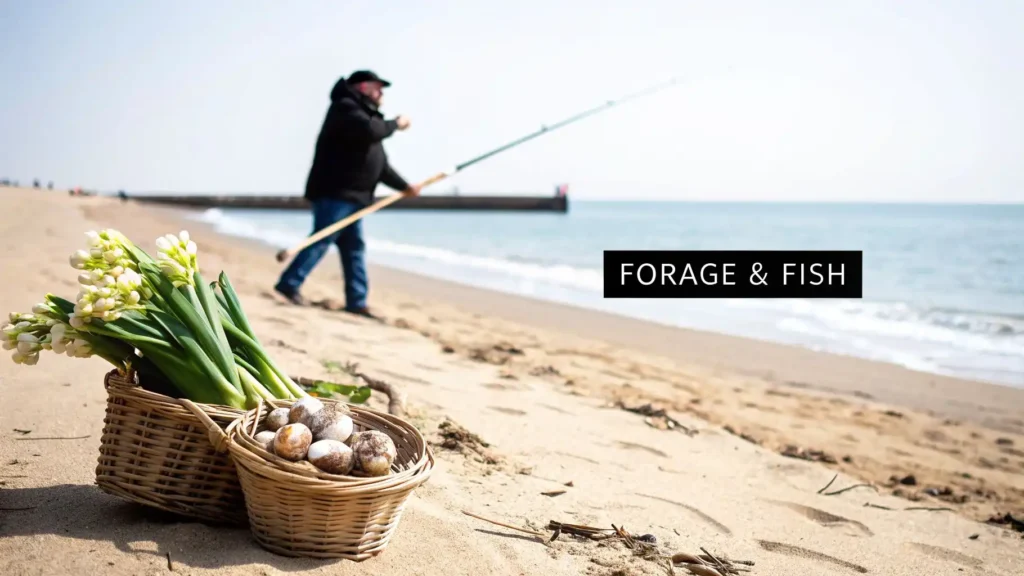
The core principle is simple: your starting energy is a valuable resource that can be converted directly into gold. By dedicating your first few days to gathering the free, renewable resources scattered around Pelican Town and its surrounding areas, you can build a financial foundation. This allows you to buy a larger batch of seeds, purchase the Fiberglass Rod sooner, or even afford your first backpack upgrade by the end of week one.
How to Implement This Strategy
To maximize your earnings, create a daily routine. Start by clearing a small patch on your farm just big enough for your first crops, then spend the rest of your day actively seeking out valuable items.
- Forage Your Way to Profit: Every day, new wild plants spawn. Check Cindersap Forest (south of your farm) for Spring Onions, Leeks, and Wild Horseradish. The mountains and the area around Robin’s house are also hotspots.
- Fish for Early Cash: After receiving your bamboo pole from Willy on Day 2, spend your remaining energy fishing. The ocean is a great starting point, as fish like Sardines and Herring are relatively easy to catch and sell for a decent price.
- Beachcomb Daily: The beach is a fantastic source of income. Visit it every day to collect Coral, Clams, and Sea Urchins, which can sell for hundreds of gold each.
Key Insight: This strategy is one of the most effective Stardew Valley tips for a strong start. Speedrunners often use this method to accumulate thousands of gold before the first week is over, giving them a massive advantage for the rest of Spring. New players can easily earn between 500-1,000g in their first few days, which is enough to buy a significant number of Parsnip or Potato seeds for the first major harvest.
2. Master Sprinkler Placement for Efficient Crop Management
One of the biggest time sinks in the early game is watering your crops one by one. Sprinklers are a game-changing piece of farm infrastructure that automates this daily chore, freeing up your precious time and energy for more profitable activities like mining, fishing, or building relationships. Mastering their placement is key to maximizing farm productivity and reclaiming your day from the watering can.
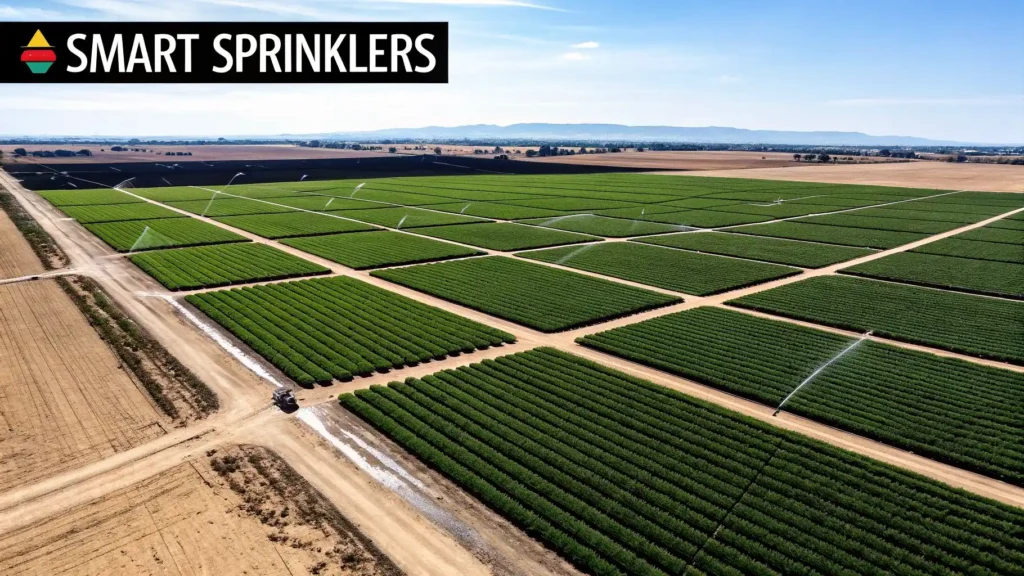
The core principle is to create a farm layout that leverages the watering radius of each sprinkler type for maximum efficiency. Instead of placing them randomly, arranging them in specific grid or checkerboard patterns ensures every tile of soil is covered with the fewest sprinklers possible. This saves resources, optimizes space, and allows you to scale your farming operation from a small garden to a massive, self-sustaining agricultural empire. Players often report their daily farm chores shrink from hours to just minutes after implementing a proper sprinkler system.
How to Implement This Strategy
Planning your farm layout before placing sprinklers is crucial to avoid costly and time-consuming repositioning later. Think about where your main crop fields will go and how you can integrate sprinklers and scarecrows effectively.
- Plan for Upgrades: Start with Basic Sprinklers (waters 4 adjacent tiles) if you must, but aim to craft Quality Sprinklers (waters the 8 surrounding tiles) as soon as you can. They are unlocked at Farming Level 6 and require Iron, Gold, and Refined Quartz.
- Use Optimal Layouts: Place Quality Sprinklers with two rows of crops between each one. This creates a highly efficient grid. For the ultimate setup, Iridium Sprinklers (waters 24 surrounding tiles) can be placed in large 5×5 grids, completely automating huge fields.
- Combine with Scarecrows: A well-placed sprinkler system is useless if crows eat your crops. Integrate scarecrows within your sprinkler grids to protect your harvest. A single scarecrow protects a radius of 8 tiles in every direction.
Key Insight: This is one of the most critical Stardew Valley tips for scaling your farm. Many veteran players aim to have their first fields fully automated with Quality Sprinklers by mid-Spring. This shift from active watering to passive income generation is a major milestone that unlocks the rest of the game’s content and boosts your overall productivity, similar to how using the best productivity apps for students can streamline their workflow and save time.
3. Utilize the Community Center for Strategic Bundle Rewards
After triggering the Community Center cutscene, it’s easy to feel overwhelmed by the sheer number of bundles required. Instead of viewing it as a massive checklist, treat the Community Center as a strategic quest log. Completing specific bundles unlocks powerful, game-changing rewards that can accelerate your farm’s progress far more effectively than just earning gold. This approach provides a clear path to major upgrades without spending a single coin.
The core principle here is to prioritize bundles that offer the best return on investment. While completing the entire center is the ultimate goal, focusing on certain rooms first gives you access to things like the Greenhouse, minecarts, and new areas. This allows you to grow any crop year-round or travel across the valley instantly, saving immense amounts of time and energy long before you finish every last bundle.
How to Implement This Strategy
From your first season, keep an eye out for items needed for high-impact bundles. You can check the bundle requirements anytime from your inventory screen, which helps you decide what to sell and what to save.
- Prioritize the Pantry Bundles: This is arguably the most important room. Completing all six Pantry bundles restores the Greenhouse on your farm, a building that lets you grow any crop from any season, all year long. This is a massive economic advantage.
- Focus on the Boiler Room: The bundles here require ores, bars, and geodes found in the mines. The reward is repairing the minecarts, creating a fast-travel system between the mines, the bus stop, and the quarry.
- Complete the Bridge Repair Bundle: The Construction Bundle, found in the Crafts Room, is often one of the first that can be completed. Its reward repairs the bridge at the beach, giving you access to the Tide Pool area for valuable foraging.
Key Insight: This is one of the most crucial Stardew Valley tips for long-term success. A focused player can unlock the Greenhouse by the end of their first Fall, guaranteeing a steady stream of income from high-value crops like Starfruit or Ancient Fruit throughout the winter. Prioritizing these bundles provides a clear roadmap for your first year.
4. Develop Relationships Strategically for Unlocks and Benefits
While farming and mining are central to Stardew Valley, ignoring the social aspect means missing out on crucial gameplay advantages and a richer story. Building relationships with the villagers of Pelican Town is more than just a side quest; it’s a strategic system that unlocks recipes, unique items, and helpful cutscenes. By investing time in friendship, you can gain tangible rewards that directly benefit your farm and adventures.
The core principle here is that every friendship point earned has a potential return on investment. Giving the right gift or even just talking to someone daily pushes their friendship meter higher. As you reach new heart levels with villagers, they will start sending you valuable items in the mail, share their favorite cooking recipes, or even give you access to previously locked areas of their homes. Prioritizing certain friendships early on can accelerate your progress significantly.
How to Implement This Strategy
A targeted approach to friendship is far more effective than trying to please everyone at once. Focus your initial efforts on villagers who provide the most useful rewards for your playstyle.
- Target High-Value NPCs First: Prioritize friendships with characters like Linus, who provides the valuable Wild Bait recipe at four hearts, or Gus, who sends you recipes for helpful energy-restoring foods. Befriending Caroline unlocks the Tea Sapling recipe, a fantastic early-game money maker.
- Leverage Birthdays and “Loved” Gifts: A “Loved” gift given on a villager’s birthday provides a massive 8x friendship bonus. Check the calendar outside Pierre’s shop and plan ahead. Use the in-game friendship tab to track discovered gift preferences.
- Be Efficient with Your Time: Talk to everyone you see while running errands in town. Attend every festival, as speaking with villagers there provides a small friendship boost with everyone. For gifting, universal “Loves” like Prismatic Shards or “Likes” like Sashimi are great for pleasing multiple people without carrying a complex inventory.
Key Insight: This is one of the most rewarding Stardew Valley tips for players who want to unlock all the game’s content. Focusing on just 2-3 key villagers per season is a manageable strategy. For example, getting George to four hearts gives you the recipe for Stone, which is a key ingredient for a Staircase, an invaluable tool for quickly descending the Skull Cavern. These small, strategic relationship goals add up to major advantages over time.
5. Optimize Mining Strategy for Ore and Gems
The mines are a critical resource for progressing in Stardew Valley, providing the ore needed to upgrade your tools and craft essential equipment. A haphazard approach, however, will drain your energy for minimal reward. Developing an efficient mining strategy by focusing on specific floor ranges, managing energy effectively, and using the right tools will dramatically accelerate your progress and unlock the mine’s deeper, more valuable secrets.
The core principle is to treat each trip into the mines as a targeted mission rather than a casual exploration. Instead of wandering aimlessly, you should enter with a clear goal, such as gathering 50 copper ore or reaching the next elevator floor. This focused approach ensures that every point of energy spent contributes directly to your main objectives, like upgrading your pickaxe or building sprinklers.
How to Implement This Strategy
A successful mining trip is all about preparation and execution. Before you even enter the mines, make sure you are equipped for a long descent. From there, it’s about moving quickly and efficiently through the levels.
- Go Prepared: Never enter the mines on low energy. Bring a stack of high-energy food, like Spring Onions, Salmonberries, or Cheese. Food allows you to stay longer and delve deeper, maximizing the ore you bring back from a single trip.
- Focus on Specific Ore Zones: Different ores are more common at specific depths. Copper is abundant on floors 1-39, Iron is prevalent on floors 40-79, and Gold dominates floors 80-119. Concentrate your efforts in the correct zone for the resource you need.
- Use Ladders and Bombs Wisely: Your goal is to descend quickly. Don’t waste time and energy fighting every monster or breaking every rock on a floor. Use ladders as soon as you find them. Later on, use bombs to clear large clusters of rocks to find ladders and ore veins much faster.
- Utilize the Mine Carts: Unlocking the mine carts by completing the Boiler Room bundles in the Community Center (or purchasing it from Joja) is a massive time-saver, giving you instant access to different mine levels and saving you valuable hours each day.
Key Insight: This is one of the most vital Stardew Valley tips for accelerating your farm’s development. A single, well-prepared mining run can yield enough ore to upgrade a tool, allowing you to clear your farm faster or water crops more efficiently. By targeting iron on floors 41, 51, or 61, you can quickly gather the 100+ ore needed for Quality Sprinklers, automating your farm and freeing up your daily schedule.
6. Leverage Quality Crops and Artisan Goods for Profit Maximization
Simply selling raw crops is a common early-game strategy, but the true path to wealth in Stardew Valley lies in processing them into artisan goods. By combining high-quality crops with production buildings like kegs and preserves jars, you can multiply your profits exponentially. This synergy is the foundation of every late-game farming empire and turns your farm from a humble plot into a high-yield production powerhouse.
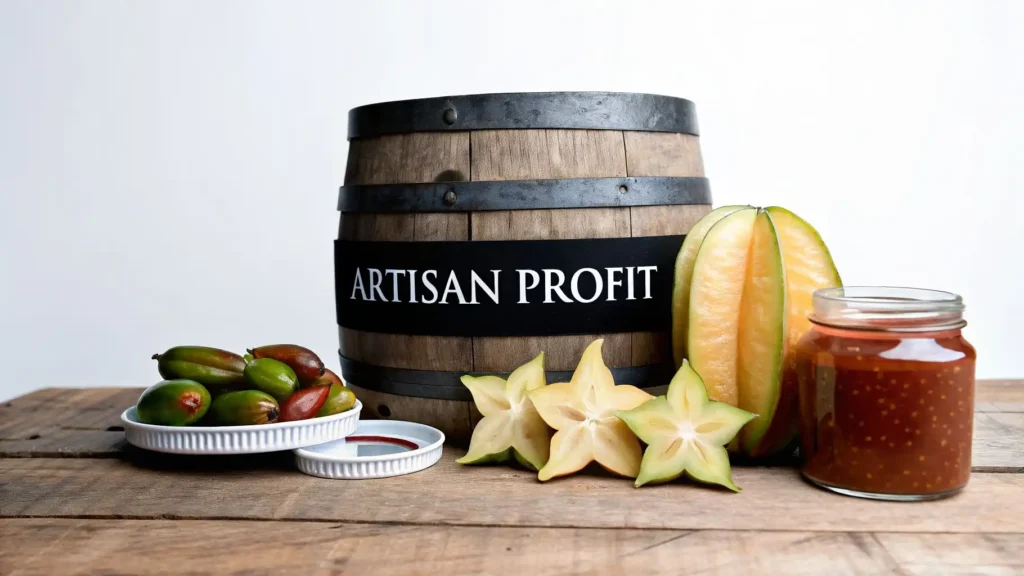
The core principle is value addition. A basic Starfruit sells for 750g, but turning it into wine in a keg increases its value to 2,250g. The crucial detail is that the quality of the input crop (silver, gold, or iridium) does not affect the quality of the initial artisan good. This means you should sell your high-quality crops and process your regular-quality ones for the biggest profit boost, creating a smart system that feels almost like learning how to start investing money.
How to Implement This Strategy
To maximize your artisan empire, you need a systematic approach to farming and processing. This involves dedicating farm space to high-value, repeatable crops and building a large-scale production facility.
- Prioritize High-Value Crops: Focus on crops that yield the most valuable artisan products. Ancient Fruit and Starfruit are the top-tier choices for making wine, while Hops (for Pale Ale) and Wheat (for Beer) provide fast, daily profits.
- Mass Produce Kegs and Jars: Build as many kegs and preserves jars as you can manage. A shed full of kegs can process hundreds of fruits at once, generating tens of thousands of gold every few days.
- Use Casks for Maximum Value: Once you unlock the cellar in your farmhouse, use casks to age wine and cheese. Aging iridium-quality Starfruit Wine, for example, doubles its value from 2,250g to a massive 4,500g per bottle.
Key Insight: This is one of the most vital Stardew Valley tips for late-game players. A fully operational greenhouse filled with Ancient Fruit, combined with a large shed of kegs, can easily generate over 100,000g per week. This consistent, passive income stream allows you to purchase endgame items like the Gold Clock and community upgrades without financial stress.
7. Plan Farm Layout for Aesthetics and Functionality
Your farm is more than just a source of income; it’s your home and a canvas for your creativity. Planning your farm layout is a crucial step that balances mechanical efficiency with visual appeal. A well-designed space not only looks great but also saves you precious in-game time by streamlining your daily chores, making it one of the most rewarding Stardew Valley tips to implement.
The core idea is to think ahead, arranging buildings, fields, and paths in a way that minimizes travel time and maximizes convenience. Instead of placing buildings wherever they fit, you strategically create zones for different activities like farming, ranching, and artisan production. This thoughtful approach transforms a chaotic plot of land into a highly functional and beautiful homestead that reflects your personal style.
How to Implement This Strategy
While you can start planning from Day 1, most players begin seriously designing their layout in late Year 1 or early Year 2 once they have more buildings and resources. The online Stardew Valley Planner tool is invaluable for experimenting with designs without spending in-game money.
- Group Similar Activities: Place sheds with kegs and preserve jars near your crop fields. Keep silos close to your barns and coops, and position chests for mining and combat supplies near your farmhouse exit.
- Create Clear Pathways: Use wood, stone, or gravel paths to define routes between key areas. This not only looks organized but also prevents grass and weeds from overgrowing in high-traffic zones.
- Plan for Expansion: Leave empty space for future buildings you plan to construct, like the Slime Hutch, Sheds, or Stable. It’s much easier to reserve a spot than to relocate a building later.
- Find Your Aesthetic: Browse communities like the r/StardewValley subreddit for inspiration. You’ll find everything from ultra-efficient “grid farms” designed for maximum profit to charming “cottagecore” layouts focused on beauty.
Key Insight: A well-planned farm layout is a long-term project that pays huge dividends in both efficiency and player satisfaction. By organizing your farm, you reduce the time spent on daily chores, freeing up more of your day for mining, fishing, or socializing. The principles of efficient organization and strategic planning are surprisingly similar to those found in successful business management, much like the concepts discussed in the best business books for entrepreneurs.
8. Master Fishing for Profit and Progression
Beyond being a relaxing pastime, fishing in Stardew Valley is a powerful engine for both profit and game progression. It’s a skill that directly converts time and energy into significant income and provides critical items for Community Center bundles, quests, and valuable cooking recipes. By understanding fish behaviors, locations, and the benefits of rod upgrades, you can turn a simple mini-game into one of your most reliable early-game money-makers.
The core principle behind mastering fishing is skill progression. Each level you gain increases your casting distance and the size of your fishing bar, making it easier to catch more difficult and valuable fish. This creates a rewarding feedback loop: catching fish levels you up, which unlocks better gear and higher-value catches, leading to even faster leveling and more profit. This makes fishing one of the most consistent Stardew Valley tips for securing a steady income, especially during seasons when your crops are still growing.
How to Implement This Strategy
To transform fishing from a hobby into a profitable venture, approach it with a clear plan. Focus on upgrading your gear as soon as possible and learn where and when to find the most lucrative catches.
- Upgrade Your Rod ASAP: Your starting Bamboo Pole is limited. Save up 1,800g to buy the Fiberglass Rod from Willy as soon as you reach Fishing Level 2. This allows you to use bait, which significantly increases the bite rate. Later, the Iridium Rod (7,500g at Level 6) lets you attach tackles for even greater control.
- Fish in High-Value Locations: Different bodies of water hold different fish. The ocean is excellent for steady income, while the mountain lake is home to valuable fish like Largemouth Bass. During rainy days, the river is the best place to find the high-selling Catfish.
- Use Food Buffs: Dishes like Trout Soup or Dish O’ The Sea temporarily increase your fishing skill, making your fishing bar larger. This is crucial for catching difficult fish or securing a perfect catch for higher quality.
Key Insight: A focused fishing strategy can easily out-earn early-game crops. By reaching Fishing Level 5 and choosing the Fisher profession (fish sell for 25% more), you can turn a good day’s catch into over 2,000g. This consistent cash flow is perfect for funding farm upgrades, buying seeds in bulk, or affording that first coop or barn much earlier than you would through farming alone.
9. Unlock and Manage Animal Husbandry for Secondary Income
While crops offer massive seasonal profits, they require significant upfront investment and replanting. Raising animals provides a consistent, reliable secondary income stream that complements your farming efforts. Once you build a coop or barn and purchase some animals, they will produce valuable goods every single day with minimal ongoing cost, creating a dependable financial backbone for your farm.
The core principle behind animal husbandry is turning a daily chore into a daily profit. By feeding and petting your animals, you ensure they stay happy and productive, yielding milk, eggs, wool, and more. These raw products can be sold as-is, but their true potential is unlocked when processed into high-value artisan goods like cheese and mayonnaise, significantly multiplying your earnings.
How to Implement This Strategy
Integrating animals requires an initial investment in buildings and the animals themselves, but the long-term payoff is substantial. Start small and scale up as your farm grows.
- Start with Chickens: A coop is cheaper than a barn. Begin with a few chickens to generate a steady supply of eggs. Use these to make mayonnaise in a Mayonnaise Machine for a quick and easy profit boost.
- Invest in Cows and Goats: Once you can afford a barn, cows are your next priority. Milk is a fantastic daily resource, and cheese made in a Cheese Press sells for a high price. Goats produce milk less frequently but it is more valuable.
- Automate and Upgrade: To reduce daily labor, build a silo before constructing any animal buildings. This allows you to store hay from cutting grass. Upgrading your barn and coop adds auto-feeders and allows you to install heaters for winter, keeping your animals happy with less effort.
- Maximize Happiness for Quality: Pet your animals and let them graze outside every day (except in winter or rain). Happier animals have a higher chance to produce large, high-quality products, which are worth more and are necessary for some Community Center bundles.
Key Insight: This is one of the most vital Stardew Valley tips for creating a diversified farm. A single cow can produce milk that becomes cheese worth 230g. A barn full of 8 cows can generate over 1,800g per day from cheese alone. This steady income is invaluable during winter when outdoor crops are not an option.
10. Prepare for Seasonal Transitions with Crop Planning
In Stardew Valley, the calendar is king. Each 28-day season offers a unique set of crops, and once the season changes, any out-of-season plants on your farm will wither and die instantly. Failing to plan for these transitions can lead to a devastating loss of time, money, and effort. Strategic crop planning ensures every planting day is maximized, preventing wasted growth cycles and boosting your overall profitability.
The core principle involves working backward from the end of the season. Before planting a seed, you must check its growth time and ensure it has enough days to fully mature and be harvested before the 1st of the next month. This simple calculation prevents the heartbreaking scenario of watching a field of expensive Starfruit or Melons die on Summer 28 because they were planted just one day too late.
How to Implement This Strategy
Effective seasonal planning requires a bit of foresight and simple math. Always check the seed packet’s description in Pierre’s store or your inventory to see how many days it takes for a crop to grow.
- Calculate Your Last Planting Day: To find the last safe day to plant a crop, subtract its growth time from 28. For example, a Pumpkin takes 13 days to grow, so the last day you can plant it in the Fall is day 15 (28 – 13 = 15).
- Use Fast-Growing Crops Strategically: If you only have a few days left in a season, don’t let your soil sit empty. Plant fast-growing crops like Parsnips (4 days) or Wheat (4 days) to squeeze in one last profitable harvest.
- Prepare for Day 1 of the New Season: The day before a season changes, use your scythe to clear away any dead crops. This saves you valuable energy on the first day of the new season, allowing you to till, water, and plant your new seeds immediately.
Key Insight: This is one of the most fundamental Stardew Valley tips for maintaining farm momentum. A common mistake is planting high-value, long-growth crops like Cauliflower (12 days) or Starfruit (13 days) too late in the season. By always checking the calendar, you can ensure your investments pay off and avoid losing an entire harvest to a single miscalculation.
Top 10 Stardew Valley Tips Comparison
| Strategy | Implementation Complexity | Resource Requirements | Expected Outcomes | Ideal Use Cases | Key Advantages |
|---|---|---|---|---|---|
| Prioritize Spring Foraging and Fishing for Early Gold | Low | Basic fishing rod, time, knowledge of spawn locations | Quick, variable early income; early equipment/crop purchases | First weeks of Spring, new players, speedruns | Immediate cash flow, zero startup cost, builds skills |
| Master Sprinkler Placement for Efficient Crop Management | Medium | Gold/materials for sprinklers, planning time, crafting recipes | Large time savings, consistent watering, higher crop yield | Mid-game farm expansion when automating watering | Saves daily time, enables larger fields, consistent growth |
| Utilize the Community Center for Strategic Bundle Rewards | Medium | Diverse item collection (no direct gold), tracking effort | Permanent unlocks (greenhouse, bridge), quality rewards | Players prioritizing long-term progression without Joja | Free game-changing rewards, encourages exploration |
| Develop Relationships Strategically for Unlocks and Benefits | Medium–High | Gifts, time, event attendance, scheduling | Recipes, discounts, marriage, story progression, area access | Players seeking narrative, marriage, NPC benefits | Unlocks unique content, ongoing gameplay bonuses |
| Optimize Mining Strategy for Ore and Gems | Medium | Food for energy, weapons, upgraded pickaxe, time | Steady ore/gem supply for tool upgrades and crafting | Tool upgrade cycles, preparing infrastructure upgrades | Essential materials for upgrades, combat XP, gems |
| Leverage Quality Crops and Artisan Goods for Profit Maximization | High | Significant capital, fertilizers, kegs/jars/casks, space | Highest sustained profits, scalable late-game income | Late-game profit focus, large farms, passive income builds | Top profit-per-day, scales with production buildings |
| Plan Farm Layout for Aesthetics and Functionality | Medium | Time for design, some gold to reposition buildings, space | Reduced travel time, organized workflow, pleasing visuals | Long-term farms, players valuing efficiency and aesthetics | Improves efficiency and enjoyment, better organization |
| Master Fishing for Profit and Progression | Low–Medium | Rod upgrades, bait/tackle, time, location knowledge | Consistent seasonal income, recipe and bundle items | Early to mid-game steady income and bundle completion | Accessible early, steady income, skill-based progression |
| Unlock and Manage Animal Husbandry for Secondary Income | Medium–High | Coop/barn costs, feed, daily care time, upgrades | Daily animal products, inputs for artisan goods, steady income | Mid to late-game passive income and product processing | Reliable daily revenue, produces artisan inputs |
| Prepare for Seasonal Transitions with Crop Planning | Medium | Seed selection, scheduling/planning time, greenhouse (optional) | Maximized harvests, fewer wasted days, steady seasonal profit | Any player optimizing seasonal crop cycles | Prevents wasted crops, improves seasonal profitability |
Your Continuing Adventure in the Valley
As we draw our time in Pelican Town to a close, at least for now, it’s clear that the path to a thriving farm is not a single, straight road. Instead, it’s a dynamic and evolving journey paved with strategic decisions, thoughtful planning, and a little bit of seasonal magic. The collection of Stardew Valley tips we’ve explored serves as a comprehensive toolkit, not a rigid instruction manual. The true power lies in how you combine these strategies to fit your personal playstyle and goals.
Mastering the early game by prioritizing foraging and fishing is your first step towards financial freedom, giving you the seed money and breathing room needed to establish a foothold. From there, the principles of automation and efficiency take over. Implementing well-placed sprinklers isn’t just about saving time; it’s about reclaiming your daily energy to delve deeper into the mines, foster friendships, or reel in that elusive legendary fish. Each tip builds upon the last, creating a powerful synergy that transforms your farm from a humble plot into a productive powerhouse.
Key Takeaways for Your Farming Legacy
The most impactful lesson from these diverse Stardew Valley tips is the concept of intentional progression. Every action you take can and should serve a larger purpose.
- From Crops to Artisan Goods: The journey from planting a simple parsnip to selling aged Starfruit Wine is the core economic loop of the game. Understanding how to leverage quality crops with Preserves Jars and Kegs is the single most important skill for maximizing profit.
- Relationships as Resources: The residents of Pelican Town are more than just neighbors; they are gateways to new recipes, exclusive items, and heartwarming story events. A strategic gifting plan, focusing on universally liked items or birthday gifts, can rapidly unlock these valuable benefits.
- Balance is Everything: A successful farmer is also a skilled adventurer, a friendly neighbor, and a keen angler. Don’t let one aspect of the game consume all your time. A day spent reorganizing your farm layout for better flow is just as productive as a deep dive into the Skull Cavern.
Ultimately, mastering Stardew Valley is about creating a self-sustaining engine of productivity and enjoyment. You plant the seeds, automate the watering, process the harvest, and invest the profits back into more efficient tools and expanded operations. This cycle frees you up to pursue the game’s deeper content, whether that means completing the Community Center bundles for their invaluable rewards, mastering combat in the mines, or simply designing a farm that feels like home.
These strategies are your key to unlocking the game’s full potential, allowing you to move beyond the daily grind and into a state of creative, fulfilling play. The initial effort you invest in planning your seasonal crops or optimizing your mining runs pays dividends for every subsequent season. Your farm becomes a testament to your strategy, a living, breathing entity that reflects your choices and rewards your foresight. So, take these insights, apply them to your corner of the valley, and watch as your humble farmstead blossoms into an enduring legacy. Happy farming!
Planning your next season’s crops or mapping out the perfect farm layout? Keep all your Stardew Valley tips and plans organized with a dedicated journal. Check out maxijournal.com for premium notebooks perfect for logging your in-game progress, tracking villager gifts, and designing your dream farm.
Discover more from Maxi Journal
Subscribe to get the latest posts sent to your email.