metrica yandex pixel

Cat Care

Keep your feline friend healthy and happy. Get expert cat care tips on nutrition, grooming, kitten essentials, and senior cat wellness strategies.

Woman cuddling an orange tabby cat with text asking if cats love their owners, thumbnail about cat and owner bond.
Pets

Discover: do cats love their owners and the science of feline bonds

The long-standing belief that cats are indifferent to their owners has been debunked by modern science, revealing that cats form deep bonds similar to those seen in dogs and human infants. Research shows that cats view their owners as secure bases, demonstrating affection through subtle behaviors. This genuine connection enriches both feline and human lives, underscoring the mutual love shared between cats and their caregivers.

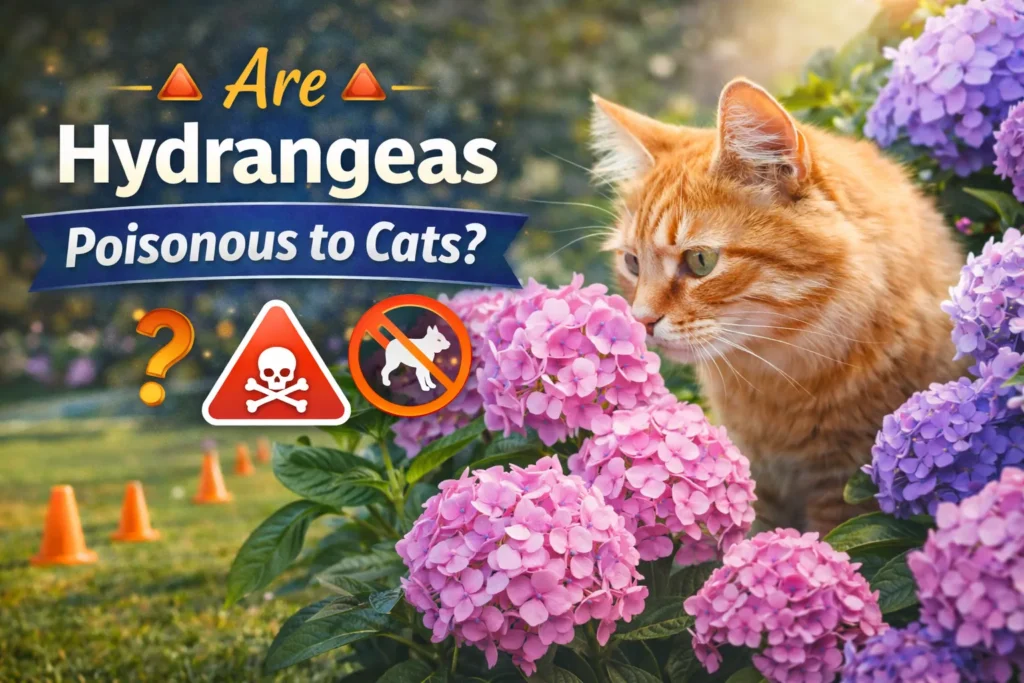
Orange cat sniffing pink hydrangea flowers in a garden with warning icons, thumbnail about whether hydrangeas are poisonous to cats.
Pets

Are Hydrangeas Poisonous to Cats? A Guide for Pet Owners

Hydrangeas are toxic to cats due to compounds called cyanogenic glycosides that can release cyanide when ingested. While serious outcomes are rare, even small amounts can cause stomach upset, vomiting, and lethargy. Cat owners should be vigilant, removing any hydrangea plants from their home and garden. Immediate veterinary assistance is essential if ingestion is suspected to ensure proper care and recovery.

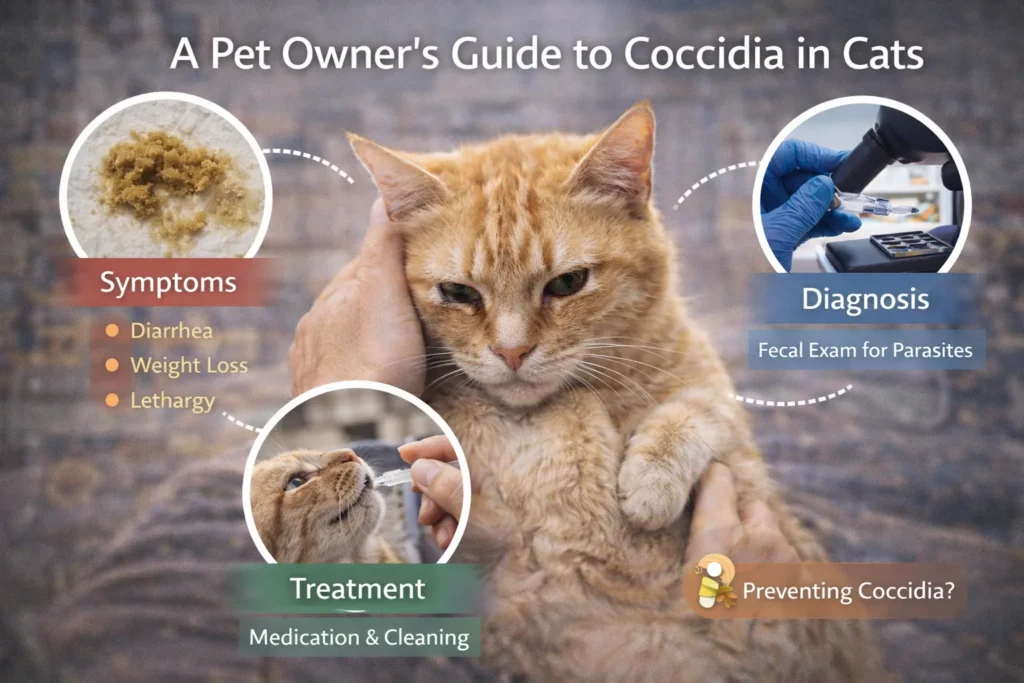
Realistic cover image titled “A Pet Owner’s Guide to Coccidia in Cats” showing an orange tabby cat being examined, with visual highlights of symptoms such as diarrhea, weight loss, and lethargy, along with diagnosis through fecal exams, treatment options, and prevention tips.
Pets

A Pet Owner’s Guide to Coccidia in Cats

Coccidia is a microscopic parasite responsible for coccidiosis, primarily affecting kittens and immunocompromised cats. Unlike worms, coccidia invade the intestinal lining, leading to symptoms like severe diarrhea and dehydration. Cats contract the parasite through contaminated environments or prey. Maintaining hygiene is crucial to prevent infection. Diagnosis involves stool samples, and treatment typically includes a sulfa-based antibiotic along with supportive care for recovery.

Scroll to Top