Escape the Crowds: Your Guide to Unforgettable Destinations. Are you chasing places that still feel discovered, or just copying the same crowded itinerary everyone else found last season? The smartest way to think about hidden travel gems is not as empty places, but as destinations outside the main flow of mass visitation, where visitor concentration is lower and the experience feels more personal. That matters because tourism demand is heavily concentrated, and one cited travel source notes that only 30% of national parks receive the bulk of visitor traffic, which helps explain why secondary cities, quieter parks, and conservation areas can still feel fresh even when they sit near famous hubs. For a useful starter on island escapes, see this expert guide to incredible island getaways.
1. Socotra Island, Yemen
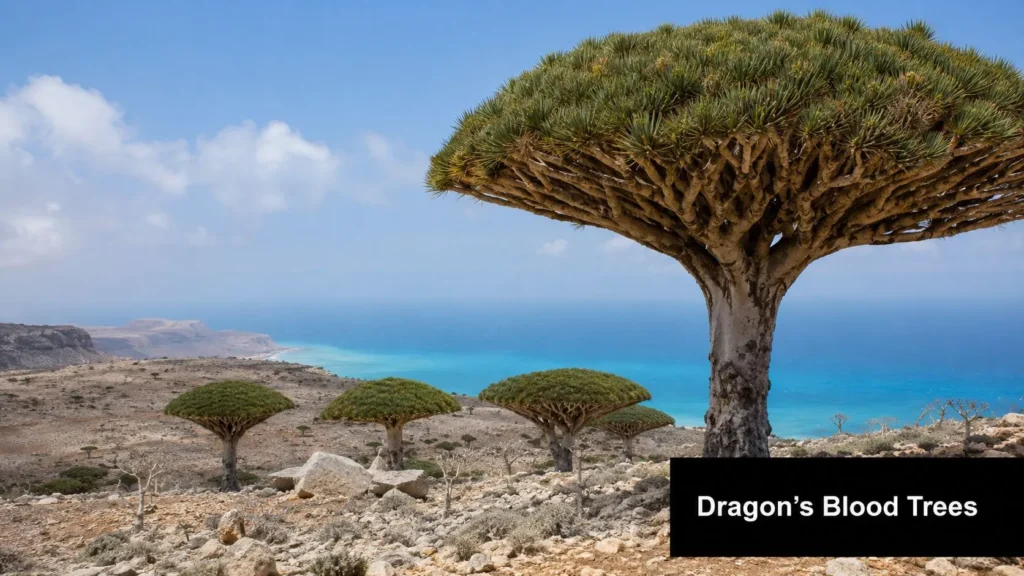
Socotra rewards travelers who want an environment that looks edited by another planet. The Dragon’s Blood trees, chalky rock, and pale beaches create a setting that works just as well for scientific storytelling as it does for pure adventure writing. The strongest angle here is contrast, a remote island with a living culture shaped by Arabian, African, and South Asian influences, not just a dramatic shoreline.
Practical rule: If access is complicated, plan the trip around the story you can actually complete on the ground. Socotra is best for travelers who can work with local guides, adapt quickly, and accept that logistics matter as much as the view.
Go in with a slow-travel mindset. Book through a specialist operator, give yourself time to arrange permits and transport, and use local guides for context instead of treating them as escorts. The dry season from October to April is the most sensible window for better conditions, and that timing matters more here than in a typical beach destination.
What to shoot and write
A content creator can build an entire piece around biodiversity, but the story gets stronger when it includes daily life. Photograph the trees at different times of day, then move to markets, fishing activity, and the way residents explain the island’s isolation. That creates a fuller report than a simple “remote beauty” feature.
- Best storytelling angle: Endemic flora and the feeling of cultural overlap.
- Best logistics angle: Specialized operators and advance planning.
- Best practical value: Hire local guides who can translate place, not just point at it.
- What often disappoints: Travelers who expect easy, independent tourism.
2. Faroe Islands, Denmark
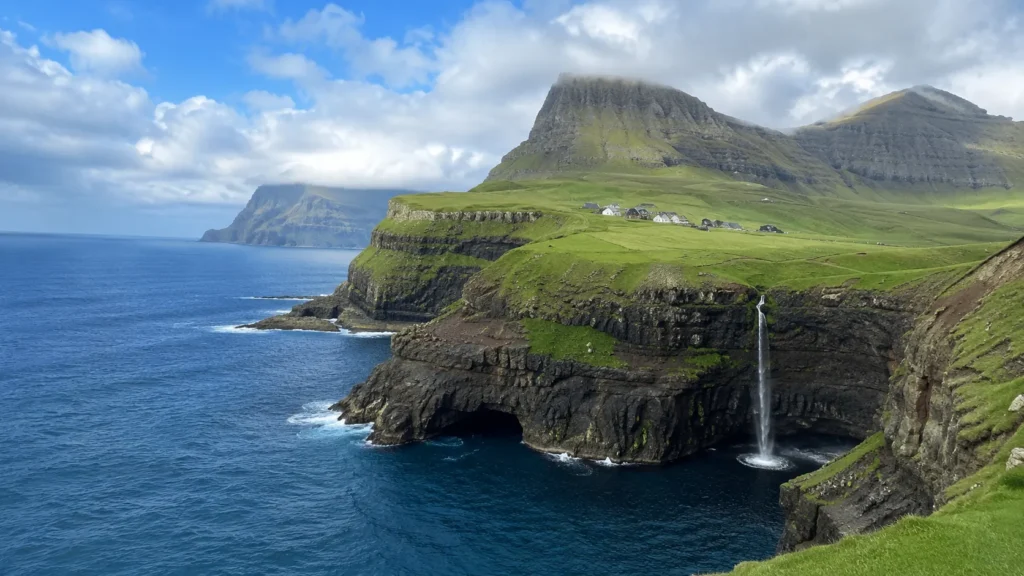
The Faroes work for travelers who want harsh beauty without the full Instagram overload of Iceland. Cliffs drop into dark water, waterfalls appear where you don’t expect them, and the roads make each island feel like a separate chapter. The appeal is not just scenery, it’s the sense that people still live around the natural surroundings rather than inside a packaged attraction.
The best trip here usually starts with a car. Public transport won’t give you the same freedom to chase weather, pull over for viewpoints, or link island hops on your own schedule. If you want to write well about the Faroes, fold in the local culture instead of stopping at the overlooks, because the islands’ identity is part of the draw.
Cultural texture that makes the trip richer
Faroese knitwear, local food traditions, and community scale all give you material beyond a standard nature gallery. This is also a good place to explore how small destinations balance identity and tourism, especially when sustainability is part of the public conversation. Mid-summer daylight makes the scenery easier to explore and photograph for longer stretches.
If you cover travel and technology, the Faroes also let you connect scenery with innovation. The region has become a useful example of small-place resilience, where remote geography doesn’t prevent modern business thinking or renewable-energy ambition. That mix gives you a stronger article than a simple “wild island” writeup.
3. Palau, Micronesia
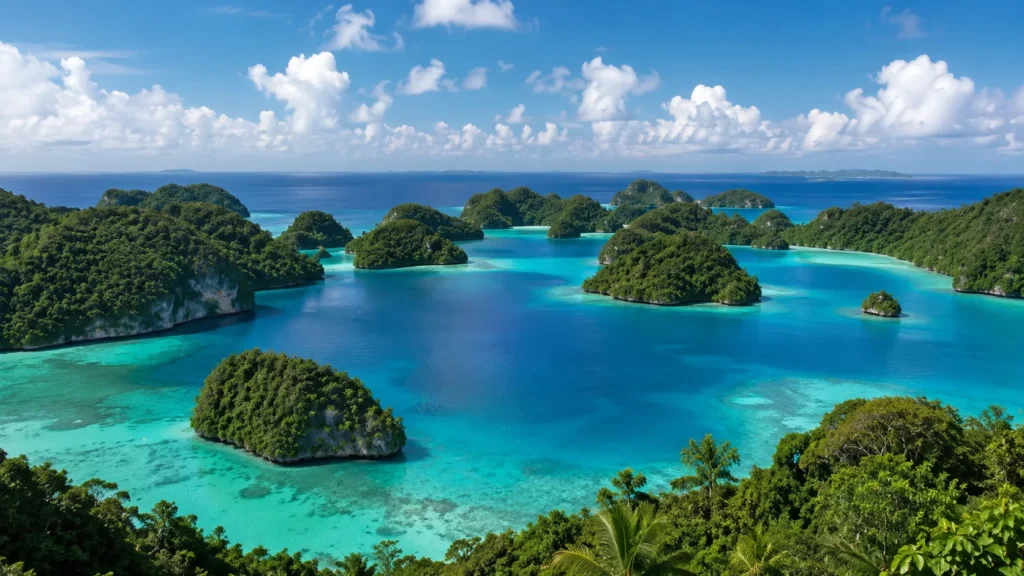
Palau is one of the clearest examples of how a hidden gem can stay special by protecting what makes it valuable. The Rock Islands, coral reefs, and clear water are the headline, but the deeper story is conservation. Travelers who care about responsible diving, marine life, and environmental policy can get real substance here, not just pretty footage.
The key is to treat the country’s rules as part of the experience. Before you enter, get familiar with the Palau Pledge and choose certified dive operators who understand reef protection and marine etiquette. A place like this punishes careless behavior, and that’s exactly why it still feels rare.
Palau is best covered as stewardship plus adventure, not adventure alone.
How to build a strong visit
A smart itinerary combines the iconic water experiences with conservation storytelling. Jellyfish Lake works best with reputable guides, and the Rock Islands give you material for kayaking, aerial imagery, and reef-focused reporting. The dry season from November to April is the safer planning window for a trip built around water activities.
- Story angle: The tension between tourism growth and marine protection.
- Travel angle: Diving and kayaking with certified operators.
- Reporting angle: How local rules shape visitor behavior.
- Common mistake: Treating pristine water as if it needs no preparation.
The best Palau pieces don’t just show what’s underwater. They explain why it still looks that way.
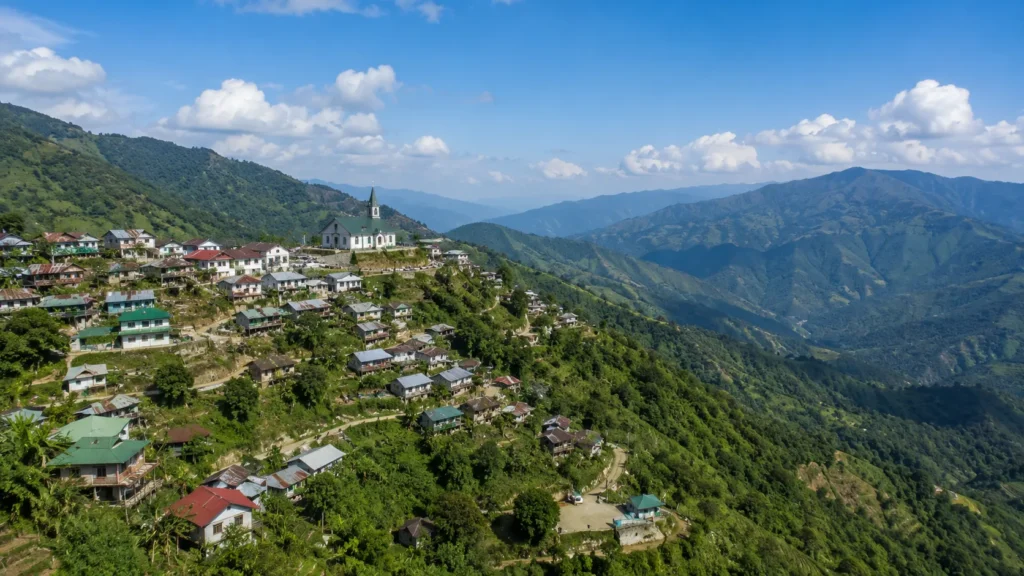
4. Nagaland, India
Nagaland is the kind of destination that changes a traveler’s pace immediately. The draw is not just scenery, it’s encounter, craft, and context, especially around indigenous identity and the annual Hornbill Festival. If you’re looking for a place with strong cultural texture, this is one of the most rewarding options on the list.
The festival window in the first week of December gives you the most concentrated access to music, dance, food, and craft traditions. Outside that period, the state still offers depth, but you’ll need more care in planning and more sensitivity in how you approach communities. That makes local guides especially valuable, not optional.
Why the storytelling potential is strong
Nagaland works across several editorial lanes at once. A travel writer can focus on food, a fashion editor can look at handloom and textile work, and an anthropology-minded creator can examine how people present identity through ceremony and daily life. The best material usually comes from direct observation, not from forcing a generic “exotic” frame onto local culture.
Respect matters here. Some sites and moments have photography restrictions, and those rules deserve attention before you lift a camera. Buying directly from artisans is also one of the clearest ways to make your visit useful, because it supports the people who keep the region’s visual culture alive.
Standout angle: Nagaland is strongest when you write about people first and scenery second.
5. Madagascar’s Tsingy de Bemaraha
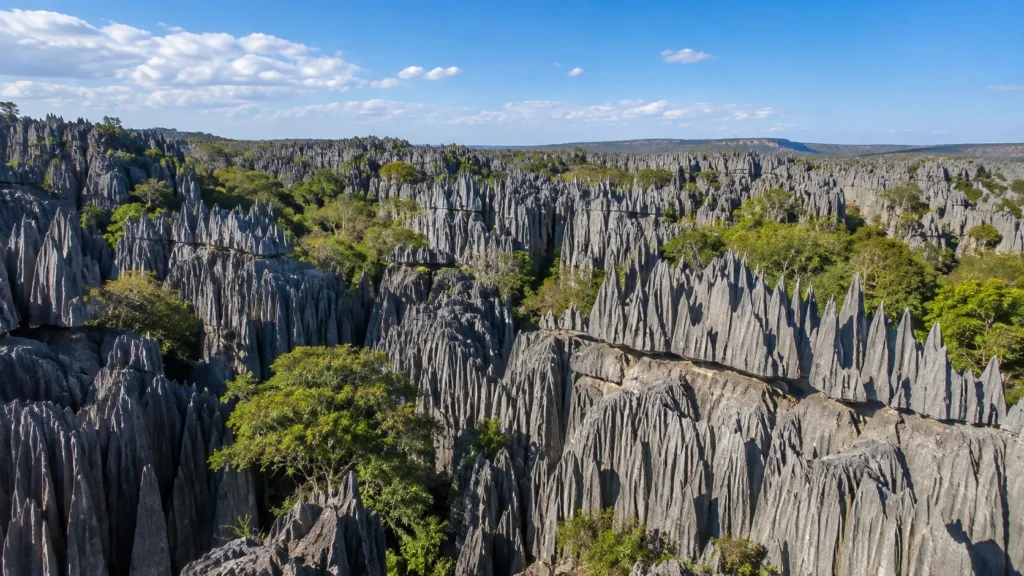
Tsingy de Bemaraha feels engineered for wonder. The limestone formations rise like a stone forest, and the word tsingy itself, meaning “walking on tiptoes,” tells you something about the terrain before you even arrive. For nature writers, this is a place where geology and evolution meet in a way that keeps generating fresh angles.
The challenge is real, and that’s part of the value. This isn’t an easy park to skim in a day, so travel with conservation-minded operators, give yourself time to acclimatize, and don’t treat the hike like a casual viewpoint stop. The terrain is demanding enough that preparation changes the quality of the experience.
Writing the place well
The best Tsingy stories move beyond the visual shock of the limestone spikes. Use the park to talk about endemic wildlife, conservation pressure, and why isolation often creates unusual biological outcomes. If you’re building a longform piece, the route in and the effort required to move through it are part of the narrative, not just the setting.
Travel during the dry season from May to October if you want a more workable plan, especially for guided exploration. The area is also a strong fit for reporting that connects conservation groups, local guides, and research work, because the human infrastructure around the site shapes what visitors see.
6. Kyrgyzstan’s Pamir Highway
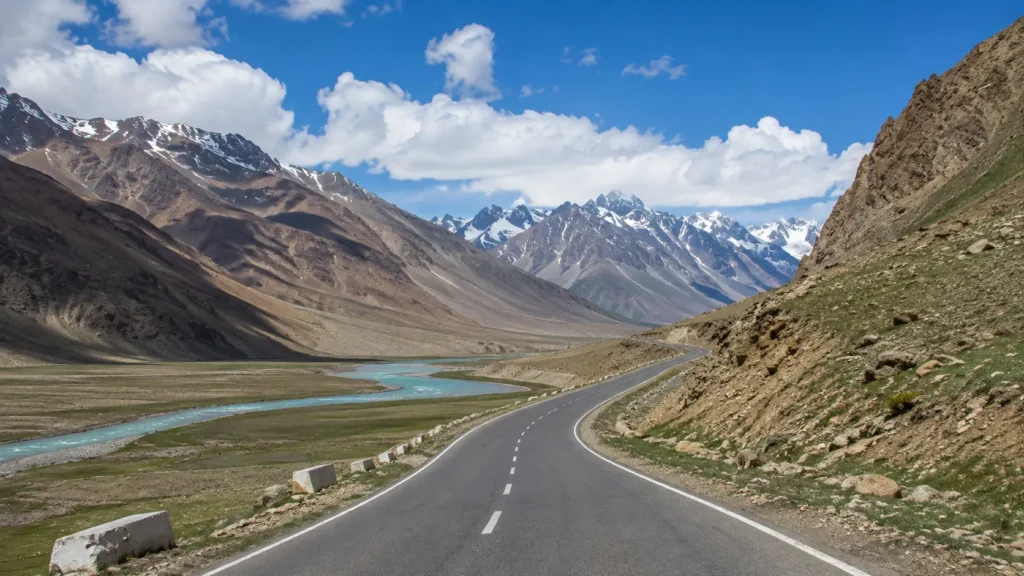
The Pamir Highway is for travelers who like their scenery with altitude, distance, and uncertainty. The route cuts through dramatic mountain country, and it supports a rare combination of adventure travel, nomadic culture, and geopolitical interest. That mix gives writers more room than a standard road-trip feature, because the journey itself becomes the central object.
Preparation is essential. Check permit requirements, confirm current border and route conditions before you leave, and build your plan around summer travel only. The road is not the place to improvise a first-time mountain itinerary, especially if you want to bike, photograph, or report with any seriousness.
Make the road part of the story
The best angle here is the collision of scale and human adaptation. Homestays, local guides, and roadside communities reveal how people live with terrain that most travelers only pass through. If you’re covering it for content, use the journey to explore Silk Road memory, high-altitude resilience, and the realities of remote transport.
- Best practical move: Travel with support that knows the route.
- Best content angle: Nomadic life, mountain logistics, and borderland geography.
- Best audience fit: Adventure cyclists and readers who like road narratives.
- What not to do: Treat the highway like a normal self-drive holiday.
The Pamir Highway works because it resists convenience. That resistance is exactly what makes it memorable.
7. Bhutan’s Phobjikha Valley
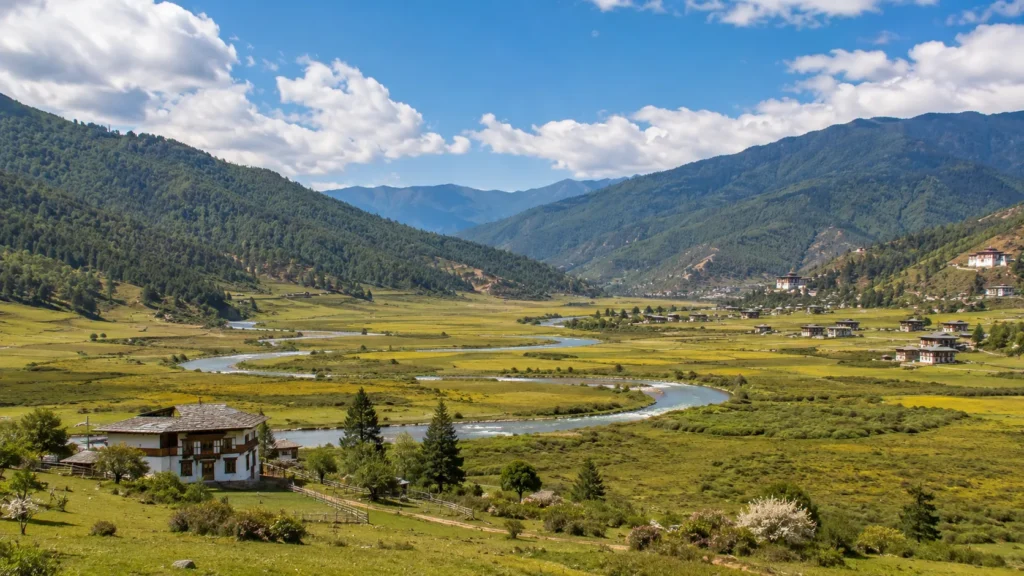
Phobjikha Valley gives you one of the strongest combinations on this list, conservation, spirituality, and disciplined tourism. The valley is known for protecting the black-necked crane, but its real draw is the way Bhutan folds environmental care into everyday life. For travel writers, that opens a different type of story, one that connects the natural setting with philosophy.
Booking through licensed Bhutanese operators matters because access is structured and the experience depends on that structure. Visit during crane season from October to February if wildlife is part of your plan, and make time for conversations with farmers and Buddhist practitioners. Those moments often say more than a scenic overview ever could.
Why the valley stays compelling
Phobjikha works especially well for readers interested in sustainability, religion, and the practical side of cultural preservation. You can write about the tension between modern tourism and local continuity without turning the piece into theory, because the setting itself shows how protected spaces can still feel lived in. That’s rare.
Photography rules in religious spaces deserve careful attention. The best content here is respectful, observational, and quiet in tone, which is exactly why it stands out in a crowded travel feed. A creator who can handle that restraint usually comes away with a more distinctive story than someone chasing the loudest possible image.
A strong Phobjikha story is less about spectacle and more about values made visible.
7 Hidden Travel Gems, Quick Comparison
| Destination | Access & Logistics | Cost & Resources | Expected Outcomes | Ideal For | Key Advantages |
|---|---|---|---|---|---|
| Socotra Island, Yemen | Very remote; political instability, limited flights; best Oct–Apr | High logistical costs; sparse infrastructure and connectivity | Unique biodiversity stories; rare wildlife and landscape photography | Nature writers, science journalists, adventure travelers, photographers | Endemic flora (dragon’s blood trees), pristine beaches, low visitor impact |
| Faroe Islands, Denmark | Well-connected regionally; variable weather; best May–Jul | High accommodation and food costs; solid local infrastructure | Dramatic landscape visuals; sustainability and tech innovation angles | Travel & tech journalists, adventure travelers, photographers, sustainability advocates | Dramatic cliffs/waterfalls, sustainable tourism leadership, safe infrastructure |
| Palau, Micronesia | Limited flight links; entry requirements (Palau Pledge); best Nov–Apr | Expensive travel and diving operations; reliable tourist services on arrival | Marine conservation narratives; world-class underwater photography | Marine science writers, adventure journalists, photographers, environmentalists | Pristine coral reefs, Jellyfish Lake, strong protection policies |
| Nagaland, India | Remote regional access; best during Hornbill (Dec); limited English | Low travel costs but basic facilities and transport challenges | Deep cultural immersion; textile, music and anthropology stories | Cultural and arts journalists, fashion writers, anthropologists, music journalists | Living tribal traditions, handloom textiles, major cultural festival |
| Tsingy de Bemaraha, Madagascar | Extremely remote; rugged terrain; best May–Oct | Moderate international cost but high logistical effort and guides | Evolutionary biology and conservation reporting; striking geological visuals | Science writers, nature journalists, biologists, photographers | Unique tsingy karst formations, endemic lemurs, high biodiversity |
| Pamir Highway, Kyrgyzstan | High-altitude, remote route; seasonal (Jun–Sep); permit/geopolitical needs | Low infrastructure but requires specialized gear and planning | Adventure and geopolitical narratives; mountain sports documentation | Adventure/sports journalists, photographers, geopolitical writers, mountain enthusiasts | Authentic nomadic culture, dramatic high-altitude scenery, Silk Road history |
| Phobjikha Valley, Bhutan | Regulated access with mandatory guides and permits; best Oct–Feb | High mandatory daily tariffs and limited accommodations | Conservation, spirituality and well‑being stories; Himalayan photography | Philosophy and wellness writers, environmental journalists, spirituality coverage | Protected crane habitat, Gross National Happiness model, strict sustainable tourism policies |
Start Planning Your Next Great Adventure
What kind of trip do you want to tell stories about later? From the otherworldly terrain of Socotra to the quiet spirituality of Bhutan, these special destinations offer more than a vacation, they offer a different way to see travel itself. The strongest picks on this list reward curiosity, preparation, and a willingness to move at the pace of local life. They also show that memorable trips are often built around the richness of the visit, not fame, and that a place can still feel undiscovered even when it sits near a better-known route.
Choose the destination by the story you want to bring home. Dramatic nature calls for Socotra, Tsingy, and the Faroes. Culture-first travel fits Nagaland and Bhutan, where local life gives the trip its depth. Conservation and marine life point to Palau. If you want an overland challenge with real texture, Kyrgyzstan’s Pamir Highway is hard to beat.
There is also a practical reason to act sooner rather than later. Analysts tracking the mystery vacation market say the market reached $1.7 billion in 2024 and is forecast to reach $7.2 billion by 2033, with a 17.5% CAGR, which shows how quickly surprise-driven travel can move from niche curiosity to mainstream demand in market forecast for mystery vacations. A destination can shift from an understated gem to a widely discussed one faster than most travelers expect. If you want to catch a place in its organic-discovery phase, move thoughtfully and verify conditions before the crowd does.
A smarter next step is to revisit how discovery works in practice, especially whether a place still feels hidden when you arrive. This travel note on underrated destinations and discovery signals is a useful reminder that strong trip planning combines curiosity with timing. For more route ideas and planning angles, see HYDAWAY’s 2026 adventure planning for more ideas.
Discover more from Maxi Journal
Subscribe to get the latest posts sent to your email.