Most travel advice is backward. It tells you to chase the places everyone already agrees on, then act surprised when you spend half your trip in lines, traffic, or restaurants built for other tourists. If your feed keeps pushing the same capitals, islands, and “must-see” landmarks, the problem isn’t that the world has run out of wonder. The problem is that recommendation systems reward familiarity.
The most underrated travel destinations don’t win on hype. They win on ratio. Better conversations per day. More room to move. More distinct local character. Fewer experiences that feel prepackaged. That doesn’t mean going somewhere difficult, unsafe, or joylessly remote. It means picking places where tourism hasn’t flattened the edges yet.
A good underrated trip also needs practical planning. Low crowd levels won’t save a trip built on bad routing, poor season choices, or sloppy budgeting. In my experience, these places reward travelers who book the right base, stay longer in fewer stops, and choose local operators over polished but generic day tours.
This guide focuses on destinations that still feel fresh in 2026, with mini-planners built into each section. You’ll get trade-offs, sample itineraries, budget-minded tactics, and sustainable travel advice so you can visit without helping turn the place into the next overcrowded cliché. Let’s get to the list.
1. Albania The Emerging Balkan Gem
Albania works best for travelers who want coastline, mountain scenery, and old towns without paying Western Europe prices or dealing with Western Europe crowd patterns. It’s still rough around the edges in places, and that’s part of the appeal. You get beach towns, Ottoman-era architecture, and lively city energy without the polished sameness that can make more established routes blur together.
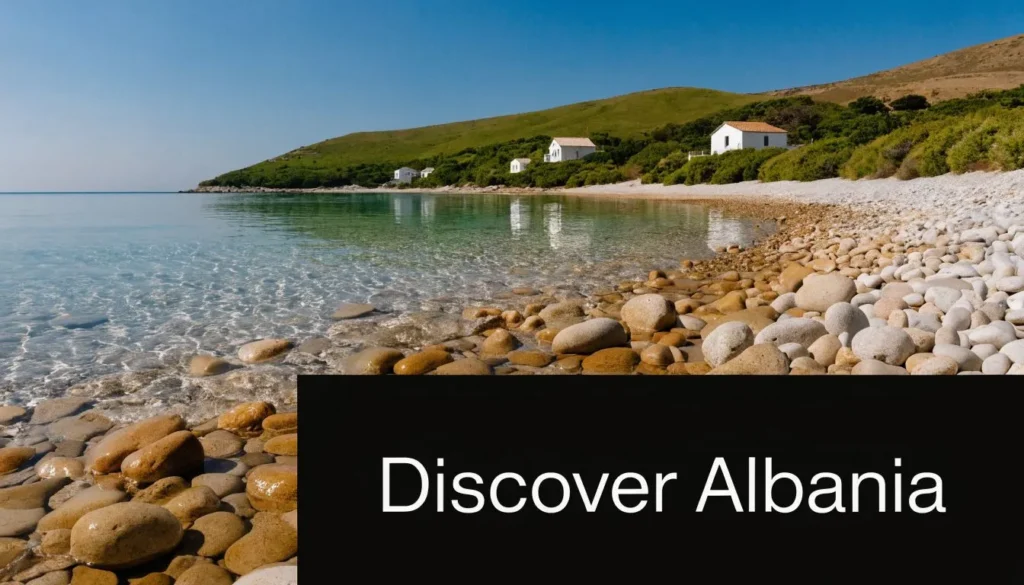
The mistake many travelers make is treating Albania as only a cheap beach add-on. That misses the point. Durrës works for a low-effort seaside base, Berat gives you the stronger cultural hit, and Saranda is useful if you want access to the south and onward ferry connections.
How to plan it well
Use shoulder season if you can. Spring and early autumn usually give you the best balance of weather, prices, and road conditions. Local buses keep costs down, but they also slow you down, so they suit flexible travelers better than tight itineraries.
A practical first trip looks like this:
- Days 1 to 2: Base in Tirana and take a day trip or onward transfer toward Berat.
- Days 3 to 4: Stay in Berat for architecture, slower evenings, and a more local rhythm.
- Days 5 to 7: Head south for beach time around Saranda or a quieter nearby base.
Practical rule: Don’t change hotels every night in Albania. Transit is part of the experience, and overpacking the itinerary creates more friction than value.
For budget control, guesthouses usually beat chain-style stays on both price and atmosphere. Exchange money at banks rather than ad hoc tourist counters, and hire local guides selectively for historic areas where context matters. If you’re building the trip from scratch, a solid framework for timing, documents, and route logic helps. Start with this guide on planning a trip abroad.
For sustainable travel, avoid treating small coastal villages like disposable Instagram backdrops. Stay at least two nights, eat at family-run places, and don’t pile into the most photographed beach pocket at midday if a nearby cove gives you the same water and a lighter footprint.
2. Georgia The Crossroads of Cultures
Georgia is one of the few destinations that can satisfy city travelers, food travelers, hikers, and wine lovers on the same trip without feeling stitched together. Tbilisi has enough design, café, and old-town character for several days, but the country gets stronger once you leave the capital and see how quickly the terrain and culture shift.
The trade-off is that Georgia rewards curiosity more than convenience. Some logistics are easy, especially in Tbilisi, but the best days often come from moving beyond the obvious route and accepting a bit more travel time.
Where it delivers
If you want one classic pairing, combine Tbilisi with Kakheti. The city gives you churches, bathhouses, and layered architecture. Kakheti gives you wine country, village meals, and the kind of slower hospitality that turns a tasting into an afternoon.
Try this rhythm instead of overcomplicating it:
- Days 1 to 3: Tbilisi, with time in the Old Town and around Metekhi Church.
- Days 4 to 5: Kakheti with a local wine operator rather than a rushed large-group bus.
- Days 6 to 7: Kazbegi area for mountain views and the Gergeti Trinity Church trek.
Basic Georgian phrases go a long way. They won’t make you fluent, but they often change the tone of an interaction from transactional to welcoming. In Tbilisi, use the metro instead of defaulting to car rides. It’s one of the easiest cost-saving decisions in the country.
A rushed Georgia trip becomes a transfer exercise. A slower one becomes a conversation.
For food, khachapuri and khinkali are obvious for a reason, but don’t save all your meals for central tourist zones. Walk a few streets off the busiest areas and the experience usually improves. Sustainable travel here is simple in practice: use local wine guides, sleep in independent stays, and avoid turning mountain villages into quick content stops with no local spend.
3. Namibia The Desert Adventure Paradise
Namibia is for travelers who like space. Not metaphorical space. Actual distance, silence, and environments that make most itineraries feel too small. It’s one of the strongest answers to anyone who says they want safari and dramatic scenery but don’t want to feel boxed into a standard lodge circuit.
That freedom comes with responsibility. Namibia is easy to underestimate because the roads and tourism infrastructure are better than many first-timers expect. Distances are still serious, fuel planning matters, and self-drive only works if you’re comfortable being self-sufficient.
For travelers weighing options in the category of best destinations for adventure travel, Namibia belongs near the top because the trip feels active even when you’re driving between regions.
Best route for a first trip
Start with a self-drive plan, not a frantic country sweep. A useful first itinerary is Windhoek, Sossusvlei, Swakopmund, Damaraland, then Etosha. That gives you dunes, coast, rock art territory, and wildlife without turning every day into a marathon.
Book desert and park-area lodging early if you’re traveling in the busier wildlife months. Last-minute flexibility sounds romantic until you realize your realistic options are hours away from where you wanted to be.
Here’s a visual taste of the terrain and road-trip appeal:
What works and what doesn’t
- What works: Renting a 4WD, carrying extra water, and building buffer time into long drives.
- What doesn’t: Treating distances as if they were European road-trip distances.
- What works: Fewer stops with longer stays, especially near Etosha and Sossusvlei.
- What doesn’t: Trying to “see it all” in one week.
Sustainable travel matters here because fragile environments don’t recover well from careless behavior. Stay on marked routes, don’t off-road for the photo, and choose operators who understand desert ecosystems rather than selling the terrain as an empty playground.
4. Sri Lanka The Island Time Capsule
Sri Lanka is one of the smartest choices for travelers who want range without constant unpacking. Ancient sites, tea country, surf beaches, wildlife areas, and colonial-era urban texture all fit into a relatively compact trip. That compactness is the advantage. The risk is trying to squeeze in every postcard zone and ending up exhausted.
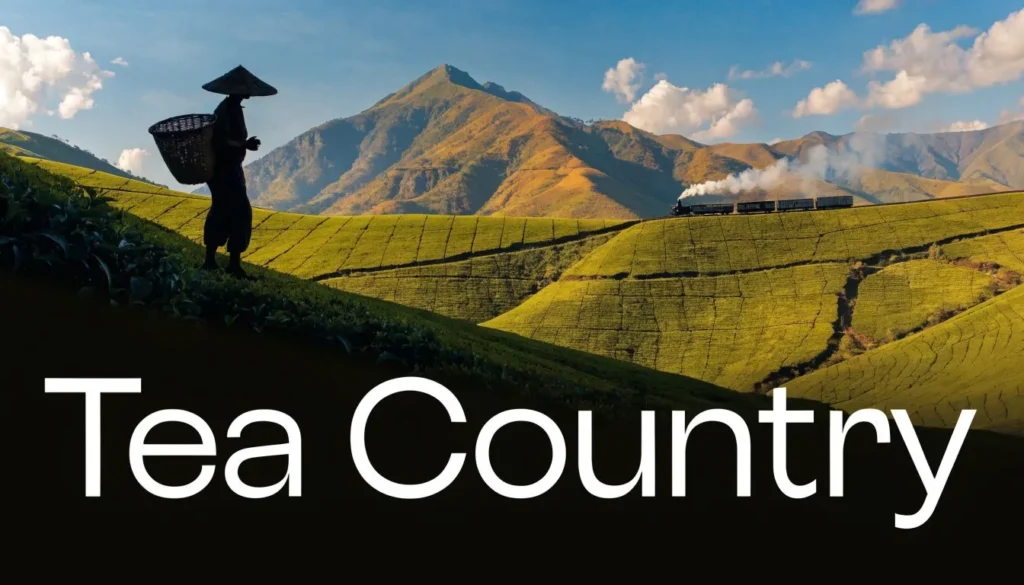
Sri Lanka is at its best when you commit to one side of the island’s weather pattern instead of fighting the monsoon logic. Travelers who ignore seasonality often spend more, move more, and enjoy less.
A better first itinerary
Pick three anchors, not six. One cultural site cluster, one hill-country stretch, and one beach base usually beats a country-wide sprint.
A sample week could look like this:
- Days 1 to 2: Cultural triangle with Sigiriya as the big active day.
- Days 3 to 4: Tea country, ideally with one scenic train segment booked in advance.
- Days 5 to 7: South coast or another beach area that isn’t the most obvious entry-point strip.
Tuk-tuks are useful for short hops and local flexibility, but they’re not the answer to every transfer. For long distances, use trains or prearranged drivers when the route complexity justifies it. Train reservations matter on popular scenic lines, so don’t leave them to chance.
The smartest Sri Lanka trips have one hard choice built in. Skip a region so the rest of the trip has room to breathe.
For budget travelers, tea-country stays and smaller guesthouses often deliver better value than polished beach properties in the busiest areas. For sustainable travel, choose plantation visits that focus on process and local employment, not staged snapshots. On the coast, avoid crowding into the same overexposed beach strips when nearby towns can spread visitor impact more responsibly.
5. Portugal’s Interior Beyond Lisbon and Porto
Portugal’s problem, from a traveler’s perspective, is success. Lisbon and Porto are good enough that many visitors stop there, then assume they’ve done the country. They haven’t. The interior offers the Portugal many travelers say they want: slower villages, agricultural countryside, river valleys, historic towns, and meals that feel tied to the place rather than optimized for turnover.
You’ll probably want a car. That’s the trade-off. Public transport can work between bigger nodes, but the interior makes far more sense when you can stop in a small town because the square looks interesting or detour for a winery lunch without checking a rail timetable.
How to split your time
A strong interior trip doesn’t need constant movement. Choose one wine region and one historic cluster. The Douro Valley works if wine and scenery lead your priorities. Medieval towns like Óbidos fit travelers who prefer architecture and walkable history.
A sample plan:
- Days 1 to 2: One inland city or town as a launch base.
- Days 3 to 4: Quinta stay with winery visits and long lunches.
- Days 5 to 7: Rural town-hopping with one mountain or forest detour.
Stay in traditional quintas when possible. They often offer more context than standard hotels because you’re sleeping inside a working or historically rooted setting. Pair tastings with serious local meals instead of stacking multiple wineries in one day. You’ll remember more and waste less.
For sustainability, interior Portugal is a chance to spread tourism beyond the same urban hotspots. Spend in small towns, shop local crafts instead of airport versions, and don’t reduce rural areas to scenic drive-throughs.
6. Colombia The Emerging South American Star
Colombia rewards travelers who are willing to update their assumptions. Too many people still carry an old mental map of the country, and that leads them either to skip it or to stick to the most internationally visible stops. That’s a mistake. Colombia’s strength is variety. Coffee regions, Caribbean cities, trekking routes, and distinct regional cultures all sit within one trip.
The practical caution is simple. Research current conditions, stay flexible, and use registered operators for treks and more remote activities. That’s not fear-based planning. It’s competent planning.
If you want a broader regional framework, this guide to the best places to visit in South America is a useful starting point for fitting Colombia into a wider trip.
What to prioritize
Many first-time visitors split time between Cartagena and the Coffee Triangle, then add either a trek or a nature-heavy extension. That works because each leg feels distinct. Coffee-country plantation stays give you a slower, greener rhythm. Cartagena supplies architecture, food, and Caribbean atmosphere. The Lost City trek suits travelers who want a physically demanding contrast.
A practical route could be:
- Days 1 to 3: Medellín or Bogotá as an arrival and adjustment point.
- Days 4 to 6: Coffee Triangle with a plantation stay.
- Days 7 to 9: Cartagena or the nearby coast.
- Optional extension: A guided trek or a second nature-focused region.
Smart trade-offs
- Use markets and street food carefully: They often give you the best value and strongest flavor, but choose busy vendors with high turnover.
- Don’t overpack regions: Colombia is more diverse than many itineraries allow. Fewer bases help you feel that difference.
- Book treks with registered operators: It improves safety, logistics, and local accountability.
For sustainable travel, don’t concentrate all your spend in polished historic cores. Independent coffee fincas, small guides, and regionally owned stays spread tourism benefits better and usually deliver the more memorable experience anyway.
7. Vietnam Beyond the Usual Routes
Vietnam becomes more interesting the moment you stop copying the standard route. The country’s famous stops are famous for a reason, but central and northern itineraries beyond the most crowded circuits often give you a better mix of scenery, local life, and value. That’s where Vietnam feels less like a checklist and more like a trip.
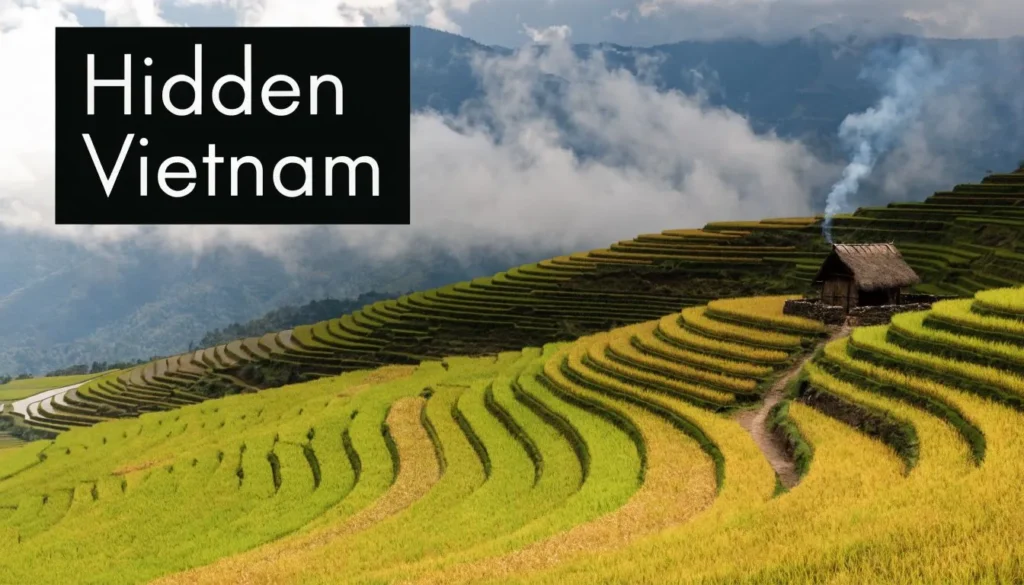
Phong Nha, Sapa, and Da Lat don’t offer the same kind of experience, and that’s the point. One leans toward caves and outdoor activity, one toward mountain trekking and minority-village encounters, and one toward climate relief and a different urban mood.
Sample route that avoids the obvious traps
Use overnight trains where they make sense. They save daylight hours and can reduce one hotel night, though comfort levels vary, so keep expectations realistic.
A balanced itinerary:
- Days 1 to 2: Hanoi as an arrival point only, not the whole trip.
- Days 3 to 4: Sapa or another northern trekking base with a local guide.
- Days 5 to 6: Phong Nha for caves and outdoor activity.
- Days 7 to 8: Da Lat for cooler air and a softer landing before departure.
Go one layer deeper than the first search result. In Vietnam, that usually means a better guide, a calmer homestay, and fewer buses full of strangers on the same clock.
Street food and local restaurants are usually the best value, but don’t chase the cheapest option blindly. Busy places with visible turnover are the safer bet. Learning a few basic Vietnamese phrases helps more in smaller towns than it does in major tourism hubs.
For sustainable travel, choose community-based guiding where possible and avoid “village experiences” that feel staged for camera time. Trekking with local guides and staying in smaller family-run accommodation tends to keep more of your money in the places you came to experience.
8. Jordan The Adventure and History Crossroads
Jordan is often reduced to Petra. Petra deserves the attention, but using Jordan as a one-site trip wastes the country’s biggest advantage: concentration. Desert scenery, archaeological depth, trekking, urban history, and wellness-style downtime all fit into a compact route.
The country is easy to move through by regional standards, but it gets expensive fast if you default to private transfers for everything. Shared taxis, smart pass purchases, and longer stays in fewer locations help.
A compact but strong itinerary
Use the Jordan Pass if the sites on your route justify it. It’s one of the clearest money-saving decisions in the country for many travelers.
A good first trip looks like this:
- Days 1 to 2: Amman with time for Roman and local food stops.
- Days 3 to 4: Petra with at least one early or late visit window.
- Day 5: Wadi Rum with a Bedouin-run camp.
- Day 6: Dead Sea or a hiking extension depending on your style.
Hiring local Bedouin guides in Wadi Rum is often worth it because the desert becomes richer with context. Without that, some desert tours blur into a generic jeep outing with interchangeable photo stops.
Where people get it wrong
Travelers often rush Petra in one hot afternoon, then say it was crowded and overhyped. The better move is one overnight stay nearby and an early entry. In Wadi Rum, don’t book solely on polished photos. Ask who runs the camp, how the waste is managed, and whether meals and guiding are locally led.
For sustainable travel, choose camps and guides rooted in the local community, conserve water carefully, and don’t treat fragile desert terrain like an off-road free-for-all. Jordan handles tourism well, but it still benefits from travelers who move with restraint.
9. Poland’s Baltic Coast and Eastern Regions
Poland is one of Europe’s best examples of a country that’s visible but still underused by many international travelers. Plenty of people know Kraków. Far fewer build trips around the Baltic coast, eastern towns, and forest regions that show a different side of the country. That’s where Poland becomes less predictable and more rewarding.
The major advantage is ease. Public transportation is efficient, cities are manageable, and the country works well for travelers who want history, food, and nature without logistical drama. The trade-off is seasonal. The Baltic coast is far more compelling in warmer months, and shoulder-season weather can shift quickly.
Best way to structure it
Start with one cultural anchor, then move outward. Gdańsk works well because it combines a strong historical city base with access to the coast. From there, you can add inland or eastern stops depending on whether you want heritage sites or nature-heavy days.
One possible trip:
- Days 1 to 3: Gdańsk and coastal detours.
- Days 4 to 5: Toruń or Łódź for a less predictable urban stop.
- Days 6 to 7: Białowieża region or another eastern nature focus.
Budget-wise, it often makes sense to spend a little more on location in the places where walkability matters, then save on accommodation elsewhere. Poland’s rail and bus systems make that easier than in many other European countries.
The smartest Poland itineraries don’t try to imitate Western Europe. They lean into what Poland does differently.
For sustainable travel, favor trains over domestic car rentals when the route allows it, and take time in smaller cities rather than using them as short lunch stops. Museums, independent cafés, and locally run stays help keep tourism value distributed beyond the obvious urban cores.
10. Myanmar The Last Undiscovered Southeast Asian Frontier
Myanmar demands the most caution on this list. The appeal is obvious. Bagan, Inle Lake, and Mandalay offer cultural depth and visual drama that feel distinct even in a region full of strong destinations. But this isn’t a place to book on autopilot. Political and safety conditions need active checking right up to departure.
That reality doesn’t erase the destination’s pull. It changes how you approach it. Flexibility, reputable operators, and a willingness to alter plans matter more here than in easier Southeast Asian circuits.
If conditions allow travel
Keep the route simple and guided where it should be guided. Myanmar rewards context. Temples, markets, and lake communities all become more meaningful when someone can explain what you’re seeing instead of leaving you with only the visual layer.
A measured itinerary might be:
- Days 1 to 3: Yangon or Mandalay depending on current access and conditions.
- Days 4 to 6: Bagan, with sunrise or sunset viewpoints handled responsibly.
- Days 7 to 8: Inle Lake with a reputable local boat operator.
English-speaking guides can make a major difference, especially in historical areas. Organized tours aren’t always necessary, but in Myanmar they often reduce friction and improve decision-making.
Responsible travel matters more here
Respect dress codes, move conservatively around religious spaces, and don’t treat communities as spectacles. A longboat ride on Inle Lake is memorable, but it should also be done with operators who understand local livelihoods and lake pressures. If current conditions make the trip inadvisable, skip it. Underrated doesn’t mean urgent, and no destination is worth ignoring reality on the ground.
Top 10 Underrated Travel Destinations Comparison
| Destination | Planning complexity | Resource requirements | Expected outcomes | Ideal for | Key advantages |
|---|---|---|---|---|---|
| Albania: The Emerging Balkan Gem | Low–Moderate, simple routes but limited flights and rural roads | Low budget; basic transport; some local guides | Affordable Mediterranean beaches, Ottoman towns, mountain hikes | Budget travelers, history buffs, digital nomads | Very affordable, uncrowded beaches, rich culture |
| Georgia: The Crossroads of Cultures | Moderate, visa checks, mountain weather, mixed infrastructure | Low–Medium; regional transport, trekking gear for highlands | Wine regions, Caucasus trekking, eclectic city culture | Wine lovers, trekkers, cultural explorers | Exceptional hospitality, ancient winemaking, varied landscapes |
| Namibia: The Desert Adventure Paradise | High, long distances, self-drive skills or guided logistics | High budget; 4WD rental, fuel, advance bookings, guides | Vast desertscapes, wildlife safaris, stargazing | Adventure seekers, photographers, self-drive travelers | Pristine wilderness, excellent roads, unique desert wildlife |
| Sri Lanka: The Island Time Capsule | Low–Moderate, compact routes but season planning required | Low budget; trains, tuk‑tuks, advance bookings for popular trains | Dense variety: temples, tea country, beaches, wildlife | Cultural explorers, train-journey lovers, budget travelers | High diversity in short distances, good value and transport |
| Portugal’s Interior: Beyond Lisbon and Porto | Low, easy planning but car recommended for flexibility | Low–Medium; car rental advised, rural accommodations | Authentic medieval villages, wine valleys, hiking | Wine lovers, history buffs, off‑beat travelers | Authentic rural culture, excellent wines, scenic hikes |
| Colombia: The Emerging South American Star | Moderate, regional safety research and varied transport | Low–Medium; internal flights, local guides for remote treks | Biodiversity, coffee plantations, Caribbean coast, cities | Adventure seekers, coffee enthusiasts, nature lovers | Rich biodiversity, vibrant culture, affordable experiences |
| Vietnam Beyond the Usual Routes | Moderate–High, longer transfers, varied road quality | Low budget; overnight trains, local guides, some trekking gear | Mountain treks, karst landscapes, authentic village stays | Backpackers, adventure travelers, photographers | Authentic culture, dramatic landscapes, low prices |
| Jordan: The Adventure and History Crossroads | Low–Moderate, well organized but some permits/tickets | Medium; site fees (Jordan Pass), guides for desert treks | Petra, Wadi Rum, Dead Sea wellness, compact multi‑site trips | Archaeology enthusiasts, trekkers, wellness travelers | Compact access to iconic sites, good safety and infrastructure |
| Poland’s Baltic Coast & Eastern Regions | Low, reliable transport, seasonal planning for weather | Low budget; trains/buses, affordable lodging | Medieval cities, Baltic beaches, primeval forests, heritage sites | History tourists, cultural explorers, budget European travelers | Strong cultural heritage, great value, improving infrastructure |
| Myanmar: The Last Undiscovered Frontier | High, political risk monitoring, limited infrastructure | Low–Medium but risky; need reputable guides and permits | Highly authentic temple landscapes, lakeside cultures, remote treks | Experienced travelers, photographers, cultural immersion seekers | Unique cultural authenticity, minimal mass tourism (where safe) |
Your Next Adventure Awaits
The best reason to choose one of the most underrated travel destinations isn’t bragging rights. It’s quality. Better days, fewer tourist bottlenecks, and a stronger sense that you’re in a real place rather than a destination optimized to satisfy expectations from a screen. That difference changes how you travel. You walk more slowly. You stay out later. You talk to more people. You remember more.
There’s also a practical advantage. Underrated doesn’t automatically mean cheaper, easier, or more “authentic” in every moment. Some of these places demand more planning, more flexibility, or a clearer sense of your own travel style. Namibia asks for logistical discipline. Jordan rewards smart pass and transport decisions. Albania works better when you stop trying to force a hyper-efficient route. Myanmar requires the humility to say no if conditions don’t support the trip. Those trade-offs are exactly why these places still feel distinct.
If you use this list well, treat it as a filter, not a challenge. Don’t try to visit all ten. Pick the one that matches how you like to travel. If you want a road trip with huge vistas and little visual noise, choose Namibia. If food and wine shape your best days, Georgia and Portugal’s interior make more sense. If you want a compact trip with range, Sri Lanka and Jordan are hard to beat. If you want culture and nature without following the most obvious South American route, Colombia gives you room to build a trip that still feels personal.
A good underrated trip also comes with responsibility. The point isn’t to discover a quiet place and then behave like its future doesn’t matter. Stay longer. Spend locally. Pick smaller operators when they’re competent. Avoid wasteful transport patterns. Don’t crowd fragile sites for the same photo everyone else came to take. The places on this list remain special because they haven’t been fully flattened by tourism habits that prioritize speed, convenience, and proof of presence.
That leaves the best part. You don’t need a dramatic expedition to travel better in 2026. You need better choices. The world still has plenty of places that feel open, layered, and personal. You just have to stop letting the algorithm choose for you.
If you want more practical travel guides, route ideas, and readable commentary beyond the usual recycled recommendations, explore maxijournal.com. It’s a strong place to find fresh writing on tourism, culture, and the wider mix of topics curious readers care about.
Discover more from Maxi Journal
Subscribe to get the latest posts sent to your email.