What good is a character creator if the rest of the game ignores the person you built? The strongest games with character customization do more than let you tweak a jawline or pick a hairstyle, they make identity, buildcraft, and even dialogue feel like part of the same system. That’s the standard here, because surface-level editors are common, but games where your choices shape play, story, and self-expression are still rare. If you want to think beyond presets and start from the creative side first, create comic characters from scratch is a useful parallel, because the best game creators work the same way, they give you structure and freedom at once.
1. Baldur’s Gate 3
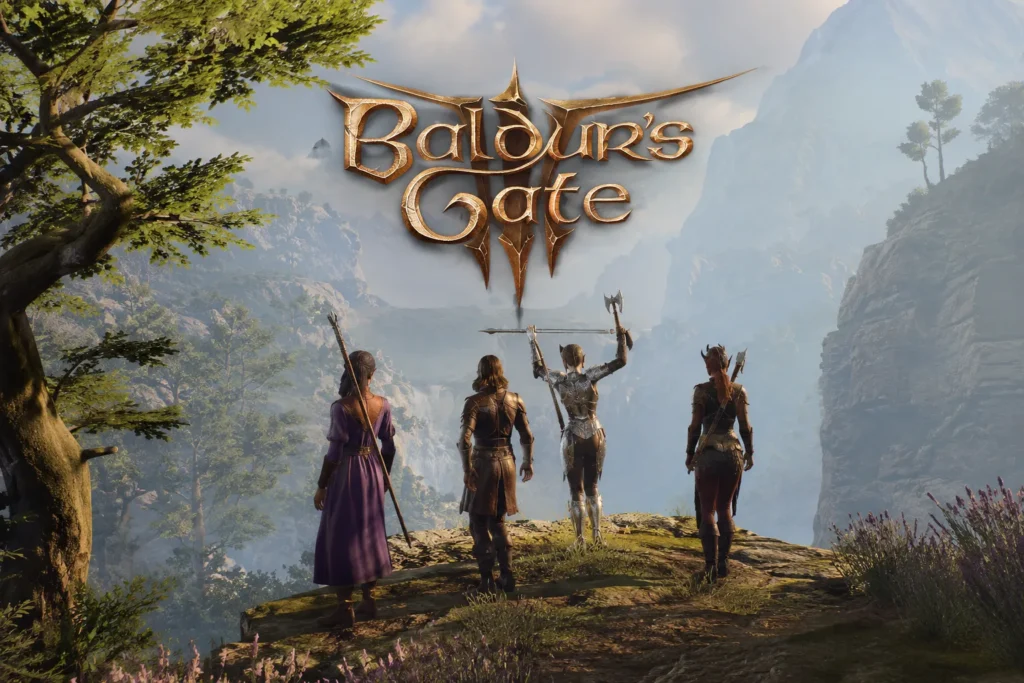
Baldur’s Gate 3 asks a better question than most character creators do. What kind of person do you want to be once the story starts testing that choice? The answer matters here because character customization reaches into race, class, subclass, background, appearance, and voice, then keeps showing up in dialogue, combat, and party composition for the entire campaign. The official game page on on the official Baldur’s Gate 3 site lays out the scope of the RPG systems, and the practical result is clear, your build and identity stay active instead of fading after the opening screen.
Why it works in play
The strongest part is how much room the game gives you to recover from early mistakes. Multiclassing and respec mean a character concept does not have to collapse because the first draft felt off, and that makes testing ideas feel safe instead of costly. For players who care about role-play, that matters more than a dense stack of sliders, because the game lets your chosen origin and background echo through quests and reactions without forcing you into one narrow optimization path. It is one of the few games with character customization where the build and the story keep shaping each other.
That matters for newer players too, especially anyone comparing systems through a gaming for beginners guide and trying to tell a forgiving creator from a punishing one. Baldur’s Gate 3 gives you both a strong first impression and room to revise that first impression later.
Practical rule: If a creator gives you many visual options but no way to revise the build later, it is decoration. Baldur’s Gate 3 gives you identity and recovery.
The downside is just as real. There is not a full transmog solution for every gear slot, so fashion can get messy when the best itemization does not match your look. PC players also get the strongest customization ceiling because mod support expands both visuals and mechanics, while consoles stay closer to the base experience. For players who want to plan NPC-facing tools around that kind of flexibility, a DM tool for NPC workflows shows how creators can extend the same idea beyond the hero.
I would still put it near the top for anyone who wants character creation to feel like a role-playing decision, not a pregame chore. It is one of the best balances of narrative consequence, build flexibility, and long-term replay value.
2. Black Desert Online
Black Desert Online is the game people point to when they want proof that a creator can be absurdly deep and still matter. The visual editor goes far beyond basic presets, with careful facial sculpting, body shaping, hair work, makeup layers, and a community-facing Beauty Album that lets you pull in other players’ looks instead of building everything from zero through Pearl Abyss’s official game site. That means the system isn’t only about making your own avatar, it’s about browsing a shared fashion language.
The editor is the point, and that’s both strength and weakness
The upside is obvious the first time you try to make a character that doesn’t look like a near-clone of the default archetypes. Small tweaks compound into distinct faces, and the game gives you enough control to make a character feel handcrafted rather than assembled. For players who treat identity as visual authorship, this is still one of the most satisfying character editors in the genre.

The trade-off is maintenance. If you keep changing your look, cosmetic and appearance-change items can pile up in the long run, and the game’s model of expression is closely connected to purchases and ongoing cosmetic systems. That doesn’t make the customization weak, it makes it high-effort customization, which is perfect for players who love personal style and less ideal for anyone who wants one clean setup and no more tinkering.
Black Desert also sits in an important place in the wider market. Steam’s character-customization tag shows the category is not niche, and the presence of highly followed, highly rated games around it underlines how normal this style of expression has become across major releases on SteamDB’s tag chart. In practice, Black Desert Online is for players who want to spend serious time making their avatar look unlike anyone else.
3. The Sims 4
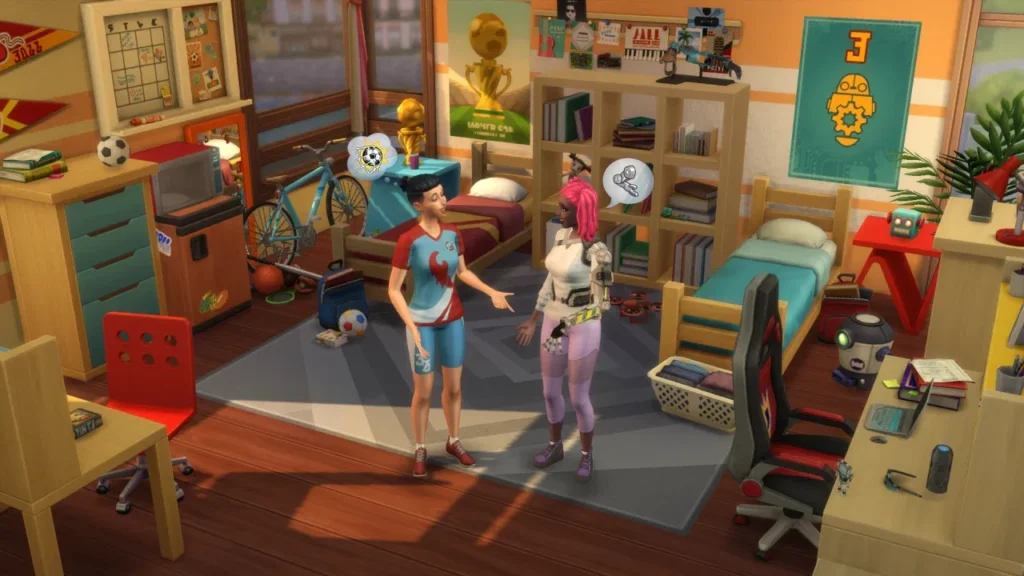
The Sims 4 treats character creation as the center of the experience, not a side menu. Create-a-Sim is where the game’s identity starts, and the official page makes it clear that the base game, including the editor, is free to access at EA’s Sims 4 page. That alone lowers the barrier to entry more than almost any other major customization-heavy game.
The game’s practical strength is layering. Body sculpting, facial edits, hairstyles, makeup, clothing combinations, pronouns, and traits all feed into the way your Sim fits into a household and into the stories players invent around them. The marketplace and maker ecosystem also keep style options moving, while the gallery makes it easy to browse and download other players’ Sims. If you install custom content, the game becomes a near-endless fashion sandbox, and this guide to installing Sims 4 custom content is the kind of practical step players usually need once the base game starts feeling too familiar.
Why it still matters after all these years
The reason The Sims 4 belongs on any serious list of games with character customization is that the creator changes how you think about the entire save file. Your Sim’s look, traits, and presentation shape the role you’re imagining for them, then the game asks you to sustain that identity through needs, relationships, work, and domestic chaos. It’s less about combat identity and more about life identity, which is why it resonates so widely.
The best thing The Sims 4 does is make style feel habitual. You aren’t designing one hero, you’re designing a person who has to keep living.
The compromise is also familiar. If you want a very specific aesthetic, you may end up needing multiple packs or custom content to get there, and the visual fidelity is lower than in many newer AAA games. Still, for pure accessibility, breadth of self-expression, and ease of use, The Sims 4 remains one of the most practical choices on the list.
4. Starfield
Starfield approaches customization from a different angle, one rooted in role scaffolding rather than pure fashion. The creator lets you define background, traits, appearance, and voice, then folds those choices into dialogue and perk structure in a way that makes the early game feel like a proper character setup instead of a cosmetic warm-up on Bethesda’s official Starfield page. That matters because the game’s identity systems are tied to how you move through the world, not just how you look standing still.

Identity extends beyond the face
The useful part of Starfield is that the creator doesn’t stop at the body. You can revisit appearance during play, and outfit plus space suit choices give your character a recognizable visual identity even when the broader art direction leans more utilitarian than glamorous. Ship building and interior styling also work like an outer shell for the personality you’re building, which gives the game a rare meta-layer of expression.
That said, the wardrobe is more constrained than in fantasy or modern-city games. Starfield’s clothing and suit options are thematically narrower, and some cosmetic systems sit behind progression or crafting. For players who want immediate fashion play, that can feel restrictive.
The build side still helps. Backgrounds and traits create meaningful role-play hooks, and that’s where Starfield earns its place. It doesn’t give you the most flamboyant customization in the genre, but it gives you a coherent one, where the character sheet and the visual shell support the same fantasy. PC modding pushes that even further, especially for players who want to expand a game that already prizes tinkering.
If you value spacefaring identity over runway-level variety, Starfield does the job well. If you want a wardrobe-first experience, it’s more competent than extravagant.
5. Cyberpunk 2077 Ultimate Edition
Cyberpunk 2077 works because it ties visual identity to build identity better than most action RPGs. The Ultimate Edition bundles the base game with the Phantom Liberty expansion, and CD Projekt Red’s site reflects how the game sits inside a larger, evolving platform rather than a frozen release on the official Cyberpunk site. That matters, because the character systems became stronger as the game’s major updates reworked attributes, perks, cyberware, and customization quality-of-life.
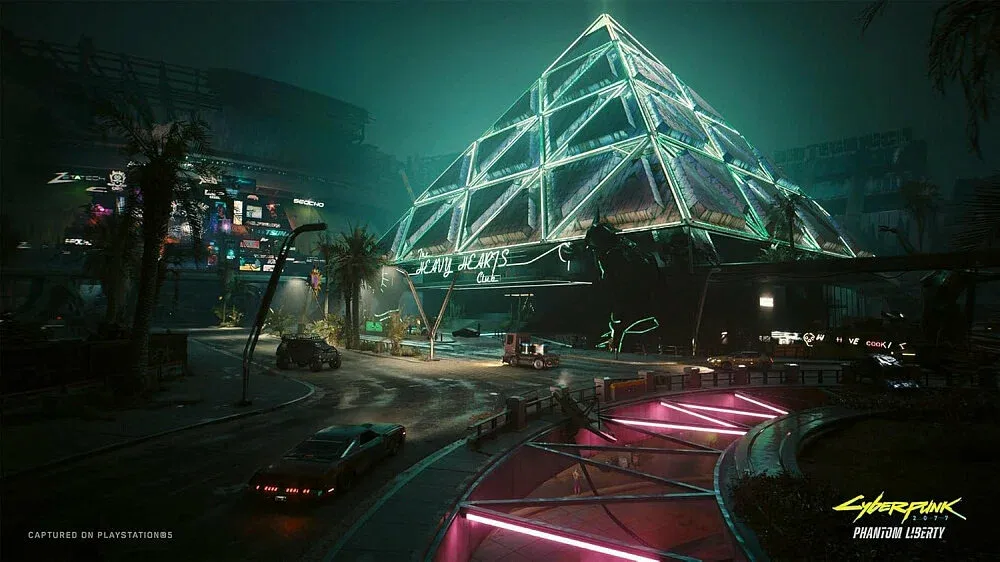
Style and build are part of the same fantasy
V’s creator gives you a strong face and body foundation, but its primary value is how the game lets that look connect to the role you’re playing. Cyberware aesthetics, clothing style, photo mode, and mod support all help sell the idea that your character belongs in Night City, not just that they were assembled there. The game’s fashion language is part of the narrative texture, which is why it remains one of the most compelling games with character customization for players who want style to read as attitude.
The best part is cohesion. You can build a fast, lethal, stylish character and the game will usually support that fantasy in combat and presentation at the same time. That’s a stronger outcome than more sliders alone, because the system makes your loadout feel like personal branding.
The weak spot is precision. Hairstyle and tattoo variety are solid, but they still aren’t as granular as top-tier sandbox editors. Some legacy mods also need updates after major patches, so PC players who rely on a heavily modded setup need to stay a little more vigilant.
Cyberpunk 2077 Ultimate Edition is the right pick if you want a character creator that feeds directly into buildcraft, fashion, and tone. It’s not the deepest sculptor, but it’s one of the most complete identity packages.
6. Elden Ring Plus Shadow of the Erdtree
Elden Ring is a reminder that customization doesn’t have to be loud to matter. The creator gives you serious control over face and body sliders, plus hair, tattoos, scars, voices, and physique options, and then the game lets armor mixing do the rest on Bandai Namco’s official Elden Ring page. The result is a character that feels personal even in a world that’s trying to crush you.
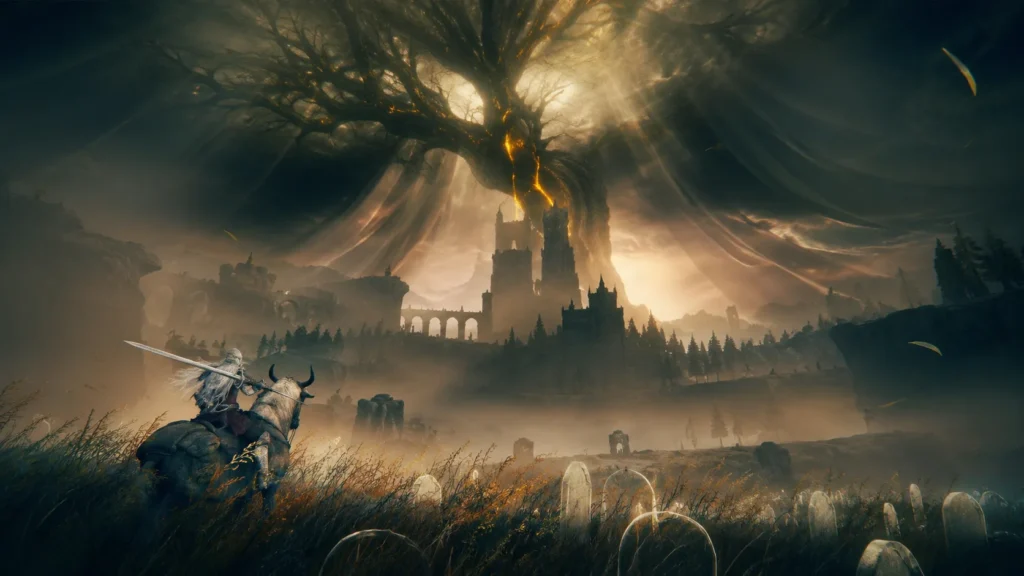
Fashion here is earned, not handed out
FromSoftware’s design philosophy makes the system feel different from life sims and MMOs. You don’t get endless cosmetic layering, and there’s no free-form transmog for everything, but the armor combinations, helms, capes, and community-shared templates create a strong fashion culture anyway. That culture matters because players spend so much time staring at their own Tarnished, and appearance becomes part of the challenge, not a separate activity.
Practical rule: In Elden Ring, a good build has to look right as often as it has to play right. If the armor feels wrong, the whole character feels off.
The upside is control without clutter. The face editor is powerful enough to let you build very distinct characters, and the game’s serious tone gives those choices weight. The downside is that fashion is still item-dependent, so you can’t expect the same flexibility you’d get in a dedicated creator like The Sims 4 or Black Desert Online.
The companion Shadow of the Erdtree keeps the broader experience fresh, but the core reason to include Elden Ring here is the way it balances grim atmosphere with strong self-authorship. For players who want their avatar to feel tough, specific, and unmistakably theirs, it’s one of the best options available. If you’re comparing Souls-like options more broadly, this next Souls game guide can help frame the decision.
7. Dragon’s Dogma 2
Dragon’s Dogma 2 is one of the smartest customization systems in recent memory because it lets you create two identities instead of one. You build the Arisen, then you build the Pawn, and that second character gives the game an extra layer of personal expression that most RPGs never touch. Capcom also offers a free Character Creator and Storage app so you can make and save your characters before you start, which is a useful feature for anyone who likes to refine looks before committing through the official Dragon’s Dogma 2 site.
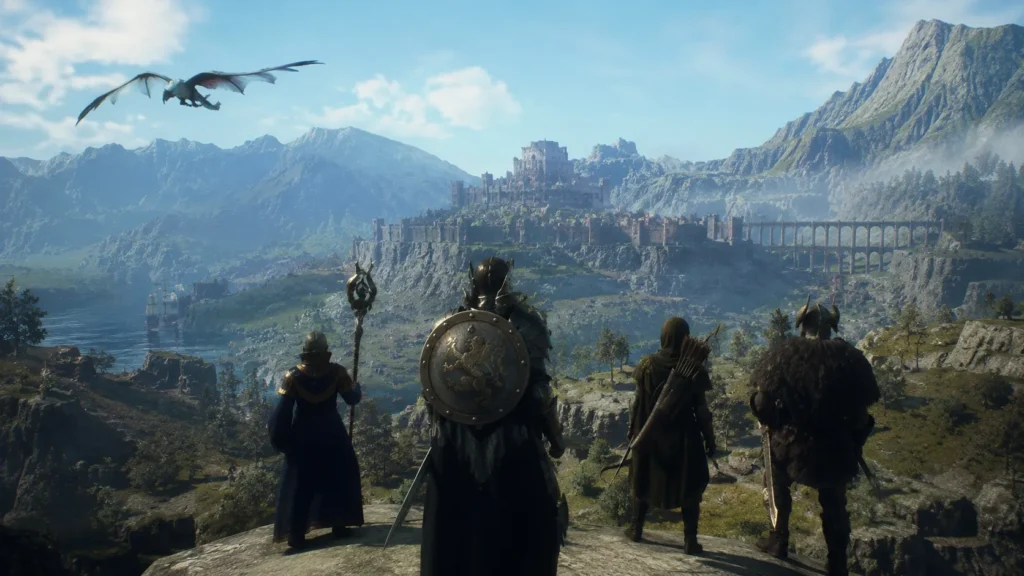
Two characters, one identity loop
The system works because the Pawn is not just a cosmetic buddy. Vocation choice shapes how both characters feel in battle, and gear changes silhouette in a way that feeds back into the fantasy you’re building. That makes character creation practical, not ornamental. You aren’t only deciding how the hero looks, you’re deciding what your team feels like in motion.
The standalone creator is a real quality-of-life win. It lowers the friction of experimentation and makes it easier to share or import community creations, which is exactly what a deep character system needs if it wants players to stay engaged after the first draft. For players who care about fine facial control, body proportions, and the relationship between style and combat role, Dragon’s Dogma 2 gives a lot to work with.
Its limitation is also easy to feel. Armor visuals stay tied to gear, so you don’t get the level of dye or transmog freedom that MMOs lean on, and some hairstyles or face types are constrained by templates. Even so, the game earns its place because the customization feeds into the adventure in a tangible way.
Dragon’s Dogma 2 is for players who want personal identity plus party identity in the same package. That’s a stronger proposition than most action RPGs manage, and it helps the game stand apart.
Top 7 Games: Character Customization Comparison
| Title | Implementation complexity | Resource requirements | Expected outcomes | Ideal use cases | Key advantages |
|---|---|---|---|---|---|
| Baldur’s Gate 3 (Larian Studios) | Moderate, class/role systems, respec support | Mid–high (best with PC for mods) | Deep D&D-style roleplay affecting dialogue/outcomes | Narrative RPG players who value mechanical choices tied to identity | Character identity impacts quests; flexible respec; strong role-play depth |
| Black Desert Online (Pearl Abyss) | High, ultra-granular editor with many sliders | Time + optional spending on cosmetics; PC-focused tools | Highly detailed, photo-real visual personalization | Players seeking top-tier visual customization and community presets | Industry-leading sliders; Beauty Album for presets and sharing |
| The Sims 4 (Maxis/EA) | Low, approachable Create-a-Sim workflow | Low entry (base free); paid DLC for extended styles | Broad lifestyle and appearance expression with gallery sharing | Casual players, storytellers, creators wanting easy sharing | Easy entry; deep style layering; large custom-content ecosystem |
| Starfield (Bethesda) | Moderate, backgrounds/traits + revisitable editor | Mid (console/PC; active mod scene on PC) | Role-play scaffolding plus outfit/ship-based expression | Sci‑fi RPG players who want narrative perks and meta personalization | Backgrounds/traits shape dialogue; ship interior customization |
| Cyberpunk 2077: Ultimate Edition (CD PROJEKT RED) | Moderate–high, attributes, cyberware, revamps | Mid–high (patches, mods; best on PC) | Cohesive buildcrafting tied to aesthetics and cyberware | Open-world players combining combat builds with fashion | Deep buildcrafting + aesthetic customization; includes major expansion |
| Elden Ring (+ Shadow of the Erdtree) (FromSoftware) | Moderate, robust sliders and template system | Mid (console/PC); community template sharing | Flexible face/body editing and fashion via gear mixes | Soulslike players focused on visage and armor-based fashion | Highly flexible sliders; strong community-shared templates |
| Dragon’s Dogma 2 (Capcom) | Moderate, dual creators (Arisen + Pawn) | Low–mid; standalone pre-game creator app available | Two-character expression and vocation-driven silhouettes | Players who value companion customization and pre-made imports | Dual-character customization; pre-game creator/storage app for sharing |
Your Perfect Avatar Awaits
The power to create is one of gaming’s greatest appeals. From the narrative depth of Baldur’s Gate 3 to the unmatched visual control of Black Desert Online, these games prove that character customization can shape more than a face. It can change how a story lands, how a build plays, and how attached you feel to the character you’re guiding through the world.
The best part is that there isn’t one correct answer. If you want dialogue and build consequences, Baldur’s Gate 3 is hard to beat. If you want pure visual authorship, Black Desert Online and The Sims 4 give you very different versions of freedom. If you want style tied to combat identity, Cyberpunk 2077 Ultimate Edition and Elden Ring deliver that connection in memorable ways. Starfield and Dragon’s Dogma 2 sit in the middle, giving you strong role-play structure with enough visual control to make the character feel personal.
What separates the strongest games with character customization from the rest is not the number of sliders. It’s whether the game remembers what you made and lets that choice matter later. The creator should be the start of the experience, not the end of it.
If you like practical, no-nonsense gaming coverage that focuses on what works, visit maxijournal.com for more approachable commentary across games and other culture coverage. You’ll find clear writing, useful recommendations, and the kind of grounded perspective that helps you choose the right game before you sink hours into a character you’ll want to keep.
Discover more from Maxi Journal
Subscribe to get the latest posts sent to your email.