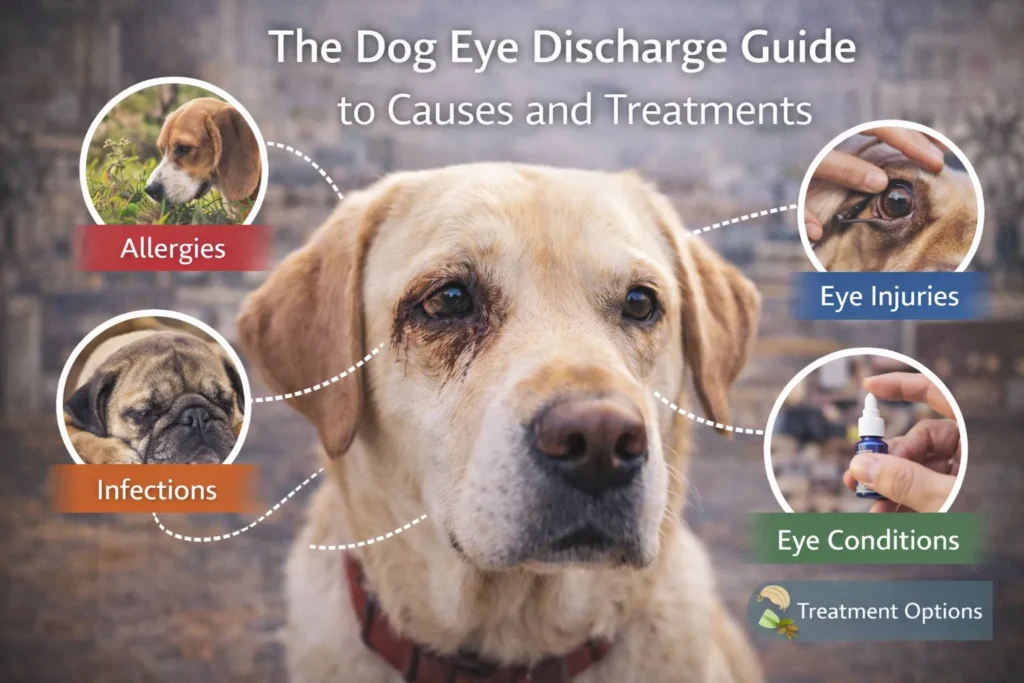
So, you’re wondering if you can give your dog Benadryl. The short answer is yes, but it’s a “yes” that comes with some serious strings attached. While this common over-the-counter antihistamine is something vets often suggest, you absolutely cannot treat it like a casual, harmless remedy. Think of it more like a prescription that requires professional oversight.
The Short Answer: Yes, But With Extreme Caution
It’s tempting, isn’t it? When your dog is miserable with itchy skin, gets a puffy snout from a bee sting, or is anxious about a car ride, reaching for a familiar medicine like Benadryl feels like a quick and easy fix. And it’s true, many vets do recommend it for mild allergic reactions or motion sickness.
However, the decision to give your dog Benadryl should never be made lightly. Its safety all comes down to three critical things: using the right formulation, getting the dose exactly right, and knowing your dog’s specific health profile.
Getting any of these wrong can turn a helpful medicine into a dangerous mistake. That’s why your first step, without question, should be a quick call to your veterinarian. They are the only ones who can give you the green light and confirm it’s the right move for your dog’s specific situation.
Why You Must Call Your Vet First
That call to the vet isn’t just a formality—it’s a crucial safety check. A veterinarian looks at the bigger picture and considers factors you might not even be aware of.
Here’s what they’re thinking about:
- Pre-existing Health Conditions: Benadryl can be risky for dogs with certain issues. If your dog has glaucoma, high blood pressure, or cardiovascular disease, this medication can make those conditions much worse.
- Potential Drug Interactions: Is your dog already on other medications? Benadryl can have harmful interactions with other drugs, especially sedatives or certain prescriptions. Your vet knows which combinations are a red flag.
- Confirming the Real Problem: What you see as a simple allergic reaction could actually be a symptom of something more serious. Your vet can help make sure you’re treating the right problem.
Your vet is the gatekeeper for your dog’s safety. They make sure that a simple fix for itchiness doesn’t accidentally spiral into a much bigger health problem.
The General Dosing Rule of Thumb
Once you have your vet’s go-ahead, they’ll give you a specific dose tailored to your dog. While you should always follow their instructions, it’s helpful to understand the general guideline they work from.
The widely accepted starting point is 1 mg of Benadryl per pound of body weight, given two to three times a day. You’ll typically see the effects kick in within 30 to 60 minutes, and they usually last for four to eight hours. This is why doses are generally spaced out every 8 to 12 hours.
This standard is incredibly common. In the United States, where an estimated 44.5 million households own dogs, over 90% of vet practices rely on this guideline for managing things like itchiness or travel anxiety. For more details, you can review the dosing guidelines for Benadryl from Chewy’s experts. But remember, this is just a rule of thumb—your vet’s specific instructions are what you must follow.
Before you go any further, it’s worth taking a moment to scan a quick checklist. This table boils down the most important safety points to keep in mind when considering Benadryl for your dog.
Benadryl for Dogs Quick Safety Checklist
| Aspect | Key Information | Crucial Warning |
|---|---|---|
| Vet Approval | Always consult your vet before giving any medication. | Self-diagnosing and medicating can mask serious conditions or cause harm. |
| Dosing Rule | 1 mg per pound of body weight, every 8-12 hours. | Never guess the dose. An overdose can be toxic. |
| Formulation | Use plain Benadryl (diphenhydramine HCl) only. | Avoid formulas with decongestants (pseudoephedrine) or alcohol. They are toxic to dogs. |
| Side Effects | Common: Drowsiness, dry mouth, urinary retention. | Rare but serious: Hyperactivity, rapid heart rate, agitation. Stop use and call the vet. |
| Contraindications | Do not give to dogs with glaucoma, high blood pressure, or heart issues. | Can worsen underlying medical problems. |
| Interactions | Can interact with sedatives and other common medications. | Always inform your vet of all medications and supplements your dog is taking. |
This checklist isn’t a substitute for professional advice, but it’s a great way to quickly refresh your memory on the biggest risks and responsibilities.
Calculating the Correct Benadryl Dosage for Your Dog
Getting the right amount of Benadryl for your dog is the single most important part of this whole process. Think of it like a baker carefully measuring flour—a little too much or too little can completely ruin the recipe. Simply guessing or trying a “one-size-fits-all” approach isn’t just ineffective; it can be dangerous.
This is where we go beyond a simple guideline and get into the precise, veterinarian-approved math. While the common rule of thumb is a great starting point, understanding the clinical standard ensures you’re dosing with confidence and putting your dog’s safety first.
The Foundation of Safe Dosing
The only reliable way to calculate a safe Benadryl dose is by using your dog’s exact body weight. Vets rely on a specific range to find the sweet spot—an amount that’s effective without causing harm. The goal is to give them relief without pushing their system into overload.
According to the Merck Veterinary Manual, the standard dose is 2–4 milligrams (mg) per kilogram of body weight. For us in the U.S., that translates to roughly 1 mg per pound of body weight, which is much easier to work with.
So, a 25-pound dog would get about 25 mg—conveniently, the amount in one standard tablet. This dose is typically given two to three times a day, or about every 8 to 12 hours. You can find some great additional info on Benadryl for dogs at PetMD as well.
This image gives a great visual breakdown of the key things to keep in mind.
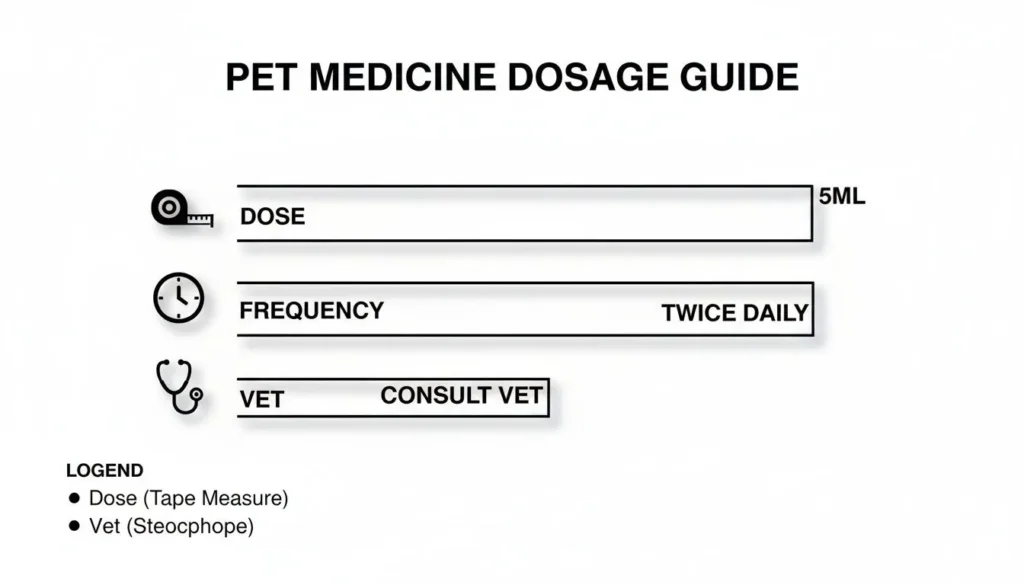
As it shows, proper dosage, correct timing, and talking to your vet are the three pillars of giving any medication safely.
Dosage Examples for Different Dog Sizes
To make this crystal clear, let’s walk through a few real-world examples. Abstract numbers can be confusing, but seeing the math applied to different-sized dogs helps take the guesswork out of it.
- A Tiny 10-lb Chihuahua: A standard dose would be 10 mg. Since the common tablets are 25 mg, you absolutely cannot just break one in half. You’d need to use a children’s liquid formula with a syringe for accuracy. Never guess when splitting pills for a tiny dog.
- A Mid-Sized 30-lb Beagle: This dog needs 30 mg. The easiest route would be to give one 25 mg tablet and then use a liquid formula to add the remaining 5 mg. Precision is key.
- A Large 75-lb Golden Retriever: A 75-pound dog needs 75 mg, which works out perfectly to three 25 mg tablets. Dosing for bigger dogs is often much more straightforward.
Always start with the lowest effective dose (1 mg per pound) unless your vet specifically tells you otherwise. It’s far safer to start low and only increase if a professional advises it.
To help you find the right dosage quickly, I’ve put together this handy reference chart.
Benadryl Dosage Guide by Dog Weight
This table gives you a clear starting point for how much Benadryl to consider based on your dog’s weight. Remember, the “Standard Dose” is the recommended starting point for most situations.
| Dog Weight (lbs) | Standard Dose (mg) – 1 mg/lb | Maximum Dose (mg) – 2 mg/lb |
|---|---|---|
| 5-10 lbs | 5-10 mg | 10-20 mg |
| 11-20 lbs | 11-20 mg | 22-40 mg |
| 21-30 lbs | 21-30 mg | 42-60 mg |
| 31-50 lbs | 31-50 mg | 62-100 mg |
| 51-75 lbs | 51-75 mg | 102-150 mg |
| 76-100 lbs | 76-100 mg | 152-200 mg |
Always double-check your math and, when in doubt, call your vet. They can confirm the exact right amount for your individual dog.
How to Give It and How Often
Once you’ve calculated the dose, you need to get it into your dog. Benadryl comes in a few forms, and each has its own tricks.
- Tablets or Capsules: These are often the easiest, especially if your dog’s weight lines up nicely with a 25 mg tablet. You can hide the pill in a high-value treat like a pill pocket, a bit of cheese, or some peanut butter.
- Liquid Formulations: Children’s liquid Benadryl is a lifesaver for small dogs because it lets you measure tiny doses perfectly. CRITICAL: You must check the label to ensure it does not contain xylitol, an artificial sweetener that is extremely toxic to dogs. Always use a needleless syringe for accuracy, not a spoon.
- Chewables: While they seem convenient, many chewable medications contain other active ingredients. Triple-check the label to be 100% sure it only contains diphenhydramine.
Just as important as the dose is the frequency. Benadryl is generally given every 8 to 12 hours (two to three times per day). Sticking to this schedule keeps a consistent, effective level of the medication in your dog’s system. Giving it too often can easily lead to an accidental overdose.
When Is It Okay to Give Your Dog Benadryl?
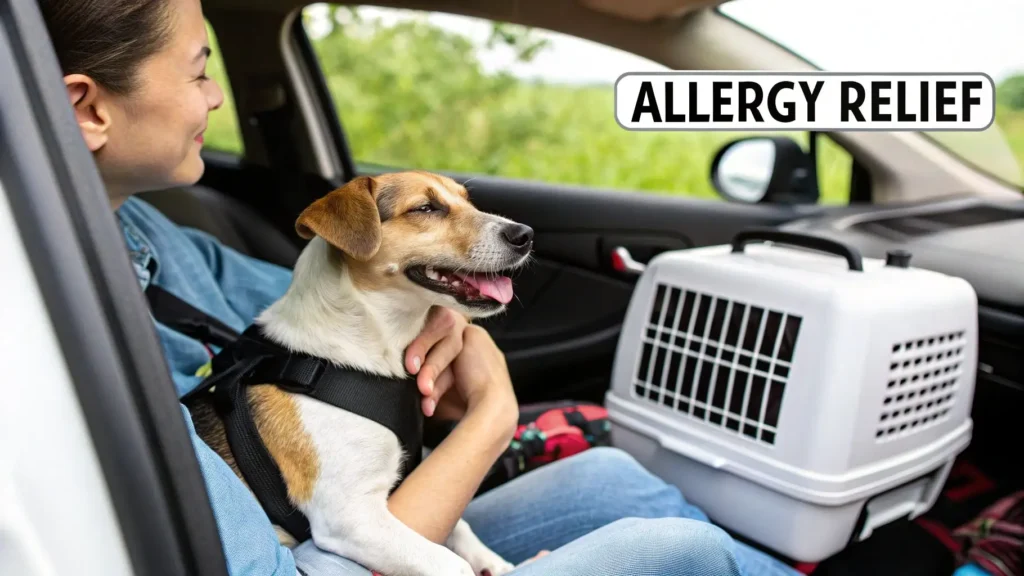
Now that we’ve hammered home the importance of getting the dose right, let’s talk about the real-world situations where Benadryl might actually be a good move. Think of it as a tool in your pet first-aid kit—it’s not for everyday issues, but it can be a lifesaver for specific, temporary problems when used correctly and, most importantly, with your vet’s go-ahead.
At its core, Benadryl (diphenhydramine) is an antihistamine. In simple terms, it works by blocking the effects of histamine, a chemical the body unleashes during an allergic reaction. Histamine is the culprit behind all the classic signs of a flare-up: the swelling, itching, and redness.
By getting in the way of those histamine receptors, Benadryl can temporarily calm the storm and give your dog some much-needed relief. It’s just managing the symptoms, though—it won’t cure the underlying allergy itself.
For Mild Allergic Reactions
One of the most common reasons a vet might give you the nod to use Benadryl is for managing mild to moderate allergic reactions. These can pop up from all sorts of things in your dog’s environment.
Here are a few classic scenarios:
- Insect Bites and Stings: Your curious pup decides to make friends with a wasp and gets a painfully swollen snout for his trouble. A proper dose of Benadryl can help take down that swelling and ease the ouch factor pretty quickly.
- Environmental Allergies: Just like us, dogs get seasonal allergies. Pollen, dust mites, and mold can trigger itchy skin, watery eyes, and a runny nose. Benadryl can offer some short-term peace from these annoying symptoms.
- Hives and Itchy Skin: If your dog suddenly breaks out in hives (those raised, red bumps) after a romp in new grass, Benadryl can help soothe the skin and stop the frantic scratching.
It’s absolutely critical to know the difference between a mild reaction and a severe one. If your dog is struggling to breathe, collapses, or their face swells up dramatically, that’s an emergency. Skip the Benadryl and get to a vet immediately.
Helping with Motion Sickness and Mild Nerves
Beyond allergies, Benadryl has a very well-known side effect: it makes you sleepy. While you need to be aware of the drowsiness, you can sometimes use this sedative quality to your advantage for things like motion sickness or low-grade anxiety.
- Car Rides: For some dogs, car travel is a nightmare of drooling, whining, and vomiting. Giving your dog Benadryl about an hour before you hit the road can help settle their stomach and make the trip more bearable for everyone. For this purpose, it’s best given on an empty stomach.
- Mild Situational Anxiety: That calming effect can also take the edge off for dogs who get a bit worked up during thunderstorms or fireworks. But let’s be clear: this isn’t a fix for severe anxiety or deep-seated phobias, which need a real behavior modification plan from a professional.
Benadryl is a temporary patch, not a long-term cure. For chronic allergies or serious anxiety, you need to team up with your vet to create a real management plan that gets to the root of the issue.
The Bottom Line on Safe Use
When you’re trying to decide if you can give a dog Benadryl, the best mindset is to see it as a short-term problem solver. It’s not a magic bullet, but it’s a solid option for specific, temporary issues when used under your vet’s guidance.
Always keep these key points in mind:
- It’s for mild to moderate reactions: Think itchy skin and a small bee sting, not a life-threatening anaphylactic shock.
- It’s a temporary fix: Benadryl masks the symptoms; it doesn’t solve the underlying problem. Chronic issues need a proper diagnosis.
- Drowsiness is a given: This can be a bonus for travel, but it’s something you always need to watch for.
Understanding where Benadryl fits in helps you know when it’s worth having a conversation with your vet. That way, you can use it as the safe, effective tool it’s meant to be, right when your dog needs it most.
Understanding the Risks and Side Effects
While Benadryl can be a lifesaver in a pinch, it’s not without its risks. Think of it as a double-edged sword. Like any medication, it has a list of potential downsides that every dog owner needs to understand before ever reaching for the bottle.
This isn’t just about managing a few bee stings; it’s about weighing the benefits against the very real risks. The drug works on a dog’s central nervous system—that’s what causes the sleepy effect. But that same mechanism can trigger a whole host of other reactions, from mild and predictable to genuinely alarming.
Common Side Effects to Expect
When you give a dog Benadryl, some side effects are pretty common. For the most part, they aren’t a cause for panic as long as they stay mild, but you need to know what to watch for.
The most famous side effect is drowsiness. That’s the classic calling card of first-generation antihistamines like diphenhydramine. While this can be a welcome bonus for a long car ride, don’t be shocked if your pup is extra snoozy for a few hours after a dose.
Other common reactions include:
- Dry Mouth: You might notice your dog licking their lips a lot or heading to the water bowl more than usual. Just make sure they have plenty of fresh water.
- Urinary Retention: Benadryl can make it a bit difficult for some dogs to urinate. If you see your dog straining to pee with no success, that’s a sign to call your veterinarian.
- Tummy Troubles: A few dogs might get an upset stomach, leading to a loss of appetite, vomiting, or diarrhea. Giving the pill with a small treat or meal can often help with this.
Less Common and More Serious Reactions
Now for the weird stuff. While most dogs get sleepy, a small handful have the exact opposite reaction. It’s called a paradoxical reaction, and instead of calming down, your dog might get completely wired.
Instead of settling in for a nap, your dog might become agitated, anxious, or start pacing nervously. If you see a sudden, uncharacteristic burst of frantic energy after a dose, stop the medication and get in touch with your vet.
Other, more concerning reactions are rare but can include a rapid heart rate or changes in your dog’s breathing. These are immediate red flags. They tell you Benadryl is not the right choice for your dog and that you need professional advice right away.
When Benadryl is a Dangerous Choice
This is the most critical part. For some dogs, Benadryl is never a safe option without direct guidance from a veterinarian. Certain underlying health conditions can be made much worse by this seemingly innocent little pink pill.
Giving Benadryl is an absolute no-go for dogs with:
- Glaucoma: The drug can ramp up the pressure inside the eye, which is incredibly dangerous for these dogs.
- High Blood Pressure: Benadryl can cause blood pressure to climb even higher.
- Heart Disease: The risk of an increased heart rate makes it a poor choice for any dog with a known cardiac condition.
Dogs with other issues like asthma, seizure disorders, or liver problems also need extreme caution. Only your vet can make the call on whether it’s safe. If you’re curious about the science behind pet health and medications, our science category has more info on related topics.
Finally, you have to tell your vet about every single medication and supplement your dog is on. Benadryl can have nasty interactions with other drugs, especially sedatives and certain antidepressants, creating a dangerous cocktail effect. That conversation with your vet is your single best defense against an accident.
When Benadryl Becomes a Dangerous Mistake
While getting the dose right is crucial, the most catastrophic mistakes with Benadryl often happen before the pill even gets near your dog. The biggest danger isn’t just about giving too much—it’s about giving the wrong kind. This is where a simple remedy can quickly turn into an emergency room visit.
Many over-the-counter cold and allergy medications are combination formulas. Think of them as medicinal cocktails, mixing a primary ingredient like diphenhydramine with other active drugs. Those extra ingredients are often where the real danger for dogs is hiding.
The Hidden Poisons in Combination Formulas
Standing in the pharmacy aisle, it’s easy to grab a box with “Benadryl” on the front and assume you’re good to go. But many of these products are designed for complex human symptoms, and they contain ingredients that are flat-out toxic to dogs.
You have to become a label detective. Turn the box over and scan the “Active Ingredients” list. If you see anything other than diphenhydramine HCl, put it back on the shelf immediately.
Here are the two most dangerous culprits to watch for:
- Decongestants: Ingredients like pseudoephedrine and phenylephrine, found in products labeled Benadryl-D, are extremely dangerous for dogs. They can trigger severe cardiovascular effects, including a racing heart, dangerously high blood pressure, and even seizures.
- Pain Relievers: Never, ever use a formula that includes acetaminophen (the active ingredient in Tylenol) or ibuprofen (Advil). Acetaminophen is highly toxic to a dog’s liver and red blood cells, while ibuprofen can cause severe stomach ulcers and kidney failure.
CRITICAL WARNING: Only use products where the sole active ingredient is diphenhydramine. Giving your dog a combination product can be a fatal mistake. There is zero room for error here.
Recognizing the Signs of an Overdose
Even with a plain diphenhydramine formula, an overdose is a serious risk if you don’t follow dosing instructions precisely. The margin for error is smaller than most people realize. An overdose essentially sends the central nervous system into overdrive, causing a cascade of alarming symptoms.
Symptoms of a Benadryl overdose can include:
- Extreme agitation and hyperactivity
- Rapid, uncontrolled eye movements
- Dilated pupils
- An elevated heart rate and high blood pressure
- Muscle tremors and seizures
- Severe lethargy or even a coma
- Respiratory distress or failure
A documented 2014 case shows just how narrow this safety margin is. A 40-pound dog that got into multiple tablets developed seizures after its diphenhydramine serum levels shot up to more than eight times the human toxic threshold. The dog survived after intensive care, but the case is a stark reminder of how quickly a “safe” dose can become life-threatening. You can read the full case study on Benadryl toxicity in dogs to understand the clinical details.
What to Do in an Emergency
If you suspect your dog has ingested a combination formula or has received an overdose of plain Benadryl, treat it as a time-sensitive emergency. Do not wait for symptoms to get worse.
- Act Immediately: Grab the medication packaging. You’ll need to tell the veterinarian exactly what and how much your dog consumed.
- Contact a Professional: Call your veterinarian, the nearest emergency vet clinic, or a pet poison control hotline right away.
- Follow Their Instructions: Do not try to induce vomiting unless a veterinary professional specifically tells you to.
Knowing when not to give a medication is just as important as knowing how to give it. Scrutinizing the label and respecting the dosage limits are non-negotiable steps to keeping your dog safe.
Looking Beyond Benadryl: Safer Alternatives and Proactive Care
Knowing you can give your dog Benadryl in a pinch is useful, but it’s really just a temporary patch. For anything chronic, like ongoing allergies or anxiety, relying on it long-term isn’t the best strategy. Think of it like a bandage—great for a small cut, but it won’t fix the underlying problem that needs a doctor’s attention.
True wellness means teaming up with your vet to find sustainable, safer options. For stubborn allergies, they might point you toward newer antihistamines that often work better with fewer side effects.
Modern Antihistamine Options
Many vets now reach for second-generation antihistamines first. Why? They’re far less likely to make your dog drowsy, and a once-a-day dose is much easier for everyone to manage.
- Cetirizine (Zyrtec): A top pick for environmental allergies, Zyrtec is known for its low sedative effect. It’s typically dosed just once every 24 hours, which simplifies things quite a bit.
- Loratadine (Claritin): Another once-daily option that can be great for seasonal itchiness. Just be absolutely certain you’re using a formula that does not contain the decongestant pseudoephedrine—it’s toxic to dogs.
What works wonders for one dog might do nothing for another. This is exactly why partnering with your vet is so important; they can help you navigate the options and find the perfect fit.
Getting Ahead of the Problem: Non-Medication Strategies
Beyond pills and potions, a proactive approach can dramatically cut down on the need for medication in the first place. The goal here is to build up your dog’s natural defenses and reduce their exposure to triggers. For more in-depth tips on your pet’s well-being, you can explore our guides in the Health category.
Consider weaving these simple but effective habits into your routine:
- Omega-3 Fatty Acids: A good fish oil supplement can do wonders for skin health, working from the inside out to cool inflammation.
- Hypoallergenic Shampoos: A regular bath with a medicated or oatmeal-based shampoo doesn’t just soothe irritated skin—it physically washes away the allergens clinging to their coat.
- Dietary Tweaks: Sometimes, that relentless scratching is actually a food sensitivity. An elimination diet, guided by your vet, can help you pinpoint and remove the problem ingredients.
- Pheromone Diffusers: If anxiety is the issue, products that mimic the calming pheromones of a mother dog can help create a more serene atmosphere at home.
Ultimately, a solid wellness plan is about more than just reacting to symptoms. By focusing on nutrition, environment, and targeted vet-approved treatments, you can give your dog a healthier, more comfortable life—and keep Benadryl in the cabinet for only the rarest of emergencies.
A Few More Common Questions About Benadryl for Dogs
To wrap things up, let’s go through some of the questions that pop up most often when pet owners are thinking about giving their dog Benadryl. This should clear up any lingering concerns and help you feel confident in your decisions.
Can I Use Children’s Liquid Benadryl for My Dog?
Yes, you can, and it’s often a great choice for smaller dogs where getting the dose just right is tricky. But there’s a huge “if” here: you absolutely must check the label to make sure it is xylitol-free. This artificial sweetener is incredibly toxic to dogs and can even be fatal.
Stick to a formula where the only active ingredient is diphenhydramine. And when it comes to measuring, don’t just grab a spoon from the kitchen drawer. Use a needleless oral syringe to draw up the precise amount your vet recommended.
How Quickly Should Benadryl Start Working?
You should start seeing the effects kick in within 30 to 60 minutes. Whether that’s less scratching or a bit of drowsiness, the relief typically lasts for about four to eight hours.
If an hour passes and your dog’s mild symptoms haven’t improved, don’t give a second dose. That’s a fast track to an accidental overdose. Instead, it’s time to call your vet and ask for their advice.
Remember, Benadryl is a tool for managing mild symptoms. If your dog’s condition is severe or worsens, it’s a sign that immediate veterinary care is needed, not more medication at home.
Allergic Reaction vs a True Emergency
This is probably one of the most critical things to understand. Knowing when you’re dealing with a minor issue versus a life-threatening one will guide your every move. Benadryl might be fine for a mild reaction, but anaphylaxis is a completely different beast.
- Mild Reaction: Think localized problems. This includes things like a single swollen spot from a bug bite, some hives, light itchiness, watery eyes, or a few sneezes.
- Emergency (Anaphylaxis): This is a severe, system-wide reaction that happens fast. Look for trouble breathing or wheezing, widespread swelling of the face (especially the muzzle and eyes), vomiting, diarrhea, pale gums, sudden weakness, or even collapse.
If you see any signs of a true emergency, forget the Benadryl entirely. Your only priority is getting your dog to an emergency veterinary clinic immediately. Anaphylaxis requires powerful treatments like epinephrine injections that can only be given by a vet. For a broader look at staying proactive with your pet’s health, our guide on mental health and self-care offers some great insights into overall wellness.
At maxijournal.com, we provide clear, reliable information to help you care for every member of your family, furry ones included. Explore our extensive library of articles covering everything from pet health to technology and beyond at https://maxijournal.com.
Discover more from Maxi Journal
Subscribe to get the latest posts sent to your email.