In a marketplace with millions of apps, simply building a great product is no longer enough. Success is determined by a deliberate, multi-stage approach to attracting and keeping users. The gap between a forgotten app and a category leader is filled with effective mobile app marketing strategies. Without a clear plan, even the most brilliant app can fail to gain traction, leading to wasted development resources and missed opportunities. This is why understanding how to market your app is as critical as the code it’s written in.
This guide provides a complete blueprint for app growth, moving past vague advice to deliver concrete, actionable steps. We will cover the entire app lifecycle, from generating pre-launch excitement to fostering long-term user loyalty. You’ll learn the specific tactics needed to stand out and build a sustainable user base.
Inside, we will break down ten essential strategies, including:
- App Store Optimization (ASO): The art of ranking high in app store search results.
- Paid User Acquisition (PUA): How to effectively use ad spend to attract quality users.
- Retention and Loyalty Programs: Techniques for keeping users engaged and coming back.
- Data-Driven Optimization: Using analytics to make informed decisions and improve performance.
Each strategy is presented with clear instructions, key performance indicators (KPIs) to track, and real-world examples. Whether you’re preparing to launch or looking to scale an existing app, the following sections offer the framework needed to acquire, engage, and retain users. Let’s explore the methods that will drive your app’s success.
1. App Store Optimization (ASO)
App Store Optimization, or ASO, is the fundamental process of making your mobile app more visible in an app store like Apple’s App Store or the Google Play Store. Think of it as SEO for apps; the primary goal is to increase organic downloads by ranking higher in search results for relevant keywords. A strong ASO strategy ensures that when users search for terms related to your app’s function, your app appears at the top. This involves optimizing your app’s title, subtitle, keywords, description, screenshots, and icon.
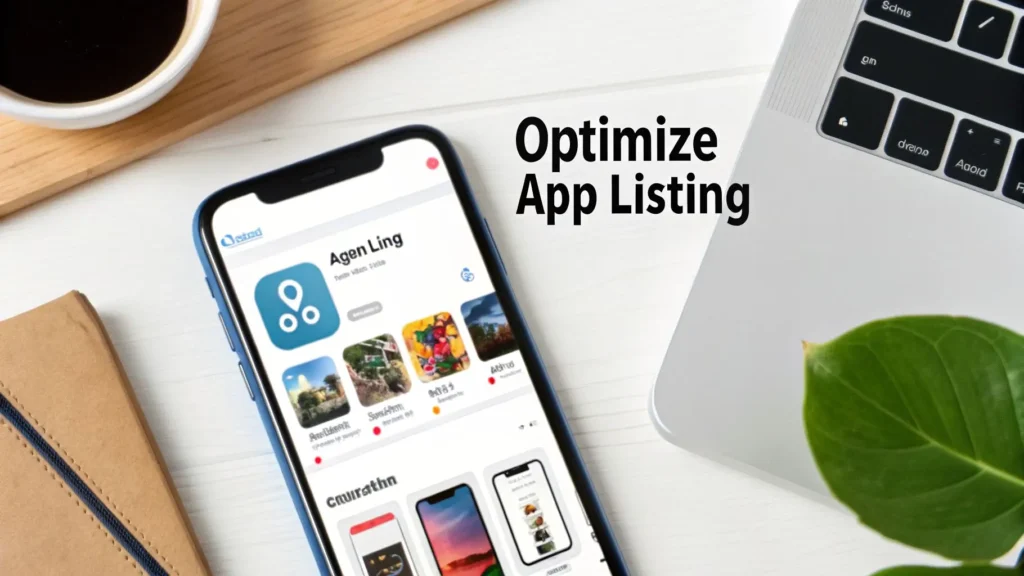
ASO is not just about visibility; it’s also about conversion. A well-optimized listing with compelling visuals and a clear value proposition persuades users to click the “download” button. This is one of the most critical mobile app marketing strategies because it directly impacts organic growth, which is cost-effective and sustainable.
How to Implement ASO
- Keyword Research: Use tools like Sensor Tower or data.ai (formerly App Annie) to identify high-volume, low-competition keywords your target audience is searching for. For example, the news app Flipboard successfully targets keywords like “curated content” and “daily news.”
- Optimize Your Text: Place your most important keywords in the app title and subtitle. For an app like MaxiJournal, the subtitle could be “News in Science, Tech & Entertainment” to immediately convey its multi-category value.
- Create Compelling Visuals: Your app icon, screenshots, and preview video are your storefront. Use high-quality screenshots that showcase the app’s core features and diverse content.
- Encourage Reviews: Positive ratings and reviews are a strong ranking signal. Implement in-app prompts that ask satisfied users to leave a review after a positive experience.
Key Insight: ASO is a continuous process, not a one-time task. You should plan to update your keywords and creative assets quarterly to adapt to market trends and competitor movements. This ensures your app remains relevant and visible over time.
2. Content Marketing and In-App Engagement
Content marketing for mobile apps involves creating and distributing valuable, relevant content to attract and engage a clearly defined audience. This strategy moves beyond simple app functionality to establish your app as a go-to resource. For a news app like MaxiJournal, which covers diverse topics from science to fashion, content marketing is a powerful tool to drive repeat visits and build user loyalty. The goal is to provide content so compelling that users open your app not just out of habit, but out of a genuine desire to learn or be entertained.
This approach is one of the most effective mobile app marketing strategies for retention. Instead of constantly paying to acquire new users, you invest in high-quality content that keeps your existing user base active. It’s about building a relationship where users see your app as a source of value, not just a utility. This method, popularized by platforms like Medium and The Athletic, turns passive users into an engaged community.
How to Implement Content Marketing
- Segment and Personalize: Group users based on their reading history and content preferences. For MaxiJournal, this means sending targeted push notifications to users interested in “Gaming” about a new release, while alerting “Health” followers to a wellness article.
- Create Themed Collections: Bundle related articles into special collections, such as ‘Emerging Tech Trends’ or ‘Fall Fashion Guide’. Scribd successfully uses this tactic, attributing 40% of its engagement to smart content recommendations.
- Feature Guest Contributors: Highlight articles from guest writers or independent journalists to attract their followers to your app. This both diversifies your content and acts as a powerful user acquisition channel.
- Test and Optimize Notifications: Use A/B testing to find the best time and frequency for your push notifications. A well-timed alert about a breaking story can significantly boost engagement, while too many can lead to uninstalls.
Key Insight: Your content strategy shouldn’t exist in a vacuum. Combine topics to create unique value. For instance, a themed bundle on ‘The Science of Sports Performance’ could merge content from your “Science” and “Sports” categories, appealing to multiple interest groups at once and encouraging content discovery.
3. Social Media Integration and Viral Marketing
Social media integration is a powerful mobile app marketing strategy focused on using platforms like TikTok, Instagram, and LinkedIn to build a community, promote content, and drive downloads. It moves beyond simple advertising by creating engaging, shareable content that resonates with specific audiences, turning users into brand advocates. For a content-rich app like MaxiJournal, this means sharing article snippets, author features, and trending topics with direct links back to the app, creating a continuous loop of engagement and acquisition.

This approach is about meeting users where they are and giving them content they want to share. The ultimate goal is to create viral moments where content spreads organically and rapidly, generating massive awareness and app installs. BuzzFeed’s social strategy, which drives millions of app installs through quizzes and listicles, is a prime example of this model in action.
How to Implement Social Media and Viral Marketing
- Create Platform-Specific Content: Tailor your content for each platform’s audience and format. Create short, snappy videos about new independent music for TikTok, post thought-leadership articles on business for LinkedIn, and showcase visually stunning fashion and design content on Instagram, as Wired does.
- Partner with Micro-Influencers: Collaborate with micro-influencers in your app’s niches, such as gaming, music, or entertainment. Their authentic connection with a dedicated audience can generate credible endorsements and drive targeted downloads.
- Launch Branded Campaigns: Use branded hashtags for campaigns targeting specific content categories, like #MaxiJournalGaming or #MaxiFashion. Run contests or challenges, such as “Tag 3 friends for a feature,” to incentivize app downloads and user-generated content.
- Encourage Social Sharing: Prompt authors and contributors to share their published articles on their personal profiles. Also, share behind-the-scenes content of your editorial process to build a human connection with your audience.
Key Insight: Virality isn’t luck; it’s a byproduct of understanding audience psychology and platform mechanics. Consistently producing valuable, shareable, and platform-native content is the most reliable path to achieving organic social growth.
4. Email Marketing and Newsletter Campaigns
Email marketing is the strategic practice of building a subscriber list to send targeted newsletters, digests, and promotional content. For mobile apps, it’s a powerful channel to drive installs, boost re-engagement, and improve long-term retention. By delivering valuable content directly to a user’s inbox, you create a direct line of communication that isn’t dependent on app store algorithms or social media feeds. This approach builds a loyal community around your brand.
Unlike many other mobile app marketing strategies, email gives you ownership of your audience. Success stories like The Skimm and Morning Brew demonstrate how a newsletter-first approach can fuel exponential growth and deep user engagement. This strategy is particularly effective for content-driven apps, where you can segment audiences and deliver personalized value.
How to Implement Email Marketing
- Build Segmented Lists: Collect emails through your website, social media, and in-app prompts. Crucially, segment your audience based on their interests. For an app like MaxiJournal, you could create separate lists for “Science,” “Tech,” and “Entertainment” to send highly relevant content.
- Personalize Your Communication: Use personalization tokens for the subscriber’s name and mention their favorite categories in the subject line or preview text. A subject like, “Your Weekly Tech Digest is Here,” is far more effective than a generic one.
- Drive App Usage: Embed direct download links and deeplinks within your emails. Offer incentives like “Read ad-free for 7 days” to encourage clicks and re-engagement.
- Test and Optimize: Experiment with sending frequency, subject lines, and content formats using A/B testing. Use a preference center that allows subscribers to choose their preferred categories and how often they hear from you.
Key Insight: Treat your email list as a community, not a broadcast channel. Feature new contributors, highlight popular articles, and ask for feedback. This two-way communication builds a strong relationship that makes subscribers feel valued and more likely to remain active app users.
5. Paid User Acquisition (PUA) Campaigns
Paid User Acquisition, or PUA, involves using paid advertising to drive app installs from new users. Unlike organic methods that rely on discovery, PUA directly targets potential customers across social media platforms, search engines, and other mobile apps. This is one of the most direct and scalable mobile app marketing strategies for rapid growth, allowing you to reach specific demographics with precision. For an app like MaxiJournal, this could mean targeting users interested in science, tech, or entertainment.
The power of PUA lies in its control and speed. You can turn campaigns on or off, adjust budgets in real-time, and A/B test creative elements to find what resonates most with your audience. Many successful apps, like Headspace and Duolingo, built their user bases through massive, well-executed PUA campaigns on platforms like YouTube, Instagram, and TikTok.
How to Implement PUA Campaigns
- Start with Automated Platforms: Begin with Google App Campaigns or Apple Search Ads. These platforms use machine learning to optimize your bids and targeting across their networks, making them an efficient starting point.
- Create Audience-Specific Ad Sets: Don’t use one generic ad for everyone. For MaxiJournal, create separate ad sets for “tech news enthusiasts,” “indie film fans,” and “science discovery readers,” each with tailored messaging and visuals.
- Develop Compelling Video Ads: Video is highly effective for app ads. Showcase snippets of compelling articles, highlight the diversity of your contributors, or create a fast-paced tour of the user interface.
- Target Lookalike Audiences: Once you have a solid user base, create lookalike audiences on platforms like Meta (Facebook). This tells the ad platform to find new people who share characteristics with your most engaged existing users.
- Track Your Metrics: Closely monitor your Cost Per Install (CPI) and compare it against the Lifetime Value (LTV) of your users. A campaign is only profitable if LTV is greater than CPI. Use UTM parameters to track which specific ads drive the best results.
Key Insight: Test multiple value propositions in your ad copy. For one audience, “Free independent journalism” might be the winning message, while for another, “Your favorite topics in one app” could perform better. Continuous testing is essential for optimizing your ad spend.
6. Influencer and Ambassador Programs
Influencer and ambassador programs involve partnering with content creators, thought leaders, and experts to promote your app to their dedicated audiences. This strategy moves beyond traditional advertising to build authenticity and trust by association. For a multi-category app like MaxiJournal, this means collaborating with everyone from tech journalists and science communicators to fashion bloggers and independent musicians to reach specific, engaged communities.
Unlike a one-off paid ad, these partnerships often grow into long-term relationships where influencers become genuine brand ambassadors. This is a powerful mobile app marketing strategy because it generates authentic content and drives high-quality installs from users who already trust the influencer’s recommendation. Success stories like Skillshare’s work with course creators and Spotify’s partnerships with music curators show how effective this approach can be.
How to Implement Influencer and Ambassador Programs
- Identify Niche Influencers: Focus on micro-influencers (10k-100k followers) who have high engagement rates within your app’s categories. For a travel section, partner with a travel blogger; for a gaming section, connect with a Twitch streamer.
- Create Mutually Beneficial Offers: Provide more than just a one-time payment. Offer free premium subscriptions, revenue-sharing agreements, or affiliate codes that give influencers a stake in the app’s success.
- Feature Your Partners: Make your ambassadors feel valued by creating “Contributor Spotlight” features within the app or on social media. This cross-promotion benefits both your brand and the creator.
- Host Collaborative Events: Organize virtual events like AMAs (Ask Me Anything) or exclusive content reveals with your most popular contributors to drive user engagement and attract new followers.
Key Insight: The most effective influencer partnerships are built on genuine affinity for the product. Before reaching out, ensure the creator’s content and values align with your app’s mission. Authenticity is your most valuable asset in this strategy.
7. Referral and Loyalty Programs
Referral and loyalty programs turn your existing user base into a powerful marketing engine. This strategy incentivizes current users to invite their friends and rewards them for continued engagement, creating a viral loop that drives organic growth. Instead of relying solely on paid acquisition, you empower your most satisfied users to become brand advocates. This approach builds a strong sense of community and trust, as recommendations from friends are often more credible than traditional advertising.
This is one of the most effective mobile app marketing strategies because it lowers customer acquisition costs (CAC) while increasing user lifetime value (LTV). A well-designed program not only brings in new users but also deepens the loyalty of existing ones, making it a dual-benefit tactic for sustainable growth.
How to Implement Referral and Loyalty Programs
- Offer Meaningful Rewards: The incentive must be valuable to your users. For MaxiJournal, offering ad-free reading for a month after three successful referrals would be a compelling reward aligned with the core app experience.
- Make Sharing Effortless: Reduce friction by integrating one-click sharing buttons for social media and messaging apps. Provide pre-written messages that users can easily edit, making the referral process quick and simple.
- Gamify Participation: Introduce tiers and badges to make the program more engaging. For instance, a user could earn a “Community Ambassador” badge after five successful referrals, unlocking exclusive content or a special profile flair.
- Combine with Loyalty Perks: Reward users not just for referrals but for their continued activity. This could include points for daily logins, reading articles, or sharing content, which can then be redeemed for premium features or other benefits.
Key Insight: The most successful referral programs offer a two-sided incentive, rewarding both the referrer and the new user. For example, Dropbox famously gave extra storage space to both parties, creating a win-win scenario that accelerated its growth from 100,000 to 4 million users in just 15 months.
8. Community Building and User-Generated Content
Community building involves creating an active, engaged ecosystem within your app where users can interact, contribute content, and form connections. Instead of just consuming content, users become active participants. For a content app like MaxiJournal, this could mean implementing reader comments, category-specific forums, and even featuring user-submitted articles. This approach transforms your app from a one-way broadcast channel into a multi-directional conversation, fostering deep user loyalty and organic growth.
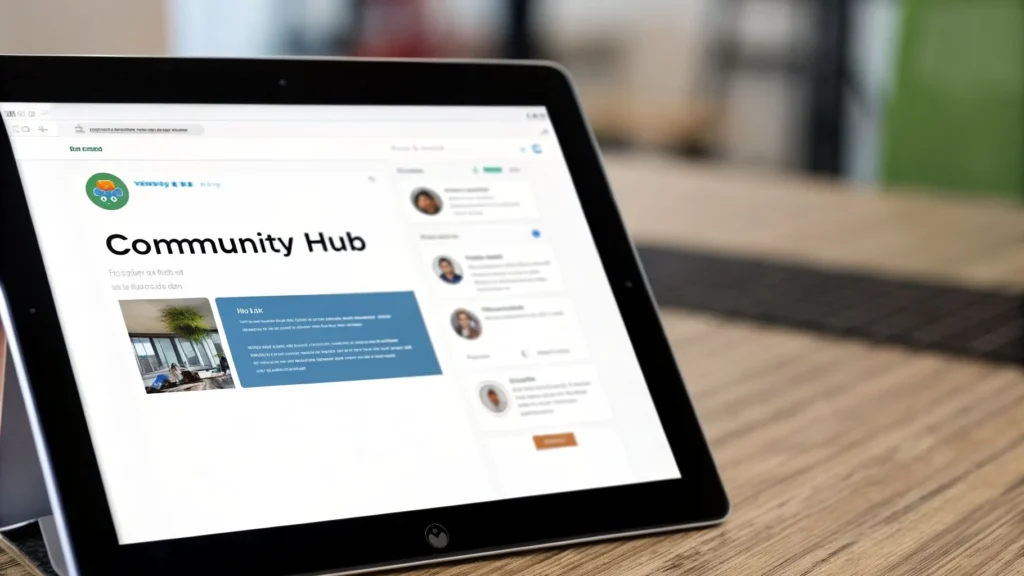
This is a powerful mobile app marketing strategy because it boosts retention and creates a self-sustaining content engine. An active community provides social proof, encourages repeat visits, and generates a wealth of authentic content that attracts new users. Success stories like Reddit, with its subreddit model, and Medium, with its writer response features, show how community can become the core product.
How to Implement Community Building
- Create Dedicated Spaces: Establish category-specific forums or channels within the app. For example, MaxiJournal could have a “Science Discussion” forum or a “Gaming Hub” where enthusiasts can connect.
- Encourage User-Generated Content (UGC): Implement features that allow users to submit their own content. You could feature high-quality reader submissions as full articles, potentially with compensation, or host a weekly “Best Travel Story” challenge.
- Establish Clear Guidelines: A healthy community needs structure. Implement clear community guidelines and moderation policies to ensure conversations remain respectful and productive.
- Reward Participation: Recognize and reward your most active community members. This can be done through badges, special flair, or exclusive access to new features, making them feel valued.
Key Insight: Community is not just a feature; it’s a long-term investment in your app’s ecosystem. Start small by enabling comments and direct reader feedback, then gradually introduce more complex features like forums or contributor programs as your user base grows.
9. Partnership and Cross-Promotion Strategies
Partnership and cross-promotion strategies involve collaborating with other businesses, apps, or creators to tap into their existing audience. Instead of building a user base from scratch, you gain exposure to a new, relevant community that trusts your partner. This is a powerful method for expanding reach and acquiring high-quality users who are likely to be interested in your app because they already engage with a complementary brand. For example, a travel app might partner with a hotel booking platform for mutual benefit.
This approach is one of the most effective mobile app marketing strategies because it creates a win-win scenario. Both partners gain access to a new audience, lend credibility to one another, and can often achieve marketing goals at a lower cost than traditional advertising. The key is to find partners whose audience aligns with your target demographic but who are not direct competitors.
How to Implement Partnerships
- Identify Complementary Partners: Look for non-competing apps, brands, or influencers that serve your target users. For an app like MaxiJournal, this could mean partnering with podcast networks that cover science and tech, or educational platforms that can share its content.
- Create a Value Proposition: Your outreach must clearly explain what’s in it for them. This could be a user-swap agreement, co-branded content, a revenue share, or placement in your app’s recommendation section. For example, fashion apps often partner with e-commerce platforms to drive sales, sharing a commission.
- Negotiate Clear Terms: Define the scope of the promotion, the duration, the responsibilities of each party, and the metrics for success (e.g., clicks, installs, sign-ups). This ensures both sides have aligned expectations.
- Execute and Track: Launch the co-marketing campaign and monitor its performance closely. Track KPIs like referral traffic, conversion rates from the partner source, and user engagement to measure the ROI of the partnership.
Key Insight: Start with smaller, niche partners to test your approach. Collaborating with an independent music platform like Bandcamp or a popular Substack writer can provide valuable learnings and case studies before you approach larger brands.
10. Analytics, Data-Driven Optimization, and A/B Testing
Analytics and data-driven optimization are the engine of modern mobile app marketing strategies. This approach involves collecting, analyzing, and acting on user data to make informed decisions that improve every facet of your app, from user acquisition campaigns to the in-app experience. By understanding user behavior, you can move beyond guesswork and systematically refine your marketing for better results. This is how companies like Netflix and Spotify build products that feel perfectly tuned to individual user preferences.
The core purpose of data-driven optimization is to answer critical questions: Which marketing channels bring the most valuable users? What features keep users coming back? Why are users uninstalling the app? For a news app like MaxiJournal, analytics can reveal which content categories drive the highest engagement, guiding editorial strategy and personalization efforts.
How to Implement Data-Driven Optimization
- Set Up Foundational Analytics: Integrate an analytics platform like Amplitude or Google Analytics for Firebase. Establish event tracking for key user actions such as reading an article, sharing content, or selecting a favorite category during onboarding.
- Run A/B Tests: Continuously test variables to find what works best. For example, A/B test the copy and timing of your push notifications to see what combination leads to the highest open rates. Duolingo famously uses A/B testing to optimize its gamification features and onboarding flow.
- Analyze User Cohorts: Group users by their acquisition date or channel and track their behavior over time. Monitoring retention curves by acquisition source helps you identify which channels deliver users with the highest lifetime value, allowing you to focus your ad spend more effectively.
- Monitor Core KPIs: Create a dashboard that tracks metrics like cost per install (CPI), daily active users (DAU), retention rates, and engagement by feature. This gives your marketing team a clear view of performance and helps spot trends or problems early.
Key Insight: Raw data is not enough; the real value comes from deriving actionable insights. Instead of just noting that retention is 30%, dig deeper to understand why. Cohort analysis might reveal that users acquired through a specific influencer campaign have 50% higher retention, signaling a successful partnership to double down on.
Mobile App Marketing — 10-Strategy Comparison
| Strategy | Implementation complexity | Resource requirements | Expected outcomes | Ideal use cases | Key advantages |
|---|---|---|---|---|---|
| App Store Optimization (ASO) | Medium — store-specific tweaks, ongoing updates | Moderate: keyword tools, design assets, localization, review management | Improved organic visibility and steady download growth (3–6 months) | Apps seeking long-term organic discoverability in app stores | Lower CAC, sustained visibility, credibility via reviews |
| Content Marketing & In-App Engagement | High — editorial systems, personalization, recommendation engines | High: content creators, editors, CMS, personalization tech | Higher engagement, longer sessions, improved retention and subscription revenue | Content-driven apps aiming to retain users and monetize | Increases session time, loyalty, monetization opportunities |
| Social Media Integration & Viral Marketing | Low–Medium — platform-specific content and integrations | Moderate: community managers, creative assets, campaign budgets | Increased brand awareness, potential viral spikes and referral traffic | Driving awareness, viral campaigns, reaching social audiences | Leverages existing audiences, high viral potential |
| Email Marketing & Newsletters | Low–Medium — segmentation and automation setup | Moderate: email platform, copywriters, list growth efforts | High ROI, strong re-engagement and repeat visits | Driving retention, re-engagement, promoting content/offers | Owned channel, measurable performance, cost-effective |
| Paid User Acquisition (PUA) Campaigns | Medium — campaign setup, bidding, optimization | High: ad spend, creative production, analytics expertise | Rapid user growth with measurable installs; quality varies by channel | Fast scale, market testing, boosting installs quickly | Scalable, targeted, fast measurable results |
| Influencer & Ambassador Programs | Medium — sourcing, contracts, ongoing relationship management | Moderate: influencer fees or revenue share, tracking tools | Targeted reach, authentic endorsements, variable conversion rates | Reaching niche communities, building credibility and contributors | Authentic promotion, niche reach, trust from endorsements |
| Referral & Loyalty Programs | Medium — referral tracking, reward mechanics, fraud prevention | Moderate: dev for tracking, rewards budget, UX design | Organic growth via referrals, higher LTV users if designed well | Scaling through existing users, encouraging word-of-mouth | Low CAC, viral growth loops, improved retention |
| Community Building & User-Generated Content | High — features for UGC, moderation and governance | High: community managers, moderation tools, content curation | Increased engagement, user-created content supply, stronger retention | Platforms aiming for active user interaction and content diversity | Authentic content generation, stronger retention, feedback loop |
| Partnership & Cross-Promotion Strategies | Medium — negotiation, alignment, co-marketing execution | Low–Moderate: biz dev time, co-branded assets, joint campaigns | Access to partner audiences, low-cost user acquisition, credibility | Entering adjacent markets, co-marketing with complementary brands | Cost-effective reach, credibility by association, shared investment |
| Analytics, Data-Driven Optimization & A/B Testing | High — instrumentation, experiment infrastructure, analysis | High: analytics tools, data engineers, experimentation platforms | Improved ROI, targeted optimizations, reduced churn, better targeting | Continuous improvement across channels and product features | Data-driven decisions, measurable impact, personalization at scale |
Your Next Move: Building a Sustainable Growth Engine
The journey through the world of mobile app marketing strategies reveals a clear truth: success is not the result of a single, brilliant tactic. It’s the product of a persistent, interconnected system working in concert. We’ve explored a wide array of tools, from the foundational necessity of App Store Optimization (ASO) to the scaling power of Paid User Acquisition (PUA) and the community-building force of User-Generated Content. Viewing these as isolated checkboxes is the fastest route to a stalled growth curve. The real art lies in weaving them into a cohesive, sustainable growth engine.
Your first step isn’t to implement all ten strategies at once. That’s a recipe for burnout and budget waste. Instead, think of your app’s journey as a series of stages, each requiring a different marketing focus. Start with a solid foundation. Is your app discoverable? ASO is non-negotiable. Do you have a compelling story? Content marketing and in-app engagement create the initial spark that turns a download into an active session.
From Initial Spark to Raging Fire
Once you have that initial traction, you can begin to pour fuel on the fire. This is where you layer in strategies that expand your reach and build momentum.
- Amplify Your Message: Social media integration and targeted influencer programs take your core message and deliver it to new, relevant audiences. Don’t just post; engage, create conversations, and find authentic voices to champion your app.
- Build Your Community: This is where many apps falter. It’s not enough to acquire users; you must give them a reason to stay and a place to belong. Referral programs, loyalty rewards, and dedicated community spaces transform passive users into active advocates who recruit new users on your behalf.
- Create Direct Lines of Communication: Email marketing remains a powerful channel for re-engagement. Use it to announce features, share user stories, or offer exclusive promotions that bring lapsed users back into the fold.
This layered approach prevents you from spending money acquiring users who will churn a week later because the in-app experience is hollow or the community is nonexistent. You earn the right to scale by first building a product and an environment that people genuinely value.
The Brain of the Operation: Data-Driven Decisions
Overseeing this entire process is the most critical component of all: analytics and data-driven optimization. Every strategy we’ve discussed, from ASO keyword choice to the ROI of a specific influencer, generates data. This data is your roadmap. It tells you what’s working, what’s failing, and where your next dollar or hour of effort is best spent.
Key Insight: Your analytics platform is not just a reporting tool; it is your strategic command center. A/B testing isn’t an occasional task; it should be a constant process of inquiry and refinement, touching everything from your app store screenshots to the subject lines of your email campaigns.
Mastering these mobile app marketing strategies is an ongoing discipline. The market will shift, user behavior will change, and new platforms will emerge. Your success depends on your ability to test, learn, and adapt. By combining a strong organic foundation with strategic paid efforts and a relentless focus on data, you move beyond simple marketing tactics. You begin to build a vibrant, self-sustaining ecosystem that not only attracts a steady stream of new users but turns them into the loyal, vocal advocates who will secure your app’s place in a competitive market for the long term.
Are you ready to document your marketing experiments, track your KPIs, and outline your growth strategy in one organized place? The team at maxijournal.com has built a digital journaling platform perfect for marketers and developers. Use it to keep detailed notes on your A/B tests, campaign results, and strategic plans, ensuring no insight is ever lost. Get your marketing playbook in order at maxijournal.com.
Discover more from Maxi Journal
Subscribe to get the latest posts sent to your email.