What makes most travel blogs forgettable? It usually isn’t bad writing. It’s bad positioning.
Readers can find generic destination guides anywhere. Search results are crowded with the same café roundups, the same “best things to do,” and the same recycled itinerary templates. A new travel site that publishes only broad destination content has to fight on price, volume, or personality. That’s a hard game to win.
A better approach is to treat travel as a publishing lens, not a category by itself. Travel intersects naturally with business, health, technology, education, pets, gaming, fashion, arts, and sports. That matters for a multi-topic publication like MaxiJournal, where readers don’t arrive with only one identity. The same person who wants a city guide may also want coverage of museum culture, startup ecosystems, wellness retreats, or fan travel around global sporting events.
The timing is favorable for sharper positioning. U.S. travel spending in 2025 is projected to reach $1.35 trillion, with projections rising to $1.49 trillion by 2029, according to the U.S. Travel Association’s travel forecasts. That kind of scale supports many editorial sub-niches, not just broad travel advice. It also suggests a practical editorial lesson. You don’t need to be everything to every traveler. You need to be unusually useful to a specific kind of reader.
The strongest travel blog ideas for 2026 won’t look like personal diaries with occasional SEO. They’ll look more like focused verticals with clear editorial logic, recurring formats, and obvious monetization paths. Some are suited to affiliate commerce. Some attract sponsorships. Some build authority that can lead to speaking, consulting, or premium guides.
Below are 10 travel blog ideas built with that publishing mindset. Each one sits at the intersection of travel and another field, which makes it easier to stand out, attract loyal readers, and fit a broader magazine-style platform.
1. Hidden Tech Innovations in Global Cities
A strong travel-tech niche starts with a simple editorial question. Which cities are easiest to get around, book, and experience because their infrastructure is smarter than average?
That gives you a more durable angle than “best cities to visit.” You’re not just reviewing destinations. You’re auditing urban convenience.

Barcelona, Tokyo, and Singapore are obvious examples because each can support stories about transit apps, contactless systems, robotics, AI-assisted customer service, and digital wayfinding. But the true value comes from reporting how travelers use those systems. A post about robot restaurants is novelty. A post about which Tokyo hotel kiosks are easiest for non-Japanese speakers is utility.
What to publish
Build repeatable formats:
- Transit stack reviews: Compare Citymapper, Google Maps, local rail apps, and airport transfer tools in a specific city.
- Arrival friction reports: Document the first two hours after landing. eSIM setup, ticketing, language support, and payment acceptance.
- Innovation district guides: Visit startup hubs, design museums, labs, or mobility showrooms that ordinary tourists miss.
One useful supporting idea comes from booking behavior. A 2025 Travel Technology Association survey found that 82% of consumers booked directly with airlines, hotels, or car rentals after researching through online comparison tools, and over 66% said those tools saved them 2+ hours in planning time, according to the Travel Technology Association survey release. That points to an editorial opening. Readers don’t just want inspiration. They want tech-enabled planning shortcuts.
Practical rule: Review the digital layer of a city with the same seriousness you’d review its food or hotels.
Monetization is clear. This niche pairs well with affiliate links for eSIMs, airport transfer services, travel comparison widgets, booking tools, and productivity apps. It also suits sponsored collaborations with luggage-tech brands, fintech travel cards, and mobility startups.
2. Wellness Tourism and Health-Focused Travel Destinations
Most wellness travel content is visually polished and analytically weak. It talks about calm, balance, and renewal without helping readers distinguish science-backed value from expensive packaging.
That gap creates one of the better travel blog ideas for a publication that touches both health and tourism.
Bali, Switzerland, Costa Rica, and Thailand already have reputations in this space. But readers need more than “best retreats.” They need reporting on what kind of traveler benefits from each setting. Someone seeking thermal spa recovery, structured fitness travel, meditation, nature-led decompression, or medically supervised programs shouldn’t be sent to the same list.
Better framing than spa roundups
The most useful posts separate wellness travel into editorial buckets:
- Recovery travel: thermal baths, sleep-focused hotels, quiet mountain stays
- Active wellness: surf camps, hiking retreats, yoga intensives
- Mental reset trips: low-itinerary destinations, nature immersion, digital-light escapes
- Evidence-aware traditional practices: destinations where local wellness traditions are presented with practitioner credentials and realistic expectations
A niche signal appears in broader consumer behavior. In the U.S., 57% of Americans are planning extended vacations in 2025, and 41% prefer frequent shorter trips, according to the already cited U.S. travel forecasts. That creates room for two content models at once. Longer “reset” journeys and shorter recovery breaks.
A sharper editorial angle is underserved wellness. Solo travel for neurodiverse individuals stands out here. Search interest for “autistic solo travel tips” rose 45% globally over the last 12 months, while only 5% of top travel blogs cover the topic, according to the analysis summarized by Outrank. That’s not just a niche. It’s a publishing opportunity with a real service function.
Quiet rooms, predictable transit, low-sensory itineraries, and flexible booking policies matter more than luxury language.
Monetization can come from retreat partnerships, travel insurance referrals, wellness gear, telehealth-friendly travel products, and premium planning guides. The best version of this niche doesn’t sell aspiration alone. It sells trust.
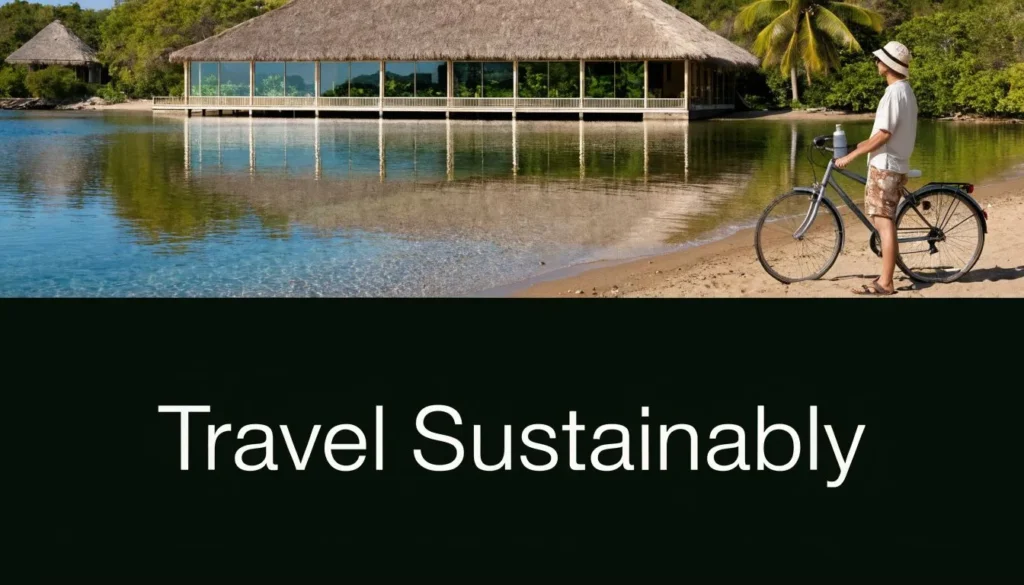
3. Sustainable Travel and Environmental Impact Analysis
Sustainability content often collapses into vague moral advice. “Travel responsibly” sounds good, but it doesn’t help a reader compare a rail-heavy itinerary with a flight-dependent one, or sort credible eco-lodges from greenwashed marketing.
That’s why this niche works best as analysis.
A useful post in this vertical doesn’t just celebrate Costa Rica, Norway, Kenya, or New Zealand for their reputations. It breaks down tradeoffs. How far apart are major sites? How dependent is the itinerary on private vehicles? Does the operator publish meaningful sustainability practices? Does the destination make low-impact movement simple for the traveler?
Where this niche gets sharper
Travel creators can stop writing “eco-friendly destination” and start writing pieces like:
- Safari ethics reviews: conservation claims, community involvement, lodge practices
- Transit-first city guides: destinations where visitors can skip rental cars
- Accommodation audits: what a hotel discloses, what it avoids saying, and what travelers should ask
- Trip redesigns: turning a high-impact itinerary into a lower-impact version without ruining the trip
This niche also aligns with audience demand inside the creator economy. Benchmark data from the travel blogging market summary at Future Data Stats says bloggers who prioritize sustainability themes see 40% higher partnership deals with tourism boards. Even if you treat that benchmark cautiously, the strategic takeaway is clear. Sustainability is no longer a side topic. It’s a business angle.
For internal editorial fit, a reader would naturally appreciate a practical guide on how to travel sustainably.
Use a reporting standard. Ask what travelers can do, what operators disclose, and what tradeoffs remain unavoidable. That last part matters because honest sustainability writing is more credible than perfection theater.
4. Sports Tourism Following Athletic Events Around the World
Sports tourism works because the trip already has a built-in deadline, emotional hook, and audience identity. People don’t casually browse for Wimbledon, the World Cup, Boston Marathon, or the Olympics. They plan around them.
That changes the content strategy. Speed, timing, and logistics matter more than broad inspiration.
A useful sports-travel vertical can revolve around host cities, fan routes, transport plans, ticketing workflows, neighborhood guides, and atmosphere reports. Paris during the Olympics is a different editorial product from Paris in spring. The same applies to Melbourne during a tennis major or a host city during an international football tournament.
Timing is part of the niche
This category benefits from calendar-led publishing. Fans search early, compare options repeatedly, and often revisit the same guide before departure.
One future-facing hook is already visible. The previously cited U.S. travel forecast notes opportunities around U.S.-hosted events such as the FIFA World Cup in 2026. That makes sports tourism one of the rare travel blog ideas where the event itself can anchor a full content cluster months in advance.
Useful post types include:
- Fan budget guides: where to stay, what to book first, what can wait
- Host city comparisons: which location offers the best transit, atmosphere, or side trips
- Event-week survival guides: stadium entry, weather prep, local transport, neighborhood strategy
- Participation travel: marathon travel, triathlon weekends, cycling events, ski races
This niche also suits interviews unusually well. Talk to runners who’ve completed several majors, football fans who travel tournament-to-tournament, or tennis followers who build vacations around a draw.
A sports tourism reader is usually deciding between attendance and non-attendance. Good content reduces uncertainty faster than it sells excitement.
Monetization tends to be practical. Hotels, transit cards, luggage, event-adjacent apparel, and premium itinerary downloads all fit. Sponsorships can come from sports travel agencies, gear brands, or ticket-adjacent services.
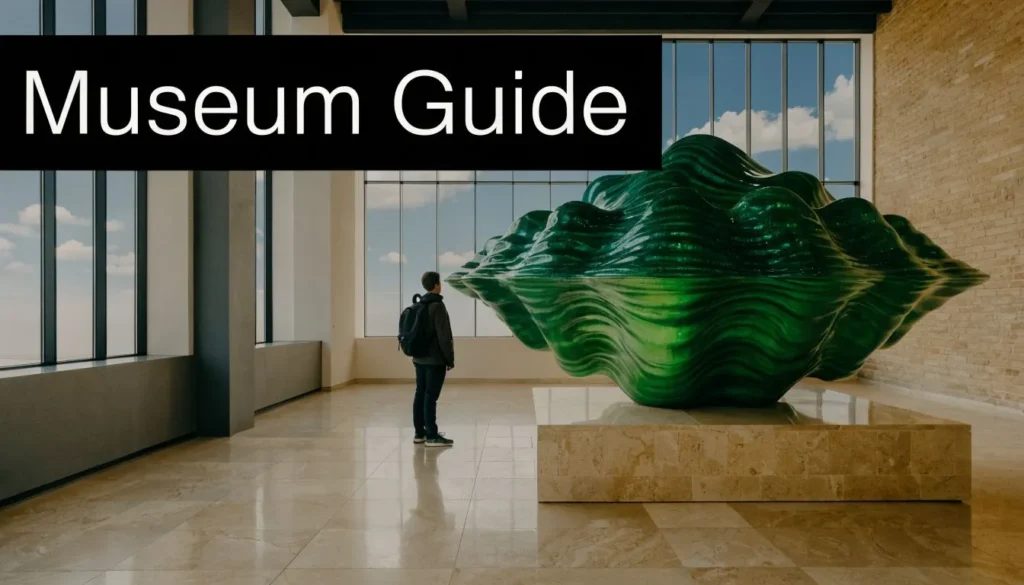
5. Arts and Culture Deep Dives for Museum Tourism and Creative Destinations
Museum and culture travel is one of the most evergreen niches because artworks, collections, neighborhoods, and institutions generate repeat editorial value. A single city can support dozens of posts without slipping into generic tourism language.
Paris alone can sustain guides on major museums, lesser-known collections, sculpture parks, artist neighborhoods, bookshops, and exhibition timing. Berlin can support gallery weekends, street art walks, and public history routes. Venice can anchor reporting around the Biennale without reducing the city to one event.
Move past list-style culture coverage
The strongest version of this niche avoids “best museums in Europe” and instead produces editorial packages such as:
- one museum, extensively reported
- one artistic movement, mapped across a city
- one weekend itinerary built around galleries, music, and design
- one comparison between iconic institutions and local alternatives
That approach gives readers a reason to trust your taste.
Search trend data supports this city-centered format. Global travel searches in 2025 showed city searches rising for destinations including Las Vegas, Melbourne, Paris, and Sydney, according to the travel statistics roundup from Passport-Photo.online. You don’t need to repeat every growth figure to see the editorial implication. Urban cultural travel is drawing attention, and cities with strong arts ecosystems can carry recurring content.
For MaxiJournal fit, this section naturally complements a guide to the best museums in Paris.
A good monetization path mixes affiliate bookings for museum passes, guided tours, and hotels with commissioned city guides, newsletters, and partnerships with cultural institutions. This niche also helps build prestige. Readers who trust your arts coverage often trust your destination judgment more broadly.
6. Educational Travel and Academic Tourism
Educational travel has a stronger value proposition than many leisure-focused niches because the reader can justify the trip in more than one way. The destination is part of the appeal, but so is the learning outcome.
That opens up a broad editorial field. Language immersion in Spain or Latin America. Short academic courses in university towns. Research-oriented tourism in places with distinctive ecosystems. Archaeology experiences. Creative skill retreats. History-led itineraries that function like field study.
Why this niche converts serious readers
People searching for educational travel are often comparing alternatives, not daydreaming. They’re asking whether a program is legitimate, whether the instructor is credible, and whether the learning experience is worth the travel effort.
That means your content should behave more like a review publication than an inspiration feed. Strong posts answer:
- Who is this for?
- What prior skill level helps?
- How intensive is the program?
- What part of the destination improves the learning experience?
- Which credentials or institutional ties should readers verify?
A useful example would be comparing a casual Spanish immersion stay with a more structured language school, or contrasting a general Galápagos trip with a naturalist-led itinerary focused on scientific interpretation.
This niche also aligns with a wider behavior shift toward meaningful travel. Earlier, the article noted demand for longer trips and more intentional trip formats. Educational travel turns that tendency into editorial focus. It gives readers permission to spend more time and money because the trip produces memory and skill.
One commercial advantage is product layering. Educational travel content can support affiliate revenue, but it can also lead to workshops, paid destination handbooks, application guides, and partnerships with schools, study programs, museums, and field institutes. For contributors with subject expertise, this is one of the most defensible travel blog ideas on the list.
7. Pet-Friendly Travel Guides and Adventures with Your Companion
Pet travel is one of the few sub-niches where “practical details” beat aspirational writing almost every time. Readers don’t mainly want beautiful imagery. They want reduced risk.
Can the dog join the hike? Which hotel accepts pets without hidden friction? What happens on a long drive, a border crossing, or a flight? How do local rules affect beaches, parks, trains, and restaurants?
That makes this an excellent service niche for a broad publication. It sits cleanly at the intersection of travel, pets, health, and logistics.
Use scenarios, not only destination lists
A post titled “best dog-friendly vacations” is too soft. Better formats are scenario-based:
- weekend cabin trips with a dog
- city breaks using rail instead of air
- beach holidays where daytime heat changes walking routines
- road trips with older pets
- international travel prep for owners facing paperwork and timing constraints
Veterinary interviews can strengthen trust, especially around stress reduction, feeding routines, hydration, and post-travel recovery. So can first-person reporting that includes what went wrong.
For editorial fit, this niche pairs naturally with a practical guide to a dog-friendly vacation.
A useful monetization model combines pet carriers, crash-tested restraints, portable bowls, trackers, calming aids, travel-friendly food storage, and pet-focused accommodation partnerships. There’s also room for downloadable planning products. Pet packing lists, document templates, and route planners solve real reader problems.
What makes this niche durable is repeat need. Pet owners don’t solve travel with animals once and move on. They return for every trip because the constraints change by destination, season, airline, lodging style, and the animal’s age.
8. Fashion Tourism and Shopping Destinations Around the Globe
Fashion tourism works best when it treats shopping as cultural reporting rather than consumption alone.
Milan, Paris, London, and Tokyo are obvious anchors, but each supports very different editorial logic. Milan can carry fashion-week logistics and craftsmanship stories. Paris works for couture history, vintage curation, and neighborhood shopping routes. London is strong for resale, street style, and subculture retail. Tokyo can support deep reporting on district identity, silhouette trends, and niche boutiques.
The strongest angle is editorial curation
Most shopping guides are weak because they imitate search behavior. They list stores readers can find on a map. Better posts answer taste questions:
- Which district suits minimalist dressers?
- Where should vintage shoppers go if they care more about archive finds than price?
- Which neighborhoods reward browsing on foot?
- What’s worth buying locally because design language or craftsmanship is place-specific?
This niche can also connect well with digital behavior. The previously cited travel statistics roundup reported that online travel content consumption was up year over year, especially among ages 26 to 32. That’s useful context because fashion tourism depends heavily on visual discovery, saved posts, and social referral. If your publication can package shopping intelligence with aesthetic judgment, the content travels well.
One of the smartest monetization angles here is layered commerce. Affiliate links may work for luggage, travel accessories, and wardrobe basics, but the bigger opportunity is partnerships with local designers, guided shopping experiences, resale platforms, and seasonal city guides.
Fashion tourism is also one of the better travel blog ideas for a publication like MaxiJournal because it can blend style, business, and culture without feeling forced. The reader isn’t just shopping. They’re reading a city through what it sells.
9. Gaming Tourism and Esports Events
Gaming tourism is still underdeveloped editorially, which is exactly why it’s interesting.
Most coverage stays at the level of fandom. A city appears in a game. A player visits. A tournament happens. But that leaves out the richer story. Games shape how players imagine architecture, atmosphere, mythology, and urban identity. That means travel writing can use gaming as an interpretive layer, not just a novelty hook.
Kyoto tied to role-playing aesthetics, Italy filtered through dark fantasy associations, or a city visited during a major esports event all offer different entry points. The destination matters. So does the player’s frame of reference.
This niche works because it has two audiences
One audience is destination-curious and game-literate. They want “places that feel like” worlds they love.
The other is event-driven. They travel for esports tournaments, conventions, launches, gaming museums, and themed exhibitions. Their needs are closer to sports tourism. Venue access, hotel strategy, transit, fan meetups, merch availability, and local gaming culture matter.
Useful formats include:
- Game-to-place essays: where a destination echoes a game’s mood, design, or historical texture
- Esports city guides: what to do before and after a major event
- Gaming culture routes: arcades, retro game stores, museums, themed cafés
- Pilgrimage pieces: why certain places hold symbolic weight for players
A useful distribution clue comes from social research already cited earlier. Among the 36% using social media for travel research, 64% are Gen Z in the Travel Technology Association survey. That matters here because gaming tourism is highly social-first. Clips, maps, fan edits, and event snippets can funnel readers into longer blog coverage.
The monetization mix is broad. Ticketing affiliates, gaming merchandise, travel gear, themed tours, convention hotels, and creator collaborations all fit naturally. This is one of the best travel blog ideas for publishers trying to connect entertainment and tourism without sounding generic.
10. Business and Entrepreneurship Travel for Networking Events and Innovation Hubs
Business travel content usually splits into two weak formats. Either it becomes dry conference logistics, or it turns into shallow startup tourism.
A stronger approach combines both. Treat conferences, innovation districts, and founder travel patterns as a single editorial vertical.
Las Vegas during CES, Lisbon during Web Summit, Austin during SXSW, and Silicon Valley year-round all support this model. These aren’t just places where business happens. They’re temporary ecosystems with their own rhythms, prices, social rules, and opportunities.
Report on business travel like an operator
Useful content in this niche answers practical questions that ambitious readers have:
- Which conference is worth attending if you’re early-stage?
- Which neighborhoods are best for side meetings?
- What kind of traveler benefits from the event: founder, freelancer, recruiter, investor, journalist?
- How should someone split time between official programming and local ecosystem visits?
This niche also benefits from broader international interest. The previously cited travel statistics roundup noted that 70% of consumers are likely to travel internationally within 12 months. For business-oriented travel content, that matters less as a tourism trend and more as a sign that cross-border mobility remains central to networking, partnerships, and event attendance.
Another overlooked angle is content after the event. Most guides stop at “where to stay.” Stronger business-travel coverage includes debriefs: best side events, surprising neighborhoods for meetings, what conversations happened, and whether the city rewarded extending the trip by two days.
Business travel readers don’t need hype. They need decision support.
Monetization is unusually strong here. Conference affiliate partnerships, luggage and productivity gear, coworking passes, premium networking guides, and B2B sponsorships all fit. For a multi-topic site, this niche can pull in business readers who wouldn’t normally browse travel content at all.
10 Travel Blog Ideas Comparison
| Topic | Implementation complexity | Resource requirements | Expected outcomes | Ideal use cases | Key advantages |
|---|---|---|---|---|---|
| Hidden Tech Innovations in Global Cities | High, requires technical reporting and frequent updates | Technical experts, vendor demos, ongoing research, city access | High engagement from tech-savvy readers, sponsorships, timely traffic | Smart city features, transport tech guides, innovation hub profiles | Cross-appeal to tech and travel audiences, sponsor opportunities |
| Wellness Tourism and Health-Focused Travel Destinations | Medium, needs medical accuracy and program validation | Health experts, facility access, peer‑reviewed sources | Strong engagement with health-conscious readers, shareable content | Retreat reviews, evidence-based wellness guides, nutrition & fitness trips | Growing market, high shareability, brand partnerships |
| Sustainable Travel & Environmental Impact Analysis | High, demands rigorous verification and scientific analysis | Environmental scientists, certification data, emissions calculations | Credible, impact-oriented readership, long-term authority | Carbon-footprint comparisons, eco-certification assessments, policy pieces | Timely topic, appeals to conscious travelers and business readers |
| Sports Tourism: Following Athletic Events Around the World | Medium, tied to event calendars and logistics | Event schedules, ticketing info, local logistics, timely reporting | Peaks around events, high short-term traffic and social sharing | Major events (Olympics, World Cups), marathon travel guides | Passionate, engaged audience; strong sponsorship potential |
| Arts & Culture Deep Dives: Museum Tourism and Creative Destinations | Medium, requires subject-matter expertise and curation | Curators, artist interviews, high-quality photography | Rich storytelling, loyal niche readership, visually-driven engagement | Museum guides, festival coverage, artist-residence features | Strong narrative and visual appeal, institutional partnerships |
| Educational Travel: Learning Experiences and Academic Tourism | Medium–High, needs program verification and academic ties | Educational institutions, instructor interviews, accreditation checks | Trust-building content, appeals to lifelong learners and families | Language immersion, study tours, research tourism, workshops | Long-term value, partnerships with educational providers |
| Pet-Friendly Travel Guides and Adventures with Your Companion | Low–Medium, logistics-focused, less technical | Veterinarians, regulation research, on-the-ground testing | Loyal niche audience, practical utility, steady engagement | Pet-friendly accommodations, transport rules, pet activity guides | Less crowded niche, emotional engagement, brand tie-ins |
| Fashion Tourism and Shopping Destinations Around the Globe | Medium, industry access and trend knowledge required | Designer/boutique contacts, event access, stylish visuals | High-value audience, visually attractive content, partnership deals | Fashion week guides, shopping districts, sustainable fashion routes | Strong brand and sponsorship opportunities, stylish content |
| Gaming Tourism: Video Game Inspired Destinations and Esports Events | Medium, niche expertise and fast updates | Game developers, esports contacts, convention access | Growing, younger audience engagement, influencer partnerships | Esports travel, game-location pilgrimages, gaming conventions | Unique niche with strong community engagement, partnership potential |
| Business and Entrepreneurship Travel: Networking Events and Innovation Hubs | Medium–High, requires industry credibility and timing | Business leaders, conference access, ROI data, networking insights | High-value readership, B2B partnership and sponsorship opportunities | Conference planning, startup ecosystem tours, networking strategy guides | Attracts influential audiences, monetizable B2B relationships |
From Idea to Itinerary Your Next Steps
The biggest mistake new travel creators make is choosing a destination before choosing a lens.
If you decide to write about “Italy” or “Japan,” you’re entering a crowded field with weak differentiation unless you already have exceptional authority, a large audience, or a distinctive reporting style. If instead you choose “smart-city travel,” “museum travel,” “pet-inclusive trips,” or “sports event travel,” you immediately narrow the competitive field and clarify what kind of reader should care.
That’s the core value behind these travel blog ideas. They aren’t just prompts. They’re content verticals.
A vertical gives you recurring formats, clearer SEO opportunities, more predictable monetization, and a stronger editorial identity. It also makes contribution easier for a multi-topic publication. A science writer can handle sustainability or wellness travel. A business writer can cover startup cities and conference travel. A culture writer can own museum tourism. A games writer can develop gaming tourism into something original. Travel stops being an isolated category and becomes a delivery mechanism for broader expertise.
The next move is to test one niche with discipline.
Start with three post ideas, not thirty. That’s enough to see whether the niche has range. If all three pieces feel repetitive, the vertical may be too narrow or too dependent on one destination. If the ideas naturally spread across formats, interviews, destinations, and user intents, you’ve probably found something workable.
A strong first-three-post sequence usually includes:
- One evergreen guide: a durable article that can rank and keep attracting readers
- One reported feature: an interview-led or analysis-driven piece that proves authority
- One practical service post: something highly useful, downloadable, or bookmarkable
For example, a sports tourism vertical might open with a host-city guide, a fan interview feature, and a ticketing-plus-transit explainer. A wellness vertical might begin with a destination comparison, a neurodiverse travel piece, and a practitioner-informed retreat guide. A business travel vertical could start with a conference city playbook, a founder travel diary with clear takeaways, and a side-meeting neighborhood guide.
Then look at monetization before scaling content. Not because money should lead every editorial decision, but because bad-fit niches create friction later. Ask simple questions. Can you recommend products or services with integrity? Are there events, destinations, tools, or programs that naturally align with affiliate or sponsorship models? Would a reader pay for a deeper version of your guidance?
The best niche is usually where three things overlap. You know enough to say something specific. Readers have a recurring problem. Commercial partners can plausibly fit without distorting the editorial voice.
Execution matters more than brainstorming. Interview local founders if you choose tech cities. Talk to curators if you choose arts travel. Ask veterinarians if you choose pet travel. Build comparison frameworks if you choose sustainability. Readers can tell when a niche is built on reporting instead of surface enthusiasm.
Treat your travel blog like a specialized publication, not a scrapbook. That mindset changes everything. It sharpens story selection, improves trust, and makes your work easier to place in a magazine ecosystem like MaxiJournal.
A generic travel blog competes on volume. A focused one competes on relevance. In 2026, relevance is the better bet.
If you’re developing travel blog ideas that cross into tech, health, arts, business, pets, sports, fashion, education, or gaming, maxijournal.com is a natural home for that work. Its multi-topic magazine model rewards contributors who bring a clear niche, useful reporting, and approachable commentary. Study the publication’s categories, shape your pitch around one strong vertical, and aim to deliver the kind of travel writing readers can use.
Discover more from Maxi Journal
Subscribe to get the latest posts sent to your email.