You’re probably here because argan hair oil is everywhere. It’s in shampoos, masks, serums, leave-ins, and salon add-ons. One bottle promises shine, another promises repair, and a third calls itself “Moroccan oil” as if that alone settles the question.
It doesn’t.
Argan hair oil can be useful, but it isn’t magic, and not every product that says “argan” deserves your money. The full picture includes chemistry, technique, quality control, scalp tolerance, and the uncomfortable fact that hype often hides sourcing problems. If you want softer, smoother hair, argan oil may help. If you want to shop responsibly, use it without buildup, and avoid diluted formulas, the details matter.
Your Definitive Guide to Argan Hair Oil
Argan hair oil is oil pressed from the kernels of the argan tree, and in beauty it’s often treated like a cure-all. That’s why so many people end up confused. Is it a styling oil, a treatment, a scalp product, or just branding wrapped around a pretty amber bottle?
The honest answer is that it can play several roles, depending on the formula and how you apply it. Pure argan oil is best understood as a lightweight finishing and conditioning oil. It can help hair feel smoother, look shinier, and handle stress better. It can also be overused, especially on oily scalps or in routines already heavy with butters, waxes, and silicone-rich serums.
What matters most: the ingredient itself, the way you use it, and whether the bottle contains authentic argan oil in the first place.
This guide treats argan oil like a beauty editor should. No miracle language, no vague “experts say” filler. Just the full picture: where it comes from, why it works, what it can’t do, how to use it well, how to spot a questionable bottle, and what long-term users should keep in mind.
From Moroccan Tree to Liquid Gold
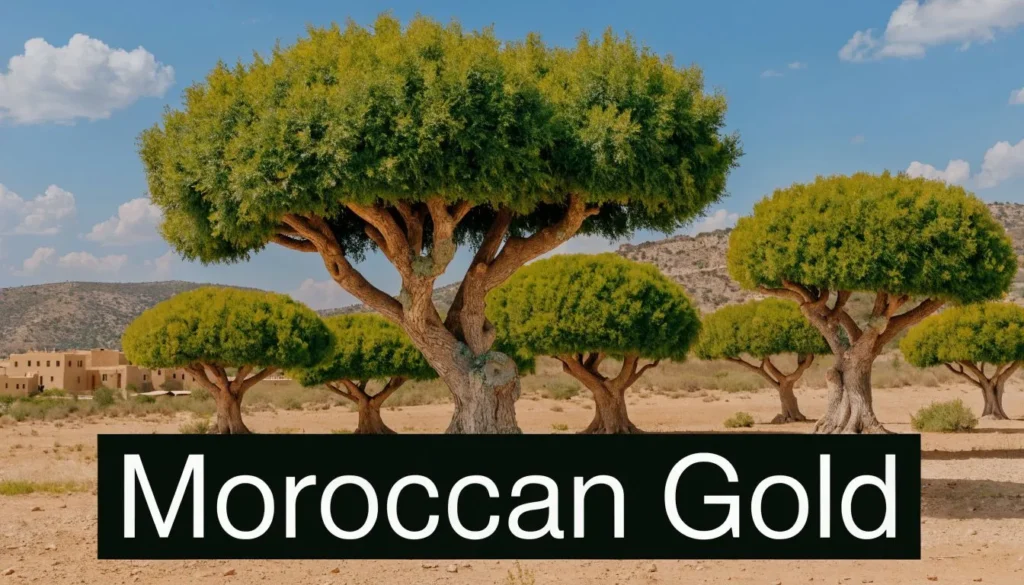
You spot a small bottle of argan oil at the beauty store. The label suggests rarity, tradition, and high performance. What it usually does not explain is that this oil comes from one tree species, one region, and a supply chain with real environmental and labor implications.
Argan oil comes from Argania spinosa, a tree native to Morocco. Long before it became a global beauty ingredient, Amazigh and Berber communities were using it in daily life and personal care. A history of argan oil in Morocco notes that European records of the oil go back centuries, but the more useful point for shoppers is simpler. Argan oil was valuable before it was fashionable.
Why authentic argan oil has always been precious
The nickname “liquid gold” makes more sense once you understand the process. Traditional argan oil production was labor-intensive and time-consuming, with kernels collected and processed by hand. That history helps explain a modern shopping problem. A bottle sold as pure argan oil at a suspiciously low price deserves scrutiny.
Hair oils are a little like olive oil. The name on the front can describe something pure and carefully produced, or it can describe a blend that uses the star ingredient in a much smaller amount than buyers assume.
That distinction matters over months and years of use. If you buy diluted or low-grade argan oil, you are not just missing out on better shine. You may build a routine around a product that gives inconsistent results, coats hair without conditioning it well, or makes you blame your hair type for what is really a sourcing problem.
The ecological side most labels skip
Argan trees do not grow everywhere, and that is part of the story. Morocco’s argan-growing region has been recognized for its ecological importance, which is one reason ethical sourcing is not a decorative extra. It affects the future supply of the ingredient itself.
There is also a human side to that equation. Many buyers focus on whether argan oil can make hair feel softer, but informed consumers ask a second question. Who benefits when this bottle is sold? That question belongs in beauty coverage just as much as shine, frizz, or breakage.
If you care about long-term hair results, this broader view is useful. Brands that are transparent about origin, extraction, and cooperative sourcing often give you a clearer picture of what is in the bottle. That same habit of careful reading also helps when comparing argan oil with other treatments, including new treatment options for hair growth that aim to solve very different problems.
A few grounded takeaways come from argan oil’s origin story:
- Authenticity affects performance: Pure, well-sourced argan oil is more likely to behave the way readers expect from the ingredient.
- Scarcity attracts imitation: A high-value oil often invites blends, fillers, and misleading labeling.
- Ethics and quality overlap: Better sourcing standards often go hand in hand with better traceability and more reliable formulas.
The bottle in your bathroom is tied to a tree, a region, and a chain of human work. Marketing usually stops at the glow. Smart shoppers look further.
The Science Behind the Shine and Strength
You smooth a few drops through dry ends, and your hair looks calmer within minutes. That quick result can make argan oil seem almost magical. Its actual utility surpasses the initial magical impression. Argan oil works in ways we can explain, and those effects are mostly about the hair surface, how fibers move against each other, and how well the cuticle stays coated under stress.
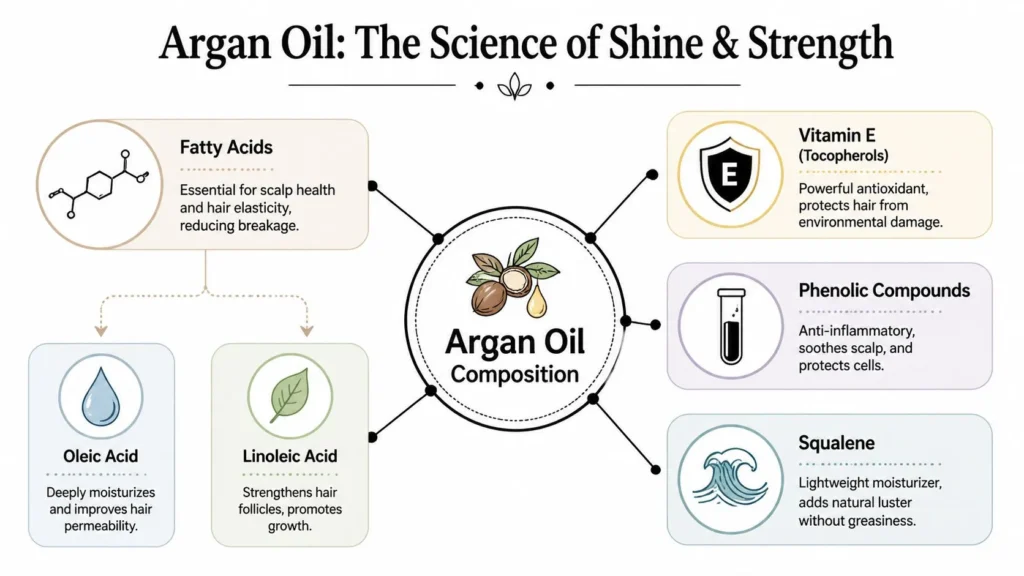
Argan oil’s reputation comes from its composition. It contains fatty acids, vitamin E, and antioxidant compounds, and that mix helps explain why it often feels lighter than heavier oils while still giving noticeable polish.
A simple way to understand it is to picture the hair fiber like a rope covered in tiny overlapping scales. When those outer scales lift, hair feels rough, tangles more easily, and reflects light poorly. When an oil helps those scales lie flatter, hair tends to look shinier and feel smoother.
What’s in argan oil
As explained in this breakdown of argan oil’s hair benefits, argan oil contains a mix of oleic acid and linoleic acid that helps it coat the hair surface while also improving slip and flexibility.
Here is the practical meaning of that chemistry:
- Oleic acid: helps create a softer outer film on the hair, which can reduce roughness and help limit moisture loss.
- Linoleic acid: improves lubrication, so strands rub against each other with less friction.
- Vitamin E and antioxidants: support protection against oxidative stress linked to sun exposure, heat, coloring, and daily wear.
That balance matters over time. Hair care is not only about the first hour after application. An oil that improves slip can lower repeated friction from brushing, detangling, scarves, pillowcases, and heat styling. Those small contacts add up.
Why hair looks shinier after application
Shine is largely an optics issue. Smooth surfaces reflect light in a more even way. Rough surfaces scatter it.
Argan oil helps on that outer layer. It does not rebuild damaged hair tissue the way marketing sometimes suggests, because hair fiber is not living tissue once it grows out of the scalp. What it can do is improve how the cuticle sits and how the strand behaves, which is why hair often looks healthier after use even though the underlying damage has not disappeared.
This distinction matters if you are trying to judge whether a product is helping. Better shine, less drag during brushing, and softer ends are meaningful results. “Repair” claims need more caution.
Why it can reduce breakage during styling
A lot of hair damage is mechanical. The problem is not only bleach, dye, or high heat. Damage also happens when a brush catches, when wet hair stretches too far, or when dry ends snag against each other.
The same source linked earlier notes that argan oil may reduce combing force during heat styling. That lines up with what many formulators aim for in a finishing oil. More slip means less pulling, and less pulling can mean fewer snapped hairs over time.
That is also why argan oil can be helpful even for people who do not care much about shine. If your hair tangles easily, a light coating that lowers friction can make daily handling gentler.
Where the marketing goes too far
Argan oil is a conditioning and protective aid. It is not a cure for split ends, permanent breakage, or hair thinning. If the strand has already fractured, oil can temporarily seal and soften the area, but it cannot fuse the fiber back together.
It also does not solve every scalp or density concern. Readers comparing cosmetic smoothing with treatment-focused options may want to review newer approaches to hair growth and scalp support separately, because those goals are different from what a hair oil is designed to do.
There is a second limit that often gets ignored. Results depend on what is in the bottle. A well-formulated, traceable argan oil can give reliable slip and softness. A diluted blend sold on the strength of the name alone may give a greasy finish without the same performance. That is where long-term hair results and informed buying meet. Good science helps you judge the formula. Good sourcing helps you judge whether the product deserves your trust.
The clearest way to view argan hair oil is this:
- It smooths the cuticle.
- It reduces friction between strands.
- It improves shine and softness.
- It offers support, not a full repair strategy.
Your Practical Guide to Using Argan Hair Oil
Many don’t need more argan oil. They need a better method.
The biggest mistake is using it like a thick mask when what most hair types need is a light film on the right areas. Start small, then add only if your hair still feels rough.
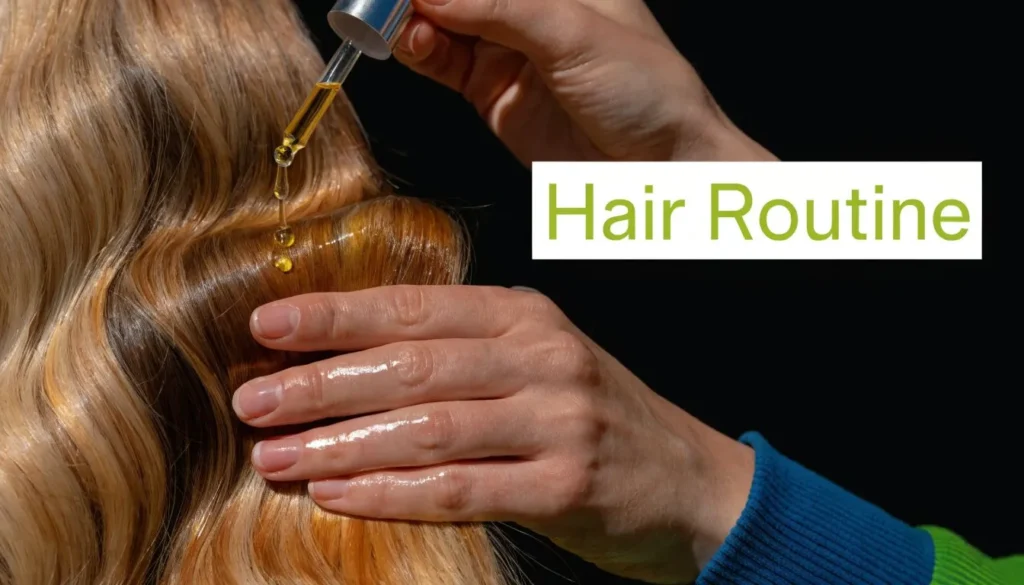
The easiest way to apply it well
Warm a small amount between your palms, then press it into the mid-lengths and ends. Don’t dump it straight onto the crown unless your scalp is dry and you’re using it as a targeted treatment. Fine hair usually needs less. Coarse or very dry hair can handle more.
A good starting pattern:
- For damp hair: use a tiny amount after washing, before air-drying or blow-drying.
- For dry hair: smooth a little over the ends to tame fuzz and add polish.
- Before heat styling: apply lightly so hair gets slip without becoming oily.
- As an overnight treatment: use more generously on the lengths, then wash in the morning.
If your regular routine already includes a rich leave-in, keep argan oil minimal. If you’re pairing it with conditioner shopping, a simpler base product often works better than layering too many heavy formulas. A straightforward pairing strategy helps more than buying whatever says “repair,” and this roundup of solid drugstore conditioners can help you build a cleaner routine.
Best uses by goal
For daily softness
Use a very small amount on damp ends. This works best if your hair gets fluffy, dry-looking, or rough after washing.
For heat styling
Apply lightly before blow-drying or smoothing. You want slip and a bit of surface protection, not an oily coating.
For post-style shine
Rub the leftover trace on your hands over the outer layer of the hair. Focus on ends, not roots.
For dry ends between washes
Tap on a drop, then comb through with fingers. This can make older, porous ends look less straw-like.
Here’s a useful visual demo if you want to see texture and application in action:
A smart use for color-treated hair
Argan oil is especially appealing if you color your hair. A report discussing a study in the Journal of Cosmetics, Dermatological Sciences and Applications says argan oil significantly enhances hair resistance after coloring. The same source gives a simple practical method: apply 2 to 3 drops 30 minutes before coloring.
That’s useful because coloring exposes hair to oxidative stress. A light pre-treatment won’t cancel all damage, but it may help the fiber tolerate the process better.
If your hair is bleached, highlighted, or regularly dyed, use argan oil as support around the service, not just as a rescue step after damage shows up.
How to Choose Authentic and Ethical Argan Oil
You spot two bottles labeled “argan oil.” One costs three times more than the other. Both use Moroccan imagery. Both promise shine, repair, and softness. The hard part is that the label on the front tells you almost nothing about whether you are buying real argan oil, a diluted blend, or a product built on a good story and weak sourcing.
That confusion is common. A summary discussing counterfeit concerns in commercial argan oil notes that adulteration is a real issue in the market. For hair care, that matters for two reasons. Purity affects how the oil performs on your hair, and sourcing affects the people and ecosystems behind it.
What a smart label check looks like
Start with the ingredient list, not the marketing claims. If a brand says “argan” on the front but the formula lists fragrance, silicones, or cheaper oils first, you are not buying a bottle of pure argan oil. You are buying a blend in which argan may play a small supporting role.
Packaging also gives clues. Argan oil is rich in unsaturated fatty acids, so it behaves more like a fresh food oil than a synthetic serum. A dark bottle or opaque container helps protect it from light exposure, while a clear bottle left on a sunny shelf is less reassuring.
| Good Signs (Look for These) | Red Flags (Avoid These) |
|---|---|
| Argania Spinosa Kernel Oil listed clearly and prominently | Long filler-heavy ingredient lists where argan appears far down the label |
| Specific sourcing details, such as region, producer group, or cooperative information | No sourcing detail at all, especially when the branding relies on “Moroccan” imagery alone |
| Certifications or batch transparency that support purity or responsible production | Unexplained blends sold as though they were pure oil |
| Protective packaging and storage guidance | Heavy perfume that makes it hard to judge the oil itself |
Purity and ethics belong together
It helps to treat argan oil the way you would treat olive oil. The name on the bottle is only the starting point. Quality depends on what is inside, how carefully it was processed, and whether the supply chain preserves the value of the original ingredient instead of stripping it away.
Ethics are part of quality, not a separate bonus. Argan comes from a limited growing region in Morocco, and rising global demand can put pressure on both land and labor. Brands that explain who produces the oil, how it is extracted, and whether local cooperatives benefit are giving you useful information, not extra fluff. If you care about ingredient-led beauty more broadly, this same label-reading mindset applies to other botanicals, including ingredient-first rose water skincare uses.
Quick buyer rules that save time
Use these filters before you buy:
- Read the back label first. The front of the box sells a mood. The ingredient list tells you what you are paying for.
- Separate pure oil from styling serum. A serum can still be useful, but it should not be confused with a bottle of pure argan oil.
- Look for traceability. A brand should be able to say where the oil comes from and who produces it.
- Treat vague purity claims cautiously. “100% pure” means little without clear ingredient naming and basic sourcing detail.
- Notice the scent. Pure argan oil has a mild natural smell. A strong perfume note can hide the character of the oil itself.
Good argan oil should read like a real agricultural product with a clear origin, not like a luxury fantasy with no paper trail.
Simple DIY Argan Oil Hair Treatments
A bottle of pure argan oil can do more than sit on a shelf waiting for flyaways. It also works as a flexible base for simple at-home treatments, especially if you don’t want to buy a separate mask, gloss, and scalp oil.
Softening mask for dry lengths
Mix argan oil with plain yogurt and a small amount of honey until the texture is smooth enough to spread. Apply it to the mid-lengths and ends, leave it on briefly, then rinse and shampoo lightly.
This works well when hair feels rough but not severely damaged. The yogurt gives slip, the honey helps the mixture feel more cushioning, and the argan oil adds softness.
Frizz-taming finishing blend
Combine a little argan oil with a drop or two of a lightweight essential oil only if your scalp tolerates fragrance well. Then use the tiniest amount on dry ends.
Keep this blend focused on the hair shaft, not the scalp. The goal is surface smoothing, not soaking the hair. If you enjoy simple botanical add-ons in beauty routines, this overview of rose water benefits pairs nicely with a minimalist, ingredient-first approach.
Pre-shampoo treatment for stressed hair
If your hair is tangled, overwashed, or dull from heat styling, apply argan oil to dry lengths before shampooing. Let it sit briefly, then wash as usual.
This method is often easier for people who say oils make their hair “too greasy.” You still get slip and softness, but you remove the excess during cleansing.
A few DIY rules keep these treatments useful instead of messy:
- Keep recipes simple: Too many ingredients make it harder to tell what your hair likes.
- Apply away from the roots if you get oily quickly: Ends usually need more help than the scalp.
- Make small batches: Fresh mixtures are easier to control and less wasteful.
- Patch test first: This matters even more if you add fragrance or other actives.
Safety Considerations and Frequently Asked Questions
Argan oil is often marketed as universally lightweight and foolproof. That’s too neat. Many people tolerate it well, but “generally safe” isn’t the same as “ideal for every scalp, every week, forever.”
One of the most overlooked issues is long-term scalp use. This discussion of argan oil safety concerns notes that its high oleic acid content can, in some cases, trap sebum on oily scalps, which may contribute to folliculitis with frequent use. The same source also says there’s a lack of long-term studies on its effect on the scalp microbiome.
Who should be more cautious
If your scalp already gets greasy fast, itchy, or congested, don’t assume argan oil belongs directly on the roots. You may do better using it only on the lengths.
You should also be more careful if:
- You layer many products: oil plus leave-in plus cream plus dry shampoo can create buildup fast.
- Your scalp is reactive: fragrance, essential oils, and blended formulas may be more of a problem than argan itself.
- You confuse dry ends with a dry scalp: these are different issues and need different solutions.
A hair oil that flatters your ends can still annoy your scalp.
Practical safety habits
Use argan hair oil in a way that matches your actual hair pattern, not the fantasy routine on social media.
Try this approach:
- Patch test first if you’ve never used the product.
- Start on the ends, then assess how your hair feels after a few uses.
- Use scalp application sparingly unless dryness is your main issue.
- Clarify your hair when needed if it starts feeling coated, limp, or harder to style.
Frequently asked questions
Can argan hair oil make hair greasy?
Yes, especially if you use too much or apply it near the roots. The fix is usually dosage, not abandoning the oil completely.
Is “Moroccan oil” the same as argan oil?
Not always. “Moroccan oil” is often a marketing phrase. Some products contain argan oil. Others are blends where argan plays a smaller role.
Can I use argan oil on colored hair?
Yes. It’s often a good fit for color-treated hair, especially as a supportive treatment before or after processing.
Should I put it on wet or dry hair?
Both can work. Damp hair is usually better for softness and smoothing. Dry hair is better for finishing and flyaway control.
Can I use it on my face too?
Some people do, but a product sold for hair may include fragrance or added ingredients that aren’t ideal for facial skin. Read the label carefully.
How often should I use it?
That depends on your hair density, porosity, scalp type, and what else is in your routine. Dry ends may like frequent light use. Oily roots usually need restraint.
The best argan routine is rarely the most elaborate one. It’s the one that keeps your hair softer, easier to handle, and free from residue you have to fight later.
If you like clear, practical breakdowns like this, visit Maxi Journal for more approachable writing on beauty, health, science, fashion, and everyday questions that deserve better answers than marketing copy.
Discover more from Maxi Journal
Subscribe to get the latest posts sent to your email.