Snorkeling isn’t a niche side activity anymore. It’s a global travel segment valued at $3.7 billion in 2024, with a projection of $6.2 billion by 2033. That growth makes sense. Few travel experiences give you this much access to wildlife, color, and calm without certification, heavy gear, or a full dive itinerary.
The hard part isn’t deciding whether to snorkel. It’s choosing among the world’s best snorkeling spots when every destination promises clear water and “amazing marine life.” In practice, the best trips come from matching the reef to your actual skill level, tolerance for boats and currents, and the kind of day you want. Easy shore entry and turtles require a different plan than blue-water drop-offs and current-heavy channels.
This guide focuses on places that consistently deliver, but it also treats each stop like a planning brief. You’ll get what you’re likely to see, who the spot suits, what can go wrong, and how to structure a realistic day around it. That matters more than dreamy marketing copy.
A good snorkeling trip is rarely about picking the single most famous reef. It’s about picking the reef you can enjoy safely, with enough time in the water, in conditions that let you relax and look around.
1. Great Barrier Reef, Australia
The Great Barrier Reef is the most versatile pick on this list. It suits first-timers who want a managed day trip, strong swimmers who prefer outer reef exposure, and travelers who would rather snorkel straight off an island beach than spend half the day on a boat.
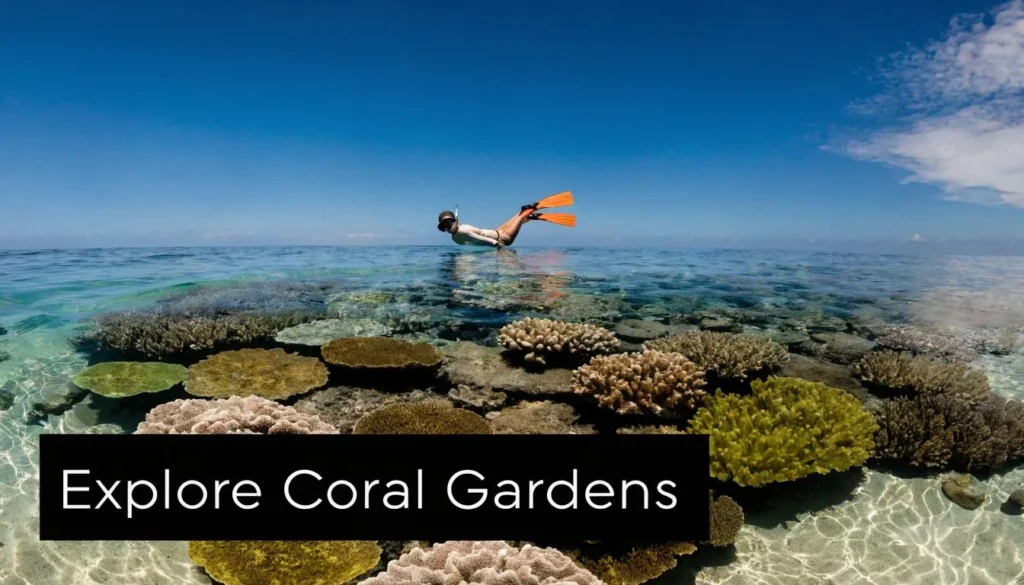
That variety is the primary advantage here. “Great Barrier Reef” is not one snorkel site. It is a huge system with very different experiences depending on whether you leave from Cairns, Port Douglas, or stay on an island such as Lady Elliot. Shallow coral gardens, sandy lagoon entries, pontoon-based sessions, and outer reef drop-offs all exist within the same destination. Picking the right format matters more than picking the most famous name.
For beginners, the easiest win is a well-run boat or pontoon day with clear supervision, flotation available, and a protected entry point. That setup reduces stress and saves energy for the water. Confident snorkelers often get more value from island-based stays because they can go out early, rest between sessions, and avoid the rushed feel that comes with a single fixed boat schedule.
Practical rule: Choose the operator first, then the reef site. Good briefings, honest conditions calls, and staff who separate nervous beginners from stronger swimmers have more impact on your day than marketing photos.
What works best here
The reef delivers best for travelers who match the site to their comfort in current, depth, and boat time. Families and cautious swimmers usually do better on calm lagoon or platform trips than on long outer reef runs. Strong swimmers who want more fish life and cleaner coral usually prefer outer reef sites or island fringing reefs with an early start.
Season and weather shape the experience. Calm mornings usually give better visibility and easier surface conditions. Wind can turn an average snorkeler into a tired one fast, especially after repeated ladder climbs and long surface swims.
Mini plan
- What you’ll see: Hard coral gardens, reef fish, giant clams, and, in the right season and location, turtles and rays.
- Best timing: Dry-season months usually bring more reliable visibility. Early departures also tend to mean calmer water.
- Skill level: Beginner to advanced, depending on whether you choose a lagoon, pontoon, island fringing reef, or outer reef edge.
- Safety tip: Ask about current, entry style, and ladder access before booking. A site that looks easy in photos can feel very different in chop.
- Conservation tip: Keep your fins and knees off the reef, even in shallow areas. Good buoyancy at the surface protects coral as much as any sunscreen choice.
- Sample itinerary: Base in Cairns or Port Douglas for one guided reef day. If the first outing goes well, add a second day with a different format, such as an island stay or a smaller outer reef trip, rather than booking two identical boat days back to back.
2. Palau’s Blue Corner, Palau
Blue Corner earns its reputation because it doesn’t feel passive. Even from the surface, the site has energy. Water movement, schooling fish, and the edge-of-the-reef drama are the draw, but that same energy is why this isn’t the best pick for timid first-timers.
The mistake I see travelers make with Palau is assuming every famous site should be treated as a casual float. It shouldn’t. Currents are part of what make Blue Corner memorable, and they demand judgment.
Who should book this
Confident swimmers who are comfortable following a guide and adjusting to conditions usually get the most from Blue Corner. If that’s not you yet, Palau still works. Just ask for gentler Rock Islands snorkel stops first and build up.
For many travelers, a better progression is Ngerchong or another more forgiving site on one day, then Blue Corner once you’ve felt local conditions.
Before you go, it helps to get a visual sense of the place:
Mini plan
- What you’ll see: Dense fish life, reef edge action, and the kind of live marine traffic that makes Palau famous.
- Best timing: Early outings usually give guides more room to position groups cleanly.
- Skill level: Intermediate to advanced for Blue Corner itself.
- Safety tip: Book with local guides who know current patterns and don’t freelance your route.
- Conservation tip: Maintain buoyancy and body control. In current, stray fin kicks do more reef damage than people realize.
- Sample itinerary: Day one in the Rock Islands on easier reef sites, day two at Blue Corner if conditions and confidence line up.
Don’t book Blue Corner because it’s famous. Book it because you’re ready for a site with movement.
3. Belize Barrier Reef, Belize
Belize works well for travelers who want a reef trip without the scale and logistics of Australia or the isolation of some Pacific destinations. The appeal is balance. You can combine reef days with inland travel, cultural stops, or a shorter Caribbean itinerary and still come away with a serious snorkeling experience.
Hol Chan Marine Reserve near Ambergris Caye is often the practical entry point. It’s accessible, widely offered by local operators, and easy to combine with other marine stops in a half day or full day.
Best use of your time
If you’re trying to decide between spectacle and ease, Belize is one of the better compromises on this list. You don’t need to overcomplicate it. Pick a base with regular boat departures, then choose one nearby reserve day and one farther-flung cay or atoll day.
Half Moon Caye and South Water Caye are good examples of how to split the trip. One gives you a stronger excursion feel. The other can be easier to integrate into a relaxed island schedule.
- What you’ll see: Caribbean reef structure, abundant fish life, and varied snorkel settings from reserve stops to cays.
- Best timing: Stable weather windows matter more than chasing a perfect calendar date.
- Skill level: Beginner to intermediate, depending on current and boat setup.
- Safety tip: Don’t assume “Caribbean calm” every day. Ask about chop, transfer length, and in-water supervision.
- Conservation tip: Go with Belizean guides who brief wildlife spacing clearly and don’t rush guests onto sensitive coral.
- Sample itinerary: Stay near Ambergris Caye for easier access, snorkel Hol Chan on one day, then add a longer cay-based trip later in the week.
Trade-off to know
Belize is rarely the place for the single most dramatic underwater wall or the emptiest remote reef in this guide. What it does better is deliver a strong, flexible trip that works for mixed-skill groups and travelers who want more than boats and water all day.
4. Maldives’ Banana Reef, Maldives
Banana Reef earns its place on this list because it delivers one of the easiest high-quality snorkel sessions in the Indian Ocean. You get strong reef color, reliable access from North Malé Atoll, and a trip format that fits real vacation schedules instead of consuming a whole day.
That convenience is the main advantage here. Travelers staying near Malé, Hulhumalé, or on nearby resort islands can often reach the site quickly, snorkel with a guide, and still keep the rest of the day open for another excursion or a slower afternoon.
Banana Reef works best for travelers who want a short transfer and a structured outing, but there is a trade-off. Easy access usually means more boat traffic and less of the remote, untouched feel people associate with far-flung Maldivian atolls. If your priority is maximum isolation, this will not be the strongest fit in the country. If your priority is efficient, high-reward snorkeling, it often is.
Why it works
The reef is known for bright coral sections, dense fish life, and terrain that keeps the swim visually interesting. Expect reef fish in steady numbers, coral heads, overhangs, and the kind of clear blue water that makes the Maldives so photogenic from the surface and below it.
Morning usually gives you the best shot at calmer conditions and a less crowded in-water experience. I would not treat that as a rule for every day, though. Current direction and visibility matter more than a generic “best time” claim, so ask the operator how that morning’s route compares with the afternoon option.
Guide quality matters here more than many first-time visitors expect.
A good crew will brief entry points, current lines, and where to stop drifting and regroup. A weak one will run the same circuit regardless of conditions, which is how an easy site becomes tiring for beginners.
Mini guide for planning
- What you’ll see: Hard coral sections, reef fish, drop-offs and contours that add variety, plus classic clear-water Maldives color.
- Best timing: Morning is often the better choice for visibility, boat spacing, and comfort.
- Skill level: Beginner to intermediate. Beginners do best with a guide who keeps the route short and current-aware.
- Safety tip: Confirm whether the plan is a drift snorkel or a more stationary circuit before you leave the dock. That changes how strenuous the session feels.
- Conservation tip: Keep your fins high over coral on turns and while stopping to look into crevices. A lot of accidental reef contact happens when snorkelers pause, not while they are swimming straight.
- Sample itinerary: Base yourself in North Malé Atoll, book Banana Reef for the first or second morning of the trip, and use it as your orientation snorkel. If everyone feels comfortable afterward, add a second reef later in the stay rather than trying to stack too much into one day.
Best use of your time
Banana Reef is a strong first Maldives snorkel stop because it gives you a clear read on conditions, comfort level, and how much boat-based snorkeling your group wants. Families and mixed-skill groups usually get more value from that than from chasing a longer, flashier outing too early.
5. Raja Ampat Islands, Indonesia
Raja Ampat delivers some of the richest reef snorkeling in this guide. Go here for coral health, fish density, and wide-ranging scenery across islands, channels, and lagoons. It is a planning-heavy trip, but the payoff is real.
Travelers who do best here treat Raja Ampat as a dedicated stop, not an add-on. Boat transfers take time, weather can reshape the day, and the best snorkeling depends on using a guide who knows current windows and site protection rules. That trade-off matters. You give up convenience and get a reef system that still feels expansive and alive.
Why experienced snorkelers rate it so highly
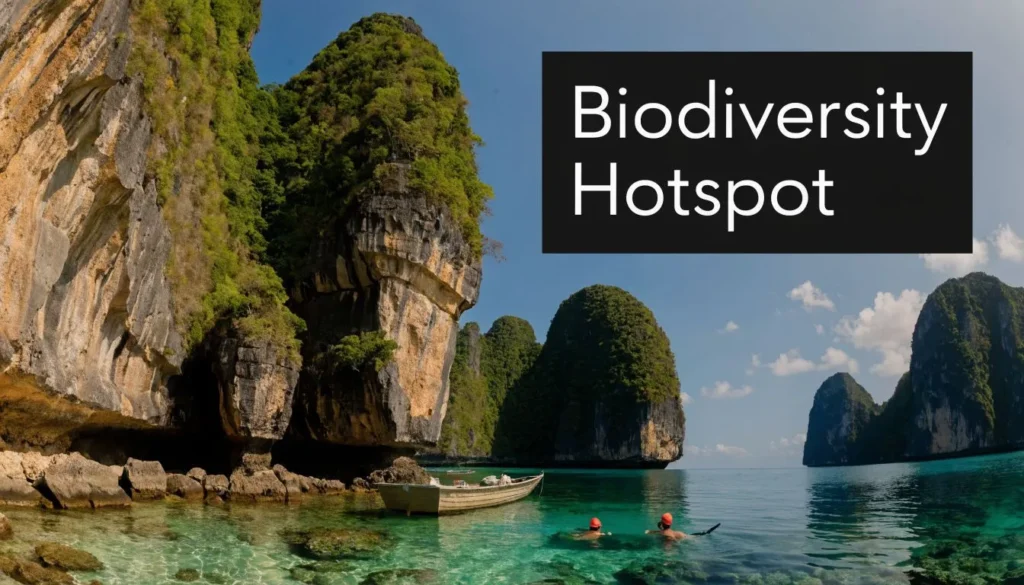
Raja Ampat stands out because the quality is spread across the trip rather than concentrated in one quick highlight. Cape Kri is known for busy reef life and current. Misool is prized for dramatic limestone scenery, clear water, and protected marine areas. Between those headline names, smaller coves and mangrove-fringed shallows often produce the kind of relaxed, high-value snorkels that make a longer itinerary worth the effort.
That variety is a significant advantage. One day can be fish-heavy and current-aware. The next can focus on calm water, coral gardens, and easier entries for a mixed-skill group.
Mini guide for planning
- What you’ll see: Dense reef fish, healthy coral sections, reef slopes, limestone-backed bays, and in the right conditions, larger pelagic life passing through deeper channels.
- Best timing: Plan around the drier season and give yourself enough days to adjust for wind, sea state, and transfer delays. Early outings usually offer the easiest surface conditions.
- Skill level: Intermediate snorkelers get the most from Raja Ampat. Capable beginners can still enjoy it if the itinerary includes sheltered sites and a guide who is willing to skip exposed entries.
- Safety tip: Ask each operator which stops are current-sensitive and which are true beginner sites. In Raja Ampat, those are not interchangeable, and the answer tells you a lot about how carefully the day is being run.
- Conservation tip: Use reef-safe sun protection, keep a long buffer from coral heads, and follow local no-take and no-anchor rules without exception. Good operators already build their route around those limits.
- Sample itinerary: Give Raja Ampat at least four to six nights. Base in the Dampier Strait area if you want easier logistics and a mix of well-known sites. Choose Misool if you are willing to spend more time and money for a more remote trip. Keep one flex day open so bad weather does not ruin your best snorkel window.
Best use of your time
Raja Ampat is strongest as a multi-day snorkeling trip with a clear pace. Do one acclimation day in a sheltered area, one or two days on signature sites, then finish with an easier lagoon or house reef session before your exit transfers. That plan usually produces a better trip than chasing maximum distance every day and arriving at the best sites tired.
6. Ras Muhammad, Egypt
If you like contrast underwater, Ras Muhammad is hard to beat. Coral gardens, reef walls, and open blue water all sit close enough together to keep a snorkel interesting even for travelers who’ve already done several major reef systems.
It also benefits from protected status and a long-standing reputation as one of the Red Sea’s signature marine areas. That combination tends to produce the kind of structured day trips that are easy to book and easy to understand.
How to approach the park
Don’t try to win Ras Muhammad in one giant, exhausting outing. Most travelers do better when they focus on one strong boat day with a couple of purposeful entries rather than trying to cram in every named stop.
Jackfish Alley and Yolanda Reef are well-known names for a reason, but the actual quality of your day depends on sea state, your guide, and whether your group can enter and exit efficiently.
- What you’ll see: Coral gardens, schooling fish, reef walls, and classic Red Sea color.
- Best timing: Morning boat departures usually give the coolest and simplest conditions.
- Skill level: Beginner to advanced, depending on entry style and where the guide keeps the group.
- Safety tip: If you get boat sick, take medication before departure rather than after the ride starts.
- Conservation tip: Protected parks only stay good if visitors follow the brief. No touching coral, no standing on reef flats, no souvenir collecting.
- Sample itinerary: Base in Sharm el-Sheikh, book one full Ras Muhammad boat day, then leave the next day unstructured in case wind makes you want a land-based break.
Real trade-off
Ras Muhammad can feel less “secret” than some remote Pacific destinations. That doesn’t make it worse. It makes it easier to access, which for many travelers is exactly why it belongs among the best snorkeling spots in the world.
7. Klein Bonaire, Caribbean
Klein Bonaire earns its place on this list because it makes repeat snorkeling easy, and repeat time in the water is how many travelers get their best reef days. Short transfers, clear water, and approachable entries let you spend more time snorkeling and less time managing logistics.
That practical advantage matters. A shore-access perspective in this shore-access-focused guide highlights how much easier good snorkeling becomes when you can enter the water without a long boat run or a complicated plan. Klein Bonaire fits that model well, especially for travelers who want several solid sessions instead of one big outing.
Why it works so well
Klein Bonaire is strongest for travelers who value consistency over spectacle. You come here for healthy reef structure, clear Caribbean visibility, and the freedom to snorkel in shorter, smarter sessions.
That changes the trip rhythm. Instead of committing the whole day to one fixed excursion, you can plan around wind, energy, and sun exposure. Families benefit from that flexibility. So do underwater photographers and newer snorkelers who usually improve after the first entry, once they have the current and visibility figured out.
I rate Klein Bonaire highly for one simple reason. It wastes very little effort.
Mini guide for planning
- What you’ll see: Shallow reef sections, clear sandy patches, reef fish, and the kind of calm-looking terrain that suits long surface swims.
- Best timing: Go early, before breeze and boat traffic build and before midday sun leaves people tired and dehydrated.
- Skill level: Beginner to advanced, depending on entry point, current, and how far from shore you plan to range.
- Safety tip: Bring water, sun protection, and snacks from Bonaire. Once you are focused on snorkeling, a lack of shade and supplies becomes a real problem fast.
- Conservation tip: Stay off coral, keep fins high in shallow areas, and follow marine park rules closely. Easy-access reefs get damaged first when visitors get careless.
- Sample itinerary: Base on Bonaire, take an early boat over, snorkel one main session in the morning, rest in shade during the harsher sun, then decide on a shorter second session only if wind and energy levels still look good.
Real trade-off
Klein Bonaire does not deliver the same dramatic, remote feel as some Pacific sites on this list. It delivers something many trips need more. Reliable, low-friction snorkeling that is easy to fit into a real vacation schedule.
8. Gili Islands’ Turtle Point, Indonesia
The Gili Islands are proof that a great snorkeling trip doesn’t have to feel remote or expeditionary. You can sleep steps from the beach, walk to dinner barefoot, and still have a strong chance of seeing turtles on a morning snorkel.
That ease is the draw. Turtle Point and the nearby house reefs work best for travelers who want frequent water time without living by a boat timetable.
Best strategy on the Gilis
Go early. The best turtle encounters usually come when the water is calmer and there are fewer people kicking around at the surface. Gili Trawangan, Gili Air, and Gili Meno all have snorkel options, but the right island depends on your tolerance for crowds and nightlife.
If you’re traveling with mixed abilities, the Gilis are one of the easier destinations to keep everyone happy. Stronger swimmers can stretch farther along reef edges. Beginners can stay closer to shore or use a local guide and flotation support.
- What you’ll see: Sea turtles, reef fish, and shallow coral areas around accessible island reefs.
- Best timing: Early morning is usually the cleanest and least chaotic window.
- Skill level: Beginner to intermediate.
- Safety tip: Keep a clear, respectful distance from turtles and never block their path to the surface.
- Conservation tip: Don’t let a guide or boat crew crowd wildlife for photos. If they do, that’s the wrong operator.
- Sample itinerary: Stay beachfront on Gili Air or Gili Meno for quieter mornings, do a dawn-adjacent turtle session after sunrise, then add an island-hop snorkel later only if sea conditions stay manageable.
9. Cozumel’s Palancar Reef, Mexico
Cozumel is one of the easiest places in the Caribbean to turn a normal beach vacation into a serious snorkel trip. Palancar Reef is the obvious centerpiece. It’s visually rich, widely served by operators, and protected within Cozumel Reefs National Marine Park.
The practical strength here is consistency. Not perfection every day, but a dependable structure for planning. You can base yourself comfortably, choose from many established operators, and get to the water fast.
What Palancar does well
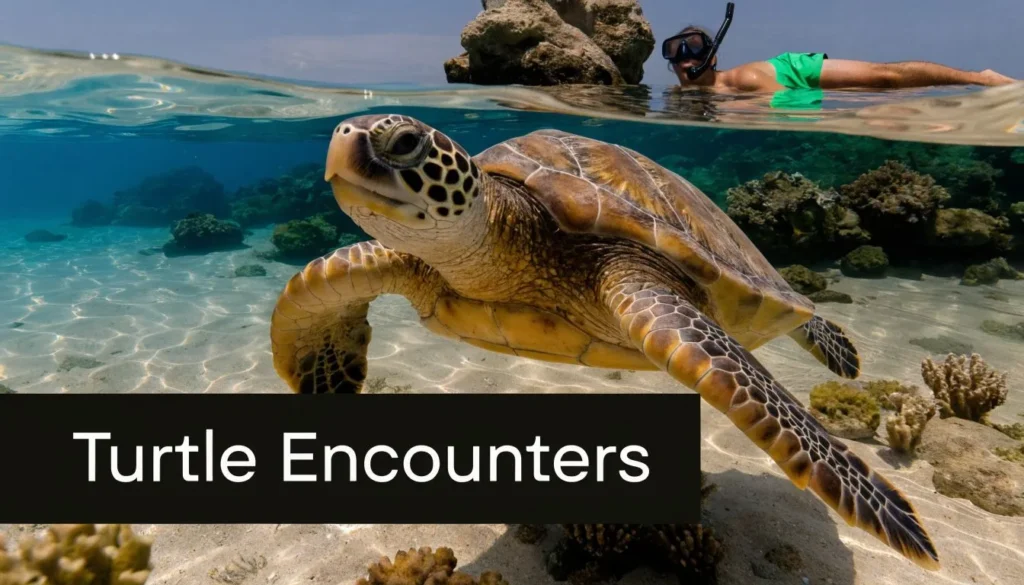
Palancar works best when you choose the morning and keep your expectations specific. This is a good place for coral formations, clear-water snorkeling, and a polished half-day or full-day reef outing. It’s less about remote solitude and more about easy access to a quality reef system.
Money Bar and adjacent reefs can also help if you want to mix boat and shore-style sessions during the same trip.
Mini plan
- What you’ll see: Coral formations, reef fish, and the clean Caribbean visibility that made Cozumel famous.
- Best timing: Morning departures.
- Skill level: Beginner to intermediate, depending on current and operator style.
- Safety tip: Wear a rash guard and hydrate aggressively. Boat breeze hides how much sun you’re taking on.
- Conservation tip: Use established local operators who brief fin control and spacing instead of pushing fast group churn.
- Sample itinerary: Stay near easy departure points, book Palancar for one morning, then leave your next day flexible for weather or a lighter shore-based snorkel.
10. Similan Islands, Thailand
The Similan Islands are a strong fit for travelers who want a Thailand trip with a more marine-focused center of gravity. Granite boulders, reef gardens, and open Andaman Sea scenery give the area a different feel from many coral-heavy destinations on this list.
These islands are best treated as a boat-based experience first and a casual beach day second. If you accept that, they can be excellent. If you hate transfers and sea motion, they can wear you down quickly.
Conditions matter more than hype
The best outcome here usually comes from booking a reputable operator and letting that operator choose the order of sites based on daily conditions. Reef 5 and Reef 8 are the names travelers know, but your real experience depends on swell, visibility, and group pace.
If you’re prone to nausea, this is the destination where pre-trip prep pays off most. Don’t wait to see if you’ll be fine.
- What you’ll see: Boulder-framed reefs, colorful coral zones, and broad Andaman Sea snorkel scenery.
- Best timing: The established travel season is the easiest period for cleaner conditions and smoother boat planning.
- Skill level: Beginner to intermediate with guidance.
- Safety tip: Bring anti-fog and backup mask straps. Small comfort failures ruin long boat days.
- Conservation tip: Follow park rules closely and avoid treating every landing like a beach free-for-all.
- Sample itinerary: Use a sunrise departure or quality liveaboard if you want to maximize in-water time. For most travelers, one strong Similan day is better than stacking multiple long-transfer days.
Top 10 Snorkeling Spots Comparison
A strong snorkeling pick is not just about reef quality. Access, current, transfer time, and how much margin for error you have in the water matter just as much. Use this table to match the site to the trip you want to take.
| Site | Access / Difficulty | Resources Required | Expected Outcomes | Ideal Use Cases | Key Advantages |
|---|---|---|---|---|---|
| Great Barrier Reef, Australia | Beginner to advanced. Many entry points, boats for outer reefs | High. International travel, boat tours, guided operators | Wide species variety, clear water in good conditions, varied reef types | Eco-education, mixed-skill groups, coral garden exploration | Vast species diversity, strong conservation programs, established infrastructure |
| Blue Corner, Palau | Advanced. Strong currents, narrow safe windows | High. Remote travel, guided tours, safety gear | Pelagic encounters, very clear water, fast-moving reef action | Advanced big-fish snorkeling, remote ecosystem trips | Healthy reef system, excellent visibility, large schooling fish |
| Belize Barrier Reef, Belize | Beginner to intermediate. Shorter boat rides from some bases, atolls are more boat-dependent | Moderate. Regional flights, boat trips, local guides | Good marine life, visibility that changes by weather and site, atoll diversity | Value-focused trips, atoll and mangrove combinations, family snorkeling | Less crowding in many areas, manageable logistics, varied reef environments |
| Banana Reef, Maldives | Beginner to intermediate. Protected shallow reef, short boat ride | Moderate. Flights to Malé, day-trip operators, resort options | Colorful coral gardens, clear water, forgiving depths | Beginners, families, short trips based near Malé | Easy access, reliable conditions, close to the airport |
| Raja Ampat, Indonesia | Intermediate to advanced. Remote, with current at many sites | High. Long travel, liveaboard or island hopping, medical prep | Extremely rich marine life, healthy reefs, regular large-animal sightings in season | Biodiversity-focused trips, remote adventure, multi-day exploration | Exceptional species diversity, low development, striking island scenery |
| Ras Muhammad, Red Sea, Egypt | Beginner to intermediate. Mostly boat access, some steep reef edges | Low to moderate. Regional flights, park fees, guided tours | Dramatic reef structure, clear water, dense fish life | Resort day trips, reef wall photography, budget-conscious snorkeling | Strong value, organized access, memorable underwater topography |
| Klein Bonaire, Bonaire (Caribbean) | Beginner to intermediate. Easy entries, shallow reefs | Low to moderate. Ferry or boat from main island, marine park permit | Healthy shallow reefs, calm water, frequent turtle sightings | Families, repeat sessions, conservation-minded trips | Easy reef access, well-managed marine park, dependable conditions |
| Gili Islands, Turtle Point, Indonesia | Beginner to intermediate. Shore access, generally calm water | Low. Short ferry or boat, budget stays | Regular turtle encounters, colorful reef patches, visibility that shifts with traffic and weather | Beginner turtle trips, budget island hopping | Good chance of turtles, walkable access, relaxed island base |
| Palancar Reef, Cozumel, Mexico | Beginner to intermediate. Boat access, varying depths and current | Moderate. Flights, boat tours, park fees | Very clear water, large coral formations, abundant fish | Clear-water snorkeling, split snorkel and dive groups | Consistent visibility, protected area, varied reef structure |
| Similan Islands (Reef 5 & 8), Thailand | Beginner to intermediate. Seasonal access, boat or liveaboard | Moderate. Day trips or liveaboards, subject to closures | Granite boulder scenery, solid fish life, good visibility in season | Liveaboard routes, multi-stop trips, travelers who want geology as much as coral | Distinctive underwater terrain, good liveaboard value, lower crowding than some headline sites |
No site wins on every criterion. The Great Barrier Reef and Raja Ampat are stronger for trip length and species range. Klein Bonaire and the Gilis are easier for repeat water time without long transfers. Blue Corner offers a bigger payoff for experienced snorkelers, but it has the narrowest safety margin on this list.
Plan Your Underwater Expedition
The best snorkeling trip is the one that fits your water confidence, budget, and tolerance for transfers. A famous reef can disappoint if you arrive in the wrong month, book the wrong side of the island, or choose a site with current you are not ready to handle. A less famous stop can deliver a stronger day if entry is easy, visibility is good, and you can spend more time in the water than in transit.
That is the underlying pattern across this list. Marine protection helps. So does local guide quality. Reef health, weather exposure, and crowd management often matter just as much as name recognition. The strongest choices here are not interchangeable. Great Barrier Reef and Raja Ampat suit travelers willing to commit time and money for range and scale. Klein Bonaire and the Gili Islands work better for frequent, low-stress sessions. Blue Corner offers a bigger payoff, but only for snorkelers who are comfortable judging conditions and backing off when current builds.
Start with timing. Morning trips usually give you the cleanest visibility and the calmest surface, especially at boat-access reefs. Shoulder season can be the sweet spot if your goal is good water with fewer boats, but it comes with a trade-off. Wind patterns and local rain can shift quickly, and some destinations have short windows when conditions are reliably at their best. Before booking, ask one direct question: what are the usual water conditions at this exact site during the dates I will be there?
Then match the site to your actual skill level.
If you are a newer snorkeler, prioritize protected water, simple entries, and operators that brief clearly and keep group sizes under control. Turtle Point, Klein Bonaire, and selected Cozumel outings are usually easier starting points than current-heavy sites such as Blue Corner. If you are strong in open water, comfortable with fins, and calm around boat pickups, your options widen, but there is still no prize for forcing a difficult day.
Logistics shape the trip more than many travelers expect. Long boat rides cut into water time and can turn a half-day outing into a tiring full-day commitment. That matters at remote destinations such as Raja Ampat and parts of the Great Barrier Reef, where distance is part of the appeal. It also matters on multi-stop tours, where one weak stop can dilute an otherwise excellent day. I usually favor fewer stops and longer in-water time over ambitious schedules that leave everyone rushed.
Keep your conservation habits simple and strict. Do not stand on coral. Do not chase turtles for a closer photo. Keep your fins and knees clear of the reef at entries and exits, which is where accidental damage happens most often. Reef-safe behavior is not abstract trip ethics. It protects the exact wildlife and coral condition you paid to see.
A practical plan works better than an overloaded one. Pick one primary destination from this list, one backup day for weather, and one easy recovery day if your itinerary includes long boat runs. Travelers who build in that margin usually get better water, better energy, and better judgment once they are in it.
maxijournal.com publishes approachable, wide-ranging writing for curious readers who like to learn something useful fast. If you enjoy practical travel guides like this one and want more commentary across tourism, science, technology, health, sports, arts, entertainment, education, business, pets, fashion, and games, explore maxijournal.com. If you’re a writer or guest contributor looking for an independent web magazine with broad interests and a daily publishing rhythm, it’s also a place worth following.
Discover more from Maxi Journal
Subscribe to get the latest posts sent to your email.