You’re probably here because your hair looks fine for about ten minutes, then starts doing its own thing. Maybe it frizzes at the crown, falls flat through the lengths, loses curl definition by noon, or feels soft but shapeless. That’s usually when people start searching for the best hair cream and end up with a list of products that all promise moisture, shine, control, and definition at the same time.
That’s the wrong way to shop.
Hair cream isn’t one single thing. Some creams smooth. Some define curls. Some act more like a soft styler with light hold and separation. The right one depends less on hype and more on what your hair is doing, what result you want, and how much weight your texture can handle.
A cream that makes coarse waves look polished can make fine straight hair collapse. A curl cream that gives coils beautiful definition can leave loose waves stringy if you use too much. And a lightweight grooming cream that works well for short men’s styles won’t replace a moisture-focused leave-in for dry, porous hair.
What Hair Cream Is and Why You Might Need It
Many individuals reach for hair cream when their hair is caught in the middle. It’s not dry enough for a mask, not stiff enough to need gel, and not short enough to style with a heavy wax. It just won’t sit right. That’s where cream earns its place.
A hair cream usually sits between care and styling. It adds slip, softness, and control without the hard cast of gel or the stiffness of stronger hold products. On some hair types it acts like a finishing product. On others, it’s a prep step layered under something else.
What it usually does well
Hair cream tends to help with a few very specific problems:
- Frizz that appears after drying: A smoothing cream can coat the surface lightly so the cuticle lies flatter.
- Hair that feels soft but looks undefined: A curl cream can encourage clumping and shape.
- Short or medium styles that need control without crunch: A grooming cream can add separation and reworkable hold.
- Ends that puff out or look rough: A cream can add moisture and make the finish look more intentional.
Practical rule: If you want your hair to feel touchable and look natural, cream is usually the first styling category to test.
Why this category matters
Hair creams sit inside a much larger styling market. The broader hair styling products market was valued at US$24.83 billion in 2024 and is projected to reach US$41.22 billion by 2034, with a 5.2% CAGR according to Fact.MR market figures referenced here. That matters because creams aren’t a niche side product. They’re part of a big, active category where consumers keep buying products that solve everyday styling problems.
The mistake I see most often is buying by brand reputation alone. A famous product can still be wrong for your texture. The better question isn’t “What’s the best hair cream?” It’s “Do I need smoothing, defining, or texturizing?”
Decoding Hair Cream Ingredients and Types
If you turn a bottle around and read the label, the ingredient list usually tells you what the cream is trying to do. You don’t need to memorize chemistry. You just need to spot the formula’s main job.
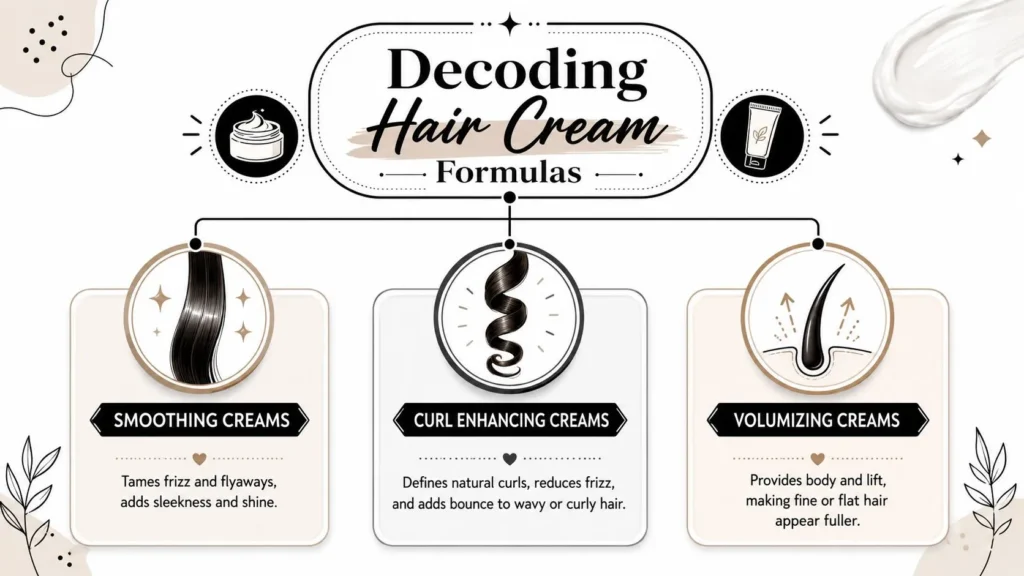
Smoothing creams
These are built for frizz control, softness, and polish. In beauty coverage, smoothing and leave-in style creams are usually positioned as products that add moisture and help the hair lie flatter. Marie Claire’s roundup distinguishes these from curl-focused products, highlighting options such as Hershesons Almost Everything Cream and ARKIVE The Good Calmer for frizz smoothing and moisture in its best hair creams guide.
Look for formulas centered on:
- Humectants like glycerin, which pull in water
- Emollients that soften the hair surface
- Light oils or butters that reduce roughness
- Conditioning agents that improve slip
These work best when your hair’s main issue is puffiness, flyaways, dryness, or a lack of smooth shape.
Curl-defining creams
Curl creams need to do two jobs at once. They have to moisturize, and they also have to help curls hold together in a defined pattern. That’s why curl creams often feel richer than smoothing creams.
They’re a better fit when your hair forms waves, curls, or coils and you want:
- less halo frizz
- better curl grouping
- more bounce
- softness without a crunchy finish
Some people confuse curl cream with leave-in conditioner. They overlap, but curl cream is usually more styling-oriented. If your curls go limp after air-drying, a true curl cream often performs better than a basic conditioner-style product.
Texturizing and grooming creams
This is the part many shoppers miss. Some creams are less about moisture and more about light hold, separation, and pliability. In men’s styling especially, cream can mean anything from a soft grooming cream to a firmer cream pomade. If you’re also comparing repair-oriented treatments, it helps to understand how styling products differ from bond-building or smoothing services such as a keratin treatment guide.
These styling creams often include:
- light hold polymers
- waxes in smaller amounts
- matte to natural-finish agents
- ingredients that improve reworkability
A good cream shouldn’t fight your haircut. It should help the shape show up with less effort.
How to read the formula fast
When I’m checking a product, I usually ask three questions:
Does it lean moisturizing or styling?
A cream heavy on softening ingredients acts differently from one built around hold.Will it sit lightly or heavily?
Fine hair usually needs a cleaner, lighter texture. Thick or coarse hair can often handle richer formulas.Does my result require shape or just control?
If you only want frizz reduction, don’t buy a stronger cream than you need.
That simple filter saves more bad purchases than chasing trend lists.
How to Choose a Cream for Your Hair Type
The fastest way to choose the best hair cream is to stop thinking about categories on the shelf and start looking at your hair in the mirror. Texture matters. Density matters. So does the finish you want when the hair is dry.
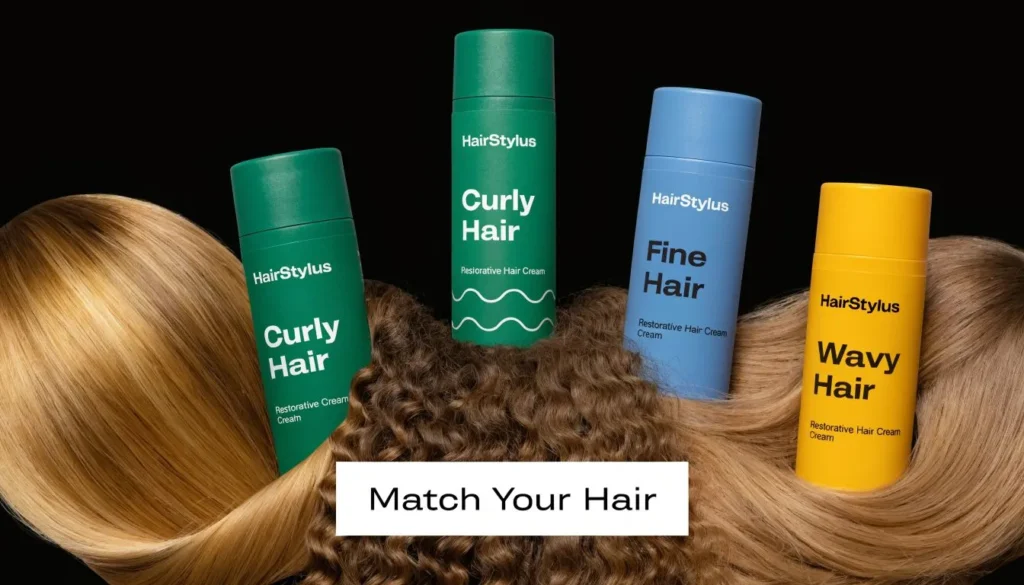
Big brands often dominate attention because consumers already know them. In U.S. brand ratings, Head & Shoulders reached 96% popularity, Herbal Essences 85%, and Pantene 85% in figures cited by Amra & Elma’s hair marketing statistics roundup. Recognition helps products get picked up, but it doesn’t tell you whether a cream suits your hair.
Fine and straight hair
Fine hair usually struggles with two things. It gets weighed down fast, and it can look greasy before it looks nourished. For this hair type, the best cream is often the one that feels almost too light in your hand.
Choose a cream that gives:
- soft control
- a natural finish
- light separation
- minimal residue
Avoid rich curl creams and dense butters unless you’re only using a trace amount on the ends. If your hair tangles easily or feels static, use cream sparingly and keep it away from the roots. A good partner product for this hair type is often a lightweight conditioner, especially if your routine already lacks softness. A practical starting point is pairing your styler with a drugstore conditioner for daily moisture.
Wavy hair
Wavy hair is the most commonly mismatched with hair cream. Too light, and the wave expands into fluff. Too rich, and the pattern drops straight.
What usually works is a middle-weight cream that adds moisture and a little structure. You want enough slip to cut frizz, but not so much richness that the wave loses spring.
A useful check is to look at your hair after air-drying with no product. If it forms bends but separates into fuzzy sections, you need a cream with better grouping ability. If it already forms decent waves but puffs at the surface, a smoothing cream is often enough.
Here’s a useful visual reference before you decide how much hold your pattern needs:
Curly and coily hair
This hair type usually needs more from a cream. Definition alone isn’t enough. The cream also has to support moisture retention and reduce frizz across multiple days.
Look for richer curl creams if your hair tends to:
- shrink as it dries
- feel dry shortly after styling
- lose definition overnight
- turn fluffy instead of forming consistent clumps
If your curls are fine, be careful with overapplying. Fine curls still need hydration, but not necessarily the heaviest formula in the lineup.
The best cream for curls isn’t always the richest one. It’s the one that keeps the curl pattern together without coating it so heavily that it goes limp.
Thick and coarse hair
Richer creams often shine in these situations. Coarse hair usually tolerates more emollient weight and often looks better with products that add compression, softness, and control.
If your hair expands in humidity or feels rough through the mid-lengths, a denser smoothing cream or a richer defining cream can work well. This hair type often responds best when the product is distributed section by section instead of skimmed over the top.
Comparing the Top Hair Creams of 2026
The easiest way to compare hair creams is by function, not by marketing language. “Hydrating,” “repairing,” and “defining” get used on almost everything. What matters more is what the cream does once it dries.
Here’s a quick comparison first.
| Product Example | Primary Function | Best For Hair Type | Hold Level (1-5) | Finish |
|---|---|---|---|---|
| Hershesons Almost Everything Cream | Smoothing | Straight to wavy, frizz-prone hair | 1 | Natural |
| ARKIVE The Good Calmer Cushioning Moisture Cream | Smoothing | Dry, frizz-prone hair needing moisture | 1 | Natural |
| Moroccanoil Smoothing Lotion | Curl defining and smoothing | Wavy to curly hair needing hydration | 2 | Natural |
| Garnier Fructis Style Curl Sculpt Conditioning Cream Gel | Curl defining | Wavy, curly, and frizz-prone textured hair | 3 | Natural |
| Baxter of California Grooming Cream | Texturizing and soft control | Short to medium hair, natural styles | 2 | Natural |
| Baxter of California Cream Pomade | Texturizing with more shape | Men’s styles needing more polish and control | 3 | Low shine |
| Baxter of California Hard Cream Pomade | Stronger shape retention | Short styles needing firmer control | 4 | Low-to-medium shine |
Smoothing picks
Hershesons Almost Everything Cream works for the person who wants less fuss, less flyaway texture, and a softer finish. It’s the type of cream that suits air-dried or loosely styled hair where the goal is control without obvious product.
ARKIVE The Good Calmer Cushioning Moisture Cream makes more sense when your hair needs smoothing plus a more cushioned feel. If your hair looks rough or parched after blow-drying or diffusing, a moisture-leaning smoothing cream often outperforms a dry texturizer or light serum.
These products are strongest when your problem is surface behavior. They won’t create dramatic structure. They will help your hair sit better.
Curl-defining picks
Moroccanoil Smoothing Lotion is a good example of a cream that crosses categories. It smooths, but it’s also used for definition and hydration on textured hair. That makes it useful for loose curls and waves that need softness and shape at the same time.
Garnier Fructis Style Curl Sculpt Conditioning Cream Gel leans more styling-oriented because it blends cream and gel behavior. That often helps when a pure cream leaves curls too soft and undefined.
People often get the best hair cream search wrong. If your curls need hold support, a soft moisturizing cream may feel great and still give poor results by the afternoon. Definition needs some structure.
Texturizing and men’s styling picks
Men’s creams are often easiest to understand because they’re described in terms of hold versus pliability. Hair.com’s men’s cream guide separates products like Baxter of California Hard Cream Pomade from Baxter of California Grooming Cream and Cream Pomade, showing that cream can range from soft reworkable control to firmer shape retention in its men’s hair cream breakdown.
That difference matters:
- Baxter of California Grooming Cream fits softer styles, finger-combed shape, and natural movement.
- Baxter of California Cream Pomade gives a more polished result with added control.
- Baxter of California Hard Cream Pomade is better when the style has to hold its outline longer.
If your hair keeps falling out of shape, stop buying creams based only on moisture claims. Check whether the product has enough hold for your haircut.
How to use this comparison
Don’t read this table like a leaderboard. Read it like a matching system.
If your hair is straight and frizzy, start in the smoothing column. If it’s curly but dries undefined, start with curl-defining options. If your hair is short and you want shape you can still move with your hands, look at the grooming creams first.
The best hair cream is usually the one that solves your biggest failure point with the least product.
Application Tips for a Flawless Finish
A great cream applied badly still gives bad hair. Most disappointing results come from one of three mistakes: too much product, wrong timing, or poor distribution.
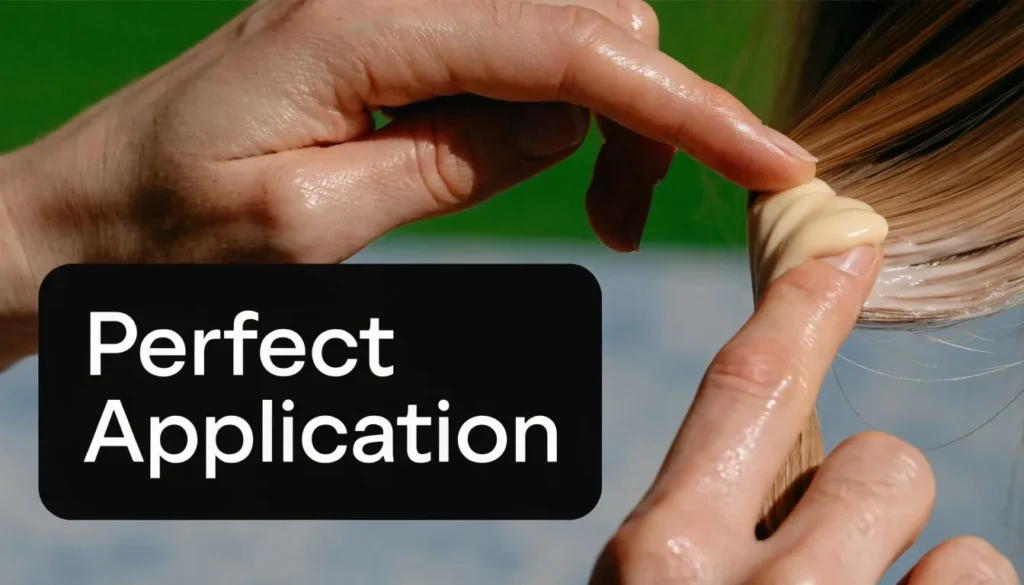
Apply based on the result you want
Use cream on damp hair when you want even distribution, softer control, and a more blended finish. This is usually the best approach for smoothing creams and curl creams.
Use cream on dry hair when you want targeted control. That works well for flyaways, piecey ends, or reshaping short styles without restarting the whole look.
Start with less than you think
Many individuals overapply. Cream spreads as it emulsifies between your hands, so the amount you need is usually smaller than it first appears.
A practical method:
- Rub the product between your palms first.
- Apply from mid-lengths to ends.
- Use whatever is left on your hands near the surface or hairline.
- Add more only if a section still feels untreated.
For fine hair, this order is especially important. For curls, sectioning the hair before application gives better definition than skimming product over the outside.
Match the technique to the style
Different finishes need different hand movements.
- For smoothing: Use your palms to glide product down the hair shaft.
- For waves and curls: Scrunch upward so the pattern forms in groups.
- For short styles: Rake through first, then pinch and twist sections into place.
- For flyaways only: Warm a tiny amount between fingertips and tap the surface lightly.
Apply cream where the problem lives. Don’t coat the whole head if only the ends or surface need help.
Know when cream isn’t enough
If your waves fall apart after drying, you may need a cream plus a light gel. If your coarse hair still feels dry, the problem may be your wash routine, not your styler. If your roots go flat, keep cream lower on the hair and build lift with another product category instead.
Good application should make the product feel almost invisible once dry. If your hair feels coated, sticky, or heavy, reduce the amount before you blame the formula.
Hair Cream Alternatives and When to Use Them
Sometimes the right answer isn’t hair cream at all. Cream is versatile, but it has a lane. If your goal sits outside that lane, another product will do the job better.
Choose gel when hold matters more than softness
Gel is the better option when you need stronger structure, longer wear, or a more defined cast before scrunching it out. That’s especially useful for curls that won’t hold shape with cream alone.
Choose mousse when volume is the priority
If your hair is fine, flat, or rootless, mousse usually gives more lift with less weight. Cream tends to work lower on the hair. Mousse works better when you want airiness and expansion.
Choose pomade or wax when you need stronger styling control
Short haircuts, slicked shapes, and styles with visible direction often need more grip than a cream can provide. A pomade or wax usually offers that grip, though often with a heavier or shinier finish depending on the formula.
Choose leave-in conditioner when the issue is care, not styling
If your hair tangles, feels rough, or needs moisture but not much shape, a leave-in may be enough. If you want added sealing or softness after that step, pairing it with a small amount of oil can help. For readers comparing finish products, argan hair oil options make more sense as a complement to cream than a direct replacement.
A simple check helps here. If you want natural control, choose cream. If you want firm hold, more volume, or deeper moisture support, look at the neighboring categories instead.
Frequently Asked Questions About Hair Creams
What’s the difference between a styling cream and a leave-in conditioner
A leave-in conditioner is mainly about care. It helps with moisture, detangling, softness, and slip. A styling cream does some of that too, but it’s built more around behavior once the hair dries.
If your hair feels dry but already holds its shape well, a leave-in may be enough. If it dries soft but messy, undefined, or frizzy, you probably need a styling cream.
Should high-porosity hair use cream by itself
Usually, no. High-porosity hair tends to lose moisture quickly, so cream often works better as one layer in a routine instead of the whole routine. Guidance on high-porosity care recommends layering with methods like LOC or LCO and using creams with oils or butters to improve moisture retention in this high-porosity hair guide.
That changes how you judge the best hair cream. For this hair type, the cream may be good and still underperform if you use it alone.
High-porosity hair often needs strategy more than a miracle product.
Should I choose a richer cream or a lighter cream if my hair is high-porosity but fine
Start lighter than you think, then seal selectively. Fine high-porosity hair needs moisture retention, but heavy creams can flatten the strand and make the hair look stringy.
A better approach is often:
- apply a water-based leave-in first
- use a small amount of cream through the mid-lengths
- add oil or butter only where the hair loses moisture fastest, often the ends
That gives you better control over weight.
How do I know if I need a protein-free or protein-rich cream
This depends on how your hair responds. Some ingredients commonly used in creams, such as hydrolyzed proteins, can help damaged or porous hair feel stronger and hold moisture better. But too much protein for your hair can leave it feeling stiff or brittle, while too little support can leave damaged hair limp and weak.
Use your hair’s behavior as the test:
- If it feels mushy, overly stretchy, or weak, some protein may help.
- If it feels hard, dry, or brittle, pull back and focus on moisture.
- If it alternates between both, your routine may be unbalanced rather than your cream being “bad.”
This is why the most nourishing-looking formula on the shelf isn’t automatically the right one. Your hair doesn’t need the richest label. It needs the right balance.
If you like practical beauty and health guides written in plain language, browse more everyday explainers on maxijournal.com. It publishes approachable articles across fashion, health, science, technology, and other topics for readers who want useful answers without the fluff.
Discover more from Maxi Journal
Subscribe to get the latest posts sent to your email.