As the crisp air of autumn rolls in, there’s a natural pull to embrace warmer, richer tones. Hair usually feels like the easiest place to make that seasonal shift. You don’t need a total reinvention. You need a color that looks intentional in daylight, flattering in indoor lighting, and realistic for your schedule once the salon appointment is over.
That’s where autumn hair color gets interesting in 2026. The best looks aren’t flat, one-note shades. They’re layered. They use warmth carefully. They build shine on purpose. And they balance impact with maintenance, so you’re not in the salon every other week trying to rescue faded red or stripey highlights.
A lot of people come in with the same problem. They’ve saved a few photos, but they can’t tell the difference between copper and auburn, chestnut and chocolate, honey blonde and caramel blonde. Or they love a trend online and don’t realize the result depends just as much on technique as the shade name. The right autumn color isn’t just about picking a pretty swatch. It’s about placement, root strategy, undertone control, and knowing what your hair will do after the first few washes.
This guide gets straight to the looks people keep asking for and the details that usually get skipped. For each trend, you’ll find what makes it work, who it tends to flatter, what to ask your stylist for, and what kind of upkeep the color really demands. If you want hair that feels seasonal without looking costume-like, start here.
1. Rich Burgundy and Wine Tones
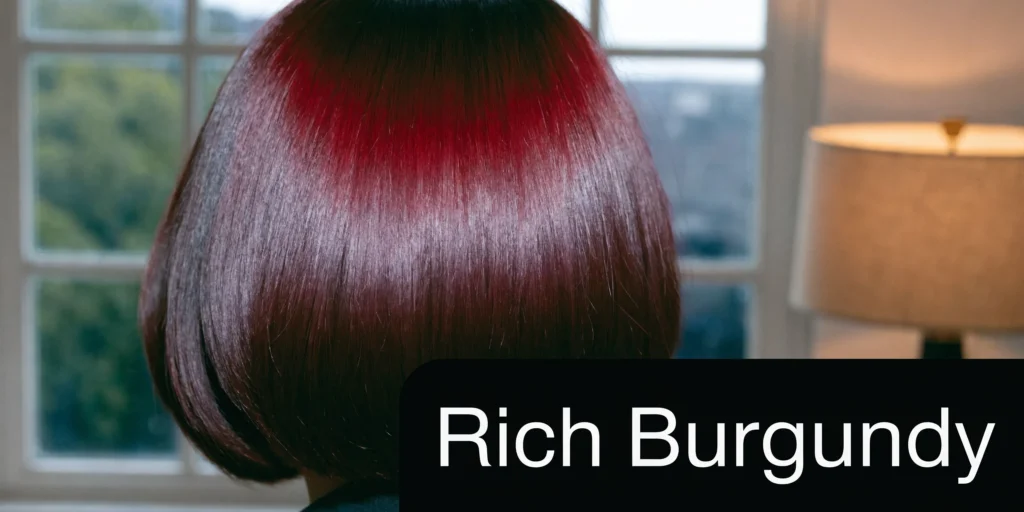
A client walks in after summer wanting darker hair, but not plain brunette. Burgundy is usually the answer when they want depth, shine, and a visible seasonal shift without the brightness of copper or the flatness of a one-process dark brown. The best versions sit between red and brunette, with enough richness to catch indoor light and enough brown in the formula to stay wearable for everyday life.
Cherry cola, black cherry, oxblood, plum brunette, and dark mahogany all fall into this family. The photo matters less than the undertone. A cooler violet-red reads more dramatic. A brown-red or mahogany version feels softer and usually grows out better on natural brunettes.
What to ask for in the salon
Start with your current color history, not the inspiration photo. On brunette hair, a demi-permanent burgundy gloss or gloss-plus-base adjustment is often the smartest first appointment. You get tone and shine without committing to a harsh regrowth line. On very light blondes, I usually pre-fill with warmth before applying the final burgundy formula, because pale hair can grab red in a way that turns sheer, pink, or overly violet.
Placement also changes the result. An all-over burgundy reads polished and higher maintenance. A wine brunette with darker roots or lowlight depth looks more natural after a few weeks and often suits first-time red clients better.
Use reference photos carefully. A sleek bob and a loose, dimensional wave can show the same shade family but require different formulation and different placement. If you want your hair color to work with your wardrobe too, it helps to compare it with autumn color dressing ideas so the overall palette feels intentional.
Salon wording that helps: Ask for brown-red, violet-red, or black cherry specifically. “Burgundy” alone is too broad for predictable results.
Maintenance and trade-offs
Burgundy gives excellent shine, but it asks for upkeep. Red molecules fade faster than many brunette pigments, especially on porous hair, so the tone can lose richness before the hair appears grown out. That is the trade-off. You get impact early, but you need a maintenance plan if you want the color to stay expensive-looking.
A practical schedule usually looks like this:
- Gloss refresh every 4 to 6 weeks: Best for keeping the tone reflective and even.
- Root touch-up every 6 to 8 weeks: Needed if you go darker at the base or cover gray.
- Cooler washes at home: Hot water strips red tones quickly.
- Color-safe care for red hair: This helps hold warmth and shine between appointments.
- UV and chlorine protection: Both can pull burgundy dull or brassy faster than clients expect.
One more trade-off matters. Too much violet can push this shade out of autumn territory and into a cooler, wine-purple finish that looks harsher against warm or neutral skin. If your goal is seasonal richness, ask your stylist to keep some brown or mahogany in the formula so the result stays grounded and flattering.
2. Copper and Burnt Orange Balayage
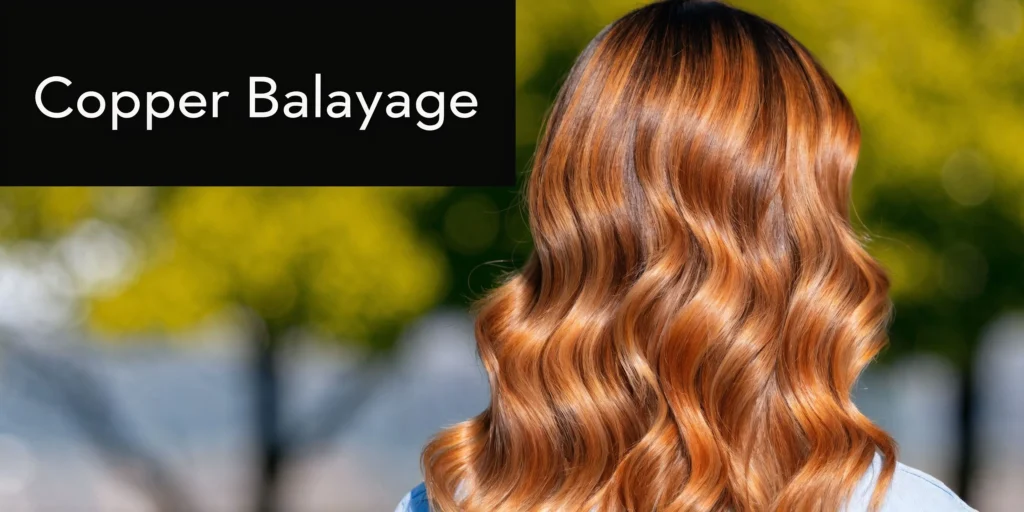
Copper balayage is one of the strongest autumn hair color choices if you want movement, brightness, and a softer grow-out. It’s warmer than standard brunette highlighting and more forgiving than a full all-over copper.
Start with the technique, because that’s what makes this trend practical.
In projected fall 2025 salon demand, balayage bookings for autumn-inspired shades rose by 35 to 40% compared with traditional foils, and touch-up intervals stretched to 12 to 16 weeks versus 6 to 8 weeks for all-over color, according to PR at Partners’ fall 2025 color forecast. That’s exactly why hand-painted copper works so well for busy clients. You get warmth without a hard regrowth line.
How the best versions are built
The strongest copper balayage isn’t a block of orange on brown hair. It’s a mix of bronze, cinnamon, burnt apricot, and lighter copper pieces placed where light naturally hits. Usually that means around the face, through the mid-lengths, and on the outer layers.
If your base is dark, ask for a copper brunette balayage rather than a bright copper makeover. It keeps the look believable and helps the warm ribbons show up as dimension instead of contrast stripes.
What to tell your stylist:
- Mention softness at the root: Say you want a lived-in root with brightness focused away from the scalp.
- Ask for tonal variation: Copper plus bronze usually looks more natural than a single fiery shade.
- Be clear on boldness: “Autumn leaf warmth” and “burnt orange statement color” are not the same service.
What maintenance really looks like
Copper tones are beautiful but they can swing brassy if the underlying lift is too yellow. Deep conditioning helps, but so does realistic placement. If too much of the head is pre-lightened, the color often loses that expensive, grounded feel.
Here’s a useful visual reference before your appointment:
Use heat protection every time you style. Add a toning routine only if your stylist recommends it for your formula. People often reach for the wrong at-home pigment and accidentally mute the copper they paid for.
Copper balayage looks best when the base still reads natural. Too much lift turns autumn warmth into summer blonde with orange toner.
3. Chestnut Brown with Caramel Ribbons
You leave the salon with brunette hair that still looks like you, just richer, brighter, and far less flat under indoor lighting. That is the appeal of chestnut brown with caramel ribbons. It reads polished at work, soft in daylight, and expensive in photos without locking you into high-maintenance blonde appointments.
This is a strong choice for clients who have lived in one-tone medium brown for years and want visible change without a full color identity shift. Chestnut gives the base warmth and depth. Caramel adds movement where the eye naturally catches it, especially on the top layers, around the hairline, and through the ends.
Why this color works so well in fall
Brunettes usually ask for more dimension once summer brightness fades and heavier fall clothing comes back into the picture. Chestnut with caramel solves that problem cleanly. The result has contrast, but the contrast stays controlled.
Placement decides whether this color looks refined or stripey. I look for fine to medium ribbons, a soft weave, and enough untouched brunette between highlights so the base still leads. If every section is lightened, the result stops reading as chestnut and starts drifting toward generic highlighted brown.
Face shape and haircut matter here too. On longer layers, caramel can sit a little lower for a subtle result. On bobs or lobs, brighter placement near the front usually helps because there is less length to show dimension.
How to ask for a polished result
Be specific with your stylist. Ask for a chestnut brunette base and caramel ribbons one to two levels lighter, concentrated on the surface, ends, and face frame rather than packed throughout the whole head. That wording usually gets a much better result than asking for “some highlights.”
A few guardrails help:
- Ask for ribbon placement, not heavy chunks: You want brightness that bends with the haircut.
- Keep the base warm-neutral: Chestnut looks rich with a soft warm cast. If it goes too cool, caramel can look disconnected.
- Discuss how bright you want the front: A subtle face frame and a money piece are very different maintenance plans.
- Use a gloss if you are testing warmth: It lets you shift the brunette richer before committing to more lightness.
Bring two reference photos if possible. One should show the level of brightness you like. The other should show the amount of contrast you like. Clients often mean one thing and show another.
Maintenance that keeps it refined
This shade usually grows out well because the base stays brunette, but the lighter ribbons still need care. Dryness shows first on caramel pieces, especially if they were lifted from a naturally dark base. Once those ends get rough, the whole color loses shine.
Plan on glossing every 6 to 8 weeks if you want the caramel to stay creamy instead of turning sandy. Highlight touch-ups can often stretch longer than that, depending on placement. Sulfate-free shampoo helps. Heat protection matters even more. Repeated hot-tool use fades the tonal richness and makes the lighter sections look dull faster than the chestnut base.
Skip aggressive blue or ash toning products unless your stylist tells you otherwise. They can flatten the warmth that makes this color feel seasonal and expensive.
The best version of this look stays brunette first, with caramel used for light, shape, and shine.
4. Golden Honey Blonde with Dimensional Lowlights
You come in after summer still liking your blonde, but the bright, flat ends suddenly look out of place next to fall clothes, deeper makeup, and less sun. Golden honey blonde with lowlights solves that problem without forcing a full brunette shift. It keeps the face bright, then adds enough depth through the mids and underneath so the color reads polished instead of beachy.
This shade works best when the blonde is warm on purpose. Honey should look glossy, golden, and soft. The lowlights are what make it believable for autumn. They break up solid blonde, add movement, and keep the overall result from turning pale yellow a few weeks after the appointment.
The expensive-looking version is rarely a one-step service. In the salon, this often means a mix of selective brightening, lowlight placement, and a final gloss to pull everything into the same tonal family. If the placement is too even, the color can look striped. If the lowlights are too dark, the blonde loses its lift and starts reading muddy.
What to ask for in the consultation
Be specific about two things. First, tell your stylist you want a honey blonde that stays warm, not beige and not icy. Second, ask for dimensional lowlights placed through the interior and underneath, with lighter brightness left around the hairline and crown.
Good reference photos matter here, especially if you are comparing warm and cool hair color directions. Bring one photo that shows the tone you like, buttery honey versus deeper amber blonde, and one that shows how much contrast you want between the blonde and the lowlights.
Useful phrasing in the chair:
- Ask for soft gold, not brass: Warmth should look refined, not loud.
- Request depth underneath: Interior lowlights keep the top layer from looking flat.
- Mention brightness placement: A brighter face frame gives this look its lift.
- Ask how dark the lowlights will be: Soft toffee and caramel keep the result blended better than anything too brown.
Maintenance that keeps honey blonde expensive-looking
This color usually ages well if the lowlights are placed correctly, but the tone still needs supervision. Honey can drift too yellow with mineral buildup and heat. It can also lose its softness if purple shampoo is used too often. I usually tell clients to tone only as needed, not on autopilot.
Gloss appointments every 6 to 8 weeks keep the gold controlled and the lowlights rich. Heat protection is a must because dry blonde ends go rough fast, and rough ends reflect less light. That is why honey blonde can start looking dull even when the color formula itself is still good.
This is a smart choice for blondes who want an autumn update with a gentler grow-out line. The lowlights create natural contrast, so new growth looks more intentional and less stark than an all-over bright blonde.
5. Auburn Red with Shadow Roots
Auburn with shadow roots is the smart version of red hair. You still get warmth, glow, and drama, but you avoid the harsh root line that makes classic all-over red feel high maintenance from week two onward.
This works especially well on natural brunettes. The darker root gives the red a place to sit, and the overall result feels richer. It also helps the color blend more naturally as it grows.
Why shadow roots change the whole service
The big advantage is visual softness. A deeper root melts into the auburn lengths, so the scalp area doesn’t announce regrowth immediately. That means the look stays polished longer even as the color evolves.
For people exploring hair color ideas across warm and cool families, this one lands right in the sweet spot between expressive and wearable. It’s bold, but it still has enough depth to fit into an autumn palette without feeling neon.
Auburn itself can lean cinnamon, copper-brown, or deeper red-brown. Your starting base matters. Very dark hair may need pre-lightening for the red to show clearly. Already-lightened hair may need added depth at the root so the end result doesn’t look too flat or too bright.
What to say in the consultation
Be direct about the root. Ask for a shadow root or root melt that stays deeper than the mids and ends. If you only say “lived-in red,” the result can mean different things to different colorists.
Bring photos that show:
- The depth at the scalp
- The brightness through the mid-lengths
- Whether you want copper-red or brown-red
Where people go wrong
The main mistake is choosing an auburn that fights the skin instead of supporting it. If the red is too orange for your undertone, the whole look can feel harsh. If it’s too dark, the warmth disappears indoors.
Color-safe care is essential. Red shades fade fast when the hair is dry or overwashed. Sun protection matters too. So does heat protection. If you’re going to style this often, your home care matters almost as much as the initial formula.
A strong shadow root should look deliberate, not like missed color near the scalp.
6. Tortoiseshell or Tortoiseshell Balayage
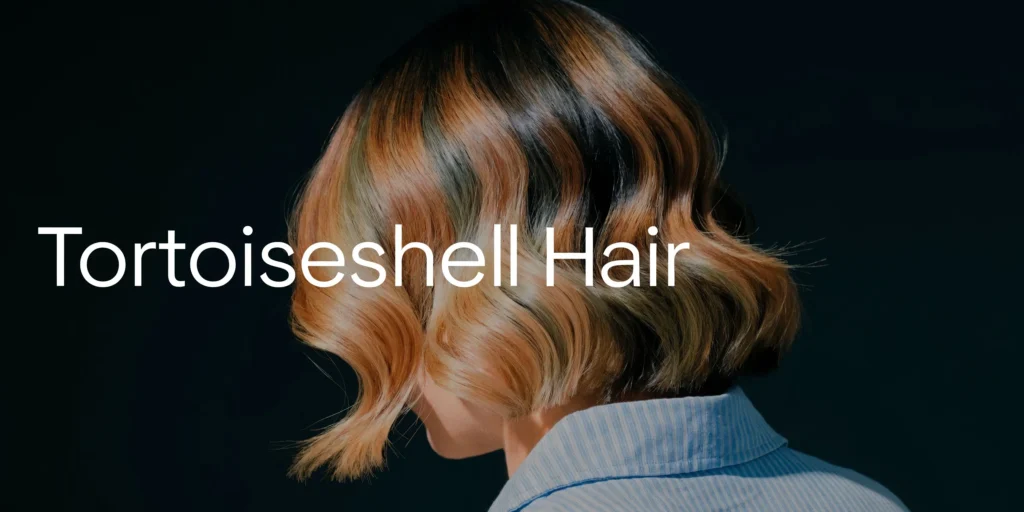
Tortoiseshell is what I recommend when someone says, “I want fall hair, but I don’t want one obvious color.” It’s layered, mixed, and visually rich. You see caramel, honey, auburn, and chocolate shifting through the hair depending on the light.
This technique works because it copies what natural light does to brunette hair. Some pieces look warmer. Some sit deeper. Some flash brighter around the face or at the bend of a wave. The final effect is dimensional without looking busy.
Why the blend matters more than the shade names
Tortoiseshell fails when each tone is too separate. If the caramel reads stripey, the auburn looks patched in, or the brunette base is too dark and opaque, the whole look gets stiff. The best versions are blended enough that your eye notices depth first, not individual panels.
This is also a longer salon service than many clients expect. Sectioning and placement matter. A colorist has to decide where warmth should surface and where it should stay recessed. That’s why a strong consultation matters more here than with a simple single-process brunette.
Bring several reference images, but use them to discuss balance rather than exact color swatches. One person’s tortoiseshell may read mostly brunette with amber glints. Another may look almost bronzed overall.
Best candidates and upkeep
This look suits medium to dark bases especially well because the depth is already there. On lighter hair, your stylist may need to rebuild lowlights so the result doesn’t look like standard blonde highlighting.
A few practical notes help:
- Expect a long appointment: Multi-tonal placement takes time.
- Use moisture-focused care: Different processed sections need consistent softness to reflect light evenly.
- Refresh strategically: You may not need a full redo every visit. Sometimes a gloss and selective face-framing update is enough.
What usually doesn’t work is asking for tortoiseshell while also wanting everything very cool. This trend depends on warmth. If you remove that warmth, you’re no longer in tortoiseshell territory. You’re closer to neutral brunette dimension.
7. Mushroom Brown or Warm Taupe
Not everyone wants copper, auburn, or honey. Some people want autumn hair color with restraint. Mushroom brown and warm taupe do that well. They feel earthy and soft, but they don’t lean heavily orange or red.
This category is best for someone who likes muted luxury. The appeal is in balance. You want enough warmth that the hair doesn’t look ashy and drained, but enough neutrality that it still reads modern.
Why neutral tones are harder than they look
A lot of clients assume neutral browns are easier than warm shades. In reality, they’re less forgiving. If the formula goes too cool, the result can look muddy. If it goes too warm, it stops being mushroom and turns into soft caramel brown.
Strand testing and consultation are essential here. Your stylist needs to know how your hair pulls when lifted and what undertones tend to surface after a few washes. A warm taupe on one person can read elegant. On someone else, it can look flat if there isn’t enough reflective tone built in.
Who should choose this over warmer shades
Choose mushroom or taupe if you:
- Prefer subtle change: It won’t shout “new color,” but it will refine your overall look.
- Dislike visible red: This family avoids the obvious copper route.
- Wear muted tones well: Soft olive, stone, cocoa, and taupe clothing usually pair beautifully with it.
The biggest trade-off is that this tone can lose impact if the hair isn’t healthy. Shine is what keeps a muted brunette from reading dull. Sulfate-free care is important, and yellow-heavy styling products often push the tone in the wrong direction.
If your hair naturally exposes a lot of warmth, be realistic. Maintaining this look may require more toning than a richer chestnut or chocolate would.
8. Deep Chocolate with Bronze Highlights and Glossing Treatments
Late October appointment. You want darker hair for the season, but not a flat brunette that swallows all the light. Deep chocolate with bronze highlights solves that problem because it keeps the base rich while adding controlled warmth where the hair moves.
I recommend this look for clients who want dimension without the upkeep of a high-contrast highlight service. Bronze should support the chocolate base, not compete with it. That usually means a few brighter ribbons through the front, the surface layers, and the ends, with plenty of depth left in between.
The finish matters as much as the placement
Glossing is what makes this color read polished instead of dense. A brunette formula can be technically correct and still look heavy if the cuticle is rough or the ends are porous. In the salon, I often adjust the service based on hair condition first, then color placement second, because porous mids and ends can pull bronze too bright and too dry-looking.
If your natural base is already dark, ask your stylist for soft bronze balayage or fine woven highlights with a brunette gloss over everything. If you have old color buildup, expect a different plan. Your stylist may need to clean up banding, soften faded ends, or rebalance warmth before adding any lighter pieces.
Home care changes the result more than clients expect. Dark shades show dryness fast, especially on layered cuts where the ends catch the light first. Using drugstore conditioners that support softness and shine helps preserve the reflective finish between gloss appointments.
How to ask for it and how often to maintain it
Ask for a deep chocolate base with bronze placed strategically, not evenly from roots to ends. That wording matters. Even placement can make the color look stripey or overly warm, while targeted brightness around the face and through the layers keeps the result expensive-looking.
Maintenance is straightforward if the service is built well. Plan on a gloss every 6 to 8 weeks, with highlights refreshed closer to 10 to 12 weeks for most clients. The trade-off is clear. This look is easier to live with than lighter autumn color trends, but it still needs moisture and regular toning to keep the bronze reflective instead of brassy.
8 Autumn Hair Color Comparison
| Style | Implementation complexity | Resource requirements | Expected outcomes | Ideal use cases | Key advantages |
|---|---|---|---|---|---|
| Rich Burgundy and Wine Tones | Moderate, single-process with occasional pre-lightening | Salon application, color-safe red products, glossing, touch-ups every 4–6 weeks | Deep jewel-toned, polished finish that can appear very dark indoors; fades to mahogany | Professionals and seasonal changers seeking wearable drama | Striking yet elegant; flattering on many skin tones; ages well |
| Copper and Burnt Orange Balayage | High, hand-painted balayage technique | Skilled balayage colorist, toning products, possible lightening, maintenance every 8–10 weeks | Multi-dimensional, sun-kissed warmth with blended regrowth | Those wanting low-maintenance, dimensional color across hair types | Natural grow-out, adds perceived volume, versatile looks |
| Chestnut Brown with Caramel Ribbons | Moderate, strategic highlighting placement | Quality maintenance products, occasional gloss every 6–12 weeks | Warm, polished dimension with face-framing brightness | Professionals, mature clients, conservative-to-modern styles | Universally flattering, low root visibility, easy seasonal transition |
| Golden Honey Blonde with Dimensional Lowlights | High, multi-process blonding plus lowlights | Expert colorist, purple-toning shampoo, deep conditioning, upkeep every 6–8 weeks | Bright, luminous blonde with depth; risk of brassiness and damage if mishandled | Warm skin tones and those seeking bright yet dimensional hair | Luxurious, refined brightness with fuller-hair illusion |
| Auburn Red with Shadow Roots | High, vivid color plus blended shadow root technique | Skilled colorist, color-depositing products, frequent conditioning, 6–10 week refreshes | Bold auburn with lived-in darker roots and natural regrowth concealment | Bold personalities, younger demographics, artistic professionals | Stylish, lower-frequency touch-ups for regrowth, adds dimension |
| Tortoiseshell Balayage | Very high, multi-tonal blend of 3–4 shades | Specialist colorist, long salon appointments (3–4 hrs), specialized maintenance every 10–12 weeks | Rich, highly dimensional, natural-looking pattern that conceals regrowth | Investment-ready clients seeking maximum dimension | Extremely flattering, high-end multidimensional appearance |
| Mushroom Brown / Warm Taupe | Moderate, precise neutral balancing required | Consultation, neutral-maintaining products, touch-ups every 8–10 weeks | Muted, polished neutral tone; can look flat or ashy if mismatched | Minimalist aesthetic seekers, professional environments, cool tones | Wearable, modern, appears expensive with subtle change |
| Deep Chocolate with Bronze Highlights & Glossing | Moderate, highlights plus professional gloss finishes | Gloss treatments monthly, quality conditioners, periodic highlight touch-ups | Deep, glossy chocolate with luminous bronze accents and reflective shine | Shine-lovers, busy professionals, all skin tones | Universally flattering, polished look, low styling effort |
Choosing Your Perfect Autumn Transformation
Embracing a new autumn hair color is more than a seasonal switch. It’s a practical style decision that affects your maintenance routine, how your haircut reads, how your skin tone is framed, and how polished your hair looks three weeks after the appointment, not just on day one.
That’s why the right choice usually starts with honesty. Not honesty about what you like. Many individuals already know the colors they’re drawn to. The more useful honesty is about upkeep. If you love rich red tones but hate frequent refreshes, a shadow-root auburn or a burgundy gloss over brunette will probably serve you better than a full bright copper transformation. If you want warmth but don’t want obvious red at all, chestnut ribbons, honey lowlights, or bronze over chocolate will usually give you a stronger long-term result.
There’s also the question of visibility. Some autumn hair color trends are meant to be noticed immediately. Burgundy, cherry-toned red, and copper balayage sit in that category. Others are quieter and more refined: mushroom brown, chestnut with caramel, and chocolate with bronze often look best when they reveal themselves in motion and natural light. Neither approach is better; they just suit different personalities and routines.
One point often ignored in trend roundups is that maintenance is part of the color design, rather than something to figure out later. Some sources on autumn palettes focus heavily on choosing shades while offering minimal practical guidance on how warm tones fade, how often touch-ups make sense, or how to preserve warmth without drifting brassy (a gap noted in this discussion of the maintenance gap in autumn hair color coverage). That gap matters, as warm tones can fade beautifully when planned well, or badly if neglected.
Inclusivity matters too. Autumn color conversations often lean too heavily on lighter complexions and don’t give enough useful guidance for deeper skin tones or for people whose undertones are harder to read at first glance. That lack of clear, inclusive advice has been identified as a content gap in this overview of limitations in true autumn hair color guidance. In practice, that means your best autumn shade shouldn’t be selected from a trend photo alone; it should be adjusted to your depth, your contrast level, and the warmth your features can carry comfortably.
There’s also no need to force yourself into a dramatic change just because the season changed. Autumn hair can be a full tonal shift, or it can be a subtle recalibration. A gloss, a few strategic ribbons, or a softer root melt may do more for your overall look than a complete color overhaul.
Bring reference photos, but translate them with your stylist. Talk about root depth, brightness placement, warmth level, and how often you’re willing to come back. Ask what the color will look like after several washes, not just after the blowout. Ask whether your hair needs bond support, added depth, or less lift than the photo suggests.
The best autumn transformation is the one that still looks intentional when your hair is air-dried on a busy weekday. That is the ultimate test: if the shade suits your features, your routine, and your tolerance for upkeep, it won’t just look seasonal. It’ll look like it belongs on you.
If you enjoy practical beauty guidance, fashion commentary, and approachable expert-led articles, explore more at maxijournal.com. It’s a strong place to keep up with fresh writing across fashion, health, science, entertainment, travel, and more, and it’s also worth visiting if you’re interested in contributing your own perspective as a guest author.
Discover more from Maxi Journal
Subscribe to get the latest posts sent to your email.