The benefits of asparagus are incredibly diverse, touching on everything from heart health and digestion to providing a wealth of antioxidants and key nutrients. This classic spring vegetable is far more than a simple side dish; it’s a nutritional workhorse loaded with fiber, folate, and vitamins A, C, E, and K. These components play a role in everything from healthy aging to brain function.
Why Asparagus Is More Than Just a Vegetable
When most people think of asparagus, they picture those slender green spears sitting next to a steak. That image, however, barely scratches the surface of what this vegetable can do. It’s a genuine superfood, quietly delivering significant health advantages in every single bite.
The real power of asparagus is in its unique mix of nutrients that work in concert to protect and support your body. It’s one of those foods where the whole is truly greater than the sum of its parts.
A Foundation for Whole-Body Wellness
One of the biggest pluses of asparagus is its role in foundational health. It’s packed with compounds that support some of the body’s most critical systems, laying the groundwork for long-term well-being. A single food can create a positive ripple effect across your entire body.
Here are the key areas where asparagus really shines:
- Cardiovascular Support: It contains potassium, which helps regulate blood pressure, promoting healthy circulation throughout your system.
- Digestive Harmony: The high fiber content—especially insoluble fiber—works like a broom for your digestive tract. At the same time, its prebiotic fiber feeds the beneficial bacteria in your gut.
- Cellular Protection: Loaded with antioxidants like glutathione, asparagus helps defend your cells against the damage caused by oxidative stress, a major contributor to aging.
- Brain and Development: As an excellent source of folate (Vitamin B9), it’s a crucial nutrient for cognitive function and is absolutely vital for healthy fetal development during pregnancy.
“Asparagus is one of those vegetables that punches far above its weight. Its blend of antioxidants, anti-inflammatory compounds, and essential vitamins makes it a powerful tool for disease prevention and promoting overall vitality.”
The Science Behind the Spear
Let’s take a look at the nutritional breakdown that makes all this possible. A single cup of cooked asparagus delivers a surprising amount of your daily needs for several key vitamins and minerals.
Asparagus Nutritional Snapshot Per Cooked Cup
A quick look at the essential vitamins and minerals in a standard one-cup (134g) serving of cooked asparagus, shown as a percentage of your Recommended Daily Intake (RDI).
| Nutrient | Amount per Serving | % of RDI |
|---|---|---|
| Vitamin K | 72.4 mcg | 91% |
| Folate (B9) | 268 mcg | 67% |
| Copper | 0.2 mg | 18% |
| Vitamin B1 | 0.2 mg | 13% |
| Vitamin B2 | 0.2 mg | 11% |
| Vitamin C | 12 mg | 10% |
| Vitamin E | 1.5 mg | 10% |
| Vitamin A | 1006 IU | 8% |
As you can see, the Vitamin K content is off the charts, which is essential for both bone health and proper blood clotting. Meanwhile, the antioxidant vitamins A, C, and E form a protective shield, neutralizing harmful free radicals that can lead to chronic inflammation.
Even the tough ends you trim off can be put to good use. If you’re interested in sustainability, you might be surprised to learn how to compost at home, turning vegetable scraps into rich soil for your garden. This approach ensures nothing goes to waste, much like how your body uses every nutrient from this amazing vegetable.
Exploring the Nutritional Power Within Asparagus
It’s easy to look at an asparagus spear and just see a simple green vegetable. But what’s packed inside is a surprisingly complex and powerful mix of nutrients, each with a specific job to do. It’s not just about having a few vitamins; it’s the unique combination and concentration that makes asparagus a real nutritional heavyweight.
Let’s break down exactly what you’re getting and why it’s so good for you.
The Dynamic Duo of Vitamin K and Folate
Two of the most significant nutrients you’ll find in asparagus are Vitamin K and Folate (Vitamin B9). These aren’t just background players; they are crucial for some of your body’s most fundamental daily operations.
Vitamin K is a nutrient many people overlook, but it’s essential for a couple of key functions:
- Bone Health: Think of it as the traffic controller for calcium in your body. Vitamin K helps activate the proteins responsible for bone mineralization, making sure calcium ends up where it’s needed to build and maintain a strong skeleton.
- Blood Clotting: This vitamin is also critical for producing the proteins that allow your blood to clot properly. It’s what keeps a small paper cut from becoming a big issue.
Then there’s Folate (B9). While it’s famous for its importance during pregnancy, it’s a non-negotiable nutrient for everyone, at every age. Folate is basically the blueprint for cell growth and division. It’s needed for everything from creating new red blood cells to repairing damaged tissues. A single cup of asparagus makes a serious dent in your daily folate requirement.
Folate is much more than a prenatal supplement. It’s a foundational nutrient for healthy cells and proper brain function throughout your entire life. Its high concentration in asparagus highlights the vegetable’s role in supporting long-term wellness from the inside out.
The Antioxidant Trio: A, C, and E
While Vitamin K and folate are busy building and repairing, another team is playing defense. Asparagus is a great source of the antioxidant vitamins A, C, and E, which work together to shield your body from cellular damage.
Your cells are under constant attack from unstable molecules called free radicals. These antioxidants act like a personal security detail, neutralizing the troublemakers before they can cause the widespread damage known as oxidative stress.
- Vitamin A is vital for healthy vision, a strong immune system, and cell growth.
- Vitamin C is a classic immune booster and is also essential for producing collagen, the protein that gives your skin its firmness and structure.
- Vitamin E is a specialist that focuses on protecting your cell membranes from harm.
This infographic gives you a quick visual summary of how these nutrients translate into real-world health benefits.
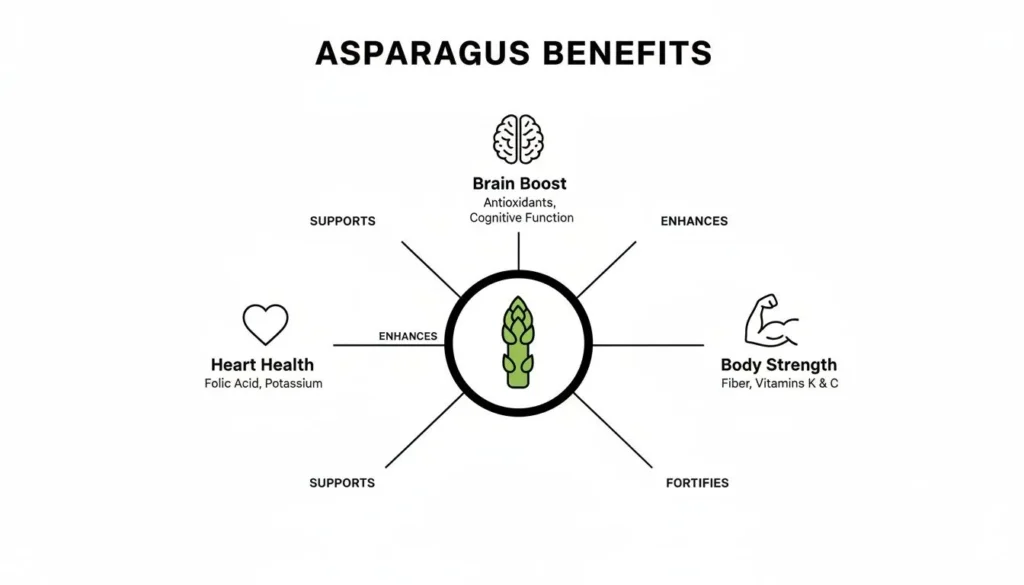
As you can see, the nutritional components in asparagus work to support major systems, from your heart and brain to your overall physical strength.
Beyond the Vitamins: Minerals and Flavonoids
The story doesn’t stop with vitamins. Asparagus also delivers key minerals and unique plant compounds that add even more depth to its health profile. Potassium, for example, plays a key role in maintaining healthy blood pressure by helping your body balance its sodium levels.
Asparagus is also rich in flavonoids like quercetin and kaempferol. These are potent plant compounds known for their antioxidant and anti-inflammatory effects, giving you an extra layer of protection against chronic inflammation and aging. It’s this synergistic blend of vitamins, minerals, and flavonoids that really makes asparagus stand out.
How Asparagus Supports Your Heart and Gut Health
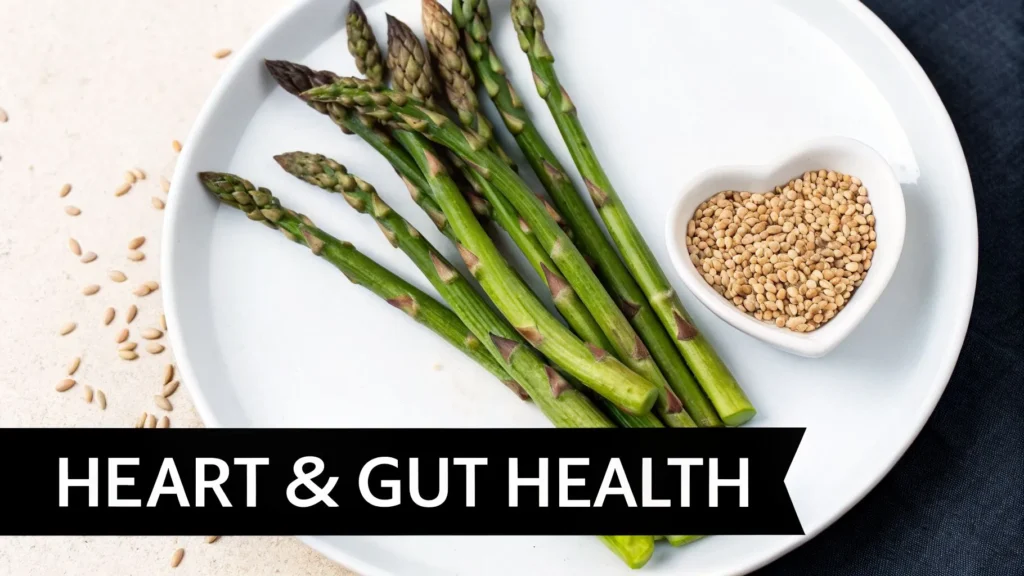
Sure, asparagus has a solid all-around nutritional profile, but where it really shines is in supporting your heart and gut. These two systems are absolutely central to your overall health, and asparagus packs a unique mix of compounds that deliver targeted help where it matters most.
Imagine your body is a high-performance city. Your cardiovascular system is the highway network, getting vital supplies where they need to go. Your digestive system is the city’s processing and waste management plant. For things to run smoothly, both need to be in top shape.
Asparagus acts like a specialized maintenance crew for both systems, keeping the highways clear and the processing plant running clean and efficient.
A Natural Ally for Your Heart
Keeping your heart healthy means managing a few key things, namely blood pressure and cholesterol. This is where asparagus really makes a difference, thanks to a nutritional lineup that tackles both.
One of its biggest assets is its high potassium content. Potassium is a mineral that helps your body offset the effects of sodium. It basically tells your kidneys to flush out excess salt, which in turn helps relax your blood vessel walls and can lead to lower blood pressure.
Asparagus also contains an amino acid called asparagine, which acts as a natural diuretic. This helps your body shed extra fluid and salt, further easing the strain on your heart. It’s a gentle but effective way to maintain cardiovascular balance.
The one-two punch of potassium and asparagine in asparagus creates a seriously supportive environment for your heart. By helping manage both fluid balance and blood vessel tension, this vegetable gives you a natural tool for long-term cardiovascular wellness.
Managing Cholesterol with Soluble Fiber
Another huge win for heart health comes from the fiber in asparagus, specifically its soluble fiber. Think of soluble fiber as a sponge moving through your digestive system. As it travels, it soaks up cholesterol-rich bile acids, stopping them from being reabsorbed into your bloodstream.
This action forces your liver to pull more cholesterol from your blood to produce new bile acids, which effectively lowers your “bad” LDL cholesterol levels. The science backs this up. Just one cup of asparagus provides over a gram of soluble fiber, which has been shown to significantly cut heart disease risk by grabbing onto cholesterol and escorting it right out of the body. You can get more details on these heart-healthy mechanics, and how potassium and the amino acid asparagine also help lower blood pressure, by reading the full breakdown on LiveScience.com.
Fueling a Healthy Gut Microbiome
The benefits of asparagus go deep into your digestive tract, where its fiber plays an entirely different—but just as critical—role. Your gut is home to trillions of microorganisms, which we call the gut microbiome. Keeping this internal ecosystem in balance is key for everything from digestion to immunity.
Asparagus is a fantastic source of inulin, a type of prebiotic fiber. Unlike probiotics (the live good bacteria), prebiotics are the food that these beneficial microbes need to grow and thrive.
Think of it like tending a garden. You can either plant new flowers (probiotics) or you can fertilize the soil to help the existing flowers flourish (prebiotics). Asparagus does the fertilizing, providing the perfect meal for good bacteria like Bifidobacteria and Lactobacilli.
This prebiotic effect has several great outcomes:
- Improved Digestion: A well-fed microbiome breaks down food more efficiently and can help with common problems like bloating and constipation.
- Enhanced Nutrient Absorption: Healthy gut bacteria help your body pull more of the essential vitamins and minerals from all the food you eat.
- Strengthened Gut Barrier: A balanced microbiome helps keep your intestinal lining strong, preventing unwanted substances from leaking into your bloodstream.
If you’re serious about optimizing your gut health, knowing how and when to support this internal world is crucial. For a deeper dive, you might find our guide on the best time to take probiotics useful, as it pairs perfectly with the prebiotic power of foods like asparagus. By supporting both your heart and your gut, asparagus truly earns its reputation as a foundational superfood.
Taming Inflammation and Oxidative Stress
What many people don’t realize is that two invisible culprits, oxidative stress and chronic inflammation, are chugging along behind the scenes of many modern health issues. We can’t feel them day-to-day, but their long-term impact is huge. This is where asparagus really shines—it acts as a natural shield against both.
Think of it this way: your body is a complex, high-tech machine. Oxidative stress is like a fine layer of rust forming on its internal parts. This “rust” is caused by unstable molecules called free radicals, which are unavoidable byproducts of metabolism and environmental exposures.
Antioxidants are your body’s rust-proofing crew. They move through your system, neutralizing these free radicals before they can cause lasting damage to your cells. Asparagus is absolutely loaded with these molecular bodyguards, making it one of the best foods for keeping your internal machinery running clean.
The A-Team of Antioxidants in Asparagus
We already know asparagus brings vitamins A, C, and E to the table, but that’s just the beginning. It also contains a unique team of specialized compounds that work together to protect your body from the inside out.
Three of the most impressive antioxidants you’ll find in asparagus are:
- Glutathione: Often called the “master antioxidant,” this is a powerhouse your body actually makes itself. Glutathione is incredible at recycling other antioxidants and is a key player in your body’s natural detoxification processes.
- Quercetin: This is a type of flavonoid known for its potent anti-inflammatory and antioxidant effects. Studies show it can help stabilize the cells that release histamine, which may even help with managing allergic reactions.
- Kaempferol: Another heavy-hitting flavonoid, kaempferol has been researched for its ability to fight inflammation and guard against oxidative damage. It doesn’t work alone; it teams up with other antioxidants for broader protection.
If you ever spot purple asparagus, grab it. That vibrant color comes from anthocyanins, the same family of antioxidants found in blueberries and blackberries, which pack their own unique anti-inflammatory punch.
By delivering a potent dose of glutathione and key flavonoids, asparagus does more than just offer a defensive shield. It actively helps reinforce your body’s own repair and defense systems, which is fundamental for healthy aging.
Putting Out the Inflammatory Fire
Oxidative stress and inflammation are two sides of the same coin. When free radicals damage cells, your body triggers an inflammatory response to clean up the mess. That’s a good thing—when it’s short-term. The problem is when that inflammatory switch gets stuck in the “on” position, leading to chronic inflammation.
The antioxidants in asparagus do double duty. They don’t just stop the free radicals; they also help turn down the volume on the chronic inflammation that follows. Compounds like quercetin and kaempferol directly interfere with the body’s inflammatory pathways, helping to break the cycle of damage.
This one-two punch—neutralizing the initial threat and then calming the resulting inflammation—is what makes asparagus such an incredibly smart food to have in your diet. Eating asparagus isn’t just about getting vitamins. It’s about actively pushing back against the silent stressors that can wear down your health over time.
Simple and Delicious Ways to Eat More Asparagus

Knowing that asparagus is packed with benefits is one thing; actually getting it on your plate is another. A lot of people find this vegetable a bit intimidating, but the truth is, it’s one of the simplest and most rewarding things to cook.
Let’s skip the guesswork. Here’s everything you need to know to pick the best spears at the store, keep them fresh at home, and cook them perfectly every time.
How to Select and Store Asparagus
Your journey to great-tasting asparagus starts at the market. The freshness of the spears you choose directly impacts the final flavor and texture. A little know-how here makes all the difference.
When you’re shopping, keep an eye out for these signs of quality:
- Firm Stalks: The spears should feel solid and stand up straight. Pass on any that are limp or floppy—that’s a clear sign they’re past their prime.
- Bright Color: Look for a vibrant green, sometimes with hints of violet. Steer clear of spears that look dull or are starting to yellow.
- Tight Tips: The buds at the top should be closed and compact. If they’re spreading out or look mushy, the asparagus is beginning to spoil.
- Fresh Ends: Check the cut ends of the stalks. They should appear moist and freshly cut, not woody or dried out.
Once you bring your asparagus home, proper storage is key to keeping it crisp.
Think of your asparagus spears like a bouquet of fresh flowers. This is the secret to keeping them fresh for up to a week. Just trim a little off the bottoms, stand them upright in a jar with an inch or so of water, and loosely cover the tops with a plastic bag before placing them in the fridge.
This simple trick keeps the stalks hydrated, so they’re crisp and ready whenever you want to cook them.
Inspiring Ways to Cook Asparagus
One of the best qualities of asparagus is its versatility. You don’t need fancy techniques to make it shine; often, the simplest methods are the most delicious, letting its natural, earthy flavor come through.
Here are three of my go-to methods that are both quick and foolproof:
- Roasting: This is easily the most popular way to cook asparagus, and for good reason. High heat brings out a wonderful nutty sweetness. Just toss the spears in olive oil, salt, and pepper, then roast at 400°F (200°C) for about 10-12 minutes.
- Grilling: Perfect for a backyard barbecue. Grilling gives the spears a fantastic smoky char. After tossing with oil and seasonings, lay them on the grill for 5-7 minutes, turning them a few times until they’re tender-crisp.
- Steaming: If you want a lighter, more tender result, steaming is an excellent choice. Place the spears in a steamer basket over boiling water for just 3-5 minutes. This method really preserves that vibrant green color and delicate taste.
Mastering these basics opens up a lot of possibilities. If you’re looking to build up more essential kitchen skills, take a look at our helpful guide on cooking tips for beginners.
Simple Recipe Ideas to Get You Started
Ready to put those skills into practice? These ideas show how easily asparagus can go from a simple side to a star player in your meal.
- 10-Minute Lemon-Garlic Roasted Asparagus: After roasting your asparagus, squeeze some fresh lemon juice over the top and toss with minced garlic or garlic powder during the last two minutes of cooking. It’s a bright, zesty classic that never fails.
- Shaved Asparagus Salad: For a fresh, no-cook option, grab a vegetable peeler and shave raw asparagus spears into thin ribbons. Toss them with a simple vinaigrette, some shaved Parmesan, and toasted nuts for a surprisingly crisp and refreshing salad.
- Asparagus and Egg Scramble: This is a great way to pack more fiber and nutrients into your breakfast. Just chop asparagus into one-inch pieces, sauté them in a pan for a few minutes until tender, and then scramble your eggs right in with them.
Your Questions About Asparagus Answered
So, you’re sold on the benefits of asparagus, but a few practical questions might still be rattling around in your head. That’s totally normal whenever you’re thinking about adding a new food to your regular rotation.
Let’s clear up those final curiosities with some straightforward, science-backed answers. We’ll tackle the most common questions people have about this incredible vegetable, so you can feel confident making it a staple in your diet.
Why Does Asparagus Make My Urine Smell Funny?
Ah, the million-dollar question. This is easily the most famous—and frequently asked—thing about asparagus. If you’ve ever noticed a distinct, pungent odor after a trip to the bathroom, you’re not alone. And no, there’s nothing wrong; it’s completely harmless.
It all comes down to a unique compound found almost exclusively in this vegetable: asparagusic acid.
When you digest asparagus, your body breaks this acid down into a handful of smaller, sulfur-based compounds. These byproducts are volatile, which is just a fancy way of saying they turn into a gas very easily. When you urinate, these gassy compounds are released, creating that unmistakable smell. It’s really just a sign that your body has done its job processing the vegetable.
Here’s the interesting part: not everyone is in on the secret. Genetics plays a huge role here. While most people produce the smelly compounds, it’s estimated that only 20-40% of us have the specific gene needed to actually smell them. So if you’ve never noticed the odor, it just means you’re missing the specific olfactory receptor. Your body is still processing the asparagus just fine.
Are There Side Effects or Reasons to Avoid Asparagus?
For the vast majority of us, asparagus is an incredibly safe and healthy food. The benefits far outweigh any potential concerns. That said, there are a couple of specific situations where you’ll want to be mindful.
The main thing to consider is its high Vitamin K content. As we’ve covered, Vitamin K is crucial for healthy blood clotting. If you’re on blood-thinning medications like warfarin, a sudden and large spike in your Vitamin K intake can interfere with how well the medication works.
This doesn’t mean you have to banish asparagus from your plate. The key is consistency.
- Maintain a Steady Intake: Instead of cutting out Vitamin K-rich foods, the goal is to eat a relatively consistent amount from one day to the next.
- Consult Your Doctor: If you’re on blood thinners, always chat with your doctor about your diet. They can help you figure out a safe way to enjoy nutritious foods without causing problems.
Another point is its natural diuretic effect. This is usually a good thing, helping your body flush out excess salt and fluid. But for someone with a pre-existing kidney condition, it’s a factor worth discussing with a medical professional. As with any big dietary shift, getting personalized advice is always the smartest move.
Is It Safe to Eat Asparagus Raw?
Yes, absolutely—and it’s surprisingly delicious! Most of us are used to cooked asparagus, but eating it raw is a totally different experience. It’s wonderfully crisp and tender with a fresh, slightly sweet flavor that reminds me of fresh-picked peas.
Eating it raw is a great way to add crunch and a nutrient boost to all sorts of dishes. Try using a vegetable peeler to shave the spears into thin, delicate ribbons. Toss them into a salad with a simple dressing of lemon juice, olive oil, and some shaved Parmesan cheese. It makes for a seriously refreshing and elegant side dish.
While cooking can make some nutrients and antioxidants easier for your body to absorb, eating it raw preserves other heat-sensitive vitamins, like Vitamin C. Both ways are good for you, so go with whatever you enjoy most.
Ultimately, the best way to eat asparagus is the way you’ll actually eat it. Whether you love the nutty flavor of roasted spears or the crisp bite of raw ribbons, you’ll be reaping all the amazing benefits.
What Is the Difference Between Green, White, and Purple Asparagus?
The world of asparagus is more colorful than you might think. You’ve probably seen the familiar green spears, but you may have also spotted white or even purple varieties at the market. The differences are more than just skin-deep, but they all come down to one simple thing: how they’re grown.
Here’s a quick rundown of the three main types:
- Green Asparagus: This is the classic, most common type. It grows in full sunlight, which triggers the plant to produce chlorophyll—the pigment that gives all plants their green color. It has that balanced, grassy flavor most of us know and love.
- White Asparagus: Often seen as a delicacy, white asparagus is prized for being incredibly tender and having a milder, more delicate flavor. It’s grown entirely underground. Farmers mound soil over the spears to block out every bit of sunlight. Without sun, the plant never produces chlorophyll, so it stays white.
- Purple Asparagus: This variety gets its gorgeous deep-purple color from anthocyanins, the same powerful antioxidants found in blueberries and red cabbage. These compounds also give it a slightly sweeter and nuttier flavor than its green cousin. It also tends to be lower in fiber, which makes it exceptionally tender.
While all three are healthy, they each bring something a little different to the table. Green asparagus generally has a bit more fiber and Vitamin C. Purple asparagus gives you that extra hit of anthocyanin antioxidants. And white asparagus, while slightly lower in some nutrients due to the lack of sun, is still a great source of minerals. Trying all three is a great way to add variety and a spectrum of new flavors to your meals.
At maxijournal.com, we believe that understanding the food you eat is the first step toward better health. We’re dedicated to bringing you clear, well-researched articles that help you make informed choices every day. For more insights into health, science, and wellness, explore our latest content at https://maxijournal.com.
Discover more from Maxi Journal
Subscribe to get the latest posts sent to your email.