Walking into the pet food aisle can be totally overwhelming. When it comes to picking the best food for your indoor cat, the sheer number of options is enough to make your head spin. But here’s the thing: the “best” food isn’t about one specific brand. It’s about finding a recipe that fits your cat’s unique age, health, and, most importantly, their less-active indoor lifestyle.
Your goal is to find a high-protein, low-calorie formula that also packs in extra fiber. This combo is the secret sauce for managing a healthy weight and keeping those pesky hairballs at bay.
Your Guide to Indoor Cat Nutrition
Trying to decipher a cat food label can feel like a pop quiz you didn’t study for. The bags scream promises like “gourmet,” “natural,” and “grain-free,” but what does any of that actually mean for the little lion lounging on your windowsill? A confident choice starts with understanding a simple truth: an indoor cat’s needs are completely different from an outdoor adventurer’s.
This guide will cut through the confusing marketing jargon and get straight to what matters for your cat’s health. We’ll cover everything from protein sources to moisture levels, giving you the knowledge to build a diet that helps your best friend thrive.
Why Indoor Cat Nutrition Is Unique
An indoor cat’s cozy environment is precisely what shapes its dietary needs. Because they live a much more sedentary life than their outdoor cousins, their nutrition has to be adjusted accordingly.
- Lower Calorie Needs: Indoor cats just don’t burn as many calories. Without the right food, that slower metabolism can quickly lead to weight gain and related health problems like diabetes or joint stress.
- Hairball Management: More time spent indoors means more time spent grooming, which leads to more ingested fur. The right diet contains specific fiber blends that help all that hair pass smoothly through their digestive system instead of coming back up on your rug.
- Hydration Support: Cats naturally have a very low thirst drive. A diet with plenty of moisture is essential for supporting their kidney and urinary tract health, which are common areas of concern for indoor felines.
This focus on specialized nutrition isn’t just a niche idea—it’s a massive trend. According to Fortune Business Insights, the global cat food market was valued at around $45.45 billion in 2023 and is expected to hit $74.95 billion by 2034. It shows just how much pet owners are prioritizing what goes into their furry friends’ bowls.
A well-chosen diet is the single most important decision you can make for your indoor cat’s long-term health. It’s not just about filling their bowl; it’s about providing preventative care that supports them from the inside out.
The Foundation of a Healthy Indoor Diet
At their core, all cats are obligate carnivores. This is a biological fact, meaning their bodies are built to get nutrients from animal-based protein. The best food for an indoor cat respects this reality while adapting it for a modern, couch-potato lifestyle. The mission is to provide fuel for lean muscle, not extra energy that just turns into fat.
Choosing the right food is one of the most powerful ways we show we care. It’s a daily act that strengthens the bond we share—something you can explore further in our article about whether cats truly love their owners. Next, we’ll break down exactly what to look for on the label, compare wet vs. dry food, and tackle how to manage common indoor cat health issues through diet.
What Indoor Cats Truly Need to Eat
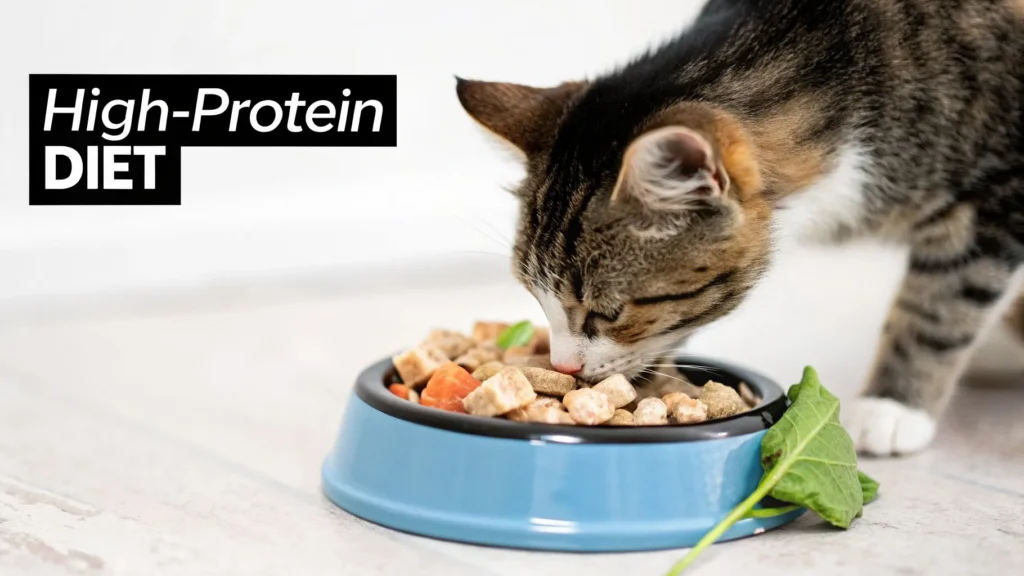
Let’s cut through the noise. Your cat is an obligate carnivore. That’s not just a fancy term; it’s the fundamental truth of feline biology. It means their bodies are built, from nose to tail, to get their nutrients from meat. This doesn’t change just because their hunting ground is the hallway instead of the Serengeti.
The absolute core of any good indoor cat food is high-quality, animal-based protein. This is non-negotiable. Even for a cat whose most strenuous activity is a nap in a sunbeam, protein is essential for maintaining the strong muscles and lean body mass they need for a healthy life.
Protein The Cornerstone of Feline Health
When you pick up a bag or can of cat food, the first thing to check is the protein source. Vague wording like “meat by-products” is an immediate red flag. You want to see specific, named animal sources right at the top of the ingredient list.
Look for ingredients like:
- Deboned Chicken or Turkey: Real, identifiable muscle meat.
- Salmon or Tuna: Excellent for protein and those all-important omega fatty acids.
- Named Meat Meals (e.g., Chicken Meal): This is a concentrated protein source where the water and fat have been removed—it’s a protein powerhouse.
These quality proteins deliver the essential amino acids cats can’t make themselves. The most famous of these is taurine. A taurine deficiency is serious business, leading to devastating heart and vision problems. While most foods add it synthetically now, a diet built on real meat provides it naturally.
An indoor cat’s diet should closely mimic the protein-heavy, low-carb makeup of their natural prey. This means putting meat first and keeping grains and starches to a minimum, as they offer little nutritional value and can lead to weight gain.
This protein-first approach is especially critical for an indoor cat. It gives them the fuel to stay strong without packing on extra calories that a less active lifestyle simply can’t burn off.
Fats And Fibers For The Indoor Lifestyle
Protein may be the star, but healthy fats and the right fibers are the essential supporting cast. Fat isn’t the enemy here; it’s a dense source of energy and is vital for absorbing certain vitamins. It’s also what gives your cat that incredibly soft, shiny coat. Look for foods that list sources of omega-3 and omega-6 fatty acids, like fish oil or flaxseed.
Fiber plays a special double-duty role for indoor cats. First, it keeps the digestive system running smoothly and helps prevent constipation. But more importantly for anyone who’s ever stepped on a slimy surprise, it’s the key to managing hairballs.
Indoor cats are meticulous groomers, which means they swallow a lot of fur. A food with a good blend of soluble and insoluble fibers helps move that fur through the digestive tract, preventing it from forming a hairball that inevitably gets coughed up on your favorite rug. Ingredients like psyllium husk or beet pulp are often included for this exact reason.
The Calorie Conundrum
The single biggest dietary challenge for indoor cats is obesity. A study from the Association for Pet Obesity Prevention revealed that nearly 60% of cats in the United States are overweight or obese. This is where calorie counting becomes crucial.
The best indoor cat foods are often described as “nutrient-dense.” This means they pack a maximum nutritional punch into a smaller, lower-calorie serving. It allows you to feed your cat a satisfying meal that meets all their biological needs without exceeding their daily energy limit.
Think of it this way: a small, perfectly crafted entree at a five-star restaurant is far more nourishing than a giant plate of junk food. For your indoor cat, choosing a nutrient-dense food helps maintain their health without expanding their waistline.
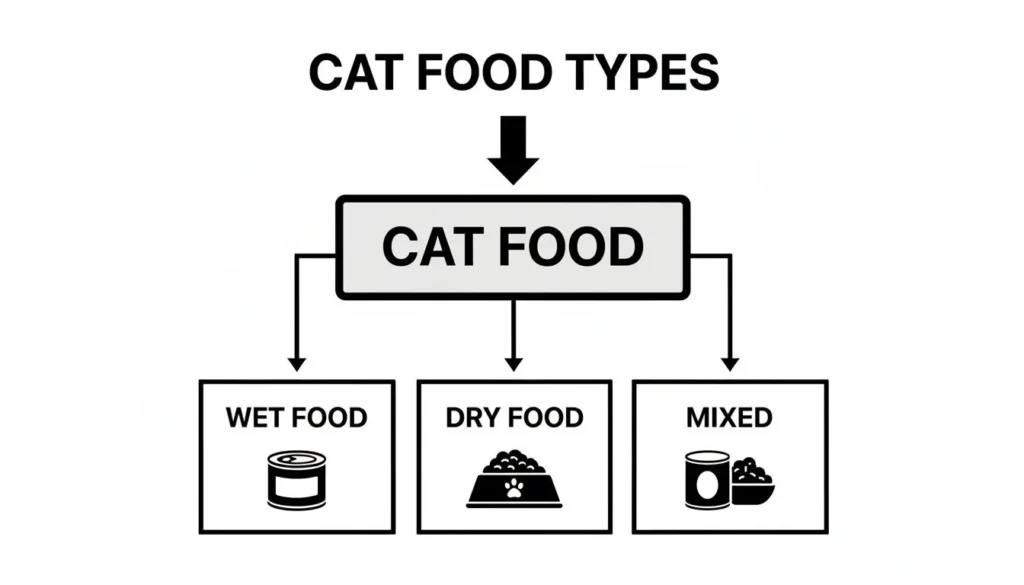
The Wet Food Versus Dry Food Debate
This is the classic dilemma every cat owner faces. To understand the right answer, you have to look past the marketing and get down to your cat’s basic biology.
Cats evolved from desert animals, and their bodies are designed to get most of their water directly from their food—think mice and birds, not a water bowl. This means they have a naturally low thirst drive. An indoor cat might not drink enough water on their own, even if you keep the bowl fresh.
Why Wet Food Wins on Hydration
Wet food is the single best way to get more water into your cat. Its high moisture content is a game-changer for preventing some of the most common health problems in indoor cats.
Think of it this way: serving wet food is like making sure they hydrate with every meal. This is crucial for:
- Kidney Health: More water helps flush out toxins, taking a massive strain off their kidneys over their lifetime.
- Urinary Health: Proper hydration dilutes your cat’s urine, which makes it much harder for painful urinary crystals and blockages to form. This is a big one, especially for male cats.
- Better Digestion: That extra moisture helps everything move smoothly through their digestive system, preventing issues like constipation.
Cat owners are catching on. The wet cat food market is booming, grabbing 50.7% of the market share back in 2022. Why? Because it packs about four times more moisture than dry food. You can dig into the numbers in this market analysis report from Grandview Research.
What About Dry Food?
So, is dry kibble all bad? Not necessarily. Its main advantages are convenience and price. It’s easy to store, lasts longer once the bag is open, and usually costs less per meal.
You’ll also hear people say that the crunchy texture of kibble helps clean a cat’s teeth. The effect is minimal at best. It’s like trying to clean your own teeth by eating pretzels—it’s no substitute for real dental care.
The Takeaway: While the ease of dry food is tempting, it just can’t provide the hydration your cat’s body was designed for. For the long-term health of an indoor cat, the moisture in wet food makes it the clear winner.
Finding a Happy Medium: Mixed Feeding
For many of us, the most practical solution is using both. A mixed-feeding plan gives your cat the incredible hydration of wet food while keeping the cost and convenience of kibble in the picture.
There are a couple of popular ways to do this:
- Serve Them Separately: Give your cat a meal of wet food once or twice a day, and leave a measured amount of kibble out for grazing (this works best if your cat isn’t prone to overeating).
- Use Kibble as a Topper: Sprinkle a little dry food over their wet meal. Many cats love the added crunch and texture.
This balanced approach is a fantastic compromise. Your cat gets the moisture they desperately need, and you get to keep things practical. It’s a win-win for keeping your indoor cat healthy and happy.
How to Read a Cat Food Label Like a Pro
Let’s be honest, the cat food aisle is overwhelming. The shelves are a blur of bright bags, fancy fonts, and words like “gourmet,” “premium,” and “natural.” It’s a marketing battlefield designed to confuse you.
But you don’t need a degree in animal nutrition to see past the hype. To pick the right food for your indoor cat, you just need to know where to look. We’ll show you how to focus on three simple things: the ingredient list, the guaranteed analysis, and the AAFCO statement.
Decoding the Ingredient List
This is where the truth lies. Ingredients are always listed by weight, from most to least. The first few items tell you what the food is really made of. A great rule of thumb is to focus on the first five ingredients.
Since your cat is an obligate carnivore, you want to see high-quality, named animal proteins right at the top. Here’s what you’re looking for:
- Green Flags (The Good Stuff):
- Deboned Chicken, Turkey, or Salmon: This is pure muscle meat. It’s the gold standard.
- Chicken Meal or Turkey Meal: Don’t let the word “meal” fool you. This is a fantastic, concentrated source of protein where the water and fat have been removed.
- Named Fats: Look for “chicken fat” or “salmon oil.” These are great for energy and provide essential omega fatty acids.
On the flip side, some ingredients are instant red flags. These are cheap fillers that offer little of the species-appropriate nutrition your cat needs.
- Red Flags (The Stuff to Avoid):
- Meat By-Products: This is a vague, low-quality mix of slaughterhouse leftovers. You have no idea what animal it came from or what parts are included.
- Corn Gluten Meal, Wheat, or Soy: These are plant-based proteins used to bump up the protein percentage on the label, but they aren’t what a carnivore is built to digest.
- Artificial Colors, Flavors, or Preservatives: Additives like “Red 40,” BHA, or BHT are completely unnecessary and have no nutritional benefit.
This handy checklist can help you quickly scan a label.
Cat Food Ingredient Checklist
This table gives you a quick reference for spotting high-quality ingredients versus the cheap fillers you’ll want to avoid.
| Ingredient Type | Green Flags to Look For | Red Flags to Avoid |
|---|---|---|
| Protein | Named meats (chicken, turkey, beef, salmon) and meat meals (chicken meal). | Unnamed “meat,” “animal,” or “poultry” by-products. |
| Carbohydrates | Easily digestible sources like sweet potatoes, peas, or pumpkin. | Corn, wheat, and soy used as primary ingredients. |
| Fats | Named animal fats like chicken fat or fish oils like salmon oil. | Unnamed “animal fat” or vegetable oils like canola oil. |
| Additives | Natural preservatives like tocopherols (Vitamin E). | Artificial colors, flavors, and preservatives like BHA, BHT, or ethoxyquin. |
Keep this checklist in mind, and you’ll be able to tell at a glance if a food is worth considering.
Understanding the Guaranteed Analysis
Next up is the “Guaranteed Analysis” panel. This shows you the minimum percentages of protein and fat, and the maximums for fiber and moisture. But these numbers can be tricky, especially when you’re comparing a can of wet food to a bag of kibble.
The secret is to compare them on a dry matter basis. All you do is remove the water content from the equation.
Here’s the simple math: First, subtract the moisture percentage from 100%. This gives you the total dry matter. Then, divide the protein percentage by the dry matter percentage.
For example, a wet food lists 10% protein and 80% moisture. The dry matter is 20% (100% – 80%). The true protein content is 50% (10% protein ÷ 20% dry matter).
Now, look at a dry food with 35% protein and 10% moisture. The dry matter is 90% (100% – 10%). The true protein is 38.9% (35% protein ÷ 90% dry matter).
Suddenly, you can see the wet food is actually packed with far more protein than the kibble. This is a game-changer for making a true apples-to-apples comparison.
The AAFCO Nutritional Adequacy Statement
This might be the most important line of text on the entire bag. It’s a seal of approval from the Association of American Feed Control Officials (AAFCO), the organization that sets the nutritional standards for pet food.
You’re looking for a specific sentence, which will read something like this: “[Product Name] is formulated to meet the nutritional levels established by the AAFCO Cat Food Nutrient Profiles for adult maintenance.”
This single statement confirms two critical facts:
- The food is “complete and balanced,” meaning it provides all the nutrients your cat needs to thrive.
- It’s formulated for your cat’s specific life stage (like “adult maintenance” or “growth and reproduction” for kittens).
If a food doesn’t have an AAFCO statement, put it back on the shelf. Without it, you have no assurance that you’re giving your cat the fundamental nutrition they need to stay healthy.
Managing Weight and Hairballs in Indoor Cats
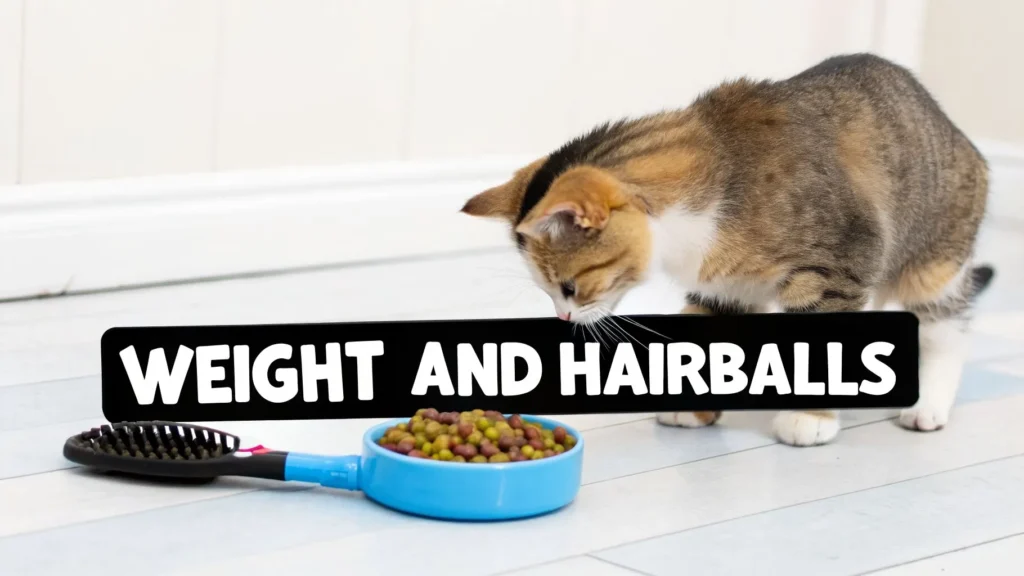
The comfortable life of an indoor cat often brings a couple of unwelcome guests: extra weight and hairballs. These problems are tied directly to their cozy environment. Less running and climbing means they burn fewer calories, putting them at a high risk for obesity and the health complications that come with it.
At the same time, all that time spent indoors often leads to more dedicated grooming. A clean cat is great, but it also means they’re swallowing more fur. This can lead to uncomfortable—and sometimes dangerous—hairballs. The right cat food for an indoor cat will tackle both issues through targeted nutrition.
Fighting the Battle of the Bulge
For an indoor cat, weight management is one of the most critical parts of their diet. It’s just too easy for a less active cat to take in more calories than they use. Over time, that surplus leads to weight gain, which can open the door to serious issues like diabetes, arthritis, and heart problems.
This is where specialized ‘weight management’ or ‘indoor cat’ formulas come in. They help by:
- Lowering Calorie Density: These foods pack all the necessary nutrients into fewer calories per cup, helping your cat feel satisfied without packing on pounds.
- Boosting Protein: A high-protein diet helps your cat maintain lean muscle mass. Muscle is metabolically active, which means it burns calories even when your cat is napping.
- Including L-Carnitine: Some foods add L-carnitine, an amino acid that helps the body turn fat into usable energy, giving their metabolism a little support.
Choosing a food with the right calorie count isn’t about starving your cat. It’s about matching their energy intake to their actual, day-to-day energy needs. Think of it as a proactive way to head off obesity before it becomes a problem.
Solving the Hairball Predicament
If you have an indoor cat, you know the sound of a hairball being coughed up all too well. While it happens occasionally, frequent hairballs can be a sign that their digestive system could use some help. This is where dietary fiber becomes incredibly useful.
Foods designed for hairball control use a special blend of fibers to help move ingested hair smoothly through the digestive tract. These fibers act like a gentle broom, sweeping the fur along so it can pass out the other end naturally. Common fiber sources you’ll see on the label include:
- Psyllium Husk: This soluble fiber forms a gel-like substance that helps lubricate the digestive system.
- Beet Pulp: A great source of both soluble and insoluble fiber, it supports overall gut health and keeps things moving.
- Cellulose: This is an insoluble fiber that adds bulk to the stool, which helps trap and move hair through your cat’s system.
Food brands are constantly improving these formulas. Many are working directly with vets to create recipes for the specific health needs of indoor cats. For instance, Go! Solutions recently released a ‘Hairball Control + Urinary Care’ food developed with Board-Certified Veterinary Nutritionists. It shows just how targeted these solutions are becoming.
While a good diet is your first line of defense, it’s also important to know when a problem might need a vet’s attention. Persistent digestive upset, including frequent hairballs, can sometimes point to other underlying issues. You can check out our guide on coccidia in cats to learn more about other potential digestive troubles.
Answering Your Top Indoor Cat Food Questions
Even when you know what to look for on a label, practical questions pop up. It’s a normal part of being a diligent cat owner. This section gives you quick, clear answers to the most common questions we hear every day.
How Much Food Does My Indoor Cat Need?
This is the big one. The feeding chart on the bag is just a starting point—it’s based on averages, and your cat is an individual. A much better way is to calculate their needs based on their ideal, lean body weight.
As a general rule, a healthy adult indoor cat needs about 20-25 calories per pound of body weight each day. A 10-pound cat, for example, would need somewhere between 200-250 calories. This can shift depending on their age and activity level; a young, playful cat will naturally burn more calories than a senior who prefers to nap.
The most accurate way to serve food is with a digital kitchen scale, not a measuring cup. Scoops can be wildly inconsistent from one meal to the next, often leading to accidental overfeeding. Weighing the food ensures your cat gets the exact portion they need, every single time.
This brings up another debate: scheduled meals versus free-feeding. While leaving a full bowl out all day is convenient, it’s a huge factor in feline obesity. Indoor cats, in particular, will often eat simply out of boredom.
Scheduled meals—usually two or three small meals a day—give you total control over their calorie intake. It also mimics their natural hunt-and-eat instinct, rather than a grazing habit. Plus, it helps you immediately notice if their appetite changes, which can be the first red flag for a health problem.
How Do I Safely Switch to a New Cat Food?
Cats are creatures of habit, and so are their digestive systems. Switching their food suddenly can cause an upset stomach, vomiting, or diarrhea. The secret is to make the change slowly over 7 to 10 days.
Think of it as a gentle introduction, not a shock to their system. A gradual transition gives their gut microbiome time to adjust, making the whole process stress-free for both of you.
Here’s a simple and effective schedule to follow:
- Days 1-2: Serve a mix of 75% old food and 25% new food.
- Days 3-5: Adjust the ratio to 50% old food and 50% new food.
- Days 6-7: Move to 25% old food and 75% new food.
- Day 8 onward: You can now serve 100% new food.
If your cat shows any signs of digestive trouble at any point, just go back to the previous ratio for a couple more days before trying to move forward again.
Got a picky eater on your hands? Some cats are just naturally suspicious of new smells and textures. If your cat turns their nose up, try warming their wet food just a little to make it more aromatic. Adding a splash of warm water can also create a savory gravy that might convince them to take a bite.
When Should I Talk to a Vet About My Cat’s Diet?
This guide gives you the tools for day-to-day nutrition, but it never replaces professional medical advice. Your veterinarian is your most important partner in your cat’s health. While you can handle the daily feeding, there are clear signs that it’s time to book an appointment.
Always call your vet if you notice:
- Sudden or Unexplained Weight Changes: Both gaining and losing weight can signal an underlying health issue that needs a proper diagnosis.
- Persistent Digestive Problems: An occasional upset stomach is one thing, but ongoing vomiting, diarrhea, or constipation warrants a professional evaluation.
- Changes in Appetite or Thirst: A cat that suddenly stops eating or starts drinking huge amounts of water needs to see a vet immediately.
- Skin or Coat Issues: A dull coat, flaky skin, or excessive scratching can sometimes be tied to diet or allergies.
It is absolutely critical to work with your vet if your cat has a diagnosed health condition like kidney disease, diabetes, or hyperthyroidism. These illnesses require highly specialized therapeutic diets that are only available through a vet. These foods are formulated with precise nutrient levels to manage the disease, and feeding the wrong food could be dangerous. In some situations, you might even be dealing with poisonous household plants. You can learn more by reading our article that covers if hydrangeas are poisonous to cats.
At the end of the day, you know your cat best. If you ever feel that something is “off” with their health or behavior, don’t wait. A quick call to your vet can give you peace of mind and get your furry friend the expert care they deserve.
At maxijournal.com, we are dedicated to providing clear, reliable information to help you and your pets live your best lives. We invite you to explore more of our articles on science, health, and pets by visiting our site at https://maxijournal.com.
Discover more from Maxi Journal
Subscribe to get the latest posts sent to your email.