Are you asking breakfast to keep you full, support muscle maintenance, and steady your energy, or just to get you out the door?
That distinction matters. A breakfast built mostly from refined carbs often digests fast, which can leave appetite and energy less stable by midmorning. A protein-first breakfast usually works better because it slows the meal down, adds staying power, and makes the rest of the day easier to manage.
Protein at breakfast is useful for more than satiety. After an overnight fast, the first meal helps set the tone for hunger, food choices, and total protein intake across the day. For people trying to preserve lean mass, improve workout recovery, or reduce random snacking, breakfast is one of the easiest places to make progress with a single change.
The practical problem is not awareness. It is execution. Many breakfast roundups stop at recipe inspiration, but that leaves out the details that determine whether a meal fits a weekday routine.
This guide is built as a breakfast toolkit. Each idea includes estimated macros, prep strategies, simple swaps for vegan and gluten-free diets where possible, and side suggestions that help you adjust calories, fiber, or protein without rebuilding the whole meal. If dairy is part of your routine, options such as Greek yogurt can also pair well with a broader gut-health plan, including guidance on the best time to take probiotics.
The result is a list you can use, not just browse. Some breakfasts are better for meal prep. Some work best for higher-calorie mornings or post-workout days. Others solve the common weekday problem of needing 20 to 30 grams of protein in under 10 minutes.
1. Greek Yogurt Parfait with Granola and Berries
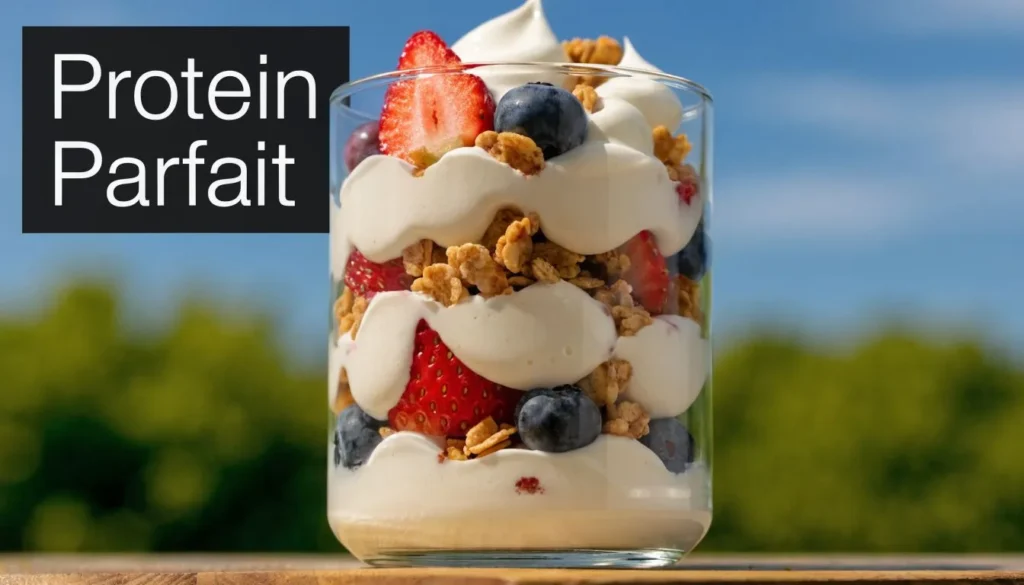
Need a breakfast that reaches a meaningful protein target in under five minutes? A Greek yogurt parfait is one of the simplest ways to do it while still covering texture, flavor, and portability.
The main reason it works is balance. Greek yogurt gives you a concentrated protein base, berries add fiber and acidity, and granola contributes crunch plus enough carbohydrate to make the meal feel complete. That combination is useful on busy mornings because it is easy to portion accurately. You can build a lighter version for a desk day or a higher-calorie version for training days without changing the basic format.
Why this one earns a place in your rotation
A good parfait solves a common breakfast problem: meals that look healthy but end up low in protein and easy to out-eat. Start with plain Greek yogurt or skyr, then treat the toppings as controlled additions rather than the bulk of the meal.
A practical build looks like this:
- Protein base: Plain Greek yogurt or skyr
- Fruit: Blueberries, raspberries, strawberries, or a mixed berry blend
- Crunch: Granola, toasted oats, or chopped nuts
- Optional add-ons: Chia seeds, cinnamon, hemp seeds, or a small drizzle of honey
Estimated macros for a standard bowl made with plain Greek yogurt, berries, and a measured serving of granola: about 20 to 30 grams protein, with carbohydrate and fat varying mostly based on the granola and toppings you choose.
How to keep the macros working for you
The easiest mistake is turning the parfait into a dessert-sized yogurt bowl. A large pour of granola and sweetened yogurt can push sugar up faster than protein. Keeping the yogurt plain or lightly sweetened usually gives you better control, and adding nuts or seeds can raise satiety without relying on extra sweetness.
Meal prep is straightforward. Portion yogurt and berries into jars for two to three days at a time, then store granola separately so it stays crisp. If you pack breakfast for work, bring the crunchy topping in a small container and add it right before eating.
Best variations for different diets
- Gluten-free: Use certified gluten-free granola.
- Lower-sugar: Skip sweetened yogurt and use cinnamon plus berries for flavor.
- Higher-protein: Add chia, hemp seeds, or a spoonful of protein-rich granola.
- Vegan: Choose a soy-based or other higher-protein plant yogurt, since many coconut-based options are much lower in protein.
This breakfast also pairs well with simple sides if you need to adjust the meal instead of replacing it. Add a boiled egg for more protein, a banana for extra training-day carbs, or nut butter on toast if you need more calories. If dairy is part of your routine and you are also thinking about gut support, this can fit easily alongside guidance on the best time to take probiotics.
2. Veggie-Packed Egg Scramble with Whole Grain Toast
Need a breakfast that is fast, filling, and easy to adjust to your calorie and protein target? A vegetable-heavy egg scramble with whole grain toast does that better than many sweeter breakfast options because it combines protein, fiber, and enough volume to feel like a real meal.
As noted in GoodRx’s breakfast nutrition guide, two large eggs provide a solid protein base. The meal works even better when you add vegetables for bulk and choose a bread with more fiber and substance than standard white toast.
Why this combination works
Eggs bring high-quality protein. Vegetables increase portion size, texture, and micronutrient density without making breakfast overly heavy. Whole grain toast adds carbohydrates for energy and makes the plate more balanced, which matters if eggs alone leave you hungry an hour later.
This is also one of the easiest breakfasts to scale.
Use 2 eggs for a moderate breakfast, or add extra egg whites if you want more protein without as much added fat. If your morning is active or you train before lunch, pair the scramble with two slices of toast instead of one. If you want the meal to hold longer, cook the vegetables in olive oil or add avocado on the side.
A simple build looks like this:
- Protein base: 2 eggs, or 2 eggs plus egg whites
- Vegetables: Spinach, mushrooms, peppers, onions, tomatoes, or zucchini
- Carb source: Whole grain, seeded, or higher-protein toast
- Optional add-ons: Feta, cottage cheese, avocado, salsa, or herbs
Estimated macros for a basic version with 2 eggs, 1 to 2 cups of vegetables, and 2 slices of whole grain toast usually land in the range of moderate protein, moderate carbs, and moderate fat. The exact numbers depend heavily on the bread, oil, and any cheese you include, which is why label-checking the toast matters more than people expect.
Best ways to prep it without adding work
The time-saving move is vegetable prep, not complicated cooking. Slice mushrooms, peppers, and onions in advance, then keep them refrigerated in a sealed container for two to three days. That reduces the morning job to a quick sauté and scramble.
You can also batch-cook the vegetable mix. A pan of softened peppers, onions, mushrooms, and spinach reheats well, so you only need to add fresh eggs in the morning. If texture matters to you, toast the bread last so it stays crisp against the softer scramble.
Useful variations for different diets
- Gluten-free: Use gluten-free seeded toast or serve the scramble with roasted potatoes.
- Higher-protein: Add egg whites, cottage cheese, or a side of turkey sausage.
- Vegetarian: Use feta, goat cheese, or black beans for extra substance.
- Dairy-free: Skip cheese and use salsa, avocado, and fresh herbs for flavor.
- Lower-carb: Reduce the toast to one slice and increase the vegetables and eggs.
Two versions tend to work especially well. A Mediterranean scramble with spinach, tomato, and feta gives more acidity and salt, which helps if plain eggs feel bland. A Southwest version with peppers, onions, black beans, and salsa is stronger for meal prep because the flavor holds up well after reheating.
If you need a side, choose based on the gap in the meal. Fruit adds quick carbohydrates, avocado adds fat and satiety, and an extra egg or a spoonful of cottage cheese raises protein without changing the format of breakfast.
3. Protein Pancakes with Almond Butter and Berries
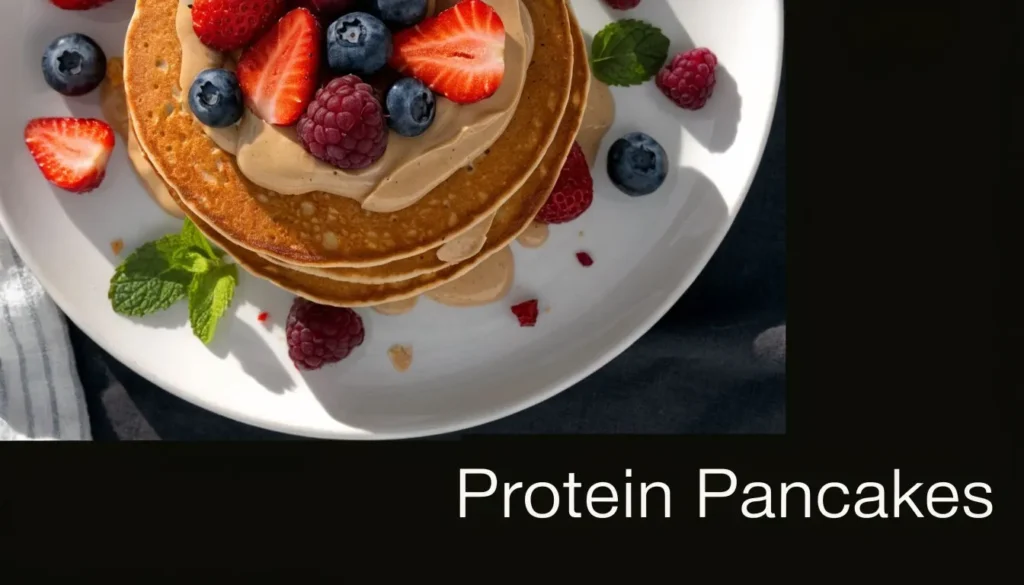
Want a breakfast that still feels familiar but holds you longer than standard pancakes? A higher-protein batter changes the outcome. Using oat flour, eggs, and protein powder gives pancakes more staying power, while almond butter and berries round out the meal with fat, fiber, and acidity.
This option works well for people who want a sweeter breakfast without relying on pastries or cereal. It also gives you more control than restaurant pancakes, where the meal often skews heavily toward refined flour and syrup.
A practical plate usually looks like this:
- Base: Protein pancakes made with oat flour, eggs, and protein powder
- Protein support: Protein powder in the batter, plus eggs
- Healthy fat: Almond butter spread on top or served on the side
- Produce: Fresh berries for fiber and brightness
Estimated macros vary by recipe and protein powder, but a typical serving lands in the high-protein range with moderate carbohydrates and enough fat to improve satiety. If you want an even stronger protein total, pair the pancakes with a few spoonfuls of Greek yogurt or a cottage cheese protein shake for breakfast.
Texture determines whether these taste like real pancakes or like a compromise. Blend the batter for a smoother crumb, then let it rest briefly so the oat flour hydrates. Cook on medium-low heat. That gives the center time to set before the outside gets too dark.
Variations that solve different breakfast needs
- Gluten-free: Use certified gluten-free oat flour.
- Dairy-free: Choose a plant-based protein powder and use almond milk.
- Higher-fiber: Add chia seeds to the batter and increase the berry portion.
- Meal-prep version: Cook a batch, cool fully, freeze with parchment between each pancake, and reheat in the toaster or skillet.
- Lower-sugar version: Skip syrup and use mashed berries plus almond butter for sweetness.
One useful detail. Almond butter is better as a measured topping than a heavy spread. A thin layer adds flavor and satiety without overwhelming the pancake or pushing the meal too far into fat-heavy territory.
If you prep breakfast in batches, freeze the pancakes plain and add berries after reheating. That keeps the texture intact and prevents the fruit from turning watery.
4. Cottage Cheese Bowl with Nuts and Honey
A fast breakfast usually forces a tradeoff between convenience and staying power. Cottage cheese is one of the cleaner solutions because the protein is built into the base, so you do not need much assembly to end up with a meal that holds up through the morning.
The practical advantage is protein density. A bowl built around cottage cheese can carry the meal on its own, while nuts, fruit, and honey adjust texture, flavor, and energy based on what your morning demands.
How to build the bowl with purpose
Start with cottage cheese, then add toppings in layers instead of treating them as decoration. Each one changes the meal in a specific way. Nuts add fat and crunch, which slows digestion and makes the bowl more satisfying. Fruit contributes sweetness and fiber. Honey is best used lightly, since a small amount is usually enough to balance the tang.
A useful template:
- Base: Cottage cheese
- Protein and fat support: Almonds, walnuts, or pepitas
- Sweetness: Honey, berries, diced pear, or chopped apple
- Fiber and texture: Chia seeds or a spoonful of flax
- Flavor: Cinnamon, vanilla, or a pinch of sea salt
Estimated macros vary with portion size and toppings, but this breakfast usually lands high in protein with moderate fat and flexible carbohydrates. That makes it easy to scale. Use more fruit or granola before a training session. Keep the honey light and emphasize seeds or nuts if you want a steadier, lower-sugar option.
Texture matters here more than people expect. If the curds are a barrier, blend the cottage cheese until smooth and build the bowl from there. That turns it into something closer to a thick yogurt base and also makes it useful in other make-ahead options, including this cottage cheese protein shake for breakfast.
This section also works well as part of a broader breakfast toolkit because it adapts easily to dietary needs:
- Gluten-free: Naturally gluten-free, as long as any granola add-in is certified gluten-free
- Vegetarian: Already fits
- Lower-sugar: Use berries or diced apple instead of relying on honey
- Higher-calorie: Add extra nuts, nut butter, or granola
- Meal-prep version: Portion cottage cheese into containers, pack crunchy toppings separately, and add honey just before eating
For a more complete plate, pair the bowl with fruit on the side or seeded toast if you want extra carbohydrates. If you are planning breakfast for several days at once, keep wet and crunchy ingredients separate until serving. That single step preserves texture and keeps the bowl from turning soft by day two.
5. Smoked Salmon and Cream Cheese on Whole Grain Bagel
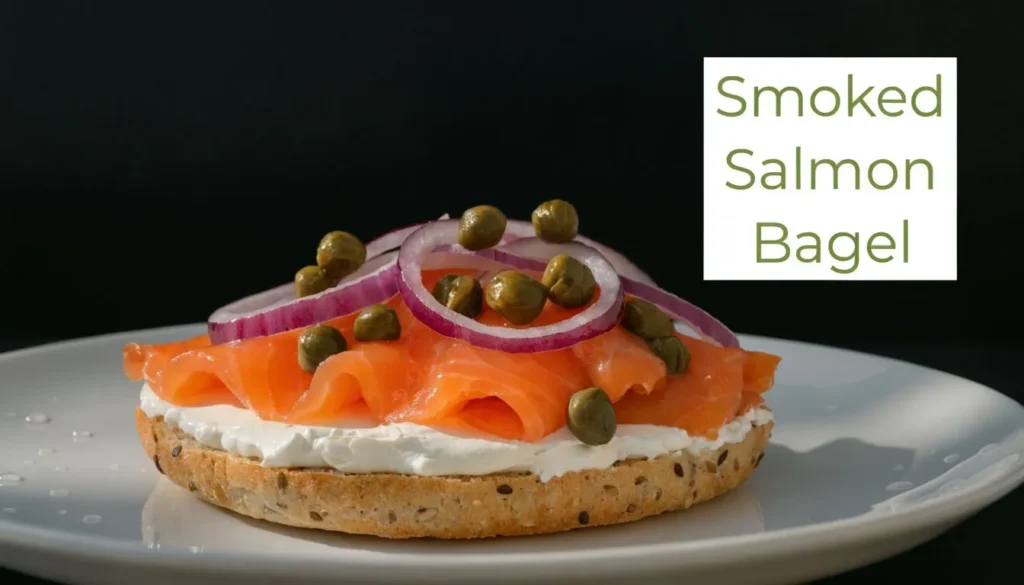
Need a breakfast that feels satisfying at 8 a.m. and still holds up by late morning? A smoked salmon bagel solves that problem better than many sweet, fast breakfasts because it combines protein, fat, and slower-digesting carbohydrates in one easy format.
The value of this option is not just taste. It is structure. Smoked salmon gives the meal a meaningful protein anchor, while a whole grain or higher-protein bagel adds enough carbohydrate to make it useful before work, class, or training. Cream cheese adds richness, but the smarter move is to keep the layer moderate so the salmon remains the nutritional center of the plate.
A practical serving usually looks like this:
- Base: Whole grain bagel, or a higher-protein bagel if you want more staying power
- Protein: Smoked salmon
- Spread: Cream cheese, whipped ricotta, or strained Greek yogurt mixed with lemon
- Toppings: Red onion, capers, cucumber, dill, tomato, lemon juice, black pepper
Estimated macros vary by bagel size and spread, but this meal often lands in the moderate-to-high protein range with moderate fat and a higher carbohydrate load than egg-based breakfasts. That makes it especially useful on active mornings or on days when lunch may come later than planned.
The prep strategy matters here. Keep salmon, sliced onion, capers, and lemon ready in separate containers, then toast and assemble in a few minutes. For a better batch system, borrow a few ideas from these healthy meal prep ideas for busy weekdays and portion toppings in advance so the bagel only needs to be toasted at serving time.
A few adjustments make this breakfast more flexible:
- Gluten-free: Use a gluten-free bagel or sturdy gluten-free toast
- Lower-dairy: Swap cream cheese for avocado or a dairy-free spread
- Higher-protein: Add more salmon or use a higher-protein bagel base
- Lower-sodium: Use less caper and onion, and balance with cucumber and tomato
- Open-faced option: Use half a bagel if you want the same flavor profile with a lighter carbohydrate portion
For a more complete plate, add sliced cucumber, tomatoes, or fruit on the side. If sodium is a concern, this is one to rotate rather than repeat daily. The bigger takeaway is that a salmon bagel works well as part of a breakfast toolkit because it delivers café-level appeal with enough structure to support appetite, energy, and real-world convenience.
6. Protein Overnight Oats with Chia Seeds
Need a breakfast that is ready before you are fully awake, but still has enough protein to keep you full through the morning? Protein overnight oats solve that problem well because they combine convenience, fiber, and a protein source you can scale up or down based on your needs.
The key to high-protein overnight oats lies in the strategic use of add-ins. Rolled oats and chia seeds create the base, but the protein total usually comes from Greek yogurt, skyr, soy milk, or protein powder. That distinction matters. A plain oat jar can be carbohydrate-heavy, while a well-built version gives you a more balanced mix of protein, fiber, and fat.
A practical jar usually lands in the moderate-to-high protein range, with carbohydrates that support training, commuting, or long mornings between meals. The exact macros depend on the ingredients. Greek yogurt raises protein and creaminess. Protein powder increases total protein with less volume. Chia seeds add fiber and help the mixture thicken overnight.
How to build a better protein oat jar
Use this framework so each serving has a clear job:
- Base: Rolled oats for slow-digesting carbohydrates
- Protein driver: Greek yogurt, skyr, or a scoop of protein powder
- Thickener: Chia seeds
- Liquid: Dairy milk or soy milk for better texture and extra protein
- Flavor and micronutrients: Berries, cinnamon, vanilla, cocoa, banana, or nut butter
This format is especially useful for people with early work starts, students, and anyone who trains in the morning but does not want to cook first. It also travels well, which makes it more reliable than breakfasts that depend on a toaster or stovetop.
Meal prep is where this option becomes useful. Mix several jars at once, label flavors, and keep toppings separate if you want better texture by day three or four. If you are building a broader grab-and-go routine, these healthy meal prep ideas for busy schedules pair well with an overnight oats system.
A few adjustments make the recipe easier to fit into different diets:
- Gluten-free: Use certified gluten-free oats
- Vegan: Use soy milk, plant-based yogurt, and a plant protein powder
- Higher-protein: Increase Greek yogurt or add protein powder
- Lower-sugar: Skip sweetened yogurt and flavor with cinnamon, cocoa, or berries
- Higher-calorie: Add nut butter, hemp seeds, or chopped walnuts for more staying power
For a better overall meal, add fruit on the side or pair the jar with a boiled egg if you want a larger protein hit without changing the oat texture. In a breakfast toolkit, overnight oats earn their place because they are adaptable, inexpensive, and easy to prep in batches without sacrificing nutrition.
7. Turkey Sausage and Vegetable Breakfast Burrito
Need a breakfast that delivers real protein, travels well, and still tastes good after reheating? A turkey sausage and vegetable breakfast burrito solves that problem better than many egg-only options because it combines several protein sources with fiber, volume, and a format that is easy to batch-prep.
The main advantage is balance. Turkey sausage gives the burrito a stronger protein base and more savory flavor than beans or eggs alone. Vegetables such as peppers, onions, spinach, and mushrooms add bulk without making the meal heavy. A whole wheat or higher-protein tortilla keeps everything portable, which matters if breakfast needs to happen in the car, at a desk, or between classes.
For many readers, this works best as a freezer meal rather than a same-morning recipe.
A practical build looks like this:
- Base: Whole wheat tortilla or another tortilla that reheats without tearing
- Protein: Turkey sausage, scrambled eggs, and optional black beans
- Vegetables: Bell peppers, onions, spinach, mushrooms, or zucchini
- Flavor layer: Salsa, a small amount of cheese, hot sauce, or herbs
- Finish after reheating: Avocado or Greek yogurt if you want more creaminess
Estimated macros vary by tortilla and sausage brand, but one medium burrito often lands in the range of a high-protein breakfast. Protein usually comes from the eggs, sausage, and optional beans, while vegetables improve fullness without pushing calories up quickly. That makes this a useful choice for people who want a breakfast that holds up through a long morning.
Meal prep determines whether burritos stay appealing by day four or become soggy and rubbery. Cook the vegetables long enough to release moisture. Let the filling cool before wrapping. Keep wet ingredients such as salsa and avocado out until serving if texture matters to you. Wrapped tightly in foil or parchment, burritos hold up well in the refrigerator for several days and can also be frozen for longer storage.
Small adjustments make the format easier to fit different diets:
- Gluten-free: Use gluten-free tortillas and avoid overfilling to prevent splitting
- Dairy-free: Skip cheese and use salsa or avocado for moisture
- Higher-fiber: Add black beans and extra vegetables
- Lower-calorie: Use less cheese and choose lean turkey sausage
- Higher-protein: Increase egg whites, use a higher-protein tortilla, or pair with Greek yogurt on the side
This is also one of the easier breakfasts to customize for a household. One person can use black beans and peppers, another can use spinach and feta, and a third can keep it simple with eggs, sausage, and salsa. That flexibility reduces prep fatigue, which is often the main reason high-protein breakfast habits fall apart.
For readers who like seeing the wrap-and-freeze method in action, this demonstration is useful:
8. Quinoa Breakfast Bowl with Almond Milk and Almonds
Need a high-protein breakfast that does not rely on eggs, yogurt, or protein powder again? A quinoa bowl solves a different problem than those options. It gives you a grain-based breakfast with meaningful protein, a broader amino acid profile than many cereals, and enough flexibility to go sweet or savory without changing the base.
Quinoa works well here because it is more than a carbohydrate. It contributes protein on its own, and almonds add more protein, fat, and texture. Almond milk keeps the bowl light, though unsweetened soy milk or dairy milk will raise the protein content more if that is the priority. That combination makes this breakfast easier to tailor than oatmeal, which often needs larger add-ons to reach the same target.
A practical version looks like this:
- Base: Cooked quinoa reheated with almond milk
- Protein support: Almonds, plus optional chia seeds, hemp seeds, or Greek yogurt if you want a higher-protein bowl
- Flavor: Cinnamon, vanilla, berries, chopped apple, or dates
- Estimated macros: Moderate protein, moderate carbs, and adjustable fat depending on the amount of nuts and seeds used
The smart prep move is to cook quinoa in batches. Store plain cooked quinoa in the refrigerator, then portion it into containers so breakfast takes only a few minutes. Reheat with milk on the stove or in the microwave, then add toppings after heating so the nuts stay crisp and the fruit keeps its texture.
This bowl also adapts well to different diets:
- Vegan: Use almond milk or soy milk and add hemp or chia seeds
- Gluten-free: Quinoa is naturally gluten-free, but check packaged toppings for cross-contact if needed
- Higher-protein: Use soy milk instead of almond milk, add seeds, or serve with a side of cottage cheese or Greek yogurt
- Lower-sugar: Use berries and cinnamon instead of sweetened dried fruit
- More filling: Add nut butter or pair with boiled eggs if your diet includes them
One reason quinoa deserves a place in a high-protein breakfast toolkit is adherence. People who get bored with standard breakfast rotations often do better with one flexible base they can season several ways. A quinoa bowl can be warm and lightly sweet one day, then savory with greens and a soft egg the next. That range makes the habit easier to keep.
9. Tofu Scramble with Nutritional Yeast
Most roundups of high protein breakfast ideas lean heavily on eggs, dairy, sausage, and chicken. That leaves a gap for plant-based eaters who don’t want tofu every day but still need practical options. An article from Food Dietitians highlights an underserved angle in breakfast coverage: whole-food plant proteins like beans, lentils, and seeds remain underused at breakfast, even though black beans provide 15 grams of protein per cooked cup, pepitas 9 grams per ounce, and chia seeds 5 grams per ounce in its breakfast-ideas discussion.
Tofu scramble still earns a place here because it gives vegans a savory breakfast base that can absorb those other proteins well.
Make tofu scramble more complete
On its own, tofu scramble can be fine but forgettable. The better move is to treat it like a template. Add sautéed peppers, spinach, mushrooms, black beans, or pepitas. Use nutritional yeast, garlic, turmeric, and black salt if you want a more egg-like profile.
A stronger plate might include:
- Base: Crumbled firm tofu
- Flavor support: Nutritional yeast, turmeric, garlic, black pepper
- Vegetables: Mushrooms, onions, spinach, peppers
- Protein boosters: Black beans, pepitas, or lentils on the side
- Serving option: Toast, roasted potatoes, or a grain bowl
Plant-based breakfasts don’t have to imitate eggs perfectly to work. They need enough protein, enough volume, and enough seasoning to feel finished.
For gluten-free eaters, this is naturally adaptable. For soy-free plant-based eaters, the bigger lesson from the broader plant-forward breakfast data is to pivot toward lentils, beans, seeds, and quinoa-based bowls instead of defaulting to processed meat substitutes.
10. Shrimp and Avocado Toast on Sprouted Grain Bread
Shrimp isn’t typically the first protein associated with breakfast, which is exactly why it’s useful. It gives you a lean, fast protein source that changes the flavor profile of the morning and keeps breakfast from becoming repetitive. While the plan notes suggest this as a brunch-style option, the underlying point is stronger than that: breakfast protein doesn’t have to come from typical breakfast foods.
This idea works best when you think of it as an open-faced composed toast. Toast the bread, mash avocado with lemon, then top with chilled or quickly warmed shrimp, herbs, and a little heat.
How to keep this from feeling too fussy
Use pre-cooked shrimp and pat it dry so the toast stays crisp. Sprouted grain bread helps the base hold up better than soft sandwich bread. Lemon, pepper flakes, and microgreens make it feel restaurant-worthy with very little actual work.
A practical build looks like this:
- Base: Sprouted grain toast
- Spread: Mashed avocado with lemon and salt
- Protein: Cooked shrimp
- Finish: Chili flakes, herbs, microgreens, or sliced radish
This breakfast is especially good for people who want a lighter-feeling meal that still delivers protein. It also suits weekend prep because shrimp can be portioned in advance and assembled quickly.
For gluten-free eaters, use gluten-free seeded bread. If you want to increase the protein further, add a side of Greek yogurt or an egg, depending on your preference.
10 High-Protein Breakfasts Comparison
| Recipe | Prep complexity | Ingredients & resources | Expected nutritional outcome | Ideal use cases | Key advantages |
|---|---|---|---|---|---|
| Greek Yogurt Parfait with Granola and Berries | Very low (2–3 min, no cooking) | Greek yogurt, granola, berries; refrigeration; optional protein powder | 15–25g protein; probiotics, calcium; moderate carbs | Quick breakfast, portable, gut-health focus | Fast, customizable, probiotic benefits |
| Veggie-Packed Egg Scramble with Whole Grain Toast | Moderate (10–15 min, stovetop) | Eggs, mixed vegetables, whole-grain toast; basic cookware | 18–24g protein; vitamins/minerals; stabilizes blood sugar | Home breakfast, focus/cognitive support, moderate post-workout | High satiety, nutrient-dense, flexible |
| Protein Pancakes with Almond Butter and Berries | Moderate (15–20 min, stovetop) | Protein powder, eggs, oat flour, almond butter; slightly higher cost | 25–30g protein; higher calories; good for recovery | Post-workout, fitness-focused, freezer meal-prep | Dessert-like, high protein, freezer-friendly |
| Cottage Cheese Bowl with Nuts and Honey | Very low (2–3 min, no cooking) | Cottage cheese, nuts, honey; refrigeration; low cost | ~28g protein; high calcium, complete amino acids | High-protein satiety, weight management, quick at home | Highest dairy protein density, no cooking |
| Smoked Salmon and Cream Cheese on Whole Grain Bagel | Low (5–7 min assembly) | Smoked salmon, bagel, cream cheese, capers; fresh/high-quality ingredients | 25–30g protein; rich in EPA/DHA and B12; higher calories | Elegant quick breakfast, business breakfasts, weekend | Omega-3s, impressive presentation, brain/cardiac benefits |
| Protein Overnight Oats with Chia Seeds | Low active time + overnight (5 min prep + 8h) | Rolled oats, protein powder/Greek yogurt, chia, milk; jars for storage | 20–25g protein; high fiber & omega-3; sustained energy | Meal prep, grab-and-go, travelers | Extremely convenient, meal-prep friendly, digestive support |
| Turkey Sausage and Vegetable Breakfast Burrito | Moderate (15 min active; quicker if pre-made) | Turkey sausage, eggs, veggies, whole-wheat tortilla; cookware, freezer for prep | 30–35g protein; balanced macros; may be higher in sodium | On-the-go meals, athletes, weekly meal-prep | Very filling, portable, high protein for recovery |
| Quinoa Breakfast Bowl with Almond Milk and Almonds | Moderate (20 min cook or use pre-cooked) | Quinoa, almond milk, almonds, berries; requires cooking or prep | 15–20g protein; complete plant protein; rich minerals | Oat alternative, plant-based variety, gluten-free needs | Complete plant protein, nutrient-dense, gluten-free |
| Tofu Scramble with Nutritional Yeast | Moderate (10–12 min sautéing) | Firm tofu, nutritional yeast, vegetables; basic stovetop skills | 23–28g protein; complete plant-based protein; low sat fat | Vegan athletes, sustainable diets, ethical consumers | Plant-based complete protein, low environmental impact |
| Shrimp and Avocado Toast on Sprouted Grain Bread | Low (8–10 min, quick cook or use pre-cooked shrimp) | Shrimp, avocado, sprouted-grain bread; fresh seafood (higher cost) | 24–28g protein; omega-3s, choline; moderate calories | Brunch, special occasions, seafood lovers | Elegant, nutrient-dense, quick if pre-cooked shrimp used |
Your Action Plan for a High-Protein Morning
What makes a high-protein breakfast routine stick. A good recipe, or a system that still works on rushed weekdays, training days, and slower weekends?
The useful answer is a system. One breakfast cannot cover every schedule, appetite, and prep window. A better approach is to build a small rotation with three functions in mind: one cold option, one hot option, and one portable option. That structure reduces decision fatigue, keeps protein intake more consistent, and lowers the odds of defaulting to a breakfast built mostly from refined carbs.
As noted earlier, higher-protein breakfasts are associated with better appetite control and steadier blood sugar response than lower-protein alternatives. The practical takeaway is straightforward. Build breakfast from the protein source first, then add fiber, produce, and fats to match your energy needs.
A simple setup looks like this:
- Cold options: Greek yogurt parfaits, cottage cheese bowls, protein overnight oats
- Hot options: Egg scrambles, protein pancakes, quinoa bowls, tofu scrambles
- Portable options: Breakfast burritos, smoked salmon bagels, overnight oats in jars
That framework also helps you match the meal to the morning.
If time is tight, choose breakfasts that rely on assembly rather than cooking. Greek yogurt parfaits, cottage cheese bowls, and overnight oats are the lowest-friction choices. If satiety is the problem, prioritize savory meals with more protein density and chew, such as egg scrambles, salmon bagels, and burritos. If you eat plant-based, avoid relying on a single ingredient. Tofu, quinoa, chia, nuts, seeds, and legumes work better as a group because they raise both protein totals and overall nutrient coverage.
Prep should target friction, not perfection.
For many households, that means washing berries, chopping vegetables, portioning yogurt or cottage cheese, cooking a batch of quinoa, freezing pancakes, or wrapping burritos for later. The best meal-prep strategy is the one that removes the task most likely to stop you at 7 a.m. If cooking is the barrier, prep cooked components. If choice is the barrier, pre-decide two breakfasts and repeat them.
A practical starting point is to choose two options from this list and assign them roles. Pick one no-cook breakfast for the busiest mornings. Pick one breakfast that reheats well for days when you want something warm. That pairing covers most real schedules and turns high-protein breakfast ideas into a repeatable routine, not a short-lived plan.
The best breakfast is the one you’ll still be eating next month because it fits your schedule as well as your nutrition goals.
maxijournal.com publishes approachable, evidence-aware writing across health, science, sports, business, culture, travel, entertainment, education, pets, fashion, gaming, and more. If you enjoy practical guides like this one, explore the latest articles, subscribe for fresh reads, or consider contributing your own perspective as a guest writer.
Discover more from Maxi Journal
Subscribe to get the latest posts sent to your email.