You’re in free roam, riding toward town, and the next few minutes could go in completely different directions. Maybe you want an easier gunfight because you’re tired of restarting a hard encounter. Maybe you want to cross the map faster without hunting for better gear. Maybe you want to provoke the law on purpose, or just turn the frontier into something more cinematic for screenshots and casual wandering. That’s usually when Red Dead Redemption cheats start to sound useful.
The practical question isn’t just which code exists. It’s which kind of cheat fits the moment you’re in. Some cheats make combat simpler. Some remove the game’s economy. Some reshape travel, atmosphere, or your relationship with law enforcement. A few are best treated as novelty tools for a separate play session rather than part of normal progression.
This roundup focuses on eight cheat concepts and treats each one the same way. You’ll see what it changes, when it helps, what it undermines, and when to turn it off. Keep in mind that cheat coverage spans both Red Dead Redemption and Red Dead Redemption 2, and the two games don’t use exactly the same set of effects or activation conditions. Major guides show that the original game uses a hidden phrase system in the Cheats menu, while Red Dead Redemption 2 also uses exact phrases entered through its settings interface in Story Mode through a built-in cheat system documented across platforms in Polygon’s Red Dead guide. If you also record clips, these streamer video editor picks pair well with cinematic cheat sessions.
Before you use any code, verify your exact game version, platform, input screen, and save consequences. Some cheats also interact badly with completion-focused play.
1. SLOWMO
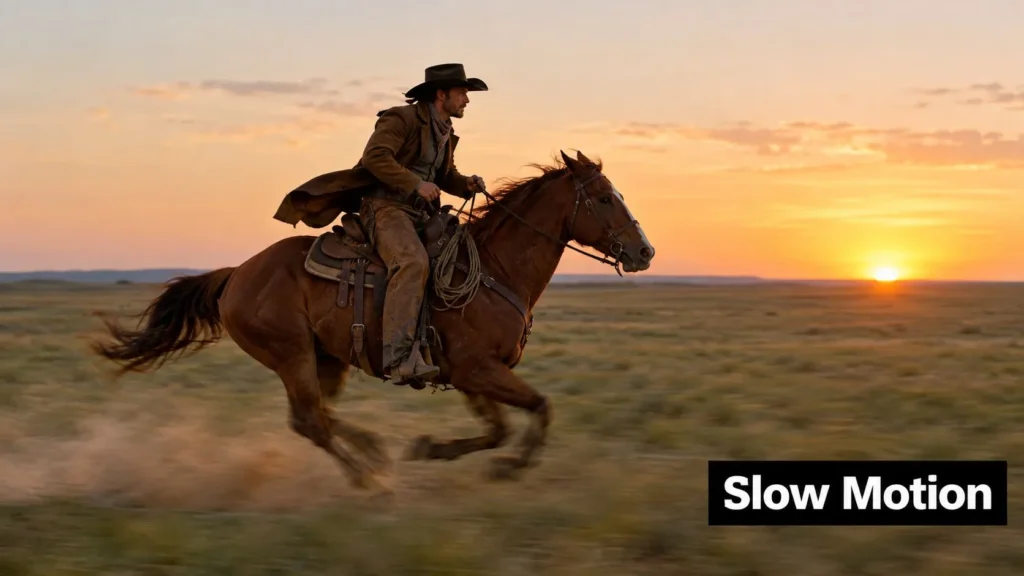
A fight in Red Dead can turn messy in seconds. A rider cuts across your view, another enemy fires from a roof, and the person you meant to protect steps into the line of fire. Slow motion changes the purpose of the encounter right away. Instead of testing fast reactions, it gives you space to choose targets in order and control the scene.
That makes Slowmo a combat cheat first, not a general convenience tool. It works best when your goal is accuracy under pressure.
What It Changes
Slow motion shifts your priority from survival through speed to survival through sequencing. The question stops being, “Can I react in time?” and becomes, “Who should I deal with first?”
That difference matters. In a normal gunfight, Red Dead rewards quick adjustment and composure. With time slowed, you can read the battlefield more like a board game turn. Pick cover. Mark the nearest threat. Protect the NPC. Then clean up the rest.
Best Use Cases
Use Slowmo for short, high-risk moments where one mistake usually snowballs.
Ambushes are the clearest example. If enemies attack from multiple angles, slowed time helps you identify the shooter with the best line on you instead of firing wildly at the closest target.
Escort and protection segments also benefit. If your real problem is not killing enemies fast enough but preventing damage to someone else, Slowmo gives you a larger decision window.
It also fits players who treat Red Dead as a cinematic sandbox from time to time. Duels, horseback chases, and camp assaults look cleaner when you can stage each shot instead of accepting whatever chaos the fight produces.
The Main Drawback
Slowmo lowers the value of tension.
That sounds obvious, but it changes more than difficulty. Red Dead’s combat rhythm depends on urgency. You hear a shot, snap to cover, then commit before the next opening disappears. Slow motion stretches that rhythm out, so fights can feel less like frontier survival and more like scene direction.
Used too often, it can also blur together with Dead Eye in your mind. Both tools help with precision, but a cheat that slows the whole encounter makes timing less important across the board. If you enjoy mastering the game’s natural pace, that tradeoff is real.
When to Turn It On, and When to Stop
The best habit is to use Slowmo like a scoped tool. Turn it on for one camp raid, one rescue, or one difficult bounty approach. Turn it off once the set piece is over.
Leaving it active during long rides, hunting, or casual exploration usually works against the atmosphere. Wildlife movement feels less natural. Town scuffles lose their snap. Travel starts to feel staged.
A good rule is simple. If you want cleaner decisions in combat, use Slowmo. If you want the frontier to feel alive and unpredictable, save it for isolated encounters.
2. GUNSLINGER
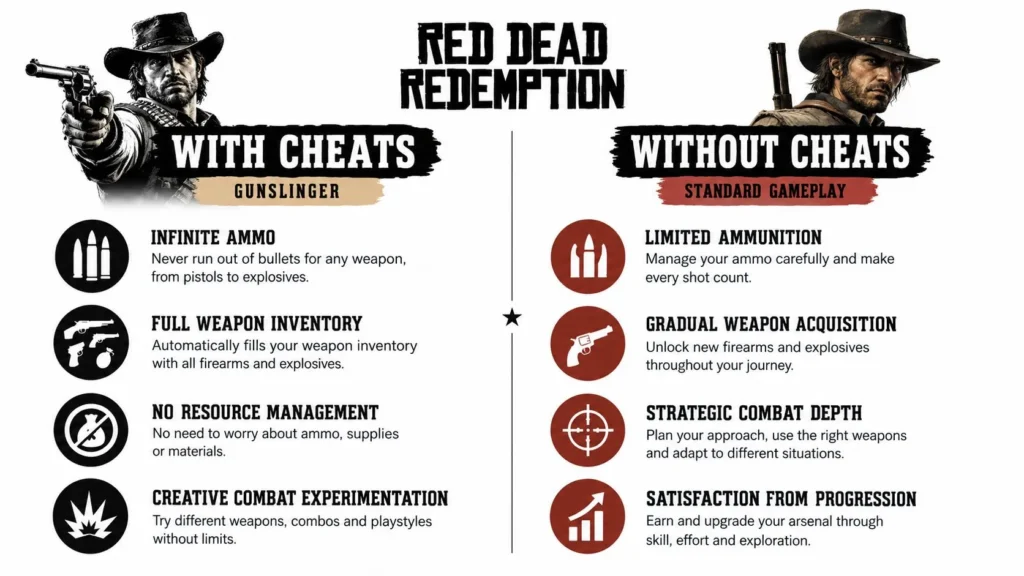
You ride into a gang hideout with a repeater, a revolver, and no reason to conserve shots. That is the effect of a gunslinger cheat. It does not just give you more bullets. It changes combat from rationing to pressure.
For this section, the useful category is combat freedom. In Red Dead Redemption, cheat lists for the original game include Infinite Ammo among the available single-player options, as noted by GameSpot’s Red Dead Redemption cheat guide. Once that code is active, your attention shifts away from supply and toward tempo, weapon choice, and aggression.
How It Changes Your Priorities
Normal gunfights ask you to think like a traveler carrying limited supplies. Every reload, missed shot, and extra detour to loot bodies has a cost.
Infinite ammo removes that layer. Combat starts to work more like a shooting gallery with frontier weapons. You can test range, rate of fire, and recoil without asking whether the experiment is wasteful. That makes this cheat especially useful for players who want to learn how each gun behaves, not just survive the encounter.
Best Times to Use It
This cheat fits players who want combat sessions with less friction and more experimentation.
A replayed mission is a strong use case. If you already know the story beat and want to enjoy the set piece, unlimited ammo lets you focus on positioning and weapon feel instead of inventory discipline.
It also works well for:
- Weapon testing: Swap between revolvers, repeaters, rifles, and stronger options to learn which tools suit close, medium, and long range.
- Hideout clearing: Long firefights feel faster when you are not stopping to think about reserves.
- Pure sandbox chaos: Town fights and outlaw rampages become more about spectacle than planning.
The Main Tradeoff
The drawback is simple. Scarcity is part of Red Dead’s combat identity.
When bullets stop mattering, weapons can start to feel interchangeable. Reloads still happen, but the tension behind them drops. Looting bodies matters less. Shops matter less. Careful aim matters a little less too, because waste no longer carries much punishment.
That shift can flatten the frontier fantasy if you enjoy the game’s survival side. A careful outlaw becomes a walking arsenal.
When to Turn It Off
Use Gunslinger when you want to test weapons, replay a hard fight for fun, or create a short combat-heavy sandbox session.
Turn it off for hunting, early-story progression, or any stretch where the economy and scavenging are part of the appeal. In those moments, limited ammo does useful design work. It keeps each shot connected to risk, money, and preparation.
3. ARMOR
A protection cheat changes your goal more than almost any other code in Red Dead Redemption. In the combat category, this is the setting you use when you want to study a fight instead of fear it. Once heavy damage stops being a real threat, your attention shifts from survival to observation, route testing, and experimentation.
That shift has a clear use. During a replayed mission, armor-style cheats let you examine how an encounter is built. You can stay exposed a little longer, test different cover spots, and learn which enemy waves or angles usually cause trouble. For players using cheats as practice tools, this works like training with padded gear. The hits still happen, but they stop ending the lesson early.
Red Dead Redemption 2 includes built-in Story Mode cheats that affect survivability, such as maxed health, stamina, and Dead Eye, as documented by Rockstar Games Support’s cheat code instructions for RDR2.
Best Use Cases for Armor Cheats
Armor cheats fit players who want safer combat access, not players looking for normal tension.
A few strong use cases stand out:
- Mission practice: Learn enemy placement, flanking paths, and cover timing without restarting every time a mistake snowballs.
- Risky exploration: Ride into hostile areas or test rough terrain when you care more about seeing the space than surviving it cleanly.
- Set-piece replays: Revisit chases, camp assaults, and town fights for spectacle or story momentum.
- Roleplay sessions: Create the feel of a near-mythic gunslinger who can push through danger that would usually force retreat.
The Tradeoff
Armor cheats flatten several systems at once.
Tonics matter less. Careful peeking matters less. Retreat routes, horse protection, and panic decisions lose much of their weight. A fight that normally asks, “Should I press forward or fall back?” starts asking only, “Which approach do I feel like trying?” That can be useful for learning, but it also removes the pressure that gives Red Dead’s shootouts their shape.
This is why armor cheats work best in short, deliberate sessions. Turn one on when you want to practice or revisit a hard sequence. Turn it off when you want the frontier to feel dangerous again.
4. MONEY
You ride into town after a hard mission, check the gunsmith, and realize cash decides what happens next. With a money cheat on, that decision changes completely. The question stops being, “Can I afford this now?” and becomes, “What do I want to try first?”
That shift matters because money cheats are really resource cheats. They do not just fill your wallet. They shorten or erase the normal loop of looting bodies, selling goods, taking side jobs, and choosing which purchase can wait. As noted earlier, the game’s documented cheat set includes a direct cash boost, and even a modest jump in funds can speed up your early shopping.
What a Money Cheat Changes
Combat cheats change how safe you feel in a fight. A money cheat changes how you prepare before the fight starts.
More cash means earlier access to ammo, weapons, outfits, and supplies. It works like skipping several small errands at once. If you mainly want to test gear combinations or build a themed loadout, that can be useful. If you enjoy the slow climb from under-equipped drifter to capable survivor, it removes part of the game’s identity.
Best Use Cases for Money Cheats
A second playthrough is usually the best fit. By then, you already know how stores, loot, and basic budgeting work, so extra cash saves time instead of skipping a lesson.
It also fits players who want to compare equipment side by side.
- Gear testing: Buy weapons and supplies quickly to learn what suits your style.
- Theme runs: Set up a hunter, bounty hunter, or town-fight loadout without spending hours building funds.
- Free-roam sessions: Stock up fast when your goal is roaming, dueling, or causing chaos rather than progressing normally.
- Experiment-heavy play: Players who like tweaking systems in other games often enjoy this shortcut too, whether that means cosmetic installs, mod setups, or custom content workflows like installing Sims 4 CC.
The Tradeoff
Money creates pressure in Red Dead. It makes a bad shopping choice sting a little, and it gives small rewards a purpose. Remove that pressure, and stores become more like a buffet than a frontier economy.
Some players will prefer that. Others will notice that side jobs, looting, and scavenging lose their pull once purchases stop requiring tradeoffs.
Use the cheat when access matters more than progression. Skip it when you want the game to keep asking careful questions about scarcity, planning, and what to buy next.
5. HORSE
You are camped on one side of the map, and the next thing you want is far beyond the next ridge. In that moment, a horse cheat does more than speed up travel. It changes what kind of session you are having.

Horse cheats belong in the travel category. Their real effect is priority shift. Instead of planning around distance, stamina, and horse quality, you start planning around destinations. The map feels less like a series of commitments and more like a set of stops you can sample in one outing.
That change sounds small. In practice, it touches exploration, escape routes, and how much patience the game asks from you.
What a Horse Cheat Actually Changes
A better mount works like cutting friction from every trip. Long rides ask less of your time. Missed turns sting less. Remote areas feel easier to visit because getting there and getting back take less effort.
This matters most in free roam. If your goal is sightseeing, collectible hunting, or testing routes between towns, mobility can matter more than another combat advantage. Even location-based tasks such as RDR2 dinosaur bones become easier to attempt when travel stops being the main obstacle.
Best Use Cases
Use a horse cheat when the purpose of the session is movement.
One good fit is map-clearing. You can cross wide regions quickly, mark points of interest, and learn the shape of the world without spending most of the session in transit.
It also helps with exploration runs. If you want to visit cabins, treasure areas, hunting zones, or scenic overlooks, stronger travel support keeps your attention on discovery rather than upkeep.
A third use case is escape-heavy play. Faster travel can make bounty evasion, post-fight retreats, and risky detours more manageable, especially when you are treating the world like a sandbox instead of a survival exercise.
The Drawback
Red Dead teaches attachment through pace. You learn your horse over time, deal with its limits, and feel the difference when you finally improve your ride. Skip that process too early, and the horse becomes transportation first and companion second.
That tradeoff matters more than it may seem. Bonding, temperament, and gradual upgrades are part of the frontier rhythm. Remove too much of that rhythm, and travel becomes efficient but less personal.
When to Use It, and When to Skip It
Use the cheat on a second playthrough, during collectible cleanup, or in a free-roam session where coverage matters more than immersion.
Skip it early in the game if you still want to learn how the travel systems shape decision-making. The normal pace teaches caution, route choice, and respect for distance. A horse cheat teaches freedom instead.
Neither approach is wrong. They just support different priorities.
6. ZOMBIE
Ride into a familiar stretch of frontier at dusk, and this cheat can make it feel like a different game. That is why it fits the novelty category in this roundup. It does not improve your economy, your survival odds, or your travel efficiency. It changes your goal from progress to experimentation.
The shift matters. In the combat or resource cheats, you usually ask, “How do I get through this faster?” Here, the better question is, “How strange can I make this session?” That change in priority is the whole point.
A visual example helps:
What the Zombie Cheat Adds
A zombie-style effect works like a genre swap. The same roads, graveyards, and empty buildings start to read less like Western landmarks and more like horror scenery.
That has practical value if you enjoy sandbox play. Familiar locations become test spaces again. You pay more attention to lighting, sound, isolation, and weapon feel than to cash, mission order, or map coverage.
Best Use Cases
Use it in free roam, especially when you want a break from the main story tone. It works well for late-night sessions, short challenge runs, and casual play where the fun comes from surprise rather than long-term planning.
It also suits clip creation or local social play. A strong novelty cheat gives you memorable moments quickly, which is useful when the goal is to create stories, not to build a save file efficiently.
The Drawback
This kind of cheat can flatten the game’s normal priorities. If every ride turns into horror theater, the frontier stops feeling grounded, and the tension that comes from ordinary danger loses some of its weight.
Story scenes can suffer most. Serious character beats and mission pacing depend on a consistent mood. A zombie effect interrupts that mood, so the experience can feel less like Red Dead and more like a themed side activity.
When to Use It, and When to Skip It
Use it when you want atmosphere first. Good times include post-story free roam, a second playthrough, or an evening built around messing with the world and seeing what feels different.
Skip it during missions you care about emotionally, or early in the game if you still want to learn the intended tone. The standard version of Red Dead teaches caution through realism. This cheat teaches curiosity through contrast.
Both have value. They just serve different reasons for playing.
7. WANTED
You rob a store, step outside, and the whole session changes. Shopkeepers panic, deputies close in, and a quick errand turns into an escape problem. Wanted cheats matter because they let you set that pressure on purpose, lower it instantly, or remove it before it drags the rest of your ride off course.
In this roundup, that puts WANTED in its own category. It is not mainly about combat power or resources. It is about law-enforcement manipulation. The moment you control your bounty state, your priority shifts from earning money or surviving a duel to managing heat, timing, and exit routes.
What the Cheat Actually Changes
A wanted cheat lets you raise or clear legal pressure without waiting for the game’s usual chain of witnesses, reports, and pursuit. That makes the law system feel less like weather and more like a dial.
Raising your wanted level creates a planned chase. Clearing it turns a messy situation into a clean reset.
That sounds simple, but it changes how you play. In free roam, you stop asking, “Can I get away with this?” and start asking, “How much response do I want right now?”
Best Use Case: Practice Pressure on Purpose
This cheat works best when you treat the map like a training ground. A town tests close-quarters escapes, alley turns, and rooftop movement. Open country tests horse speed, sight lines, and how long you can stay ahead once riders spot you. Rail lines are useful if you want a moving escape with limited room to maneuver.
A good way to use it is to pick the place first, then decide the crime. That is the same logic as choosing a sparring ring before a fight. The environment decides what skill you are testing.
Why Some Players Love It
If your favorite Red Dead moments come from chaos, WANTED gives you faster access to them. You can trigger a sheriff response without waiting for a mistake to happen naturally. You can also clear your status the second the chase stops being fun.
That makes it strong for short free-roam sessions. You can create one outlaw scenario, play it through, then go back to hunting, riding, or exploring without a long cleanup phase.
The Drawback
The law system loses weight if every crime has an instant off switch. Witnesses stop mattering. Escape routes matter less. Paying attention to where you commit a crime matters less too.
The opposite extreme has a problem as well. If you keep forcing a wanted state, every town starts to serve the same purpose. Instead of a living frontier with different rhythms, the map becomes a string of firefight arenas.
When to Use It, and When to Skip It
Use it when you want controlled disorder. Good fits include outlaw roleplay, chase practice, bounty-sized challenge runs, or any session built around testing how long you can hold off the law and still escape.
Skip it during story missions or during a first playthrough of major town sequences. Those parts work best when legal pressure rises at the game’s intended pace. The cheat is most useful after you already understand how the normal system teaches caution.
Used well, WANTED does not just make trouble appear. It changes your goal for the next few minutes. You stop playing to stay clean, and start playing to manage heat.
8. WEATHER
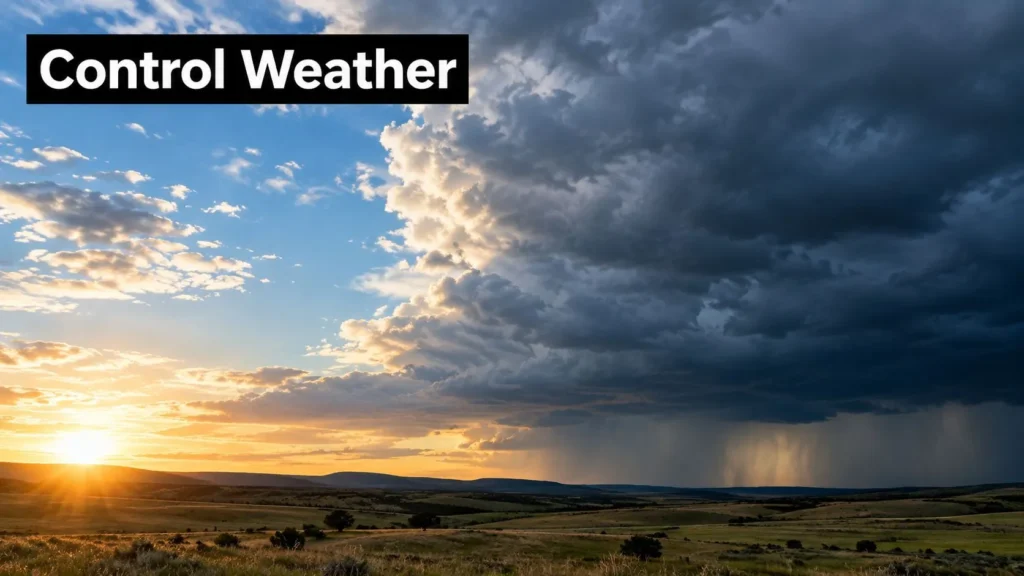
Weather cheats are for players who care about tone, photography, and timing. They don’t usually make you stronger, richer, or safer. They make the world look and feel different, and that can be enough to justify them.
A thunderstorm can make a ride feel dangerous even when no enemies are around. Fog can turn a familiar road into a suspense scene. Clear skies can make a hunting trip or mountain crossing feel calm and expansive. When you control weather, you’re controlling mood.
Best Reasons to Use Weather Control
Content creation is the obvious one. If you’re capturing screenshots, roleplay clips, or scenic rides, waiting for the right atmosphere can be the slowest part of the process. Weather control removes that wait.
It also improves themed exploration. Riding through the swamps in fog, crossing open country at sunrise, or entering town under storm clouds changes how you perceive locations you’ve already seen many times.
The Tradeoff
Weather cheats can weaken the world’s natural unpredictability. Part of Red Dead’s appeal is that the environment doesn’t always cooperate with your plans. Once you can command the sky on demand, surprise fades.
Still, this is one of the least disruptive cheats if you use it lightly. It doesn’t have to erase challenge. It just reframes your route. Turn it on when the mood matters more than spontaneity, especially for short scenic sessions or creative capture work.
Red Dead Redemption Cheats, 8-Point Comparison
| Cheat | Implementation complexity | Resource requirements | Expected outcomes | Ideal use cases | Key advantages |
|---|---|---|---|---|---|
| SLOWMO – Slow Motion Mode | Low, simple time-scale toggle | Medium, can stress CPU/GPU on low-end systems | Game runs at ~25% speed; slows all animations and physics | Combat precision, cinematic captures, learning mechanics | Improved aiming and cinematic feel; accessibility for new players |
| GUNSLINGER – Infinite Ammo and Weapons | Low, grant ammo and weapon inventory | Low, minimal additional processing | Unlimited ammunition; full arsenal available instantly | Experimental combat, story-focused playthroughs, fun sessions | Removes ammo grind; enables creative and continuous combat |
| ARMOR – Maximum Health and Invincibility | Low, set health/invincibility flags | Low | Complete invulnerability; max health restored | Practicing difficult missions, narrative-focused play, accessibility | Eliminates failure risk; safe exploration and experimentation |
| MONEY – Infinite Wealth | Low, set currency value | Low | Max cash balance; removes economic constraints | Skipping grind, full customization, second playthroughs | Immediate access to gear and properties; speeds progression |
| HORSE – Spawn Special Horses and Vehicles | Medium, spawn and bind unique mounts | Low–Medium, loads special horse assets | Spawns legendary/rare horses at max bond and stats | Fast travel, exploration, roleplay with rare mounts | Instant access to top-tier horses; eliminates bonding grind |
| ZOMBIE – Transform Environment with Undead | Medium–High, spawn new NPCs and alter AI/atmosphere | High, additional NPCs, AI, and visual changes | World populated with zombies; shifts tone to horror-survival | Novelty sessions, streaming, creative content | Unique, high-entertainment scenarios; fresh enemy variety |
| WANTED – Instant Wanted Level Manipulation | Low, toggle wanted/bounty states | Low | Instantly raise or clear wanted level; force law encounters | Testing law mechanics, action sequences, outlaw roleplay | Direct control of police encounters; immediate high-intensity gameplay |
| WEATHER – Control Environmental Conditions | Medium, manipulate weather/time systems | Medium, affects lighting, particles, visibility | Instant change of weather and time; altered visibility and mood | Photography, cinematic scenes, testing weather-linked mechanics | Precise atmosphere control; ideal for visual storytelling and content creation |
Use Cheats Without Losing Your Progress
The easiest way to think about Red Dead Redemption cheats is by purpose, not by spectacle. SLOWMO, GUNSLINGER, and ARMOR belong to combat sessions. They help when you want cleaner aim, less resource pressure, or protection from repeated mission failure. They also reduce tension, so they’re best used in short bursts rather than left on for an entire playthrough.
MONEY and HORSE are access cheats. They accelerate parts of the game that normally take time. Money removes a lot of the economic friction around gear and supplies. Horse-related cheats reduce travel friction and make exploration easier to commit to. Both are strongest after you already understand the intended loop and want a more customized second pass through the world.
WANTED is the best cheat for controlled outlaw scenarios. Instead of waiting for the law system to collide with your plans, you decide when to trigger pursuit and when to clear the slate. WEATHER is lighter and more artistic. It changes mood, not just mechanics, which makes it useful for photography, roleplay, and scenic wandering. ZOMBIE sits furthest from normal progression. It’s the novelty choice. Use it when you want a separate, playful session rather than a serious run.
The biggest warning isn’t about difficulty. It’s about progression. A practical gap in many cheat lists is that they explain input but not consequences. Support documentation notes that once cheats are active, autosave is disabled and trophies or achievements stop earning until you reload an earlier save or begin fresh through the behavior described in Netflix Help’s Red Dead cheat note. For completionist players, that matters more than the cheat effect itself.
That’s why it’s smart to separate experimentation from normal story progress whenever possible. Keep a clean save for missions, getting items, and achievement hunting. Use a different session for testing combat power, dramatic weather, law chaos, or novelty effects. That small habit prevents most regret.
One final point matters beyond Red Dead itself. Cheat systems in these games are built-in single-player features, but the broader cheat market has grown far beyond harmless sandbox tinkering. A 2026 industry analysis estimated the global video game cheating economy at about $8.5 billion annually, including subscription-based cheat products and adjacent services, according to SecurityBrief’s reporting on the cheat economy. That’s a different world from built-in offline experimentation, and it’s worth keeping the distinction clear.
Before you activate anything, confirm the correct game version, enter the exact supported phrase in the proper interface, check whether the cheat is still active, and turn it off before you go back to mission-focused play. Red Dead Redemption cheats are most useful when you use them deliberately, not automatically.
If you like practical game explainers like this, maxijournal.com publishes approachable writing on games, technology, entertainment, and more, with a focus on clear takeaways instead of hype. It’s a good place to find another guide after your cheat session, whether you’re comparing game systems, exploring related topics, or looking for fresh commentary from an independent online magazine.
Discover more from Maxi Journal
Subscribe to get the latest posts sent to your email.