Most guides on what to do in New Zealand make the same mistake. They treat the country like a checklist of pretty places, as if every traveler should chase the same highlights in the same order. That’s why so many itineraries end up overloaded, geographically messy, and oddly shallow.
A better approach starts with the kind of trip you want. New Zealand rewards active travelers more than passive sightseers. That isn’t just a vibe. Walking, hiking, and trekking were the most popular activities among international visitors in the year ended June 2019, ahead of beaches, native birds, and national parks, according to Figure.NZ’s tourism activity chart. That tells you something important: the country’s biggest draw isn’t one landmark. It’s participation.
That matters because New Zealand can be two very different destinations depending on your choices. You can build an adrenaline-heavy trip around Queenstown and Fiordland. You can center it on geothermal areas and Māori heritage in the North Island. Or you can balance movement and recovery, pairing major outdoor days with hot springs, vineyards, and dark-sky nights.
Tourism also plays an outsized role in the country’s economy, with direct and indirect GDP contribution, major export earnings, and broad employment support documented in the overview of tourism in New Zealand. That scale explains why the visitor experience is so developed. You’ll find polished tour operations, strong transport links on major routes, and a huge range of trip styles despite the country’s relatively small population.
The smartest way to plan is to choose experiences that fit your pace, season, transport tolerance, and appetite for physical effort. The list below does exactly that. It doesn’t just name standout activities. It helps you decide which ones belong together, which ones compete for time, and which ones shape the rest of your itinerary.
1. Bungee Jumping at Kawarau Bridge
If your version of what to do in New Zealand starts with one iconic thrill, make it bungee at Kawarau Bridge. This is the experience that turns Queenstown from a scenic alpine town into a personal test of nerve. Even travelers who skip skydiving or advanced hiking often single out a bridge jump because it delivers a concentrated hit of adrenaline without taking over the whole day.
Kawarau works best for travelers who want a clean, memorable challenge rather than an all-day expedition. You show up, get briefed, face the edge, and commit. That structure matters. For many people, the hardest part of adventure travel isn’t physical ability. It’s psychological friction.
Who it suits best
This is strongest as a half-day anchor in a Queenstown itinerary. Pair it with a slower afternoon, a lakefront dinner, or another scenic activity rather than stacking multiple high-stress adventures back to back.
A few travelers tend to get the most from it:
- First-time adrenaline seekers: You want one defining story from New Zealand without committing to a multi-day wilderness challenge.
- Short-stay visitors in Queenstown: You’ve only got a day or two and need something iconic, efficient, and easy to book.
- Groups with mixed confidence levels: One person can jump while others watch, film, and still feel part of the event.
Fear is the product here. The jump is the payoff.
Practical trade-offs
Bungee is high on emotional intensity and low on time immersed in natural surroundings. That’s the trade. If your priority is deep contact with nature, kayaking or hiking will deliver more sustained scenery. If your priority is a clean bragging-rights moment, bungee wins.
Use a few basic rules to avoid turning the day into hassle:
- Book your preferred slot early: Queenstown is one of the country’s adventure hubs, so popular times disappear first.
- Wear simple clothing: You don’t want to fuss with loose accessories or awkward layers during check-in and briefing.
- Check restrictions before you go: Medical, weight, or mobility considerations can affect whether this is the right fit for you.
- Keep the rest of the day light: Most jumpers feel a noticeable adrenaline crash afterward.
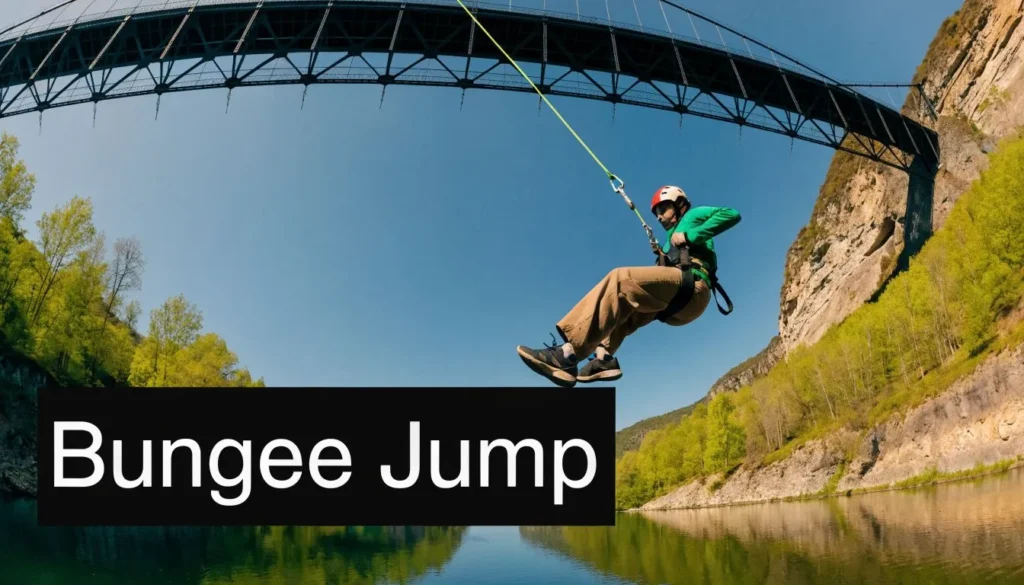
For analysts of destination identity, this experience matters beyond the jump itself. New Zealand has spent decades positioning itself as an adventure-first destination, and Kawarau is one of the clearest expressions of that brand in action.
2. Middle Earth Film Set Tours
Not every great New Zealand experience depends on altitude, speed, or mud. Hobbiton in Matamata is proof that one of the country’s most successful attractions is carefully designed, highly accessible, and rooted in storytelling.
That makes it especially useful in itinerary planning. If you’re traveling with children, mixed ages, or people who don’t want every day to feel physically demanding, a film set tour adds cultural pop recognition without the exhaustion factor. It also works well as a North Island bridge stop between Auckland, Rotorua, and surrounding regions.
Why Hobbiton earns its place
Some travelers dismiss movie sites as niche attractions. That’s the wrong read here. Hobbiton works because it delivers more than fan service. The scenery, set design, and guided pacing create a polished immersion experience even for people who aren’t Tolkien obsessives.
It’s one of the better examples of a New Zealand attraction where the appeal comes from production quality and emotional familiarity rather than raw wilderness. That gives your trip texture. If every day is waterfalls, roads, and hikes, the experiences can blur together. Hobbiton introduces narrative and contrast.
How to fit it into a broader trip
Hobbiton is strongest when used strategically, not as a standalone destination. Treat it as part of a regional sequence.
- From Auckland: It breaks up the move south and adds a memorable stop before Rotorua.
- With Rotorua: This pairing works well because one day leans cinematic and the next leans geological and cultural.
- For families: It offers a lower-strain day after long drives or before more active outings.
A few practical habits improve the experience:
- Book ahead online: Popular entry windows can fill, especially on classic travel dates.
- Wear proper walking shoes: It’s not a hard walk, but it’s still an outdoor site.
- Allow unhurried time: Rushing through a visual attraction undercuts the point.
- Bring a camera you trust: This is one of the easier places in New Zealand to come home with polished photos.
The bigger analytical point is that Hobbiton solves a common itinerary problem. It gives travelers a flagship attraction in the North Island that doesn’t depend on weather resilience, advanced fitness, or appetite for risk. That makes it one of the smartest balancing tools in the country.
3. Hiking the Milford Track in Fiordland National Park
What should a traveler choose if they want one New Zealand experience that shapes the rest of the trip, rather than filling a single day? The Milford Track is one of the clearest answers. It turns hiking from an optional activity into a planning decision that affects transport, timing, gear, budget, and recovery days.
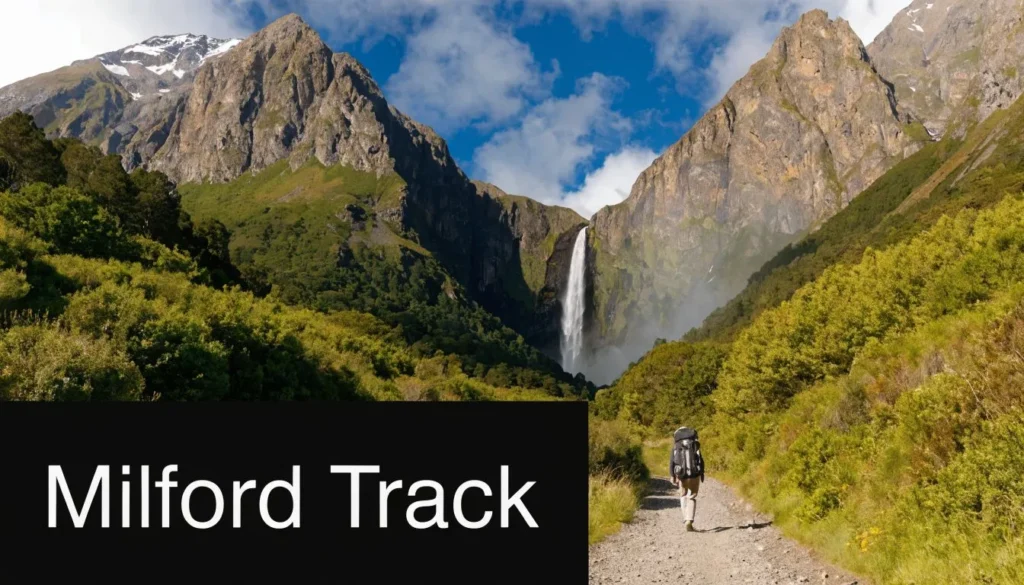
That is exactly why it belongs high on a serious itinerary. Fiordland offers one of the country’s strongest cases for slowing down and committing to a region instead of sampling attractions at speed. On the Milford Track, the value comes from immersion: sustained time in rainforest, alpine passes, river valleys, and weather systems that can change the character of the route within hours.
The main trade-off is simple. This track gives you depth over breadth.
Travelers who choose it usually give up some flexibility elsewhere. A multi-day hike reduces the number of towns, viewpoints, and side trips you can fit into the same trip length. In return, you get a more coherent experience and a stronger sense of why Fiordland stands apart from other scenic regions. For many first-time visitors, that is a better exchange than adding another fast-moving road segment.
Why the Milford Track deserves dedicated planning
Milford Track works best as a fixed anchor in the South Island portion of your trip. It is less effective as a last-minute addition because the logistics are tightly linked. Transport connections, overnight arrangements, packing limits, and weather tolerance all matter more here than they do for a short scenic walk.
Fitness also changes the equation. You do not need elite endurance, but you do need enough preparation to enjoy the route rather than just complete it. Travelers with limited hiking experience often get more from Fiordland by choosing shorter walks and a Milford Sound cruise or kayak day instead. Travelers who already know they enjoy full days on foot are usually the ones who get the highest return from the track.
That distinction matters for itinerary design. New Zealand rewards honest self-assessment.
How to fit it into a broader New Zealand trip
The smartest way to use Milford Track is to build a regional sequence around it, not to isolate it.
- Before the trek: Keep the prior day light. Long drives and rushed transfers reduce your margin for weather delays and fatigue.
- After the trek: Plan a lower-effort day in Te Anau, Milford Sound, or Queenstown so recovery does not compete with more demanding activities.
- For shorter trips: Choose Milford Track only if Fiordland is a core priority. On compressed itineraries, the commitment can crowd out too much else.
- For longer trips: It becomes more attractive because you have room for both intensity and recovery.
Environmental impact is part of the calculation too. Fiordland is one of the places where low-impact travel habits for sensitive natural areas matter most, especially on a route with heavy visitor demand and fragile ecosystems.
The practical rule is straightforward. Do not force Milford Track into an itinerary that already feels full.
Planning for weather, gear, and expectations
Fiordland’s weather is a feature of the experience, not a minor inconvenience. Rain changes trail conditions, visibility, clothing needs, and energy use. Travelers who prepare for that tend to rate the experience far more highly than those who arrive expecting stable conditions and dry scenic walking.
A few choices improve outcomes:
- Train before arrival: Leg strength and steady cardio matter more than high-end gear.
- Pack for persistent wet conditions: Waterproof layers and dry storage are basic risk management.
- Protect buffer time: Tight onward bookings create unnecessary stress if conditions shift.
- Be realistic about comfort: Multi-day hiking in Fiordland is rewarding, but it is still physically demanding.
Milford Track is best for travelers who want one of their New Zealand highlights to come from effort, patience, and regional focus. If your ideal trip centers on variety and low-commitment sightseeing, other parts of the country will fit better. If you want your itinerary to include a defining wilderness segment, Fiordland is one of the strongest places to commit.
For a sense of the terrain and atmosphere, this short video is useful before you commit.
4. Geothermal Activity and Hot Springs in Rotorua
Rotorua is where New Zealand feels geologically alive. Steam vents, mud pools, geysers, mineral colors, and hot-water bathing create a destination that’s less about scenic perfection and more about planetary force. If Queenstown is the country’s adrenaline engine, Rotorua is its earth-science classroom with a wellness layer on top.
That combination is why Rotorua belongs on so many itineraries. It offers one of the strongest multi-interest mixes in the country. A traveler can learn, soak, eat, and engage with cultural context in a single day without feeling rushed.
Why Rotorua works so well in real itineraries
Some major destinations are best for one type of traveler. Rotorua isn’t. It suits first-timers, families, road trippers, and people who need a lower-impact day between more active stretches.
The region also helps solve a common planning problem. On a long trip, you need experiences that feel distinctive without requiring extreme physical effort. Rotorua does that better than most places in New Zealand because the geothermal environment is the attraction. You don’t have to chase it with a demanding hike.
What to prioritize
Not every thermal stop delivers the same value. The strongest visits combine visible geothermal features with interpretation or with restorative time in pools.
Consider a structure like this:
- Start with a major geothermal site: Te Puia or Waiotapu gives you visual scale and context.
- Add a soaking session: A hot-pool visit works best after walking rather than before it.
- Leave room for Māori context: In Rotorua, geology and culture often intersect. Don’t treat them as separate boxes.
Some of Rotorua’s best moments are slow ones. Watching a geyser field or sitting in mineral water can reset the pace of a trip that’s become too ambitious.
A few practical habits improve the day:
- Go early if you dislike crowds: Steaming surroundings feel more atmospheric with fewer people around.
- Pack separately for pools: Keep dry clothes ready so the transition back to the car is easy.
- Respect site rules carefully: Some thermal and cultural areas have protocols that are part of the experience, not obstacles to it.
Rotorua is also one of the best arguments for building contrast into a New Zealand itinerary. If your route is all alpine drama and intense activity, you miss a different side of the country. Rotorua adds heat, texture, scent, and cultural depth.
5. Adventure Sports in Queenstown
How do you fit Queenstown into a New Zealand itinerary without letting it take over the whole trip?
Queenstown works best as a concentrated adventure base, not as a place to book every thrill on the menu. Its advantage is density. You can stay in one town and access jet boating, canyon swings, paragliding, rafting, mountain biking, and winter sports with far less transfer time than in many other parts of the country. That changes the planning math. If your route already includes long scenic drives, Queenstown gives you high activity variety without another round of packing and moving.
That convenience has a trade-off. Queenstown is one of the easiest places in New Zealand to overspend, overbook, and finish the day more tired than satisfied.
How to choose the right kind of adventure
Start with your constraint, not the activity. Time, weather tolerance, budget, and comfort with height usually matter more than the marketing language on operator websites.
A practical filter looks like this:
- Short on time: Jet boating or ziplining gives a strong payoff in half a day or less.
- Prioritizing views: Paragliding, scenic helicopter add-ons, and some aerial experiences deliver as much natural beauty as adrenaline.
- Traveling in winter: Skiing and snowboarding make sense only if the trip already includes enough time for conditions to cooperate.
- Unsure about risk tolerance: Choose guided activities with a clear skills briefing rather than the most extreme option available.
Travelers still defining their trip style can use this guide to what adventure travel involves to decide whether Queenstown should anchor the itinerary or serve as one high-energy stop among cultural and scenic regions.
Build each day around one priority
Queenstown rewards selectivity. A better day usually has one physically or mentally intense activity, followed by something lower commitment such as a lakefront meal, a short walk, or time in Arrowtown or Gibbston Valley. That structure protects your budget and your energy.
Weather also matters more here than first-time visitors often expect. Wind can affect flights and paragliding. River conditions shape water-based activities. Winter visibility changes mountain days quickly. Booking one headline activity early in the day gives you more room to adjust if operators shift departure times.
Common planning mistakes
The weakest Queenstown itineraries usually fail for predictable reasons:
- Stacking too many adrenaline activities in one day
- Booking purely by availability instead of genuine interest
- Treating shoulder-season weather as fully predictable
- Assuming a car is required for every experience, even though many operators run pickups
- Using Queenstown for only one night, which leaves little buffer for weather or recovery
Two or three nights is often the minimum that lets the town work properly. With less time, Queenstown can feel expensive and rushed. With more time, it becomes easier to mix premium activities with lower-cost scenic days.
Queenstown’s real value is not only excitement. It is control. For travelers building a wider New Zealand trip, it is one of the few places where you can choose intensity level, trip pace, and spend level with unusual precision.
6. Glow Worm Caves
Some New Zealand experiences rely on scale. Glow worm caves rely on silence. That’s why they work so well in a well-built itinerary. After roads, peaks, and high-output adventure days, a cave visit changes how you pay attention.
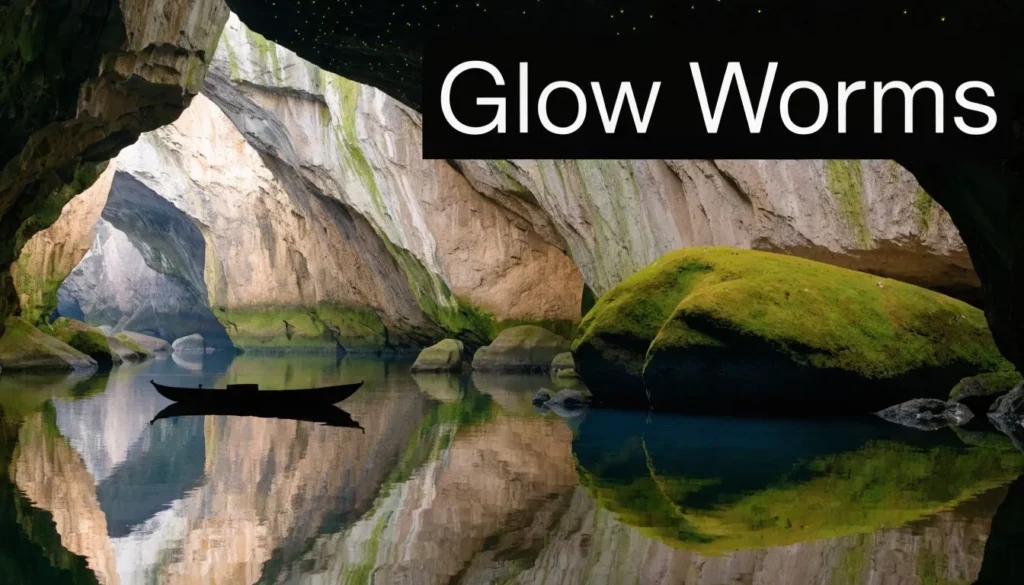
Waitomo in the North Island and Te Anau in the South Island offer different geographic contexts, but the same core reward. You move underground, the pace slows, and light becomes the attraction. That shift is rare in a country better known for open vistas.
Waitomo or Te Anau
The better choice usually depends on your route, not on some abstract ranking. Waitomo fits naturally into North Island plans, especially if you’re moving between Auckland, Matamata, and Rotorua. Te Anau fits South Island itineraries built around Fiordland.
That routing logic matters. Glow worm caves are high-impact experiences with relatively low time demand. They’re ideal when you want something memorable that doesn’t consume a full day.
How to get the most from the visit
Glow worm experiences reward restraint. Travelers often arrive thinking mainly about photos, but the most memorable part is usually the stillness and the sense of scale.
A few practical moves help:
- Choose guided interpretation over speed: Understanding the cave system and the biology makes the experience richer.
- Dress for cool conditions: Underground temperatures can feel sharply different from the day outside.
- Manage expectations on photography: In many glow zones, visual memory matters more than camera output.
- Use them as recovery days: A cave visit pairs well with travel days or after strenuous outdoor activity.
Underground attractions work best when you stop treating them like boxes to tick and start treating them like pacing tools.
Analytically, glow worm caves also solve another common travel issue. New Zealand’s biggest attractions can skew toward the athletic. Caves offer wonder without demanding major physical effort, which makes them useful for mixed-age or mixed-mobility groups.
7. Wine Tasting in Marlborough and Central Otago
Wine is one of the best ways to make a New Zealand itinerary feel adult, local, and less frantic. Marlborough and Central Otago don’t just offer tastings. They offer a change in tempo. You move from pursuit to appreciation, from peak-bagging logic to sensory attention.
This matters more than it sounds. Many travelers build New Zealand trips that are all movement and achievement. They come home with dramatic photos and a vague sense of exhaustion. A vineyard day corrects that. It gives structure without strain.
Choosing between the two regions
Marlborough and Central Otago deliver different travel moods. Marlborough is often easier to pair with a broader top-of-the-South route, while Central Otago integrates naturally with Queenstown and Arrowtown.
Choose based on your trip shape:
- Pick Marlborough if: You’re road-tripping through the upper South Island or combining wine with coastal or ferry-linked travel.
- Pick Central Otago if: You’re already using Queenstown as a base and want a polished day trip with mountain scenery.
- Pick both only on longer trips: They deserve separate days and different energy.
How to avoid a mediocre wine day
The weakest wine experiences usually come from trying to cram in too many cellar doors or treating tastings like a race. New Zealand vineyard travel is better when you narrow your focus.
Use a quality-first structure:
- Choose fewer wineries: Three or four thoughtful stops beat a blur of rushed pours.
- Book transport if you’re drinking: This is one place where delegation improves the day immediately.
- Mix tasting with food: A lunch reservation changes the pace and keeps your palate working.
- Take notes: Otherwise every “one I liked” becomes impossible to identify later.
Wine regions also give you a useful social texture. They’re some of the easiest places in New Zealand to have a conversation-heavy day, especially for couples, groups of friends, or travelers who don’t need every highlight to come with a harness or hiking pole.
8. Kayaking in Milford Sound and Lake Systems
If hiking is New Zealand’s dominant mode of engagement, kayaking is its best lesson in perspective. On foot, you move through the environment. In a kayak, the scenery towers over you while you stay almost level with the waterline. That small change alters everything, especially in Milford Sound and the country’s alpine lake systems.
Kayaking belongs high on the list because it offers intimacy without requiring elite fitness. You can feel immersed in a fjord or lake environment without committing to a multi-day trek. For many travelers, that balance is ideal.
Why paddling beats passive sightseeing
Boat cruises have their place, especially in Fiordland. But kayaking gives you something a larger vessel can’t. It restores scale. Mountains feel larger, waterfalls feel closer, and silence feels less staged.
That’s the analytical case for kayaking. It shifts you from spectator to participant while staying accessible to travelers who may not want a harder wilderness challenge.
Best use cases
Kayaking shines in a few specific itinerary scenarios:
- As a Fiordland complement: Pair it with a scenic drive or cruise, not with another shoulder-intensive activity on the same day.
- For photographers: Water-level angles often create stronger visual contrast than standard roadside lookouts.
- For travelers avoiding high-adrenaline activities: It’s active and memorable without being fear-based.
A few planning habits matter:
- Take a guided option if you’re new: Local knowledge improves safety and route choice.
- Prioritize calmer conditions: Earlier departures often make the experience smoother.
- Protect gear from water: This sounds obvious until phones and cameras meet spray.
- Layer well: Even mild days can feel cool on exposed water.
Kayaking also has strategic value if you’re trying to experience major natural settings with less crowd energy. It won’t make popular regions empty, but it often makes them feel more personal.
9. Māori Cultural Experiences and Heritage Sites
A New Zealand itinerary that skips Māori culture can still be scenic. It won’t be complete. Natural settings gain meaning when you understand the histories, language, and traditions that shape how people relate to them.
That’s why Māori cultural experiences belong alongside the country’s headline outdoor activities rather than after them. They aren’t downtime. They’re interpretive infrastructure for the entire trip.
Where these experiences matter most
Some visitors treat Māori culture as a single evening performance in Rotorua and move on. That’s too narrow. Rotorua is important, but so are institutions and sites such as Te Papa Tongarewa and the Waitangi Treaty Grounds.
The strongest experiences tend to share one trait. They connect cultural knowledge to place rather than presenting it as detached entertainment.
That can mean:
- Museum-based interpretation: Useful early in a trip because it gives context for what follows.
- Historically significant sites: Best for travelers who want to understand the country’s political and social foundations.
- Community-rooted experiences: Best when you value exchange and learning over spectacle.
How to approach them well
Respect changes the quality of the experience. Travelers who arrive prepared usually get more from these visits because they can listen better and ask better questions.
A few habits help:
- Choose reputable operators and institutions: Community connection matters.
- Learn a few basic greetings first: Even small effort changes your posture as a visitor.
- Follow photography guidance closely: Sacred or sensitive spaces aren’t content backdrops.
- Read before you arrive: Good preparation is part of planning a trip abroad well.
The best cultural visits don’t give you a performance to consume. They give you a framework for seeing the rest of the country differently.
From an itinerary standpoint, Māori heritage experiences are also a smart counterweight to adventure-heavy travel. They root the trip. They give memory a narrative, not just a sequence of activities.
10. Stargazing and Night Sky Astronomy Experiences
New Zealand closes strong after dark. In a destination famous for daytime scenery, stargazing is one of the easiest experiences to underestimate and one of the most satisfying to plan well. The Tekapo and Aoraki Mackenzie area, in particular, gives travelers a rare chance to shift from scenic tourism to sky tourism without changing the overall mood of the trip.
That shift works because astronomy experiences ask for the opposite of most popular travel behavior. You stop moving. You wait. You let darkness do the work.
Why it belongs in a top-ten list
Stargazing earns its place because it adds a completely different sensory register to a New Zealand itinerary. It’s not another drive, another lookout, or another body of water. It’s a perspective reset.
For travelers who’ve spent the trip chasing highlights, a dark-sky night can become the moment that makes the rest of the journey feel coherent. Mountains by day and stars by night belong to the same logic of scale.
Planning for success
Astronomy experiences are more condition-dependent than many travelers realize. You need darkness, clear skies, and enough flexibility to avoid forcing a bad night.
Use a few simple rules:
- Book with weather awareness: If your itinerary allows flexibility, keep your best sky window open.
- Dress for colder conditions than you expect: Night temperatures can feel much lower than daytime forecasts suggest.
- Don’t over-schedule the evening: Rushing from dinner to a telescope session usually reduces enjoyment.
- Bring the right camera only if you already know how to use it: This isn’t the best moment to learn manual exposure from scratch.
For many travelers, stargazing is also one of the most restorative major experiences in the country. After jumps, drives, hikes, and tours, it asks almost nothing from your body and a lot from your attention. That’s a good bargain.
Top 10 New Zealand Experiences Comparison
| Activity | Implementation complexity | Resource requirements | Expected outcomes | Ideal use cases | Key advantages |
|---|---|---|---|---|---|
| Bungee Jumping at Kawarau Bridge | Low operational complexity (operator-run) but requires safety checks and briefings | High cost (NZ$195–250+), medical/fitness clearance, booking, short time commitment | Intense adrenaline rush, iconic photos, bucket-list experience | Extreme sports features, adventure travel content | Historic site, strong safety record, dramatic scenery |
| Middle Earth Film Set Tours (Hobbiton) | Low (guided tours only; fixed schedule) | Moderate cost (NZ$89–159), 2–4 hours, advance booking recommended | Immersive film-set experience, highly photogenic content | Entertainment, film tourism, family travel | Authentic film set, organized tours, educational about filmmaking |
| Hiking the Milford Track | High (multiday logistics, permits, advance booking) | Very high cost (NZ$1,500–4,000+ if guided), 4 days, good fitness and gear | Deep wilderness immersion, strong nature/wellness storytelling | Outdoor adventure, wellness, long-form travel features | Renowned trail, biodiversity, all-inclusive guided options |
| Geothermal Activity and Hot Springs (Rotorua) | Low (many self-guided and guided options) | Moderate cost, swimwear for pools, accessible year-round | Educational geothermal insights, wellness soaking, cultural learning | Science, wellness, cultural tourism | Unique geothermal phenomena, Māori cultural integration, multiple attractions |
| Adventure Sports in Queenstown | Moderate (multiple bookings; varies by activity) | Variable costs (NZ$100–400+ per activity), seasonal gear, fitness checks | Diverse adrenaline experiences, strong visual/action content | Adventure travel, extreme sports journalism | Wide activity range, professional operators, year-round options |
| Glow Worm Caves (Waitomo/Te Anau) | Low (guided cave tours common) | Moderate cost (NZ$45–80), restricted photography, some mobility limits | Magical bioluminescent viewing, educational cave ecology | Science/nature content, family travel | Unique natural phenomenon, year-round operation, educational guides |
| Wine Tasting in Marlborough & Central Otago | Low (cellar-door or guided tours) | Low–moderate cost per tasting (NZ$15–50), transport or tour required | Culinary education, tasting notes, lifestyle content | Food & lifestyle, agritourism, business features | World-class wines, scenic vineyard settings, expert hosts |
| Kayaking in Milford Sound & Lakes | Moderate (guided day tours) to high (multi-day expeditions) | Moderate cost (NZ$100–300 guided), physical fitness, waterproof gear | Intimate nature immersion, wildlife viewing, strong photography | Eco-adventure, active travel, conservation stories | Low-impact activity, wildlife encounters, varied trip lengths |
| Māori Cultural Experiences & Heritage Sites | Moderate (booking with community; protocol adherence) | Moderate cost (NZ$40–150), time for meaningful engagement, cultural sensitivity | Deep cultural education, authentic storytelling, community benefit | Cultural education, ethical tourism, arts features | Authentic immersion, supports Māori communities, rich historical context |
| Stargazing & Night Sky Astronomy | Low–moderate (guided telescope sessions; remote access possible) | Moderate cost (NZ$60–150), nighttime schedule, warm clothing, remote travel | Astronomy education, astrophotography, unique Southern sky views | Science communication, photography, mindfulness retreats | World-class dark skies, expert guides, Southern Hemisphere perspectives |
Planning Your Perfect New Zealand Itinerary
The hard part isn’t finding what to do in New Zealand. The hard part is deciding what to leave out so the trip stays enjoyable. Most planning mistakes come from trying to combine too many distant regions, too many physically demanding days, or too many one-off detours that look small on a map and feel large in real life.
Start with trip style, not destination count. If you want an adventure-led trip, build around Queenstown, Fiordland, and one or two major active experiences such as the Milford Track, kayaking, or bungee. If you want variety with less physical strain, shape the route around Rotorua, Hobbiton, glow worm caves, Māori heritage sites, and one wine or stargazing stop. If you want balance, the strongest formula is usually one marquee outdoor challenge, one cultural anchor, one recovery-oriented experience, and one flexible scenic base.
A short trip needs discipline. For a long weekend, stick to one region. Queenstown can easily support a compact adventure break with bungee, jet boating, and a scenic recovery day. Rotorua can support a geothermal-and-culture break without any sense of rushing. The mistake is trying to sample both islands in too little time.
For seven to ten days, focus on one island unless you’re comfortable with a faster pace. A North Island version could combine Auckland arrival, Hobbiton, Rotorua, Waitomo, and a cultural stop such as Te Papa if Wellington fits your route. A South Island version could center on Queenstown, Fiordland, Milford Sound or the Milford Track, Central Otago wine, and Tekapo for stargazing. Both options feel substantial because they have internal logic.
Longer trips let you combine signatures without flattening them. Two to three weeks gives you enough room to split the journey into modes. You might begin with North Island culture and geothermal features, then shift into South Island alpine adventure and dark-sky nights. The key is to cluster experiences geographically. New Zealand rewards route efficiency more than heroic distance.
Season matters, but not because one season is objectively best. It’s better to ask what conditions your chosen activities need. Skiing obviously pushes you toward winter timing. Hiking and kayaking often benefit from milder, more stable periods. Stargazing rewards long, dark nights and clear skies. Geothermal and cultural experiences are more forgiving and can rescue a trip when mountain weather doesn’t cooperate.
Budget follows the same logic. The biggest variable usually isn’t food or ordinary sightseeing. It’s premium activities and transport choices. Bungee, guided hiking, organized kayaking, wine tours, and astronomy experiences can each be worthwhile, but stacking too many paid headline activities in consecutive days drives costs up fast. A stronger strategy is to pay for a few defining experiences and let scenery, walks, and town time fill the gaps.
Transport is where practical travelers gain the most. Self-driving gives the most freedom, especially for regional sequences and scenic stops, but it also creates fatigue if you underestimate road time. Domestic flights can save time on longer itineraries, though they reduce the continuity that makes New Zealand road travel so satisfying. If you’re mixing cities, wine regions, and remote nature, a hybrid approach often works best. Drive where the scenery is part of the experience. Fly only when the transfer itself adds little.
Safety is less about drama and more about judgment. Adventure activities usually come with formal operators and briefings. The bigger risks often come from overestimating how much ground you can cover, underestimating weather shifts, or treating remote places casually. Leave margin in your schedule. Arrive rested for demanding days. Respect closures, local advice, and booking rules for high-demand tracks or tours.
Accessibility deserves more attention than most mainstream guides give it. A lot of New Zealand content still leans heavily toward rugged hikes and uneven terrain. That doesn’t mean the country can’t work for travelers with mobility limitations, families spanning several generations, or visitors who need lower-impact planning. It means you should verify specifics with operators before committing, especially for transfers, walking surfaces, vehicle access, and tour design. Geothermal attractions, film-set tours, museums, selected cruises, and some cultural experiences often provide more flexibility than wilderness-first itineraries.
If you’re choosing priorities right now, use one final filter. Ask which experiences would feel impossible to recreate elsewhere. A vineyard day is wonderful, but many countries offer great wine. A dark-sky evening by alpine lakes is more distinctive. Hot springs exist worldwide, but Rotorua’s geothermal terrain with Māori context feels uniquely rooted. Queenstown adventure sports matter because of the setting. Milford matters because of the combination of scale, weather, and commitment.
That’s the primary planning goal. Not to do everything. To build a trip where each major choice strengthens the next one.
If you want more practical travel breakdowns like this one, maxijournal.com publishes approachable guides across tourism, culture, science, entertainment, and more. It’s a strong place to find fresh commentary, trip-planning ideas, and clear writing that helps you make better decisions before you book.
Discover more from Maxi Journal
Subscribe to get the latest posts sent to your email.