So, you’re in the kitchen, maybe getting ready for the holidays, and your dog is giving you that look as you handle a bag of tart, red cranberries. The big question pops into your head: can they have some?
The short answer is yes, dogs can eat cranberries. But like most things you might share from your plate, there are some important rules to follow. Plain, unsweetened cranberries are perfectly non-toxic for dogs and can even offer a few health perks. It’s the processed stuff—like sugary cranberry sauce or trail mixes with raisins—that lands dogs in trouble.
Plain and Simple is Always Best
Think of it this way: a plain piece of grilled chicken is great for your dog, but chicken drenched in garlic and onion sauce is a definite no-go. The same logic applies to cranberries. The berry itself isn’t the problem; it’s what we humans add to it that creates risk.
When given in their natural state—fresh, frozen, or even cooked without any extras—cranberries are a safe treat in small quantities. Their tartness might not be every dog’s cup of tea, but for those who enjoy the pucker, they can be a healthy little snack.
Navigating the Good, the Bad, and the Sugary
The real danger comes from cranberry products made for us. These are often loaded with sugar, artificial sweeteners like xylitol (which is extremely toxic to dogs), or mixed with other ingredients that are harmful, such as grapes or raisins.
This guide should help you quickly figure out what’s safe and what’s not.
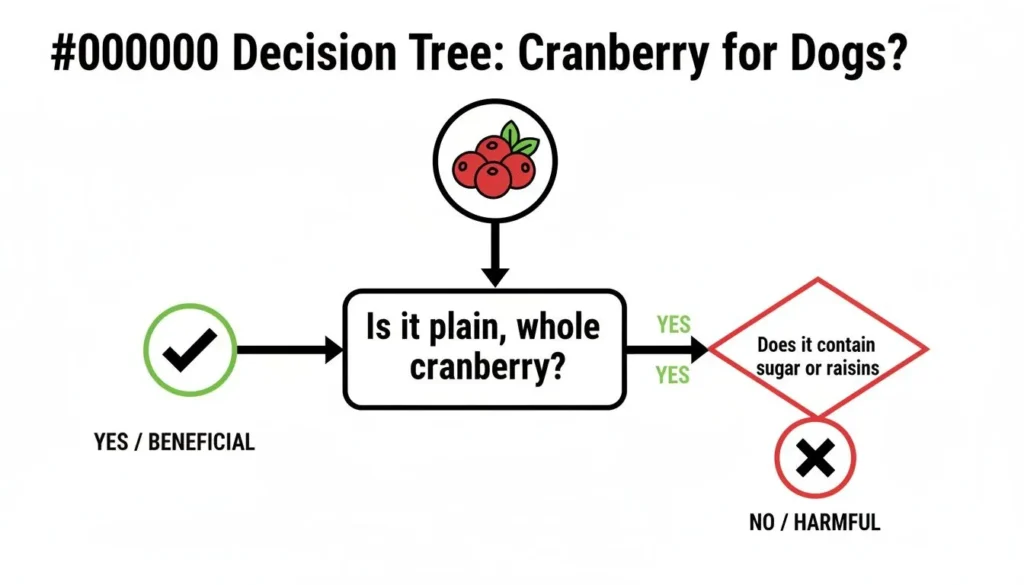
As you can see, sticking to the pure fruit is the safest bet. Once sugar, alcohol, or other risky ingredients get involved, it’s best to keep it away from your pup.
For a quick reference, here’s a handy table to break down the different forms of cranberries.
Cranberry Safety At a Glance
| Cranberry Form | Safety Level | Key Considerations |
|---|---|---|
| Fresh/Raw | Safe | Serve in moderation. The tart taste might not appeal to all dogs. |
| Dried (Plain) | Safe | Check the label! Make sure they are unsweetened and contain no other additives or oils. |
| Cranberry Sauce | Unsafe | Usually packed with sugar, potentially toxic xylitol, or other ingredients to avoid. |
| Cranberry Juice | Unsafe | Almost always contains far too much sugar for a dog and offers no real benefits. |
Ultimately, keeping it simple is the key to safely sharing this festive fruit with your dog.
Unpacking the Nutritional Punch of Cranberries

So what’s all the fuss about these tart little berries? You’ve probably heard them called a “superfood,” and for good reason. Cranberries are more than just a festive decoration on a Thanksgiving table; they’re loaded with compounds that can genuinely support your dog’s health.
Think of them as tiny nutritional powerhouses. Their claim to fame is a sky-high antioxidant content. These antioxidants act like little bodyguards at the cellular level, protecting your dog’s body from the daily grind of damage caused by free radicals—those unstable molecules that play a role in aging and disease.
The Key Players Inside the Berry
The star players in the cranberry’s antioxidant lineup are a unique type called proanthocyanidins, or PACs. These are the very compounds that give cranberries their vibrant red hue and, more importantly, pack most of the health punch. PACs are particularly famous for their role in supporting urinary tract health, which we’ll get into a bit later.
But it doesn’t stop there. Cranberries also bring a solid team of other essential nutrients to the table:
- Vitamin C: A classic immune-booster and powerful antioxidant that helps keep inflammation in check.
- Vitamin E: This one is all about protecting cells from oxidative stress and is fantastic for maintaining a healthy skin and coat.
- Vitamin K: Absolutely critical for making sure blood can clot properly when needed.
- Manganese: An important mineral that helps with everything from bone formation to metabolism.
This mix of vitamins and minerals is what makes plain, unsweetened cranberries such a great low-calorie treat when you stick to the right portions.
It’s interesting how these berries became so popular for pets. Much of the interest started around Thanksgiving, a time when over 5,000 tons of cranberries are eaten in North America and Europe alone. As holiday leftovers became a question, curious pet owners started asking, and experts like those at PetMD.com confirmed that plain cranberries are perfectly safe for dogs.
Real-World Benefits for Your Pup
Okay, so we’ve covered the science, but what does this actually mean for your dog day-to-day?
Adding a few cranberries to their diet can give their body’s natural defense systems a little boost. The antioxidants help keep their cells healthy, while the vitamins support everything from their immune system to the shine of their coat. It’s a simple, functional way to upgrade their treat game.
If you’re looking for more ways to keep your companion in top shape, feel free to browse our other articles on canine health and nutrition.
When you get down to it, the impressive nutritional profile of cranberries is exactly why they’re worth considering. Served the right way, they’re not just a snack—they’re a small, easy investment in your dog’s long-term well-being.
Supporting Your Dog’s Urinary Tract Health
Let’s be honest, when people ask if dogs can eat cranberries, they’re usually thinking about one thing: urinary tract health. It’s the berry’s claim to fame, but the science is more about prevention than a cure. Knowing how it works is the key to using them the right way.
The real heroes here are a group of powerful antioxidants called proanthocyanidins, or PACs. These compounds have a fascinating job. Picture your dog’s bladder wall as a normal surface. Nasty bacteria, especially E. coli, are like little sticky notes trying to plaster themselves all over it, which can kick off an infection.
PACs step in and essentially coat that bladder wall, making it super slick and non-stick. Think of it like a natural Teflon lining. When bacteria try to grab hold, they just can’t get a grip and get flushed right out with the urine. This simple action makes it much, much harder for an infection to even start.
The Power of Prevention
It’s so important to see cranberries as a proactive tool, not a treatment. If your dog is already showing signs of a UTI—straining to pee, having accidents in the house, or needing to go out constantly—cranberries aren’t the answer. An active infection needs a vet and a course of antibiotics, period.
But as a preventative measure? The benefits are pretty compelling. One of the best reasons dogs can eat cranberries is their potential to lower the risk of UTIs. This is a big deal, considering UTIs affect up to 14% of female dogs and 2% of males every year. The PACs are especially good at stopping E. coli, the culprit behind a whopping 70-90% of canine UTIs, from sticking where it shouldn’t. You can dig into these findings about cranberries and UTIs for a closer look.
This preventative action is what makes cranberries such a smart addition for dogs who are prone to urinary issues.
Why This Matters for Your Dog
Keeping your dog’s urinary system in good shape is fundamental to their overall comfort and health. By making the bladder a less welcoming place for bacteria, you’re giving their body an extra layer of defense. This is particularly helpful for certain breeds or any dog with a history of urinary tract trouble.
If you’re curious about how food and biology connect, you might enjoy our other articles exploring the fascinating world of animal science.
At the end of the day, the urinary support from cranberries is a perfect example of functional nutrition at work. It’s not just about basic vitamins; it’s about giving your dog specific compounds that do a targeted, protective job inside their body. It’s a simple way to help keep them healthy from the inside out.
Recognizing the Potential Risks and Dangers
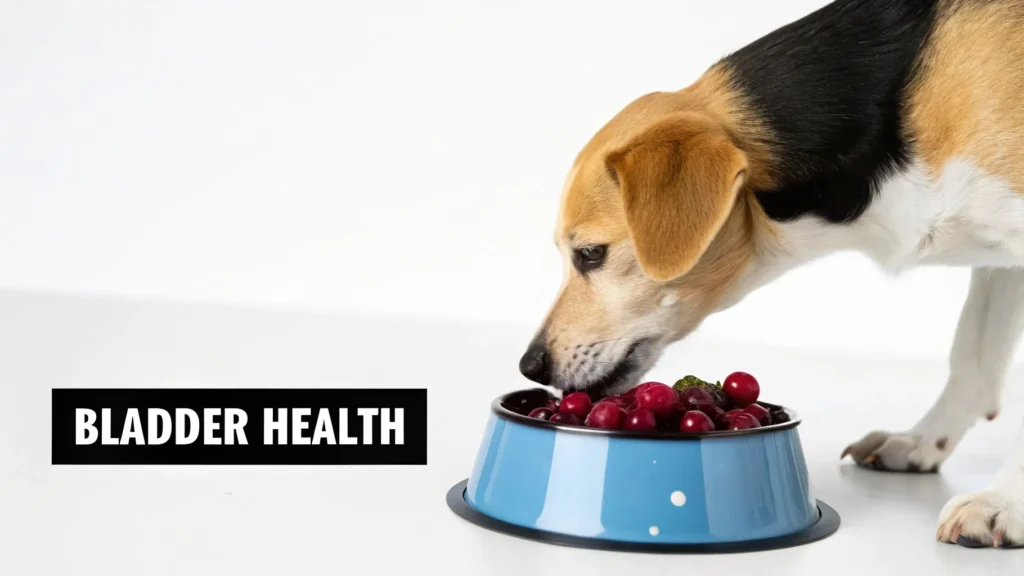
While fresh cranberries pack a healthy punch, it’s important to know they aren’t completely risk-free. The real problems usually don’t come from the berry itself, but from how we prepare it and how much we give our dogs.
Think of it like this: a couple of plain cranberries are a healthy snack, but a heaping scoop of Thanksgiving cranberry sauce is another story entirely.
Even served plain, too much of a good thing can cause trouble. Cranberries are quite acidic, and a large handful can easily upset your dog’s stomach, leading to vomiting or diarrhea. It’s a classic case where moderation is everything.
Overdoing it is a real concern. Some data suggests that 25-35% of dogs fed too much fruit can develop digestive issues within a day or two. Unsurprisingly, pet poison hotlines often report a spike in calls around the holidays, mostly from dogs who got into sweetened cranberry dishes. You can find more details on these cranberry-related risks on Fetch Pet.
The Danger Lurking in Processed Cranberry Products
The biggest red flag waves over cranberry products made for us humans. This is where a perfectly safe fruit can turn into a serious hazard for your dog, as these items are often loaded with ingredients that are either unhealthy or flat-out toxic.
Here are the main offenders to keep far away from your dog’s bowl:
- Cranberry Sauce: Whether it’s canned or homemade, cranberry sauce is a definite no-go. It’s almost always packed with sugar or high-fructose corn syrup, which can lead to weight gain and even diabetes down the road.
- Toxic Sweeteners: Even worse, some “sugar-free” products contain xylitol. This artificial sweetener is extremely poisonous to dogs, and even a tiny amount can cause a life-threatening drop in blood sugar and severe liver damage.
- Trail Mixes and Baked Goods: Dried cranberries are frequently mixed with other ingredients. Always check for raisins, grapes, or certain nuts like macadamias, all of which are highly toxic to dogs.
Always read the ingredients list before sharing any human food. If you spot sugar, xylitol (sometimes called “birch sugar”), or other toxins like raisins, keep it away from your dog. When in doubt, it’s always safest to just say no.
Choking Hazards and Smart Serving Sizes
Beyond the ingredients, the physical size of the fruit itself can be a problem, especially for smaller dogs. A whole, firm cranberry can be a choking hazard for a little dog who might try to swallow it whole.
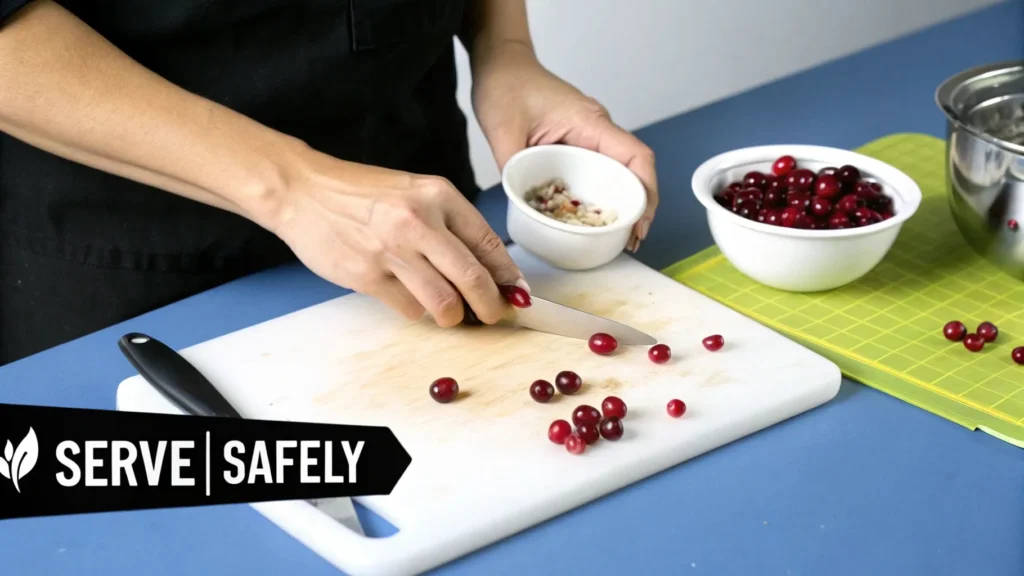
Luckily, the fix is simple. Just chop fresh or frozen cranberries into smaller, bite-sized pieces before serving. This easy step ensures your pup gets all the benefits without the risk. By keeping these potential issues in mind, you can safely share this tart and tasty fruit with your best friend.
How to Serve Cranberries to Your Dog Safely
So, you’re ready to share these tart little berries with your pup? Great. Knowing how to serve them correctly is the key to making sure they’re a healthy treat, not a source of trouble. It’s simple, but it’s the most important part.
The golden rule is this: stick to plain, unsweetened cranberries. Whether they’re fresh, frozen, or cooked, the goal is to avoid any added sugars, oils, or toxic ingredients like xylitol. The natural fruit is all your dog needs.
Preparing Cranberries for Your Dog
A little prep work goes a long way in keeping your dog safe. Whole, raw cranberries can be a choking hazard, especially for smaller dogs who might gulp them down without a second thought.
To make them safe and easy to eat, just follow these quick steps:
- Rinse Them Well: Give fresh cranberries a good wash under cool water to get rid of any lingering pesticides or dirt.
- Chop or Puree: For little dogs, chopping the berries into smaller, bite-sized pieces is a must. You can also toss them in a blender to make a simple puree—it mixes perfectly into their regular food.
- Cook Them Plain: If you want to serve them cooked, just simmer the cranberries in a little water until they soften and pop. Just remember not to add any sugar, spices, or other flavorings.
These extra couple of minutes make the berries much easier for your dog to handle and digest.
Finding the Right Serving Size
When it comes to cranberries, less is more. Even safe, healthy foods can cause an upset stomach if your dog overindulges. The right amount is all about their size—a couple of berries for a Yorkie is a world away from a handful for a Golden Retriever.
Think of cranberries as a tiny garnish, not a main course. They should be part of the 10% rule, where treats make up no more than 10% of your dog’s daily calories.
To take the guesswork out of it, we’ve put together a handy guide based on your dog’s weight. These numbers align with serving size recommendations from veterinary experts at PetMD, who suggest just 1–2 cranberries for an extra-small dog (2–20 pounds), while an extra-large dog over 91 pounds can have up to 10–15. Following these guidelines helps prevent nearly 95% of tummy troubles.
Daily Cranberry Serving Guide by Dog Weight
Use this chart to find the right number of plain, unsweetened cranberries to feed your dog based on their size.
| Dog Size Category | Weight Range (lbs) | Recommended Serving (Plain Cranberries) |
|---|---|---|
| Extra Small | 2–20 lbs | 1–2 cranberries |
| Small | 21–30 lbs | 2–3 cranberries |
| Medium | 31–50 lbs | 3–5 cranberries |
| Large | 51–90 lbs | 5–10 cranberries |
| Extra Large | 91+ lbs | 10–15 cranberries |
No matter what, always start with a smaller amount than the chart suggests just to see how your dog reacts. Once you know their system handles it well, you can slowly work up to the recommended serving.
By keeping these simple prep and portioning tips in mind, you can share the goodness of cranberries with your furry friend, safely and confidently.
Answering Your Top Questions About Dogs and Cranberries
We’ve explored the benefits, the risks, and the right ways to share this festive berry. But as a dog owner, you probably still have a few specific questions. Let’s tackle the most common ones so you can feel completely confident about giving cranberries to your dog.
Can Puppies Have Cranberries?
Yes, but you’ll want to be extra careful. A puppy’s digestive system is still developing and far more sensitive than an adult dog’s. Start with an incredibly small amount.
Always chop the berry into tiny, puppy-sized pieces to eliminate any choking hazard. A single, finely chopped cranberry is plenty for a first-time introduction. Keep a close eye on them afterward for any hint of an upset stomach.
Fresh vs. Dried Cranberries: Which Is Better?
Both are safe options, but fresh or frozen cranberries usually win out. They’re packed with water and you don’t have to worry about hidden additives. They give your dog all the good stuff without anything extra.
Dried cranberries can be a decent alternative, but this is where you have to become a savvy label-checker. Make sure the ingredients list just one thing: cranberries. Many brands are loaded with added sugars, oils, or preservatives that aren’t healthy for dogs. Stick to 100% plain, unsweetened options only.
Will Cranberries Cure My Dog’s UTI?
This is a really important distinction to make. Cranberries can help prevent certain types of urinary tract infections, but they cannot treat an existing one. The special compounds in cranberries, known as proanthocyanidins (PACs), help stop bacteria like E. coli from latching onto the bladder wall.
Think of it like a non-stick coating for the bladder—it’s a great preventative measure, but it’s not medicine. If you see signs of a UTI (straining to pee, accidents, licking), your dog needs a vet, not a bowl of berries. A vet visit for proper antibiotics is non-negotiable for an active infection.
How Many Cranberries Are Too Many?
There’s no single answer—it all comes down to your dog’s size. Even plain, fresh cranberries can cause an upset stomach if your dog eats too many, thanks to their natural acidity.
As a quick reminder, here are the general serving guidelines:
- Extra-Small Dogs (under 20 lbs): 1-2 cranberries
- Medium Dogs (31-50 lbs): 3-5 cranberries
- Extra-Large Dogs (91+ lbs): Up to 10-15 cranberries
Remember, these are maximums. It’s always best to start with just one or two and see how your dog handles it. When it comes to treats, moderation is always the safest bet.
My Dog Ate Cranberry Sauce! What Should I Do?
First, don’t panic. If you have the container, grab it and read the ingredients list. Your biggest worry isn’t the cranberries or sugar, but toxic additives like xylitol or raisins.
If you know or even suspect the sauce contained xylitol, call your vet or an animal poison control center right away. If it was just a small lick of a standard, sugary sauce, your dog will likely just have a bit of digestive upset. Watch them for vomiting or diarrhea, and give your vet a call if the symptoms are severe or don’t clear up.
At maxijournal.com, we’re dedicated to providing clear, reliable information on everything from pet health to the latest in science and technology. Explore our articles to learn more about the world around you. Find your next great read at https://maxijournal.com.
Discover more from Maxi Journal
Subscribe to get the latest posts sent to your email.