It’s a familiar scene for any cat owner: you’re enjoying a nice piece of salmon, and suddenly you have a furry shadow with very hopeful eyes staring you down. So, can you share?
The short answer is yes, cats can eat salmon. But—and this is a big but—it has to be cooked, plain, and given only as a small treat. The way you prepare it is everything; it’s the difference between a healthy snack and a trip to the emergency vet.
The Simple Answer to Feeding Your Cat Salmon
Think of salmon as a special-occasion snack for your cat, not a regular part of their diet. Before you share, you need to know the basic do’s and don’ts. Any salmon that’s raw, smoked, or seasoned is off-limits. These can introduce harmful bacteria, parasites, or ingredients that are toxic to cats.
On the other hand, a small piece of cooked, boneless, and completely plain salmon can be a fantastic, high-value treat.
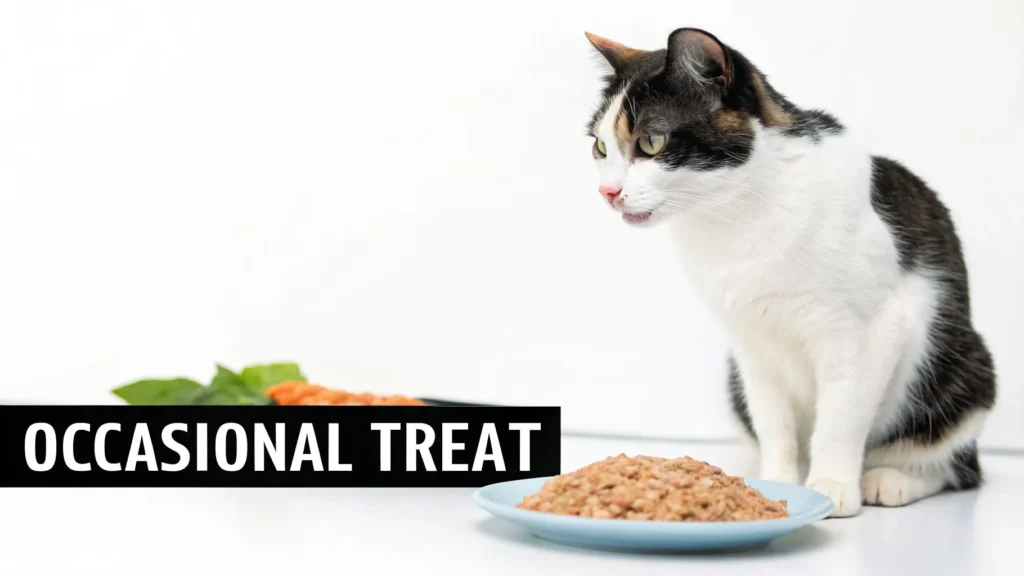
To make things simple, here’s a quick guide to what’s safe and what’s not when it comes to salmon.
| Salmon Type | Is It Safe for Cats? | Key Considerations |
|---|---|---|
| Cooked & Plain | Yes (in moderation) | Must be fully cooked with no salt, oil, or seasonings. |
| Raw or Undercooked | No | Carries a risk of Salmonella, E. coli, and parasites. |
| Canned in Water | Yes (occasionally) | Look for brands with no added salt or oil. Serve very sparingly. |
| Smoked or Cured | No | The sodium content is dangerously high and can cause salt toxicity. |
| Seasoned or Fried | No | Often made with toxic ingredients like garlic and onion, plus unhealthy fats. |
Why Cats Crave Fish
That intense feline interest in your fish dinner isn’t just a funny quirk—it’s wired into their DNA. As obligate carnivores, cats are built to thrive on animal protein. The potent smell and protein-rich nature of fish like salmon are a massive draw for their natural instincts.
A cat’s diet should consist of more than 90% complete and balanced cat food. Treats, including salmon, should only be a tiny part of their total calorie intake to prevent nutritional gaps.
Giving your cat a little bit of properly cooked salmon can satisfy that instinct while offering some nice nutritional perks. It’s all about balance. Even though they love the taste, their main meals must come from a specially formulated cat food that provides all the nutrients they need to survive, like taurine, which fish alone doesn’t have in sufficient amounts. This guide will walk you through exactly how to strike that safe and healthy balance.
The Surprising Health Benefits of Salmon for Cats
When your cat gives you those pleading eyes for a bite of your salmon, it’s not just about the taste. Served the right way, this fish is loaded with nutrients that genuinely boost your cat’s health. It’s a real powerhouse of protein and healthy fats that perfectly suits their natural carnivorous diet.
The key players here are the omega-3 fatty acids, specifically eicosapentaenoic acid (EPA) and docosahexaenoic acid (DHA). Think of these as the superstar ingredients that deliver most of the benefits you’ll see.
Omega-3s work like an internal tune-up for your cat. They are fantastic at reducing inflammation, which can help manage chronic diseases, especially as your cat ages.
These powerful fatty acids aren’t just for seniors, though. They offer real advantages for cats at every life stage.
A Boost for Skin, Joints, and Brain
The benefits of omega-3s are broad and can make a noticeable difference in your cat’s daily life. When prepared properly, a little salmon goes a long way.
Here’s a breakdown of how it helps:
- Healthier Skin and Coat: Omega-3s are great for moisturizing the skin from the inside out. This can cut down on dryness and itching, leading to a much shinier, softer coat.
- Improved Joint Mobility: The anti-inflammatory effect is a huge plus for joint health. For older cats with arthritis, it can help ease discomfort and keep them moving more freely.
- Enhanced Brain Function: DHA is a key building block for the brain. It’s vital for kitten brain development and helps keep adult cats sharp.
Beyond just omega-3s, salmon is also an excellent source of high-quality protein for muscle support and energy. It packs in other important nutrients like vitamin B12 and vitamin D. You can also explore other beneficial antioxidants for pets to round out a healthy diet.
The good news is that a small, correctly prepared piece of salmon can provide these perks safely. Vets agree that cooked salmon, in strict moderation, supports everything from eye health to nervous system function. Just remember the 10% rule—treats like salmon should never be more than 10% of their total daily calories to maintain a balanced diet. For more on feline nutrition, PetMD.com is a reliable resource.
Understanding the Hidden Dangers of Salmon
While salmon can be a healthy treat, it’s not without its risks. Serving it the wrong way can turn a nutritious snack into a serious health hazard for your cat. It’s essential to know the dangers so you can make safe, informed choices.
The biggest threat is raw or undercooked salmon. Think of it as a potential breeding ground for nasty bacteria like Salmonella and E. coli. These can lead to severe vomiting, diarrhea, and other gastrointestinal problems.
The Threat of Thiaminase
Raw fish also contains an enzyme called thiaminase. This enzyme is bad news for cats because it destroys thiamine (Vitamin B1), a crucial nutrient for healthy nerve function. A thiamine deficiency can cause scary neurological issues, including tremors, loss of coordination, and even seizures.
Cooking the salmon is the only way to neutralize this threat. The heat deactivates the thiaminase enzyme, making the fish safe for your cat to eat.
High Sodium and Harmful Additives
Another danger comes from salmon prepared for humans. Things like smoked, cured, or some canned salmon are packed with sodium. A cat’s system can’t handle that much salt, and it can quickly lead to salt poisoning, which involves extreme thirst, vomiting, and potentially seizures.
With over 600 million pet cats globally, this is a widespread concern. CDC reports from 2015-2020 noted a 20% rise in Salmonella outbreaks connected to raw pet food. Smoked salmon can have as much as 1,200mg of sodium per 100g—a toxic amount for any cat.
The following flowchart shows why proper preparation is key to unlocking salmon’s benefits for your cat.
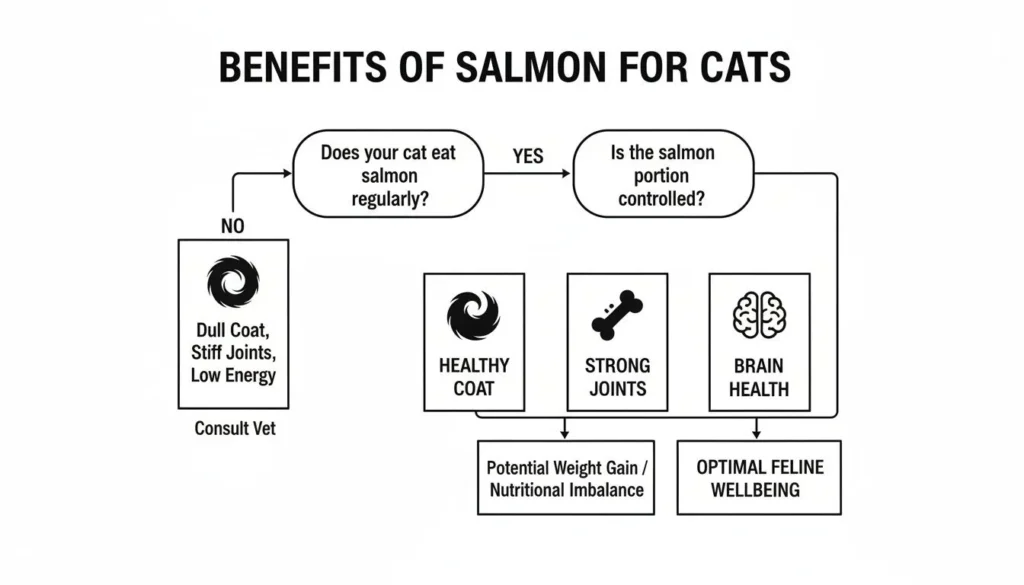
As you can see, when served correctly, salmon can boost your cat’s coat, joint health, and brain function. It all comes down to safe handling.
To make things clearer, here’s a quick guide to what you should always avoid when it comes to salmon.
Salmon Safety Check: What to Avoid
This table breaks down the risks associated with different types of salmon preparations.
| Salmon Type | Primary Risk | Why It’s Dangerous |
|---|---|---|
| Raw or Undercooked | Bacteria & Thiaminase | Can carry Salmonella and E. coli. The thiaminase enzyme destroys essential Vitamin B1, leading to neurological damage. |
| Smoked or Cured | High Sodium | The salt content is dangerously high for cats, risking sodium poisoning, which can cause seizures and kidney damage. |
| Seasoned or Marinated | Harmful Ingredients | Onions, garlic, and other common seasonings are toxic to cats and can cause serious health issues. |
| Canned in Oil/Brine | High Fat & Sodium | Excess oil can cause digestive upset, while brine is just another source of high sodium. Only salmon in water is acceptable. |
Remembering these simple rules will help you keep treat time safe and enjoyable for your feline friend.
Physical and Long-Term Risks
Finally, don’t forget about the physical hazards. Tiny bones, even in cooked fish, can be a major choking hazard or cause internal punctures if swallowed. Always check the fillet carefully and remove every single bone.
Salmon is also a very fatty fish. While the omega-3s are good, too much fat can cause problems:
- Digestive Upset: A high-fat meal can trigger immediate diarrhea or vomiting.
- Pancreatitis: This is a painful and potentially fatal inflammation of the pancreas.
- Obesity: Fatty treats contribute directly to unhealthy weight gain and related health issues.
Parasites are another risk, especially with raw or improperly handled fish. While freezing can kill some parasites, it’s not a foolproof method. You can learn more about coccidia in cats and other parasitic threats to understand the full scope of risk. By staying aware, you can ensure salmon remains a safe, occasional delight.
How to Prepare Salmon Safely for Your Cat
So, you’re ready to treat your cat to some salmon. Great! The key to making it a safe and healthy snack comes down to one thing: proper preparation. The good news is, it’s straightforward. Your main goal is to keep it plain and simple.
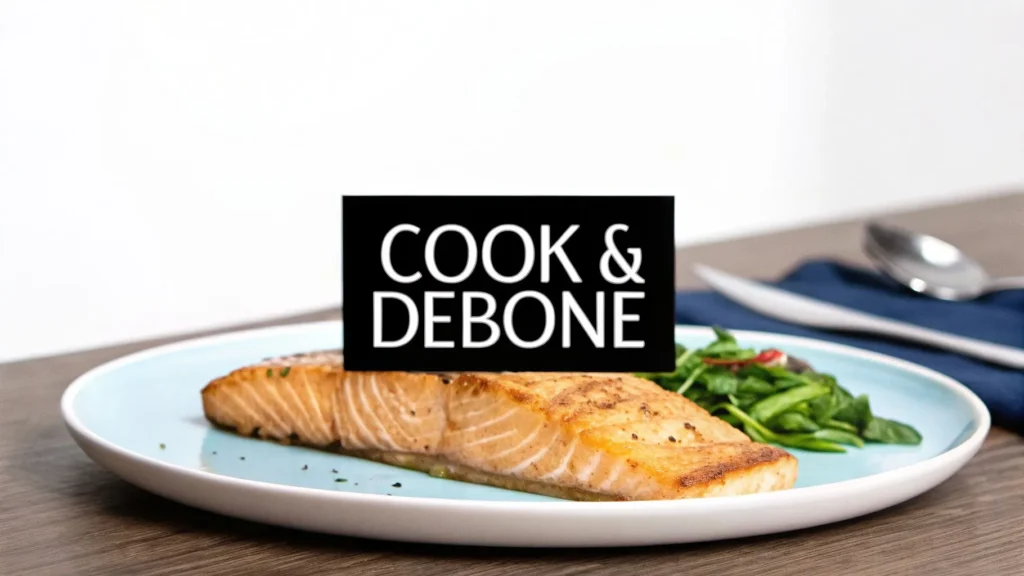
This process starts at the grocery store. Always choose fresh, boneless salmon fillets. Avoid any pre-seasoned or marinated fish, as the added ingredients can be harmful or even toxic to your cat. If you’re new to the kitchen, our guide on cooking tips for beginners has some great foundational advice.
The Best Cooking Methods
When you get the fillet home, your objective is to cook it completely with nothing added. That means no frying in butter or oil, which adds excess fat that can trigger digestive problems.
Instead, use one of these simple cooking methods:
- Baking: Place the salmon on a baking sheet and cook in the oven until it’s opaque and flakes easily with a fork.
- Poaching: Gently simmer the fillet in a small amount of plain water until it’s fully cooked.
- Steaming: Use a steamer basket over boiling water to cook the fish. This method is excellent for preserving nutrients.
Regardless of the method, the internal temperature must be high enough to kill off any lurking bacteria and deactivate the thiaminase enzyme present in raw fish.
The most important rule is no seasonings. A cat’s digestive system isn’t built to process salt, pepper, garlic, onions, or other herbs and oils. These can cause anything from mild stomach upset to severe toxicity.
Final Checks Before Serving
Once the salmon is cooked, there are a few final but crucial steps before you can serve it.
- Confirm It’s Fully Cooked: Break a piece apart. It should be flaky and uniform in color, with no raw or translucent spots.
- Remove All Bones: Carefully inspect the fillet for any small bones you might have missed. These are a major choking hazard and can cause internal injury.
- Let It Cool Down: Never serve hot food to your cat. Let the salmon cool completely to room temperature to prevent burns to their mouth.
How Much Salmon to Serve
Now for the big question: how much is safe? Vets recommend the “10% rule,” which states that treats should make up no more than 10% of a cat’s total daily calories.
For most cats, this works out to a very small amount. A teaspoon or tablespoon-sized portion of flaked salmon, given just once or twice a week, is plenty. Think of it as a special occasion treat, not a regular meal, to ensure your cat continues to get the complete nutrition they need from their main food.
The Bigger Picture of Salmon and Sustainability
When we talk about whether cats can eat salmon, the conversation goes beyond just your cat’s health—it touches the health of our planet. As a cat owner, the choices you make have a real ripple effect on our oceans, especially with the booming demand for fish-based pet food.
The scale of this is pretty staggering. The global cat food industry alone uses 5.5 billion pounds of small fish like sardines and anchovies every single year. These fish are the foundation of the ocean’s food web, and overfishing them for pet food impacts everything from tuna to dolphins.
Here’s another way to look at it: in Australia, the average house cat eats about 30 pounds of fish a year, which is more than the average human’s 24 pounds. This trend is driven by huge markets like the US, with 47 million cat-owning households, and Europe, where pet spending hit $147 billion in 2023. You can find more details on the environmental side of cat nutrition on kinship.com.
Wild-Caught vs. Farmed Salmon
This brings us to a key question for any conscientious cat owner: wild-caught or farmed salmon? Both have their pros and cons, making it a tricky choice.
Wild-Caught Salmon: Often seen as the more natural option. The fish eat a varied diet, but their populations are at risk from overfishing, which harms ocean habitats. Choosing wild salmon with a sustainability certification helps reduce this risk.
Farmed Salmon (Aquaculture): This method takes some of the pressure off wild fish populations. The trade-off is that crowded fish farms can become hotbeds for disease and parasites, sometimes leading to antibiotic use. Waste and pollution affecting the local waters are also valid concerns.
Your power as a consumer comes from making informed choices. Look for sustainability labels on the packaging, like the Marine Stewardship Council (MSC) for wild-caught fish or the Aquaculture Stewardship Council (ASC) for farmed fish.
Ultimately, the best way to lower your cat’s environmental paw print is to offer salmon as an occasional treat, not a daily meal. By being mindful of both where the fish comes from and how much you give, you’re making a choice that’s good for your cat and for our planet’s oceans.
Your Questions About Cats and Salmon Answered
We’ve gathered the most common questions from cat owners about feeding salmon. Here are clear, practical answers based on veterinary advice to help you navigate those “what if” moments.
This is your quick guide for real-world situations, from whether salmon skin is safe to what to do if your cat sneaks a bite of raw fish.
Can My Cat Eat Salmon Skin?
It’s best to skip the salmon skin. A tiny, unseasoned piece of cooked skin isn’t toxic, but it is extremely high in fat.
This high-fat content can easily cause digestive upset like diarrhea or vomiting. More seriously, a high-fat diet can contribute to pancreatitis, a painful and dangerous inflammation of the pancreas. For safety, always remove the skin before offering salmon to your cat.
What if My Cat Accidentally Ate Raw Salmon?
First off, don’t panic. A single small bite of raw salmon probably won’t cause a disaster for a healthy cat. The key is to monitor your pet very closely for the next 24 to 48 hours.
Watch for any of these signs of illness:
- Vomiting or diarrhea
- Lethargy or unusual tiredness
- A sudden loss of appetite
- Signs of abdominal pain
These symptoms could point to a bacterial infection like Salmonella or E. coli, or even parasites. If you see any of these signs, call your vet immediately and tell them what your cat ate.
A small nibble is a reason to watch carefully, but a larger amount or any symptoms at all means you should call your vet without delay. Acting fast can stop a small problem from becoming a big one.
How Much Salmon Is Too Much for My Cat?
This is where the “10% rule” is crucial. Treats, including salmon, should never make up more than 10% of your cat’s total daily calories.
For an average 10-pound cat, that’s about one tablespoon of flaked salmon, once or twice a week at most. It’s important to treat salmon as a special snack, not a replacement for their regular meals.
Overfeeding salmon can create problems. It can lead to nutritional imbalances, as salmon on its own lacks key nutrients cats need, like taurine. It can also cause obesity and encourage picky eating habits, making your cat turn up its nose at its balanced cat food.
Is Salmon Flavored Cat Food a Good Alternative?
Yes, absolutely. High-quality commercial cat food made with salmon is one of the safest ways to let your cat enjoy this fish. These foods are formulated by veterinary nutritionists to be “complete and balanced.”
This means they have all the essential vitamins, minerals, and amino acids your cat needs to be healthy. Your cat gets the taste and omega-3 benefits of salmon without any of the risks or guesswork of sharing your food. When shopping, look for a brand that lists real salmon as one of the first ingredients.
At maxijournal.com, we are dedicated to providing clear, well-researched information to help you make the best choices for every member of your family, furry ones included. Explore more of our articles at https://maxijournal.com.
Discover more from Maxi Journal
Subscribe to get the latest posts sent to your email.