Which South America trip are you trying to build: a fast highlights circuit, a trekking-heavy route, or a mixed itinerary with cities, wildlife, and recovery time between long travel days? That decision matters more than the usual “top places” list, because on this continent the hard parts are rarely choosing what looks good. The hard parts are altitude, internal flight timing, permit limits, seasonal weather, and how much ground you can cover without turning the trip into a transfer marathon.
The best places to visit in South America are not hard to name. The harder job is fitting them together in a way that works on the ground. Machu Picchu needs advance tickets. The Galápagos can swing sharply in price depending on cruise versus land-based planning. Patagonia rewards flexibility but can punish fixed schedules. Rio, Buenos Aires, Cartagena, and Cusco each make sense for different trip lengths and energy levels.
This guide is built for trip planning, not casual browsing. Each destination works as a mini-guidebook with the details serious travelers usually have to piece together from five different tabs: how to get there, how many days to give it, what trade-offs matter, what a realistic budget looks like, and which routing mistakes to avoid. If you are still sorting out the bigger framework, this step-by-step guide to planning a trip abroad is a useful place to organize timing, budget, and booking order before you lock in flights.
A workable South America itinerary usually starts with two or three anchor stops, then fills the gaps with places that match the season and pace of the trip. In practice, one demanding stop, such as Patagonia, the Inca Trail, or the Uyuni circuit, pairs better with one city base and one easier recovery segment than with a string of back-to-back bucket-list moves.
That is the angle here. You are not getting a generic ranking. You are getting a planning brief for ten destinations that consistently justify the time, cost, and logistics, plus a comparison section to help you decide which ones belong on the same trip and which ones are better saved for a return visit.
1. Machu Picchu, Peru – The Lost City of the Incas
Machu Picchu is the site people build an entire South America trip around, and that instinct is usually right. It combines archaeology, mountain scenery, and a strong sense of arrival. It also punishes last-minute planning.
The first decision is how you want to arrive. Strong hikers usually choose the classic Inca Trail or the Salkantay route. Travelers with less time, less interest in camping, or lower tolerance for altitude often do better with a train-based visit from the Sacred Valley. That second option is less romantic on paper and often more enjoyable in practice.
What works best
Spend your first nights in the Sacred Valley, not at full pace in Cusco with a packed sightseeing schedule. The lower elevation tends to make the first days easier, and you can add Ollantaytambo or Pisac before moving toward Machu Picchu.
A practical short plan looks like this:
- Day 1: Arrive in Cusco, transfer to the Sacred Valley, rest.
- Day 2: Explore Ollantaytambo or Pisac, keep activity moderate.
- Day 3: Train to Aguas Calientes, overnight nearby if your schedule allows.
- Day 4: Enter Machu Picchu early, then return by train.
Practical rule: Book entry and transport before you book the rest of Peru. If those pieces don’t line up, the whole itinerary gets awkward.
For many travelers, early entry is worth the effort. You get cooler conditions, a calmer feel, and better odds of seeing the site before the busiest part of the day.
Logistics that matter
Bring rain protection and sun protection in the same daypack. Conditions can change quickly, and the mountain light is stronger than many people expect. Eat lightly, drink water, and don’t treat your Machu Picchu day as the moment to test how well you handle altitude.
A guide is worth considering if you care about context. Without one, many visitors walk through one of the world’s most famous archaeological sites and leave with little understanding of how the terraces, ceremonial spaces, and mountain setting fit together.
If you’re building a longer international itinerary around Peru, use a practical pre-departure planning framework like this trip abroad planning guide. It helps with the unglamorous details that become very important once trains, flights, and timed entries are involved.
2. Galápagos Islands, Ecuador – Nature’s Living Laboratory
Want wildlife as the main event, not a side trip? The Galápagos can deliver that, but only if you plan the trip around permits, island logistics, and transport times instead of treating it like a standard beach vacation in Ecuador.

The first decision shapes everything else. Choose a land-based trip or a cruise before you compare hotels, flights, or daily tours.
Land-based travel works best for travelers who want control. You can split time between Santa Cruz, San Cristóbal, and Isabela, choose lodging by budget, and leave room for slower mornings or extra snorkeling days. The trade-off is time. Inter-island ferries can be rough, schedules do not always feel efficient, and each transfer eats into sightseeing hours.
Cruises solve a lot of that movement problem. You sleep while changing islands, reach visitor sites that day-trippers cannot access as easily, and keep the itinerary tightly organized. The trade-off is price and flexibility. Once you board, your route, meal schedule, and activity pace are largely fixed.
For a first visit, I usually recommend one of two models. A 4 to 6 day land-based stay is the better fit for travelers watching costs and preferring independent afternoons. A 5 to 8 day cruise is stronger for travelers who want broader island coverage and are comfortable paying more upfront.
Diving deserves its own planning track. A dive-focused Galápagos trip is not the same product as a wildlife cruise or a hotel-based island stay. Water conditions, equipment standards, operator choice, and physical demands matter much more than they do on a general sightseeing itinerary.
A practical first-trip framework
A short stay only works if you keep the island count realistic. Two bases are usually enough.
Santa Cruz is the easiest operational hub for many first-timers. It has the widest range of hotels, day tours, restaurants, and transport connections. San Cristóbal is convenient if you want easier access to wildlife near town and a slightly smaller-scale feel. Isabela is rewarding, but it works better when you have enough time to absorb the extra transfer.
A simple itinerary that works for many travelers looks like this:
- Day 1: Fly in, clear entry formalities, settle into Santa Cruz.
- Day 2: Guided wildlife or snorkeling excursion.
- Day 3: Highlands, tortoise habitat, or a second boat trip.
- Day 4: Move to a second island or keep a buffer day for weather and ferry timing.
- Day 5: Final excursion, then position yourself for departure logistics.
That buffer day matters more here than in many destinations.
Costs, rules, and booking strategy
The Galápagos rarely rewards last-minute planning. Flights from mainland Ecuador, transit control procedures, park-related fees, ferries, and regulated tour capacity all add friction. Book early if you want a specific island pairing, a better cruise cabin, or dive slots with a reputable operator.
Budget carefully. Land-based trips can look cheaper on paper, then creep up once you add speedboats, guided excursions, park-related charges, and restaurant pricing on the islands. Cruises cost more upfront, but they often bundle accommodation, meals, guiding, and transport between sites in a way that makes the final math more predictable.
The conservation rules are part of the experience, not an inconvenience layered on top of it. Keep distance from wildlife, follow site instructions, and choose operators with a clear record on environmental standards. Travelers who want to reduce impact without sacrificing quality should review these practical sustainable travel habits for sensitive destinations.
This short video gives a feel for the setting before you choose your island strategy.
Pack for sun, spray, and motion. A dry bag, reef-safe sun protection, a light rain layer, and medication for rough ferry crossings are all worth having. In the Galápagos, good planning does not make the trip less adventurous. It makes the adventure run on time.
3. Rio de Janeiro, Brazil – The Marvelous City
Rio is one of the best places to visit in South America if you want a trip that mixes landmark sightseeing with city energy. It’s also a city where neighborhood choice changes the entire experience.
If this is your first time, stay in Ipanema, Copacabana, or Leblon. Those areas simplify movement, put you near the beach, and make it easier to rely on rideshare, metro, and walking during busy hours. Travelers who book a cheaper stay far from their daily plan often lose the savings in time, stress, and transport friction.
A Rio itinerary that usually works
Three full days is a solid minimum.
- Day 1: Christ the Redeemer early, Santa Teresa or central historic areas later.
- Day 2: Sugarloaf Mountain, then beach time in the afternoon.
- Day 3: Ipanema, Copacabana, local food, and one organized cultural activity.
You can add nightlife, but don’t overschedule daylight sightseeing after a late night out. Rio rewards pacing.
Leave expensive watches, jewelry, and flashy cameras packed away unless you need them. In Rio, low-profile usually beats high-style.
Safety and flow
Use official taxis or rideshare apps like Uber or 99, especially at night or when changing neighborhoods. The metro is useful, but many visitors underestimate how much easier the city feels when point-to-point transport is simple.
Be selective about tours. A good community-based favela visit can add useful context. A shallow “danger tourism” version usually isn’t worth your time. The same rule applies to Carnival season. If you want that experience, book very early and accept that prices and availability behave differently than in a normal month.
Rio also works best when treated responsibly. Beaches, viewpoints, and natural areas are under constant pressure from heavy visitor demand, so this is a good place to apply practical low-impact habits from a broader sustainable travel guide.
4. Atacama Desert, Chile – Earth’s Driest Place
Want a desert stop that deserves four full days, not a rushed overnight detour? Atacama earns that time because San Pedro de Atacama works less like a quick sightseeing hub and more like a staging base for altitude, astronomy, geothermal sites, salt flats, and long road transfers.
That trade-off matters. The region is easy to book poorly. Distances are longer than they look on a map, mornings start early, and the jump from a relaxed sunset outing to a pre-dawn high-altitude tour can hit hard if you stack the itinerary in the wrong order.
San Pedro is still the right base for almost everyone. It has the widest range of hotels, tour agencies, restaurants, and transport options. The practical mistake is treating every excursion as interchangeable. They are not. The better approach is to build from easier, lower-altitude outings toward colder, earlier, higher-elevation days.
How to pace it properly
Use your first day to settle in, hydrate, and keep the effort light. Then schedule Valley of the Moon, nearby lagoons, or a sunset-focused trip before attempting El Tatio Geysers. El Tatio sits at 3,658 meters, and that altitude feels much less forgiving when paired with a 4 a.m. pickup and freezing temperatures.
A four-day plan usually gives the best balance of variety and recovery time:
- Day 1: Arrive, walk around San Pedro, sort cash, layers, and water.
- Day 2: Valley of the Moon or a similar lower-effort afternoon excursion.
- Day 3: Altiplanic lagoons, salt flat tour, or another longer scenic day trip.
- Day 4: El Tatio Geysers early, then keep the rest of the day light.
If you only have two days, choose one sunset excursion and one major full-morning tour. Trying to cram geysers, lagoons, stargazing, and town time into a short stay usually turns Atacama into a transport schedule.
Costs, timing, and what to book first
Atacama is not Chile’s budget stop. San Pedro tends to price higher than many first-time visitors expect, especially for mid-range hotels and small-group astronomy tours. Costs rise fast if you book everything at the last minute in town, but booking every tour too early also reduces flexibility if altitude or weather affects your plans. I usually recommend reserving lodging and one anchor tour first, then filling in the rest after arrival with a clear look at conditions and your energy level.
Shoulder season often works best because the town feels more manageable and tour capacity is under less pressure. The exact month matters less than avoiding a plan that depends on perfect weather, perfect energy, and zero adjustment time.
Nights get cold quickly. Midday sun is intense. Bring warm layers, lip balm, sunglasses, sunscreen, and more water than you think you need. For stargazing, choose operators that focus on sky interpretation and telescope time. The cheap version is often just a short stop in the dark with limited context.
One final planning note. If you are deciding between Atacama and Uyuni, Atacama is usually easier logistically, while Uyuni often feels more dramatic and rougher around the edges. Travelers who want comfort and a strong base town usually prefer San Pedro. Travelers willing to trade comfort for a more rugged overland experience often save Uyuni for later in the trip.
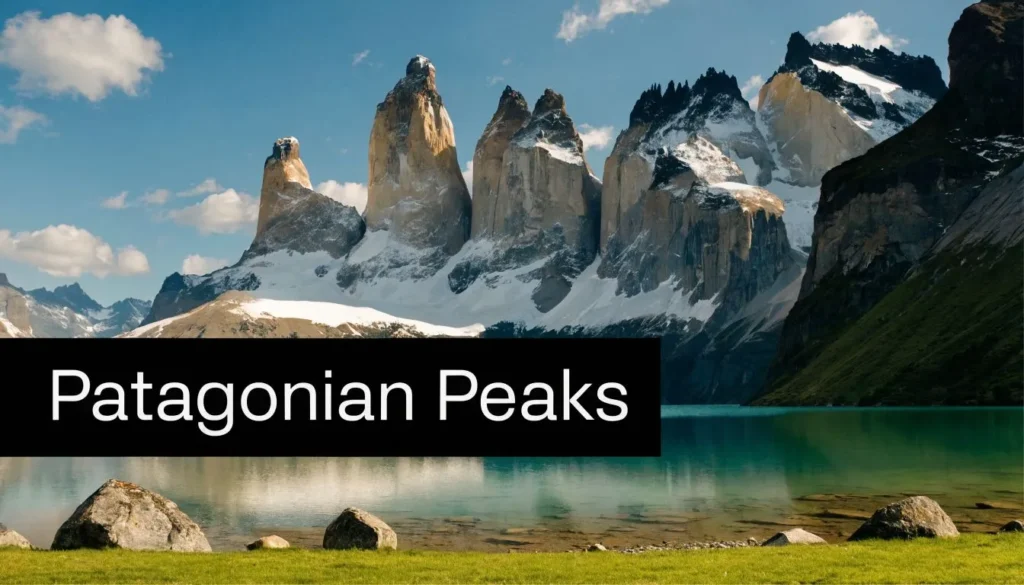
5. Torres del Paine, Chile – Patagonian Wilderness
Want Patagonia at its best, or just a Patagonia box checked? Torres del Paine rewards travelers who plan around weather, transport, and bed availability. It punishes travelers who assume they can sort it out on arrival.
The park’s appeal is obvious. The harder part is choosing the right format for your trip. A full trek gives you immersion and long trail time, but it also locks you into reservations, fixed stages, and whatever weather shows up that day. A Puerto Natales base gives you a warmer bed, restaurant dinners, and more room to shift plans, but you will spend more time in transit and see less of the park overall.
How to choose between a day-hike trip and the W Trek
For a first visit, the W Trek is the stronger choice if you want Torres del Paine to be the main event of your Patagonia segment. It covers the park’s signature viewpoints and gives you sunrise, evening light, and quieter trail hours that day-trippers miss. Book refugios, campsites, catamaran segments, and bus seats well ahead if you are traveling in peak season.
Choose day hikes from Puerto Natales if you fit one or more of these profiles: you dislike carrying a full pack, you want private-room comfort, you are traveling with mixed fitness levels, or you need flexibility in case wind and rain wipe out visibility. That version of the trip works especially well for travelers who already have other active stops on the itinerary and do not need another multi-day trek.
A practical split is four to five nights total. Use one travel day to reach Puerto Natales, two park days with an early start, one buffer day for weather, and one departure day. If you are doing the W, give it at least four hiking days and avoid scheduling a tight international connection immediately after the trek.
Logistics that matter more than people expect
Torres del Paine is one of the clearer examples of what adventure travel usually requires in practice. Success comes from sequencing. Book the park entry, your overnight setup, and the bus connection first. Then build flights around those fixed pieces.
Do not rely on a single good-weather window. Wind can be strong enough to slow walking pace, change trail comfort, and turn a simple viewpoint stop into a short photo break followed by retreat. Rain gear needs to be real rain gear, not a city shell you hope will hold up. Hiking poles, gloves, and a dry bag for electronics earn their place here.
The famous Base Torres hike also needs honest timing. It is a long day with an early start, and the last climb can feel much harder in wind or sleet. Travelers who sleep late, start casually, and expect a clean postcard reveal often end the day disappointed.
Patagonia rewards extra time more than extra optimism.
Costs, pacing, and what to budget for
This is rarely a cheap stop. Torres del Paine gets expensive fast once you add park transport, lodging, meals inside the park, and gear you forgot to bring. The cost difference between “I planned this carefully” and “I will figure it out there” is usually significant.
A day-hike trip from Puerto Natales is often the better value for mid-range travelers. You can compare hotels more easily, eat outside the park, and keep control of spending. The W Trek costs more, but the trade-off is access and atmosphere. You are paying for time on the trail, not just a bed.
If budget is tight, spend money on weather protection, decent footwear, and the right overnight reservations. Cut back on room category or pre-trek extras before cutting back on gear quality. In this park, poor gear changes the trip.
Timing and current conditions
Patagonia conditions change enough that old packing lists and old trail advice date quickly. Check official park updates, transport schedules, and your lodging confirmations shortly before departure. Water access, trail conditions, ferry operations, and wind exposure can all affect the day.
The best itinerary here has slack built into it. One extra day can save the entire stop. Without that buffer, a single weather system can turn a high-cost highlight into a rushed bus ride and a low-visibility hike.
6. Cartagena, Colombia – Caribbean Charm and History
Need a South American city stop that works for travelers who want history, food, nightlife, and manageable logistics in one place? Cartagena is one of the easiest cities on the continent to use well, but only if you plan it for what it does best. Its primary strength is the combination of preserved colonial streets, layered history, strong dining, live music, and simple day-trip options. Travelers who book it mainly for beaches often rate it lower than those who treat it as a culture-first Caribbean city.
Base yourself in the walled city or Getsemaní if your budget can handle it. Rates are higher there, and rooms can be smaller than newer properties in Bocagrande, but the time savings are substantial. You can walk to most major sights, return to the hotel during the hottest part of the day, and avoid repeated taxi decisions in heavy traffic and humidity. For a short stay, that usually justifies the extra cost.
Three nights is the right starting point for most itineraries. Two nights feels rushed. Four nights works if you want a beach-club day or a slower food-focused schedule.
A practical structure looks like this:
- Day 1: Check in, rest through the hottest hours, then take a guided walk through the historic center and the walls in late afternoon.
- Day 2: Visit the Palace of the Inquisition, San Pedro Claver, or the Gold Museum, then spend the evening in Getsemaní.
- Day 3: Choose one priority. Rosario Islands if you want a full excursion, or stay in the city for a market visit, cooking class, and longer dinner.
- Day 4, if added: Castle of San Felipe in the morning, shopping or café time later, then a rooftop or music venue at night.
Timing matters here more than many first-time visitors expect. Midday heat changes walking speed, museum stamina, and even your restaurant choices. Schedule outdoor sightseeing early, keep one indoor stop for early afternoon, and leave room to shower and reset before dinner. Cartagena is more enjoyable when the day has gaps.
Guides also add more value here than travelers often assume. The streets photograph well without explanation, but the city makes more sense once someone connects the fortifications, port history, slavery, trade routes, and neighborhood contrasts. That context is what turns Cartagena from a pretty old town into a city with substance.
Colombia also deserves more space in trip planning than many older South America roundups give it. Cartagena works especially well for travelers who want active city days over long-haul wilderness logistics. It pairs cleanly with Medellín or Bogotá, and it can also fit into a broader trip for travelers exploring different adventure travel trip styles. In that mix, Cartagena fills the cultural and culinary side of the itinerary better than almost any other Caribbean-facing city in the region.
7. Amazon Rainforest, Brazil – Earth’s Lungs
Want a rainforest trip that feels like a real Amazon stay rather than a rushed jungle sampler? Start by treating Brazil’s Amazon as a stand-alone segment of your South America itinerary, not a spare three days between cities.
Manaus is the practical gateway for most travelers, and that matters because the first big decision comes early. Stay in a forest lodge within transfer range of the city, or book a river program that sleeps on the water and changes location as you go. Both can work. The better option depends on how you travel.
A lodge usually fits first-time visitors better. You unpack once, learn the terrain, and go out with the same guide team for forest walks, canoe trips, birding, piranha fishing, and night safaris. River boats cover more distance and can feel more immersive on the water, but they also bring more motion, more time in transit, and less consistency in trail access. Travelers who care most about wildlife interpretation usually get better value from a well-run lodge than from a boat selling nonstop movement.
Plan on at least three nights in the forest. Four is better if you want your chances of seeing different conditions, different sounds, and more wildlife activity at dawn and after dark. Shorter stays are possible, but they often turn into one transfer day, one partial excursion day, and one departure day. That is a lot of effort for limited time in the rainforest.
How to choose the right setup
The operator matters more here than room category. Ask direct questions before booking. Good companies answer clearly and specifically.
- Guide quality: Ask whether excursions are led by trained naturalist guides or general staff.
- Transfer logistics: Confirm total travel time from Manaus, boat type, and whether transfers are shared or private.
- Group size: Smaller groups usually mean quieter wildlife viewing and better pacing on walks.
- Medical preparation: Check vaccine guidance, mosquito protection, and whether the lodge has emergency communication.
- Environmental standards: Ask how waste is handled, whether generators run all night, and how community visits are organized.
Vague answers are a bad sign.
What a first trip actually looks like
A practical first itinerary is simple. Arrive in Manaus, overnight if your flight timing is awkward, then transfer into the forest the next morning. Use the first afternoon for a shorter canoe or introduction walk, the second day for early-morning and night activities, and the third day for a longer outing based on your interests, such as birding, photography, or river exploration.
That structure works because the Amazon rewards repetition. Wildlife sightings are uneven. Weather shifts quickly. A guide who sees the same area daily will often spot things you would walk past in seconds.
Budget and comfort trade-offs
Budget travelers can find basic lodge programs, but low price often means larger groups, simpler meals, and less skilled guiding. Mid-range stays usually hit the best balance for serious travelers. You get better logistics, more informative excursions, and rooms that are comfortable enough to recover from the heat and humidity. Luxury properties improve privacy and sleeping conditions, but they do not guarantee better wildlife.
Comfort in the Amazon is relative. Expect humidity, mud, insects, and damp clothing. Pack for function. Long sleeves, quick-dry layers, a rain shell, closed shoes with grip, a dry bag, and extra socks matter more than stylish gear. Binoculars are worth the bag space if wildlife is a priority.
Why it belongs on this list
The Brazilian Amazon earns its place because it offers something few destinations on this list can match. It changes your pace completely. Days start before sunrise, afternoons slow down with the heat, and the value of the trip depends less on checking off landmarks than on spending enough time in the environment for it to make sense.
That is also why I usually advise travelers to go longer rather than upgrade the room. In the Amazon, extra time usually improves the trip more than better bedding.
8. Salar de Uyuni, Bolivia – World’s Largest Salt Flat
How do you visit a place that looks simple on a map but is logistically one of the trickier stops in South America?
Salar de Uyuni rewards travelers who plan the details before they arrive. The headline sight is obvious. The part that shapes the trip is everything around it: altitude, season, road time, where the tour goes, and how much discomfort you are willing to accept for access to the wider southwest circuit.
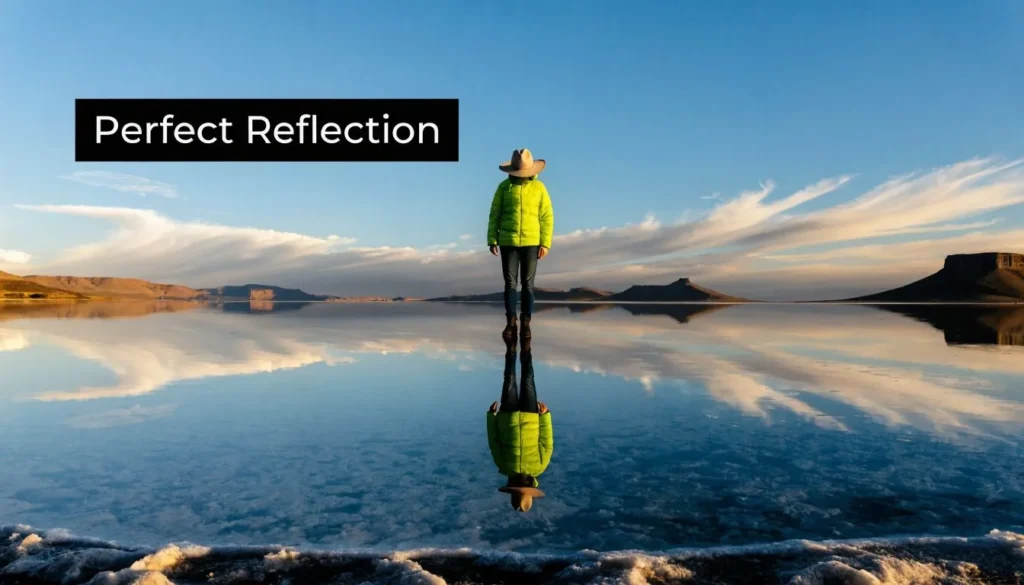
Uyuni earns its place on this list because it works as more than a photo stop. The salt flat is the anchor, but the stronger itineraries treat it as part of a 3-day route that also covers high-altitude lagoons, desert scenery, rock formations, geysers, and wildlife areas. Travelers who book a rushed day trip often leave with the famous perspective photos and miss the vast natural setting that makes this corner of Bolivia feel so remote.
How to choose the right trip
For most travelers, the best format is a 3-day 4×4 tour starting in Uyuni and ending back in town or across the border in Chile. A one-day tour is cheaper and easier to fit into a tight schedule, but it narrows the experience to the salt flat itself. The multi-day option gives the destination its full shape.
Season matters, but there is no single best answer. Wet-season trips are popular for the mirror effect, when a thin layer of water creates the reflective surface seen in photos. Dry-season trips give you cleaner access across the salt crust and more defined polygon patterns. The practical trade-off is simple. Wet conditions can produce stronger photos, but route changes and delays are more common. Dry conditions are usually easier for overland travel.
Tour quality decides whether Uyuni feels magical or exhausting. I would choose a company with a well-maintained vehicle, a driver known for safe pacing, and a clear overnight plan before paying extra for marketing or a polished office in town.
Logistics that matter more than the photos
Altitude is the first issue to respect. Uyuni town already sits high, and the wider circuit climbs higher still. Travelers coming straight from low elevation often feel the difference fast: poor sleep, headaches, slower walking speed, and less appetite. A buffer night in La Paz, Sucre, or Uyuni itself usually improves the trip.
Cold is the second issue. Mornings are harsh, vehicles can feel drafty, and many standard accommodations on the route are basic. Pack for exposure, not style. A down layer, hat, gloves, sunglasses, sunscreen, lip balm, spare power bank, and extra water matter more here than city clothes.
Facilities are limited once you leave town. Expect long stretches without reliable heating, hot showers, or strong cell service.
Mini-guidebook planning notes
A practical first visit usually looks like this:
- Best trip length: 3 days if Uyuni is a destination. 1 day only if your schedule is tight.
- Best base before departure: Uyuni for simplicity. La Paz or Sucre if you want a better acclimatization buffer first.
- Typical budget shape: Budget tours keep costs down but often use older vehicles, larger groups, and simpler lodging. Mid-range tours usually offer the best balance of safety, pacing, meals, and sleeping conditions. Premium tours improve comfort, but the roads and distances still define the experience.
- Best for: Photographers, overland travelers, and anyone building a route between Bolivia and northern Chile.
- Common mistake: Booking on price alone, then discovering the itinerary is rushed and the overnight stops are much rougher than expected.
Insider tips for getting Uyuni right
Morning light usually works better on the salt flat than mid-day glare. If perspective photography matters, bring a few small props and bright clothing rather than relying on whatever the group has in the vehicle.
Ask where you will sleep each night before booking. “Basic” can mean very different things from one operator to another.
Keep one day flexible after the tour if you have a flight or long bus connection. Weather, road conditions, and operational delays are common enough that a tight same-day transfer is a bad gamble.
Uyuni belongs on this list because few places in South America combine such stark visuals with such clear planning trade-offs. Handle the logistics well, and it becomes one of the continent’s strongest expedition-style stops. Underplan it, and the same remoteness that makes it special can wear you down fast.
9. Buenos Aires, Argentina – The Paris of South America
Need a South American city stop that gives you cultural weight without another physically demanding leg of the trip? Buenos Aires is one of the best places to use as a reset point. After trekking, altitude, or long-distance bus travel, a few days here restores energy while still adding real substance to the itinerary.
Buenos Aires works best for travelers who want a city with enough depth to fill three to five days without forcing a rushed schedule. The draw is broad but practical: strong food culture, walkable neighborhoods, late-night energy, major museums, historic cafés, tango venues, and football culture that matters even if you only catch one match or stadium tour. It also fits well as either an entry city or a final stop, especially for travelers who need a softer landing before a long flight home.
Pick your base carefully
Neighborhood choice shapes the trip more than many first-time visitors expect.
Palermo is usually the easiest base for a first visit. It has the widest range of hotels, short-term rentals, cafés, bars, and restaurants, and it is easy to fill a full day nearby without much transit. Recoleta suits travelers who want a quieter, more polished stay with strong access to museums, classic architecture, and reliable hotels. San Telmo has character and historic atmosphere, but accommodation quality and street-by-street conditions vary more, so I only recommend it if you are choosing a well-reviewed property in a good pocket.
The main planning mistake is trying to cover too much ground in one day. Buenos Aires is large, traffic can be slow, and the best parts of the city reward time on foot. Build each day around one primary area and one secondary stop.
A four-day plan that usually works
A strong first visit can look like this:
- Day 1: Settle into Recoleta or Palermo, take an easy neighborhood walk, and book a late dinner rather than planning a packed arrival day.
- Day 2: Recoleta Cemetery, nearby museums, and a classic café. Keep the evening flexible for a steakhouse or wine-focused dinner.
- Day 3: San Telmo during the day, then a tango show or milonga at night, depending on whether you want a polished performance or a more local setting.
- Day 4: Palermo parks, boutiques, and cafés, or swap in Teatro Colón and the city center if architecture and performance spaces matter more to you.
If you have a fifth day, use it for a football experience, a day trip to Tigre, or a slower food-focused day. Buenos Aires is one of the few cities on this list where leaving room in the schedule often improves the trip.
Budget and timing trade-offs
Buenos Aires can be done at several price points, but the spread between budget and mid-range matters.
- Budget shape: Hostels and simple hotels keep nightly costs down, but room quality, noise control, and air conditioning can vary sharply.
- Mid-range sweet spot: This is usually the best value. You get better locations, more reliable service, and easier late-night returns.
- Higher-end stay: Worth it if this is your recovery stop after Patagonia, the Andes, or the Amazon. The city has enough dining and cultural options to justify slowing down in comfort.
Dinner often starts late by North American or Northern European standards. A restaurant that feels quiet at 8 p.m. may not fill up until much later. Adjust expectations early so the city rhythm feels enjoyable rather than inconvenient.
Practical habits that make the city easier
Use official taxis, remises, or ride-hailing apps for longer hops and after dark. Walking is productive in the right districts, but long cross-city moves waste time.
Carry a workable cash plan and sort out exchange logistics through legitimate channels. Card acceptance is common, but not universal in the way some visitors assume, and exchange conditions can affect daily spending more here than in many other major cities. Reserve top restaurants and Teatro Colón visits ahead if your dates are fixed. Good tables and preferred time slots go first.
Buenos Aires earns its place on this list because it functions as more than a famous capital. It is a practical stop with enough detail for a mini-guidebook approach. Choose the right base, match the neighborhood to your travel style, respect the late schedule, and the city becomes one of the easiest places in South America to enjoy without wasting time.
10. Cusco and Sacred Valley, Peru – Andean Heart
Want Peru to feel like a coherent trip instead of a sprint between airports, train stations, and one famous citadel? Build time into Cusco and the Sacred Valley first.
This region does much of the work that makes a Peru itinerary function well. Cusco handles flights, hotels, museums, and onward transport. The Sacred Valley often gives travelers a better first landing point because many valley towns sit lower than Cusco, the pace is calmer, and access to Ollantaytambo station can simplify a Machu Picchu plan.
Base choice changes the entire trip.
Ollantaytambo is the most practical pick if Machu Picchu is confirmed. You cut transfer time, stay close to the train, and can explore a town that still feels historically grounded once day-trippers leave. Pisac suits travelers who want market time, workshops, and a slower valley rhythm. Chinchero works better for textile-focused visits and village context, but it is less convenient if you want restaurant choice or easy evening logistics.
A solid structure for this area looks like this:
- Day 1: Arrive, hydrate, rest, and keep activity light.
- Day 2: Settle into the Sacred Valley with one major stop such as Ollantaytambo or Pisac.
- Day 3: Add Moray, Maras, Chinchero, or a market and weaving-focused day.
- Day 4: Move to Cusco and explore the historic center, Sacsayhuamán, or key museums.
- Day 5 onward: Continue to Machu Picchu, start a trek, or stay longer in Cusco for food, churches, and nearby ruins.
The trade-off is straightforward. Sleeping in the valley usually improves acclimatization and shortens some transit days, but Cusco gives you the strongest dining, lodging, and sightseeing concentration. For a first visit, the best pattern is often valley first, Cusco second, then Machu Picchu or trekking based on your energy and permit situation.
The region matters because it combines Inca sites, living culture, mountain scenery, and unusually workable travel infrastructure in one compact area. As noted earlier in the article, Peru remains one of South America’s anchor destinations for international visitors. Cusco sits at the center of that demand because it supports both short cultural trips and longer Andes itineraries.
Treat altitude as a scheduling issue, not a minor inconvenience. Keep your first day light, avoid hard exercise on arrival, and leave room for slower mornings. Use local guides where interpretation matters, especially at archaeological sites, and ask before photographing people in markets or villages. Those small decisions improve both the trip and the experience you have on the ground.
Top 10 South American Destinations Comparison
| Destination | Travel difficulty (implementation complexity) | Cost & logistics (resource requirements) | Expected outcomes (what you get) | Ideal use cases | Key advantages |
|---|---|---|---|---|---|
| Machu Picchu, Peru | Moderate–High: high altitude and hiking options; permits required for trails | Mid–High: train or multi-day trek, advance ticketing (30–60 days), limited on-site lodging | Iconic archaeological views, scenic hikes, cultural insight | History/adventure travelers, photographers, hikers | UNESCO site, remarkable Inca stonework, multiple access routes |
| Galápagos Islands, Ecuador | Moderate–High: remote islands, strict visitor controls, sea travel | Very High: expensive cruises/tours, advanced booking (3–6 months), permits (TCC) | Unparalleled endemic wildlife encounters and scientific learning | Wildlife enthusiasts, snorkelers, researchers | Unique endemic species, protected marine reserve, expert naturalist guides |
| Rio de Janeiro, Brazil | Low–Moderate: urban travel with some safety considerations | Variable: wide accommodation range, good transport, tourist-area price premiums | Vibrant culture, beaches, nightlife, iconic city views | Beachgoers, culture and nightlife seekers, event travelers (Carnival) | Iconic landmarks (Christ the Redeemer, Sugarloaf), strong music and beach culture |
| Atacama Desert, Chile | Moderate: high altitude in places, remote locations, harsh climate | Mid: tours from San Pedro, limited services, need careful planning | Otherworldly landscapes, top-tier stargazing, geothermal features | Astrophotography, landscape photographers, adventure travelers | Extremely clear skies, Mars-like terrain, geysers and salt flats |
| Torres del Paine, Chile | High: demanding treks, unpredictable weather, fitness required | High: seasonal access (Nov–Apr), costly transport/accommodation, book months ahead | Dramatic wilderness trekking, panoramic photography, wildlife viewing | Serious hikers, photographers, remote wilderness seekers | World-class trekking routes, dramatic granite peaks, relatively uncrowded |
| Cartagena, Colombia | Low: easy urban exploration, hot/humid climate | Low–Mid: affordable overall, good tourism infrastructure, island day trips available | Colonial charm, beaches, vibrant food and arts scene | Romantic getaways, cultural exploration, Caribbean day trips | Well-preserved walled city, colorful architecture, strong culinary scene |
| Amazon Rainforest, Brazil | High: remote, humid, health and safety risks; guided travel required | Mid–High: lodge/cruise costs, vaccinations and specialist guides recommended | Deep biodiversity immersion, wildlife encounters, indigenous cultural experiences | Eco-tourists, researchers, nature immersion travelers | Unmatched biodiversity, river systems, indigenous cultural access |
| Salar de Uyuni, Bolivia | Moderate–High: extreme altitude, remote roads, seasonal conditions | Low–Mid: affordable tours but basic facilities; acclimatize beforehand | Surreal salt-flat panoramas and mirror reflections, strong photography opportunities | Photographers, adventure travelers, remote-landscape explorers | World’s largest salt flat, mirror effects, unique geological formations |
| Buenos Aires, Argentina | Low: walkable city with good transport; urban safety awareness needed | Low–Mid: generally good value but currency fluctuations affect cost | Rich cultural life, tango, gastronomy, museums and nightlife | Food and wine lovers, culture seekers, performing-arts visitors | European-style architecture, tango heritage, world-class dining |
| Cusco & Sacred Valley, Peru | Moderate–High: high altitude (acclimatization advised), many archaeological sites | Mid: gateway logistics for Machu Picchu, book treks/tickets early | Extensive Incan archaeology, indigenous markets, trekking options | Cultural travelers, trekkers preparing for Machu Picchu, market shoppers | Concentration of Incan sites, cultural authenticity, good tourism infrastructure |
Planning Your South American Odyssey
The best places to visit in South America aren’t hard to name. The hard part is combining them into a trip that still feels good on day eight, not just day one. That’s where most itineraries fail. They chase icons without respecting geography, altitude, recovery time, and the reality of long travel days.
A strong South America plan usually starts with one core travel style. Pick the version of the continent you want most. That might be high-altitude Peru, wildlife-heavy Ecuador and the Amazon, city-and-coast travel in Brazil and Colombia, or wind-and-mountain Patagonia. Once that anchor is clear, the route gets easier.
The next decision is pace. South America rewards depth more than coverage. Two countries done well usually beat four countries done hurriedly. A slower route gives you room for weather delays in Patagonia, entry timing in Peru, wildlife scheduling in the Galápagos, and basic rest after demanding travel days.
Regional combinations matter. Peru and Bolivia fit well if you’re comfortable managing altitude and want archaeology plus surreal natural scenery. Chile and Argentina fit travelers who want a cleaner mix of desert, city, wine, and Patagonia. Colombia works well if you want a trip with more urban variety and fewer ultra-demanding logistics than a hardcore trekking circuit.
Seasonality should shape your route before you start comparing hotels. Patagonia timing is different from the Atacama. The Galápagos isn’t the same kind of planning problem as Rio. The Amazon has its own rhythms. Good trip design means choosing places that cooperate with each other in the same time window, not just places that look good in isolation.
Budgeting also works better when you think in layers instead of averages. There are expensive segments and moderate segments in almost every country. A trip can include a costly Galápagos leg, a more flexible city stay, and then a simpler overland portion. The same logic applies to Peru, Patagonia, and the Amazon. You don’t need every stop to match the same spending pattern.
Transport decisions deserve more thought than most travelers give them. One short flight can save a day of friction. One scenic overland route can be worth the extra time. One badly placed hotel can make a great city feel tiring. Planning isn’t only about saving money. It’s about protecting energy.
If you’re choosing among the destinations in this guide, use a simple filter. Ask three questions. Do you want nature, city life, or a balanced mix? Are you comfortable with altitude and physically demanding days? Do you want to move often or settle into fewer bases? Those answers narrow the list fast.
For first-time visitors, a practical route often includes one major city, one flagship natural destination, and one place with slower cultural depth. That could mean Buenos Aires plus Patagonia plus a wine or lake district stop. It could mean Cusco and the Sacred Valley plus Machu Picchu plus a few calmer days elsewhere in Peru. It could mean Cartagena plus Medellín or Bogotá plus one nature segment.
South America is vast, but it’s not unmanageable. The travelers who enjoy it most aren’t necessarily the boldest. They’re the ones who plan realistically. They know what pace they can handle, what conditions they enjoy, and which trade-offs they’re willing to make.
That’s the right way to use a list like this. Not as a challenge to conquer all ten, but as a blueprint to choose the right few and do them properly.
If you want more practical travel briefings, planning guides, and approachable coverage across tourism, science, culture, and beyond, explore maxijournal.com. If you’re a reader who likes clear, useful writing or a prospective contributor looking for an independent publication with broad editorial interests, it’s well worth a look.
Discover more from Maxi Journal
Subscribe to get the latest posts sent to your email.