India’s travel economy is already massive and still expanding. The tourism overview for India notes that the sector generated ₹13.2 lakh crore, or about US$140 billion, in 2021, contributed 5.8% of GDP, supported 32.1 million jobs, and is projected to reach ₹33.8 lakh crore by 2031, with a projected 7.8% compound annual growth rate and a 7.2% share of GDP. That scale matters because it explains why the most useful places to visit in India aren’t random pins on a map. They’re destinations that reward different travel styles, connect well to wider circuits, and still give you room to shape the trip around who you are.
India can overwhelm first-time planners because every region asks for a different rhythm. Agra works best with disciplined timing. Kerala rewards slower movement. Varanasi asks for emotional readiness. Goa changes dramatically depending on which beach belt you choose. Rajasthan can feel magical or exhausting based on season and transport planning.
This guide keeps the list tight. These are the 10 destinations I’d recommend most often when someone wants a strong first framework for places to visit in India, but also wants practical trade-offs instead of glossy adjectives.
You’ll get four traveler personas for every destination. Family, Budget, Adventure, and Luxury. That matters because most roundups still mix radically different trip types without helping you decide what fits your style. The gap is especially obvious in broad India lists that throw mountain regions, beaches, wildlife areas, heritage towns, and remote valleys together without decision support, a weakness reflected in destination roundups discussed by Wayfairer Travel’s under-the-radar India guide. I’ve built this list around what works on the ground, what usually disappoints, and how to turn each stop into an itinerary you’ll enjoy.
1. Taj Mahal, Agra
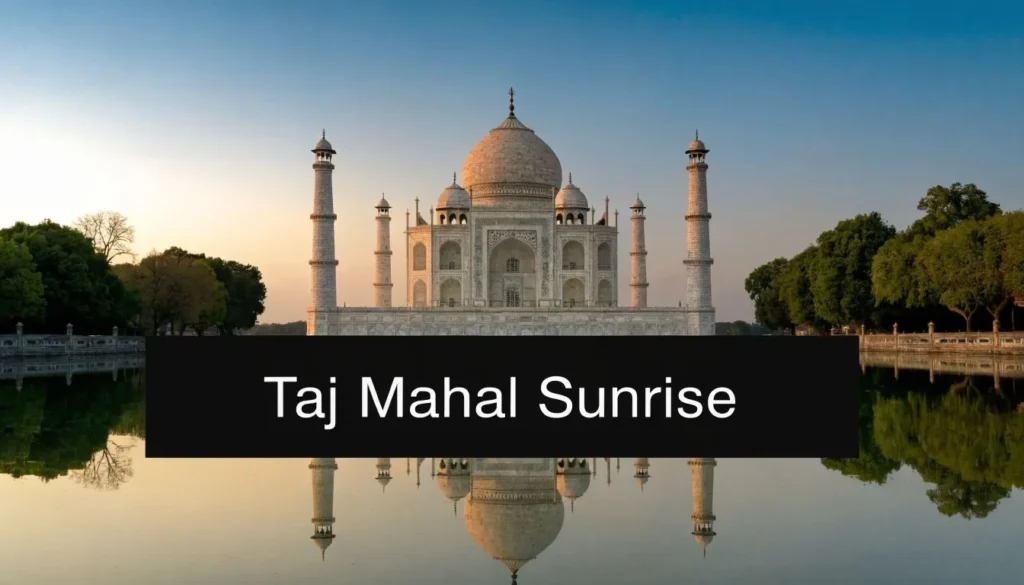
The Taj Mahal is the monument almost everyone thinks they know, but many travelers miss its deeper context. Visitors see the postcard, rush through the gates, take the same front-facing photo as everyone else, and leave without understanding why Agra deserves more than a hurried stop.
The Taj works best when you treat it as part of an Agra stay, not a checkbox. Early morning is the simplest upgrade you can make. The light is softer, the marble reads better in photographs, and the site feels less draining.
How to do Agra well
If you only visit the Taj and leave, you’ll miss the context that makes it land properly. Agra Fort gives you the political and imperial frame. The old city gives you the density and chaos that remind you this wasn’t built in isolation.
Practical rule: Go early, then rest in the afternoon. Agra’s big mistake is trying to do every major site in the harshest part of the day.
A knowledgeable guide is worth it here if you care about craftsmanship, symmetry, inlay work, and Mughal court history. Without one, many travelers leave with little more than “it was beautiful.”
- Family itinerary: Spend the first morning at the Taj Mahal, return to the hotel for a break, then visit Agra Fort later in the day. Keep day two for a shorter local outing and food stops.
- Budget itinerary: Stay near the main tourist zone but not directly beside the busiest gates. Walk where practical, use auto-rickshaws for short hops, and focus on the Taj and Agra Fort rather than cramming in distant detours.
- Adventure itinerary: Pair Agra with a wider overland route through Delhi and Rajasthan. Add sunrise photography, old-city walks, and a river-view angle rather than treating the visit as a standard monument stop.
- Luxury itinerary: Book a heritage-style stay or a polished high-end hotel with reliable transfers, then build the visit around an early private guide slot and a slower second day.
What works and what doesn’t
What works is patience. What doesn’t is arriving late, standing in long entry queues, and expecting a serene experience at peak hours. Wear comfortable shoes, carry water, and leave space in the schedule.
Agra is one of the clearest examples of why gateway circuits matter in India. It’s easy to pair with Delhi and Jaipur, and for many travelers that combination still gives the strongest first introduction to North India.
2. Jaipur, the Pink City
Jaipur is where many travelers stop treating India as a single idea and start noticing regional texture. The city gives you forts, palace architecture, bazaars, temple visits, textile shopping, and food, but it also gives you a choice. Stay in the old city for atmosphere, or stay in newer neighborhoods for easier pacing and more comfort.
That choice matters. Some visitors want heritage at the doorstep. Others want cleaner logistics and better sleep. Both are valid.
Best for culture, shopping, and first-time Rajasthan
Jaipur rewards travelers who like structured sightseeing in the morning and wandering in the evening. Amber Fort is the obvious anchor, but the city itself is the point. The bazaars, local snacks, courtyards, and old facades are what make it feel alive.
The easiest mistake is over-scheduling. Jaipur has enough substance to justify slowing down and grouping nearby sights instead of zigzagging across the city in traffic.
- Family itinerary: Choose a comfortable hotel with easy car access. Visit Amber Fort in the morning, keep the afternoon for the City Palace area, and use the evening for a relaxed market walk and an early dinner.
- Budget itinerary: Base yourself in a modest guesthouse near the old city or a well-connected neighborhood outside it. Use shared transport where sensible, eat at busy local spots with good turnover, and limit shopping to a few quality purchases.
- Adventure itinerary: Add an early city walk, a food-focused evening, and a day trip beyond the core palace circuit. Travelers who like active days often combine forts, stepwells, and neighborhood exploration.
- Luxury itinerary: Jaipur is one of India’s easiest heritage-luxury cities. Stay in a restored haveli or palace-style hotel, book a private car, and split the trip between architecture, craft shopping, and a refined dining plan.
Trade-offs to understand
Jaipur is excellent for first-time visitors because it’s visually rich without being as emotionally intense as Varanasi or as logistically tiring as some mountain regions. The trade-off is that it can also feel performative if you only move through curated tourist corridors.
Crowds aren’t the problem in Jaipur. Bad routing is. Group nearby sights, start early, and leave the middle of the day for food, rest, or indoor spaces.
If you want a deeper Rajasthan experience, Jaipur also works as a launch point rather than a standalone city break. That flexibility is why it stays high on any serious list of places to visit in India.
3. Kerala, God’s Own Country
Kerala isn’t one destination. It’s a state that works best as a stitched journey. Backwaters, hill stations, historic port neighborhoods, beaches, and wellness-focused stays all belong here, but they don’t belong in one rushed itinerary.
That’s why Kerala often disappoints travelers who try to “cover” it. You shouldn’t. Pick two or three zones and let them breathe.
The smartest Kerala combinations
A strong first Kerala trip usually means combining one city or heritage base, one scenic region base, and one coast or backwater base. Kochi, Munnar, Alleppey, and Varkala form one of the simplest combinations because each stop feels distinct.
Monsoon can be beautiful in Kerala, but it changes the trip. Some travelers love the mood, the greenery, and the quieter feel. Others get frustrated by wet logistics and reduced beach time.
- Family itinerary: Do Kochi for culture and easy arrival, Munnar for cooler air and tea-country scenery, then a shorter backwater stay rather than a long multi-day boat plan.
- Budget itinerary: Use public transport between major hubs when practical, stay in simple homestays or guesthouses, and choose day cruises or short backwater experiences instead of expensive overnight splurges.
- Adventure itinerary: Add cycling in plantation areas, village exploration, trekking where conditions allow, and a more active coastal stop such as Varkala over a purely resort-based beach break.
- Luxury itinerary: Kerala excels at slow luxury. Split the trip between a polished heritage stay in Kochi, a premium tea-hill retreat, and a carefully chosen backwater or cliffside coastal property.
What travelers often get wrong
The backwaters are peaceful only if you choose the right format. Some people imagine nonstop stillness, then realize parts of the network can feel busy. An overnight houseboat can be memorable, but it isn’t automatically better than a well-run shore stay with a day cruise.
Kerala is also one of the easiest places in India for food-led travel. Cooking classes, seafood meals, banana-leaf lunches, and regional breakfasts often become trip highlights. If you enjoy building a destination through food, Kerala delivers.
4. Varanasi, the spiritual heart
Varanasi isn’t polished, and that’s part of why it matters. The city confronts you with ritual, devotion, noise, narrow lanes, sacred geography, and the presence of death in ways few places do. Some travelers find it transformative. Others find it overwhelming.
Go only if you’re willing to meet it on its own terms.
Where Varanasi hits hardest
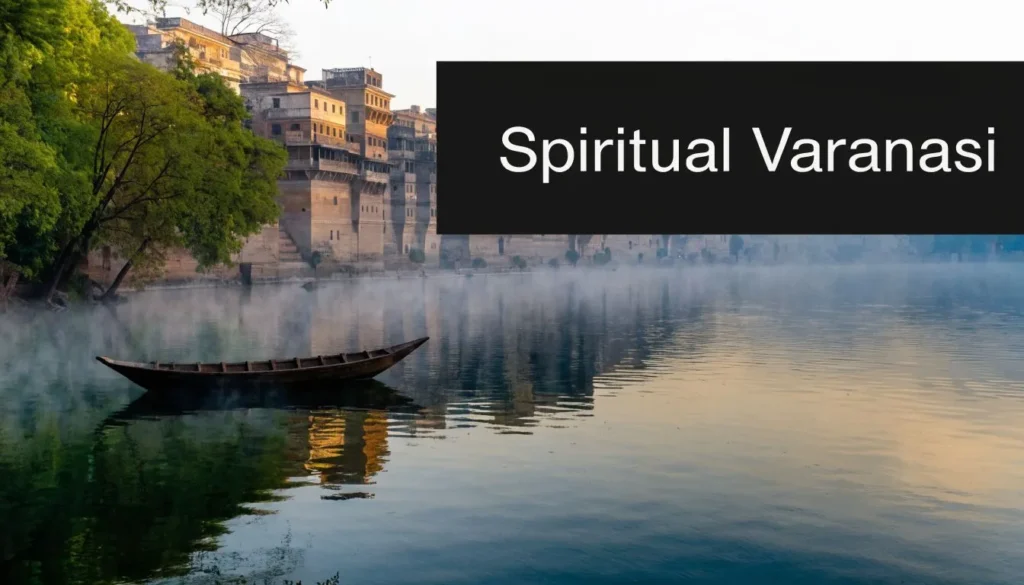
The ghats are the center of gravity. Early mornings on the river often give the clearest view of the city’s layered life. You’ll see bathing rituals, priests, students, boatmen, and families moving through routines that are both ordinary and sacred.
Stay near Assi Ghat if you want a gentler base. It tends to suit travelers who want access without sleeping in the thickest intensity of the old core.
On-the-ground advice: Varanasi is not the place to improvise your cultural etiquette. Dress modestly, ask before photographing people, and treat cremation areas with restraint.
Kashi Vishwanath Temple and Sarnath change the trip in different ways. One deepens the Hindu sacred geography. The other opens a Buddhist layer that many visitors overlook.
- Family itinerary: Stay in a cleaner, quieter area such as around Assi Ghat, take a morning boat ride, visit selected temples with a guide, and avoid overexposing children to the most intense parts of the city all at once.
- Budget itinerary: Use simple guesthouses, focus on walking and boat rides, eat at well-frequented local spots, and spend time observing rather than trying to “do” too many attractions.
- Adventure itinerary: This is cultural adventure more than physical adventure. Add old-lane walks, dawn and dusk river sessions, and a side trip to Sarnath.
- Luxury itinerary: Choose a well-managed hotel with reliable transfers, then use a private guide who understands both ritual context and visitor etiquette.
Later, if you want a quick visual sense of the atmosphere before planning your route, this short Varanasi clip is a useful preview.
Who should prioritize it
Varanasi is one of the most important places to visit in India if religion, philosophy, and civilizational depth matter to you more than comfort. It’s less suitable for travelers who want a restful holiday or who struggle with sensory overload.
That doesn’t make it difficult in a bad sense. It makes it consequential.
5. Goa, beaches and Portuguese heritage
Goa gets flattened into a stereotype. Party state. Beach escape. Easy holiday. That summary misses the key planning question, which is where in Goa you should base yourself and what kind of trip you want.
North Goa and South Goa don’t feel interchangeable. Nor do inland heritage zones and beach strips.
Choosing the right Goa
If you want movement, nightlife, social energy, and easy access to a wide range of cafes and bars, North Goa usually makes more sense. If you want quieter beaches and a slower rhythm, South Goa often works better.
The smart move is to decide on vibe first, then beach second. Too many travelers pick a famous beach and only later realize they chose the wrong version of Goa for themselves.
- Family itinerary: Stay in a calmer beach area with easy transport to heritage sites such as the Basilica of Bom Jesus and Fort Aguada. Keep beach time flexible and avoid making nightlife districts your base.
- Budget itinerary: Use scooters carefully if you’re comfortable riding, eat in family-run local restaurants away from the busiest beachfront strips, and focus on one region instead of covering the whole state.
- Adventure itinerary: Split time between beach hopping, watersports where conditions are right, inland drives, short fort visits, and waterfall or village detours.
- Luxury itinerary: Goa is strongest when luxury travelers avoid the most crowded strips and choose a well-designed resort or boutique stay with beach access and curated day outings.
What works beyond the beach
Goa is one of the few destinations on this list where churches, forts, seafood, and village roads can matter as much as the coast itself. A day with no beach can still be a strong Goa day.
Recent travel coverage about India’s underrated destinations also points to a broader shift. Many travelers now want crowd-avoidance alternatives, not just another list of famous places, a pattern reflected in Time Out India’s look at underrated destinations such as Shoja, Mawlynnong, Pelling, Munroe Island, and Agumbe. Goa planning benefits from the same mindset. Choose the quieter pocket if your goal is rest, not proximity to the loudest strip.
6. Dharamshala and McLeod Ganj, mountain serenity
Dharamshala and McLeod Ganj attract people for different reasons. Some come for Tibetan culture and Buddhist institutions. Some come to trek. Some just want mountain air after the plains. The best trips combine at least two of those threads.
This area rewards travelers who don’t mind slopes, weather changes, and a little unpredictability in mountain logistics.
Culture and mountain time in one trip
The Tsuglagkhang Complex gives the area its spiritual center. Monasteries, prayer wheels, Tibetan cafes, and teaching spaces shape the atmosphere in ways that make this destination feel distinct from other Indian hill towns.
Weather matters more here than many first-time visitors expect. Clear conditions transform the views. Fog and rain can compress your plans fast.
- Family itinerary: Keep your base stable, choose short walks over ambitious trekking, and balance monastery visits with easy scenic drives and relaxed meals.
- Budget itinerary: Stay in simple guesthouses or homestays, eat in Tibetan cafes and local dhabas, and use local taxis strategically instead of constant private-car hire.
- Adventure itinerary: Add guided treks, waterfall walks, longer ridge routes, and time in the Kangra Valley. This is where the region opens up.
- Luxury itinerary: Go for a quiet hillside property with mountain views, then layer in curated wellness sessions, Tibetan cultural experiences, and light guided excursions.
Mountain travel in India is rarely improved by trying to cover too much ground. In Dharamshala, a shorter route with more weather flexibility almost always beats a packed checklist.
Best traveler match
This is one of the best places to visit in India for travelers who want meaning without the intensity of Varanasi, and mountains without the scale and remoteness of Ladakh. It’s a gentler hybrid. That’s its strength.
7. Rajasthan desert circuit, Pushkar and Jaisalmer
Pushkar and Jaisalmer belong together because they deliver different faces of Rajasthan’s desert imagination. Pushkar is more spiritual and market-driven. Jaisalmer is more cinematic, fortress-centered, and scenery-rich.
You can visit one without the other, but the circuit works better when you see the contrast.
What each stop does best
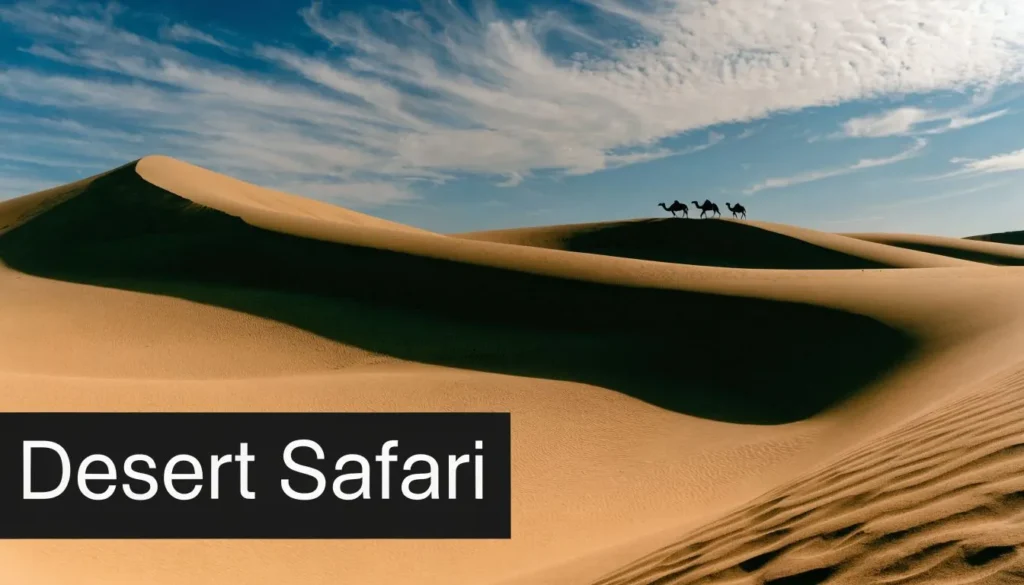
Pushkar is compact and easier to absorb on foot. It suits travelers who like lakeside atmosphere, temple visits, cafes, and bazaars. Jaisalmer is about sandstone architecture, fort life, and the desert edge.
The desert experience itself needs a careful filter. Camel safaris can be memorable, but operator quality matters. So does animal treatment. The most photogenic option isn’t always the most ethical one.
- Family itinerary: Use Pushkar as the softer introduction, then move to Jaisalmer for a fort-focused stay and a short, well-run desert outing rather than a long camp-heavy schedule.
- Budget itinerary: Travel overland, stay in guesthouses with rooftop views, skip overly packaged “luxury camp” marketing, and choose one carefully reviewed desert excursion.
- Adventure itinerary: Add a dune stay, sunrise or sunset desert movement, fort exploration on foot, and a village or craft detour beyond the standard tourist circuit.
- Luxury itinerary: Jaisalmer is strong for atmospheric boutique stays in restored properties. Pair that with a refined desert camp experience that prioritizes service and responsible operations.
Seasonal caution
Heat changes everything in this region. So does festival timing. Pushkar can feel magical during its major fair period, but only if you’ve booked early and accepted that crowds are part of the experience.
What doesn’t work is arriving underprepared for sun, dust, and distance. Rajasthan’s desert belt looks romantic. It can also be draining if you underestimate the climate.
8. Darjeeling, tea country and mountain views
Darjeeling has a different kind of charisma from western Himalayan hill stations. It’s denser, more layered, and more visibly shaped by tea, rail heritage, and a mix of cultural influences. You come for mountain air, but also for texture.
If visibility is on your side, the views can define the trip. If clouds take over, Darjeeling still has enough personality to hold your attention.
Best for slow scenic travel
The Darjeeling Himalayan Railway is part of the appeal, but don’t reduce the town to the toy train alone. Tea gardens, local markets, ridge walks, old schools, monasteries, and bakeries make the place work.
This is a destination for travelers who like mornings. Tea estate visits, clear mountain windows, and quieter walks all improve when you start early.
- Family itinerary: Pick a centrally placed hotel with easy transport, ride the heritage train on a manageable segment, and keep tea-estate visits short and interactive.
- Budget itinerary: Stay in a guesthouse off the busiest lane, walk as much as your fitness allows, use shared jeeps wisely, and prioritize free scenic experiences over nonstop ticketed attractions.
- Adventure itinerary: Add village hikes, monastery stops, ridge viewpoints, and side excursions beyond the main market core.
- Luxury itinerary: Darjeeling suits travelers who want old-world atmosphere more than resort-style luxury. Heritage stays and curated tea experiences are the main draw.
What to expect honestly
Darjeeling can be crowded, weather-dependent, and uneven in infrastructure. None of that is unusual for Indian hill travel. The key is adjusting expectations. Go for mood, tea, walks, and mountain drama, not for polished perfection.
That’s why Darjeeling remains one of the more rewarding places to visit in India for travelers who value character over convenience.
9. Mumbai, Bollywood and metropolitan energy
Mumbai is less about monuments and more about momentum. It’s where colonial facades, sea views, finance, cinema, local trains, street food, and relentless ambition all share the same frame.
You don’t visit Mumbai to relax. You visit it to feel contemporary India at full speed.
How to make Mumbai click
South Mumbai is the easiest entry point for most travelers. The architecture, promenades, museums, and old neighborhoods give shape to a city that can otherwise feel too large to decode. Once you’ve anchored yourself there, the rest of Mumbai becomes easier to understand.
The city rewards curiosity more than checklist tourism. A good Mumbai day can include an art space, a train ride, a street-food stop, a sea-facing walk, and a live performance.
- Family itinerary: Base yourself in a well-connected area, focus on South Mumbai landmarks, drive or cab between major points, and keep local-train use optional unless everyone is comfortable with crowds.
- Budget itinerary: Use local trains strategically outside the harshest rush periods, stay in a practical transit-linked neighborhood, and build your days around walkable clusters.
- Adventure itinerary: Add market walks, ethical community-led neighborhood tours, theater nights, and food exploration from street snacks to regional restaurants.
- Luxury itinerary: Mumbai handles luxury through service and access, not escape. Stay in a polished city hotel, reserve good dining, and use private transport to cut friction.
Who will love it most
Travelers interested in urban India, film culture, design, and social contrast usually find Mumbai compelling. Travelers looking for quiet beauty often struggle with it at first.
That’s normal. Mumbai reveals itself through pace and repetition. Give it time, and it can become one of the most memorable stops in the country.
10. Mysore, palace grandeur and cultural heritage
Mysore is one of the easiest heritage cities in India to enjoy. It’s more manageable than the largest metros, more structured than many chaotic old cities, and rich enough in palace culture, religion, and craft to justify a dedicated stay.
If you want royal architecture without the heaviest logistics, start here.
Why Mysore works so well
Mysore Palace is the obvious centerpiece, but the city’s real strength is how comfortably it handles a broader cultural trip. You can combine palace time with old churches, markets, museums, gardens, and nearby nature without feeling stretched.
That balance makes Mysore especially good for travelers who want a calmer final stop after busier circuits in Rajasthan, Delhi, or Mumbai.
- Family itinerary: Base yourself centrally, see Mysore Palace in the morning, add one museum or church, and leave room for a gentler outing such as a garden or bird-focused side trip.
- Budget itinerary: Stay in a simple central hotel, use autos for short distances, and combine walking with targeted visits rather than nonstop transport.
- Adventure itinerary: Add Chamundi Hills, a heritage walk through older neighborhoods, and an excursion to a nearby sanctuary or river environment.
- Luxury itinerary: Choose a refined heritage-style stay or upscale hotel, then build the trip around palace access, craft workshops, and curated cultural experiences.
Practical trade-offs
Mysore doesn’t deliver the raw intensity of Varanasi or the spectacle of Agra. That’s the point. It gives you an easier rhythm and a more forgiving city layout.
For many travelers, especially families and first-time visitors, that makes it one of the smartest places to visit in India.
Top 10 Indian Destinations: Quick Comparison
| Destination | Accessibility (Implementation complexity) | Resource Requirements (Cost & Time) | Expected Outcomes (Experience) | Ideal Use Cases | Key Advantages |
|---|---|---|---|---|---|
| Taj Mahal, Agra | Moderate, well connected by rail/road; timed entry and night quotas | Moderate cost; short visit (2–3 hrs) or 1–2 days in Agra | Iconic architecture, symmetry, strong historical context | Cultural/historical visits, photography, romantic trips | World-class monument, strong tourist infrastructure, multiple viewing times |
| Jaipur – The Pink City | High, major transport links; navigate old-city traffic and crowds | Moderate; 3–4 days recommended; shopping budget | Royal architecture, bazaars, living heritage | Cultural exploration, shopping, gateway to Rajasthan | Vibrant markets, royal palaces, excellent connectivity |
| Kerala – God’s Own Country | Good, airports and roads; local transfers for backwaters and hills | Moderate–high depending on package; 5–7 days for meaningful experience | Relaxation, wellness, nature, houseboat and spice experiences | Wellness retreats, nature and culinary travel, family trips | Backwaters and ayurveda infrastructure, excellent hospitality |
| Varanasi – The Spiritual Heart | Moderate, accessible but narrow lanes and sensory intensity | Low–moderate; 3–5 days; local guide recommended | Deep spiritual immersion, daily rituals, unique photography | Pilgrimage, spiritual research, cultural photography | Authentic ritual experiences, historic continuity, budget-friendly |
| Goa – Beaches & Portuguese Heritage | Easy, international/domestic flights; busy beach hubs | Moderate; 4–7 days; peak-season price spikes | Beach leisure, nightlife, watersports, colonial sites | Beach holidays, nightlife, leisure and adventure travel | Highly developed tourism, diverse activities, good flight access |
| Dharamshala & McLeod Ganj | Challenging, mountain roads, limited connectivity, steep terrain | Moderate; 4–6 days; may require trekking arrangements | Mountain serenity, Tibetan culture, trekking and meditation | Spiritual retreats, trekking, wellness and cultural study | Cool climate, strong Tibetan cultural scene, meditation centers |
| Rajasthan Desert Circuit (Pushkar, Jaisalmer) | Moderate, long drives between sites; remote stretches | Moderate; 4–6 days; safari and camp costs, long travel times | Desert landscapes, camel safaris, festival and heritage encounters | Adventure travel, photography, cultural festival visits | Unique desert ecosystem, iconic forts, well-organized safaris |
| Darjeeling – Tea Country | Challenging, hilly access, limited direct connectivity; toy train option | Moderate; 4–5 days for tea tours and treks | Tea plantation tours, Himalayan vistas, colonial heritage | Tea-focused visits, scenic photography, heritage travel | World-class tea, panoramic mountain views, heritage railway |
| Mumbai – Bollywood & Metropolitan Energy | Very high, international hub but dense urban congestion | High cost; 3–4 days minimum; time lost to traffic | Urban energy, film/culture scenes, diverse cuisine | Business, media/film, urban cultural exploration | Excellent connectivity, world-class infrastructure, entertainment hub |
| Mysore – Palace Grandeur | Good, well connected by rail/road; smaller city ease | Low–moderate; 3–4 days (longer for Dasara festival) | Palace visits, arts and crafts, relaxed cultural immersion | Heritage tourism, arts & crafts, family trips | Majestic palace, strong cultural festivals, less crowded than metros |
Planning Your Unforgettable Indian Adventure
India rewards travelers who plan by purpose, not by checklist. The right trip is usually smaller, tighter, and better paced than the first draft on paper.
Start with your traveler profile and build from there. Families usually do better with short transfers, early hotel check-ins, and cities where sightseeing is concentrated. Budget travelers get better value by staying longer in fewer bases and using trains or buses where they make sense. Adventure travelers need to account for altitude, weather windows, and recovery time between active days. Luxury travelers often get the strongest result by paying for location, service, and timing, not just a larger suite.
That approach changes how each destination works.
Agra is a sharp, efficient stop for families and first-time visitors, but it rarely justifies a long standalone stay. Kerala can be excellent for almost any traveler type, though only if you choose one core experience, backwaters, hill country, or coast, instead of spending half the trip in transit. Varanasi delivers depth, but it also demands patience, early starts, and some tolerance for intensity.
I advise travelers to treat these places as regional building blocks with clear roles in the itinerary.
For families, the cleanest combinations are usually Agra and Jaipur, or Mysore with a Bengaluru arrival and departure plan that avoids unnecessary backtracking. For budget trips, Goa in shoulder season, a longer stay in Dharamshala and McLeod Ganj, or a carefully planned Rajasthan route often stretches money better than adding domestic flights. For adventure travelers, Darjeeling, Dharamshala, and Jaisalmer offer very different forms of effort and reward, so the route should match whether the priority is trekking, mountain culture, or desert exposure. For luxury travelers, Jaipur, Kerala, Goa, and selected Rajasthan properties consistently offer the strongest mix of high-end stays and reliable service.
Sequence matters just as much as destination choice. Mumbai works well at the front end because international access is easy and many travelers prefer to handle the biggest city while their energy is high. Mysore fits better later in the trip because it is manageable, cultured, and less tiring than a major metro. Goa also needs a firm decision before booking. North Goa suits nightlife, dining, and activity. South Goa suits slower beach time and resort stays.
Small choices decide whether a trip feels efficient or exhausting.
An early start often saves more stress than an expensive room upgrade. Two or three nights in one base usually beat constant hotel changes, especially in Kerala, Rajasthan, and the hill regions. A practical hotel near the sites you will visit often outperforms a famous address that adds daily traffic delays. I regularly recommend cutting one stop if it saves a full day of transit. That trade-off usually improves the entire trip.
Be realistic about friction. Travelers who dislike crowds should not stack the Taj Mahal, Jaipur bazaars, Varanasi ghats, and Mumbai peak-hour movement into one short itinerary. Travelers who hate long drives should avoid combining Kerala, the desert circuit, and Himalayan towns in a single loop. Travelers who want predictability should be selective with destinations that are spiritually intense, logistically messy, or physically demanding, even if they are iconic.
A stronger India itinerary gives each stop a job. A family route might focus on Agra, Jaipur, and Mysore. A budget route might stay longer in Goa and Dharamshala. An adventure route might pair Darjeeling with trekking days and then shift to Rajasthan for contrast. A luxury route might center on Jaipur, Kerala, and South Goa with fewer hotel changes and better pacing.
For destination notes and broader travel reading, maxijournal.com is one reference point. The work is choosing the version of India that fits how you travel.
Discover more from Maxi Journal
Subscribe to get the latest posts sent to your email.