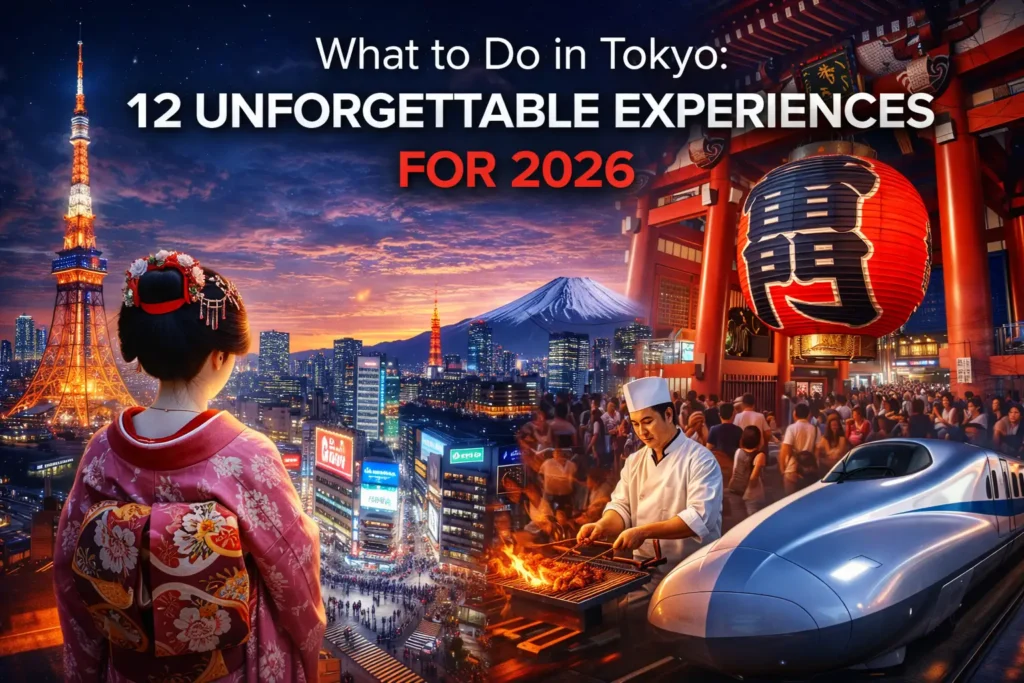
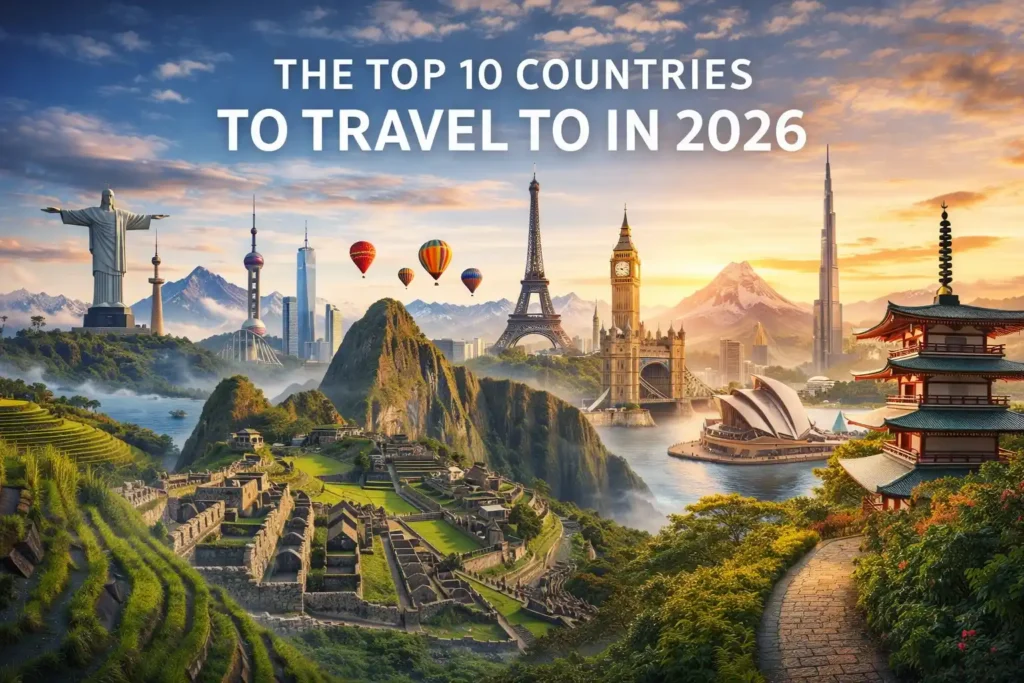
What do most “best city” lists miss? They usually reward landmarks, luxury, and fame, but they rarely ask a better question. Which cities leave you smarter, more curious, and more alert to how the world is changing?
That gap matters in 2026. A great trip isn’t just about checking off a cathedral, a skyline, or a famous restaurant. It’s about entering a place that has momentum. You feel it in design districts, startup cafés, museum programming, public transit, food markets, fashion neighborhoods, and the way locals use the city after dark. The best cities to travel in the world aren’t only beautiful. They’re alive with ideas.
That’s also why “best” and “most visited” aren’t the same thing. Tourism volume tells you something useful, especially about access and infrastructure, but it doesn’t settle the argument. Bangkok led global city destinations with 32.4 million international visitors in 2024, ahead of Istanbul and London, according to RoadGenius tourism statistics. Meanwhile, London holds a different kind of prestige in city-ranking systems that weigh prosperity, lovability, livability, and perception, as shown in the World’s Best Cities rankings. Both lenses matter.
This list takes a more practical route. These are cities for people who like architecture and street food, but also film, business, software, music scenes, publishing, fashion, museums, design, and the weird fringe edges that make a place memorable. Some are polished. Some are rough around the edges. All reward attention.
If food is part of how you read a city, pair this guide with this roundup of the best street food around the world.
1. Tokyo, Japan: The Future Today
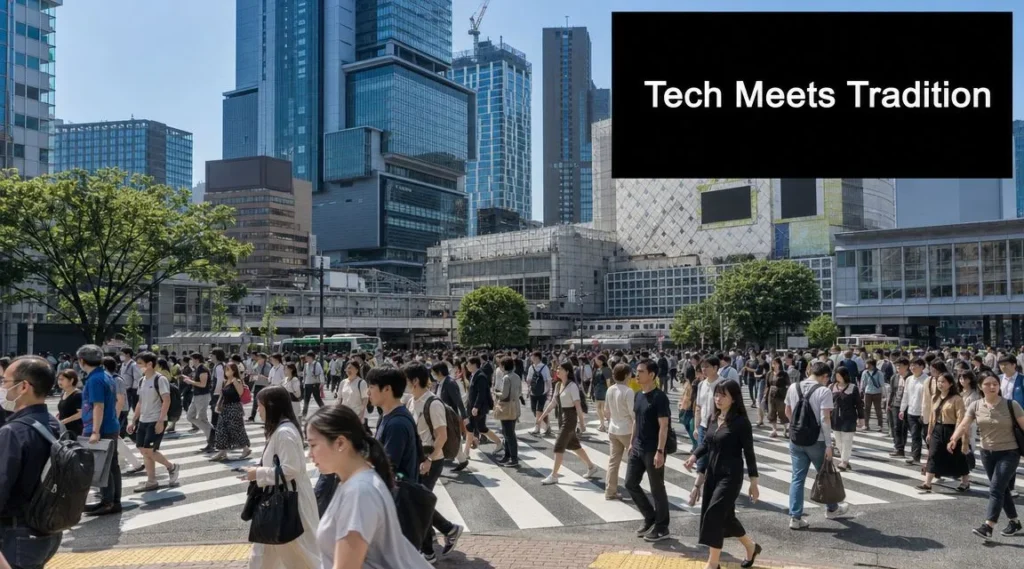
What does a city look like when innovation, craftsmanship, and daily life all operate at full precision? Tokyo is one of the clearest answers. It rewards travelers who care about more than landmarks, especially those interested in design, retail systems, food culture, mobility, media, and the small details that reveal how a place functions.
Tokyo works best as a city of districts, not a checklist. A strong day might start at Senso-ji, shift to Kappabashi for kitchenware or Ginza for flagship retail, then end in a six-seat bar in Golden Gai or a standing izakaya under the tracks. For a practical starting point on neighborhoods, museums, and food stops, use this guide to the best things to do in Tokyo.
Why Tokyo earns its place
Tokyo stands out because it offers more than sightseeing. It is one of the few major cities where travelers can study consumer behavior, urban planning, hospitality, and cultural production just by moving through an ordinary day. Convenience stores feel carefully engineered. Department store basements turn food retail into a serious craft. Train stations handle huge volume without feeling chaotic once you learn the logic.
That makes Tokyo especially strong for curious minds with interests across tech, arts, business, and culture.
- Tech and product design: Akihabara still has draw, but the sharper experience often comes from electronics floors in major department stores, camera shops, stationery specialists, and branded concept spaces that show how Japanese companies present innovation to the public.
- Fashion and visual culture: Shibuya, Harajuku, Daikanyama, and Nakameguro each serve different tastes. Streetwear, archival menswear, minimalist Japanese labels, and independent boutiques all sit within easy reach if you group your day well.
- Food depth at every budget: Tokyo’s range is the point. High-end sushi matters, but so do ramen counters, kissaten cafés, depachika halls, and neighborhood yakitori spots where quality stays high and the barrier to entry stays low.
A common mistake is treating Tokyo like a speed run. The city punishes inefficient routing. Long crosstown jumps, stacked reservations, and overplanned dining schedules drain time that could go to wandering side streets, browsing shops, or taking a slower second stop in a neighborhood that clicks.
Use one rule. Plan by area, then leave open space inside that area.
That approach gives Tokyo room to surprise you, which is when the city is at its best. You notice packaging design in a convenience store, the acoustics of a listening bar, the discipline of a train platform, or the precision of a ten-seat lunch counter. Few cities teach you more about how innovation and culture show up in everyday life.
2. Paris, France: The Epicenter of Art and Elegance
What if one city could sharpen your taste, deepen your cultural literacy, and still work as an enjoyable trip? Paris earns its place on this list because it offers more than landmarks. It remains one of the strongest cities anywhere for studying how art, fashion, publishing, food, and urban design shape global culture.
Paris rewards travelers who care about ideas as much as scenery. For designers, founders, writers, photographers, and anyone interested in creative industries, the city functions like a live reference library. Museum collections matter, but so do gallery programs, concept stores, historic cafés, independent bookstores, and the visual discipline of ordinary street life.
The common mistake is treating Paris like a checklist city. You get more from it by mixing headline institutions with neighborhoods that show how people live and work.
A practical Paris plan usually follows three layers:
- Anchor the day with one major cultural stop: The Louvre, Musée d’Orsay, Fondation Louis Vuitton, or Centre Pompidou can justify half a day on their own.
- Pair it with one district that matches your interests: Le Marais for galleries and fashion, Saint-Germain for literary history, the 11th for contemporary food, Canal Saint-Martin for younger creative energy.
- Keep the evening local: Pick one arrondissement for dinner, wine, or jazz instead of spending the night crossing the city.
This approach fixes two common problems. It cuts transit fatigue, and it leaves room for the smaller details that make Paris memorable: a serious cheese shop, a strong natural wine list, a photography bookstore, or a side street with better architecture than the site you originally planned to see.
Budget and timing need honesty here. Paris can be expensive, especially for centrally located hotels and last-minute restaurant bookings. Flights also swing sharply by season, so it helps to review practical tactics for finding cheap flights and airfare deals before you lock in dates.
Summer brings longer days and strong energy, but it also brings heat, crowds, and slower pacing in the middle of the afternoon. Recent reporting from Time Out’s best cities for 2026 coverage noted wider climate pressure across Europe, which matters for Paris trip planning too. In practice, spring and fall often give the better trade-off. You get comfortable walking weather, full cultural programming, and a city that feels more usable.
Paris still has polish. It also has friction. That combination is part of why curious travelers should go. It is a city where beauty is not confined to monuments, and where culture shows up in daily habits, not just museum walls.
3. New York City, USA: The Global Crossroads
New York isn’t relaxing, and that’s part of the appeal. It’s the city on this list that most clearly turns ambition into atmosphere. Finance, publishing, theater, tech, fashion, media, visual art, and restaurant culture all compete for attention at street level, which means even a short stay can feel productive.
If you work in business, media, or the arts, New York gives you density that’s hard to match. You can spend a day moving from a gallery in Chelsea to a bookstore event in Manhattan, then catch an experimental show in Brooklyn. Even when you’re not “networking,” the city keeps putting you in proximity to people making things.
How to keep New York from becoming a logistics problem
The city punishes sloppy planning. Flights, hotel location, and daily geography matter more here than in slower cities. Before you book, it’s worth reviewing practical airfare tactics in this guide to finding cheap flights and airfare deals.
Once you land, use these rules:
- Pick one home base: Midtown is convenient, but many travelers do better downtown or in Brooklyn if that matches their agenda.
- Build theme days: One day for museums and design, another for food and neighborhoods, another for business and observation decks.
- Protect evening energy: New York after dark is one of the reasons to come. Don’t burn all your stamina before dinner.
New York rewards travelers who leave one slot open each day. The city is full of last-minute finds.
The trade-off is cost pressure and constant stimulation. If you try to do every famous thing, the city turns into a queue. The better version of New York is selective. Choose one major museum, one skyline moment, one performance, one neighborhood meal, and one long walk that isn’t optimized for social media.
4. Mexico City, Mexico: A Tapestry of Culture and Cuisine
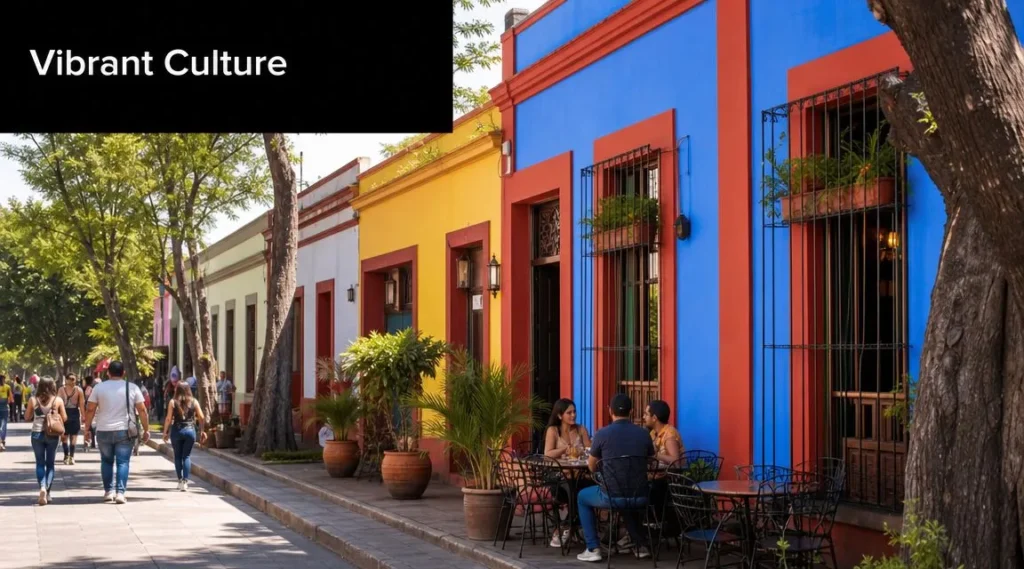
Mexico City is one of the few megacities that can feel both enormous and intimate in the same weekend. It’s layered, creative, noisy, elegant in parts, unruly in others, and consistently rewarding if you care about food, design, and Latin American cultural life. It’s also one of the strongest city breaks for travelers who want depth without the polished distance of more museum-like capitals.
The obvious draw is cuisine, but reducing the city to tacos misses the point. Mexico City is also serious about architecture, contemporary art, books, ceramics, fashion, and urban parks. A day here can move from a modern gallery to a street-side lunch to a beautifully designed cocktail bar without feeling forced.
Where curious travelers should focus
Roma, Condesa, Juárez, Coyoacán, and the historic center each support a different version of the city. If your interests lean visual and culinary, Roma and Condesa are easy entries. If you want more history and civic scale, start in the center and then branch out.
A smart Mexico City plan includes three kinds of experiences:
- Institutional culture: Museo Nacional de Antropología, Palacio de Bellas Artes, or a major contemporary museum.
- Street-level eating: Markets, taquerías, bakeries, and low-key neighborhood counters.
- Design and nightlife: Independent shops, mezcal bars, and restaurants where the room matters as much as the plate.
The main trade-off is sensory load. Traffic can distort timing, altitude can surprise some travelers, and too much scheduling makes the city feel harder than it is. Keep your radius tight each day. Walk when the neighborhood allows it, then use rides strategically for longer jumps.
Mexico City also works for repeat visits because it doesn’t flatten into a single identity. It can be a food trip, an architecture trip, an art trip, or a long-weekend cultural reset. Very few cities support all four.
5. Seoul, South Korea: The Hub of Modern Cool
Seoul feels current in a way many cities only market. Music, skincare, gaming, fashion, cafés, and consumer tech aren’t side attractions here. They’re integrated into everyday life. That makes Seoul especially useful for travelers who want to understand trend formation, not just consume the polished export version of it.
The city’s rhythm is one of its best features. Mornings can be calm in palace grounds or traditional neighborhoods. Afternoons belong to shopping streets, design stores, or museums. Nights are for barbecue, convenience-store snacks, live music, neon avenues, and districts that stay awake longer than most travelers expect.
What works, and what usually doesn’t
Seoul works best when you balance heritage with contemporary culture. Too many first visits lean only on palaces and old streets, or swing too far the other way into malls and pop culture. The stronger itinerary combines both.
Try splitting your time like this:
- Historic Seoul: Gyeongbokgung, Bukchon, Jongmyo, and traditional tea houses.
- Trend Seoul: Seongsu, Hongdae, Gangnam, beauty retail, flagship stores, and nightlife.
- Everyday Seoul: Markets, river walks, basement food courts, and neighborhood cafés.
Seoul also rewards travelers who care about digital culture. Even if you’re not a K-pop fan or gamer, you can learn a lot by watching how the city packages entertainment, retail, and identity. Stores are staged with unusual precision. Cafés operate like branded worlds. Pop-up culture is part of the city’s normal language.
The drawback is that some districts can feel commercial if you arrive with no filter. That’s why it helps to treat Seoul like a magazine with multiple sections. Don’t read only the cover story. Move between grand sites, side streets, late-night food, and smaller creative pockets.
6. Rome, Italy: The Eternal City of History
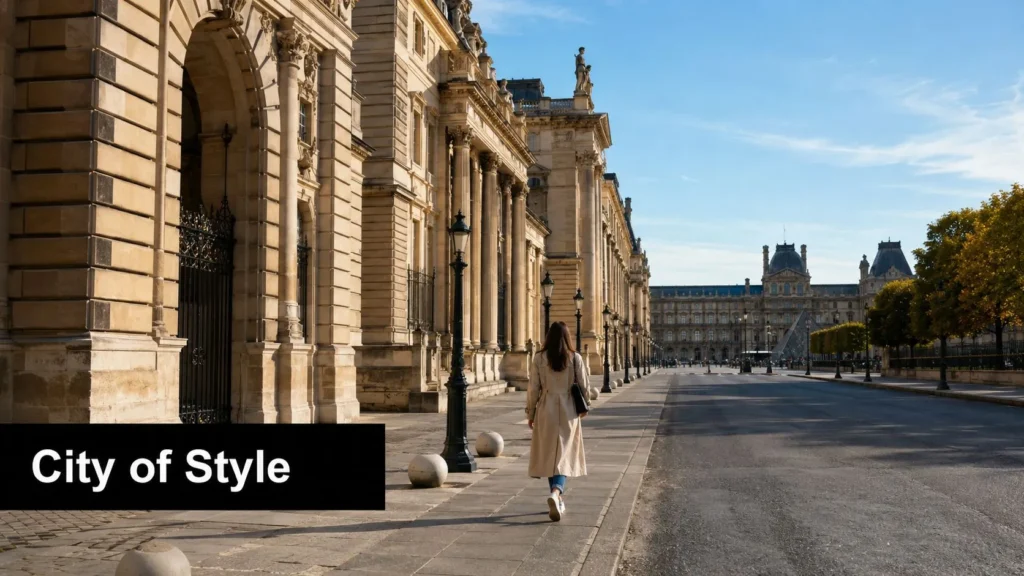
Rome makes a simple argument. If you want a city where history isn’t preserved behind glass but embedded in the daily route to lunch, this is it. Ancient ruins, Baroque churches, layered political history, Vatican collections, and neighborhood trattorias all coexist in a way that would feel impossible anywhere else.
The city can also be frustrating. It’s crowded, unevenly paced, and occasionally chaotic in basic logistics. But Rome’s strengths are so outsized that the friction is usually worth it.
How to avoid doing Rome badly
The worst Rome itinerary is a line-up of famous ruins under midday heat. The better version uses mornings aggressively, rests in the afternoon, and returns to the streets in the evening. That pattern matters even more now because European summer conditions have become a more serious travel variable, as noted earlier in the article.
If you’re building a wider regional trip, these top travel destinations in Europe can help place Rome in a broader itinerary.
Use this structure in Rome:
- Early monumental hours: Colosseum area, Roman Forum, Vatican Museums, or major basilicas.
- Midday reset: Long lunch, shaded piazza, smaller museum, or hotel break.
- Evening Rome: Trastevere, Monti, Centro Storico walks, aperitivo, and dinner.
On-the-ground advice: In Rome, one booked headline site per day is usually enough. Add atmosphere, not just attractions.
Rome is also one of the best cities to travel in the world for travelers who like contextual learning. You don’t need to be a classicist to enjoy it. You just need enough patience to slow down and let the city’s timelines overlap. A column fragment, a scooter, a priest, a fashion storefront, and a plate of cacio e pepe can all belong to the same block.
7. Cape Town, South Africa: Where Nature Meets Culture
Cape Town is one of the rare cities where its physical setting doesn’t sit outside the urban story. It shapes the story. Table Mountain, the Atlantic edge, the Cape Peninsula, vineyards, and dramatic weather shifts all influence how the city feels hour to hour. That gives Cape Town a rhythm unlike the dense capitals elsewhere on this list.
It’s also a city of contrast. Beauty is immediate, but so is history. Design-led neighborhoods, beaches, and wine bars exist alongside harder conversations about inequality, memory, and urban change. Curious travelers usually find that mix compelling rather than discouraging.
Why Cape Town earns a place on this list
Cape Town works especially well for people who want variety without country-hopping. In a few days, you can move between mountain views, contemporary African art, beach culture, and food-and-wine experiences that feel rooted in place.
The city tends to reward this combination:
- Scenic structure: Table Mountain or Lion’s Head early, Chapman’s Peak or the peninsula on a clear day.
- Cultural depth: District Six Museum, Zeitz MOCAA, neighborhood walking, and local design shops.
- Food and wine: Urban restaurants first, then nearby wine areas if your schedule allows.
The trade-off is that Cape Town isn’t a city to get around carelessly. Neighborhood judgment, transport choices, and day planning matter. It’s often better to book specific transfers, ask your accommodation for current local advice, and avoid improvising in unfamiliar areas after dark.
That said, Cape Town can deliver one of the most rounded city trips in the world. You get urban culture, historical weight, and outdoor drama in the same frame.
8. Kyoto, Japan: The Soul of Traditional Japan
Kyoto slows your attention. That’s its real gift. Instead of overwhelming you with scale, it refines your focus through gardens, temple precincts, craft shops, quiet lanes, tea culture, and seasonal detail. If Tokyo teaches you how Japan moves, Kyoto teaches you how Japan composes.
That doesn’t mean Kyoto is frozen in time. It’s a living city, and the best visits acknowledge both sides. Yes, come for shrines, wooden streets, and kaiseki. But also leave space for modern coffee, contemporary craft, and the everyday residential texture that makes the city feel inhabited rather than staged.
What Kyoto rewards
Kyoto is best for travelers who don’t need constant novelty. The city’s pleasures are cumulative. One temple can blur into another if you rush. A better approach is to pair major sites with smaller intervals of observation.
A strong Kyoto day often looks like this:
- One anchor site: Fushimi Inari early, Kiyomizu-dera, Arashiyama, or a major Zen complex.
- One slower neighborhood: Gion, Higashiyama backstreets, or a crafts area.
- One intentional meal: Tea house, soba specialist, tofu restaurant, or a formal seasonal dinner.
The city’s biggest challenge is overtourism in famous zones. That’s not a reason to skip Kyoto. It’s a reason to shift your timing. Early starts matter here more than almost anywhere. So does staying out once the day-tripper rush fades.
Kyoto earns its place among the best cities to travel in the world because it offers something many major destinations no longer do. It teaches patience without becoming dull.
9. Lisbon, Portugal: The Cool Coastal Capital
Lisbon is one of the easiest cities on this list to like quickly. Light, hills, tiled façades, river views, late dinners, and a relaxed but creative atmosphere make it accessible even on a short first visit. For travelers interested in startup culture, design, music, and urban lifestyle, it also has more contemporary relevance than its postcard image suggests.
The city has become a magnet for entrepreneurs, remote workers, and international creatives. That has brought energy, but also some strain. You can feel both the charm and the pressure of popularity, sometimes on the same street.
How to use Lisbon without reducing it to scenery
Lisbon works best when you divide it into moods rather than monuments. Alfama gives you history and topography. Chiado and Príncipe Real bring shopping, culture, and café life. Belém offers a more formal historical axis. Then there’s the wider Atlantic pull, which changes the city’s tempo.
For practical planning, especially if you’re extending a southern Portugal trip, this guide to what to see in Lisbon after Faro is a helpful companion.
A solid Lisbon strategy includes:
- Ride and walk: Use Tram 28 selectively, but rely more on walking and short rides than trying to “collect” transport experiences.
- Eat beyond the obvious: Pastries matter, but so do seafood houses, wine bars, and modern Portuguese kitchens.
- Take the coast seriously: Even a short side trip changes your understanding of Lisbon.
Lisbon’s drawback is that popularity has made some central pockets feel self-conscious. The fix is simple. Spend less time chasing the most photographed corners and more time inhabiting a district for half a day. Sit longer. Walk uphill without a strict goal. Let the city become a place, not just a view.
10. Berlin, Germany: The Capital of Counter-Culture
Berlin is not polished in the way Paris is polished, and that’s exactly why many travelers prefer it. The city offers history without museum-like stiffness, creativity without too much branding, and nightlife that still feels connected to subculture rather than pure tourism packaging.
If your interests include political memory, contemporary art, electronic music, independent fashion, publishing, architecture, or startup culture, Berlin has unusual range. It doesn’t ask you to admire it from a distance. It asks you to engage.
What Berlin gives you that other European capitals don’t
Berlin is strongest when you treat it as a city of layers rather than highlights. The Wall, Holocaust memorialization, Cold War geography, experimental galleries, lakeside summer culture, and warehouse nightlife all belong in the same mental map.
Three useful lenses work well here:
- History lens: Reichstag, Topography of Terror, memorial sites, East-West urban contrasts.
- Creative lens: Mitte galleries, Kreuzberg and Neukölln studios, design shops, independent bookstores.
- After-dark lens: Clubs, listening bars, informal courtyards, and long dinners that turn into longer conversations.
Berlin doesn’t reward polished expectations. It rewards curiosity, tolerance for ambiguity, and a bit of stamina.
The city’s main weakness is that first-time visitors can mistake roughness for meaning. Not every industrial space is interesting, and not every famous club line is worth your night. Be selective. Choose one serious historical site, one art district, one local food stop, and one evening plan that matches your energy instead of Berlin’s reputation.
Top 10 Travel Cities Comparison
| Destination | Planning complexity | Typical daily budget (mid-range) | Expected outcomes | Ideal use cases | Key advantages |
|---|---|---|---|---|---|
| Tokyo, Japan: The Future Today | Moderate–High (complex transit, crowded districts) | $150–$250/day | Immersion in cutting‑edge tech, pop culture and refined culinary scenes | Tech enthusiasts, gamers, fashion lovers, foodies, urban photographers | Hyper‑efficient transport, extreme safety, unique tech + tradition contrast |
| Paris, France: The Epicenter of Art and Elegance | Moderate (museum bookings, pickpocket vigilance) | $200–$350/day | World‑class art, haute couture, and gastronomic experiences | Art historians, fashion writers, food critics, romantics, literature lovers | Unmatched museums and culinary scene, iconic urban elegance |
| New York City, USA: The Global Crossroads | Moderate (busy logistics, 24/7 city pace) | $250–$400/day | Access to business, entertainment, theater and diverse cultural scenes | Business journalists, entertainment reporters, theater lovers, entrepreneurs | Industry access, cultural diversity, nonstop events and networking |
| Mexico City, Mexico: A Tapestry of Culture and Cuisine | Moderate (large city logistics, safety awareness) | $100–$180/day | Rich historical layers, world‑class street and fine dining, vibrant arts | Food writers, art critics, history buffs, cultural journalists, budget travelers | Highly affordable, deep culinary tradition, strong contemporary art scene |
| Seoul, South Korea: The Hub of Modern Cool | Low–Moderate (modern transit, language minor barrier) | $130–$220/day | Trend forecasting in K‑pop, beauty, tech, and esports cultures | Entertainment journalists, tech reporters, beauty/fashion bloggers, gamers | Fast transit, low crime, frontier tech and pop‑culture influence |
| Rome, Italy: The Eternal City of History | Low–Moderate (walkable center, ticketed sights) | $180–$300/day | Direct engagement with ancient history, religious art and cuisine | History/archaeology writers, art lovers, religious studies, food critics | Concentration of ancient sites, rich art heritage, walkable charm |
| Cape Town, South Africa: Where Nature Meets Culture | Moderate–High (best by car, safety precautions) | $120–$200/day | Dramatic natural landscapes, adventure activities, social history stories | Adventure travelers, nature photographers, social justice writers, wine connoisseurs | Table Mountain, coastal drives, strong wine and design scenes |
| Kyoto, Japan: The Soul of Traditional Japan | Low (easy buses, bike‑friendly, cultural etiquette) | $140–$240/day | Deep traditional culture, temples, refined culinary and craft experiences | Cultural journalists, wellness/spirituality writers, photographers, historians | Exceptional preservation of tradition, seasonal beauty, tranquil atmosphere |
| Lisbon, Portugal: The Cool Coastal Capital | Low (walkable but hilly, simple transit cards) | $120–$200/day | Laid‑back creative citylife, coastal charm, affordable European base | Digital nomads, creatives, food/travel bloggers, budget travelers | Affordable, picturesque neighborhoods, growing tech and creative scene |
| Berlin, Germany: The Capital of Counter‑Culture | Low–Moderate (excellent public transport, bikeable) | $130–$220/day | Contemporary art, electronic music, startup culture and history | Music journalists, contemporary artists, startup founders, political historians | Raw creative energy, rich modern history, vibrant nightlife and art scenes |
Your Next Chapter Awaits
What do you want your next trip to teach you?
That question usually produces a better city choice than any generic top-10 ranking. The strongest trips are not built around prestige alone. They are built around a clear line of inquiry. One city shows you how technology shapes daily life. Another sharpens your eye for public design, food culture, political history, or artistic ambition. That is why this list works best for curious travelers who want more than a checklist of landmarks.
These ten cities earn their place for different reasons. Tokyo and Seoul reward travelers who care about systems, innovation, retail culture, and the mechanics of modern urban life. Paris, Rome, and Kyoto offer depth, not just beauty. They are cities where art, ritual, architecture, and craft still structure the day. New York, Mexico City, Berlin, Lisbon, and Cape Town are especially strong for travelers who want to study how business, migration, music, design, and social change show up on the street.
The practical choice starts with your dominant interest. Pick the city that best concentrates the subject you want to spend a week inside. Tech and startup energy point toward Tokyo, New York, Seoul, or Berlin. Visual culture, museums, and design make a strong case for Paris, Mexico City, and Kyoto. Food and layered history favor Rome and Mexico City. Nature paired with culture makes Cape Town hard to beat.
Trade-offs matter.
The right city is not always the easiest one. Tokyo can feel highly structured if you prefer spontaneity. New York asks for stamina and a flexible budget. Rome and Paris require patience in peak season. Cape Town rewards planning and good judgment. Kyoto is at its best when you slow down, book carefully, and respect local etiquette. Lisbon is more relaxed, but popularity has changed prices and crowd levels in key neighborhoods. Berlin gives you freedom, though its scale can scatter your time if you do not plan by district.
A useful filter is to ask what kind of return you want from the trip. Some cities deliver immediate sensory pleasure. Others pay off through context. Rome becomes richer if you care about religion, empire, and urban continuity. Berlin improves when you arrive with some grounding in 20th-century European history. Tokyo is far more interesting if you pay attention to convenience culture, transit design, and the relationship between tradition and hyper-modern consumer life.
Use the list as a working tool. Match the city to your curiosity, your budget tolerance, your energy level, and the season you can travel. That approach produces better trips than chasing the place with the loudest reputation.
Maxijournal covers travel in that broader spirit, alongside arts, business, science, technology, and entertainment. The overlap matters. The most memorable cities are not only beautiful or famous. They are places where culture, ideas, and everyday life are actively being made.
Book the trip that answers a real question for you. Leave space for one museum, one meal, and one neighborhood you did not fully plan. That is often where a city stops being impressive and starts becoming personal.
Discover more from Maxi Journal
Subscribe to get the latest posts sent to your email.