You start with one simple goal. Give the family a great Europe trip. Then the actual decisions show up fast. Do you book a beach base with easy meals and short walking days, or a city that gives older kids more to do? Do you prioritize low-stress transport, cooler weather, lower costs, or the kind of trip that feels special enough to justify the flight?
That is why the best family vacations in Europe are easier to choose with a framework, not a generic top-10 list. The right pick depends on your children’s ages, your tolerance for moving around, your budget, and the season you can travel. A family with toddlers usually needs short transfers, downtime, and predictable routines. A family with teens can often handle longer days, bigger cities, and more independence.
I plan Europe trips by sorting destinations through a few practical filters first. Pace. Transport. Heat. Walkability. Meal timing. Nap schedules. Whether grandparents are coming. Whether the trip needs to feel easy, or whether your family will enjoy a busier itinerary with more variety.
That approach usually leads to better choices and fewer regrettable bookings. It also helps families avoid a common mistake. They choose the destination they would have loved five years ago, instead of the one that fits this year.
If you are still in the early planning stage, this guide to how to plan a trip abroad can help you map budget, timing, and logistics before you commit.
The destinations in this guide were chosen because each one solves a different family travel problem well. Some work best for beach-and-city balance. Some are strongest for rail travel, outdoor time, or low-car itineraries. Some are better value in shoulder season than peak summer. For each option, the goal is simple: show who it suits best, what trade-offs come with it, when to go, and how to structure the trip so it stays enjoyable by day three, not just day one.
1. Barcelona, Spain: Gaudí, Beaches, and Mediterranean Magic
You land in a major European city, the kids are tired, and by mid-afternoon someone wants a pool or a beach, not another cathedral. Barcelona handles that situation better than most. Families can pair real sightseeing with easy downtime, which makes it one of the more forgiving choices for mixed-age trips.
It also gives parents a clear planning decision: treat Barcelona as a city break with beach access, or as a Mediterranean beach trip with a few strong cultural days built in. That distinction matters because the right version for a family with toddlers is usually very different from the right version for a family with teens.

Who it suits best
Barcelona is a strong fit for school-age kids, teens, and multigenerational groups who want variety without changing hotels. It also works for toddlers, but only with a slower rhythm and lower expectations on daily sightseeing. Parents who try to stack Sagrada Família, Park Güell, the Gothic Quarter, and the beach into one day usually end up with tired kids and rushed adults.
For younger children, the city works best as a half-day destination. One anchor activity in the morning, lunch, rest time, then the beach or a playground. For teens, Barcelona gives you more range. Architecture, football, shopping streets, food markets, bike rides, and waterfront time can all fit into the same trip without anyone feeling trapped in a child-only itinerary.
A practical five- to seven-day stay often works better than a quick weekend.
Practical rule: Stay in Eixample or Sant Antoni if you want easier transfers, better food options, and a calmer base than the busiest parts of the old center.
What works well, and the trade-offs
Barcelona’s biggest strength is variety. Its biggest weakness is friction during peak season. Heat, crowds, late dining hours, and heavy demand for top sights can wear families down faster than they expect.
Park Güell should be booked in advance, especially in spring and summer. Same-day flexibility sounds nice in theory, but in Barcelona it often means wasted time, poor time slots, or skipping a place your kids would have enjoyed. The same logic applies to any trip built around a few headline sights.
The beach side of the trip also needs realistic expectations. City beaches are convenient, not quiet. Families with toddlers who need space to spread out often do better arriving early, choosing weekdays, or planning one day outside the city if beach time is a major priority.
Meal timing is another real trade-off. Barcelona can be excellent for family food, but families from the UK or US often find standard dining hours too late. Lunch becomes the easier meal to organize, and menú del día can keep costs under control better than ordering à la carte for every meal.
Best season and trip style
Late spring and early autumn are usually the easiest times for families. The city is still lively, the beach is still useful, and walking through major sights feels far more manageable than it does in high summer. July and August work if beach time is the priority and your family handles heat well. They are less comfortable for families who want full museum and walking days.
For a first international family trip, Barcelona is a relatively forgiving choice because you can build short days without feeling like you missed the destination. If you still need to sort out documents, budgets, and arrival-day logistics, this guide to planning a trip abroad with fewer avoidable mistakes is a useful place to start.
A simple way to structure the trip
A good Barcelona itinerary usually alternates effort. Put one high-interest sight in the morning, protect the middle of the day, and leave the afternoon flexible. For many families, that looks like Park Güell one day, beach and aquarium the next, then a lighter neighborhood day with markets, playground time, and a long lunch.
That is why Barcelona ranks well in this guide. It is not the cheapest option, and it is not the calmest. But for families deciding between a pure beach holiday and a city trip, Barcelona gives you a workable middle ground with enough flexibility to suit both younger children and teens.
2. Swiss Alps: Adventure, Trains, and Alpine Villages
If your family travels best when everyone stays active, the Swiss Alps are hard to beat. This is one of the rare European trips where the transport itself becomes part of the holiday. Kids remember the trains, the mountain lifts, the lake boats, and the villages as much as the scenery.
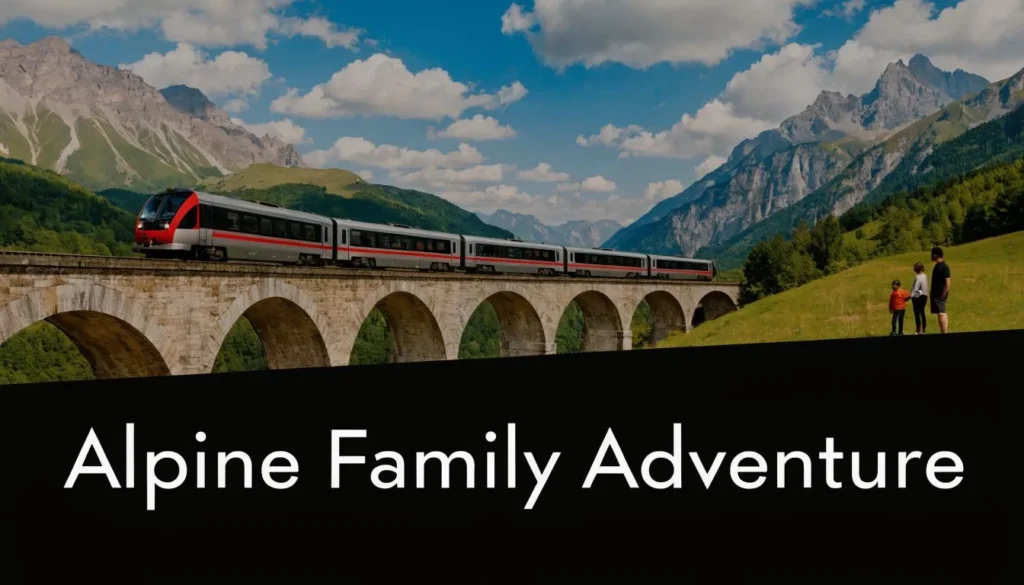
The biggest trade-off is cost. Switzerland isn’t the choice for families trying to keep daily spending low. But it often delivers excellent value in convenience, reliability, and stress reduction, which matters when you’re traveling with children.
Best family profile
This trip shines for families with school-age kids and teens who like movement more than museums. It also works well for grandparents because the region offers different effort levels on the same day. One part of the family can take an easy scenic train or gentle village walk while others choose longer hikes.
A practical week often looks like this: base in the Jungfrau region, use trains for scenic outings, add short hikes, then leave room for weather shifts. Mountain weather changes fast, so rigid planning rarely pays off.
- Travel in shoulder season: June and September usually feel easier than peak summer because trails and trains are less crowded.
- Pack layers: Even on sunny days, altitude changes can catch children off guard.
- Use local maps: Tourist offices hand out hiking maps that make route planning much easier.
A short look at the scenery helps set expectations before you go:
Where families get it wrong
The common mistake is treating the Alps like a city itinerary and overbooking each day. Don’t stack an early train, a mountain excursion, a long hike, and a big dinner reservation all in one stretch. Children burn out, and adults do too.
Swiss rail passes can simplify the whole trip, but the main advantage is not just savings. It’s flexibility. When weather closes in, you can change the plan without turning the day into a mess.
3. Amsterdam, Netherlands: Canals, Bikes, and Dutch Culture
Amsterdam is one of the easiest cities in Europe to use as a family base. It’s compact, visually engaging, and simple to get around once you stop trying to do only the famous center. Families who stay in neighborhoods like De Pijp or Oud-West usually get a calmer, more livable version of the city.
The Netherlands is also among the European countries showing high tourism participation across its population, according to EU tourism participation data. In practice, that often shows up as strong infrastructure and a travel culture that feels normal rather than improvised.
Why it works for families
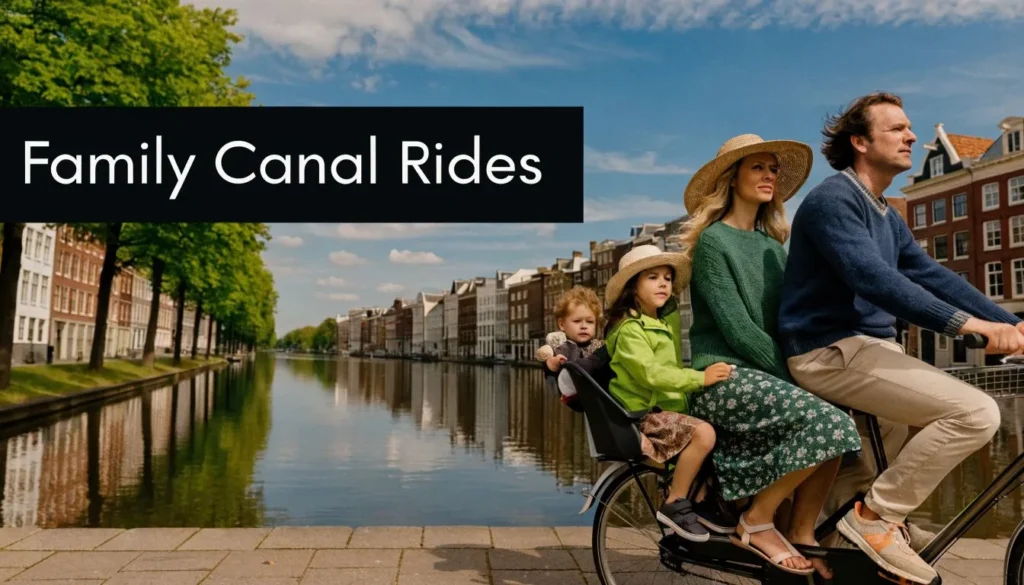
Amsterdam is best for school-age kids and teens. Younger children can enjoy canal rides and playground stops, but bike-heavy days require some planning. Renting bikes with child seats or tandem setups makes a big difference.
A strong three or four day pattern is simple: canal tour on arrival day, one museum morning, neighborhood exploring by bike, then a village day trip. Edam, Volendam, or Marken can break up the city pace without creating a major transit headache.
Go early for the big museums. Families who arrive at opening time usually have a far better experience than those showing up late morning with everyone else.
Real trade-offs
Amsterdam can feel busy and expensive in the core tourist zone. That’s why where you sleep matters almost as much as what you visit. Families often enjoy the trip more when they accept that they won’t “cover” the whole city.
A few practical habits help:
- Book canal tours ahead: Summer departures fill quickly.
- Keep snack money handy: Stroopwafels and pancakes become part of the plan whether you intend them to or not.
- Use bikes selectively: Not every family member needs to cycle every day. Mix in trams and walking.
4. Tuscany, Italy: Countryside, Culture, and Culinary Experiences
By day three in Tuscany, many families settle into a rhythm that is hard to replicate in bigger European cities. Breakfast outside. A short drive to one town. Gelato by late afternoon. Kids in the pool before dinner. That slower pattern is the reason to come.
Tuscany suits families who want space, better meals, and fewer daily transitions. It works especially well for school-age children, teens, and multigenerational trips. Toddlers can do well too, mainly because a rural base makes naps, early dinners, and downtime much easier than a city hotel does. The trade-off is straightforward. Tuscany is rarely a strong choice without a rental car, unless you build the trip around Florence and one train-friendly town.
Agriturismo stays usually give families the best value here. A farmhouse with outdoor space, simple breakfasts, and an on-site pool often improves the trip more than upgrading to a stylish hotel in a historic center. Parents get breathing room. Children get freedom to move. Grandparents often find the pace easier.
Florence still matters, but it should not dominate the week for every family profile. For toddlers and younger school-age kids, one focused day is usually enough. Families with teens who enjoy art, history, or fashion may want two days and a central overnight. That is the useful decision point with Tuscany. Choose whether your trip is countryside-first with a Florence visit, or Florence-first with a rural add-on. Trying to split every day between both usually creates unnecessary driving and tired kids.
How to plan Tuscany by family type
A good Tuscany week usually runs best from one base, not three. The practical choice is to stay 25 to 45 minutes from the places you care about most, then build short outings around energy levels.
- For toddlers: Pick southern Chianti, Val d’Orcia, or the area near Lucca for easier days, open space, and shorter sightseeing blocks.
- For school-age kids: Add one hands-on activity such as a pizza class, farm visit, or easy bike ride on flat routes.
- For teens: Mix countryside time with Florence, Siena, or San Gimignano so the trip has more variety and less pool-only downtime.
- For tighter budgets: Travel in spring or early autumn, stay outside the headline towns, and compare arrivals through Pisa, Florence, and even Bologna before booking. This guide to finding cheap flights and smarter airfare deals is useful if airfare will shape the whole plan.
Heat is the main seasonal drawback. July and August can be exhausting for families who want town walks, museum time, or car-seat transfers in the afternoon. Late May, June, September, and early October are usually the sweet spot. You get better temperatures, fewer crowds in the hill towns, and a trip that feels calmer from the start.
What a realistic Tuscany week looks like
The strongest version of this trip is restrained. One countryside base. Two or three towns. One cultural day. Plenty of unscheduled afternoon time.
A practical seven-day outline looks like this: arrival and pool day, Siena or Lucca, down day at the agriturismo, one winery or farm lunch that welcomes children, Florence day trip, one scenic hill town such as Pienza or San Gimignano, then a final slow day. That mix protects the holiday feel of Tuscany instead of turning it into a checklist.
The mistake families make here is overestimating how much sightseeing they need. Tuscany earns its place on this list because it gives families room to recover, eat well, and spend time together without constant logistical friction.
5. Copenhagen, Denmark: Design, Hygge, and Nordicity
Copenhagen feels built for competent family travel. It’s orderly without being dull, stylish without excluding kids, and easy to get around without endless negotiation. If your family likes cities that run smoothly, this one delivers.
The city also fits a broader pattern. Search demand and destination recommendations often point families toward places like Copenhagen when they want urban convenience with child-friendly public space. That’s useful because family city breaks often fail when the city itself fights you.
Who should pick Copenhagen
This is a strong choice for toddlers through teens, especially if the adults want a clean, safe-feeling city with good transit and good public spaces. Tivoli Gardens gives younger kids a clear anchor, while older children often enjoy the design, waterfront areas, and cycling culture.
A five-day stay works well here. Shorter than that and the city can feel expensive for a quick hit. Longer than that usually means adding day trips or splitting time.
Families often overestimate how much they need to schedule in Copenhagen. The city is at its best when you leave room for simple pleasures like bakery stops, playgrounds, and unhurried waterfront walks.
Trade-offs to know
Copenhagen usually isn’t the budget option. What you’re paying for is ease. You’re less likely to lose time to confusion, long transfers, or family friction caused by awkward logistics.
The practical playbook is straightforward:
- Use a city card if it matches your pace: It can make transport and attraction entry simpler.
- Rent the right bike setup: Trailers and child seats matter more than chasing the cheapest rental.
- Visit Tivoli later in the day: Evening atmosphere tends to feel more magical than midday.
6. Greek Islands (Crete, Naxos, Paros): Mediterranean Paradise and Island Hopping
You land in Athens, the kids are already asking about the beach, and the next decision matters more than parents expect. Pick the wrong island mix and the trip turns into ferry queues, suitcase dragging, and late dinners with overtired children. Pick the right one and Greece becomes one of the easiest warm-weather family trips in Europe.
For families, these islands are less about “island hopping” in the abstract and more about choosing the version of Greece that fits your age range, budget, and tolerance for logistics. Crete is the most versatile. Naxos is usually the easiest recommendation for younger children. Paros works well for families who want attractive towns, good beaches, and a bit more energy without moving into party-island territory.
Which island fits your family best
Crete suits families who want a longer stay with real variety. You get beaches, archaeological sites, mountain villages, and enough geographic spread that a rental car is often worth it. That flexibility is a plus for families with school-age kids or teens. For families with toddlers, the size can also mean more driving than expected, so base choice matters.
Naxos is often the safest pick if the priority is simple beach time and a calmer rhythm. The beaches are family-friendly, the food scene is approachable, and the island feels less pressured than some higher-profile Greek spots. If I were advising a first-time family island trip with younger kids, Naxos would usually make the shortlist first.
Paros sits in the middle. It has polished towns, solid beach options, and enough going on to keep older kids and teens from getting bored after two quiet days. It is not as broad as Crete or as straightforward as Naxos, but for mixed-age families that balance can work well.
A practical rule helps here. Families with toddlers usually do better with one island. Families with teens can handle two, especially if the ferry times are sensible and the stays are at least four nights each.
Trade-offs, costs, and timing
The Greek islands can be good value, but only if the trip is structured properly. Family-run apartments, simple breakfasts, and a few low-key taverna meals keep costs reasonable. Constant transfers, rental cars booked late, and peak-season ferry schedules push the budget up fast.
Shoulder season is often the smart play. Late May, June, and September usually bring warm weather, swimmable water, and less pressure on beaches and transport. July and August deliver the classic hot-summer atmosphere, but they also bring stronger crowds, higher rates, and more friction around ferries and popular beach towns.
A few decisions make a noticeable difference:
- Book ferries before flights are fixed: Ferry timing often shapes the whole itinerary more than parents expect.
- Choose lodging near your likely routine: Walkable access to a beach, bakery, or mini-market matters more than a prettier but isolated villa.
- Keep transfer days light: Do not pair a ferry move with a major sightseeing plan.
- Start beach time in the morning: Conditions are often calmer for younger swimmers before afternoon wind picks up.
Best age fit
These islands work across age groups, but the best version of the trip changes by stage.
Toddlers do best with a slow base, shallow beaches, and minimal hotel changes. Naxos usually wins here, with Crete working well if you stay put in one area.
School-age kids get the broadest payoff. They can handle a boat day, enjoy ruins and mythology-linked sites, and still be happy with long afternoons in the water.
Teens often respond best to Crete or Paros. They usually want more than one beach and more than one town. They also tend to enjoy the extra independence that comes with evening promenades, water sports, and busier waterfronts.
Packing is a real logistics issue here, not a style issue. Ferries, stone streets, and apartment stairs punish oversized luggage, so it helps to follow a practical guide on how to pack light for Europe before you commit to one island or two.
7. Edinburgh and Scottish Highlands: History, Nature, and Adventure
Scotland gives families a rare combination. You get a city break with real character, then a dramatic scenic holiday once you leave it. That split keeps the trip fresh and helps different ages stay engaged.
Edinburgh is the easier half. The Highlands are the better half if your family likes road trips, weather, and stories attached to the scenery.
How to structure it
Don’t spend the whole trip in Edinburgh unless your group is predominantly urban and museum-oriented. The stronger version is three or four days in the city, followed by several days in the Highlands. That gives you castle time, walkable streets, and then room to breathe.
Edinburgh itself works well for school-age kids and teens. The Highlands can suit younger children too, but only if you reduce drive times and avoid trying to “see all of Scotland” in one go.
What families should know before booking
Weather is the main trade-off. Scotland asks for flexibility, good waterproof layers, and an honest view of your family’s tolerance for gray skies and changing conditions. Families who fight the weather tend to have a rough trip. Families who lean into it often love Scotland.
A few practical habits make a big difference:
- Use Edinburgh on foot: You don’t need a car in the city.
- Rent a car for the Highlands: Public transport won’t give most families the same freedom.
- Book castle visits strategically: Early morning or later afternoon usually feels less compressed.
This trip is especially good for children who enjoy stories. Castles, lochs, old streets, and Highland scenery create a sense of narrative that many more polished destinations don’t.
8. Vienna and Austrian Salzburg: Music, Palaces, and Alpine Gateway
Some family trips are about energy. Others are about elegance and structure. Vienna and Salzburg are for families who want a cultural trip that still leaves room for open air, sweets, and manageable day outings.
This pairing works best when you don’t over-intellectualize it. Children don’t need to understand imperial history in depth to enjoy a palace garden, horse carriages passing by, or a music performance designed with families in mind.
Why this pairing works
Vienna gives you museums, palaces, and smooth city transport. Salzburg gives you a smaller scale, mountain access, and a more storybook feel. Together, they create a balanced week.
A common mistake is assuming this trip is only for older children. It’s more flexible than that. Younger kids often respond well to the visual side of these cities, while teens usually appreciate the stronger sense of identity compared with more generic city breaks.
The sweet spot is to do one major cultural sight per day, then let the rest of the day breathe. Families rarely regret under-scheduling in Vienna.
Practical choices
This trip suits families who like organized travel and are willing to book performance tickets, palace entry, or transport cards ahead of time. It’s less ideal for travelers who want spontaneous beach days or outdoor activity to anchor every afternoon.
To keep it workable:
- Use city cards selectively: They can simplify movement and entry if you already know what you want to visit.
- Book child-friendly performances in advance: The best-timed options don’t wait.
- Accept the tourist classics: In Salzburg, some obviously touristy experiences are still worth doing with kids.
9. Berlin, Germany: History, Art, and Urban Culture
Berlin is not the universal family choice on this list. For the right family, it’s one of the best. It suits older children, teens, and adults who want substance rather than postcard prettiness.
The city works when you approach it as an urban learning trip with enough parks, food variety, and neighborhood texture to keep it human. It works less well if your children need beaches, quaintness, or tightly packaged sightseeing.
Best for teens and curious older kids
Berlin handles history in a direct way, and many teenagers respond well to that. Street art, memorial sites, museums, and former border locations can turn into genuine conversations rather than passive sightseeing.
Spread the heavy material out. A single day packed with museums and memorials can flatten everyone. A better rhythm is one substantial historical site, one neighborhood walk, then a lighter meal or park-based break.
What actually works on the ground
Berlin rewards area-based planning. Don’t zigzag all over the city just because the map makes it look connected. Pick a district focus for each day and use the U-Bahn and S-Bahn to cut friction.
A few smart choices help:
- Use transport passes: They simplify movement in a city where distances add up fast.
- Break up museum time: Younger attention spans don’t improve because the museum is important.
- Visit landmark sites off-peak: Checkpoint Charlie and the East Side Gallery are better outside the busiest windows.
Berlin is one of the strongest picks for families with teens who say they’re “not into family trips.” Give them a city with edge, choice, and real history, and they often engage more than expected.
10. French Riviera (Nice, Antibes, Cannes): Luxury, Beaches, and Mediterranean Glamour
The French Riviera has a reputation problem. Families often assume it’s only for luxury travelers or couples. In practice, it can work very well for families if you use Nice as a base and treat the coast as a train-connected string of day trips rather than a prestige holiday.
This region is best for sunshine-seeking families who want a lighter rhythm. It’s not the place for constant major attractions. It’s about beaches, old towns, promenades, and meals that stretch into the evening.
Best family setup
Nice is the practical center. From there, Antibes, Cannes, and Menton become easy additions without repeated hotel changes. That matters because children usually handle one base better than a moving Riviera itinerary.
The trade-off is beach type. Some stretches are pebbly rather than sandy, and that changes the comfort level for smaller kids. Water shoes are not optional if your family dislikes rocky entries.
How to make it work
This is a shoulder-season destination if you want a calmer family trip. Heat and crowd pressure can drain the glamour quickly. The best days often follow a simple structure: old town walk in the morning, museum or rest in the hot middle hours, then beach time and dinner later.
- Base in Nice: It keeps transport simple.
- Bring beach comfort gear: Parasols, mats, and water shoes improve the day more than one extra sightseeing stop.
- Use afternoons wisely: Museums are often better than forcing children to march around in peak heat.
For families who want Mediterranean style without the pressure to “do” too much, the Riviera can be a very smart choice.
Top 10 Family-Friendly European Destinations, Quick Comparison
| Destination | Planning complexity | Resource requirements | Expected outcomes | Ideal use cases | Key advantages |
|---|---|---|---|---|---|
| Barcelona, Spain | Moderate, book major sites and manage peak-season crowds | Moderate cost ($100–150/day); excellent public transport | Cultural education + beach relaxation and kid-friendly activities | Family city + beach breaks; multigenerational trips | Gaudí UNESCO sites, beaches, interactive museums, good food |
| Swiss Alps | High, mountain logistics, train passes, weather planning | High cost ($200–300/day); gear and seasonal access required | Scenic outdoor adventure, hiking or skiing for varied fitness levels | Mountain sports, scenic train journeys, active families | World-class trains, safe trails, dramatic alpine scenery |
| Amsterdam, Netherlands | Low–Moderate, arrange bike rentals and canal tours | Moderate cost ($90–130/day); compact, bike-friendly transport | Easy, walkable exploration and child-focused learning | Short family breaks, cycling tours, museum-focused trips | Extensive cycling infrastructure, canals, child-oriented museums |
| Tuscany, Italy | Moderate, car rental or guided tours recommended | Moderate cost ($80–120/day); agriturismo options lower cost | Relaxed cultural and culinary immersion in countryside settings | Farm stays, cooking classes, slow-paced family bonding | Agriturismos, local food, hilltop towns and outdoor calm |
| Copenhagen, Denmark | Low–Moderate, buy city card and plan bike/rides | High cost ($120–160/day); excellent urban infrastructure | Safe, child-centric urban experience with design and parks | Families with young children; Tivoli and museum-focused visits | Top safety, cycling routes, Tivoli Gardens, family planning |
| Greek Islands (Crete, Naxos, Paros) | Moderate, coordinate ferries and seasonal timing | Low–Moderate cost ($60–100/day); ferry/car rentals common | Beach-focused relaxation, snorkeling, light historical education | Island-hopping beach holidays and budget family escapes | Affordability, clear waters, local tavernas, archaeological sites |
| Edinburgh & Scottish Highlands | Moderate, combine city logistics with Highland driving | Moderate cost ($90–130/day); car recommended for Highlands | Blend of history, storytelling and outdoor adventure | City + nature road trips, wildlife and hiking families | Edinburgh historic sites, Highland landscapes, wildlife |
| Vienna & Salzburg, Austria | Moderate, reserve concerts and attraction cards | Moderate cost ($100–140/day); excellent public transport | Cultural immersion in music, palaces and alpine gateways | Music-loving families, palace and concert-focused trips | Imperial palaces, classical music heritage, easy day trips |
| Berlin, Germany | Moderate, spread-out attractions require planning | Moderate cost ($80–120/day); strong public transport | Educational, art-forward urban experience for older kids | Museum-heavy itineraries and teen-focused educational trips | World-class museums, modern history sites, street art |
| French Riviera (Nice, Antibes, Cannes) | Moderate, manage train day trips and peak-season bookings | Moderate–High cost ($100–180/day); summer premium prices | Seaside relaxation with cultural day trips and sunshine | Beach resorts, leisurely coastal stays, short luxury breaks | Sunny beaches, scenic towns, coastal train connections |
Choosing Your Perfect European Family Getaway
The best family vacations in europe usually come down to fit, not hype. A destination can be beautiful and still be wrong for your family this year. That’s why age, energy, budget comfort, and travel style matter more than any generic top-ten ranking.
If you’re traveling with toddlers, simplify aggressively. Favor one-base trips, short transfer days, apartments or family rooms with space, and destinations where outdoor time comes easily. Copenhagen, parts of Tuscany, and the Greek islands are often easier than fast-moving multi-city itineraries. Barcelona can work too, but only if you resist the urge to pack every famous sight into the schedule.
If you’ve got school-age children, you have more range. This is the stage when Europe really opens up. Amsterdam, Barcelona, the Swiss Alps, and Edinburgh all offer enough visual variety and activity to hold attention without requiring teenagers’ stamina or independence. These trips work best when mornings have one anchor activity and afternoons stay flexible.
For teens, don’t underestimate the value of agency. Berlin, Amsterdam, parts of Scotland, and the Greek islands often land well because older kids can feel some ownership of the experience. They can bike, explore neighborhoods, engage with history, or spend long afternoons by the water without feeling like every day is being performed at them.
Multigenerational trips need a different lens. The strongest destinations are the ones with layered options, not nonstop movement. Barcelona works because city culture and beach time can coexist. The Swiss Alps work because one group can choose a scenic rail day while another hikes. Tuscany works because one good property can become the holiday rather than just the place you sleep.
Budget matters too, even when families don’t always phrase it directly. Europe’s leisure market is projected to grow from USD 521.55 billion in 2025 to USD 2,319.68 billion by 2034, according to Market Data Forecast’s Europe leisure market outlook. That projection points to sustained demand, but it also means families should expect competition for the easiest seasons and the easiest destinations. Booking early, traveling just outside peak periods, and choosing practical bases over prestige addresses often makes the trip better, not just cheaper.
One more decision filter helps. Ask what your family wants to remember. If the answer is beaches and long dinners, go Mediterranean. If it’s trains, lakes, and mountain views, choose Switzerland. If it’s history with real emotional weight, choose Berlin or Scotland. If it’s food, countryside, and slower days, Tuscany is hard to beat.
The right trip is the one your family can enjoy while living it, not just admire afterward. Choose the version of Europe that matches your people now. That’s how memorable family travel usually works.
If you enjoy practical travel guides like this one, explore more destination advice, trip-planning articles, and approachable commentary at maxijournal.com. It’s also a good place to discover fresh writing across travel, culture, science, entertainment, and more.
Discover more from Maxi Journal
Subscribe to get the latest posts sent to your email.