Stepping into a salon with three saved screenshots, one old selfie, and no clear words for what you want is a familiar problem. You know you need a change, but the gap between “something fresh” and “that cut doesn’t look right on me” is where most haircut regret happens. A style can look perfect on one person and fight another person’s density, texture, face shape, and daily routine from the first wash onward.
That’s why a useful guide to the best haircuts for women has to do more than show pretty photos. It has to explain why a cut works, who it works on, and what maintenance really looks like on a normal Tuesday morning. If a haircut needs a round brush, a flat iron, and patience every day, that matters. If it air-dries well but loses shape fast between appointments, that matters too.
Haircuts also aren’t an occasional afterthought for most women. On average, women visit professional stylists for haircuts 3.81 times per year, according to All Things Hair’s haircut facts overview. That recurring demand is exactly why choosing well matters.
If you’re ready to narrow the options, start here, then explore Buy Me Japan’s styles for a different aesthetic direction once you know your shape and maintenance preferences.
1. The Bob
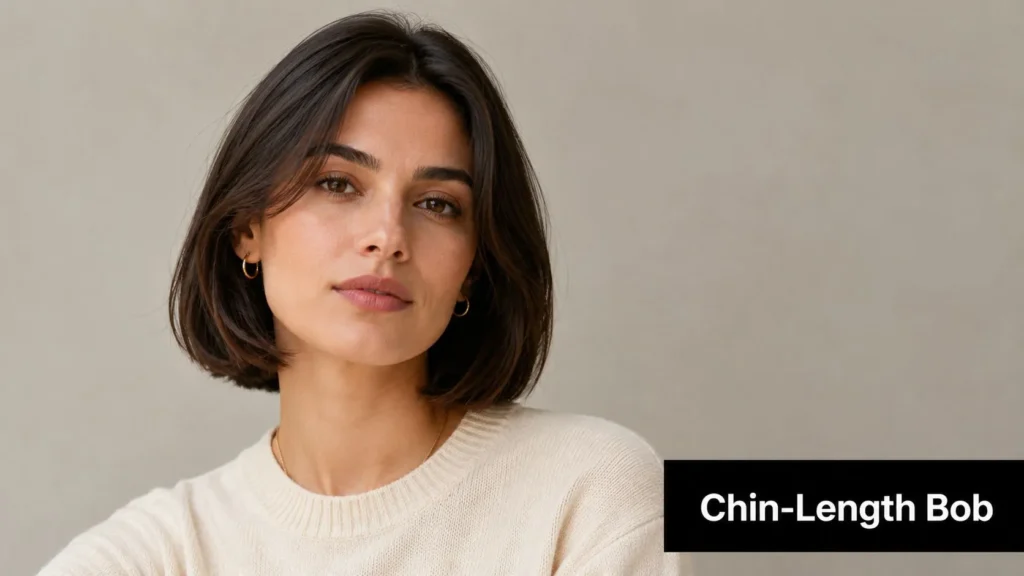
You ask for a fresh cut, but you still need it to dry fast, sit right around the face, and not turn bulky by week three. That is why the bob stays in rotation. It gives shape quickly, reads intentional even with simple styling, and can make fine hair look denser without giving up too much length.
The catch is that “a bob” is not one haircut. Chin length, jaw length, slightly below the chin, blunt, textured, tucked, beveled. Those choices change how it works on your face shape, your texture, and your morning routine. If you use this guide as a cheat sheet with your stylist, you are much more likely to leave with the version that suits you instead of a generic bob from a reference photo.
Who should ask for it
A classic bob usually flatters oval and heart-shaped faces because the perimeter frames the jaw and cheekbones cleanly. On round faces, I usually keep the front a touch longer than the sides so the cut does not widen the cheek area. On square or strong-jawed faces, a blunt line makes the bone structure look sharper, which can be great if that is the feature you want to highlight. If you want a softer result, ask for subtle texture through the ends rather than one heavy baseline.
Texture matters just as much.
Straight hair shows the line of a bob best, so precision matters. Wavy hair gives a bob natural movement, but the stylist has to account for where the wave kicks out or the shape can widen. Curly hair can wear a bob beautifully, but only if it is cut for shrinkage and volume distribution. A straight-hair bob pattern copied onto curls often turns bottom-heavy.
What works and what doesn’t
The best bob is doing most of the work before you pick up a brush.
Fine hair usually benefits from a stronger perimeter with very little layering. That keeps the ends looking fuller. Thick hair often needs weight removed inside the shape, especially around the occipital bone and sides, or it can swell outward and lose the clean silhouette that makes a bob appealing in the first place.
Maintenance is the trade-off many clients underestimate. A bob looks sharp because the line is visible, and visible lines grow out faster. If you like a crisp shape, plan on trims every 6 to 8 weeks. If you prefer a softer, slightly grown-in bob, you can stretch it longer, but it will stop looking precise.
A good bob should still make sense on a rushed Tuesday, not only after a full blowout.
If you want salon language that gets results, say this: “I want a bob that hits at my jaw or just below, and I want the weight placed so it stays controlled when I style it myself.”
- Best for fine hair: Ask for blunt ends and minimal layers so the perimeter looks thicker.
- Best for thick hair: Ask for internal weight removal, not stacked layers that make the sides puff out.
- Best for wavy hair: Ask where the shape will sit when your natural bend dries, not just when it is blown smooth.
- Best styling habit: Blow-dry with a medium round brush or paddle brush, directing the ends under slightly for polish.
- Best low-effort option: Choose a bob that sits just below the chin. It grows out more gracefully than a very short jaw bob.
Classic references still help, but bring photos that show the finish you wear. A sleek version, an air-dried version, and one side view are usually enough. That gives your stylist a clearer map of the bob you want, the texture you expect, and the maintenance level you will realistically keep up with.
2. The Lob
You want enough length to pull your hair back for the gym, but you still want the shape and polish that long hair often loses. That is the lob’s sweet spot. It usually lands between the collarbone and the top of the shoulders, and that extra length gives you more room to clip it up, wave it, or wear it smooth without committing to a shorter cut.
The reason clients do well with a lob is flexibility. It suits women who feel a bob is too exposing, but whose longer hair starts to look flat, heavy, or stringy through the ends. If you need one haircut that can look professional at work, air-dried on weekends, and still fit in a ponytail, this is often the strongest middle ground.
Face shape matters, but so does where the length hits. For round faces, a lob that falls below the chin and stays a touch longer in front usually creates a cleaner vertical line. For square faces, soft texture around the front corners keeps the cut from looking too boxy. Oval faces can wear almost any version, which means texture and maintenance level should drive the decision more than face shape.
Texture changes the plan.
Straight hair shows every line, so a blunt or lightly textured lob can look sleek and sharp, but it also shows growth more clearly. Wavy hair often gets the best balance of shape and movement at this length. Curly hair can wear a lob beautifully if the stylist accounts for shrinkage, bulk, and where the curl pattern widens. If that step gets skipped, the cut can balloon at the sides or sit shorter than expected once dry.
Cheat sheet for the chair: “I want a collarbone lob. Keep the front slightly longer, add soft movement, and remove weight internally if my hair gets wide at the shoulders.”
Maintenance is moderate, not minimal. Most lobs hold their shape longer than a sharp bob, but they still need trimming if you want the perimeter to look intentional. Plan on about 8 to 10 weeks for upkeep if you wear it natural, or sooner if you like a crisp finish.
For styling at home, start with a light leave-in or heat protectant. Blow-dry with a paddle brush for a smoother result, or rough-dry and add a bend with a flat iron through the mid-lengths only. If your hair kicks out at shoulder level, do not ask for all one length unless you know it behaves well there. A little front length or hidden weight removal usually solves that problem.
Bring two or three reference photos, not ten. One should show the exact length, one should show the texture you wear, and one side view helps your stylist place the shape around your jaw, neck, and shoulders. That gives you a better result than asking for “a lob” and hoping you both mean the same version.
3. Pixie Cut
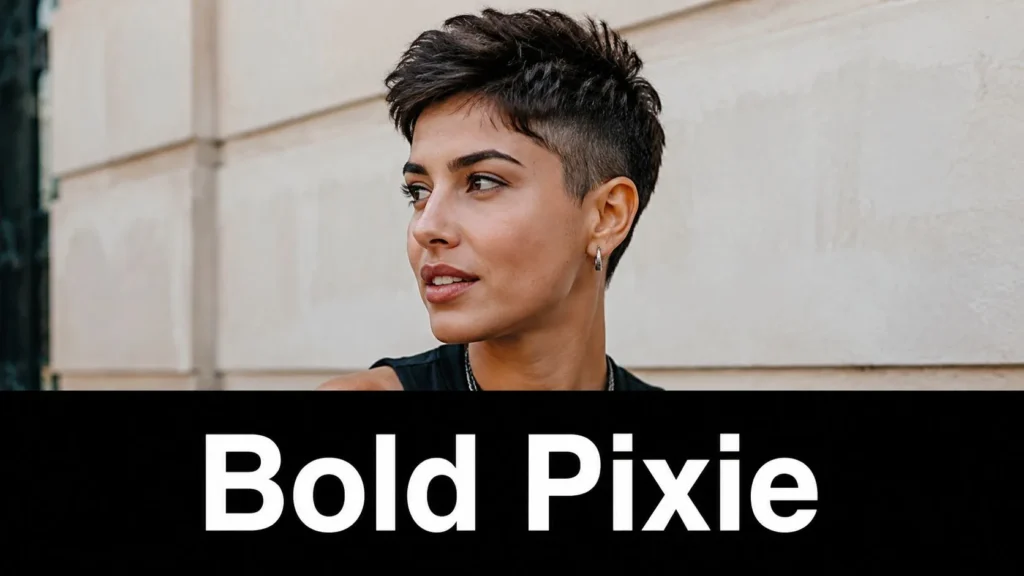
A pixie isn’t just short. It’s exposed. That’s why the right pixie can look stunning and the wrong one can feel severe. Bone structure, cowlick pattern, hairline shape, and crown behavior all matter more here than they do with longer cuts.
This style works beautifully on oval faces, delicate heart shapes, and strong cheekbones. That said, almost any face shape can wear a pixie if the proportions are adjusted. A little length at the fringe can soften a longer face. More height through the crown can balance a rounder face. A tapered nape can clean up a fuller neckline.
The real maintenance question
People call pixies low-maintenance, and that’s only half true. Daily styling is often quick. Salon maintenance usually isn’t. Once a pixie grows past the intended silhouette, it stops looking sharp fast.
Short textured pixies suit straight or slightly wavy hair best if you want a wash-and-go result. Very thick hair can work well too, but it needs expert shaping so the top doesn’t puff and the sides don’t kick out. Tight curls can wear a pixie beautifully when the cut respects curl placement and shrinkage.
- Ask for this if you want softness: Longer fringe, textured crown, tapered sideburns.
- Ask for this if you want edge: Cropped sides, piecey top, stronger perimeter.
- Avoid this mistake: Don’t ask for “short but feminine” without examples. That means different things to different stylists.
- Use less product than you think: A pea-size styling cream or matte paste is usually enough.
Halle Berry’s pixie remains a strong reference because it has movement, not stiffness. Audrey Hepburn’s and Mia Farrow’s versions show how elegant a close crop can look when the silhouette fits the face instead of following a trend.
4. Layered Haircut
You sit in the chair and say, “I want layers.” If you do not define what that means, you can walk out with soft movement, or with thin ends and a shape that fights your texture every morning. Layered cuts are flexible, but they are not one haircut. The placement of the shortest layer, the strength of the perimeter, and how much weight gets removed decide whether the result looks fuller, lighter, smoother, or choppier.
That is why layered haircuts work best when you match them to three things first: face shape, hair texture, and maintenance level.
Rounder faces usually suit longer layers and face framing that starts below the cheekbone, because that keeps width from building at the sides. Square faces often benefit from softer framing around the jaw. Oval faces can wear almost any version, which makes hair texture and styling habits the bigger decision. If the goal is to balance a longer face, I usually avoid too much height at the crown and keep the shape broader through the sides.
Texture changes everything. Thick hair often needs layers to remove bulk and create bend. Fine hair needs restraint. Too many layers on fine hair can make the ends look sparse fast, especially past the shoulders. Wavy hair usually responds well to long internal layers that encourage movement without breaking up the outline. Curly hair can look excellent with layers, but curl-by-curl placement matters because shrinkage can turn a small mistake into a big shape problem.
A good layered cut should still look intentional on day three.
Color also reads differently once layers go in. Face-framing pieces and internal movement can make dimension show up more clearly, so if you are booking cut and color together, review hair color ideas and placement options first so the shape and color support each other instead of competing.
How to ask for the right kind
The clearest salon instruction is this: tell your stylist where you want the shortest visible layer to land. That one choice affects volume, face shape, and how often you will need to style it.
Useful salon wording:
- For long, heavy hair: “I want long layers to remove weight, but I want the ends to still feel full.”
- For fine or low-density hair: “Keep the perimeter strong. I want soft movement, not lots of separation.”
- For face framing: “Start the shortest front pieces at my jaw or cheekbone, depending on what flatters my face more.”
- For wavy hair: “I want layers that encourage my natural bend, not a shape that needs full heat styling every day.”
The trade-off is simple. More layers give more movement and lighter weight, but they also ask for more styling control. Fewer layers keep density and make grow-out easier, but the shape can feel heavier. Jennifer Aniston made layered cuts famous, yet the most wearable modern versions are usually subtler, with softer transitions and less obvious step lines. That is the version that tends to hold up best in real life.
5. Blunt Bangs with Long Hair
Blunt bangs with long hair create instant identity. They pull attention to the eyes, make simple lengths look intentional, and can shift an otherwise safe style into something editorial. They also demand honesty. If you won’t style your fringe, this isn’t your best match.
This look tends to flatter longer, oval, and heart-shaped faces because the fringe shortens visual length and creates balance. On rounder faces, it can still work, but the width and thickness of the bang matter. Too wide and too heavy can close the face in. Slightly narrower and softer at the corners is usually better.
Daily reality before you commit
Bangs separate from the rest of your hair in one important way. They get oily faster, they react to sweat, and they expose every cowlick. That means the cut has to account for your growth pattern from day one.
Long hair with blunt bangs works best on straight to softly wavy textures if you want a graphic finish. Curly textures can wear a version of this too, but the fringe should be designed as curly bangs, not forced flat every morning.
- Best for polished styling: Blow-dry bangs first, using a small round or flat brush.
- Best product move: Use dry shampoo lightly at the roots of the fringe between washes.
- Best salon phrase: “I want full bangs with weight in the center, but softened at the outer corners.”
- What to avoid: Don’t ask for thick blunt bangs if your crown is sparse and you don’t want to sacrifice density from the front hairline.
Alexa Chung’s fringe is often softer than people think. Hailey Bieber’s modern versions also tend to have edge detail around the corners, which keeps the look from reading too blocky. That small softness makes a big difference in real life.
6. Shag Haircut

The shag is for movement first, polish second. It’s layered, broken-up, and intentionally less tidy than a bob or lob. Done well, it gives body to straight hair and shape to waves. Done badly, it just looks frayed.
A modern shag usually suits oval, heart, and longer face shapes especially well because the volume around the crown and cheek area creates balance. Round faces can wear it too, but the layering has to avoid building too much width exactly where the face is fullest. Texture is the deciding factor. Straight hair needs enough density to support the layers. Wavy and curly hair usually bring the shag to life more easily.
Where many shag recommendations fail
A shag isn’t one-size-fits-all, especially if your texture has changed. Mosaic Hair Studio’s face-shape article notes that 42% of women experience texture shifts after age 35 or post-pregnancy, and 76% of haircut guides don’t mention adaptive styling for those changes. That matters because cuts like the wolf cut or curtain-bang shag can go uneven fast on hair that’s become coarser, more porous, or inconsistent through the front.
If you like the idea of a shag, say so specifically. Don’t just ask for “lots of layers.”
A shag should create shape, not chaos. If the shortest layers live too high and your ends are already sparse, the cut can collapse instead of looking cool.
Try wording like this:
- For straighter hair: “I want a soft shag with enough texture to move, but not so much that it looks thin.”
- For waves or curls: “I want layered shape that works with my natural pattern, especially around the crown and face.”
- For low maintenance: “Keep the fringe soft and the layers long enough to air-dry well.”
Meg Ryan’s older shags were airy and broken-up. Current versions on Alexa Chung or Zendaya usually look better because they’re less choppy for the sake of being choppy.
7. Sleek Straight Cut with Middle Part
This haircut is deceptively simple. It depends on precision more than drama, and that’s why it either looks expensive or unfinished. The line has to be clean. The ends have to stay healthy. The part has to suit your natural growth pattern instead of fighting it every morning.
A sleek straight cut with a middle part works best on oval, heart, and balanced longer face shapes. If your face is very round, a severe center part with no face framing can emphasize width. In that case, even tiny front angles can help. If your hairline naturally pulls off-center, forcing a middle part every day can become more annoying than elegant.
Best on the right texture
This style shines on straight or blow-dried hair with medium to high density. Fine hair can wear it beautifully if the ends stay blunt and healthy. Hair that’s dry, frizzy, or heavily layered usually won’t produce the clean finish people imagine from celebrity references.
The appeal here is clarity. There’s no fringe to hide behind and no texture to distract from poor condition. That makes this one of the best haircuts for women who like minimalist styling and regular trims.
- Ask for this shape: One-length or nearly one-length with only subtle face framing if needed.
- Use this styling order: Heat protectant, blow-dry with tension, then a flat iron only where needed.
- Keep this expectation realistic: Sleek doesn’t mean flat. Good stylists preserve some body at the root.
- Maintain this detail: Trims matter because split ends show immediately in a blunt, straight finish.
Kate Middleton’s straighter styles are a useful reference because the hair still moves. That’s the goal. Sleek should look healthy, not pressed lifeless.
8. Textured Curly Haircut
You leave the salon with polished curls, then wash your hair once and the shape disappears. That usually means the cut was planned around a styled finish instead of your real curl pattern, density, and shrinkage.
A textured curly haircut works when the shape matches how your hair dries on an ordinary day. That could be a rounded cut, long layers, a curly bob, or shoulder-length curls with face-framing pieces. The goal stays the same. Keep enough weight to prevent frizz and puffiness, remove bulk where the hair stacks outward, and place layers where the curl springs.
Here’s a visual walkthrough if you want to see curly shaping in motion:
The video helps, but the haircut should still make sense on paper. If your face is round or full, height at the crown and length below the cheekbones usually read better than wide layering at the sides. If your face is long, too much top volume with very tapered ends can make it look longer. Heart-shaped faces often suit curly cuts with softness around the jaw. Square faces usually benefit from movement around the temples and cheekbones rather than a boxy outline.
Texture changes the plan fast. Thick curls can handle internal weight removal, but too much can leave the perimeter weak and frayed. Fine curls need restraint. One extra layer in the wrong spot can make the ends look thin, which is why a soft shape often beats aggressive layering. If that sounds familiar, these bang options for thin hair show the same principle. Density placement matters as much as length.
What curly clients should say clearly
Photos help, but the right words help more. Bring reference images with a curl pattern and density close to yours, then explain your routine candidly. A stylist needs to know whether you diffuse, air-dry, stretch your roots, or wear second-day volume on purpose. I would rather hear “I use one cream and air-dry” than get a polished inspiration photo that takes 40 minutes of styling.
If your curls run dry, product choice affects the haircut’s finish as much as the cut itself. A layer pattern that looks great with moisture can look rough if the hair is under-conditioned, so it helps to review products for dry curly hair before your appointment.
Use language like this:
- For thick curls: “I want bulk removed inside, but I want the outline to stay full.”
- For fine curls: “I want shape and lift without losing too much density at the ends.”
- For wash-and-go styling: “Please cut for how my curls air-dry most days.”
- For face framing: “Keep the front soft, but not so short that it shrinks above where I can manage it.”
One practical rule matters more than clients expect. Arrive with your hair worn naturally, dry, and with minimal product buildup if your stylist cuts curl by curl. That gives a more honest map of spring, shrinkage, and uneven areas.
Zendaya and Yara Shahidi are strong references because the shape reads first. The curls have detail, but the silhouette is what makes the haircut work.
9. Curtain Bangs
Curtain bangs are popular because they’re forgiving. They open the face, soften a haircut without committing to a full fringe, and blend into many lengths. They’re especially good for women who want change without sacrificing the option to grow the front out easily.
This style tends to flatter almost every face shape because the split center creates vertical lines. On round faces, the length of the shortest pieces matters a lot. Cheekbone or lip-length curtain bangs usually elongate better than very short pieces. On long faces, a slightly fuller, brow-skimming curtain can balance the proportions.
Better than blunt bangs for many women
Curtain bangs usually work on straight, wavy, and softly curly textures. They also tend to age well because they don’t require the same hard line as blunt bangs. If your hair is very fine, though, you have to be careful not to steal too much density from the front.
If that’s your concern, it’s worth reviewing bang options for thin hair before committing. You’ll get a better sense of how soft fringe, width, and starting point affect fullness.
Keep curtain bangs connected to the haircut. When they’re cut as a separate piece instead of part of the shape, they can turn stringy fast.
Good salon language:
- For a subtle effect: “I want long curtain bangs that blend into face-framing layers.”
- For more statement: “I want fuller curtain bangs with visible separation through the middle.”
- For easier styling: “Keep them long enough to tuck behind the ears on no-style days.”
They pair especially well with lobs and long layered hair. If your texture leans dry or curly through the front, prep matters too, and a few products for dry curly hair can help you understand what kind of moisture support your fringe area may need.
10. Short Textured Crop or Fade
A short textured crop or fade is sharp, modern, and less delicate than a pixie. It usually keeps more visible texture on top while tapering or fading the sides and back for contrast. If you like a cleaner, more graphic shape, this often feels stronger than a soft pixie.
This cut highlights bone structure fast. Cheekbones, brows, jawline, and neck all step forward. That can be exactly the appeal. It works especially well for oval, heart, and angular face shapes, but the top length can be adjusted to suit fuller or longer faces too. More height lengthens. More fringe softens.
Who loves this cut in real life
Women who prefer low fuss often love a crop because the morning routine is short. Women who like visible shape and edge also love it because the silhouette stays intentional. The trade-off is maintenance. Fades and close tapers need regular refining or they blur out.
This style works on straight, wavy, and curly textures, but the top should reflect the natural pattern. A textured top on slightly wavy hair can look effortless. On dense curls, a cropped shape can look striking if the sides and crown are balanced correctly.
- Best salon request: “I want a textured crop with clean sides, not a flat top and not a soft pixie.”
- Best way to customize it: Choose between a fringe-forward crop, a lifted crown, or a very close fade.
- Best styling product: Matte clay or light paste for separation, used sparingly.
- What not to do: Don’t rely on celebrity side photos alone. You need front, side, and grow-out references.
Halsey and Ruby Rose are strong references because their cuts show the difference between texture on top and precision on the sides. That contrast is the whole point.
Top 10 Womens Haircuts Comparison
| Style | Implementation complexity | Resource requirements | Expected outcomes | Ideal use cases | Key advantages |
|---|---|---|---|---|---|
| The Bob | Medium, precision chin-length cut | Medium, trims every 4–6 weeks; basic tools | Polished, face-framing short haircut | Professional settings; easy daily style for fine–medium hair | Versatile, flattering, low daily effort |
| The Lob (Long Bob) | Medium, shaping and optional layers | Medium, trims every 6–8 weeks; texturizing products | Modern, shoulder-length, versatile look | Transitioning between short and long; updos and casual styles | More styling options; easier to tie back |
| Pixie Cut | High, precise short sculpting | High, frequent trims (3–4 weeks); minimal daily products | Bold, cropped look that highlights features | Active lifestyles, hot climates, statement styling | Extremely low daily maintenance; emphasizes bone structure |
| Layered Haircut | High, skilled layering required | Medium–High, regular trims; styling products for texture | Textured, voluminous movement and dimension | Add volume to thin hair or remove bulk from thick hair | Adds movement, versatility across lengths and textures |
| Blunt Bangs with Long Hair | Medium, precise straight-across cutting | High, frequent bang trims (3–4 weeks); styling to keep bangs sleek | Dramatic, eye-framing statement paired with long length | Refreshing long hair; fashion-forward looks | Instant visual impact; focuses attention on eyes |
| Shag Haircut | High, choppy, textured layering skill needed | Medium, regular trims; texturizers and sea-salt sprays | Tousled, textured, voluminous aesthetic | Wavy/curly hair or anyone seeking an edgy, trendy style | Effortless texture; reduces bulk and boosts volume |
| Sleek Straight Cut with Middle Part | Medium, clean geometric cut; precise lines | High, heat styling, smoothing products, regular trims | Symmetrical, polished, minimalist appearance | Corporate/formal settings; shows off hair health and color | Extremely polished; timeless and minimalist |
| Textured Curly / Curly Haircut | High, curl-specific techniques (dry cuts) | High, specialist stylist; curl products and deep conditioning | Defined, bouncy curls with reduced bulk and frizz | Embracing natural curls; all curl patterns | Enhances natural texture; better curl definition with routine |
| Curtain Bangs | Medium, feathered center-part shaping | Medium, trims every 4–6 weeks; light styling | Soft, face-framing bangs that grow out easily | Most face shapes; those wanting a softer bang option | Forgiving, versatile, easy to transition |
| Short Textured Crop / Fade | High, precise fades and top texturing | High, frequent trims (3–4 weeks); minimal daily styling | Clean, edgy, androgynous short silhouette | Bold fashion statements; active or low-daily-styling needs | Low daily upkeep; strong feature definition and modern edge |
How to Get the Cut You Actually Want
You sit down asking for a bob, show one saved photo, and leave with something that only works if you own the same hair type, styling tools, and patience as the person in the picture. That is how haircut regret usually starts. The consultation is where a good cut gets built.
Bring reference photos that do different jobs: one for the length, one for the shape, and one for the finish. A front view and side view help. If possible, include a photo of someone with hair density and texture close to yours, because that is what tells your stylist whether the result will fall blunt, expand, flip, or collapse. A cheat sheet helps too: tell them your face shape, whether your hair is fine, medium, thick, straight, wavy, curly, or coily, and how much time you will spend styling it on a weekday.
Maintenance needs plain language. A blunt fringe usually needs frequent trims. A pixie keeps its shape best with regular cleanup around the ears and nape. Long layers can go longer between appointments, but they often need more styling to look intentional. A textured shag can be forgiving on wash day, but only when the layering pattern matches your natural movement.
Say what you want the cut to do for you. Do you need more width at the jaw, less bulk at the sides, lift at the crown, or softness around the cheekbones? Those details matter more than haircut names, because two clients can ask for the same lob and need completely different internal structure.
Use salon language if you know it, but keep it specific. “Blunt perimeter” means stronger, fuller-looking ends. “Remove weight internally” tells your stylist you want less bulk without losing length. “Face-framing starting at the cheekbone” is clearer than “some layers.” If your hair tends to puff, separate, fall flat, or expose scalp at the part, say that out loud before the cut starts.
Haircuts are emotional for a reason. Generations 1929’s hairstyle survey summary notes that many women tie a good haircut closely to overall satisfaction with their appearance. In the chair, that usually shows up as posture, confidence, and how easy the morning routine feels afterward.
If thinning or shedding is part of the picture, haircut strategy only solves part of the problem. It can also help to read about evidence-based hair loss treatments so you can separate styling choices from scalp and growth concerns. That often leads to better decisions about bangs, layering, and overall length.
For more style reading, maxijournal.com publishes fashion, beauty, health, science, and culture content. The better haircut usually comes from honest inputs: your face shape, your texture, your maintenance limit, and a reference photo that matches real life.
Discover more from Maxi Journal
Subscribe to get the latest posts sent to your email.