Most advice about tennis shoes treats style like an extra, as if you’re allowed to care about looks only after you’ve checked traction, support, and durability. That advice misses how people choose shoes. You don’t wear a spec sheet. You wear a shape, a color, a texture, and a mood.
The gap is real. Searches for “best looking tennis shoes 2026” rose 45% year over year, and style ratings influence 28% of 5-star purchases in Tennis Warehouse review data, according to RunRepeat’s tennis shoe guide. Yet most guides still read like lab reports. Helpful, yes. Complete, no.
A good-looking tennis shoe isn’t just one with a famous logo or a trendy colorway. It’s one whose lines make sense on your foot, whose materials match your wardrobe, and whose proportions feel right when you step back and look at the whole outfit. That’s what matters if you want the best looking tennis shoes for your life, not someone else’s ranking list.
More Than Performance: Finding Your Perfect Pair
Performance-first advice sounds sensible. In real wardrobes, it often leads people in the wrong direction.
A tennis shoe can be stable, supportive, and durable, then still sit untouched by the door because it looks clumsy with everything you own. The pair you wear on repeat usually earns that status in a different way. It feels right with your clothes, your routine, and the version of yourself you want your outfit to project.
Style matters here because tennis shoes rarely live in one lane. They show up with denim, easy trousers, knitwear, and casual dresses. A pair that fits into those outfits has a wider job description than a pair that only makes sense on court. That broader usefulness is part of what makes it a smart buy.
Practical rule: Shop for repeat wear. The best-looking pair for you is the one that keeps making your outfits look more considered.
Taste is a skill, not a mystery
Good taste is less about having rare instincts and more about noticing patterns. A shoe works the same way a chair works in a room. On its own, it can look attractive. In context, its shape, finish, and visual weight either belong or feel out of place.
Start with your own closet, not a trend list. If your clothes are clean, crisp, and fairly minimal, a shoe with heavy overlays, sharp color contrast, and a bulky sole may interrupt the line of the outfit. If your wardrobe already has vintage sweats, sporty jackets, or relaxed denim, that same shoe may look perfectly at home.
A simple exercise helps. Pull out three outfits you already wear often. Then ask one question: does this shoe disappear into the look in a good way, or does it hijack the whole outfit? The answer usually tells you more than another hour of scrolling product pages. If you are still defining your style, this guide to shopping for clothes and accessories with intention can help you build that context before you buy.
Personal taste also gets clearer once you stop asking, “What is the best shoe?” and start asking, “What kind of visual balance do I like?” Some people prefer a shoe that adds polish. Others want one that adds ease or a little nostalgia. Once you know the effect you want, the choice gets much simpler.
Decoding Style: The Key Elements of Shoe Design
Shoppers often start with color. Style usually starts with shape.
That is why two tennis shoes in the same white leather can give completely different impressions. One looks sharp and easy to wear. The other looks clunky, busy, or oddly dated. Before your eye registers the logo or the stitching, it reads the outline, the volume, and the balance of the shoe.
Start with the silhouette
Silhouette is the shoe’s shape from a few steps away. It is the headline, not the fine print.
Some tennis shoes are long and lean. Others are short and rounded. Some sit close to the ground and barely interrupt the line of your pants. Others have a built-up sole that pulls the eye downward and gives the whole outfit more weight. If you have ever liked a pair online and then felt underwhelmed once it was on your foot, silhouette is often the missing explanation.
Eyewear offers a useful comparison. Two frames can serve the same job, yet one reads refined and the other reads playful because the proportions differ. Shoes work the same way.
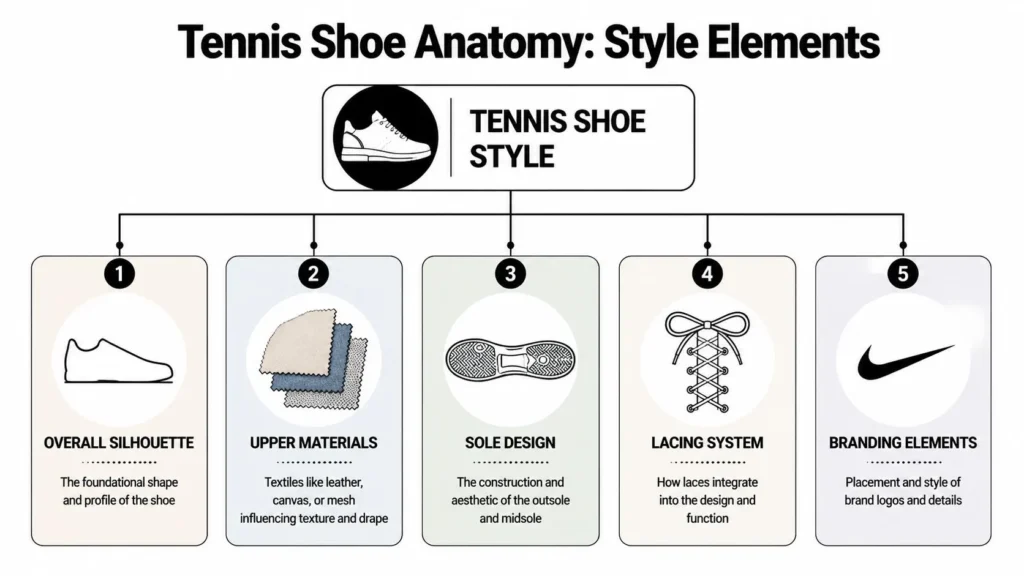
Five details that change how a shoe reads
Once the outline makes sense, move closer and study the parts. Good-looking tennis shoes usually have details that agree with one another, like ingredients in a recipe that belong in the same dish.
- Overall silhouette. The first impression comes from the outline. Slim shoes usually read cleaner. Bulkier shoes tend to feel more casual, sporty, or forceful.
- Upper materials. Leather looks crisp and tidy. Mesh feels more technical. Suede softens the design and often makes it feel less rigid.
- Sole design. A thin sole usually feels classic. A thicker sole can feel contemporary or retro, depending on how curved or sculpted it is.
- Lacing system. Neat lacing keeps the upper calm. Busy eyelets and extra lace hardware add movement, but they can also make the shoe feel crowded.
- Branding elements. Small logos usually blend into the design. Large logos compete with the rest of the shoe for attention.
Learn to read proportion
A stylish shoe is rarely about one excellent feature. It is about agreement.
A slim upper paired with an oversized sole can feel top-light and bottom-heavy. A clean toe shape can lose its effect if the side panels are packed with overlays. A beautiful material can still look off if the branding is too loud. This is why stylish shoes tend to feel coherent rather than merely expensive or trendy.
Use this quick table when you compare pairs:
| Element | If it looks refined | If it looks louder |
|---|---|---|
| Silhouette | Low, clean, elongated | Chunky, layered, high-volume |
| Toe shape | Neat, tapered, balanced | Wide, blunt, exaggerated |
| Upper | Fewer panels, smoother textures | Many overlays, mixed materials |
| Sole | Even and restrained | Thick, sculpted, heavily featured |
| Branding | Small and integrated | Large and attention-grabbing |
The best looking tennis shoes usually feel coherent. Nothing fights for attention. The parts support the same visual story.
Classic, Retro, or Modern? Finding Your Silhouette
A stylish tennis shoe is not the one with the loudest reputation. It is the one whose shape agrees with your clothes, your pace, and the version of yourself you want people to read at a glance.
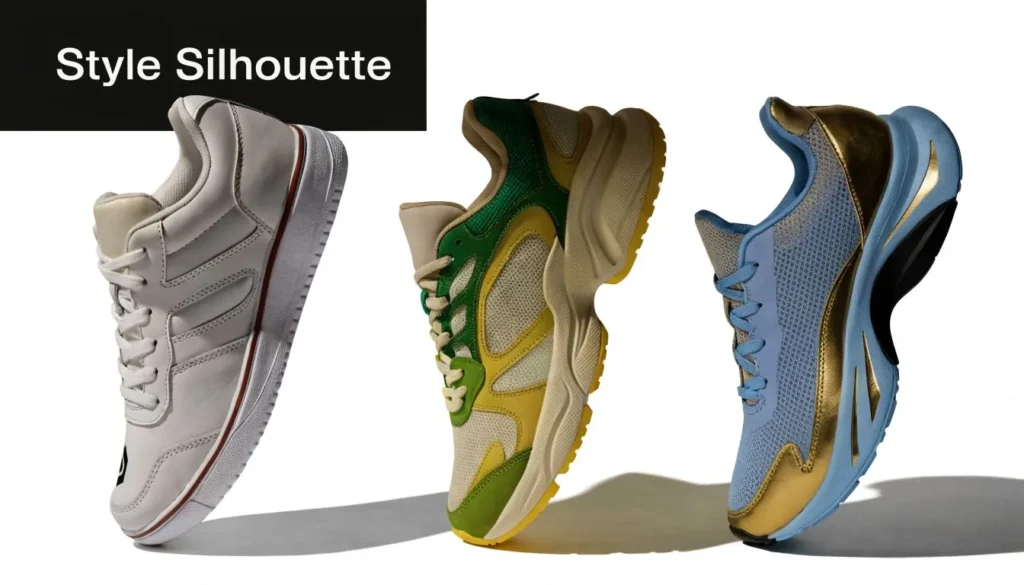
That is why silhouette matters so much. Before color, before material, before branding, your eye reads the outline. It works like the frame of a chair. Even with beautiful fabric, a clumsy frame still looks off. With shoes, the frame is the shape.
The classic shape
Classic tennis shoes look settled. The lines are tidy, the profile stays close to the foot, and the overall effect is quiet rather than attention-seeking. Shoes in this family often become wardrobe regulars because they leave room for the rest of the outfit to speak.
The Adidas Stan Smith is a useful example, not because you need that exact pair, but because it shows what a classic silhouette does well. Smooth leather, low profile, simple side detail, and very little visual noise. That formula moves easily between jeans, chinos, simple dresses, and relaxed tailoring.
Classic shapes usually suit people who want their shoes to support an outfit rather than steer it. If your wardrobe includes clean basics, neat layers, or a small rotation of reliable pieces, this silhouette often feels easiest to wear.
The retro shape
Retro tennis shoes show their construction more openly. You see contrast panels, curved lines, older sport references, and color blocking that feels warmer or more playful. They bring personality sooner.
A retro sneaker works like a vintage track jacket in shoe form. It adds mood before anyone notices the rest of the look. That can be great, but it also means the outfit around it should stay edited. Cuffed denim, tube socks, knit polos, sporty skirts, and textured layers usually give retro shoes the right amount of support without turning the whole outfit noisy.
This silhouette often suits people who like a little story in their clothes. If you enjoy heritage knits, washed denim, or autumn color palettes in fashion, retro pairs tend to feel especially natural.
The modern shape
Modern tennis shoes tend to push the outline further. The sole may curve or build outward. The upper may look technical, sharp, or aerodynamic. The overall shape often feels designed, not just assembled.
That is why modern silhouettes can look striking in one outfit and awkward in another. They ask for some visual discipline around them. Crisp cargos, sleek athletic trousers, technical outerwear, and monochrome dressing usually match their energy well. Soft, vintage, or very delicate clothing can still work, but only if the contrast looks intentional.
If classic is quiet and retro is expressive, modern is directional.
A simple way to choose is to start with your wardrobe, not the shoe wall. If you wear straight-leg jeans, button-downs, and simple knits, classic will probably look most natural. If your closet has sporty layers, old-school references, and richer color combinations, retro may fit better. If you prefer sharper lines, cleaner contrast, and a more fashion-forward feel, modern is likely your lane.
Start with the word that sounds most like your style: classic, retro, or modern. That single choice filters out a lot of bad options before you even try anything on.
How Materials and Color Define Your Look
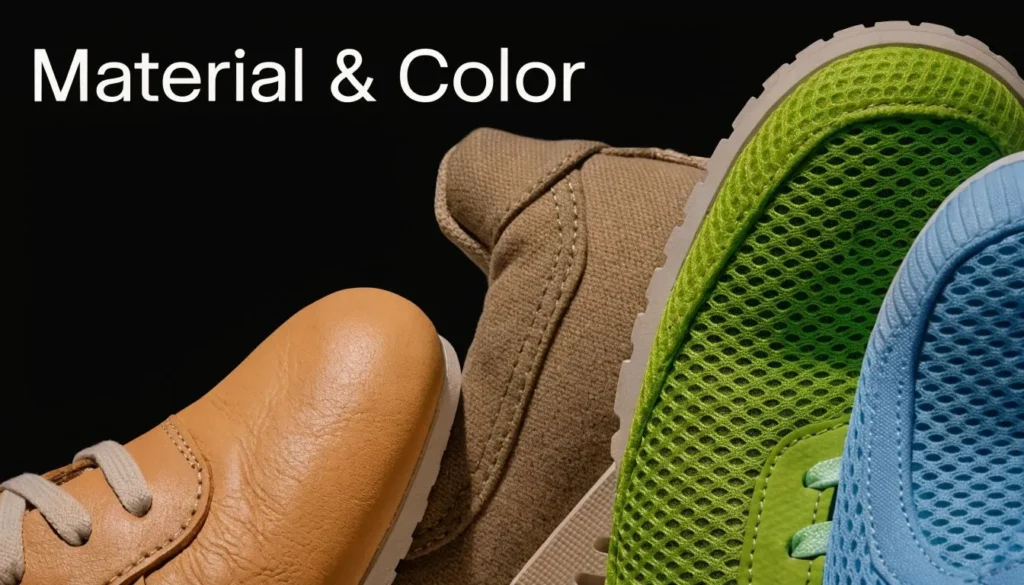
A tennis shoe can keep the same shape and still give off a completely different impression once you change the surface. Material is the shoe’s tone of voice. It tells you whether the pair feels crisp, easygoing, sporty, or refined before you even notice the logo.
Materials change the mood
Leather usually reads the cleanest. It keeps its shape, catches light in a tidy way, and makes a simple shoe look more deliberate. If a tennis shoe needs to work with dressy pants, sharp denim, or a button-down, leather often makes that job easier.
Canvas behaves differently. It relaxes the whole idea of the shoe. The same basic design can feel less polished and more approachable, which is why canvas pairs often look best with broken-in staples like jeans, shorts, and casual overshirts.
Mesh and knit bring motion into the picture. Even standing still, they suggest activity because the texture is associated with running and training shoes. Suede does the opposite. It softens the outline, mutes the shine, and gives color more depth. A green suede sneaker and a green mesh sneaker may be the same shade on paper, but on foot they tell two different stories.
A simple cheat sheet helps:
- Leather reads clean and polished.
- Canvas reads relaxed and familiar.
- Mesh or knit reads active and technical.
- Suede reads soft and rich.
Color is really a question of contrast
People often shop by color name when they should shop by effect. White, beige, navy, forest green, or burgundy matter less than what the shade does against the rest of your clothes.
Low-contrast shoes blend in. They act like background music. High-contrast shoes pull the eye first, more like the opening line of a song. Neither approach is better. The right one depends on whether you want the shoe to support the outfit or lead it.
For a wardrobe built on black, cream, olive, gray, and denim, a stronger shoe color can add life without making the outfit hard to wear. If your closet already includes layered tones, patterned knits, or richer seasonal shades, a quieter sneaker often keeps things balanced. Readers building outfits around autumn color palettes in fashion will usually find that suede browns, off-whites, dark greens, and warm neutrals feel especially natural.
One detail trips people up. Bright color looks sharper on smooth leather or glossy synthetic panels. The same color looks gentler on suede or washed canvas. So if you like bold tones but do not want your shoes shouting, choose a softer material before you choose a duller color.
Good style still has to look good on your foot
Fit changes the visual result. A shoe can look elegant in product photos and awkward in real life if it pinches the forefoot, flattens your stance, or makes you walk carefully. At that point, the design is fighting your body, and people can see it.
If your foot is broad, pay attention to whether the upper sits smoothly over the sides rather than pulling tight. If your toes feel crowded, the shoe will rarely become attractive through sheer patience. It will just look strained. The best looking tennis shoes create clean lines because they suit the foot inside them.
A stylish shoe should work with your foot shape, not ask your foot to disguise itself.
From Casual Weekends to Smart-Casual Offices
The easiest way to understand stylish tennis shoes is to watch what they do in an outfit. The same pair can feel effortless in one setting and misplaced in another. Context changes everything.
Weekend casual
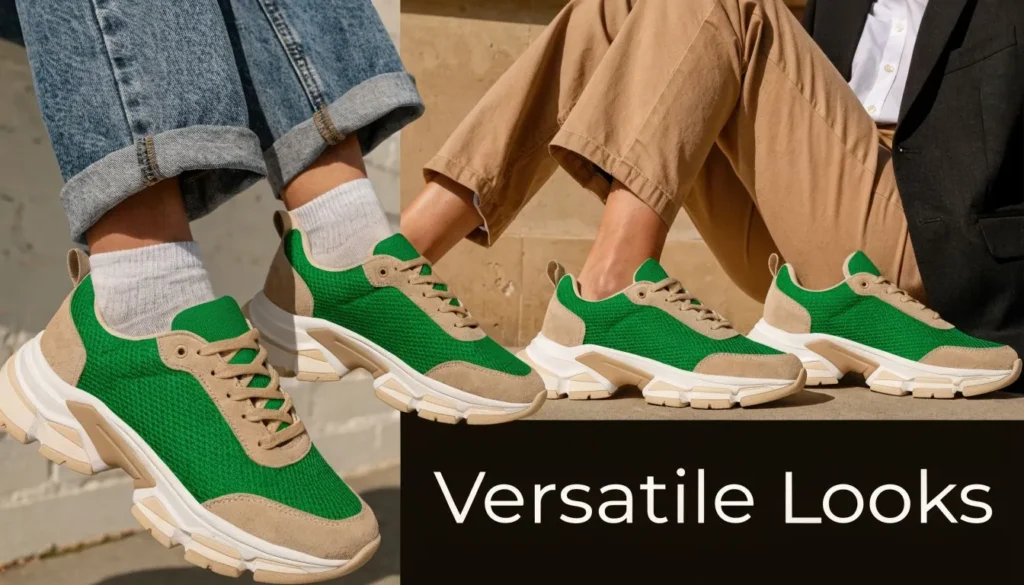
On a Saturday, tennis shoes should make dressing easier, not fussier. A retro pair with some color can carry a plain outfit on its own. Think relaxed jeans, a white tee, and an overshirt. The shoe becomes the visual center without making the rest of the outfit work too hard.
A classic low-profile leather shoe does something different. It cleans up casual clothing. The same jeans and tee now look more considered, almost edited, because the footwear is restrained.
Good weekend combinations include:
- Retro shoe with denim. Useful when the rest of the outfit is simple and the shoe has enough personality.
- Classic white leather pair with chinos. Clean, easy, and hard to overthink.
- Modern technical pair with cargo-style pants. Best when you want a sharper athletic feel.
Smart-casual office
Many people either underdress or over-correct. The right tennis shoe for a smart-casual office usually has a smooth upper, controlled branding, and a tidy sole. It should look intentional next to trousers, not as if you forgot to change after the gym.
A classic silhouette often performs best here because it doesn’t compete with the rest of the outfit. A blazer, knit polo, or fine sweater already adds texture and shape. The shoe’s job is to support that structure.
If you’re simplifying your wardrobe overall, a guide on starting a capsule wardrobe can make shoe choices much easier, because fewer, clearer clothing shapes reveal which sneakers belong.
A visual reference helps here:
Modern athleisure
Athleisure is where modern tennis shoes often look most at home. But “athleisure” doesn’t mean every sporty piece goes together. The outfit still needs one strong idea.
Try one of these formulas:
Monochrome base
Black joggers, a matching top, and a technical tennis shoe create a sleek silhouette. Keep accessories minimal.Soft layers plus sharp shoe A hoodie under a wool coat with slim trousers can work if the shoe is sleek enough to connect the sporty and polished pieces.
Sporty skirt or dress
A retro tennis shoe can ground a simple knit dress or pleated skirt, especially when the colors echo each other.
Smart styling isn’t about dressing the shoe up or down. It’s about matching the shoe’s design language to the rest of the outfit.
Keep Your Best Looking Shoes Looking Their Best
A good-looking shoe doesn’t stay that way by accident. The pairs people admire after months of wear usually have two things in common: they were chosen carefully, and they’re maintained consistently.
How to judge quality before you buy
Start with your hands and eyes. Look at the stitching. It should appear even and deliberate, not loose or rushed. Press the upper gently and notice whether the material springs back with some structure or collapses too easily.
Then check the sole-to-upper connection. A shoe can be visually minimal and still feel cheap if that join looks messy. Also look at branding. A tasteful design often shows restraint. If the logo is doing all the work, the shoe itself may not have much visual substance.
Use this quick shopping checklist:
- Check the stitching. Uneven stitching can make even a good silhouette look sloppy.
- Feel the upper. Materials should match the look the shoe is trying to achieve.
- Inspect the sole edge. Clean construction makes the whole shoe feel more refined.
- Look at symmetry. If one shoe appears slightly different from the other, move on.
Care by material
Different materials age differently, so they need different care.
- Leather. Wipe with a soft damp cloth and dry gently. Keep dirt from building in seams.
- Canvas. Spot-clean early. Stains settle in when you wait.
- Suede. Use a suede brush and avoid soaking it.
- Knit or mesh. Clean lightly and patiently. Aggressive scrubbing can rough up the texture.
Storage matters too. Keep shoes out of crushed piles near the door. Let them air after wear, and store them with enough space to hold their shape. If a pair creases easily, a shoe tree can help preserve the line of the upper.
The best looking tennis shoes aren’t only the ones you buy well. They’re the ones you keep well.
If you like clear style advice without fashion snobbery, visit maxijournal.com for approachable reads across fashion, sports, health, culture, and more. It’s a good place to keep building your eye, your wardrobe, and your confidence one practical guide at a time.
Discover more from Maxi Journal
Subscribe to get the latest posts sent to your email.