What makes one of the best music documentaries on Netflix worth your time when so many lists treat every title like the same experience with a different soundtrack? The primary gap isn’t availability. It’s fit. A concert-heavy film, an archival deep dive, and a career confession all serve different viewers, yet most roundups flatten them into simple plot summaries.
The stronger approach is closer to a product review than a fan ranking. Great music docs don’t just give you songs. They give you access, editorial perspective, narrative shape, and a reason to stay after the opening performance rush. Some are built around spectacle. Others hinge on footage no one else had. A few work because the filmmaker understands when to step back and let tension, rehearsal, or silence do the work.
This list gets to the point and compares six standout picks through the same lens: The Vibe, Standout Moment, Director & Year, and Viewing Notes. That framework makes it easier to choose based on what you want tonight, whether that’s pure stagecraft, music-history archaeology, or a sharper sense of how artists build and protect their image. If you’re searching for the best music documentaries on Netflix, these are the titles with the clearest identities.
1. HOMECOMING A Film by Beyoncé
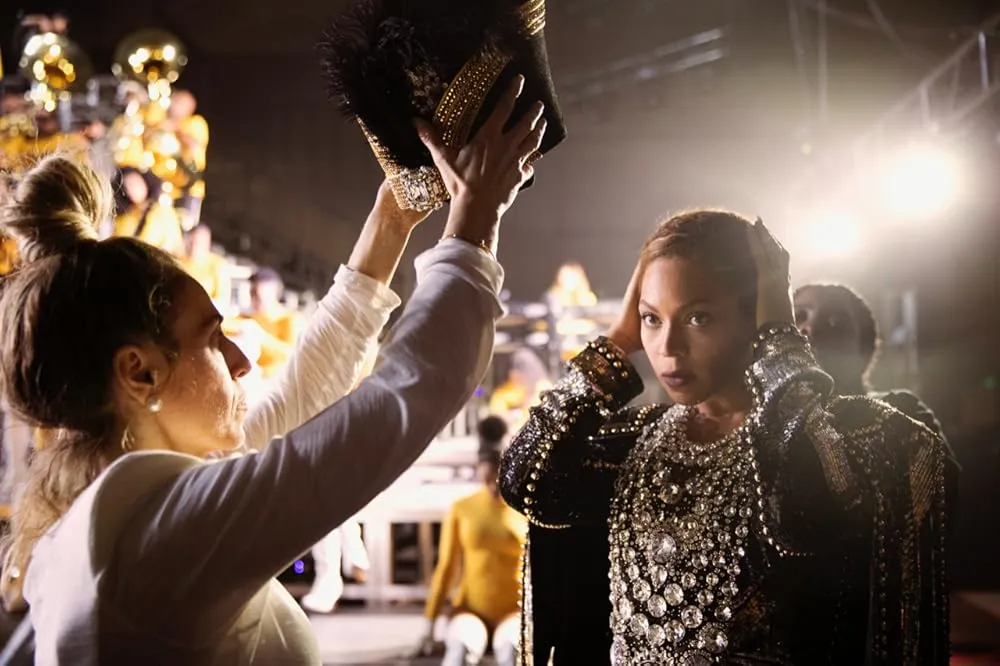
How much does process matter in a music documentary? HOMECOMING: A Film by Beyoncé on Netflix makes the case that process can be the main event. The film documents the 2018 Coachella performance with a level of rehearsal footage and production context that changes how the concert reads. You are not only watching a show. You are watching a system built to produce one.
That focus gives the film a clearer identity than many star-led docs. Instead of stretching across an entire career, it studies one major live production from multiple angles: arrangement, choreography, band discipline, visual design, and authorship. The result feels less like a traditional biography and more like a performance case study, which is part of why it holds up so well for viewers interested in craft.
Spec sheet
- The Vibe: Monumental and highly controlled, but grounded by rehearsal footage that shows the strain behind the precision.
- Standout Moment: The back-and-forth between stage footage and practice sessions. That editing choice turns preparation into the story, not just supporting material.
- Director & Year: Beyoncé, 2019.
- Viewing Notes: Best for viewers who want to study live production, creative control, and performance design. Less satisfying if your priority is a broad life story or offstage vulnerability.
One reason the film works is editorial discipline. It knows exactly what kind of access it is offering. Many music documentaries promise intimacy and deliver brand management. Homecoming is more useful than that. It shows labor, repetition, correction, and scale management. For readers interested in how nonfiction films shape perspective through editing, structure, and selective access, it also pairs well with this guide to documentary filmmaking techniques.
Its tradeoff is clear. The narrow scope limits the film’s range, but that constraint improves its detail. If you want the Netflix music documentary with the strongest emphasis on execution, this is the one.
2. Miss Americana
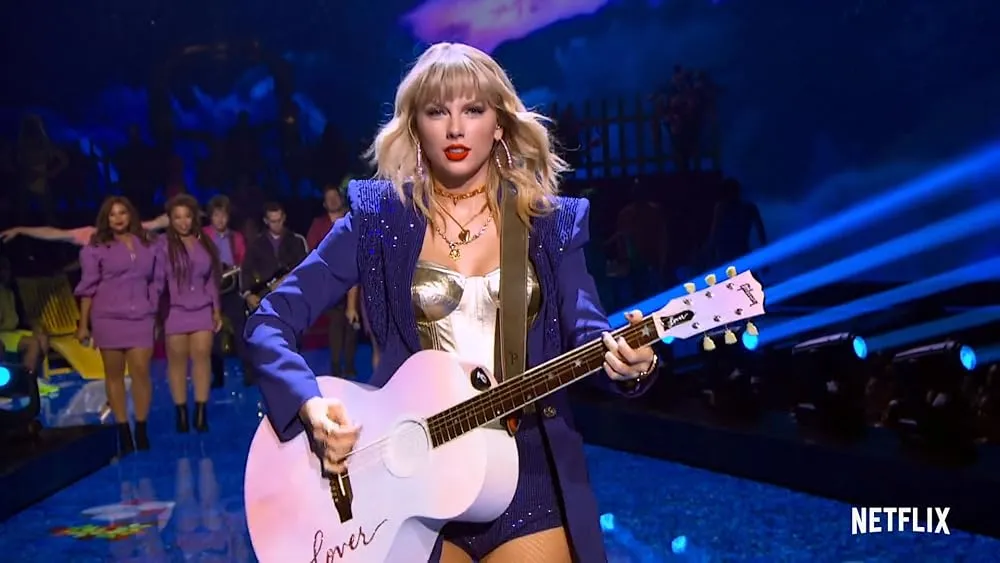
What do you want from a music documentary: spectacle, access, or a clear view of how a star manages identity under pressure? Miss Americana on Netflix is strongest in the third category. Lana Wilson’s film treats celebrity not as background context but as the operating system of the story, shaping what gets shown, what stays guarded, and how vulnerability is framed.
That focus gives it a different kind of value than a performance-heavy music doc. The film is built around recalibration. Public backlash, political speech, body image, and songwriting are presented as linked pressures rather than isolated confession scenes. If your taste in music media runs toward artist evolution and the habits behind changing audiences, it pairs naturally with these ways to discover new music, because both are really about how listeners reassess artists over time.
Spec sheet
- The Vibe: Intimate but managed. It offers candor, yet stays aware of how a global pop figure controls narrative.
- Standout Moment: The scenes where Swift debates whether to speak publicly about politics. Those conversations clarify the documentary’s real subject: risk calculation inside fame.
- Director & Year: Lana Wilson, 2020.
- Viewing Notes: Best for viewers interested in artist psychology, reputation management, and songwriting context. A weaker fit if you want extended live-performance sequences or a more adversarial portrait.
What raises the film above standard access-driven celebrity nonfiction is its structure. Wilson organizes the material around tension points, not milestones. That choice keeps the documentary from turning into a career timeline and makes it more useful as a case study in authorship. You are watching a performer decide which parts of her life can be converted into public meaning.
Its limitation is also easy to see.
The perspective stays close to Swift’s preferred framing, so the film does not spend much time testing her version of events against outside voices. Even so, that constraint reveals something important. Miss Americana works best as a controlled self-portrait about image, speech, and emotional labor. For viewers choosing among the best music documentaries on Netflix, that makes it the strongest pick for personality analysis rather than concert energy.
3. jeen-yuhs A Kanye Trilogy
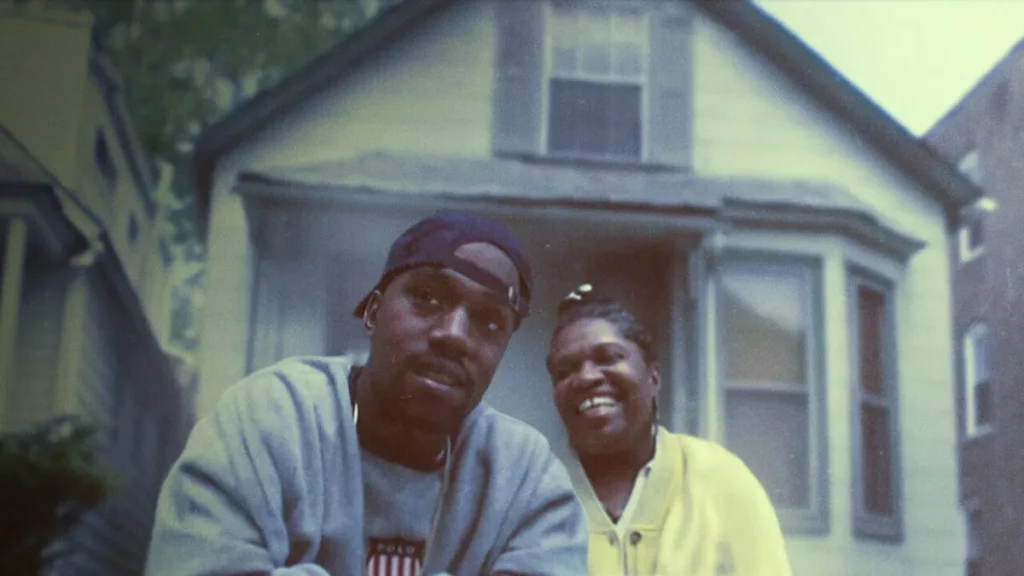
jeen-yuhs: A Kanye Trilogy on Netflix has the rare advantage of footage that predates myth. That’s the hook. Before the brand hardens and before legacy arguments take over, the film captures ambition in motion. For anyone interested in the mechanics of breakthrough, it’s a far richer watch than a standard rise-and-fall template.
The best way to approach it is as a time capsule with unusual intimacy. The camera is close enough to make meetings, studio sessions, and early frustrations feel less like recap and more like lived documentation. That makes the trilogy especially valuable if your music taste leans toward origin stories and the way people discover artists before everyone else catches up, much like the habits explored in ways to discover new music.
What it does better than most artist docs
- The Vibe: Immersive, raw, and patient. It trusts accumulated footage more than retrospective narration.
- Standout Moment: Early-career scenes where industry gatekeeping and self-belief occupy the same frame.
- Director & Year: Coodie Simmons and Chike Ozah, 2022.
- Viewing Notes: Best for viewers who want process, hustle, and early-2000s hip-hop context. More uneven if you’re looking for a fully balanced assessment of later controversies.
This isn’t a neat film. That’s part of its value. The perspective is shaped by a long relationship between filmmaker and subject, so the documentary can feel affectionate, observational, and conflicted at once. That mix gives it texture.
It also benefits from the multi-part format. Instead of compressing a complicated public figure into one feature, it lets eras breathe. You notice the shifts in confidence, environment, and reaction around him, which says as much about the music industry as it does about Kanye West.
The trilogy’s strongest feature isn’t explanation. It’s proximity.
Its weakness is contextual balance. The later chapters don’t always interrogate the hardest material with the same rigor that the early footage earns naturally. Even so, as a document of emergence, few Netflix music titles can match it.
4. The Greatest Night in Pop
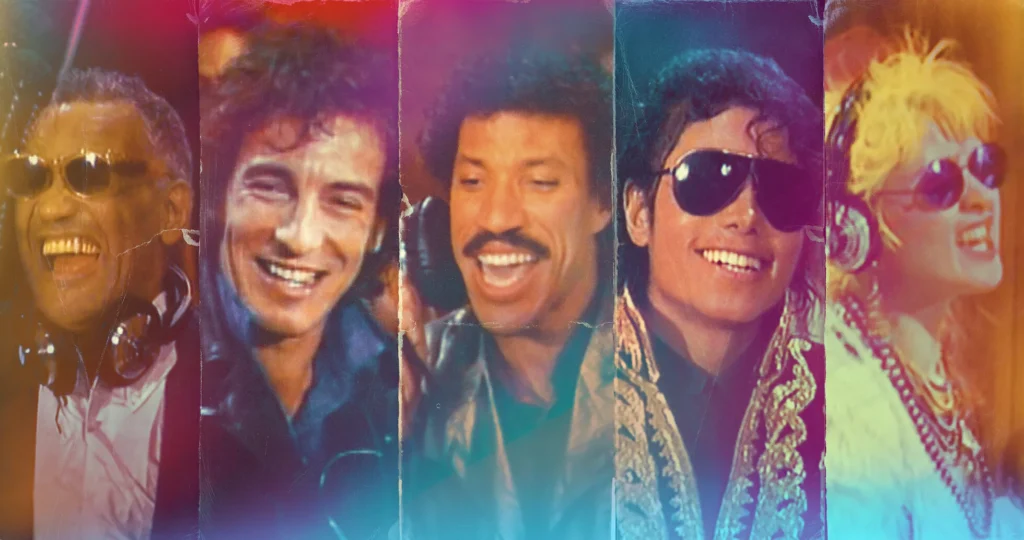
Some music documentaries succeed because they cover an entire career. The Greatest Night in Pop on Netflix goes the opposite direction. It narrows the frame to one recording session and gets better because of that discipline.
The film revisits the making of “We Are the World” as a logistics story, a personality study, and a piece of pop-history engineering. That focus gives it a clean user experience. You always know the stakes, the clock, and the collaborative problem at hand.
Spec sheet
- The Vibe: Fast-moving, nostalgic, and unusually clear about how a legendary session came together.
- Standout Moment: Any stretch where archival footage and participant recollections line up to show how tension, ego, and practical problem-solving shaped the final result.
- Director & Year: Bao Nguyen, 2024.
- Viewing Notes: Best for viewers who like studio history, famous-room energy, and collaborative chaos. Less suited to anyone seeking a broad survey of 1980s pop.
This is the most accessible pick on the list for mixed-company viewing. You don’t need deep prior knowledge. The premise is instantly understandable, and the film keeps translating mythology into process. Who showed up, who had to adapt, who solved problems, who set tone. That’s the essential engine.
A narrower premise can sometimes feel slight. Here, it feels efficient. By staying with one night, the documentary avoids the bloat that hurts many retrospective music films.
Great session documentaries turn celebrity into workflow. This one does.
Its main tradeoff is breadth. Once you’ve accepted that it’s a one-song story, though, the payoff is strong. The movie demystifies a famous event without draining it of charm.
5. Biggie I Got a Story to Tell
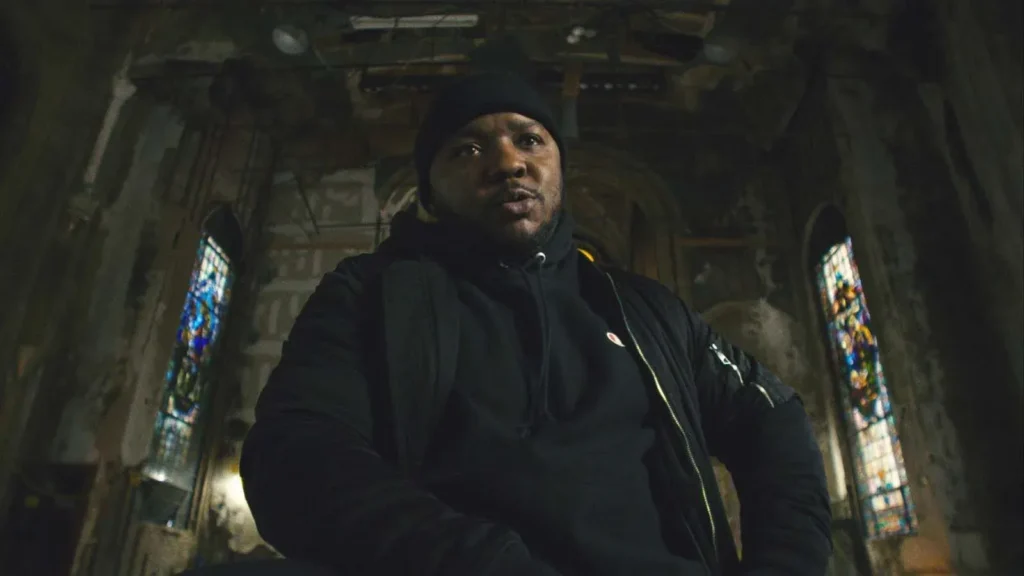
Biggie: I Got a Story to Tell on Netflix is the archival pick. It works best when it lets home video, family memory, and scene-setting details pull Christopher Wallace back out of icon status and into human scale. That’s a harder trick than it sounds, especially with a figure whose image has been fixed by decades of repetition.
The reason to watch it isn’t just legacy appreciation. It’s texture. The documentary gives you environment, voice, and local context, so the climb feels grounded in place rather than abstract fame.
Where it stands out
- The Vibe: Warm, reflective, and memory-driven without losing narrative clarity.
- Standout Moment: The rare footage from Biggie’s inner circle, which shifts the film from public legend to private witness.
- Director & Year: Emmett Malloy, 2021.
- Viewing Notes: Best for viewers who want hip-hop history with emotional access. Less ideal if you’re expecting a documentary built around confrontation or industry exposé.
What makes the film effective is restraint. It doesn’t overcomplicate its mission. Instead, it concentrates on voice and presence, and that lets the archival material do the heavy lifting. The result is a portrait that feels less manufactured than many posthumous music biographies.
For hip-hop viewers, it also functions as a gateway into a larger 1990s New York rap context. The film doesn’t need to become a full scene study to remind you how much geography, local relationships, and timing matter in rap history.
The limitation is clear enough. It leans more toward celebration than adjudication. If you want a sharper accounting of every surrounding conflict, you’ll find the emphasis here gentler. If you want to understand why Biggie still feels immediate, this is the better lens.
6. BLACKPINK Light Up the Sky
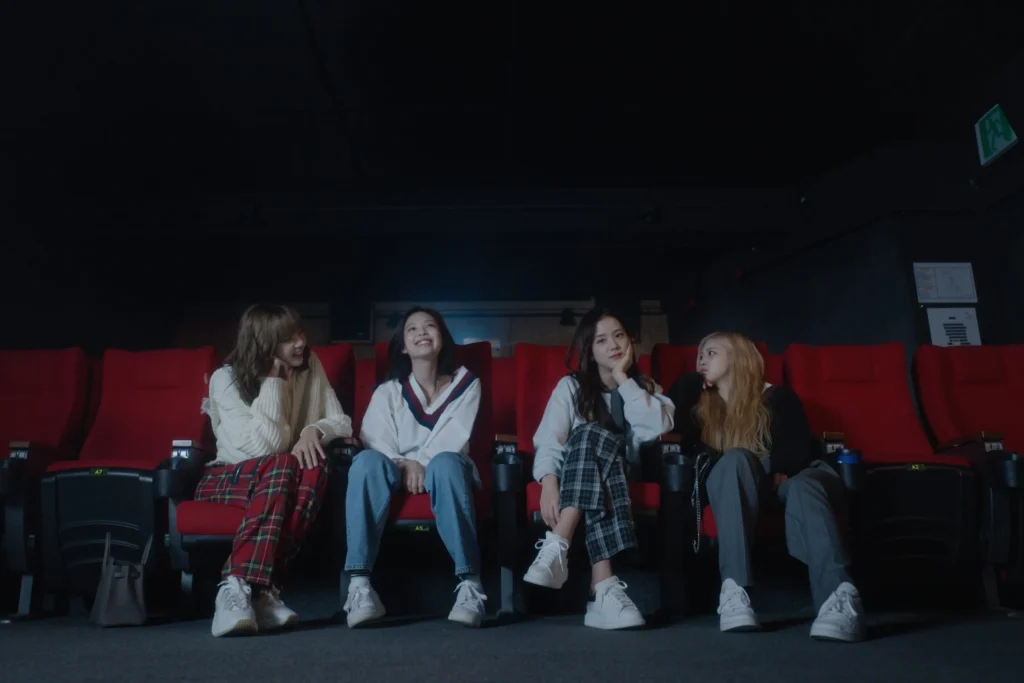
What makes a music documentary useful to someone outside the fandom? BLACKPINK: Light Up the Sky on Netflix has a clear answer. It explains the group’s appeal through structure, not just access. The film moves between trainee memories, selective behind-the-scenes footage, and arena-scale performance clips to show how K-pop turns repetition, image control, and star presence into a global product.
That design is why it earns a place on this list. Some music docs assume prior investment and reward existing fans with intimacy. Light Up the Sky is built more like an onboarding document. Caroline Suh gives each member enough individual definition to keep the group from reading as a brand alone, while still preserving the industrial context that shaped them. For viewers who want to broaden their frame beyond the usual Anglo-American canon and follow up-and-coming music artists in a more informed way, that balance matters.
Why it’s a smart pick
- The Vibe: Glossy, fast-moving, and intentionally accessible.
- Standout Moment: The cuts between pre-debut discipline and finished live performance. They explain, with unusual efficiency, how training and charisma operate together in BLACKPINK’s image.
- Director & Year: Caroline Suh, 2020.
- Viewing Notes: Best for viewers who want a strong first K-pop documentary, especially one that clarifies group dynamics and scale. Less satisfying if your priority is an investigative account of labor conditions or company power.
Its main strength is editorial clarity. The film does not try to cover the whole K-pop system, and that restraint helps. By keeping the focus tight, it gives newcomers a reliable spec sheet on BLACKPINK itself: personality mix, production polish, fan-facing mythology, and the pressures implied by the training model.
The tradeoff is just as clear. The documentary favors presentation over friction, so it offers context without pressing hard on the darker parts of idol management. As a critical study of the industry, it is limited. As a polished entry point into global pop stardom, it is highly effective.
Top 6 Netflix Music Documentaries Comparison
| Title | Production complexity | Resource requirements | Expected outcomes | Ideal use cases | Key advantages |
|---|---|---|---|---|---|
| HOMECOMING: A Film by Beyoncé | High, large-scale concert staging and documentary integration | Large crew, multi-camera setups, live sound mixing, rehearsal access | Immersive concert experience plus insight into creative process and cultural framing | Performance analysis, fans of Beyoncé, studies of HBCU influence | Electrifying full-show segments; rare access to creative leadership; high production value |
| Miss Americana (Taylor Swift) | Moderate, intimate documentary with archival elements | Direct artist access, recording session capture, archival footage | Personal narrative of artistic evolution and public life | Viewers seeking artist-driven storytelling or accessible music doc | Intimate, authentic-feeling storytelling; clear narrative arc |
| jeen-yuhs: A Kanye Trilogy | High, multi-episode longitudinal compilation spanning decades | Decades of footage, close collaborator access, extensive archival sourcing | Deep, long-form portrait of career development and industry context | Those wanting comprehensive artist histories or long-form documentaries | Unmatched early-career access and thematic depth |
| The Greatest Night in Pop | Low–Moderate, archival reconstruction of a single historic session | Archival footage, participant interviews, event research | Clear reconstruction of a landmark recording night and collaboration logistics | Music-history buffs and those interested in large-scale collaborations | Nostalgic archival material; demystifies a legendary event |
| Biggie: I Got a Story to Tell | Moderate, archival-driven biographical documentary | Rare home videos, interviews with inner circle, archival research | Humanizing portrait and context on 1990s New York hip-hop | Fans of hip-hop history and newcomers to Biggie’s legacy | Excellent archival access; engaging, accessible narrative |
| BLACKPINK: Light Up the Sky | Moderate–High, career-spanning polished documentary | Concert and studio footage, trainee interviews, high production values | Accessible overview of K-pop idol system and group trajectory | K-pop newcomers, fans, studies of idol industry mechanics | Balanced look at triumphs and challenges; high production quality |
Beyond the Encore
What separates a music documentary you finish once from one you recommend for years? Usually, it is not the artist’s fame. It is the mix of access, formal control, and a clear point of view.
That is why this list works best as a set of specs rather than a ranking by celebrity. Across “The Vibe,” “Standout Moment,” “Director & Year,” and “Viewing Notes,” each title reveals a different strength. HOMECOMING is the precision pick. It rewards viewers who care about rehearsal footage, performance design, and the labor behind spectacle. Miss Americana is more revealing if your interest is image management, authorship, and the tension between confession and self-curation. jeen-yuhs remains the strongest choice for viewers who value long-horizon footage and the texture of a career before canonization.
The other three films prove that scale is not the deciding factor. The Greatest Night in Pop gets its force from constraint. One recording session, carefully reconstructed, can carry a feature if the archive is rich and the edit understands timing. Biggie: I Got a Story to Tell gains authority by restoring local context, family memory, and pre-fame material that keeps the film from flattening its subject into myth. BLACKPINK: Light Up the Sky has a different use case. It is the most efficient introduction here for viewers interested in industrial systems, global fandom, and the mechanics of pop production outside the usual U.S.-centric canon.
Taken together, these documentaries show Netflix functioning less as a vault and more as a distribution layer for distinct forms of music storytelling. On one service, you can compare a performance film, a celebrity self-portrait, a multi-decade career study, a single-night historical reconstruction, a biographical rap documentary, and a K-pop industry primer. That range matters because it changes how viewers choose. The better question is no longer “Which artist do I like most?” It is “What kind of access do I want?”
The business effect matters too. Music documentaries often renew attention around older catalogs, pulling archival material back into current listening habits. A well-timed release can change what audiences revisit, what younger viewers discover first, and which era of an artist’s work becomes newly central.
This is the genuine legacy of a powerful music documentary. It does not just preserve a career. It reframes the catalog, the myth, and the entry point for the next viewer. If you have a favorite that improves on rewatch, share it in the comments. The best recommendations usually start with a precise reason, not just a famous name.
If you like smart entertainment analysis without the usual filler, explore more at maxijournal.com. The site publishes approachable writing across music, film, culture, science, technology, travel, health, business, and more, and it’s also a welcoming place for readers and prospective contributors who want fresh, independent commentary.
Discover more from Maxi Journal
Subscribe to get the latest posts sent to your email.