What kind of name will still work six months from now. One that sounds charming on day one, or one that fits your dog’s size, temperament, trainability, and your own calling style?
That is the useful filter for choosing among dog names that start with b. A name gets repeated in recall practice, at the vet, in crowded parks, and during the routine interactions that shape responsiveness over time. “B” names often help on the practical side because many start with a clear consonant and carry an upbeat rhythm, but they do not all signal the same thing. Bailey reads flexible and friendly. Bella sounds polished. Bruno suggests strength. Bear implies scale and presence.
Popularity helps, but only as a starting point.
Earlier rankings from Rover’s pet-name database show that several “B” names appear consistently near the top of owner choices across male and female dogs, including Buddy, Bear, Bruno, Bailey, Bella, and Biscuit. That pattern suggests familiarity and long-term appeal, not automatic fit. A widely used name is often easier for strangers to hear and remember, but it can also blur together with other dogs at daycare or the park.
A better approach is to evaluate each name on four criteria: meaning, sound, social signal, and breed or lifestyle fit. Some names suit dogs whose adult personality is still unfolding. Others work best when the dog already has a strong physical presence or a distinct temperament. The sections that follow treat each option as a decision tool, not just a list entry, so you can judge whether a name fits a compact companion, a working breed, a mellow rescue, or a household that wants something familiar without sounding generic.
1. Bailey
Could Bailey be the safest high-upside choice if you want a name that still fits after your dog’s personality becomes clearer?
Among B names, Bailey stands out for one reason. It stays usable across sex, size, breed mix, and temperament. As noted earlier, it appears consistently near the top of owner choices, which suggests broad acceptance rather than a short-lived naming trend. That matters if you want a name people recognize immediately but that still feels warmer than the more obvious defaults.
Bailey also solves a common owner problem. Early in adoption, you often know less about your dog than you think. A puppy may look playful and turn out steady. A shy rescue may become highly social after a few months in a stable home. Bailey gives you room for that change because it does not force a narrow identity such as toughness, elegance, or comic charm.
Why Bailey works so well
The name has English roots connected to “bailiff” or “steward,” yet the modern sound is much softer than the origin. In actual use, Bailey reads friendly, balanced, and easy to repeat. That makes it a strong fit for households that want a name with social ease rather than strong stylistic signaling.
Sound matters here. Bailey has two clear syllables, a sharp opening consonant, and a natural cadence that carries well in recall practice. Owners can test that advantage by saying it in three settings: upbeat recall, neutral conversation, and firm interruption. If you want to assess how your dog responds to different vocal patterns, this guide to reading canine body language during training and daily routines helps you spot whether the name is producing attention, stress, or confusion.
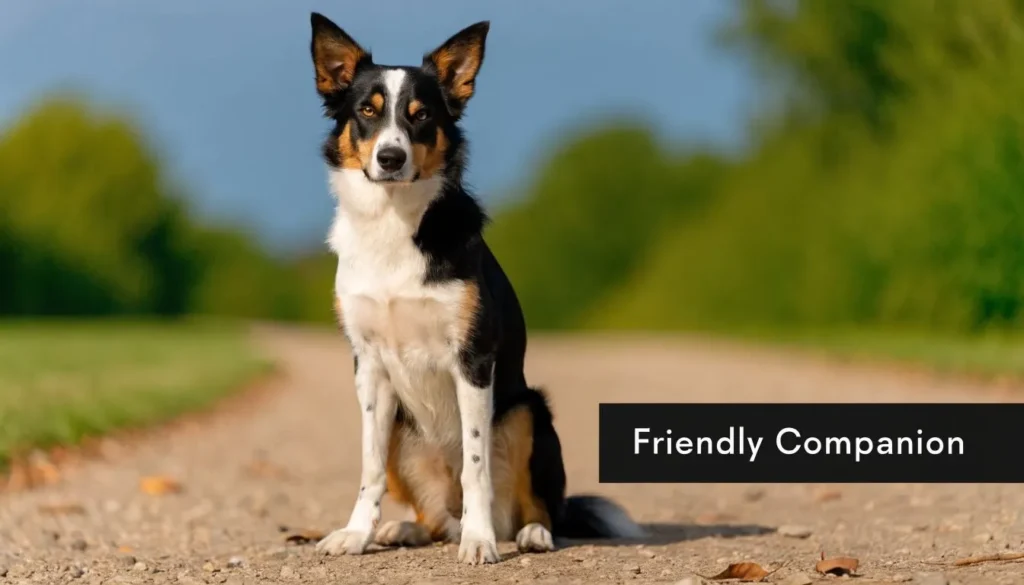
Bailey is a practical hedge against uncertainty.
It tends to suit retrievers, collies, spaniels, doodle mixes, and many rescue dogs because the name is socially neutral and temperament-flexible. It fits dogs that are affectionate, responsive, and adaptable, but it can also carry a more composed adult personality without sounding mismatched. The main drawback is distinctiveness. In parks, daycare settings, or large suburban neighborhoods, you may hear it often enough that owners who want rarity may find it too familiar.
- Best fit: Social, adaptable dogs and owners who want one name that works in family, training, and public settings.
- Less ideal fit: Owners who strongly prefer unusual names or want a sharper identity signal from the start.
- Practical move: Test Bailey aloud for several days, then decide whether a home nickname such as “Bails” or “Bay” gives you enough distinction without changing the formal name.
2. Bella
Why does Bella stay common even among owners who usually avoid popular names? Because it solves several practical problems at once. It is short, easy to pronounce, and emotionally clear, which makes it easy for children, guests, groomers, and veterinary staff to remember. As noted earlier, Bella also ranks near the top of female “B” names, so its popularity reflects repeated owner choice rather than novelty.
The meaning helps, but usability matters more. Bella comes from the Italian word for “beautiful,” yet the name does not feel ornate or hard to call out. It has two clean syllables, a soft opening consonant, and a bright ending vowel. Those traits make it easy to repeat in daily routines, especially if you are still building recall with a young dog through basic name recognition and reward-based training.
Best match for Bella
Bella fits dogs that read as gentle, affectionate, or composed. That can include a Cavalier King Charles Spaniel, a well-mannered Labrador, a tidy poodle mix, or a rescue dog whose appeal comes from warmth rather than comic energy. The common thread is tone. Bella suggests softness and approachability more than boldness or force.
It also works well for first-time owners. Pronunciation rarely varies. Family members tend to use it consistently. In practice, that consistency reduces friction, which matters because dogs learn repeated sound patterns faster than household nicknames that keep changing.
Appearance should not be the only filter. A dog with relaxed eye contact, measured movement, and a habit of seeking calm social contact often suits Bella better than a dog whose personality is intense, mischievous, or highly chaotic. Reading those signals gets easier when you understand the basics of dog body language and canine cues.
Practical lens: Bella suits owners who want a friendly, feminine name with high day-to-day usability and low explanation cost.
The tradeoff is distinctiveness. In apartment buildings, dog parks, and neighborhood walking routes, you are likely to hear Bella more than once. Owners who want this sound but not the crowding effect can keep Bella as the call name and use a household variation such as Bella June or Bella Bean.
- Ideal breeds and types: Companion dogs, affectionate sporting breeds, polished small breeds, friendly rescues
- Owner lifestyle fit: Families, first-time owners, multi-person households, anyone who values clarity over rarity
- Why it lasts: The meaning is warm, the sound is easy to repeat, and the name stays socially readable from puppyhood through adulthood
Bella is less a fashion choice than a reliability choice.
3. Bruno
Why does Bruno keep landing on dogs that look reliable before they do anything at all? The answer is partly linguistic. Bruno is short, low-pitched, and consonant-heavy, which gives it a grounded sound that owners often associate with strength and control.
Its root is commonly linked to “brown,” so the name has an obvious fit for brown, sable, or dark-coated dogs. That visual match helps, but it does not explain the whole appeal. Bruno also signals maturity. Compared with lighter, more playful B-names, it tends to suit dogs whose presence feels steady rather than busy.
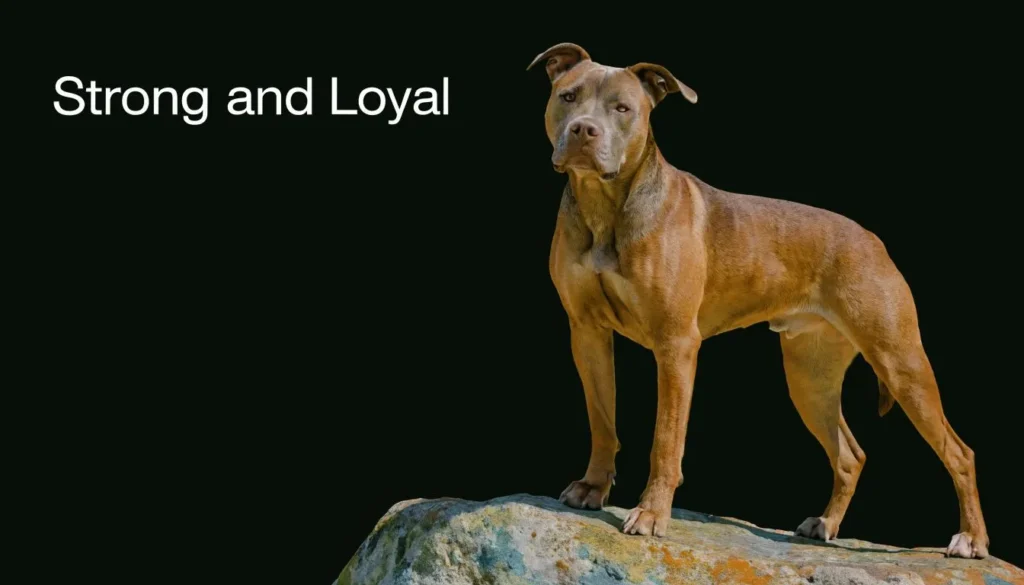
Who Bruno suits best
Bruno works best on dogs with physical substance or calm social confidence. Boxers, Rottweilers, German Shepherds, mastiff mixes, and broad-chested rescues often carry it naturally. The name can also work on a medium-size dog with a composed temperament, especially one that watches first and reacts second.
That temperament point matters more than coat color. A highly delicate, fluttery, or comic dog can wear Bruno, but usually as an intentional contrast. In practical use, the name fits best when the dog’s behavior matches the sound: measured movement, stable focus, and a low tendency toward frantic overreaction.
Bruno is also useful in training settings because it is easy to say cleanly and hard to confuse with casual household chatter. Owners who are building recall, leash manners, or place routines usually benefit from a name with clear edges and consistent pronunciation. If you want a repeatable system behind the name, a guide to basic dog training habits and routines helps keep that consistency in place.
- Best fit: Large breeds, working lines, guardian-leaning mixes, dark-coated dogs
- Tone profile: Strong, classic, steady
- Lifestyle match: Owners who want a serious-sounding name that still feels warm in daily use
- Watch-out: It may feel too weighty for a very tiny dog unless you want that mismatch on purpose
Bruno is a good choice for owners who want a name with permanence, clear sound structure, and a natural fit for dogs that project calm strength.
4. Buddy
What kind of name signals the relationship you want with your dog before training even begins? Buddy does that with unusual clarity. It is less about style or novelty and more about function. The name tells other people, and often reminds the owner, that this dog is part companion first.
As noted earlier, Buddy remains one of the most established male B names. That staying power makes sense. The word comes directly from everyday English, meaning friend or close companion, so its appeal is easy to explain. Owners rarely need to spell it out, repeat it, or explain the reference. In practical terms, that lowers friction at the vet, daycare, boarding desk, and dog park.
Buddy also sets a social expectation. A name with this much warmth tends to fit dogs that seek proximity, recover quickly from friendly interactions, and integrate easily into family routines. That makes it a strong match for retrievers, spaniels, many mixed-breed rescues, and older adopted dogs whose role in the home is companionship rather than image.
The strongest case for Buddy is behavioral, not visual.
A dog who shadows you from room to room, greets guests without much suspicion, and settles happily near the family usually wears Buddy better than a dog chosen for dramatic presence or sharp-edged intensity. If you want a name that supports a home-centered, affectionate identity, Buddy is efficient and accurate.
There is one tradeoff. The name is common enough that recall can get messy in crowded public spaces, especially at parks or daycare facilities where another dog may turn at the same cue. Owners who choose Buddy often get the best results by pairing it with a distinct recall word and keeping routines consistent. Daily structure helps here, from training to feeding, and a guide to vet-recommended dog food brands can also support the stable routine that companion dogs tend to thrive on.
Suitability snapshot
- Best fit: Friendly family dogs, rescues, therapy-leaning temperaments, owner-focused companions
- Tone profile: Warm, familiar, approachable
- Lifestyle match: Households that value closeness, routine, and easy social use over rarity
- Watch-out: It can feel too common if you want a name with strong distinctiveness in public settings
Buddy works best for owners who are naming the bond as much as the dog. That is why it stays relevant.
5. Biscuit
What kind of dog can carry a cute name without sounding trivial? Biscuit is one of the better answers because it combines warmth, clarity, and social ease.
As noted earlier, Biscuit appears often enough in dog-name roundups to count as established rather than quirky. That matters. Food names rise and fall quickly, but Biscuit has stayed usable because it sounds like a real call name in everyday settings. The sharp opening B makes it easy for dogs to hear, while the softer second syllable keeps the tone friendly.
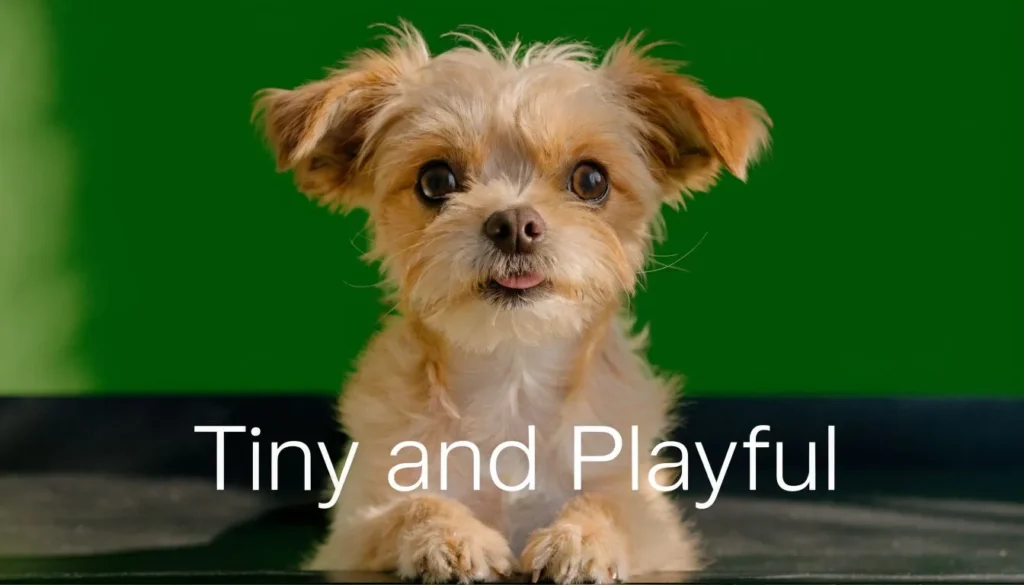
The best case for Biscuit is not just appearance. It is behavioral fit.
This name suits dogs that add levity to a household. Playful small breeds, fluffy companion dogs, and light-coated mixes often match it on visual tone, but personality carries more weight than size. A clownish spaniel, an eager mini poodle, or even a large rescue with gentle manners can wear Biscuit well if the dog invites affection rather than projecting formality.
It also performs well in public. At a clinic, grooming appointment, or daycare check-in, Biscuit is easy to say, easy to remember, and unlikely to sound harsh when repeated. Owners who want a name that softens first impressions often get that benefit here.
There is a limit, though. Biscuit is less effective for owners who want crisp command presence or a distinctly serious image. If your dog works in protection, projects high intensity, or responds best to a more formal tone, a softer food-based name may feel slightly misaligned. For routine-driven companion dogs, that tradeoff matters less, especially in homes where feeding, training, and care are part of a steady rhythm supported by practical resources such as vet-recommended dog food brands.
Suitability snapshot
- Best fit: Playful companions, fluffy breeds, cheerful rescues, dogs with an affectionate or comic presence
- Tone profile: Sweet, relaxed, approachable
- Lifestyle match: Casual homes, social owners, families who want a name that feels friendly in public
- Watch-out: It can sound too soft for highly formal training goals or stern owner preferences
Biscuit works best when the dog’s role is to bring warmth and personality into the room fast. That is why the name holds up better than many novelty-style food names.
6. Bentley
Bentley fits owners who want a name with status cues built into it. As noted earlier, it appears in widely recognized dog-name roundups, which matters because familiarity lowers the risk that a distinctive-sounding name will feel forced in daily use.
Its older root points to bent-grass meadow, but current usage is driven less by etymology than by association. Many people hear Bentley and immediately picture order, grooming, and a polished public image. That makes it less playful than Biscuit and less physically descriptive than Bear. Its appeal comes from presentation.
Why Bentley works for some dogs better than others
The strongest match is a dog whose appearance already suggests structure or finish. Spaniels with well-kept coats, poodles and doodle mixes that are groomed regularly, and lean breeds with clean lines tend to carry the name naturally. The same logic applies to owner habits. Bentley suits people who care about how a name reads on appointment forms, training rosters, boarding check-ins, and social posts.
Sound matters too. Bentley has enough sharpness at the front to get a dog’s attention, but it ends softly enough that it does not sound overly hard in repetition. That balance helps in homes where the name will be spoken often in public, not just called across a yard.
A practical test is simple. Say Bentley in a training class, at a front desk, and during a recall at the park. If it still sounds natural in all three settings, the name has staying power.
Bentley works best for dogs and owners who give off a composed, well-kept, intentionally styled impression.
There is one clear limitation. On a dog with a chaotic, rough-and-tumble presence, Bentley can read as irony. Some owners enjoy that contrast. Others find that the joke fades faster than expected.
- Best fit: Groomed breeds, elegant mixes, dogs with a composed or polished look
- Owner fit: People who prefer classic prestige and tidy presentation
- Core strength: High recognition with a polished tone
- Watch-out: It can feel mismatched on very scruffy, intensely goofy, or deliberately rugged dogs
Bentley is a useful choice when naming is part of a broader style decision, not just a way to get the dog’s attention.
7. Bear
What makes a dog name feel instantly believable the first time you say it out loud? Bear is a strong example because the name carries a clear image before anyone meets the dog. In pedigree registry benchmarks for B names, Bear stands out as a recurring choice associated with larger purebred dogs, especially dogs whose size, coat, or build already suggest heft and warmth.
That pattern helps explain why Bear works so often. The name matches visible traits. Owners tend to choose it for dogs that look substantial, dense-coated, broad-faced, or physically steady, which gives the name a high fit rate across breeds that project calm strength.
Bear also benefits from sound design. It is one syllable, easy to repeat, and clear at distance. Names with that structure often perform well in daily use because they are simple in recall, simple at the vet desk, and hard to mishear in a busy park.
The strongest use case is not aggression. It is presence with softness. A Newfoundland, Bernese Mountain Dog, Chow mix, or large rescue with oversized paws can all wear Bear well because the name suggests both bulk and approachability.
- Best fit: Large breeds, fluffy dogs, broad-built mixes, and dogs with a calm physical presence
- Personality fit: Steady, protective, affectionate, resilient
- Owner fit: People who want a name that is easy to call and immediately descriptive
- Watch-out: On very tiny or fine-boned dogs, Bear reads more as an intentional joke than a natural match
Bear is one of the clearest examples of a high-clarity dog name. Short to say, easy to remember, and closely tied to a specific visual impression.
If your dog’s appeal comes from looking sturdy, huggable, or subtly imposing, Bear is one of the safest B-name choices on this list.
8. Basil
Basil is the quiet intellectual on this list. It doesn’t appear among the dominant data-backed favorites, which gives it a different kind of value. If you want one of the less common dog names that start with b without drifting into something hard to say, Basil is a strong candidate.
Its roots point to the Greek idea of “royal” or “kingly,” and the herb association adds a domestic, almost literary softness. That combination is unusual. Basil can sound dignified, but it can also sound quirky in a polished way.
When Basil is the right kind of unusual
Basil suits dogs whose charm comes from alertness, intelligence, or a slightly eccentric streak. Think terriers with opinions, poodles with fast pattern recognition, or lean companion dogs that seem observant rather than boisterous.
The name also works well for owners who don’t want to follow the same popularity path as Bella, Bailey, or Buddy. Choosing Basil says you care about tone and distinctiveness, but you still want a name people can pronounce on first hearing.
A practical advantage is social clarity. Because Basil is uncommon in dog parks, your dog is less likely to swivel at someone else’s recall cue. That’s a real benefit in crowded settings.
Try saying it in both formal and affectionate versions. “Basil” sounds composed. “Baz” sounds playful. Not every name offers both modes so naturally.
- Best fit: Bright, observant dogs and owners who like subtle originality.
- Tone profile: Literary, refined, slightly quirky.
- Why choose it: It stands out without sounding invented.
Basil won’t be everyone’s pick. That’s exactly the point.
9. Blaze
Blaze is motion in name form. It’s for dogs that don’t just enter a room. They arrive with speed, intensity, and visible momentum. While it isn’t one of the top data-backed leaders in the verified rankings, it remains a compelling option because the sound is crisp, the imagery is immediate, and the fit is obvious for certain dogs.
The word suggests flame, flash, and rapid movement. That makes Blaze especially effective for athletic breeds and dogs whose personality is defined by drive rather than composure.
Where Blaze earns its place
This is a natural fit for Border Collies, Australian Shepherds, Huskies, sport mixes, and any dog who seems born to sprint, pivot, and launch. It also works beautifully for dogs with a facial blaze or strong contrasting markings, where the name becomes descriptive without being too literal.
Blaze has another advantage. It sounds energetic, but it’s still easy to call. You can use it in excitement or in urgency and get roughly the same clarity. Some high-energy names become mushy when shouted. Blaze stays sharp.
There is one caution. Don’t give an already overstimulated dog a chaotic naming routine around an already intense name. The issue isn’t the word itself. It’s the owner’s delivery. If you choose Blaze, use it cleanly and consistently rather than turning every call into a hype moment.
Names with a strong visual image can help guests remember your dog fast. Blaze does that immediately.
A few scenarios where it works especially well:
- Active households: Hiking, running, agility, and frequent outdoor time.
- Visual match: White facial stripe, bright eyes, quick gait.
- Owner fit: People who like bold names and don’t want anything soft-edged.
Blaze is a commitment to energy. If that’s your dog, the name lands.
10. Benson
Benson is formal without sounding stiff. It has the structure of a surname-name, which gives it an understated seriousness, but it still feels warm enough for daily use. For owners who want a dog to sound reliable rather than flashy, Benson has a lot going for it.
The name’s Old English structure, often understood as “son of Ben,” gives it a traditional backbone. It also strongly conveys trustworthiness. That’s why it tends to fit service-oriented, well-mannered, or highly trainable dogs.
Why Benson feels dependable
Some names signal fun. Benson signals steadiness. If your dog is calm in new places, attentive in public, or naturally composed around people, Benson often fits better than something louder or cuter.
It also performs well in professional contexts. In a training class, a waiting room, or a public-access setting, Benson sounds clear and mature. Owners who need a dog name that can move comfortably through everyday life and more structured environments often underestimate that benefit until they’ve lived with the name a while.
Benson is also adaptable across breed types. A Labrador, standard poodle, shepherd mix, or small companion dog can all wear it if the personality is measured and responsive. The name carries character more than physique.
- Best fit: Service-minded dogs, calm family dogs, attentive learners.
- Tone profile: Gentlemen’s-club classic, dependable, clean.
- Why choose it over trendier options: It ages well.
If you want a traditional name that doesn’t feel dusty, Benson is a smart closer to this list.
Top 10 B Dog Names Comparison
A shortlist gets more useful when the names are compared on the factors that affect daily life: how easily the name leaves your mouth, how clearly a dog can distinguish it, and what social impression it creates in different settings. The table below treats these names as practical choices, not just attractive words.
| Name | Ease of Use (implementation complexity) | Training & Recognition Effort (resource requirements) | Expected Fit / Outcome | Ideal Use Cases | Key Advantages |
|---|---|---|---|---|---|
| Bailey | Very easy to call and pronounce | Low, dogs respond readily | Friendly, versatile companion | Family pets, training, parks | Highly recognizable, gender-neutral, timeless |
| Bella | Easy, melodic and short | Low, quick recall in commands | Elegant, approachable presence | Graceful breeds, first-time owners | Widely familiar, pleasant sound |
| Bruno | Easy, strong single-syllable | Low, clear enunciation | Sturdy, confident presence | Large/working breeds, protective roles | Classic, strong, timeless |
| Buddy | Very easy, informal | Low, excellent for socialization | Affectionate, companion-focused | Therapy/service dogs, families | Conveys friendship and warmth |
| Biscuit | Easy, playful tone | Low to medium, food association may distract some dogs early on | Cute, whimsical personality fit | Small/fluffy breeds, social pets | Distinctive, memorable, playful |
| Bentley | Moderate, slightly formal tone | Low, consistent use needed | Polished, refined impression | Show dogs, style-conscious owners | Upscale, professional, memorable |
| Bear | Very easy, sharp single-syllable | Low, good for urgent recall | Powerful, protective-sounding | Large protection, working dogs | Strong, commanding, clear |
| Basil | Moderate, requires proper pronunciation | Medium, may need clarification | Cultured, intelligent impression | Literary-minded owners, trained dogs | Unique, refined, historically rich |
| Blaze | Very easy, energetic and sharp | Low, suits high-energy training | Fast, action-oriented persona | Agility, sports, active breeds | Distinctive, dynamic, memorable |
| Benson | Easy, formal and steady | Low, consistent in professional contexts | Reliable, trustworthy demeanor | Service/assistance dogs, formal settings | Classic, dependable, professional |
A few patterns stand out. Two-syllable names dominate because they balance clarity with warmth. Bailey, Bella, Buddy, Bentley, Basil, Blaze, and Benson all fit that pattern, which often makes them easier to repeat consistently in training and everyday conversation.
The clearest divide is tonal, not mechanical. Bear, Bruno, and Blaze project strength or speed. Bella, Biscuit, and Buddy feel softer and more socially inviting. Bentley, Basil, and Benson sit closer to the formal end, which can matter if you want a name that sounds credible in classes, clinics, or public-facing routines.
Popularity cuts both ways. Familiar names such as Bailey, Bella, and Buddy are easy for people to hear and remember, but they are also more likely to be shared by other dogs at a park or daycare. More distinctive options such as Basil, Biscuit, or Benson reduce that overlap, which can help if you want your dog’s name to stand out in group settings.
The practical takeaway is simple. If recall clarity is your first filter, Bailey, Buddy, Bear, and Blaze are strong choices. If image and tone matter just as much as function, Bentley, Basil, and Benson offer a more exact fit.
How to Test and Finalize Your Dog’s ‘B’ Name
A good shortlist still isn’t a final answer. Bailey may look perfect on paper, but if you feel awkward calling it across a field, it’s the wrong pick. Blaze may sound exciting, but if your household already runs noisy and fast, a calmer name like Benson or Bella may suit daily life better.
The most useful way to think about this is functional first, sentimental second. A dog’s name isn’t only an expression of taste. It’s part of your training routine, your recall system, and your dog’s repeated emotional experience of hearing your voice.
Key Insight: A name is a lifelong training tool. Its sound, length, and distinction from common commands are as important as its meaning.
Start by stress-testing sound, not just style. Go outside and use the name at conversational volume, then at distance. Does it come out clearly when you’re relaxed, and does it stay clear when you raise your voice? Names like Biscuit and Blaze often carry sharply because of their consonants. Softer names can still work, but they need to feel natural in your mouth.
Then pay attention to syllables. Many owners land on two-syllable names because they’re easy to say with a light upward inflection. Bailey, Bella, Bruno, Buddy, Basil, Bentley, and Benson all benefit from that pattern. One-syllable names like Bear can be excellent too, especially for owners who prefer a concise, direct recall style.
Four practical tests that actually help
- Backyard call test: Stand at a distance and say the name as if your dog were distracted. If the name feels muddy or awkward, you’ll notice it fast.
- Command conflict check: Say the name next to “sit,” “stay,” “come,” and “no.” You’re listening for blur, not perfection.
- Nickname pressure test: Ask yourself what the name will become after six months. If you hate the likely nickname, skip the formal version too.
- Public setting test: Imagine saying it in a clinic lobby, on a hike, and at home. The right name should survive all three.
There’s also a behavioral layer people miss. Watch your dog while trying names for a day or two. You’re not looking for instant mastery. You’re looking for ease. Does the sound get a consistent ear flick, head turn, or soft attention? If one name seems to invite cleaner recognition, that matters.
A lot of owners overvalue uniqueness and undervalue fit. The most popular names on this list got popular for a reason. Buddy stays at the top because it captures the companion role many owners want. Bella stays strong because it’s graceful and simple. Bear holds power because it matches large dogs so intuitively. Popularity alone shouldn’t decide the issue, but it shouldn’t scare you off either.
The opposite mistake is choosing something distinctive that you don’t enjoy using. Basil works only if you like its literary tone. Bentley works only if you enjoy its polished feel. Benson works only if you want quiet formality. A good name should fit the dog, but it should also fit the owner saying it every day.
Once you’ve decided, commit. Use the name consistently, pair it with positive experiences, and avoid cycling through too many alternatives. Dogs learn the sound through repetition and association. The faster you stabilize the cue, the faster the name becomes meaningful.
A strong “B” name gives you a memorable start. The way you use it gives it life.
If you enjoy practical, evidence-aware pet guides like this one, maxijournal.com publishes approachable writing across pets, health, science, entertainment, technology, and more. It’s a good place to keep reading, and an especially useful one if you like clear commentary without the usual filler.
Discover more from Maxi Journal
Subscribe to get the latest posts sent to your email.