Eat to Beat Stress: An Evidence-Based Guide to Food and Cortisol
More than 77% of people report stress that affects their physical health, according to the stress figure cited in the Illinois benefits article on foods that help reduce stress. That matters because cortisol, the body’s primary stress hormone, is useful in short bursts but costly when it stays elevated. Poor sleep, harder appetite control, more inflammation, and a body that feels stuck in “on” mode are all common downstream effects.
Food cannot erase every stressor. It can, however, change how the body responds to stress. The strongest dietary signal in the evidence provided here is not a miracle ingredient. It is a pattern: whole foods, enough carbohydrate from minimally processed sources, anti-inflammatory fats, and microbiome-supportive foods.
One 2019 randomized controlled trial published in Nutrients found that a healthy whole-food diet aligned with the Dietary Guidelines for Americans, and higher in carbohydrate from foods like fruits, vegetables, and whole grains, significantly reduced circulating cortisol and dampened cortisol responsiveness to psychological stress. In that study, the strongest inverse association between carbohydrate intake and log salivary cortisol appeared 30 minutes after a standardized stress test (β: −0.004 ± 0.0015, P = 0.009), while the low-carbohydrate control diet did not show that effect.
That finding reshapes how to think about cortisol lowering foods. They are not random “healthy” foods. They are tools. Some help by lowering inflammation. Some steady blood sugar. Some support the gut-brain axis. Some appear to directly reduce cortisol in small human studies.
Below is a practical Cortisol Control Toolkit: 10 foods and food groups, how they likely work, when they are most useful, and how to use them without turning your pantry into a supplement aisle.
1. Fatty Fish (Salmon, Sardines, Mackerel)
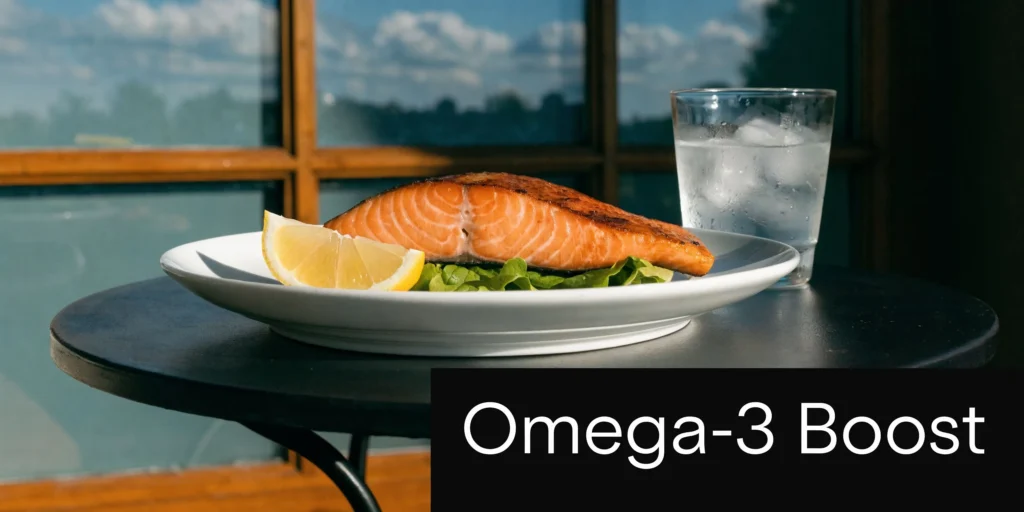
Fatty fish are one of the clearest “system-level” tools in a cortisol strategy. They do not just target one pathway. They influence inflammation, cell membranes, and stress signaling at the same time.
The verified evidence here supports omega-3-rich foods as part of anti-inflammatory dietary patterns linked with lower cortisol. The Illinois stress-and-food resource specifically notes that omega-3 fatty acids can normalize low cortisol responses and places fish inside a broader Mediterranean-style pattern built around anti-inflammatory whole foods.
How this tool works
Cortisol and inflammation often travel together. When stress is frequent, the body can lean harder on inflammatory signaling. Salmon, sardines, and mackerel fit well because they bring omega-3 fats into meals that otherwise might be built around refined carbs or ultra-processed proteins.
That matters in practice. A lunch of grilled salmon, farro, arugula, and olive oil does more than “check the healthy box.” It combines protein, anti-inflammatory fat, and whole-food carbohydrate in one plate. For many people, that is the pattern that feels steadier through the afternoon than a pastry-and-coffee lunch that leads to a late-day crash.
Best use cases
- For a high-stress workweek: Bake salmon fillets and portion them into lunches using these healthy meal prep ideas.
- For fast breakfasts: Put sardines on whole-grain toast with lemon and parsley.
- For cold lunches: Flake smoked or baked mackerel into a salad with beans, cucumber, and herbs.
Pair fatty fish with a whole-food carbohydrate such as roasted potatoes, brown rice, or lentils. The stress evidence in this article points toward dietary patterns, not isolated nutrients.
A practical caution: frying fish can turn a useful anti-inflammatory tool into a heavier meal that is harder to repeat consistently. Grill, bake, poach, or pan-sear instead.
2. Dark Chocolate (70% Cacao and Higher)
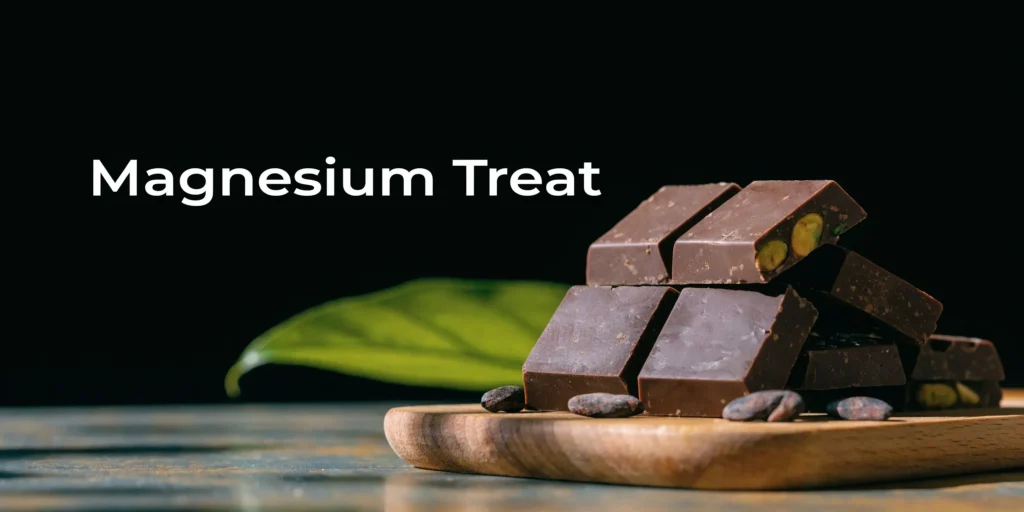
Dark chocolate earns its place because it is one of the few cortisol lowering foods in this list tied to a direct intake amount in the verified data. A small clinical study cited by GoodRx found that consuming 25 grams of dark chocolate daily significantly lowered cortisol levels in participants, as described in GoodRx’s article on foods that lower cortisol.
That is useful for readers because it turns a vague wellness idea into something operational. This is not “eat chocolate when stressed.” It is “use a modest portion of high-cacao chocolate as a repeatable food tool.”
Why it may help
The verified explanation centers on cocoa polyphenols. These compounds act as antioxidants and may help counter inflammation, one of the major conditions that can keep stress physiology activated longer than needed. Dark chocolate also tends to bring magnesium into the diet, and the verified data notes that low magnesium correlates with higher stress.
This makes dark chocolate a good “small lever” food. It is not the foundation of a cortisol plan, but it can upgrade a stress-prone snack pattern.
Operating instructions
Use it strategically, not casually.
- Choose a higher-cacao bar: Look for 70% cacao or higher to keep sugar lower.
- Keep the portion modest: The verified evidence points to 25 grams daily, not an open-ended serving.
- Build a better snack: Try dark chocolate with almonds, walnuts, or plain yogurt.
- Use timing well: Mid-afternoon often works better than late evening if chocolate affects your sleep.
A strong use case is the stress-snacking window between lunch and dinner. Instead of reaching for a sugary vending-machine snack, try two or three squares of dark chocolate with a handful of nuts. You get sweetness, texture, and a more stable energy profile.
3. Leafy Greens (Spinach, Kale, Swiss Chard)
Leafy greens are less glamorous than chocolate, but they solve a more common problem. Stress tends to crowd out nutrient density. People under pressure often eat enough calories while falling short on magnesium, folate, and potassium-rich whole foods. Greens help close that gap fast.
The verified material specifically highlights spinach as a stress-supportive food. It notes folate, nitrates, and a role in reducing stress impact, improving mood, lowering blood sugar, relaxing blood vessels through nitric oxide, and helping reduce blood pressure.

The mechanism that matters most
Greens are not useful because they are “detoxifying.” They are useful because they make the rest of your diet more stress-compatible.
Spinach in an omelet, kale in a grain bowl, or chard folded into beans adds micronutrients without pushing meals toward extremes. That is important for cortisol control because stress physiology often worsens when meals become erratic, low in fiber, or overly refined.
Practical recipes that work under pressure
A few examples tend to stick better than generic advice:
- Wilt spinach into scrambled eggs with feta.
- Sauté kale with garlic and olive oil for a simple dinner side.
- Blend frozen spinach into a banana smoothie if you dislike the taste of salads.
- Add Swiss chard to lentil soup near the end of cooking.
Light cooking often makes greens easier to eat in useful amounts. If raw kale feels like punishment, sauté it.
Frozen greens deserve a special mention. They remove the “I forgot to use it” problem, which is one of the main reasons good nutrition advice fails in real kitchens.
4. Berries (Blueberries, Strawberries, Raspberries)
Berries are a classic example of a food that does double duty. They support anti-inflammatory eating, and they also fit naturally into the higher-carbohydrate whole-food pattern that showed cortisol benefits in the randomized trial cited in the introduction.
That trial matters here because berries are not just “antioxidants.” They are one of the easiest ways to add minimally processed carbohydrate from whole foods. For people who have been told that stress control means cutting carbs aggressively, this is a helpful correction.
Why berries belong in a cortisol toolkit
Whole-food carbohydrate appears to matter for stress responsiveness. In the verified Nutrients trial, adults eating a whole-food diet based on the Dietary Guidelines for Americans had lower circulating cortisol and a dampened cortisol response to a standardized stress challenge, while the low-carbohydrate control diet did not show the same effect.
Berries fit that pattern cleanly. They bring carbohydrate, fiber, and polyphenols in a package that is easy to use at breakfast, as a snack, or in dessert.
Best ways to use them
Berries work best when they replace less useful sweet foods.
A few strong use cases:
- Mix blueberries into oatmeal instead of adding brown sugar.
- Build a yogurt parfait with strawberries and pumpkin seeds.
- Use frozen raspberries in a smoothie with kefir and spinach.
- Fold mixed berries into chia pudding for a make-ahead breakfast.
The less obvious advantage is compliance. A cortisol-supportive diet only works if people keep eating it during hard weeks. Berries help because they make supportive meals taste good without requiring a lot of effort or culinary skill.
Frozen berries are especially practical. They are available year-round, usually picked at peak ripeness, and easy to portion.
5. Nuts and Seeds (Almonds, Walnuts, Pumpkin Seeds, Flaxseeds)
Nuts and seeds are the “stability tool” in this toolkit. Their biggest value is not direct cortisol suppression. It is how reliably they improve the structure of meals and snacks.
Stress often shows up in the body as irregular eating. Someone skips breakfast, grabs coffee, crashes by noon, overeats later, then blames stress alone. Nuts and seeds help interrupt that cycle by adding fat, fiber, and minerals to meals that would otherwise be too light or too refined.
Where they fit best
Think in terms of gaps.
If breakfast is fruit only, add walnuts or flaxseeds. If the afternoon snack is crackers, add almonds. If lunch is a salad that leaves you hungry an hour later, add pumpkin seeds.
The verified data points to magnesium-rich foods, including avocados, spinach, dark chocolate, and bananas, as foundational because low magnesium correlates with higher stress. Nuts and seeds naturally fit beside that pattern, especially in diets that need more mineral density and more staying power.
Practical combinations
- Almonds plus fruit: Better for sustained energy than fruit alone.
- Ground flaxseed in oatmeal: Easy way to add texture and nutritional density.
- Pumpkin seeds on soup: Useful on blended squash or tomato soup where crunch improves satisfaction.
- Walnuts in yogurt: A simple breakfast that feels more complete.
A realistic caution matters here. Nuts and seeds are easy to overeat when used as “healthy snacks” without a plan. Pre-portioning them into small containers helps. So does using them as part of meals instead of relying on handfuls grabbed from a pantry bag.
6. Herbal Teas (Chamomile, Passionflower, Ashwagandha)
Herbal tea is a different kind of tool. It changes the pace of stress eating.
That sounds softer than nutrition science, but behavior matters. Many people reach for food when they need a downshift signal. A hot, non-caffeinated drink can create that pause, especially at the end of the workday or before bed.
The verified trend data from FoodNavigator says the low-cortisol diet has emerged as a dominant food trend in 2025, with “cortisol” tagged 558,000 times on Instagram and 454,000 times on Facebook, reflecting broad social media interest in cortisol-focused food choices, according to FoodNavigator’s piece on the low-cortisol diet trend and NPD opportunities. That does not prove tea lowers cortisol on its own. It does show that consumers are actively looking for food-and-drink rituals tied to stress control.
The strongest use case
Evening is where herbal tea has the clearest role.
Chamomile before bed, or a passionflower blend after a tense afternoon, can replace late caffeine, alcohol, or mindless snacking. If poor sleep is part of your stress pattern, that swap can be more important than any isolated nutrient.
A good companion read is this guide on how to improve sleep quality, because cortisol control and sleep quality often reinforce each other.
How to use tea well
- Choose caffeine-free varieties: The point is to reduce stimulation.
- Brew deliberately: Use enough steep time for a stronger infusion.
- Attach it to a routine: Tea works better when linked to reading, stretching, or screen-off time.
This category comes with a caution. “Adaptogenic” herbs attract a lot of hype. The verified data says adaptogenic herbs such as rhodiola and ashwagandha show preliminary evidence of HPA-axis regulation. Preliminary is the key word. Treat these drinks as supportive habits, not as replacements for medical care, sleep, or balanced meals.
7. Fermented Foods (Yogurt, Kefir, Sauerkraut, Kimchi, Miso)
Fermented foods are the gut-brain axis tool. That matters because cortisol regulation is not just an adrenal story. It is also a signaling story between the brain, immune system, and microbiome.
The verified evidence is stronger here than many readers may expect. The Illinois article notes a link between fermented foods and reduced social anxiety. The GoodRx summary adds that fermented foods such as yogurt, kimchi, and kombucha provide probiotics that enhance stress response, citing one study in which probiotic supplement users performed better on memory tasks under stress and another prebiotic trial that reported lower cortisol.
A short explainer is worth watching before you build fermented foods into your routine:
Why this tool is different
Fermented foods do not usually create a dramatic immediate effect. Their strength is cumulative. They help shape a more resilient internal environment over time.
That makes them ideal for people whose stress shows up as digestive discomfort, irregular appetite, or brain fog under pressure. A breakfast with plain yogurt, berries, and seeds, or a lunch bowl topped with kimchi, is a quiet way to support that system daily.
Best entry points
- Start with plain yogurt or kefir if you want the easiest on-ramp.
- Add sauerkraut or kimchi as a condiment rather than a full side dish.
- Use miso in soup broths or glazes.
If you are trying to build a routine, this guide on the best time to take probiotics pairs well with fermented foods because timing and consistency often matter more than intensity.
Start small with fermented foods if you are not used to them. A spoonful daily is more sustainable than forcing a large serving and quitting.
8. Avocados
Avocados are the “stress-buffering fat” tool. They add creaminess and satisfaction, but their real value is more strategic. They make healthy meals feel complete, which increases the odds that people keep eating those meals when life gets chaotic.
The verified data gives avocados a useful dual role. GoodRx cites a long-term cohort study showing that people eating two servings of avocado per week, equivalent to one whole avocado, had a lower risk of heart attack and stroke. The same verified summary also links avocados to unsaturated fats, B vitamins, vitamins C and E, and magnesium, and notes a lab study in which avocado oil protected nerve cells from cortisol-induced damage.
Why avocados matter beyond healthy fats
Cortisol management is partly about limiting collateral damage. Chronic stress can push appetite, blood pressure, and metabolic strain in the wrong direction. Avocados fit well because they support meals that are both nutrient-dense and satisfying.
That is especially useful at breakfast and lunch. Half an avocado with eggs and whole-grain toast can anchor the first half of the day much better than a low-protein, low-fiber pastry breakfast. In the afternoon, guacamole with vegetables is a very different stress snack than chips alone.
Smart ways to use them
Try these patterns:
- Mash avocado on toast and top with pumpkin seeds.
- Add slices to a bean bowl with brown rice and salsa.
- Blend avocado into a smoothie for texture instead of relying on sweetened yogurt.
- Make a simple guacamole with lime, cilantro, and salt for a snack board.
The main caution is practical, not nutritional. Avocados are easy to buy and easy to waste if they all ripen at once. Stagger purchases, or buy a mix of firmer and softer fruit.
9. Adaptogenic Mushrooms (Reishi, Lion’s Mane, Cordyceps)
Adaptogenic mushrooms are the most uncertain tool on this list. That does not make them useless. It makes them secondary.
The verified evidence provided does not include direct clinical cortisol data for reishi, lion’s mane, or cordyceps as foods. It does mention preliminary evidence for adaptogenic herbs such as rhodiola and ashwagandha in relation to HPA-axis regulation. Mushrooms are often marketed in the same “adaptogen” lane, but that is not the same as strong proof for cortisol reduction.
How an analyst should read this category
Treat adaptogenic mushrooms as optional supports, not core cortisol lowering foods.
If a person already has a solid foundation of regular meals, whole-food carbohydrates, omega-3-rich foods, magnesium-rich foods, and fermented foods, then mushroom powders or blends may be worth experimenting with. If that foundation is missing, mushrooms are mostly a distraction.
This is a useful category for people who want ritual without more caffeine or sugar. A reishi evening drink, for example, can replace a late-night dessert habit or another glass of wine. That swap may help stress management even if the mushroom itself is not doing all the work.
Practical use cases
- Stir reishi powder into warm milk or a milk alternative in the evening.
- Use lion’s mane in a morning beverage if you want a coffee alternative.
- Add mushroom blends to oats or smoothies if you tolerate the flavor.
A caution matters. Product quality varies widely, and labels often imply more certainty than the evidence supports. If you use these products, choose simple formulas and judge them by whether they help you maintain better habits, not by dramatic claims.
10. Legumes (Lentils, Chickpeas, Black Beans)
Legumes are the most underrated item in a cortisol toolkit because they solve several stress-related nutrition problems at once.
They help build meals around whole-food carbohydrate, fiber, and plant protein. That combination matters because the verified Nutrients trial points toward higher carbohydrate intake from whole foods as part of a healthy dietary pattern that reduced circulating cortisol and blunted stress-related cortisol responsiveness. Lentils, chickpeas, and beans are one of the cheapest, most repeatable ways to apply that pattern.
Why legumes punch above their weight
Many people hear “carbohydrates” and think bread, sugar, and cereal. Legumes are a better stress-management carbohydrate because they digest slowly and come bundled with fiber and protein.
That changes real meals. A lentil soup with greens is not just filling. It is metabolically steadier than a refined-carb lunch. A chickpea bowl with tahini and vegetables is easier to recover from than fast food eaten under deadline pressure. A black bean burrito bowl can support energy through the afternoon rather than driving a rebound snack cycle.
Strong use cases for busy weeks
- Lentil soup: Batch cook once, eat for several lunches.
- Chickpea hummus: Keep it in the fridge for vegetables, toast, or wraps.
- Black bean bowls: Pair with rice, salsa, avocado, and greens.
- Roasted chickpeas: Better pantry snack than chips if you want crunch.
If legumes are new to your routine, start small and use them frequently rather than forcing large servings. Consistency beats intensity with cortisol lowering foods because the body responds to patterns.
10-Item Cortisol-Lowering Foods Comparison
| Item | Implementation complexity | Resource requirements | Expected outcomes | Ideal use cases | Key advantages |
|---|---|---|---|---|---|
| Fatty Fish (Salmon, Sardines, Mackerel) | Moderate: requires cooking and 2–3 weekly servings | Higher cost, refrigeration or frozen storage, choose sustainable sources | Significant cortisol reduction; reduces inflammation; cardiovascular & cognitive benefits | Regular meals for stress resilience and inflammation control | Rich EPA/DHA omega‑3s, vitamin D, anti‑inflammatory effects |
| Dark Chocolate (70%+ Cacao) | Low: small daily portion (20–30g) | Moderate cost; choose high‑cacao, low‑additives brands | Modest cortisol reduction; immediate mood lift via neurotransmitter support | Quick mood boost, portable snack, mindful eating breaks | Magnesium, polyphenols, mood‑enhancing compounds |
| Leafy Greens (Spinach, Kale, Swiss Chard) | Low: easy to add raw or cooked daily | Low cost, widely available; minimal prep/storage needs | Noticeable cortisol reduction; high micronutrient density | Daily smoothies, salads, sides for ongoing cortisol support | High magnesium and folate, low calorie, antioxidant rich |
| Berries (Blueberries, Strawberries, Raspberries) | Low: add fresh or frozen to meals | Seasonal cost when fresh; frozen affordable year‑round | Reduces cortisol‑related inflammation; antioxidant support | Smoothies, snacks, toppings to boost antioxidant intake | High anthocyanins and fiber; neuroprotective antioxidants |
| Nuts & Seeds (Almonds, Walnuts, Pumpkin, Flax) | Low: ready‑to‑eat but portion control needed | Affordable in bulk; long shelf‑life; calorie‑dense | Contributes to cortisol reduction via mineral support | Portable snacks, salad toppers, travel-friendly nutrition | Concentrated magnesium, zinc, selenium and healthy fats |
| Herbal Teas (Chamomile, Ashwagandha, Passionflower) | Low: steeping ritual; consistent daily use | Very low cost; widely available; quality varies by brand | Promotes cortisol reduction; calming and sleep support | Evening wind‑down, ritualized stress reduction, daytime calming | Immediate calming ritual, adaptogenic and GABA‑promoting effects |
| Fermented Foods (Yogurt, Kefir, Sauerkraut, Kimchi) | Low–Moderate: introduce gradually to diet | Variable cost; refrigeration; choose live‑culture products | Significant cortisol reduction via gut‑brain axis; improved mood | Gut‑health focus, regular consumption for microbiome benefits | Probiotics, SCFA production, enhanced nutrient bioavailability |
| Avocados | Low: simple to add but manage ripeness | Moderate cost; perishable, seasonal price variability | Modest cortisol reduction through potassium and fats | Satiating breakfasts, salads, snacks for hormonal support | High potassium, monounsaturated fats, folate for stress metabolism |
| Adaptogenic Mushrooms (Reishi, Lion’s Mane, Cordyceps) | Moderate: supplements or powders; consistent dosing | Higher cost; quality/potency varies; prefer standardized extracts | Significant reduction with consistent use; cognitive and sleep benefits | Chronic stress management, cognitive resilience, evening routine | Supports cortisol homeostasis, neuroplasticity, immune modulation |
| Legumes (Lentils, Chickpeas, Black Beans) | Moderate: soaking/cooking or canned convenience | Very affordable, shelf‑stable; longer prep for dried varieties | Contributes to cortisol reduction via blood sugar stabilization and nutrient supply | Meals focused on steady energy, plant‑based diets, satiety | Complex carbs, protein, magnesium/zinc, resistant starch for gut health |
Building Your Anti-Stress Pantry
The most important lesson from the evidence is simple. Cortisol management is not about chasing a single miracle food. It is about building an eating pattern that makes the stress response less chaotic and recovery more reliable.
The randomized trial cited earlier is especially useful because it pushes back on an overly narrow idea of “stress eating.” The winning pattern was not a supplement stack or a restrictive diet. It was a healthy whole-food approach aligned with the Dietary Guidelines for Americans, with more carbohydrate coming from foods such as fruits, vegetables, and whole grains. That distinction matters. A donut and a bowl of berries are both carbohydrates. They are not the same stress tool.
This is why the Cortisol Control Toolkit works best when the foods are combined.
Fatty fish helps lower inflammatory pressure. Dark chocolate can serve as a controlled, polyphenol-rich replacement for more disruptive sweets. Leafy greens raise the nutrient density of ordinary meals. Berries and legumes strengthen the whole-food carbohydrate side of the pattern that appears to help blunt stress-related cortisol response. Fermented foods add a gut-brain axis angle that many lists miss. Avocados, nuts, and seeds improve satiety and make meals easier to stick with. Herbal teas and mushroom drinks can create useful rituals, but they work best when layered onto a solid food foundation.
That leads to a practical hierarchy.
Start with the foods that make daily meals structurally better. Beans, greens, berries, yogurt, fish, nuts, and whole-food carbs will do more for many individuals than expensive powders. If your breakfast is erratic, fix breakfast first. If your afternoons are powered by caffeine and sugar, fix the afternoon snack window. If dinner comes from delivery apps four nights a week, start with one meal-prepped lentil or salmon dinner and repeat it.
You do not need to add all 10 foods at once.
A realistic first step could look like this:
Choose one breakfast upgrade, one lunch upgrade, and one stress-snack upgrade.
That might mean:
plain yogurt with berries and flaxseed for breakfast,
a lentil-and-greens soup for lunch,
and a small portion of dark chocolate with almonds in the afternoon.
Another strong starting pattern is salmon once or twice in your weekly rotation, spinach added to eggs or smoothies, and kimchi or sauerkraut used as a condiment with lunch bowls.
The deeper takeaway is that cortisol lowering foods are most useful when they are easy to repeat under real-world pressure. The best plan is not the one with the most impressive ingredient list. It is the one you can still follow during a deadline, after poor sleep, or in a stressful family week.
That is why pantry design matters.
Keep frozen berries, canned beans, tins of sardines, plain yogurt, dark chocolate, nuts, seeds, and frozen spinach on hand. Store miso in the fridge. Buy avocados in different stages of ripeness. Build a small bench of foods that can be assembled into stress-compatible meals in minutes. The less friction there is, the more likely your diet will support you when cortisol is already high.
At maxijournal.com, that is the wellness philosophy worth defending. Use evidence. Favor patterns over hype. Build systems that hold up in ordinary life.
If you want more practical, evidence-aware health writing in the same approachable style, visit maxijournal.com. You’ll find fresh articles across health, science, technology, lifestyle, and more, plus a home for readers and contributors who value clear thinking over trend-chasing.
Discover more from Maxi Journal
Subscribe to get the latest posts sent to your email.